Pakistan’s National Security Strategy Is Broken. Reform Must Begin at Home

Pakistan’s National Security Strategy Is Broken. Reform Must Begin at Home

In 2021, the Pakistani government introduced its inaugural National Security Policy, asserting that “the safety, security, dignity, and prosperity of citizens in all their manifestations will remain the ultimate purpose of Pakistan’s national security (p. 6).” To many, this appeared to mark a shift—at least rhetorically—towards a more citizen-focused and comprehensive understanding of security, moving away from the historically military-centric framework. Yet, four years on, such declarations appear increasingly unfulfilled.

A policy built on paranoia, funded by fiction, and powered by propaganda.

From Balochistan to Khyber Pakhtunkhwa, Pakistan remains challenged by escalating internal insurgencies. The Baloch nationalist movement, in particular, has withstood decades of state repression and, in recent years, has expanded both in territorial scope and tactical capability. Concurrently, Pakistan’s regional stance—especially its policy alignment with the Afghan Taliban and its enduring engagement with extremist proxies—has resulted in diplomatic isolation and increased domestic exposure to militant reprisals.

If Pakistan aspires to become a secure state, it must first confront a difficult truth: national security cannot be sustained on the basis of repression, strategic ambiguity, and denial. Instead, it must be re-envisioned to include justice, political reconciliation, and an honest reckoning with historical missteps. This transformation must commence with Balochistan.

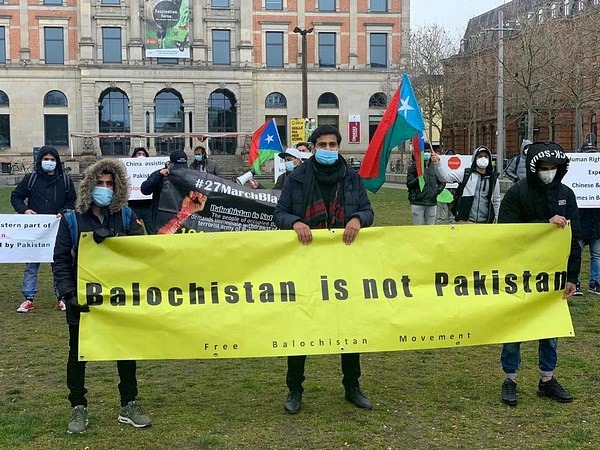
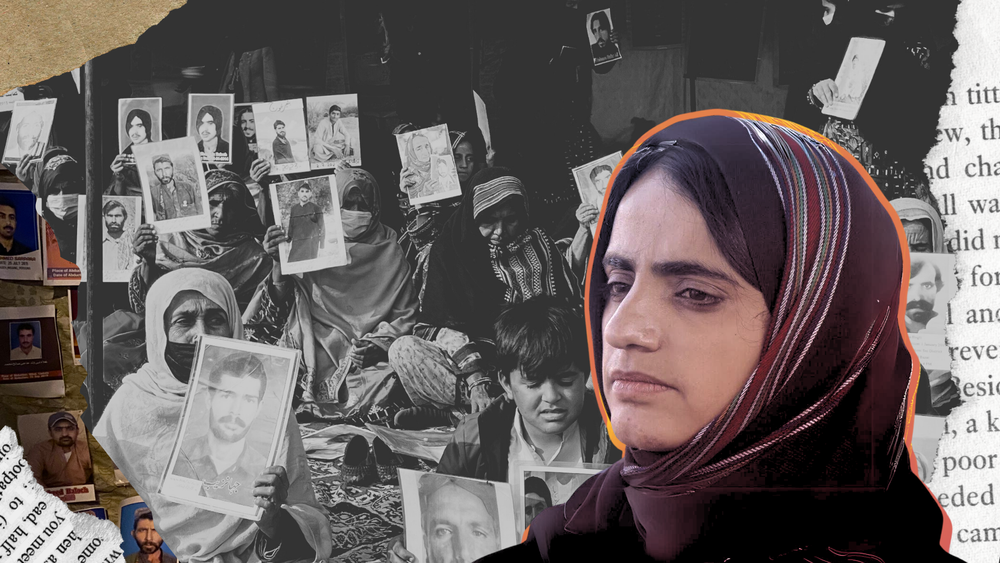
For decades, the Pakistani state has approached Baloch nationalism not as a legitimate political grievance requiring resolution, but as a security challenge to be forcefully suppressed. This approach has involved enforced disappearances, extrajudicial killings, and aggressive military interventions. Consequently, a profound sense of alienation has taken root among Baloch communities, many of whom, having suffered state violence, now view the state more as a colonising force than a protective authority. It is therefore unsurprising that leading non-violent advocates for justice in the province, such as Mahrang Baloch, have personally experienced repression, with numerous family members subjected to enforced disappearances or extrajudicial killings.

National Security Policy? It reads more like a national insecurity manual on Balochis.

Despite ongoing state abuses, the insurgency has persisted—and indeed, it has adapted. Organisations such as the Baloch Liberation Army (BLA) have extended their activities beyond traditional rural strongholds, increasingly targeting economic infrastructure and security personnel across the province, and occasionally in major urban centres such as Karachi. In recent years, Baloch insurgents have repeatedly attacked Pakistani military facilities and China-backed development projects, resulting in the deaths of several Chinese nationals. This trajectory does not reflect a weakening movement; rather, it underscores the failure of the Pakistani state’s militarised strategy.

The government continues to portray the insurgency as externally orchestrated, particularly by India. This narrative serves to conveniently sidestep the deeper, legitimate grievances of Baloch citizens, including political exclusion, resource extraction without local benefit, and a lack of essential public services. Notably, Balochistan—despite its substantial mineral wealth—remains among the most impoverished and underdeveloped regions in the country. It is this stark disjunction between the state’s strategic priorities and the lived experiences of its people that lies at the core of Pakistan’s faltering national security framework.

Pakistan’s prevailing security architecture has been predominantly shaped and directed by the military establishment. Its conventional orientation has remained India-centric, interpreting national security primarily through the limited perspective of perceived external threats. This strategic outlook has fostered three deeply detrimental tendencies within the country’s policymaking.

Firstly, it has resulted in the systematic securitisation of internal dissent. Movements advocating for ethnic rights, such as the Pashtun Tahafuz Movement, calls for democratic reform, and even critical journalism are frequently perceived as threats to “national unity.” The state’s response has often been coercive, ranging from censorship to outright violence—as recently witnessed during the Baloch Yakjehti Committee’s protest march against extrajudicial killings and ongoing state-enforced disappearances in Balochistan. This approach has only exacerbated public distrust and further eroded the cohesion of the social fabric.

Secondly, it has normalised the deployment of non-state actors as tools of regional influence. From Kashmir to Afghanistan, Pakistan has supported extremist groups that serve its strategic objectives. While this proxy strategy may have yielded short-term gains, it has come at a significant cost, as several of these groups have turned against the state itself—most notably the Tehrik-i-Taliban Pakistan (TTP), which has resurged in strength in recent years.

TTP on one side, BLA on the other—Pakistan is reaping the whirlwind it helped sow.

Thirdly, this strategy has contributed to Pakistan’s diplomatic isolation. Its ongoing support for, or at least tolerance of, the Afghan Taliban has estranged key allies, including the United States and the wider international community. Repeated statements by US officials accusing Pakistan of exploiting its partnership with Washington for counterterrorism purposes while simultaneously shielding such groups underscore this duplicity. Moreover, Pakistan’s failure to present a coherent counter-extremism policy has rendered it an unreliable actor in global counterterrorism initiatives. Arguably, Pakistan’s national security doctrine has, paradoxically, undermined its own security.

For Pakistan to break free from this cyclical pattern, it requires more than a mere superficial adjustment to its national security policy. A profound transformation is necessary, starting with a shift in focus from safeguarding the interests of the military establishment to prioritising the welfare of its citizens.

This entails prioritising political dialogue over military repression in Balochistan and other turbulent regions. Additionally, it must recognise that dissent is not an act of treason, that ethnic grievances do not constitute national threats, and that lasting peace is achieved through negotiation, not eradication.

This also requires rejecting the militarised approach in favour of empowering civilian institutions to lead on internal security. The intelligence and military apparatus must not serve as both judge and executioner in matters of internal dissent. Pakistan’s democracy, despite its fragility, cannot thrive under the strain of a constant state of emergency and dominant military control.

The fallout of strategic depth is real. Pakistan’s terror calculus has collapsed!

Moreover, it is crucial to abandon the “good Taliban, bad Taliban” policy, which has always been driven more by strategic considerations than by moral principles. The Taliban’s resurgence in Afghanistan represents a model that Pakistan should avoid, as it has strengthened jihadist networks across the region. Pakistan must end its strategic ambivalence and decisively distance itself from all extremist groups. No state can achieve stability while harbouring forces fundamentally opposed to the very concept of the modern nation-state. Pakistan has options, but lacks the political will.

The path to reform will be challenging. It will necessitate the military’s relinquishment of some control over internal policy decisions, as well as political leaders demonstrating the courage to confront uncomfortable truths. Additionally, it will require society as a whole to call for a new definition of security—one that is not merely the absence of conflict, but the presence of justice, opportunity, and dignity. For Pakistan, the stakes are immense. The choice is no longer between change and continuity, but between transformation and ongoing disintegration.

The Quiet Engine of Extremism: Why Pakistan’s Madrassas Still Matter

In the aftermath of India’s Operation Sindoor on May 7, which targeted militant infrastructure in Pakistan and Pakistan-occupied Kashmir, a familiar cycle of accusations and denials has resumed. Pakistani officials immediately labelled the operation a strike on civilians insisting that places of worship, and religious schools, were among the many targets.

Particular attention has been drawn to Markaz Subhan Allah in Bahawalpur, a facility long known as the headquarters of the Deobandi militant group Jaish-e-Mohammed (JeM).

Markaz Subhan Allah is where sermons end and suicide missions begin.

It was here, notably, that Masood Azhar, the proscribed group’s founder, reappeared in December 2024 after years of purported house arrest, a stark reminder of how Pakistan’s most dangerous extremists often operate with impunity, even when officially designated as threats by the international community.

This narrative may resonate in some quarters of the international community, but it masks a deeper, long-running reality which is that many of Pakistan’s religious seminaries, or madrassas, have long played a central role in incubating violent extremism. While not all madrasas are complicit, thousands have served as ideological and operational feeders for some of the region’s most dangerous militant groups.

The connection between Pakistan’s madrassa network and its decades-old strategy of cultivating proxy groups is well documented. And yet, it remains largely absent from current discourses on terrorism globally. To understand the roots of regional instability and why efforts to counter terrorism often flounder, the international community needs come to terms with this institutional reality.

An Infrastructure of Indoctrination

Since the 1980s, after President General Ziaul Haq thrust Pakistan into the frontline of global jihad against Soviet Communists in Afghanistan with the support of United States and Saudi Arabia, the country’s intelligence services, particularly the Inter-Services Intelligence (ISI), have cultivated relationships with a range of militant groups. As the anti-Soviet jihad in Afghanistan folded in the late 1980s, Pakistani Army, having adopted the doctrine of “strategic depth,” the notion that non-state actors could serve as force multipliers in conflicts with neighboring states, redirected these Afghan Jihad returnees to Kashmir. Moreover, an umbrella of Kashmir-centric anti-India groups, such as Hizbul Mujahideen (HM), Lashkar-e-Toiba (LeT), and Jaish-e-Muhammad (JeM), were created to sustain the insurgency in Kashmir. It is instructive when Former President General Pervez Musharraf acknowledged as much in 2010 admitting how Pakistan had supported militant groups to “pressure India.”

But the more pressing question is how Pakistan’s military and its Inter-Services Intelligence (ISI) continue to sustain such a vast militant ecosystem. The answer lies in the decades-old nexus between militant outfits like Lashkar-e-Taiba and Jaish-e-Mohammed, and a wide network of religious seminaries (madrassas) that serve as sources of both ideological indoctrination and recruitment.

While madrassa system of education is not new to Pakistan, but their explosive growth over the last few decades has altered the country’s educational and religious landscape. From just a few hundred at independence in 1947, their numbers have ballooned to more than 30,000 today, a conservative estimate, with nearly half of these operating without state oversight.

While some offer basic religious instruction, many propagate an austere, puritanical version of Islam, often influenced by Saudi Wahhabism and Deobandi orthodoxy — that fosters sectarian intolerance and glorifies armed struggle. For instance, many of these madrassas, as highlighted by M. W. Malla (2020), have relied on curriculum which emotively glorifies “jihad – Islamic holy war – through vivid imagery for whom alif (A) was meant Allah, be (B) meant Bundook (Gun), jim (J) meant jihad, and ha (Ha) meant hathiyar (arms) and likewise.”

A Pipeline to Militancy

In theory, madrassas are meant to provide education and social support to the underprivileged. However, in case of Pakistan, a significant proportion of these Islamic schools serve as gateways to radicalization. The situation is compounded by lack of governmental oversight. For instance, while the officially registered madrasas, numbering nearly 17500 as per governmental statistics, cater over 2.2 million students, millions more are enrolled in the unregistered ones. Consequently, orphaned and impoverished children, often with no other schooling options, are drawn into a closed system where anti-Western and anti-Hindu narratives are presented as divine truth. Recruitment for jihadist groups often begins in these classrooms.

Incidentally, some of the most prominent Islamic religious seminaries of Pakistan such as Jamia Ashrafia in Lahore, Dar-ul-Uloom Banori Town in Karachi, and Jamia Haqqania  Akora Khattak have been repeatedly linked to known extremist organizations. Take the case of Jamia Haqqania, which has been referred to as the “University of Jihad” and its former Vice Chancellor Maulana Samiul Haq as the “Father of Taliban.” Much of the Haqqania network leadership and cadre, which is part of Afghan Taliban, has received their religious training from these institutions with a number of them currently surving in the transitional government of Taliban in Afghanistan.

Even as international pressure has mounted, reform efforts have faltered. It is instructive how Pakistan’s current government quietly abandoned the 2019 requirement for madrassas to register with the Ministry of Education, a modest reform that aimed at bringing religious seminaries under state oversight. The reversal came in December 2024, as part of a political bargain with Jamiat-e-Ulema-e-Islam (Fazl), Deobandi religious party led by Maulana Fazlur Rehman, to secure the party’s support for a constitutional amendment that expanded the powers of the military establishment while curbing the judiciary’s independence. Pakistan’s leaders have often found it easier to co-opt these groups than to challenge them — a compromise that comes at significant cost.

Beyond the Madrassa

The culture of radicalization in Pakistan does not stop at religious schools. State-run public schools often include textbooks that promote intolerance, framing India and the West as existential threats. Clerics like Maulana Abdul Aziz, once the head of Islamabad’s infamous Lal Masjid, openly issue calls to violence. He has faced little accountability despite repeated clashes with the state.

Madrasas funded, minds radicalised, futures destroyed

This radical ecosystem is self-reinforcing. With 39 percent of Pakistan’s population living below the poverty line, many families have little choice but to send their children to madrassas that offer free food and shelter. But the pattern is not limited to the poor. In recent years, Pakistan has witnessed recruitment by extremist groups among the educated elite, including medical students and professionals drawn to the ideology of ISIS and its affiliates.

This widening appeal underscores that extremism in Pakistan is not simply a problem of poverty or illiteracy — it is one of systemic indoctrination and strategic tolerance. The madrassas are just the most visible node in a much broader network of radicalization.

The Global Dimension

That Pakistan has managed to sustain this infrastructure with relatively few consequences is, in part, a reflection of international inconsistency. During the U.S.-led war in Afghanistan, Islamabad was seen as a necessary, if difficult, partner. More than $33 billion in U.S. aid flowed into Pakistan post-9/11, even as evidence mounted that its military continued to support insurgent groups like Afghan Taliban, LeT, HM and JeM.

“Great nation of deceit” — Trump exposed what Islamabad’s ISPR can’t hide.

What is more problematic is how China, too, despite vying for the global leadership and having endured terrorism in its Xinjiang province, has largely refrained from pressuring Pakistan. This is being justified by its investment in the China-Pakistan Economic Corridor (CPEC) and its geopolitical competition with India. Moreover, while the state patronage of funding conservative religious education from Gulf countries has gone down, the role of religious groups has continued to foster this ecosystem.

In addition, in terms of global oversight, even the Financial Action Task Force (FATF), the global watchdog on terror financing, has struggled to enforce long-term compliance. Though Pakistan was removed from the FATF’s “grey list” in 2022, much of the underlying infrastructure remains intact.

A Familiar Playbook

The claims that India’s recent strikes targeted civilian infrastructure follow a well-established script. In 2019, following the Balakot airstrikes, it denied that any militant camp had been hit, despite independent verification of the target’s history as a JeM facility.

What makes Operation Sindoor different is not the nature of Pakistan’s response, but the context in which it occurs. Militant violence inside Pakistan has surged, with a 79 percent increase in attacks in 2023 alone. Many of these attacks have been carried out by groups the state once sheltered. The Tehrik-i-Taliban Pakistan (TTP), now re-empowered by the Taliban’s return in Afghanistan, has turned its guns inward.

In effect, Pakistan is now haunted by its own proxies, groups once deployed as strategic assets have grown autonomous and hostile. The madrassas that fed them remain largely untouched, a sign of the state’s reluctance, or inability, to dismantle the very apparatus it helped create.

The Consequences of Denial

The madrassa-militancy nexus is not the only reason for instability in South Asia, but it is a critical one.

As long as Pakistan continues to shield this infrastructure behind religious rhetoric and claims of victimhood, genuine counterterrorism cooperation will remain elusive.

For the international community, the lesson is clear: treating Pakistan as a willing partner while ignoring its internal contradictions only delays the reckoning. Madrassa reform, state accountability, and a broader ideological shift are not just domestic imperatives for Pakistan, but they are regional and global necessities.

Until then, any claims of targeting civilians in strikes like Operation Sindoor must be weighed against a broader, uncomfortable truth: some of the very institutions Pakistan defends as sacred have long functioned as sanctuaries for those who preach and practice violence.

The Fallout of Strategic Terror: Pakistan’s Decline on the World Stage

Over the past couple of decades, Pakistan has steadily lost favours it once enjoyed with key allies, including the US, for its incessant instrumentalization of terrorism as state policy. As the post 9/11 world increasingly adopted global norms on no tolerance for terrorism, Pakistan remained stuck in its tactics of viewing militant networks as strategic assets, particularly deployed against India. Embarrassingly exposed time and again, the country currently finds itself amid multiple crises at once, from a precarious economic state to existentially threatening insurgencies, all exacerbated by a severely weakened global standing. This was laid bare during its recent hostilities with India, following the blood-curdling Pahalgam attack of April 22, as countries that have traditionally aligned with Pakistan refused to come to its aid.

Why Pakistan gets away with sponsoring terrorism

Pakistan’s role in the proliferation of global terrorism began with its alliance with the CIA in arming the Afghan Mujahideen against the USSR in the 1980s. However, this policy of using militant proxies for geopolitical ends was soon institutionalized by the Pakistani establishment which then deployed the same tactics to undermine India, and specifically stir up Islamist militancy in Kashmir. Even as it projected itself as a US ally in the global war on terror, it continued to shelter and support radical elements, reflected in its infamous distinction between ‘good Taliban’ and ‘bad Taliban’. The primary reason why it covertly backed the Afghan Taliban was again as to secure an allied Islamist regime in Afghanistan as a counter to India. This could not be concealed for long and the US, frustrated by Pakistan’s duplicitous designs, significantly cut down on its economic and military aid to the country, in addition to distancing itself diplomatically.

On the other hand, the continuous terrorist attacks in India, evidentially linked to Pakistan, such as the 2001 Parliament attack, 2008 Mumbai attacks, 2019 Pulwama attack, among others, tarnished the latter’s global reputation as the epicentre of terrorism. In recent years, even Muslim majority nations such as the Persian Gulf countries, particularly Saudi Arabia and UAE, have shifted their foreign policy rationale from religion and ideology-based alignment with Pakistan to a more forward-looking cooperation based on the imperatives of economic pragmatism, regional stability and security, and the emerging new world order, with India.

Supporters of Hafiz Saeed shower flower petals on him as he walked to court in Lahore that released him from house arrest 

Similarly, the Organization of Islamic Countries (OIC) has, in the past few years, demonstrated its respect and willingness to engage with India, much to the distaste of Pakistan. The first and quite heavy blow came when the forum invited India’s then Foreign Minister Sushma Swaraj as a ‘guest of honour’ in its 2019 meeting in Abu Dhabi, despite Pakistan’s objections. The next year, in a departure from its usual stance, the OIC declined to have Kashmir on its agenda, reflecting Pakistan’s deteriorating standing in the forum and India’s increasing global clout. Although amid the recent military escalations between the two neighbours in the wake of the Pahalgam terror attack, the OIC appears to have favoured Pakistan’s narrative on Kashmir, inciting censure from India, it remains questionable how long it is going to last, given Pakistan’s free-falling economic, security and diplomatic situation as well as the organisation’s history of snubbing the country’s requests more often than not.

Destabilizing Pakistan’s strategic calculus and exacerbating its internal crisis is its once intimate ally- the Afghan Taliban. Since returning to power in August 2021, an event that was looked at with much optimism and triumph in Islamabad, the Afghan Taliban have turned sour with their neighbour that accuses them of supporting the Tehreek-e-Taliban Pakistan (TTP) or the Pakistani Taliban. The TTP has recently emerged as the most potent insurgent group within the country, in addition to the Baloch Liberation Army (BLA), launching relentless attacks on security forces and civilians, and increasingly establishing proto-state pockets in Pakistani territory. The loss of the Afghan Taliban as a reliable ally against India despite years of covert and risk-laden backing certainly constitutes an existential setback for Pakistan, made worse by the growing engagement between the Afghan Taliban and India.

The decades of Pakistan’s instrumentalization of terror have left it in a position that it itself finds difficult to get out of. Not only has the sponsorship of terrorism backfired on its own people as it ranks 2nd in the Global Terrorism Index 2025, but the years of neglect of its internal issues has bred insurgencies that have attacked even Chinese workers and projects, jeopardizing its most strategic partnership. As Pakistan suffers from alarming inflation, dropping currency and foreign exchange reserves, and dependence on IMF bailouts and bilateral loans, its internal security crises have not only weakened it politically but also economically by staving off any potential investment.

Therefore, in order to prevent its own unravelling, Pakistan must take stock of the shifting geopolitical landscape wherein nations prioritize stability, economic cooperation, and counter-terrorism over religious or ideological affiliations. Its continued backing of terror has already cost it irreparably, both internally and externally. Unless it radically recalibrates its geopolitical strategy, one that has no space for militant proxies, the future seems grim for the country.

Crisis of Legitimacy: Pakistan Army’s Pahalgam Gamble Exposes Domestic Fractures

In the aftermath of the Pahalgam massacre, the fingerprints of Pakistan’s proxy militant infrastructure were all but unmistakable. For decades, the military establishment in Rawalpindi has relied on asymmetric warfare through its proxy militant networks to provoke India while shielding itself behind the veneer of plausible deniability. The latest attack in Jammu and Kashmir’s Pahalgam on April 22, killing 26 civilians, followed a familiar script—designed not only to stir unrest in the region but also to bait an Indian response that could be leveraged for domestic political consolidation.

The Army Chief’s strategy is not unlike a magician’s sleight of hand: distract the audience with a flourish in Kashmir, so they overlook the carnage in Khyber and the cries from Quetta.

But this time, the playbook seems to be unravelling.

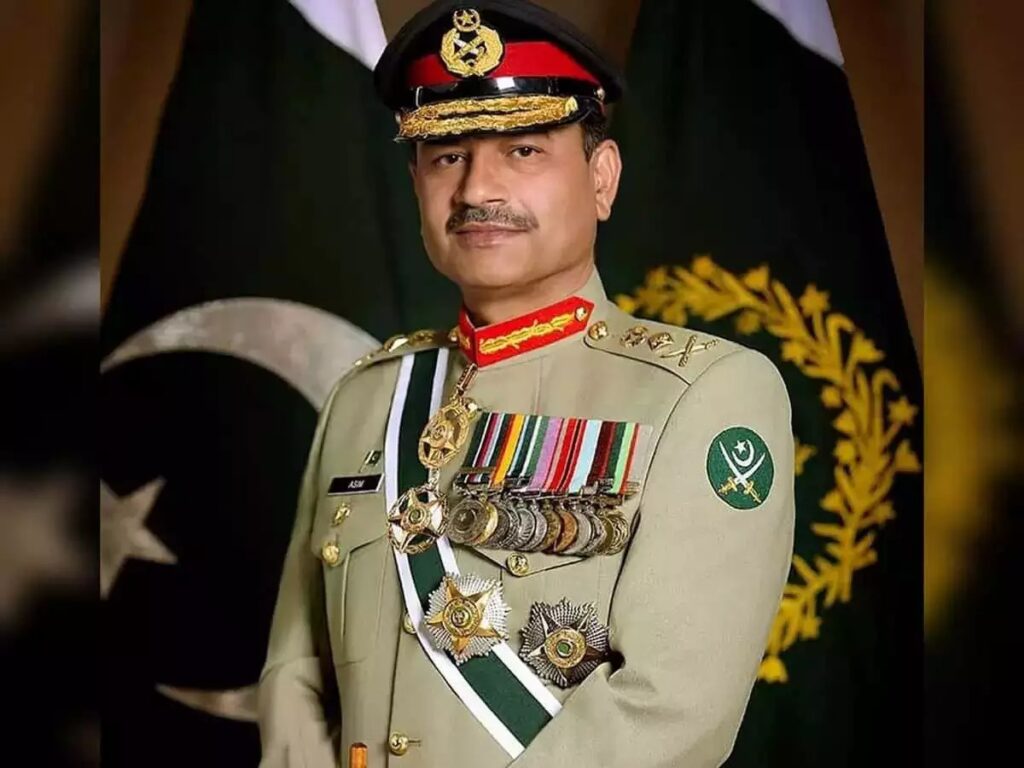
The Pakistan Army, under the leadership of General Asim Munir, seemed to have calculated an anticipated Indian retaliation with such a provocation that could be choreographed into a nationalistic rallying cry in its aftermath. Such manufactured moments of crisis have historically served the military’s purpose of reasserting its primacy in the country’s political and national security discourse. However, the sociopolitical terrain of Pakistan today is no longer the same as it was during previous confrontations.

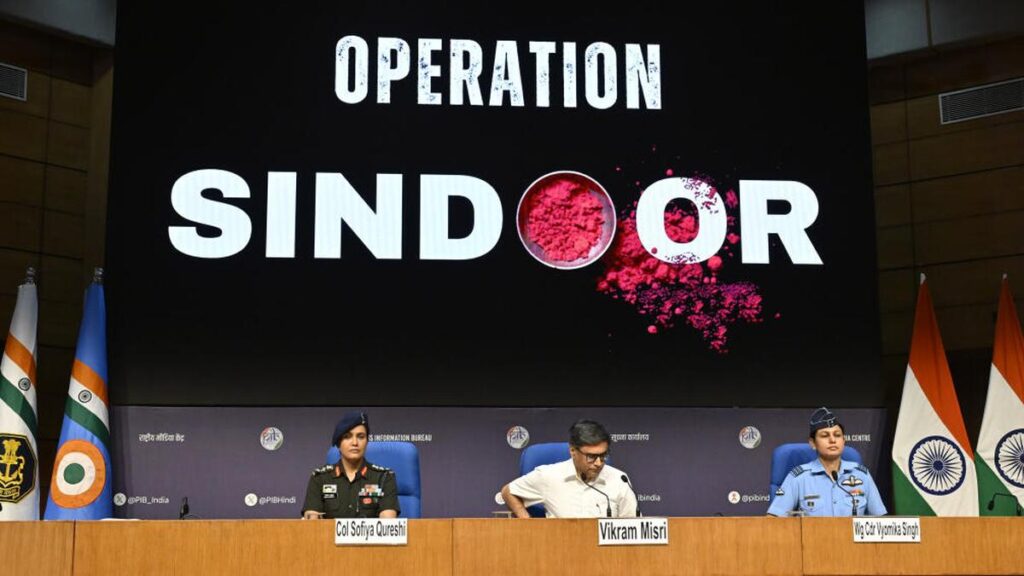
India did respond to the Pahalgam attack with a calibrated military operation. On the night of May 7, under Operation SINDOOR, Indian armed forces targeted the infrastructure of long-operating terrorist groups, including Lashkar-e-Taiba (LeT), Jaish-e-Mohammed (JeM), and Hizbul Mujahideen (HM), across nine places in Punjab and Pakistan-occupied Jammu and Kashmir (PoJK). It was precise, strategic, and aimed at sending a clear signal: India will not tolerate cross-border terrorism and retains the right to act pre-emptively against threats originating from Pakistani soil.

Far from uniting Pakistan behind its army, the attack and subsequent Indian response have only magnified the deep fractures that lie within the country. While the government attempted to stage a performative show of national unity, the absence of solidarity from Pakistan’s historically marginalized ethnic groups has been glaring. Neither the Baloch nor the Pashtun communities—both of whom have long endured the brunt of the military’s repression and counterinsurgency operations—showed any overt inclination to stand with the state or the generals now appealing for unity. Instead, a suicide blast killed seven Pakistan Army soldiers in Balochistan on the very day of Op Sindoor.

At a time when Pakistan has effectively become a ‘Punjabistan’, given the dominant control that Punjab exerts over key state institutions, including the military, as well as disproportionate hold over to national resources, this raises a stark question: in the event of an escalated military confrontation with India, who will fight for Pakistan?

The Limits of the “External Enemy” Narrative

The Pakistan Army has always thrived on the construction of an “external enemy,” most prominently India, to maintain its unrivalled influence over national affairs. Whether in times of political upheaval or economic crises, the spectre of Indian aggression has been cynically deployed to suppress dissent, justify military budgets, and delegitimize civilian political actors. But the effectiveness of this narrative is fading, especially when the legitimacy of the military itself is in question.

The ongoing human rights violations, extrajudicial killings and state-enforced disappearances in Khyber Pakhtunkhwa and Balochistan have damaging the trust people had towards the army. The Baloch insurgency continues to simmer, with growing calls for outright independence, something that was earlier limited to internal autonomy. The Pashtun Tahafuz Movement (PTM) has exposed the military’s brutal tactics in tribal regions, and although the movement is often silenced through intimidation and arrests, its underlying grievances remain potent. Alongside this, the Tehreek-e-Taliban Pakistan (TTP) has also increased the intensity of their armed insurgency, with hundreds of attacks in the last few years.

As boots trudge towards fiction, cracks widen at home—Islamabad’s outward aggression barely conceals internal implosion.

In such a climate, the attempt to whip up nationalist fervour around an India-Pakistan confrontation appears hollow and self-defeating. The ethnic periphery, long disenfranchised and suppressed, sees little reason to rally behind a state apparatus that has never treated them as equal stakeholders in the Pakistani project.

A Calculated Indian Doctrine

India, for its part, has signalled a significant shift in its approach to cross-border terrorism. “While earlier responses were largely diplomatic or defensive, India’s actions following the 2016 Uri attack, culminating in the 2019 Balakot airstrikes, marked a shift toward a more proactive and pre-emptive counterterrorism strategy. Now the post-Pahalgam strike under Op SINDOOR is different in both scale and message. New Delhi’s intent is now unambiguous: there will be no tolerance for Pakistani state-sponsored terrorism, and any provocation will invite proportionate, and possibly pre-emptive, military action.

By targeting terror infrastructure and avoiding civilian casualties, India walked a fine line, reflective of its doctrine of minimising collateral damage, to ensure on its part that this response does not spiral into a full-blown war. This strategic restraint while establishing its deterrence arc is designed as a demonstration of maturity and not as a sign of weakness.

What complicates matters for Pakistan is that this shift in Indian posture arrives at a moment of acute internal fragility. Its economy is in tatters, inflation is high, and the IMF continues to hover over its fiscal policy decisions. Politically, the country remains in turmoil following a deeply controversial general election, widely seen as manipulated by the military establishment to sideline populist leader Imran Khan, who remains jailed since 2023. Protests, arrests, and media censorship have become routine. Interestingly when on a day India undertook its cross-border strikes on terror assets, Pakistan Army secured a Supreme Court adjudication that allows it to try the civilians in military courts.

In this context, a military misadventure with India risks not only a humiliating defeat but also a domestic backlash that could irreparably damage the army’s authority.

Operation Sindoor: India’s Precision Strikes Against Terror Bases and Pakistan Military

Escalation Without Strategy

The temptation for Rawalpindi to escalate, either through additional proxy attacks or border skirmishes, remains high. While it has increased its cross-border shelling targeting civilians, which has killed over a dozen border residents of Jammu and Kashmir, a move of direction escalation would be nothing but deeply unwise. “By now, it should be clear to Pakistan just how vulnerable it remains, especially after India followed up with a coordinated drone strike across nearly nine cities, including the neutralization of an air defence system in Lahore on May 8, in response to attempted attacks by Pakistan’s armed forces on Indian military installations in the Northern and Western sectors.

For one, the geopolitical climate is no longer conducive to Pakistan’s old strategy of continuing to use terrorism as statecraft. The Financial Action Task Force (FATF), though it removed Pakistan from its grey list in 2022, remains watchful and it should be seen as a forgone conclusion that this continued patronisation of terror groups will put it back as a nation of terror sponsors. The international opinion following Pahalgam massacre which was condemned globally, with major powers acknowledging India’s right to defend itself from such terror elements, is an eye opener to that end, bringing swift international condemnation and furthering its diplomatic isolation. Pakistan’s Gulf allies, increasingly aligned with India on economic and strategic fronts, are unlikely to bail it out in the event of another full-scale crisis. Their post-Pahalgam opinion is a testament of this reality.

Moreover, China, Pakistan’s all-weather friend, has grown weary of instability. The China-Pakistan Economic Corridor (CPEC), once hailed as a transformative initiative, has stalled due to security concerns in Balochistan and beyond. Beijing is unlikely to support any adventurism that could jeopardize its investments despite some of the Chinese strategic hawks seeking China’s declare its commitment to defend Pakistan sovereignty in any eventuality.

Thus, escalation without a clearly defined strategic goal would amount to national self-sabotage. The army must instead reckon with its internal legitimacy crisis, reassess its use of proxies, and confront the reality that its traditional levers of control are weakening.

A Moment of Reckoning

The fallout from the Pahalgam massacre and now Operation Sindoor marks a turning point, not only in Indo-Pak relations, which remain perennially fraught, but also in Pakistan’s internal balance of power. The military’s attempt to engineer a patriotic revival through orchestrated conflict seems to be backfiring, revealing a brittle state hollowed out by decades of ethnic suppression, institutional decay, and misgovernance.

What Pakistan needs is not another external confrontation but an honest reckoning with its domestic contradictions. It must initiate a political process that includes, rather than marginalizes, its ethnic peripheries. It must reorient its security doctrine away from India-centric paranoia toward genuine internal stability. And above all, it must curb the military’s ability to unilaterally dictate the nation’s trajectory through violence and manipulation.

Until then, the question will continue to haunt Rawalpindi’s corridors of power: if not the Baloch, not the Pashtuns, not even the disillusioned urban middle classes—then who will fight for Pakistan?

India-Pakistan Conflict Gives China Much-Needed Breather Amid Tariff War

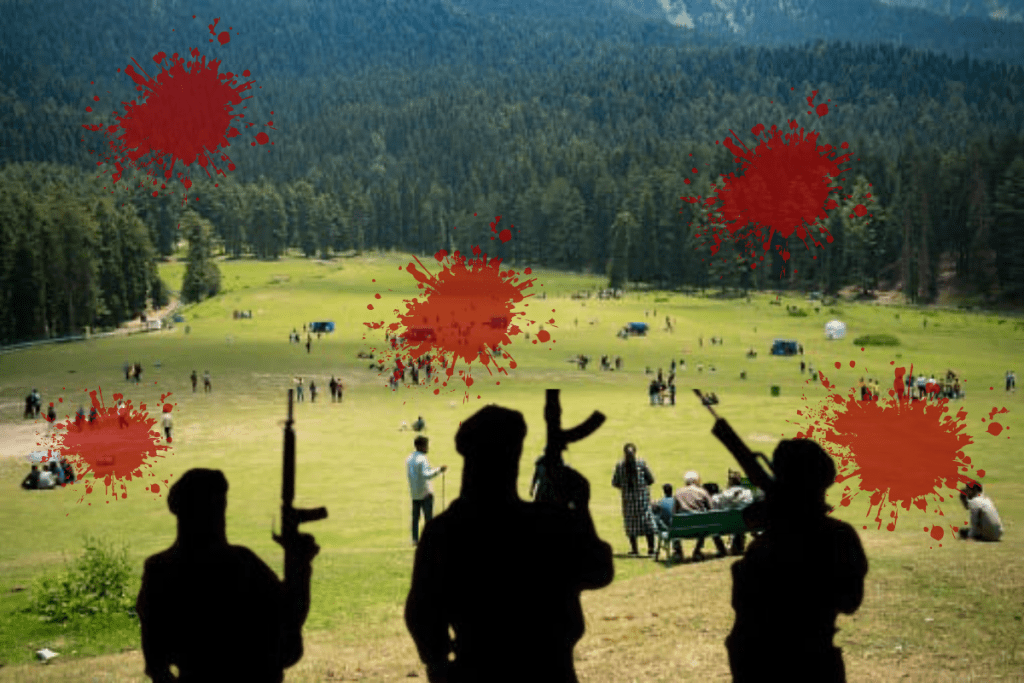
The Deadly Terrorist attack in Pahalgam on 22nd April claimed the lives of 26 tourists, leaving India as a nation seething with anger at the visuals of the dastardly attack. In the aftermath of the attack, India conducted Operation SINDOOR on the morning of May 6, followed by heavy shelling and killing of civilians by Pakistan in the Poonch area of Jammu and Kashmir. The threat of an all-out war looms large if Pakistan indulges in any bravado.

Tourists turned targets — a chilling reminder that bigotry still pulls the trigger

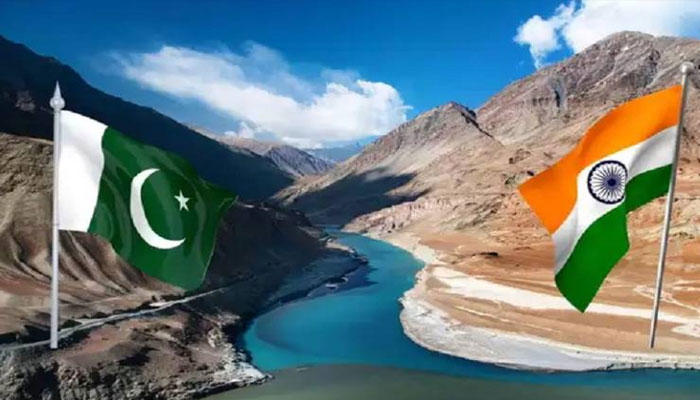
Just a day after the abhorrent attack, a slew of retributive measures was announced after a meeting of the Cabinet Committee on Security (CCS), led by PM Narendra Modi. It was decided to keep the crucial Indus Water Treaty in abeyance, the Attari-Wagah border was shut with immediate effect, Pakistani Nationals were asked to leave India, the Defence advisors of Pakistan in India were declared Persona Non-Grata, and the overall strength of the Pakistani High Commission in India was to be downsized to 30 from the present 55 officials. Pakistan, in response, closed its airspace for Indian airlines and suspended all trade ties with India. Complimenting Pakistan’s retaliatory measures, there was the usual nuclear sabre-rattling as well. Issuing an open threat to India, Pakistan’s Railway Minister Hanif Abbasi said that its 130 nuclear warheads are not only for display and have been kept for India, and if India tries to stop Pakistan’s share of water from the Indus, then the former should prepare for a full-scale war.

While on the surface, it may seem like a routine bilateral escalation between India and Pakistan, it wouldn’t be unreasonable to think that there may be some deeper strategic motives at play. Recently, US President Donald Trump slapped massive up to 245 percent tariffs on all Chinese imports, reacting to which the Chinese took up similar measures and raised the tariffs to 125 percent on American goods from the current 84 percent. The Trade war between the two biggest economies of the world sent ripples across the world, and India too was concerned as its manufacturing, mainly steel, auto, electronics, and pharmaceutical industries are heavily reliant on China for raw materials, and any disruptions in the supply chain could prove detrimental to the Indian economy and its consumers. But just as every cloud has a silver lining, so too does this trade war.

The US-China trade war writes cheques in Washington and Beijing—but it’s Pakistan that foots the bill

In a recently published report in the Indian Express, Richard Baldwin, a professor of Economics at IMD Business School, said that Middle power countries like India could secure a substantial foothold in global supply chains because of the US-China Trade War. He emphasized that if US tariffs persist on China, it could be beneficial to emerging markets as businesses would look to diversify and relocate, and India presents itself as a preferred destination for the same. It wasn’t just a speculation; this resonated on the ground as well, as Apple laid out its ambitious plan to shift all US-bound iPhone production from China to India by 2026. According to the Financial Times Report, Apple aims to produce more than 60 million iPhones annually in India to meet its demand back home in the US.

India was also actively involved in identifying and attracting several companies that were looking to shift their operations away from China. It tried to position itself as a natural alternative for companies moving away from China by portraying itself as a safe, secure, and stable democracy that offers a conducive environment for businesses.

Apple aims to source all US iPhones from India in pivot away from China

But the recent Pahalgam attack and the escalation that followed between India and Pakistan gave China exactly what it needed. It was a chance for China to showcase the risk factors involved for businesses that were looking to relocate to India. The conflict served as an alarming reminder to the world, especially businesses, that the situation between the two South Asian arch-rivals is still volatile and could explode at any moment. The Chinese social media, in the recent past, has been flooded with the narrative of how this trade war between them and the US has given an undeserving opportunity for India to attract businesses and investments. Though Beijing openly urged both India and Pakistan to act with restraint, behind the curtains, it was actively pulling the strings to encourage Pakistan to escalate and stretch the confrontation with India. China also extended support to Pakistan’s demand for an impartial probe into the Pahalgam Terror attack.

Currently, Beijing is dealing with an economic slowdown, and the situation has only gotten worse after the trade war with the US. It wouldn’t be imprudent to guess that an active Chinese role is at play behind the scenes, as it would be in China’s interest to portray India as an unstable, unfavourable, and unsafe alternative to thwart the relocation efforts of various businesses. Using Pakistan as a proxy to further its objective by offering diplomatic and even military support, China has tried to spoil India’s image as a safe investment hub. Additionally, the terrorist attack in Pahalgam’s Picturesque Baisaran Valley has allowed India’s adversaries to cast doubt on the claims of the Modi government that the situation has drastically improved in Jammu and Kashmir post the abrogation of Article 370. India has been trying hard to build the narrative that the abrogation has ushered in an era of peace and progress for Jammu and Kashmir, and the recent attack challenges this claim of the Indian government. The attack directly hits the core of Jammu and Kashmir’s economic recovery, especially its tourism sector.

(The writer is a political strategist with expertise in media relations and geopolitical developments)

Funding terrorist organisations in Pakistan: ISI, Drug Money, Zakat !

Pakistan has dozens of terrorist organisations which operate from its soil and export terrorism to rest of the world.  These organisations have a financial ecosystem that has survived the international scrutiny and multiple operations from international agencies to stop terror financing.

When sanctuaries become strategy, the line between state and sponsor vanishes.

Pakistan has five broad categories of terrorist organisations: (1) Globally oriented; (2) Afghanistan-oriented; (3) India-oriented; (4) Domestically oriented; and (5) Sectarian (anti-Shia).

The India-oriented terrorist organisations include: Lashkar-e-Taiba (LET) formed in the late 1980s; Jaish-e-Mohammed (JEM) founded in 2000; Harakat-ul Jihad Islami (HUJI) formed in 1980; Harakat ul-Mujahidin (HUM) was established in 1998; Hizbul Mujahideen (HM) was formed in 1989.

According to a study paper “Pakistan Army and Terrorism; an unholy alliance” done by Amsterdam based, European Foundation for South Asian Studies (EFSAS), Amsterdam, “Pakistan… plays a key role in funding these terrorist organizations. As per reports, the yearly expenditure of ISI(Pakistan’s intelligence agency) towards the terrorist organizations runs between 125-250 million USD, covering salaries, cash incentives for high-risk operations and retainers for guides, porters and informers.”

An internal report of Pakistan governments Financial Monitoring Unit(FMU) , titled “National Risk Assessment on Money Laundering and Terrorism Financing 2017” has details of how terror groups are generating funds in Pakistan. This report was never made public but excerpts of these reports were quoted by Noor Zahid and Madeeha Anwar in a Voice of America report  published in 2017. The duo  exposed the funding of Pak terror groups in a report titled ‘Pakistan Terror Groups Get Rich From Crime, Money Laundering’

Terror isn’t born in a vacuum—it’s incubated in safe havens and funded through silence.

According to Zahid and Anwar, “Waves of crime in Pakistan — including extortion, smuggling and kidnapping for ransom — are major sources of terrorist financing for extremist groups in the country. “Main sources of income of terrorists in Pakistan include foreign funding, drug trafficking, kidnapping for ransom, extortion from business, vehicle snatching,” according to the 45-page confidential report by FMU, which is an intelligence service department within Pakistan’s Ministry of Finance.

“The report, which had not been released publicly, says over 200 local and international terrorist organizations generate billions of Pakistani rupees to fund their activities. Annual operational budget of terrorist organizations is from 5 million rupees [about $48,000] to 25 million rupees [about $240,000],” the report said, according to The News website, which published these excerpts.

‘Terrorism Monitor’ of Jamestown Foundation revealed in December 2024 another important facet of terror funding in Pakistan. It said, “Terrorist groups in Pakistan frequently use high-denomination currency to finance their operations. Permitting a large number of high-value notes to be in circulation makes it easy for bad actors to transfer considerable amounts of money without a digital footprint, making illicit activities easier to conduct.”

The relatively high availability of such bills in circulation in Pakistan is due to the country’s underutilization of electronic payment systems, it added.

According to this report, Tunda, a notorious bomb expert for Lashkar-e-Taiba (LeT) who reportedly masterminded more than 40 bombings in India had told the Indian law enforcement agencies after his arrest with huge amount of Pakistan currency that large denomination bills were “kings who could do anything for them.”

Pakistan’s most consistent export? Not textiles—but trained, armed, and ideologically primed radicals.

“Pakistani denominations currently in circulation include 10-, 20-, 50-, 100-, 500-, 1,000-, and 5,000-rupee notes. It is noteworthy that Pakistan, which makes up 3 percent of the world’s population, accounts for 7.1 percent of the world’s unbanked adults,” says this report.

According to a research brief prepared by US Congressional Research Service in 2023, “Although Pakistan’s 2014 National Action Plan to counter terrorism seeks to ensure that no armed militias are allowed to function in the country, several United Nations- and U.S.-designated terrorist groups continue to operate from Pakistani soil.”

 Islamic Charities

Almost all the terrorist organisations have set up Islamic charities as their fronts in Pakistan. These charities operate globally. In fact, USAID had funded many of these charities, revealed a recent report by the Middle East Forum, a US based think tank revealed. In addition the ‘Zakat’ collected from common people during the month of Ramadan by these charities are also funnelled to fund these terrorist organisations.

Since the 1980s, Pakistan has had a system of compulsory collection of zakat, relying on a state-administered zakat fund and zakat councils at federal, provincial and district levels. In 2024, the average zakat giver paid about 15,000 Pakistani rupees with over 50 million Pakistanis contributing. The total funds generated in Pakistan through Zakat was over 600 billion Pakistani rupees in 2024. A large chunk of this money goes for oiling the terror infrastructure established by Pakistani state and their proxy terrorist groups.

Indus Water Treaty Suspension: India’s Hydro-Political Response to Pakistan’s Proxy War Doctrine

Pahalgam Terror Attack: The History Of Pakistan’s Proxy War Against India

In a turn of events that lays bare the enduring proclivity of Pakistan’s military-intelligence apparatus for perfidious adventurism, the subcontinent has once again been plunged into the vortex of tragedy and retribution. On 22 April, the scenic tranquillity of Pahalgam in Jammu and Kashmir was shattered by a heinous act of terror—an attack carried out by assailants of Pakistani provenance, leaving in its wake a trail of innocent blood, most of it that of unsuspecting tourists.

How the Pahalgam Terror Attack unfolded?

This egregious violation of human sanctity provoked an unequivocal and resolute response from New Delhi. In a swift Cabinet Sub-Committee review chaired by Prime Minister Narendra Modi on 23 April, the Indian government charted a bold course of action, announced by India’s Foreign Secretary Vikram Misri. Among the arsenal of retaliatory instruments under consideration, it was the suspension of India’s obligations under the Indus Waters Treaty (IWT) that emerged as the most telling—and symbolic—rebuke to Islamabad.

This abrupt departure from what has long been a pillar of regional diplomacy signals a watershed moment—both literally and metaphorically—in South Asia’s geopolitical tapestry. For more than six decades, the IWT has served as an improbable exemplar of bilateral cooperation, a rare artefact of amity amidst a chronically discordant relationship. That India should now suspend this treaty reflects a fundamental recalibration of its strategic posture, particularly vis-à-vis Pakistan’s sustained dalliance with proxy terrorism. But before one delves into the ramifications of this audacious move, one must first examine the edifice of the Indus Waters Treaty—its origins, its operational architecture, and the significance it has come to assume in both geopolitical and existential terms.

A Riverine Pact Forged in Discord

Conceived in the crucible of Cold War anxieties and brokered under the watchful eyes of the World Bank, the IWT was inked in 1960 after an arduous nine-year negotiation. At the heart of the agreement lay the equitable distribution of the six rivers of the Indus basin—the Indus, Jhelum, and Chenab in the west; and the Ravi, Beas, and Sutlej in the east.

India and Pakistan signing the Indus Water Treaty in 1960

In what can only be described as an act of magnanimous restraint, India ceded exclusive control over the three Western rivers—comprising nearly 70% of the total water volume—to Pakistan, while retaining dominion over the three Eastern ones. This asymmetry, while glaring, was accepted in the spirit of regional stability and the hope that water, the most elemental of life’s resources, might also irrigate the parched soil of subcontinental peace. But alas, that noble aspiration has withered. Successive regimes in Islamabad have weaponised non-state actors, cultivating a cottage industry of jihadist terror that has repeatedly spilled across the Line of Control and stained Indian soil with blood. And yet, even amidst war and vitriol, India abided by the treaty, honouring its commitments with a stoic discipline that belied the provocations it endured. This forbearance, however, is not inexhaustible.

The Cost of Generosity

To understand the magnitude of India’s concession, consider the numbers. The Eastern rivers—Ravi, Beas, and Sutlej—over which India has unfettered rights, collectively yield about 41 billion cubic metres of water annually. The Western rivers, gifted to Pakistan, deliver nearly 99 billion cubic metres—more than double the volume under Indian control. This hydrological largesse has become the very artery of Pakistan’s survival. In a nation where agriculture constitutes over 25% of GDP and sustains approximately 70% of the populace, water is not a mere resource—it is an existential imperative. The Indus basin fuels its farms, powers its turbines, and feeds its people. To perturb this flow is to imperil the nation’s economic equilibrium and societal cohesion.

And yet, Pakistan’s security establishment has long treated this precious accommodation as a given—immutable, untouchable, and immune to the vagaries of geopolitical conduct. This misplaced confidence has emboldened it to pursue a duplicitous doctrine—of nurturing militant proxies even as it benefited from the benevolence of Indian water diplomacy.

The Straw That Broke the Canal

By suspending the IWT, India is sending a message steeped in symbolism but not lacking in substance. This is not merely an outburst of indignation—it is a calibrated policy shift. The message is unequivocal: India shall no longer subsidise its adversary’s antagonism with strategic concessions. If Pakistan insists on fomenting unrest through insidious means, it must also be prepared to forfeit the privileges accorded to it under treaties predicated on good faith.

One may argue, with some justification, that India’s current water infrastructure lacks the immediate capacity to divert or fully harness the Western rivers. The requisite reservoirs, barrages, and canal systems for such a hydrological overhaul are still under development. But in geopolitics, perception often precedes practice. The very act of invoking the treaty’s suspension has rattled the strategic calculus in Islamabad and laid bare the fragility of its assumptions.

For decades, Pakistan has operated on the belief that India’s strategic restraint—especially in the hydrological domain—was sacrosanct. It misread India’s civility as weakness. That illusion has now been spectacularly shattered.

Terror and Water cannot flow together- The Factual geopolitics of Indus Water Treaty

A Faustian Bargain That Failed

What, then, has Pakistan gained from its Faustian pact with terror? Has its strategy of bleeding India through a thousand cuts yielded dividends? On the contrary, the costs have been profound and self-defeating.

Far from “liberating” Kashmir or coercing India into negotiations on its own terms, Pakistan finds itself internationally isolated, diplomatically suspect, and economically anaemic. Worse still, the terror groups it once mentored have now metastasised, turning their guns inward and threatening the cohesion of the Pakistani state itself. The logic of proxy warfare—premised on the deniability of violence and the expendability of cannon fodder—has unravelled. In its place stands a polity riddled with extremism, plagued by economic fragility, and mired in geopolitical ignominy. The international community, once indulgent of Pakistan’s strategic anxieties, now views its double game with growing exasperation.

The Geopolitical Ripple Effect

India’s suspension of the IWT, while unilateral in action, has multilateral implications. It signals to the world that New Delhi is prepared to reframe the contours of South Asian diplomacy. Water—long considered sacrosanct—can no longer be divorced

To paraphrase the ancient wisdom of the East, one cannot bathe twice in the same river—because the water has moved on, and so has time. Pakistan, too, must now move on—from the shackles of militancy, from the dogmas of military overreach, and from the delusion that duplicity can be a permanent policy.

If it fails to do so, history may not be as forgiving as the Indus once was.

Pahalgam Massacre and Pakistan’s Terror Legacy

Pakistan today finds itself in the throes of a deep and multifaceted crisis. A collapsing economy, political volatility, and a fraying internal security order have combined to expose the limits of the state’s resilience. Armed ethnonationalist movements in Balochistan and Khyber Pakhtunkhwa, along with a resurgence of transnational jihadist violence, now pose grave challenges to internal cohesion. Compounding this crisis of the state’s systemic dysfunction is the unprecedented erosion of public trust in the military — historically the most powerful and stable institution in the country.

Institutional memory ignored: A familiar mistake repeated

In any functioning democracy, such systemic dysfunction might prompt serious institutional introspection. But Pakistan is not a conventional democracy. Its generals continue to dominate the national security and foreign policy apparatus, leaving little room for recalibration — particularly on matters where the military has long maintained primacy, such as its regional policy.

On April 15, General Asim Munir, Pakistan’s current Army Chief and undoubtedly its most powerful figure, delivered a politically charged speech aimed at salvaging the military’s diminished public standing.

Between Dharma and the desert of hate

Instead of reflecting on the domestic failures under his tenure, Munir fell back on a familiar script by invoking Kashmir as the nation’s unfinished cause, a “jugular vein”, which will be supported till the very last end. But this time, he cast Pakistan’s long-standing support for insurgency in Jammu and Kashmir through a more overtly communal lens, framing it within a polarizing Hindu-Muslim binary. Far from an offhand remark, this rhetoric not only distracts from Pakistan’s internal problems but also serves to reaffirm Islamabad’s continued reliance on militant proxies as instruments of foreign policy.

Disturbing, though not surprising, the consequences of General Munir’s provocative speech seemed to unfold just days later, with militants carrying out a deadly attack in Pahalgam, a popular tourist destination in Jammu and Kashmir’s Anantnag district.

The Pahalgam Massacre: A grim reminder of lapses and the poison of terrorism

Early reports indicate the armed assailants, mostly non-locals of Pakistani origins, having singled out victims based on their religious identity before launching a brutal massacre that killed at least 26 civilians and injured many more.  The synchronicity between the timing of the speech and nature of the attack are difficult to dismiss as mere coincidence. Instead, they raise serious concerns about the ongoing connection between Pakistan’s powerful military establishment and the extremist groups it has long been accused of supporting behind the scenes. The group claiming responsibility, The Resistance Front (TRF), is widely recognized as a rebranded version of Lashkar-e-Taiba — a U.N.-designated terrorist organization with deep ties to Pakistan’s security establishment. TRF’s reinvention is widely viewed as a strategic manoeuvre to shield Islamabad from international censure, including scrutiny by the Financial Action Task Force (FATF).

The timing of the attack, so closely following General Munir’s speech, raises troubling questions. For decades, militant violence in Kashmir has often followed inflammatory statements from Pakistani leaders or shifts in the geopolitical landscape. The latest attack appears to follow this pattern, and its motive fits a familiar logic: force India back to the negotiating table by stoking instability.

There are three interconnected factors that may underscore how Pakistan’s fingerprints appear evident. First, the Pakistan Army’s public legitimacy is at its lowest point since the country’s founding in 1947, largely due to its deep and controversial involvement in domestic politics. Second, the Shehbaz Sharif-led government has repeatedly reached out to New Delhi to revive bilateral talks—an initiative that India has, quite justifiably, conditioned on Islamabad halting its support for terrorist networks targeting Indian interests. Third, since India’s 2019 constitutional reorganization of Jammu and Kashmir, the region has steadily transitioned from a “terrorism” flashpoint to a “tourism” revival story, leaving Pakistan’s decades-old Kashmir narrative and its attempts to internationalise the so-called dispute adrift.

The timing of the attack coinciding with U.S. Vice President J.D. Vance’s visit to India adds a provocative layer. It recalls a grim precedent: in March 2000, during President Bill Clinton’s visit to India, Pakistani-backed militants massacred Sikh villagers in Kashmir — Chittisinghpura massacre —an act widely seen as an attempt to draw global attention to Islamabad’s agenda. The parallels are hard to ignore.

But the most damning aspect of Pakistan’s strategy is that while it is increasingly self-defeating, it refuses to abandon this strategy despite its violent backfire. Militant blowback has rendered vast stretches of its own territory—particularly in Khyber Pakhtunkhwa and Balochistan—effectively beyond the reach of the central government, now largely controlled by Islamist extremists and Baloch nationalist insurgents, respectively. Extremist networks once deployed for strategic depth have turned inward, contributing to Pakistan’s domestic instability. According to the 2025 Global Terrorism Index, Pakistan now ranks as the world’s second most terrorism-affected country, surpassed only by Burkina Faso. Terrorism-related fatalities in Pakistan rose by 45 percent in 2024 alone.

Identified Pakistani terrorists were former Special Forces Operatives

Yet, despite these devastating costs, both in lives lost and in national stability, Pakistan’s military and political leadership remains either unwilling or unable to break with its long-standing policy of using militant proxies as instruments of regional strategy. This stubborn adherence to an outdated and corrosive doctrine has hollowed the state from within. The massacre in Pahalgam is not merely a cross-border atrocity; it is a symptom of a state trapped in its own delusions — one that continues to use extremist violence as a tool of policy even as it undermines its own survival.

While global powers have rightly condemned this latest act of terrorism at Pahalgam, expressions of outrage are no longer sufficient. The international community must adopt a firmer stance—one that combines diplomatic pressure, targeted sanctions, and enhanced monitoring of Pakistan’s financial and security networks. Islamabad must be made to understand that impunity is no longer an option as cost of inaction is steep.

For too long, Pakistan’s proxy war playbook has been tolerated as a regional irritant, which it is not. If this pattern continues unchecked, the risk of broader destabilization in South Asia — and the possibility of an escalation — will become all too real. The world must act before this proxy war metastasizes into something far more dangerous.

Voices from the Vanished: The Fight for Justice in Balochistan  

In the shadowed corridors of the Pakistani state, where power is wielded not by the parliament but by barracks and clandestine agencies, the soul of Balochistan bleeds. The month of January 2025 alone saw 107 enforced disappearances across the province, according to a chilling report by Paank, the human rights wing of the Baloch National Movement. These are not just numbers—they are human lives swallowed by a brutal machine that operates beyond accountability, with the military establishment acting as judge, jury, and often, executioner. Dr. Abdul Malik Baloch, President of the National Party and former Chief Minister of Balochistan, has emerged as one of the few political voices courageous enough to confront the state’s ongoing repression. In a recent public address, he condemned the federal government and military’s intrusion into Balochistan’s affairs—especially through the controversial Mines and Minerals Act, which he decried as a constitutional betrayal.

Balochis struggle for justice amid state repression.

Resource Colonialism in a Federal Guise

The plunder of Balochistan’s natural wealth—Saindak, Reko Diq, Gwadar—is conducted not with development in mind, but domination. The people of Balochistan are treated not as stakeholders, but as subjects of a 21st-century colonial project. Contracts with companies like Pakistan Petroleum Limited and Saindak Metals are renewed without the consultation of legitimate public representatives, further entrenching the military’s grip over the region’s resources. John Locke, the Enlightenment philosopher who laid the foundation for liberal constitutionalism, argued that a government loses legitimacy the moment it no longer operates with the consent of the governed. The Pakistani state’s actions in Balochistan represent a grotesque inversion of this principle. Where the social contract demands mutual obligation, the state offers extraction and suppression. In Locke’s words, such a regime ceases to be civil and becomes a “state of war.”

Disappearances: The Anatomy of a State Crime

The figures from the Paank report are harrowing: enforced disappearances have become the norm rather than the exception. These are not rogue acts but systematic state policy—an organized terror campaign carried out by military and intelligence agencies to quash dissent and eradicate political opposition. The mutilated bodies of Muhammad Ismail (20) and Muhammad Abbas (17), found after being abducted from their Kalat home, represent the fate of thousands. Their youth, their innocence, their right to live—all discarded in the name of national security. Hekmatullah Baloch, another victim, was shot during a peaceful protest and succumbed to his injuries in a Karachi hospital. His crime? Demanding accountability. Michel Foucault, in his seminal work Discipline and Punish, observed that modern states have replaced the public spectacle of punishment with hidden forms of control—surveillance, incarceration, and disappearance. Pakistan, in Balochistan, has regressed to a grotesque hybrid, mixing the medieval cruelty of mutilation with the modern state’s bureaucratic efficiency. The Fourth Schedule and Maintenance of Public Order (3MPO) are not laws—they are instruments of tyranny.

The Illusion of Democracy and the Reality of Martial Law

Baloch Families’ Cry For Justice In Islamabad

While Islamabad claims to be a constitutional democracy, Balochistan is ruled like an occupied territory. Dr. Abdul Malik denounced the frequent use of colonial-era laws to detain political activists, many of them women. He rightly equated this crackdown to civil martial law—a regime where uniforms dictate politics and silence becomes the only guarantee of safety. The philosopher Hannah Arendt warned that the collapse of the line between the legal and the illegal is the precursor to totalitarianism. In Balochistan, this line has not only been blurred; it has been erased. The people no longer know when they cross a boundary, because the boundary moves with the will of the soldier. This system does not merely suppress dissent—it criminalizes existence itself. Border trade, once a lifeline for over three million people, has been strangled by new regulations and taxes. What remains is not law and order but extortion by officials, where survival is a privilege granted to the obedient and denied to the defiant.

The Politics of Extraction and Exclusion

The resource curse is not a theory in Balochistan—it is lived reality. The province is rich in gas, gold, copper, and port infrastructure, yet its people suffer from abject poverty, rampant illiteracy, and systemic unemployment. This paradox is no accident; it is by design. Antonio Gramsci’s idea of passive revolution is illuminating here. Gramsci noted how dominant classes use state apparatuses to integrate resistance into the system without altering its exploitative foundations. In Balochistan, token development projects and cosmetic representation serve as cover for a deeper colonization. What the state offers is not empowerment but pacification. Even the façade of electoral politics is undermined. Dr. Malik lamented that extensions to mineral contracts were being signed without legitimate public oversight, deepening the alienation of the Baloch people. This political exclusion is a deliberate strategy to delegitimize regional autonomy and enforce submission to centralized authority.

Dispossession Disguised as Security

When will Pakistan end Balochistan oppression?

The Talaar check post, which Dr. Malik demanded be dismantled, is not merely a security installation—it is a symbol of domination. It represents the architecture of occupation: a structure that surveils, intimidates, and fragments the community it purports to protect. Similar outposts dot the Baloch landscape like scars, each a reminder that the state sees its own citizens as insurgents in need of subjugation. Frantz Fanon, in The Wretched of the Earth, described colonial regimes that deploy violence not just to suppress rebellion but to imprint inferiority onto the colonized psyche. The Pakistan Army’s presence in Balochistan functions the same way. It tells the Baloch they do not own their land, their bodies, or their future.

Dr. Malik’s demands are not radical—they are constitutional. He asks for the release of political workers, simplification of trade rules, and the withdrawal of draconian laws. Yet in the eyes of the establishment, such calls are tantamount to sedition. This reaction reveals the state’s true nature: one that cannot accommodate dissent because its foundations are built on domination, not dialogue. It views Baloch identity not as a part of the national mosaic, but as a threat to its imposed uniformity. The German philosopher Jürgen Habermas emphasized the importance of “communicative rationality”—the idea that democratic societies should resolve conflicts through open, inclusive dialogue. The Pakistani state, instead, speaks in the language of bullets, barbed wire, and black sites. It confuses coercion with cohesion and believes silence equals stability.

A Dark Mirror for the World

The world must not avert its eyes. What is happening in Balochistan is not an internal affair—it is a human rights catastrophe that demands international scrutiny. The United Nations, the European Union, and rights organizations must pressure Pakistan to end its military campaign of terror. Balochistan is the mirror in which we see the true face of the Pakistani establishment: brutal, extractive, and unapologetically authoritarian. Until the military returns to the barracks, until the disappeared are returned to their families, and until the people of Balochistan control their own destiny, there will be no peace. To paraphrase the philosopher Rousseau: A people once forced to be silent will eventually speak with fire. Balochistan is the mirror in which we see the true face of the Pakistani establishment: brutal, extractive, and unapologetically authoritarian. Until the military returns to the barracks, until the disappeared are returned to their families, and until the people of Balochistan control their own destiny, there will be no peace. Pakistan has, willy-nilly, disappeared the people of Balochistan—fathers, mothers, brothers, daughters—without remorse or accountability. This machinery of oppression has shattered countless lives and torn apart the social fabric of a proud and historic people. The silence of the disappeared echoes louder than any protest; it reverberates through every Baloch household and haunts every mother who waits at her doorstep. These disappearances, and the suffering they bring, are not merely crimes—they are the slow incineration of hope. If this trajectory of state violence and contempt continues, it will not just destabilize Balochistan but engulf any prospect of peace. A state that thrives on the pain of its peripheries cannot claim unity; it can only demand obedience, and such obedience always comes at the cost of human dignity. It is no longer a question of politics—it is a question of survival. And the world must choose: to remain complicit in silence or to stand with a people struggling to be seen, to be heard, and above all—to be free.


Lynched for Belief: The Systemic Persecution of Ahmadi Muslims in Pakistan

Pakistani Ahmadi Leaders Fear Backlash After New Minority Commission Formation

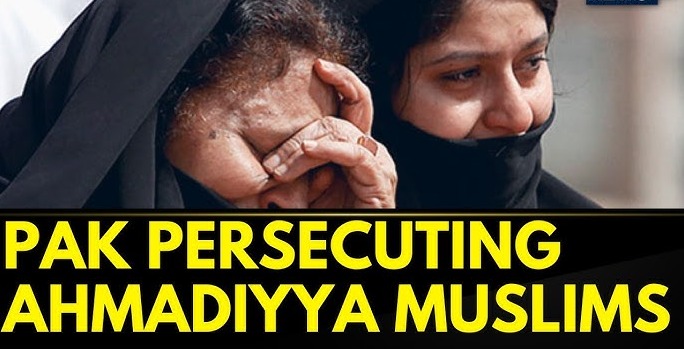
On 18 April 2025, a 47-year-old car workshop owner was brutally killed with sticks and bricks as a mob of hundreds stormed his place of worship, while numerous others had to be rescued by police in the city of Karachi, Pakistan. This horrific incident, which should provoke national outrage and deep sorrow, failed to elicit a strong response from civil society or a decisive intervention from the state. The reason lies in the fact that both the victim and the worship site belonged to the Ahmadi Muslim minority— a community that routinely faces violent persecution, systemic political and bureaucratic discrimination, and institutionalised oppression within Pakistan.

Each year, reports by governmental bodies, international human rights organisations, and community advocates document the persistent assaults on Ahmadi Muslims in Pakistan by Islamist factions or radicalised mobs, with no meaningful intervention by the state. In some instances, the state appears overtly complicit in such actions—for example, in March of this year, a 120-year-old Ahmadi place of worship was demolished by police following pressure and complaints from Islamist groups claiming the structure resembled a mosque. To offer a glimpse into the societal persecution faced by this community: Ahmadi Muslim graves are frequently defiled and vandalised, while individuals endure constant harassment, targeted assassinations, mob violence, unofficial commercial boycotts, employment discrimination, and abuse on digital platforms. This is compounded by the alarming frequency of blasphemy accusations levelled against Ahmadi Muslims, for reasons such as possessing the Quran, inscribing Prophet Muhammad’s name on a wedding invitation, or engaging in prayer using language or gestures considered distinctly Islamic.

The Genocide Of Ahmadis In Pakistan

While opposition to the Ahmadiyya community has existed since its inception in the late 19th century by Mirza Ghulam Ahmad of Qadian in Punjab, the most critical blow to Ahmadi Muslims in Pakistan was delivered through the 1974 constitutional amendment, which officially declared them non-Muslims. Despite sharing the majority of beliefs and practices with mainstream Muslims, Ahmadis diverge in their recognition of Mirza Ahmad as the Mahdi or Messiah, a belief that conflicts with the Islamic doctrine of Khatam-e-Nubuwwat (the finality of Prophet Muhammad). Subsequently, in 1984, General Zia-ul-Haq issued an ordinance prohibiting Ahmadi Muslims from performing Islamic rites or displaying religious symbols associated with Islam, such as erecting domes or minarets on their places of worship. In 1985, he also introduced segregated voter lists based on religious identity, effectively requiring Ahmadi Muslims to renounce their beliefs in order to vote. This marked the onset of a formalised system of legal disenfranchisement and persecution, which continues today. Although the practice of separate electoral rolls was ended in 2002, Ahmadi Muslims were excluded from this reform. The requirement to repudiate their faith has since permeated various aspects of governance, barring them from essential state services such as obtaining a passport. Notably, in October 2022, Punjab’s provincial government mandated the inclusion of a declaration affirming the finality of Prophet Muhammad within the marriage registration form.

The emergence of the far-right Tehreek-e-Labbaik Pakistan (TLP), the group whose supporters were involved in the recent attack and killing of an Ahmadi Muslim man in Karachi, has significantly deepened the climate of fear and marginalisation experienced by the community.

Pakistan Islamist Tehreek-e-Labbaik Party celebrating deaths of Ahmadi Muslims

The TLP rose to national attention in 2017 when it staged a three-week blockade of a major highway in Islamabad to protest a minor amendment to the electoral oath, which the group perceived as a dilution of the state’s stance against Ahmadi Muslims. The government ultimately conceded to their demand by reinstating the original wording, resulting in the resignation of Law Minister Zahid Hamid. Such is the influence of far-right sentiment that, in 2018, the Imran Khan-led PTI government succumbed to pressure from extremist groups and requested that Princeton professor Atif Mian resign from his role as Economic Adviser solely on account of his Ahmadi Muslim identity.

While the systemic exclusion of Ahmadi Muslims in Pakistan was initiated and continues to be upheld by the state, the deep-seated societal animosity it has fostered has now grown beyond the state’s control. Decades of intentional state policy targeting the community for political gain have inflicted lasting damage on the nation, fostering a society deeply afflicted by radicalism, self-destructive impulses, and toxic intolerance. According to data compiled by the Ahmadiyya community, at least 264 Ahmadi Muslims were killed in targeted attacks, mob violence, and bombings between 1984 and 2018. It is important to note that even Pakistan’s first and only Nobel Laureate, Abdus Salam, was not spared from the effects of this pervasive hostility—his gravestone was defaced to erase the word ‘Muslim’ due to his Ahmadi Muslim identity.

Is the Pakistan Army crumbling?

The Pakistan Army, once a formidable force that determined the nation’s destiny with authority, is now deteriorating under the burden of corruption, incompetence, and internal conflict. General Asim Munir, who currently leads the institution, has steered it towards a state of disgrace, turning what was once Pakistan’s most powerful entity into a divided, despised, and faltering power structure. The divisions are deepening, the foundations are weakening, and Munir’s leadership appears to be on the brink of collapse.

In an unprecedented display of defiance, junior officers have turned against their own commander, presenting a letter that reads more like an ultimatum than a request. Colonels, majors, captains, and soldiers have come together in their outrage, demanding that Munir resign immediately or face repercussions that could destabilize the military. Their language is harsh and resolute. “This is your 1971, General,” the letter states, referencing the humiliating defeat that led to the creation of Bangladesh. The officers accuse Munir of tarnishing the army’s legacy, using its power against the very citizens it was meant to protect, and employing the military as a blunt tool to suppress political adversaries and undermine democracy.

The military’s grip weakens as protests erupt over political repression

What was once the ultimate arbiter of Pakistan’s future has now become an institution mired in disgrace. Munir has transformed GHQ into a personal fiefdom, where military power is used not against external threats but against journalists, students, activists, and political opponents. The ousting of Imran Khan and the blatant manipulation of the February 8, 2024, elections have only reinforced what the world had already anticipated: the Pakistan Army is no longer a defender of national security; it has become an instrument of repression, a junta posing as a military, and a remnant of dictatorship desperately clinging to power.

Public anger has reached a critical level. The military, once held in high esteem, is now the subject of overt resistance. Soldiers, once respected, are now pelted with stones by children in the streets. Military convoys, once feared, are now greeted with mockery and abuse. Munir’s leadership has tarnished the army’s credibility, transforming it from the nation’s protector into its most reviled oppressor. The bitterness is profound, and the resentment simmers like an unhealed wound.

As the country descends further into economic turmoil, Munir and his generals continue to prosper. The army’s unchecked dominance over business empires, land acquisitions, and financial institutions has enabled them to accumulate vast wealth while the average Pakistani faces starvation. Palatial homes rise behind fortified barriers while entire families beg for food on the streets. The letter from the rebellious officers is filled with disdain, accusing Munir of being little more than a petty tyrant who has extended his tenure to 2027 not out of obligation but driven by insatiable greed. “The economy is a decaying corpse, and yet you parade in GHQ like a pathetic dictator while we starve,” the letter asserts. The anger now extends beyond the streets—it is rising within the ranks, signaling the onset of a revolt unlike anything the military has ever experienced.

Security forces surround the Jaffar Express after a tense hijacking incident

Munir’s failures extend beyond politics and economics. His incompetence has rendered the army ineffective on the battlefield, where insurgents now openly mock its weakness. The hijacking of the Jaffar Express by the Balochistan Liberation Army (BLA) was a moment of profound humiliation—a flagrant demonstration of how Pakistan’s adversaries no longer fear its military. Armed militants took control of an entire train, held hostages, and departed unscathed. The army’s response? Empty rhetoric and futile threats. The officers’ letter is laden with disdain: “The BLA’s taunts resonate more strongly than your hollow ISPR press releases, and the soldiers who once stood tall now hang their heads in shame.”

This is not merely a crisis of leadership; it is a moment of existential reckoning. The officers who have spoken out are not issuing idle threats—they are signaling the presence of a force ready to act. Should Munir refuse to resign, the army itself may soon turn against him. A coup from within is no longer an unimaginable scenario. The chain of command is weakening, discipline is deteriorating, and the storm is on the horizon. Whispers are circulating in the barracks, unrest is brewing among the ranks, and a spirit of defiance is spreading among those who once unquestioningly obeyed orders.

Pakistan stands on the brink of turmoil. The army’s long-unquestioned dominance, once tolerated by the populace, is now encountering resistance from within its own ranks. Munir’s grip on power is loosening, his credibility is in ruins, and his prospects are grim. Will he heed the warnings and step down, or will his obstinate arrogance drag both the army and Pakistan into a profound internal crisis?

The world is closely watching. Both Pakistan’s allies and adversaries are observing the gradual disintegration of a military once regarded as untouchable. The United States, China, and Saudi Arabia—countries that once viewed Pakistan’s army as a vital stabilizing force—are now cautious of its instability. A divided and rebellious military spells disaster for the region, where existing instability has already provided fertile ground for extremism and disorder. Should the army persist along its current trajectory, Pakistan risks becoming a failed state, a theater for proxy wars, and a nation devoid of sovereignty, its future shaped by foreign powers.

One fact is undeniable: the era of the Pakistan Army’s unquestioned dominance is coming to an end. The wave of rebellion is growing, and Munir’s name is destined to be recorded not in triumph, but among Pakistan’s greatest failures. The only path forward for Pakistan is to restore power to its rightful source—the people. For far too long, the army has usurped the nation’s future, subverting democracy and ruling through force and intimidation. The time has come to break this military stranglehold. Pakistan must rise, reclaim its sovereignty, and bring an end to the army’s tyranny once and for all.

How Weak the Mighty State: Mahrang Baloch’s Arrest Exposes the Cowardice of the Pakistani State
Members of “Baloch Yakjehti Committee” hold the portraits of a Baloch human right activist Mahrang Baloch during a protest demanding to release Mahrang

Dr. Mahrang Baloch, the charismatic and fearless leader of the peaceful Baloch civil resistance, has been detained by Pakistani authorities alongside 16 other activists for protesting against the ongoing enforced disappearances in the province. As a key organiser of the Baloch Yakjehti Committee, an organisation that has played a significant role in galvanising grassroots mobilisations demanding state accountability, Baloch faces charges including directing terrorist activities, sedition, and rioting. Despite triggering widespread domestic and international condemnation, the Pakistani authorities remain largely unperturbed in their authoritarian suppression of peaceful Baloch demonstrations. In light of the recent escalation in insurgent attacks within the province, the latest wave of arrests and violent repression of protests can be seen as a deliberate attempt to divert attention from the state’s own failures and shortcomings.

Although the Pakistani state has escalated its efforts to silence Baloch this time, she has been under scrutiny for some time. A surgeon by profession, she has played a pivotal role in fostering the peaceful Baloch movement within a highly perilous environment. At just 32 years old, she has witnessed firsthand the severe abuses that the Pakistani state inflicts upon the Baloch people. In 2009, at the age of 16, her father, Abdul Ghaffar Lango, a labourer and political activist with the Balochistan National Party (BNP), was forcibly disappeared. Two years later, his mutilated body was discovered, showing signs of torture and gunshot wounds. In 2017, Baloch’s brother was also forcibly disappeared. Although he was released three months later following Baloch’s vocal opposition to the authorities, her anger and activism endured, and she has since become the voice of many others who continue to suffer similar fates.

Mahrang Baloch gained widespread recognition during the Baloch Yakjehti Committee’s (BYC) ‘March against Baloch Genocide’ from Turbat to Quetta (the provincial capital) and ultimately to Islamabad, held between December 2023 and January 2024. The catalyst for this long march was the November 2023 killing of 24-year-old tailor Balach Mola Baksh by the Counter Terrorism Department, which falsely characterised the incident as an encounter. His family, claiming he was in state custody at the time of his death, protested at Fida Ahmed Chowk in Turbat with his body for a week, but their efforts yielded no results.

Mahrang Baloch’s arrest opens Pandora’s box in Pakistan

The BYC had originally emerged from the Bramsh Yakjehti Committee, formed in solidarity with and to seek justice for Bramsh, the 4-year-old daughter of Malik Naz, who was allegedly killed by state-backed death squads in May 2020. In response to the ongoing state abuses, including enforced disappearances, fabricated encounters, extrajudicial killings, and torture, the leadership of the Bramsh Yakjehti Committee chose to broaden its scope to address the broader plight of the Baloch people, renaming the organisation as the Baloch Yakjehti Committee. The movement is spearheaded by the mothers, sisters, daughters, and half-widows of those who have fallen victim to these brutal state actions, without any accountability. The BYC has since organised a number of significant demonstrations, mobilising people on an unprecedented scale in the history of the province, including the ‘Baloch Raaji Muchi’ in Gwadar in July 2024 and the ‘Baloch Genocide Remembrance Day’ in Dalbandin in January 2025.

In response to the rise of peaceful civil resistance by the Baloch people, the Pakistani establishment, rather than addressing the long-standing grievances of the populace, has resorted to its usual tactics of obstructing, discrediting, and silencing the movement. The protests have continued despite state-enforced internet and network blackouts, arbitrary detentions, the use of water cannons, tear gas, and even live ammunition. Additionally, the state has launched an extensive disinformation campaign against the movement. The mainstream media, traditionally aligned with state narratives, has been complicit in linking the activists to insurgents, alleging that they are supported or manipulated by foreign entities. Dr Mahrang Baloch herself has been targeted by malicious digital propaganda, with false claims that her father and brother were associated with insurgents. Furthermore, an image of her with a Norwegian journalist who interviewed her was circulated, suggesting foreign involvement in the movement. A fabricated audio recording was also spread, falsely claiming that Baloch was attempting to secure foreign funds for the Gwadar protest. A recurring element of the disinformation campaign involves misrepresenting the missing persons, whom the movement advocates for, as separatist militants. In one instance, a photograph of Baloch at a protest was altered to distort an image of a missing person on a poster behind her, replacing the image of Rafique Oman with that of Rafiq Bizenjo, a suicide bomber allegedly claimed by the Balochistan Liberation Army (BLA).

The province of Balochistan has endured immense deprivation and suffering due to the ongoing conflict between the Pakistani state and the long-standing armed insurgency. In addition to the systemic discrimination and exploitation imposed by the federal government, the Baloch people have faced relentless human rights violations by the state under the guise of counter-insurgency measures. The recent train hijacking and Noshki attack on security personnel by the Balochistan Liberation Army (BLA) highlight the complete failure of Pakistan’s policies to address the insurgency and safeguard the Baloch population. Rather than confronting the fundamental issues surrounding its approach, the establishment has reverted to its familiar and convenient tactic of suppressing peaceful dissent to avoid addressing difficult questions.

Dr Mahrang Baloch is currently being held in Quetta District Jail without any legal proceedings, denied access to her lawyer and family. Her cousin, Asma Baloch, has reported that the authorities are even preventing her family from delivering food and other necessary items to her. International human rights organisations, including Amnesty International and Front Line Defenders, have raised concerns about this situation and called for her immediate release. It is evident that the state’s attempt to silence a prominent figure of the peaceful Baloch resistance has backfired, drawing greater attention to the plight of the Baloch people. It is crucial that the establishment reassesses its approach and puts an end to the egregious practices that have fuelled the insurgency and caused immense suffering to the Baloch population.

« 1 2 3 4 5 »