Escalation Over Development: Questioning the Pakistan Army’s New Procurements


Pakistan’s Military Gets a Chinese Upgrade with Q-19

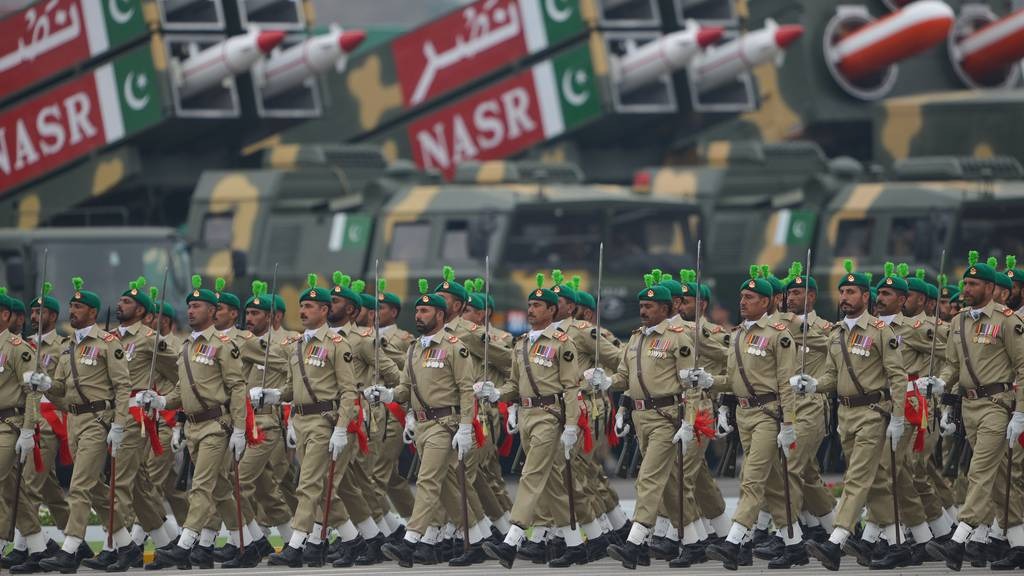
Amidst deteriorating economic conditions, the Pakistan Army is embarking on an assertive and ambitious course of military modernisation, channelling significant resources into advanced weaponry despite pervasive poverty, escalating inflation, and crumbling public infrastructure. This determined enhancement of military capability—highlighted by the prospective acquisition of China’s HQ-19 air defence system, the untested and unproven Shenyang J-35s (derived from the Shenyang FC-31 “Gyrfalcon”), and KJ-2000 aircraft—aims to counter India’s conventional military superiority, but has sparked serious apprehensions both domestically and internationally. While this build-up is officially framed as a strategic necessity in response to regional threats, critics increasingly interpret it as a disquieting sign of the military establishment’s growing dominance over Pakistan’s political and economic landscape. With civilian institutions collapsing under the strain of chronic underfunding and disregard, a critical question arises: is this arms buildup genuinely about safeguarding national security, or is it fundamentally about consolidating power?

The HQ-19, an advanced anti-ballistic missile system, represents more than just a military upgrade—it reflects Pakistan’s increasing prioritisation of militarisation, a trajectory that appears increasingly misaligned with its economic circumstances. Pakistan’s external debt has exceeded $130 billion, and its foreign exchange reserves remain critically low. The nation has been compelled to depend on financial support from the International Monetary Fund (IMF), Gulf nations, and China, often subject to stringent austerity measures. These economic pressures have resulted in substantial reductions in public services, leading to a pronounced deterioration in the quality of education, healthcare, and essential infrastructure. The disparity is striking: while children in rural Sindh attend schools without furniture or textbooks and hospitals in Balochistan lack vital medicines, the government continues to allocate billions towards radar systems, drones, and missile defence technology.

Under WB’s old definition of $2.15 per capita threshold for low income countries, 4.9pc of Pakistan’s population was considered living in extreme poverty.

According to the World Bank’s latest estimate, nearly 45 per cent of Pakistan’s population lives in poverty, with an additional 16.5 per cent enduring extreme poverty. In sharp contrast, India—the regional rival Pakistan seeks to match—has lifted a record number of people out of poverty. Within the past year alone, 1.9 million more individuals in Pakistan have slipped below the poverty line.

This trend towards militarisation has not escaped scrutiny. Public discourse—particularly among independent journalists and policy analysts—is increasingly centred on the imbalance between military expenditure and investment in social development. Critics contend that these acquisitions are less about safeguarding national borders and more about preserving the military’s institutional dominance. Historically, the Pakistan Army has wielded considerable autonomy and influence, frequently operating outside the bounds of civilian control. Its presence extends into major economic sectors—including construction, agriculture, and real estate—largely via military-operated conglomerates such as the Fauji Foundation and the Army Welfare Trust. This deep-rooted economic involvement has fostered a system in which the distinction between national interest and military interest is progressively obscured. Pakistan has, in effect, become a garrison state—one in which military imperatives dominate the allocation of economic resources.

The repercussions of this imbalance are acutely experienced by ordinary Pakistanis. Inflation—fuelled by currency depreciation and rising global costs—has rendered basic goods unaffordable for millions. Unemployment continues to climb, particularly among the youth, while the informal labour sector—already fragile—has expanded further due to the decline in formal employment opportunities. Simultaneously, power outages remain commonplace, water scarcity persists across numerous regions, and urban infrastructure—from roadways to drainage systems—is deteriorating under increasing strain. Within this setting, announcements of fresh military procurements are frequently met with a mix of disbelief, resentment, and growing public discontent.

The government’s rationale centres on national security and maintaining regional equilibrium. With India continually advancing its military capabilities and longstanding tensions over Kashmir persisting, Pakistani defence officials maintain that remaining technologically competitive is imperative. The HQ-19 system, designed to intercept ballistic missiles at high altitudes, is portrayed as a strategic counter to India’s expanding missile defence infrastructure. However, this narrative avoids addressing a deeper concern: at what cost? While achieving regional parity is a legitimate objective, is it more urgent than feeding children, providing medical care, and educating future generations?

China Offers J-35 Stealth Jets to Pakistan at Half Price — New 5th-Gen Arms Race Begins

Similar doubts emerge regarding the anticipated acquisition of J-35 fighter jets by the Pakistan Air Force. The ongoing maintenance costs of such advanced aircraft could significantly strain Pakistan’s annual budget. Critics argue that this fixation on military rivalry ignores the fundamental pillars of national security—economic resilience, social welfare, and human capital development.

Furthermore, the secrecy and lack of transparency surrounding these procurements have heightened anxieties over accountability. In contrast to defence budgets in many democratic states—where military expenditure undergoes parliamentary oversight and public discussion—Pakistan’s defence spending remains predominantly exempt from such scrutiny. Civilian administrations frequently possess minimal influence over these decisions, resulting in a democratic shortfall that weakens institutional checks and balances. The military’s disproportionately large claim on national resources is not merely a fiscal concern—it signifies a more profound structural issue regarding the distribution of power within Pakistan.

The strategic alliance with China introduces an added layer of complexity. China has emerged as Pakistan’s principal supplier of military hardware, and while the China-Pakistan Economic Corridor (CPEC) holds theoretical promise, it has yet to deliver widespread economic transformation. Instead, there is growing apprehension over rising debt dependency and the minimal involvement of local stakeholders in these large-scale initiatives. The provision of the HQ-19 system, therefore, may extend beyond defence purposes—it could serve as a tool for strengthening geopolitical alignment and advancing debt diplomacy. While the military leadership may perceive this as a strategic gain, the long-term consequences for national sovereignty and economic autonomy are considerably less encouraging. Simultaneously, the J-35’s elevated costs and demanding maintenance requirements risk further burdening Pakistan’s already fragile financial position, especially as it endeavours to modernise its air force. Moreover, China’s decision to export the J-35 before its integration into the People’s Liberation Army Air Force introduces considerable strategic uncertainty.

Another deeply concerning aspect is the impact of militarisation on democratic governance. When the military assumes control over key areas of national policy, civilian authorities are frequently reduced to symbolic roles. This dynamic undermines democratic institutions, erodes policymaking competence, and cultivates a culture of impunity. The pattern becomes self-perpetuating: as military dominance increases, civilian institutions become progressively less capable of exercising oversight, while public perception shifts to viewing the military as the sole effective institution within a deteriorating state. This sentiment further weakens confidence in democratic mechanisms and complicates efforts to promote alternative national priorities.

The social cost is immense. Public health metrics continue to worsen, with malnutrition, maternal mortality, and preventable illnesses remaining widespread. The education sector, particularly in rural regions, suffers from chronic underfunding, staffing shortages, and systemic dysfunction. Literacy rates show little improvement, and Pakistan performs poorly on international human development rankings. Within this context, the imagery of cutting-edge missile defence systems appears especially incongruous. What message is conveyed to citizens when their government places a higher premium on armaments than on essential public welfare?

There is also a significant risk of heightened regional instability. Arms races, by their very nature, tend to escalate the probability of conflict rather than prevent it. As India and Pakistan simultaneously expand their defence capabilities, opportunities for diplomacy and mutual confidence-building diminish. The deployment of technologies such as the HQ-19 and J-35 fighter jets could trigger reciprocal measures by India, fuelling a perilous cycle of provocation and response. At a time when South Asia confronts shared challenges—ranging from climate change and water scarcity to terrorism—the diversion of vital resources into military build-ups undermines the region’s collective capacity to address these pressing threats.

Voices from civil society are increasingly urging a realignment of national priorities. Economists, educationists, and public health experts argue that genuine security is rooted in human development. A population that is well-educated, healthy, and economically empowered is considerably more resilient against external threats than any missile defence system. Moreover, reallocating resources towards social sectors could foster inclusive economic growth, alleviate inequality, and strengthen social cohesion—outcomes that are essential for achieving sustainable peace.

The way ahead demands political will and comprehensive institutional reform. Civilian authorities must reassert control over policymaking and insist on greater transparency in defence expenditure. Parliamentary scrutiny must be reinforced, and budgetary priorities should align with the genuine needs of the populace. International stakeholders also share responsibility. Donor nations and financial institutions should refrain from facilitating unregulated military spending through aid or loans that do not impose conditions promoting investment in social development.

The Pakistan Army’s recent procurement ambitions—exemplified by the prospective acquisition of the HQ-19 missile system and J-35 fighter jets—underscore the militarised perspective through which national priorities are frequently shaped. While strategic defence undeniably holds significance, it must not come at the cost of essential human development. In a nation where millions lack access to clean water, quality education, and adequate healthcare, investing in advanced weaponry cannot be seen as a comprehensive solution to security challenges. The true measure of a nation’s strength lies not in its arsenal, but in the well-being of its citizens. Ultimately, the arms race may not only fail to enhance Pakistan’s security—it risks deepening internal vulnerabilities and widening the disconnect between the state and its people. Can Pakistan continue to sustain this pattern of militarisation in South Asia? India, the world’s fourth-largest economy, reserves the right to respond with acquisitions of its own. The short-term “advantages” sought by Pakistan’s militarised leadership will prove unsustainable if the state persists in acting like a revisionist power under the mistaken belief that it can contend with a nation of India’s scale.

The New Face of Baloch Resistance: Operational Sophistication and Strategic Messaging of the Balochistan Liberation Army
Over recent years, Pakistan has experienced numerous overlapping and escalating crises, beginning with the regime change in Afghanistan. In August 2021, Pakistan’s hybrid regime initially welcomed the developments that led to the rise of its longstanding ally—the Taliban. However, the situation rapidly deteriorated. The Taliban’s shift in allegiance inflicted not only a geopolitical setback but also spurred a surge in insurgent activity within Pakistan. Beyond the purported Taliban backing of militant organisations—particularly the Tehreek-e-Taliban Pakistan or TTP (a claim the Taliban refutes)—there are various other factors contributing to the groups’ structural and operational transformations. The Baloch Liberation Army (BLA), regarded as the most formidable and ambitious insurgent faction in Pakistan alongside the TTP, clearly exhibits signs of tactical and ideological evolution, necessitating that the Pakistani state recognise these changes in order to formulate appropriate countermeasures.

Pakistan never heard Balochistan’s voice — it only fired bullets at it.

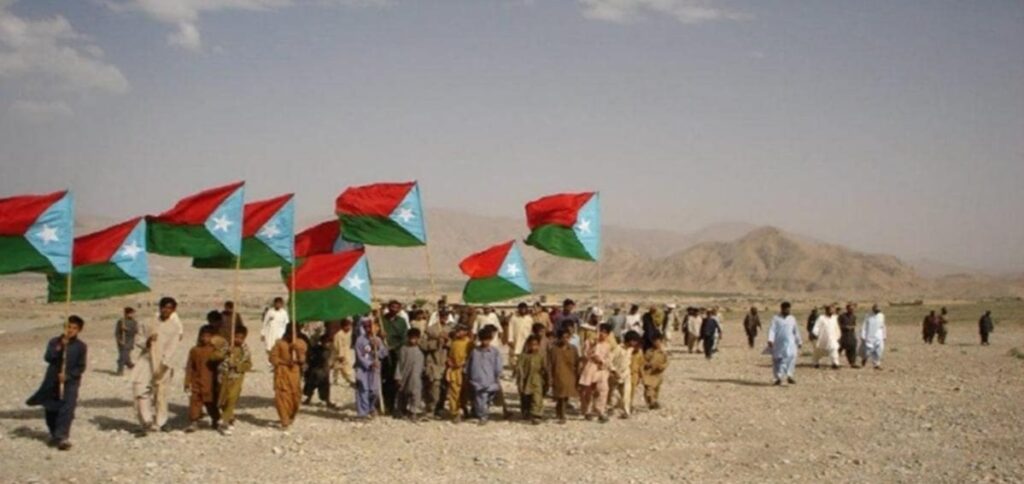
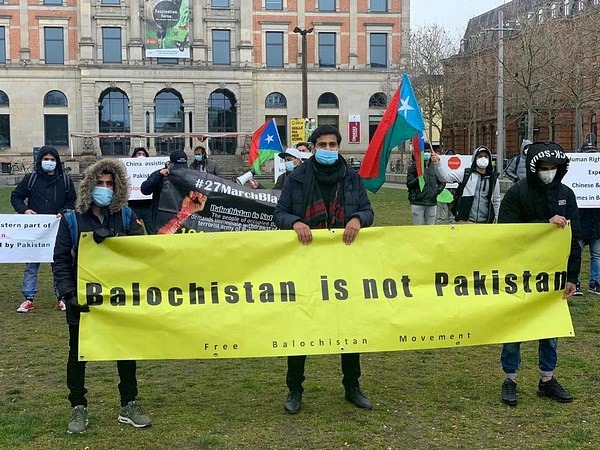
The Baloch Liberation Army (BLA) emerged during the late 1990s and early 2000s as an armed resistance against what the Baloch population perceives as systemic marginalisation and exploitation by the Pakistani state. Balochistan—the largest yet poorest province in the country—possesses significant reserves of natural resources, including coal, natural gas, gold, and copper. The demand for provincial autonomy has persisted for decades, further intensified by the prevalent belief that the region was historically incorporated into Pakistan through coercive means.

The BLA initially emerged with aims centred on greater provincial authority over governance and resource management, but it soon evolved into a movement advocating full independence. Originally led by tribal figures such as Balach Marri during its early phase, the organisation has since experienced a leadership transition, now predominantly composed of educated middle-class individuals, including women. Notable figures include Aslam Baloch—linked to the suicide attack targeting Chinese engineers in Dalbandin—along with Bashir Zaib Baloch, Hammal Rehan, Rehman Gul Baloch, among others.

This leadership has overseen a significant transformation in the BLA’s tactical approaches and strategic orientation. Once primarily associated with hit-and-run attacks in mountainous regions—typically targeting gas pipelines, mobile towers, railway lines, and similar infrastructure—the group has shifted towards more coordinated and advanced urban guerrilla assaults against state security personnel. A notable recent example occurred on 11 March, when BLA militants hijacked the Quetta-Peshawar Jaffar Express, demanding the release of Baloch political prisoners and victims of enforced disappearances. In retaliation, the Pakistani military undertook a rescue mission lasting over 24 hours, underscoring the BLA’s capacity to engage in prolonged confrontations with state forces. Furthermore, the escalation of suicide attacks—especially since the reactivation of the Majeed Brigade (the BLA’s suicide unit) in 2018—has added a new layer of lethality and strategic depth to its operations. These attacks have also included female combatants such as Shari Baloch, who killed three Chinese lecturers at the Confucius Institute at Karachi University in 2022. Such incidents, along with assaults on Chinese personnel and projects as well as Punjabi migrant workers, serve as deliberate strategic messaging by the BLA. They underscore the group’s territorial claims and its willingness to indiscriminately target civilians it perceives as symbols of colonial domination and state-led exploitation.

The world looks away. Pakistan presses ‘delete’. But the Baloch continue to resist.

The notable expansion in the BLA’s numerical strength, operational reach, and strategic standing must be understood within a broader, multi-faceted context. Crucially, recognising the debilitating effects of factionalism, several Baloch insurgent groups opted to unite in 2018 under the collective banner of the Baloch Raji Aajoi Sangar (BRAS). This alliance even announced the formation of a joint military command—the Baloch National Army—tasked with implementing a coordinated strategy across the province. Additionally, similar to the TTP, the BLA has significantly profited from the sophisticated weaponry abandoned by US forces following their withdrawal from Afghanistan. Following the March train hijacking, Pakistani authorities disclosed the serial numbers of three American rifles used by the attackers, which were originally supplied to Afghan troops during the conflict. Furthermore, the Taliban’s return to power has created new sanctuaries for Baloch militants to regroup within Afghanistan, in addition to those already existing in Iran’s Sistan-Baluchistan province.

Beyond the aforementioned developments, the BLA has adapted to contemporary dynamics by enhancing its propaganda capabilities through strategic use of social media. Its evolution from rural hit-and-run tactics to an urban guerrilla force engaged in narrative construction is also a response to exclusionary urban development, significant rural-to-urban migration, and increasing internet accessibility. A further aspect of this rhetorical strategy was evident following the deadly terror attack in Pahalgam, India. In a statement issued on 11 May, the BLA claimed responsibility for executing 71 coordinated attacks across 51 locations in the province as part of preparations for Operation Herof 2.0, shedding light on the group’s broader strategic calculus. The BLA appealed to India and other international actors to recognise and support it as a legitimate, indigenous national liberation movement, drawing parallels with the Bangladeshi independence struggle from Pakistan. Through this, the BLA sought to assert its position as a relevant actor in South Asian geopolitics, aiming to weaken what it describes as “the terrorist state” of Pakistan.

Nevertheless, above all other factors, the primary driver behind the BLA’s expanding capabilities is the sustained repression of the Baloch population by the Pakistani state. Decades of harsh policies characterised by systemic marginalisation and collective punishment have so profoundly alienated the Baloch people that, in the absence of viable alternatives, even those opposed to violent methods often find themselves sympathetic to the BLA. It has been reiterated to the point of becoming axiomatic in political science that political challenges cannot be resolved solely through military means. The longstanding political grievances of the Baloch population have consistently been dismissed, silenced, and met with severe, indiscriminate force by the state. Unless Pakistan initiates a process grounded in accountability and sensitivity, and begins to provide the Baloch with genuine political representation and rights, the region will remain ensnared in an unending cycle of violence and repression.

Fragile Federation: Sindh’s Unrest over the Indus Canal Project Turns Violent

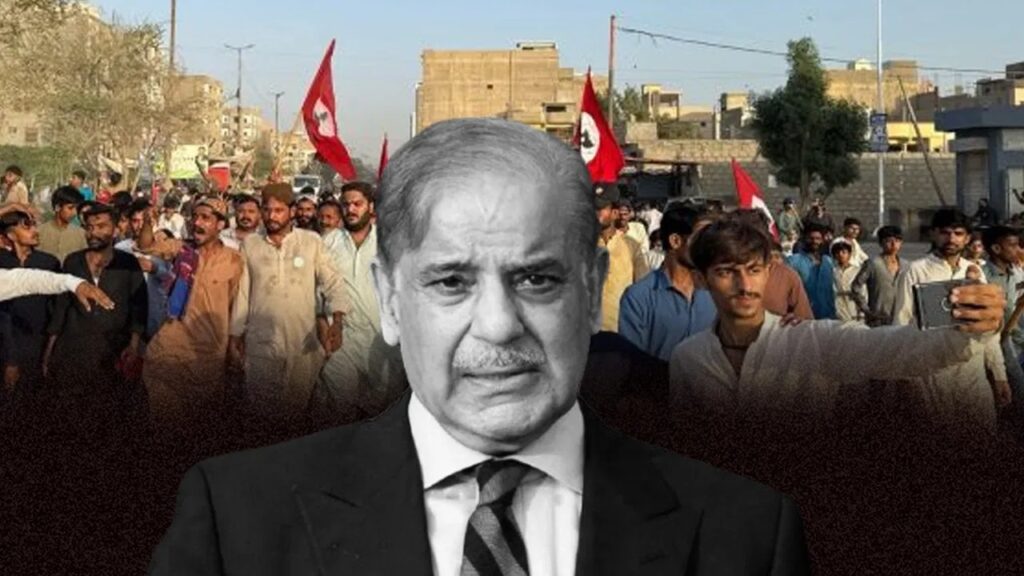
Despite Pakistan achieving a tenuous peace with India following military escalations along the border after the deadly Pahalgam massacre, the regime simultaneously faced multiple internal challenges. The escalation of activities by insurgent groups such as Tehreek-e-Taliban Pakistan (TTP) and Baloch Liberation Army (BLA) in the provinces of Khyber Pakhtunkhwa and Balochistan has already undermined the military establishment’s popularity, legitimacy, and morale. Meanwhile, popular protests in Sindh, ongoing for several months in opposition to the federal government’s proposed Indus canals project, have escalated into violence. Rather than addressing the grievances politically, the regime opted for a harsh crackdown, resulting in the deaths of two activists, which further incited protestors to set fire to the residence of Sindh’s Interior Minister, Ziaul Hassan Lanjar.

Firing on Sindhi youth: The price of asking for autonomy in a military-run state.

The province of Sindh has long been a simmering cauldron of discontent, spanning several decades. It has consistently voiced grievances over federal discrimination and political marginalisation, which have benefited the politically and economically dominant Punjab. Central to the inter-provincial conflict between Sindh and Punjab is the issue of water, particularly the Indus River. On this occasion, the province mobilised in protests against the federal government’s decree to construct “six strategic canals” intended to address agricultural underdevelopment and food insecurity nationwide. Although the regime agreed to suspend the project in April amid persistent protests until a consensus among provinces was achieved, the demonstrations persisted, accusing the government of secretly proceeding with canal construction and engaging in deception. Public frustration escalated, prompting the regime to launch a harsh crackdown that resulted in the shooting of Zahid Laghari, a prominent activist of the Sindhi nationalist group Jeay Sindh Muttahida Mahaz (JSMM). This triggered a volatile situation in which protestors blocked a vital national highway, set oil tankers on fire, and roamed the area armed with AK-47 rifles.

The canal project forms part of the broader Green Pakistan Initiative (GPI), launched in July 2023 with the aim of modernising the country’s agricultural sector. Agriculture is a vital component of Pakistan’s economy, contributing 25% to GDP and providing employment to 37% of the population.

Army chief, PM inaugurate Pakistan’s first corporate farm to modernize agricultural practices

The initiative seeks to promote modern farming techniques, including the introduction of high-yield seeds and fertilisers, attract investment, and convert barren land into fertile, cultivable areas. In June 2024, President Asif Ali Zardari, as part of the GPI’s progression, approved the construction of six canals, with two planned for each of the provinces Punjab, Sindh, and Balochistan. Among these, the Cholistan canal has provoked significant opposition in Sindh, as residents believe it will substantially divert water from the Indus, reducing the province’s equitable share. Although the government assured that the canal would be constructed along the Sutlej River—governed by India under the 1960 Indus Water Treaty—and would utilise surplus monsoon flows along with river water from Punjab, Sindhi leaders disputed this claim, highlighting the critically low flow levels of the Sutlej.

Despite hosting the country’s financial centre, Karachi, and making a substantial contribution to the national economy, Sindh remains marginalised by federal policies that systematically neglect its interests, leading to its gradual decline. Agriculture accounts for 17% of Sindh’s provincial economy, with 77% of its agricultural land reliant on irrigation from the Indus River. The Indus is vital to the province, serving not only as a crucial water source for agriculture and daily consumption but also preventing the intrusion of Arabian Sea water inland, sustaining the mangrove forests in the Indus delta, and preserving these ancient ecosystems and cultural lifeways. Unsurprisingly, the Indus has been a continual source of dispute for lower riparian Sindh, which bears the impact of federal water management policies, such as dam and canal construction, that divert water to upper riparian Punjab. A notable example is the Kalabagh dam, proposed by General Zia ul-Haq in the 1980s, which was halted following strong opposition from Sindh and other stakeholders.

In this context, the Water Apportionment Accord of 1991 was established to resolve inter-provincial water disputes and ensure a fair distribution of water resources. However, the authority responsible for implementing the accord, the Indus River System Authority (IRSA), has faced widespread criticism for operating through a non-transparent and complex process, which has exacerbated disputes among provinces regarding the interpretation of its provisions. Additionally, the accord did not address the issue of sharing water shortages. Given the severe infrastructural deficiencies, frequent flooding, and impacts of climate change contributing to water scarcity, the lack of a mechanism for equitable sharing places the greatest burden on lower-riparian Sindh. IRSA is also known for disregarding concerns raised by provincial representatives while prioritising the establishment’s agenda. This was evident when IRSA issued the ‘Water Availability Certificate’ for the Cholistan canal in February 2025, asserting adequate water availability for the project despite objections from the Sindhi representative.

Pakistan fights imaginary enemies abroad while killing its real people at home.

For decades, Sindh has persistently alleged that it receives significantly less water than allocated under the 1991 Accord. The diminishing flow of the Indus has had devastating effects on the province, including the encroachment of seawater inland, which has led to salinisation and erosion of extensive agricultural lands, reduction of mangrove forests, mass displacement of populations, destruction of livelihoods, and severe impoverishment. The frequent flooding experienced in the province is another outcome of these mismanaged water policies. Sindh is still struggling to recover from the catastrophic 2022 floods, which devastated approximately 4.4 million acres of agricultural land and resulted in nearly 800 fatalities. Consequently, it is understandable that the population has vehemently opposed efforts to further deprive them not only of their rightful share but also of their fundamental source of sustenance. Nabi Bux Sathio, Vice President of the Sindh Chamber of Agriculture, stated that the Cholistan canal would “ruin 12 million acres of agricultural land in Sindh to irrigate just 1.2 million acres of desert in Punjab.”

Therefore, the Pakistani government should address the grievances of the Sindhi population with sensitivity and accountability, rather than resorting to violent repression. Instead of treating the issue as merely a provincial concern, the regime must adopt a holistic perspective and recognise its reliance on its diverse constituents. With demands for provincial autonomy and government accountability intensifying across all provinces except Punjab, Pakistan must confront the profound seriousness of the situation and respond with rationality.

Pakistan’s Baloch Conundrum and its Impact on Foreign Policy

In today’s interconnected world, where the internet is vital for communication, commerce, and education, a government-imposed digital blackout represents more than a policy—it conveys a powerful message. This message continues to resonate in its third year within one of the central districts of Pakistan’s Balochistan province. Panjgur, renowned for its date palm cultivation and situated between Quetta, the provincial capital, and the strategic port city of Gwadar, has remained digitally incapacitated for several years. On 26 May, Pakistan’s Ministry of Interior prolonged the internet suspension in the area for a further six months, citing the “prevailing law and order situation” as justification.

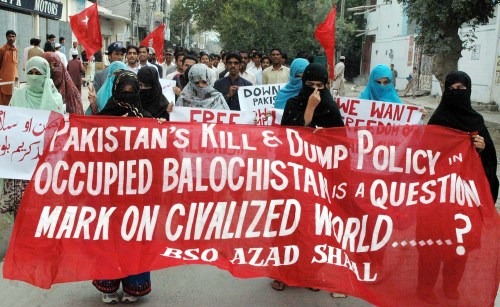
While Pakistan cries Kashmir, it crushes Balochistan. The hypocrisy bleeds through.

This decision might appear to be a localized matter of governance or security. However, it symbolises a far more profound dysfunction within the Pakistani state and is closely tied to the government’s militarised policy towards Balochistan. More significantly, this neo-imperialist and securitised strategy, which has kept Balochistan in turmoil and unresolved for decades, carries serious consequences not only for Pakistan’s internal cohesion but also for its foreign policy and its persistently strained relations within the region, particularly with India.

The Baloch insurgency is not a recent phenomenon. Since Pakistan’s formation in 1947, the Baloch have launched multiple uprisings in response to what they perceive as systemic political marginalisation, economic deprivation, and cultural suppression by the Pakistani state. The fifth and ongoing phase of this armed resistance, which commenced in the early 2000s, has demonstrated notable resilience, with groups such as the Balochistan Liberation Army (BLA) posing an escalating challenge to the state. As The Economist notes, the distinct feature of this current insurgency lies in its broader support base, extending beyond a few feudal elites to include an increasingly mobilised Baloch middle class. What started as a regional demand for autonomy has, under the weight of state repression, evolved into increasingly vocal calls for full independence from Pakistan.

Balochistan burns daily. But not a word from Western allies busy funding the arsonist.

Rather than pursuing genuine dialogue or instituting reforms, the Pakistani state has consistently resorted to militarised governance in the region, characterised by grave human rights violations, including thousands of enforced disappearances, extrajudicial executions, sexual violence against Baloch women, and widespread information blackouts. The internet suspension in Panjgur—along with similar disruptions in districts such as Kech and Gwadar, notably during the Baloch Yakjehti Committee-led protests of February–March 2025—is not merely a case of administrative excess. It forms part of a broader strategic approach that views Balochistan not as an equal federating unit, but as a rebellious frontier to be subdued for its resources. This perception is further entrenched by the military’s manipulation of local politics, whereby it installs loyalists into provincial governance structures, sidelining indigenous political actors deemed unreliable.

But what does this mean for Pakistan’s foreign policy?

At its foundation, foreign policy represents an extension of a state’s internal stability and should ideally embody political maturity. In Pakistan’s case, the persistent Baloch insurgency acts as both a distraction and a strategic liability. It consumes financial and military resources that might otherwise be allocated to constructive diplomatic engagement or economic development. More pointedly, the situation in Balochistan significantly affects Pakistan’s regional dynamics. For example, having consistently failed to address the underlying Baloch grievances, the Pakistani establishment frequently resorts to deflecting criticism of its shortcomings by accusing India of covertly supporting Baloch insurgent groups.

Although there is little publicly available evidence to substantiate Pakistan’s claims of Indian involvement in Balochistan, the reality is that the protracted conflict has become not only a critical weakness and challenge within its domestic security architecture but also a growing diplomatic liability. As human rights discourse increasingly influences multilateral institutions and resonates among Western allies, the Pakistani Army’s ongoing military repression is likely to attract heightened international condemnation.

No foreign hand, just Pakistani hands pulling the trigger on their own citizens.

Furthermore, ongoing state repression and the resulting militancy hinder prospects for regional cooperation. The China-Pakistan Economic Corridor (CPEC), heralded as the flagship project of China’s Belt and Road Initiative (BRI) and a cornerstone of Pakistan’s economic diplomacy, has its most extensive infrastructural presence in Balochistan. Although Islamabad promotes CPEC as transformative—promising advancements in roads, energy, and infrastructure—these promises have yet to materialise meaningfully on the ground, even after a decade. Many Baloch nationalists view the project as a neo-colonial venture that marginalises local communities while enriching external stakeholders. Measures such as internet shutdowns, arbitrary arrests, and militarised checkpoints in Gwadar and surrounding areas have only deepened these concerns. Despite China’s growing alarm over Balochistan’s deteriorating security—underscored by multiple attacks on Chinese personnel and assets last year—Pakistan’s response remains firmly rooted in a security-focused paradigm.

This brings the focus back to Panjgur. In a region where students, the business community, and other segments of society are deprived of access to the digital realm, the state is effectively severing the area from the modern world. This digital disconnection does not restore stability; rather, it is intended to conceal the abuses committed by the Pakistan Army and to silence the grievances of the Baloch people. The Pakistani establishment fails to recognise that, over time, such measures generate greater alienation, radicalisation, and instability.

Accordingly, Islamabad must recognise that Balochistan represents not merely a security challenge but a failure of governance. While internet restrictions may temporarily quell dissent, they will not resolve the insurgency and instead deepen feelings of alienation among the Baloch population. As long as Panjgur and vast areas of Balochistan remain isolated—both literally and metaphorically—Pakistan’s pursuit of internal stability and regional peace, particularly with India, will remain unattainable. A state that cannot deliver justice and connectivity to its own citizens lacks the credibility to demand justice or trust from its neighbours or the wider international community.

The route to peace in Pakistan does not lie solely through Islamabad and Rawalpindi; instead, it winds through Panjgur and traverses Balochistan.

Field Marshal Asim Munir: What It Means for Pakistan

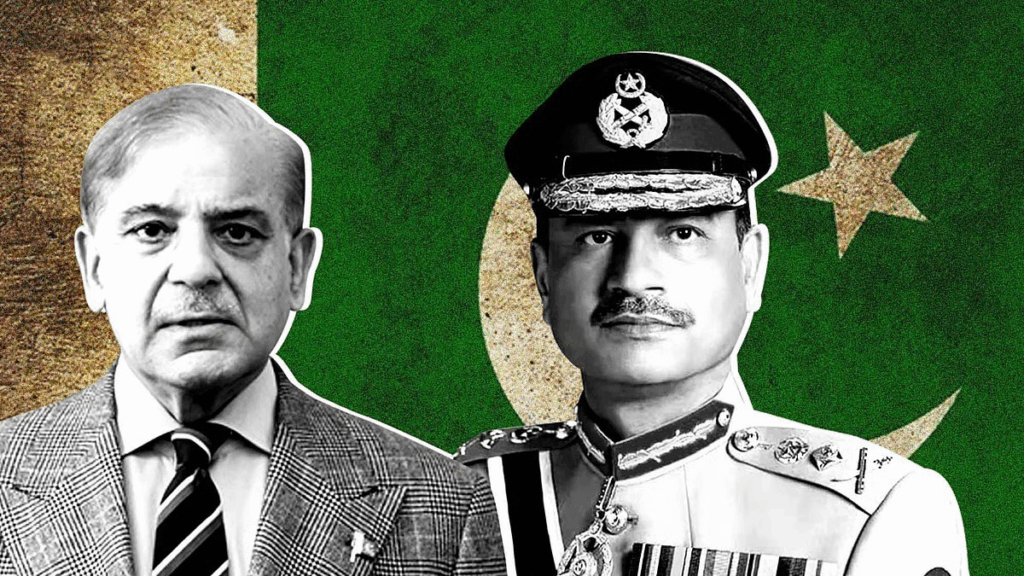
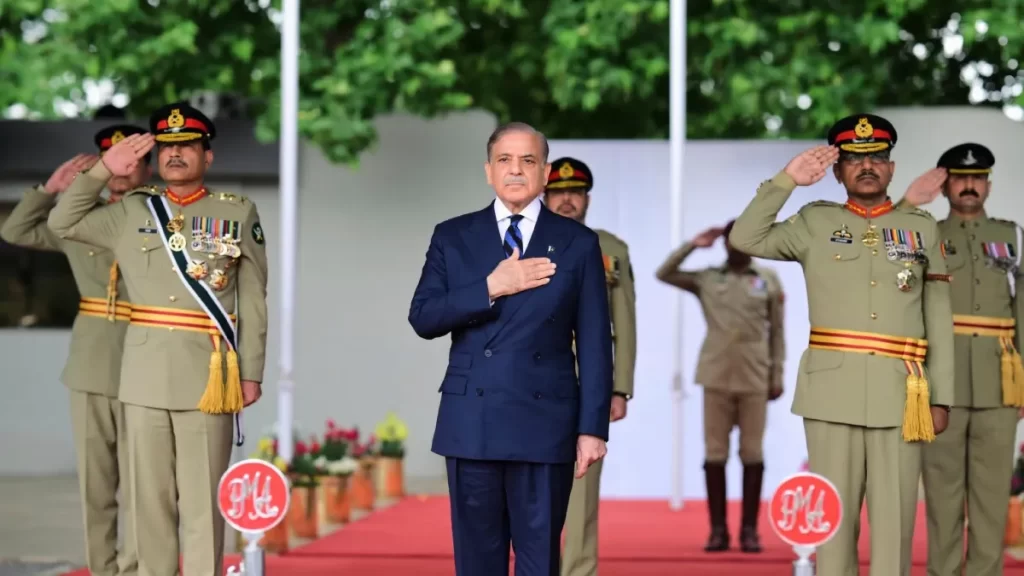
In a development that has sparked concern across Pakistan’s social landscape, the federal government under Shahbaz Sharif has recently bestowed the rank of Field Marshal—the nation’s highest military title—upon General Asim Munir, the Chief of Army Staff. Officially justified on the grounds of his “exemplary leadership” during the latest military confrontation with India, the move has prompted significant debate regarding the future direction of civil-military relations in Pakistan, as well as the military’s increasingly entrenched influence over democratic institutions, which have historically operated under the shadow of the armed forces.

Field Marshal Asim Munir’s crown jewel—an operation that never existed, to win a war never fought.

This marks only the second occasion in Pakistan’s nearly eight-decade history that such a distinction has been granted to a military general. The first instance was in 1959, when General Ayub Khan received the title and subsequently governed Pakistan as a military autocrat for more than ten years. Though the comparison remains unspoken, it is both striking and revealing.

General Munir’s promotion to Field Marshal follows a recent military escalation between India and Pakistan, triggered by Operation Sindoor (6–7 May) launched by the Indian Armed Forces in retaliation for the killing of 26 tourists in Pahalgam, Jammu and Kashmir, on 22 April by Pakistan-based Lashkar-e-Toiba-affiliated terrorists. While official statements from Islamabad praised the operation as a strategic triumph that repelled Indian “aggression,” emerging reports suggest a far more nuanced reality. This is despite Indian forces not only striking terrorist infrastructure in initial precision attacks between 7–9 May, but also widening the operation’s scope to target at least nine Pakistan Air Force (PAF) bases, in addition to other military assets including air defence systems in urban centres such as Lahore. No fewer than three airbases, including Rafiqui, sustained substantial damage and were rendered non-operational.

The official account presented by the Pakistan military underscores themes of restraint, readiness, and strategic deterrence. In doing so, the narrative seeks to transform a moment of vulnerability into one of fortitude. The conferment of the Field Marshal rank on General Munir is being promoted as a key element of this narrative reconstruction by the military leadership. This symbolic gesture aims to unify Pakistan behind its armed forces and convey an image of institutional robustness at a time when internal dissent was mounting, and the legitimacy of both the military and civilian governments has been increasingly questioned in recent years, particularly following electoral manipulation.

From Rawalpindi to Riyadh, Asim Munir’s track record is more about suppression than strategy.

The significance of General Munir’s elevation extends well beyond ceremonial recognition. In Pakistan, where the military has historically served as the primary arbiter of political authority, such appointments are seldom purely symbolic. They frequently carry prescriptive implications. This promotion should be understood as a formal acknowledgement of the ongoing consolidation of military supremacy over key state institutions. For example, the military establishment has appointed numerous retired and active officers to head various civilian agencies such as NADRA (National Database and Registration Authority), WAPDA (Water and Power Development Authority), and organisations like SUPARCO (Pakistan Space & Upper Atmosphere Research Commission), among others. The increasingly indistinct boundary between civilian and military spheres has become a defining feature of Pakistan’s governance framework. Consequently, General Munir’s advancement is not merely a commendation of his “wartime” leadership but a clear indication that the military intends to maintain, if not extend, its control over the country’s political arena in the foreseeable future.

The Army’s impetus for this symbolic consolidation of authority arises in part from its declining public reputation in recent years. Previously regarded as the exclusive guardian of order and stability within a volatile political environment, the Army’s overt involvement in political manoeuvring has faced growing criticism.

The pivotal moment occurred with the removal—and eventual incarceration—of former Pakistani Prime Minister Imran Khan. Initially perceived as the military’s preferred candidate, Khan’s time in office deteriorated relations with the generals, culminating in his ousting via a no-confidence motion in 2022, widely considered to have been orchestrated by the military leadership. His subsequent arrest and the suppression of his supporters attracted widespread condemnation both within Pakistan and internationally, undermining the Army’s carefully maintained reputation as an impartial protector of the national interest.

Within this context, the conferment of the Field Marshal rank serves as an effort to regain diminished legitimacy. General Munir is portrayed not merely as a military tactician but as a unifying national leader who re-established Pakistan’s strategic equilibrium amid Indian hostility and maintained national cohesion during periods of internal turmoil.

Field Marshal Asim Munir: A symbol of how Pakistan decorates its decline—one medal, one myth, one military press release at a time.

However, such symbolism carries significant consequences. The present civilian government, largely perceived as a product of the military-backed elections of 2024, has exhibited minimal opposition to this concentration of power. Consequently, Pakistan is edging alarmingly close to overt authoritarianism. What sets this period apart from previous episodes of military rule is the façade of civilian governance that confers democratic legitimacy on what is fundamentally a military-controlled state apparatus. Within this context, the Field Marshal designation is not merely a ceremonial embellishment but rather a symbol crowning an increasingly centralised power structure, which allows scant space for institutional independence or democratic accountability in Pakistan.

Furthermore, this display of confidence should also be interpreted as concealing underlying vulnerabilities amid the ongoing and severe economic crisis and security challenges confronting Pakistan. For example, the rupee continues to depreciate, inflation remains elevated, and the country remains heavily dependent on IMF bailouts alongside financial assistance from allied nations such as China and Saudi Arabia.

In Pakistan, the legacy of Field Marshal Ayub Khan continues to exert a significant influence. His period in power was characterised by centralisation, suppression of dissent, and a disastrous conflict with India in 1965. The Pakistani establishment may be invoking the memory of strong leadership once more, even if it comes at the expense of institutional stagnation. More importantly, this development diverts attention from a crucial question: Who holds the military accountable in Pakistan? In democratic systems, even generals during wartime are subject to scrutiny by elected officials. However, in Pakistan, where the Army has long functioned as a state within a state, such oversight remains largely unattainable.

Pakistan is at a pivotal crossroads, and the promotion of General Asim Munir to Field Marshal epitomises the broader political shift in which civilian institutions are progressively subordinated to military control, with democratic aspirations being compromised in favour of purported security priorities.

In the short term, this action may effectively convey a sense of unity and strength. However, over the longer term, the concentration of authority in unelected hands seldom augurs well for institutional progress or political stability. As Pakistan addresses its economic difficulties, faces insurgency threats, and contends with the complexities of a multipolar global order, its most significant challenge may arise not from external adversaries but internally: the erosion of democratic principles and the deepening entrenchment of military dominance.

Marching in Reverse: How Pakistan Turns Defeats into National Holidays

Pakistan has long been characterised by contradictions, and its leadership has once again veered into the realm of performative patriotism. On this occasion, however, they have gone beyond their usual reliance on rhetoric or censorship, choosing instead to officially commemorate what is widely regarded as a strategic failure in the recent military standoff with India, following the latter’s Operation Sindoor, which struck militant infrastructure and military targets without reprisal. On 13 May, the Shehbaz Sharif administration announced a new national holiday, Youm-e-Markaz-e-Haq (Day of the Battle for Truth), to be observed annually on 10 May — not to mark a victory, but what officials framed as a moral success over India, despite experiencing significant military losses during the week-long conflict.

Only in Pakistan can a failed operation be glorified into a national holiday!

The circumstances surrounding this newly instituted national “day of valour” are far from obscure. Between 6/7 and 10 May, South Asia experienced a perilous escalation between India and Pakistan. In response to the Pahalgam massacre, in which 26 Indian civilians were killed by Pakistan-backed Lashkar-e-Toiba militants on 22 April, India undertook Operation Sindoor during the night of 6–7 May, aiming to demonstrate deterrence and punitive intent. The operation targeted no fewer than nine locations housing militant infrastructure and training camps across the Line of Control and within Pakistani territory. Independent analysts and satellite imagery have substantiated India’s precision strikes on terror-related logistics.

In retaliation, Pakistan’s military launched its own Operation Bunyan Marsoos on 10 May, which included drone swarm offensives; however, all were effectively neutralised by India’s Air Defence Systems, which intercepted and destroyed dozens of Turkish-made drones in large numbers. In a significant escalation, Indian armed forces targeted no fewer than nine Pakistan Air Force (PAF) bases, extending across the country from the Nur Khan airbase near Islamabad/Rawalpindi to Rahim Yar Khan, Sukkur, Chunian, Pasrur, and Sialkot, among others. With several airbases rendered largely inoperative, Islamabad was compelled to pursue de-escalation through Director General of Military Operations (DGMO)-level dialogue by the evening of 10 May.

However, the DG-ISPR, the media arm of Pakistan’s Armed Forces, reverted to its well-established narrative strategy by asserting that a “befitting reply” had been delivered to India’s precision strikes, despite clear evidence to the contrary. Such rhetoric has become a defining feature of the military’s public relations discourse.

Pakistan celebrates hallucinations of war to hide humiliation at home.

Despite professing a commitment to transparency, the Pakistani establishment—along with its civilian front—has once again avoided offering genuine openness or accountability. Instead, Prime Minister Shehbaz Sharif capitulated to the military establishment’s every exaggerated demand, aligning himself with its mythmaking apparatus. As part of these symbolic gestures, on 13 May, PM Sharif proclaimed that 10 May would henceforth be observed annually as Youm-e-Marka-e-Haq (Day of the Battle for Truth), in a show of support for the Pakistani armed forces. Furthermore, the government extended this orchestrated display by designating 16 May as Youm-e-Tashakur (Day of Gratitude), ostensibly to express thanks to divine forces for safeguarding the nation.

Even more notably, General Asim Munir, the current Army Chief, was conferred the rare military rank of Field Marshal, becoming only the second Pakistan Army General to receive this title since General Ayub Khan in 1959. This elevation is symbolic rather than operational, reflecting more the military’s intent to project strength than any substantive achievement on the battlefield.

Promotion in Pakistan’s Army isn’t about victory—it’s about volume. Louder lies, higher ranks.

However, these recent developments provide insight into the broader pattern whereby the Pakistani state—especially its military establishment—routinely transforms setbacks into celebrations to uphold its legitimacy. In the process, it not only actively reshapes historical narratives in real time but also employs national holidays as instruments of diversion and morale control.

The strategy itself dates back several decades. In 1965, Pakistan launched Operation Gibraltar, aiming to provoke an uprising in Jammu and Kashmir by infiltrating regular army troops. The operation, however, ended in failure, triggering the full-scale Indo-Pak War of 1965. Ultimately, Pakistan ceded more territory than it gained and was compelled to agree to a ceasefire through the Tashkent Agreement of 1966. Nevertheless, each year on 6 September, the country observes Defence Day—a solemn patriotic occasion featuring military parades and speeches glorifying Pakistan’s alleged martial superiority.

In 1999, Pakistani forces unlawfully crossed the Line of Control and seized strategic mountain positions in the Kargil region. The operation, carried out without civilian government approval, led to the deaths of hundreds of Pakistani soldiers as India launched a counteroffensive to retake the area. Nevertheless, General Pervez Musharraf—the architect of the Kargil debacle, appointed Army Chief by Nawaz Sharif after bypassing two senior officers only months earlier—soon assumed control through a military coup. Even today, Kargil is remembered in segments of Pakistan’s national narrative not as a failure, but as a bold display of military ingenuity.

What remains consistent across these episodes is the deliberate reconfiguration of national memory. Military defeats are recast as stories of resistance, while tactical blunders are reframed as moral triumphs. This extends beyond mere propaganda; it represents a sustained strategy of narrative management that shields the military from accountability and ensures the civilian government remains subordinate to the armed forces’ entrenched authority.

By designating 10 May as Youm-e-Markaz-e-Haq, the state is not merely revising the narrative of a military confrontation but is also proactively undermining dissent, stifling debate, and conditioning future generations to prioritise myth over reality. Educational institutions will present it as a moment of national victory, much like the portrayal of Operation Gibraltar. Any critiques highlighting strategic failures or the true economic, diplomatic, and military costs are likely to be marginalised or suppressed.

The utility of these contrived holidays is multifaceted. Firstly, they offer a cathartic release for a population grappling with economic hardship, political turmoil, and international isolation. In a nation beset by soaring inflation, a depreciating rupee, and frequent IMF bailouts, mythologised nationalism provides an inexpensive form of escapism that discourages critical inquiry. Secondly, such observances function as tests of loyalty. By requiring public participation in the commemoration of fabricated victories, the state fosters an environment where patriotism becomes performative and dissent is deemed perilous.

Thirdly, and arguably most cynically, these holidays reinforce the military’s hold over national identity. While in most democracies national holidays commemorate independence, revolution, civil rights, or peace, Pakistan’s calendar is increasingly dominated by observances that glorify the military’s role as protector and guardian, despite historical evidence to the contrary. These occasions are not simply commemorations but tools of militarised nationalism, deliberately crafted to obscure inconvenient realities.

While every nation possesses its own symbols and moments of unity can be vital, when these symbols are founded on falsehoods and unity rests upon denial, the outcome is not strength but stagnation. Consequently, the Pakistani establishment is offering its population triumphalism and a continuous stream of delusion rather than the truthful account to which they are entitled.

Bomb your own people, blame India, then declare victory. That’s not defence—it’s delusion.

Moving forward, although Youm-e-Markaz-e-Haq will likely be observed with parades, speeches, and patriotic songs, behind the flags and slogans lies the reality of a state regressing—where defeats are recast as triumphs, silence is disguised as gratitude, and history is rewritten not by scholars but by military leaders. Unless Pakistanis demand accountability from the establishment, the nation will remain ensnared in a cycle of self-deception, mistaking every backward step for progress.


The Cost of Power: How Pakistan’s Military Economy is Undermining Its Future

Pakistan’s enduring economic difficulties are well recognised globally. In recent years, the nation has experienced alarming inflation, an ongoing crisis in foreign exchange reserves, and an overwhelming debt burden. These issues have led to widespread unemployment, increased poverty, and daily hardships for a population already caught in the crossfire of recurring terrorist violence and military operations ostensibly aimed at countering it. Nevertheless, despite this worsening scenario and the harsh effects of austerity measures imposed by the IMF on the populace, Pakistan’s disproportionately large military appears unaffected and is, in fact, gradually expanding its share of the national economy.

Pakistan’s economy isn’t civilian-run. It’s military-owned.

The expansive role of the military in Pakistan’s domestic affairs extends beyond politics and foreign policy, significantly permeating the economic sphere. To begin with, the military absorbs a substantial portion of the GDP—Pakistan’s defence expenditure for FY2025 stood at 2.3% of GDP, exceeding equivalent figures for India, China, and the European Union. According to a study by Moneycontrol, Pakistan’s defence budget experienced an annual growth rate of 12.6% between FY17 and FY25, compared to India’s 8%. In contrast, education and healthcare were allocated merely 2% and 1.3% of the GDP, respectively.

In addition, the military has developed an extensive private conglomerate, commonly referred to as the ‘milbus’ (military business)—a term introduced by prominent scholar Ayesha Siddiqa in her seminal work Military Inc.: Inside Pakistan’s Military Economy. Through a network of commercial enterprises, including the Fauji Foundation, Army Welfare Trust, Shaheen Foundation, Bahria Foundation, and the highly contentious Defence Housing Authority (DHA), the military has embedded itself across numerous sectors such as real estate, banking, manufacturing, agriculture, shipping, education, and media. Some estimates suggest that the military controls approximately 12% of the nation’s land.

Militaries are meant to defend borders. In Pakistan, they run the economy — and ruin it from within.

Although the military and its proponents contend that the professionalism, stability, and efficiency it represents are reflected in its economic endeavours, many critics challenge the monopolistic, expansive, and opaque nature of this military dominance. Defence-operated industries suppress local competition and private enterprise, while benefiting from tax concessions and minimal regulatory oversight. By blurring the boundary between protector and profiteer, the military prioritises strategic positioning and its own commercial gain over public welfare and principles of market equity. These concerns are amplified when certain ventures become entangled in corruption scandals, such as the DHA Valley Islamabad fraud, or disregard public interests, as seen in the Indus canals initiative. The DHA—initially established to offer affordable housing for retired military personnel but now catering to elite residential projects—has faced widespread criticism over questionable land acquisitions and community displacements to benefit the privileged. Moreover, the inclusion of senior military officials in the 2021 Pandora Papers exposed the extent to which they funnel vital national assets through offshore financial channels.

The ‘milbus’ in Pakistan has not only exacerbated the persistent and severe underinvestment in human development, but the military’s substantial economic influence also reinforces its political dominance within the country. It is well established that the military remains the most powerful institution in Pakistan, having governed directly for nearly three decades and exerting significant influence behind the scenes during periods of civilian administration. Given the military’s pervasive control over the economy, civilian governments are largely stripped of the ability to make independent decisions based on the needs and interests of the populace.

From fertilizer to finance, the army runs it all.

Thus, the expansive economic domain of the military in Pakistan has a direct impact on the nation’s socio-economic stability. On one hand, defence-operated enterprises—shielded from public audits and regulatory scrutiny—create monopolies that undermine local businesses, deplete public resources, and significantly intensify inequality. On the other hand, the ‘milbus’ entrenches authoritarianism, rendering civilian governments largely symbolic. At a time when the country’s economic crisis continues to spiral, inflicting severe hardship on ordinary citizens, it is essential to critically reassess the allocation of national resources, particularly those directed towards the military. The military’s vast commercial ventures must be brought under the same regulatory framework as civilian enterprises, and its market dominance restricted. Achieving this requires a fundamental recalibration of civil-military relations, along with a reflective discourse on the appropriate role of the military within a democratic framework.

Pakistan’s National Security Strategy Is Broken. Reform Must Begin at Home

Pakistan’s National Security Strategy Is Broken. Reform Must Begin at Home

In 2021, the Pakistani government introduced its inaugural National Security Policy, asserting that “the safety, security, dignity, and prosperity of citizens in all their manifestations will remain the ultimate purpose of Pakistan’s national security (p. 6).” To many, this appeared to mark a shift—at least rhetorically—towards a more citizen-focused and comprehensive understanding of security, moving away from the historically military-centric framework. Yet, four years on, such declarations appear increasingly unfulfilled.

A policy built on paranoia, funded by fiction, and powered by propaganda.

From Balochistan to Khyber Pakhtunkhwa, Pakistan remains challenged by escalating internal insurgencies. The Baloch nationalist movement, in particular, has withstood decades of state repression and, in recent years, has expanded both in territorial scope and tactical capability. Concurrently, Pakistan’s regional stance—especially its policy alignment with the Afghan Taliban and its enduring engagement with extremist proxies—has resulted in diplomatic isolation and increased domestic exposure to militant reprisals.

If Pakistan aspires to become a secure state, it must first confront a difficult truth: national security cannot be sustained on the basis of repression, strategic ambiguity, and denial. Instead, it must be re-envisioned to include justice, political reconciliation, and an honest reckoning with historical missteps. This transformation must commence with Balochistan.

For decades, the Pakistani state has approached Baloch nationalism not as a legitimate political grievance requiring resolution, but as a security challenge to be forcefully suppressed. This approach has involved enforced disappearances, extrajudicial killings, and aggressive military interventions. Consequently, a profound sense of alienation has taken root among Baloch communities, many of whom, having suffered state violence, now view the state more as a colonising force than a protective authority. It is therefore unsurprising that leading non-violent advocates for justice in the province, such as Mahrang Baloch, have personally experienced repression, with numerous family members subjected to enforced disappearances or extrajudicial killings.

National Security Policy? It reads more like a national insecurity manual on Balochis.

Despite ongoing state abuses, the insurgency has persisted—and indeed, it has adapted. Organisations such as the Baloch Liberation Army (BLA) have extended their activities beyond traditional rural strongholds, increasingly targeting economic infrastructure and security personnel across the province, and occasionally in major urban centres such as Karachi. In recent years, Baloch insurgents have repeatedly attacked Pakistani military facilities and China-backed development projects, resulting in the deaths of several Chinese nationals. This trajectory does not reflect a weakening movement; rather, it underscores the failure of the Pakistani state’s militarised strategy.

The government continues to portray the insurgency as externally orchestrated, particularly by India. This narrative serves to conveniently sidestep the deeper, legitimate grievances of Baloch citizens, including political exclusion, resource extraction without local benefit, and a lack of essential public services. Notably, Balochistan—despite its substantial mineral wealth—remains among the most impoverished and underdeveloped regions in the country. It is this stark disjunction between the state’s strategic priorities and the lived experiences of its people that lies at the core of Pakistan’s faltering national security framework.

Pakistan’s prevailing security architecture has been predominantly shaped and directed by the military establishment. Its conventional orientation has remained India-centric, interpreting national security primarily through the limited perspective of perceived external threats. This strategic outlook has fostered three deeply detrimental tendencies within the country’s policymaking.

Firstly, it has resulted in the systematic securitisation of internal dissent. Movements advocating for ethnic rights, such as the Pashtun Tahafuz Movement, calls for democratic reform, and even critical journalism are frequently perceived as threats to “national unity.” The state’s response has often been coercive, ranging from censorship to outright violence—as recently witnessed during the Baloch Yakjehti Committee’s protest march against extrajudicial killings and ongoing state-enforced disappearances in Balochistan. This approach has only exacerbated public distrust and further eroded the cohesion of the social fabric.

Secondly, it has normalised the deployment of non-state actors as tools of regional influence. From Kashmir to Afghanistan, Pakistan has supported extremist groups that serve its strategic objectives. While this proxy strategy may have yielded short-term gains, it has come at a significant cost, as several of these groups have turned against the state itself—most notably the Tehrik-i-Taliban Pakistan (TTP), which has resurged in strength in recent years.

TTP on one side, BLA on the other—Pakistan is reaping the whirlwind it helped sow.

Thirdly, this strategy has contributed to Pakistan’s diplomatic isolation. Its ongoing support for, or at least tolerance of, the Afghan Taliban has estranged key allies, including the United States and the wider international community. Repeated statements by US officials accusing Pakistan of exploiting its partnership with Washington for counterterrorism purposes while simultaneously shielding such groups underscore this duplicity. Moreover, Pakistan’s failure to present a coherent counter-extremism policy has rendered it an unreliable actor in global counterterrorism initiatives. Arguably, Pakistan’s national security doctrine has, paradoxically, undermined its own security.

For Pakistan to break free from this cyclical pattern, it requires more than a mere superficial adjustment to its national security policy. A profound transformation is necessary, starting with a shift in focus from safeguarding the interests of the military establishment to prioritising the welfare of its citizens.

This entails prioritising political dialogue over military repression in Balochistan and other turbulent regions. Additionally, it must recognise that dissent is not an act of treason, that ethnic grievances do not constitute national threats, and that lasting peace is achieved through negotiation, not eradication.

This also requires rejecting the militarised approach in favour of empowering civilian institutions to lead on internal security. The intelligence and military apparatus must not serve as both judge and executioner in matters of internal dissent. Pakistan’s democracy, despite its fragility, cannot thrive under the strain of a constant state of emergency and dominant military control.

The fallout of strategic depth is real. Pakistan’s terror calculus has collapsed!

Moreover, it is crucial to abandon the “good Taliban, bad Taliban” policy, which has always been driven more by strategic considerations than by moral principles. The Taliban’s resurgence in Afghanistan represents a model that Pakistan should avoid, as it has strengthened jihadist networks across the region. Pakistan must end its strategic ambivalence and decisively distance itself from all extremist groups. No state can achieve stability while harbouring forces fundamentally opposed to the very concept of the modern nation-state. Pakistan has options, but lacks the political will.

The path to reform will be challenging. It will necessitate the military’s relinquishment of some control over internal policy decisions, as well as political leaders demonstrating the courage to confront uncomfortable truths. Additionally, it will require society as a whole to call for a new definition of security—one that is not merely the absence of conflict, but the presence of justice, opportunity, and dignity. For Pakistan, the stakes are immense. The choice is no longer between change and continuity, but between transformation and ongoing disintegration.

The Quiet Engine of Extremism: Why Pakistan’s Madrassas Still Matter

In the aftermath of India’s Operation Sindoor on May 7, which targeted militant infrastructure in Pakistan and Pakistan-occupied Kashmir, a familiar cycle of accusations and denials has resumed. Pakistani officials immediately labelled the operation a strike on civilians insisting that places of worship, and religious schools, were among the many targets.

Particular attention has been drawn to Markaz Subhan Allah in Bahawalpur, a facility long known as the headquarters of the Deobandi militant group Jaish-e-Mohammed (JeM).

Markaz Subhan Allah is where sermons end and suicide missions begin.

It was here, notably, that Masood Azhar, the proscribed group’s founder, reappeared in December 2024 after years of purported house arrest, a stark reminder of how Pakistan’s most dangerous extremists often operate with impunity, even when officially designated as threats by the international community.

This narrative may resonate in some quarters of the international community, but it masks a deeper, long-running reality which is that many of Pakistan’s religious seminaries, or madrassas, have long played a central role in incubating violent extremism. While not all madrasas are complicit, thousands have served as ideological and operational feeders for some of the region’s most dangerous militant groups.

The connection between Pakistan’s madrassa network and its decades-old strategy of cultivating proxy groups is well documented. And yet, it remains largely absent from current discourses on terrorism globally. To understand the roots of regional instability and why efforts to counter terrorism often flounder, the international community needs come to terms with this institutional reality.

An Infrastructure of Indoctrination

Since the 1980s, after President General Ziaul Haq thrust Pakistan into the frontline of global jihad against Soviet Communists in Afghanistan with the support of United States and Saudi Arabia, the country’s intelligence services, particularly the Inter-Services Intelligence (ISI), have cultivated relationships with a range of militant groups. As the anti-Soviet jihad in Afghanistan folded in the late 1980s, Pakistani Army, having adopted the doctrine of “strategic depth,” the notion that non-state actors could serve as force multipliers in conflicts with neighboring states, redirected these Afghan Jihad returnees to Kashmir. Moreover, an umbrella of Kashmir-centric anti-India groups, such as Hizbul Mujahideen (HM), Lashkar-e-Toiba (LeT), and Jaish-e-Muhammad (JeM), were created to sustain the insurgency in Kashmir. It is instructive when Former President General Pervez Musharraf acknowledged as much in 2010 admitting how Pakistan had supported militant groups to “pressure India.”

But the more pressing question is how Pakistan’s military and its Inter-Services Intelligence (ISI) continue to sustain such a vast militant ecosystem. The answer lies in the decades-old nexus between militant outfits like Lashkar-e-Taiba and Jaish-e-Mohammed, and a wide network of religious seminaries (madrassas) that serve as sources of both ideological indoctrination and recruitment.

While madrassa system of education is not new to Pakistan, but their explosive growth over the last few decades has altered the country’s educational and religious landscape. From just a few hundred at independence in 1947, their numbers have ballooned to more than 30,000 today, a conservative estimate, with nearly half of these operating without state oversight.

While some offer basic religious instruction, many propagate an austere, puritanical version of Islam, often influenced by Saudi Wahhabism and Deobandi orthodoxy — that fosters sectarian intolerance and glorifies armed struggle. For instance, many of these madrassas, as highlighted by M. W. Malla (2020), have relied on curriculum which emotively glorifies “jihad – Islamic holy war – through vivid imagery for whom alif (A) was meant Allah, be (B) meant Bundook (Gun), jim (J) meant jihad, and ha (Ha) meant hathiyar (arms) and likewise.”

A Pipeline to Militancy

In theory, madrassas are meant to provide education and social support to the underprivileged. However, in case of Pakistan, a significant proportion of these Islamic schools serve as gateways to radicalization. The situation is compounded by lack of governmental oversight. For instance, while the officially registered madrasas, numbering nearly 17500 as per governmental statistics, cater over 2.2 million students, millions more are enrolled in the unregistered ones. Consequently, orphaned and impoverished children, often with no other schooling options, are drawn into a closed system where anti-Western and anti-Hindu narratives are presented as divine truth. Recruitment for jihadist groups often begins in these classrooms.

Incidentally, some of the most prominent Islamic religious seminaries of Pakistan such as Jamia Ashrafia in Lahore, Dar-ul-Uloom Banori Town in Karachi, and Jamia Haqqania  Akora Khattak have been repeatedly linked to known extremist organizations. Take the case of Jamia Haqqania, which has been referred to as the “University of Jihad” and its former Vice Chancellor Maulana Samiul Haq as the “Father of Taliban.” Much of the Haqqania network leadership and cadre, which is part of Afghan Taliban, has received their religious training from these institutions with a number of them currently surving in the transitional government of Taliban in Afghanistan.

Even as international pressure has mounted, reform efforts have faltered. It is instructive how Pakistan’s current government quietly abandoned the 2019 requirement for madrassas to register with the Ministry of Education, a modest reform that aimed at bringing religious seminaries under state oversight. The reversal came in December 2024, as part of a political bargain with Jamiat-e-Ulema-e-Islam (Fazl), Deobandi religious party led by Maulana Fazlur Rehman, to secure the party’s support for a constitutional amendment that expanded the powers of the military establishment while curbing the judiciary’s independence. Pakistan’s leaders have often found it easier to co-opt these groups than to challenge them — a compromise that comes at significant cost.

Beyond the Madrassa

The culture of radicalization in Pakistan does not stop at religious schools. State-run public schools often include textbooks that promote intolerance, framing India and the West as existential threats. Clerics like Maulana Abdul Aziz, once the head of Islamabad’s infamous Lal Masjid, openly issue calls to violence. He has faced little accountability despite repeated clashes with the state.

Madrasas funded, minds radicalised, futures destroyed

This radical ecosystem is self-reinforcing. With 39 percent of Pakistan’s population living below the poverty line, many families have little choice but to send their children to madrassas that offer free food and shelter. But the pattern is not limited to the poor. In recent years, Pakistan has witnessed recruitment by extremist groups among the educated elite, including medical students and professionals drawn to the ideology of ISIS and its affiliates.

This widening appeal underscores that extremism in Pakistan is not simply a problem of poverty or illiteracy — it is one of systemic indoctrination and strategic tolerance. The madrassas are just the most visible node in a much broader network of radicalization.

The Global Dimension

That Pakistan has managed to sustain this infrastructure with relatively few consequences is, in part, a reflection of international inconsistency. During the U.S.-led war in Afghanistan, Islamabad was seen as a necessary, if difficult, partner. More than $33 billion in U.S. aid flowed into Pakistan post-9/11, even as evidence mounted that its military continued to support insurgent groups like Afghan Taliban, LeT, HM and JeM.

“Great nation of deceit” — Trump exposed what Islamabad’s ISPR can’t hide.

What is more problematic is how China, too, despite vying for the global leadership and having endured terrorism in its Xinjiang province, has largely refrained from pressuring Pakistan. This is being justified by its investment in the China-Pakistan Economic Corridor (CPEC) and its geopolitical competition with India. Moreover, while the state patronage of funding conservative religious education from Gulf countries has gone down, the role of religious groups has continued to foster this ecosystem.

In addition, in terms of global oversight, even the Financial Action Task Force (FATF), the global watchdog on terror financing, has struggled to enforce long-term compliance. Though Pakistan was removed from the FATF’s “grey list” in 2022, much of the underlying infrastructure remains intact.

A Familiar Playbook

The claims that India’s recent strikes targeted civilian infrastructure follow a well-established script. In 2019, following the Balakot airstrikes, it denied that any militant camp had been hit, despite independent verification of the target’s history as a JeM facility.

What makes Operation Sindoor different is not the nature of Pakistan’s response, but the context in which it occurs. Militant violence inside Pakistan has surged, with a 79 percent increase in attacks in 2023 alone. Many of these attacks have been carried out by groups the state once sheltered. The Tehrik-i-Taliban Pakistan (TTP), now re-empowered by the Taliban’s return in Afghanistan, has turned its guns inward.

In effect, Pakistan is now haunted by its own proxies, groups once deployed as strategic assets have grown autonomous and hostile. The madrassas that fed them remain largely untouched, a sign of the state’s reluctance, or inability, to dismantle the very apparatus it helped create.

The Consequences of Denial

The madrassa-militancy nexus is not the only reason for instability in South Asia, but it is a critical one.

As long as Pakistan continues to shield this infrastructure behind religious rhetoric and claims of victimhood, genuine counterterrorism cooperation will remain elusive.

For the international community, the lesson is clear: treating Pakistan as a willing partner while ignoring its internal contradictions only delays the reckoning. Madrassa reform, state accountability, and a broader ideological shift are not just domestic imperatives for Pakistan, but they are regional and global necessities.

Until then, any claims of targeting civilians in strikes like Operation Sindoor must be weighed against a broader, uncomfortable truth: some of the very institutions Pakistan defends as sacred have long functioned as sanctuaries for those who preach and practice violence.

Pahalgam Massacre and Pakistan’s Terror Legacy

Pakistan today finds itself in the throes of a deep and multifaceted crisis. A collapsing economy, political volatility, and a fraying internal security order have combined to expose the limits of the state’s resilience. Armed ethnonationalist movements in Balochistan and Khyber Pakhtunkhwa, along with a resurgence of transnational jihadist violence, now pose grave challenges to internal cohesion. Compounding this crisis of the state’s systemic dysfunction is the unprecedented erosion of public trust in the military — historically the most powerful and stable institution in the country.

Institutional memory ignored: A familiar mistake repeated

In any functioning democracy, such systemic dysfunction might prompt serious institutional introspection. But Pakistan is not a conventional democracy. Its generals continue to dominate the national security and foreign policy apparatus, leaving little room for recalibration — particularly on matters where the military has long maintained primacy, such as its regional policy.

On April 15, General Asim Munir, Pakistan’s current Army Chief and undoubtedly its most powerful figure, delivered a politically charged speech aimed at salvaging the military’s diminished public standing.

Between Dharma and the desert of hate

Instead of reflecting on the domestic failures under his tenure, Munir fell back on a familiar script by invoking Kashmir as the nation’s unfinished cause, a “jugular vein”, which will be supported till the very last end. But this time, he cast Pakistan’s long-standing support for insurgency in Jammu and Kashmir through a more overtly communal lens, framing it within a polarizing Hindu-Muslim binary. Far from an offhand remark, this rhetoric not only distracts from Pakistan’s internal problems but also serves to reaffirm Islamabad’s continued reliance on militant proxies as instruments of foreign policy.

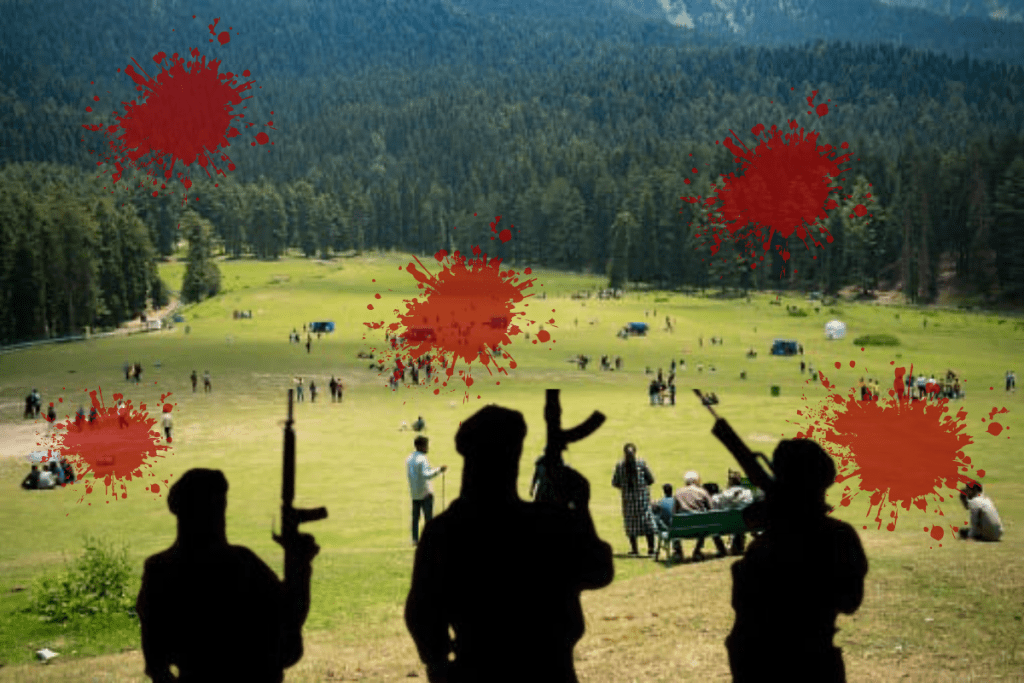
Disturbing, though not surprising, the consequences of General Munir’s provocative speech seemed to unfold just days later, with militants carrying out a deadly attack in Pahalgam, a popular tourist destination in Jammu and Kashmir’s Anantnag district.

The Pahalgam Massacre: A grim reminder of lapses and the poison of terrorism

Early reports indicate the armed assailants, mostly non-locals of Pakistani origins, having singled out victims based on their religious identity before launching a brutal massacre that killed at least 26 civilians and injured many more.  The synchronicity between the timing of the speech and nature of the attack are difficult to dismiss as mere coincidence. Instead, they raise serious concerns about the ongoing connection between Pakistan’s powerful military establishment and the extremist groups it has long been accused of supporting behind the scenes. The group claiming responsibility, The Resistance Front (TRF), is widely recognized as a rebranded version of Lashkar-e-Taiba — a U.N.-designated terrorist organization with deep ties to Pakistan’s security establishment. TRF’s reinvention is widely viewed as a strategic manoeuvre to shield Islamabad from international censure, including scrutiny by the Financial Action Task Force (FATF).

The timing of the attack, so closely following General Munir’s speech, raises troubling questions. For decades, militant violence in Kashmir has often followed inflammatory statements from Pakistani leaders or shifts in the geopolitical landscape. The latest attack appears to follow this pattern, and its motive fits a familiar logic: force India back to the negotiating table by stoking instability.

There are three interconnected factors that may underscore how Pakistan’s fingerprints appear evident. First, the Pakistan Army’s public legitimacy is at its lowest point since the country’s founding in 1947, largely due to its deep and controversial involvement in domestic politics. Second, the Shehbaz Sharif-led government has repeatedly reached out to New Delhi to revive bilateral talks—an initiative that India has, quite justifiably, conditioned on Islamabad halting its support for terrorist networks targeting Indian interests. Third, since India’s 2019 constitutional reorganization of Jammu and Kashmir, the region has steadily transitioned from a “terrorism” flashpoint to a “tourism” revival story, leaving Pakistan’s decades-old Kashmir narrative and its attempts to internationalise the so-called dispute adrift.

The timing of the attack coinciding with U.S. Vice President J.D. Vance’s visit to India adds a provocative layer. It recalls a grim precedent: in March 2000, during President Bill Clinton’s visit to India, Pakistani-backed militants massacred Sikh villagers in Kashmir — Chittisinghpura massacre —an act widely seen as an attempt to draw global attention to Islamabad’s agenda. The parallels are hard to ignore.

But the most damning aspect of Pakistan’s strategy is that while it is increasingly self-defeating, it refuses to abandon this strategy despite its violent backfire. Militant blowback has rendered vast stretches of its own territory—particularly in Khyber Pakhtunkhwa and Balochistan—effectively beyond the reach of the central government, now largely controlled by Islamist extremists and Baloch nationalist insurgents, respectively. Extremist networks once deployed for strategic depth have turned inward, contributing to Pakistan’s domestic instability. According to the 2025 Global Terrorism Index, Pakistan now ranks as the world’s second most terrorism-affected country, surpassed only by Burkina Faso. Terrorism-related fatalities in Pakistan rose by 45 percent in 2024 alone.

Identified Pakistani terrorists were former Special Forces Operatives

Yet, despite these devastating costs, both in lives lost and in national stability, Pakistan’s military and political leadership remains either unwilling or unable to break with its long-standing policy of using militant proxies as instruments of regional strategy. This stubborn adherence to an outdated and corrosive doctrine has hollowed the state from within. The massacre in Pahalgam is not merely a cross-border atrocity; it is a symptom of a state trapped in its own delusions — one that continues to use extremist violence as a tool of policy even as it undermines its own survival.

While global powers have rightly condemned this latest act of terrorism at Pahalgam, expressions of outrage are no longer sufficient. The international community must adopt a firmer stance—one that combines diplomatic pressure, targeted sanctions, and enhanced monitoring of Pakistan’s financial and security networks. Islamabad must be made to understand that impunity is no longer an option as cost of inaction is steep.

For too long, Pakistan’s proxy war playbook has been tolerated as a regional irritant, which it is not. If this pattern continues unchecked, the risk of broader destabilization in South Asia — and the possibility of an escalation — will become all too real. The world must act before this proxy war metastasizes into something far more dangerous.

Voices from the Vanished: The Fight for Justice in Balochistan  

In the shadowed corridors of the Pakistani state, where power is wielded not by the parliament but by barracks and clandestine agencies, the soul of Balochistan bleeds. The month of January 2025 alone saw 107 enforced disappearances across the province, according to a chilling report by Paank, the human rights wing of the Baloch National Movement. These are not just numbers—they are human lives swallowed by a brutal machine that operates beyond accountability, with the military establishment acting as judge, jury, and often, executioner. Dr. Abdul Malik Baloch, President of the National Party and former Chief Minister of Balochistan, has emerged as one of the few political voices courageous enough to confront the state’s ongoing repression. In a recent public address, he condemned the federal government and military’s intrusion into Balochistan’s affairs—especially through the controversial Mines and Minerals Act, which he decried as a constitutional betrayal.

Balochis struggle for justice amid state repression.

Resource Colonialism in a Federal Guise

The plunder of Balochistan’s natural wealth—Saindak, Reko Diq, Gwadar—is conducted not with development in mind, but domination. The people of Balochistan are treated not as stakeholders, but as subjects of a 21st-century colonial project. Contracts with companies like Pakistan Petroleum Limited and Saindak Metals are renewed without the consultation of legitimate public representatives, further entrenching the military’s grip over the region’s resources. John Locke, the Enlightenment philosopher who laid the foundation for liberal constitutionalism, argued that a government loses legitimacy the moment it no longer operates with the consent of the governed. The Pakistani state’s actions in Balochistan represent a grotesque inversion of this principle. Where the social contract demands mutual obligation, the state offers extraction and suppression. In Locke’s words, such a regime ceases to be civil and becomes a “state of war.”

Disappearances: The Anatomy of a State Crime

The figures from the Paank report are harrowing: enforced disappearances have become the norm rather than the exception. These are not rogue acts but systematic state policy—an organized terror campaign carried out by military and intelligence agencies to quash dissent and eradicate political opposition. The mutilated bodies of Muhammad Ismail (20) and Muhammad Abbas (17), found after being abducted from their Kalat home, represent the fate of thousands. Their youth, their innocence, their right to live—all discarded in the name of national security. Hekmatullah Baloch, another victim, was shot during a peaceful protest and succumbed to his injuries in a Karachi hospital. His crime? Demanding accountability. Michel Foucault, in his seminal work Discipline and Punish, observed that modern states have replaced the public spectacle of punishment with hidden forms of control—surveillance, incarceration, and disappearance. Pakistan, in Balochistan, has regressed to a grotesque hybrid, mixing the medieval cruelty of mutilation with the modern state’s bureaucratic efficiency. The Fourth Schedule and Maintenance of Public Order (3MPO) are not laws—they are instruments of tyranny.

The Illusion of Democracy and the Reality of Martial Law

Baloch Families’ Cry For Justice In Islamabad

While Islamabad claims to be a constitutional democracy, Balochistan is ruled like an occupied territory. Dr. Abdul Malik denounced the frequent use of colonial-era laws to detain political activists, many of them women. He rightly equated this crackdown to civil martial law—a regime where uniforms dictate politics and silence becomes the only guarantee of safety. The philosopher Hannah Arendt warned that the collapse of the line between the legal and the illegal is the precursor to totalitarianism. In Balochistan, this line has not only been blurred; it has been erased. The people no longer know when they cross a boundary, because the boundary moves with the will of the soldier. This system does not merely suppress dissent—it criminalizes existence itself. Border trade, once a lifeline for over three million people, has been strangled by new regulations and taxes. What remains is not law and order but extortion by officials, where survival is a privilege granted to the obedient and denied to the defiant.

The Politics of Extraction and Exclusion

The resource curse is not a theory in Balochistan—it is lived reality. The province is rich in gas, gold, copper, and port infrastructure, yet its people suffer from abject poverty, rampant illiteracy, and systemic unemployment. This paradox is no accident; it is by design. Antonio Gramsci’s idea of passive revolution is illuminating here. Gramsci noted how dominant classes use state apparatuses to integrate resistance into the system without altering its exploitative foundations. In Balochistan, token development projects and cosmetic representation serve as cover for a deeper colonization. What the state offers is not empowerment but pacification. Even the façade of electoral politics is undermined. Dr. Malik lamented that extensions to mineral contracts were being signed without legitimate public oversight, deepening the alienation of the Baloch people. This political exclusion is a deliberate strategy to delegitimize regional autonomy and enforce submission to centralized authority.

Dispossession Disguised as Security

When will Pakistan end Balochistan oppression?

The Talaar check post, which Dr. Malik demanded be dismantled, is not merely a security installation—it is a symbol of domination. It represents the architecture of occupation: a structure that surveils, intimidates, and fragments the community it purports to protect. Similar outposts dot the Baloch landscape like scars, each a reminder that the state sees its own citizens as insurgents in need of subjugation. Frantz Fanon, in The Wretched of the Earth, described colonial regimes that deploy violence not just to suppress rebellion but to imprint inferiority onto the colonized psyche. The Pakistan Army’s presence in Balochistan functions the same way. It tells the Baloch they do not own their land, their bodies, or their future.

Dr. Malik’s demands are not radical—they are constitutional. He asks for the release of political workers, simplification of trade rules, and the withdrawal of draconian laws. Yet in the eyes of the establishment, such calls are tantamount to sedition. This reaction reveals the state’s true nature: one that cannot accommodate dissent because its foundations are built on domination, not dialogue. It views Baloch identity not as a part of the national mosaic, but as a threat to its imposed uniformity. The German philosopher Jürgen Habermas emphasized the importance of “communicative rationality”—the idea that democratic societies should resolve conflicts through open, inclusive dialogue. The Pakistani state, instead, speaks in the language of bullets, barbed wire, and black sites. It confuses coercion with cohesion and believes silence equals stability.

A Dark Mirror for the World

The world must not avert its eyes. What is happening in Balochistan is not an internal affair—it is a human rights catastrophe that demands international scrutiny. The United Nations, the European Union, and rights organizations must pressure Pakistan to end its military campaign of terror. Balochistan is the mirror in which we see the true face of the Pakistani establishment: brutal, extractive, and unapologetically authoritarian. Until the military returns to the barracks, until the disappeared are returned to their families, and until the people of Balochistan control their own destiny, there will be no peace. To paraphrase the philosopher Rousseau: A people once forced to be silent will eventually speak with fire. Balochistan is the mirror in which we see the true face of the Pakistani establishment: brutal, extractive, and unapologetically authoritarian. Until the military returns to the barracks, until the disappeared are returned to their families, and until the people of Balochistan control their own destiny, there will be no peace. Pakistan has, willy-nilly, disappeared the people of Balochistan—fathers, mothers, brothers, daughters—without remorse or accountability. This machinery of oppression has shattered countless lives and torn apart the social fabric of a proud and historic people. The silence of the disappeared echoes louder than any protest; it reverberates through every Baloch household and haunts every mother who waits at her doorstep. These disappearances, and the suffering they bring, are not merely crimes—they are the slow incineration of hope. If this trajectory of state violence and contempt continues, it will not just destabilize Balochistan but engulf any prospect of peace. A state that thrives on the pain of its peripheries cannot claim unity; it can only demand obedience, and such obedience always comes at the cost of human dignity. It is no longer a question of politics—it is a question of survival. And the world must choose: to remain complicit in silence or to stand with a people struggling to be seen, to be heard, and above all—to be free.


Lynched for Belief: The Systemic Persecution of Ahmadi Muslims in Pakistan

Pakistani Ahmadi Leaders Fear Backlash After New Minority Commission Formation

On 18 April 2025, a 47-year-old car workshop owner was brutally killed with sticks and bricks as a mob of hundreds stormed his place of worship, while numerous others had to be rescued by police in the city of Karachi, Pakistan. This horrific incident, which should provoke national outrage and deep sorrow, failed to elicit a strong response from civil society or a decisive intervention from the state. The reason lies in the fact that both the victim and the worship site belonged to the Ahmadi Muslim minority— a community that routinely faces violent persecution, systemic political and bureaucratic discrimination, and institutionalised oppression within Pakistan.

Each year, reports by governmental bodies, international human rights organisations, and community advocates document the persistent assaults on Ahmadi Muslims in Pakistan by Islamist factions or radicalised mobs, with no meaningful intervention by the state. In some instances, the state appears overtly complicit in such actions—for example, in March of this year, a 120-year-old Ahmadi place of worship was demolished by police following pressure and complaints from Islamist groups claiming the structure resembled a mosque. To offer a glimpse into the societal persecution faced by this community: Ahmadi Muslim graves are frequently defiled and vandalised, while individuals endure constant harassment, targeted assassinations, mob violence, unofficial commercial boycotts, employment discrimination, and abuse on digital platforms. This is compounded by the alarming frequency of blasphemy accusations levelled against Ahmadi Muslims, for reasons such as possessing the Quran, inscribing Prophet Muhammad’s name on a wedding invitation, or engaging in prayer using language or gestures considered distinctly Islamic.

The Genocide Of Ahmadis In Pakistan

While opposition to the Ahmadiyya community has existed since its inception in the late 19th century by Mirza Ghulam Ahmad of Qadian in Punjab, the most critical blow to Ahmadi Muslims in Pakistan was delivered through the 1974 constitutional amendment, which officially declared them non-Muslims. Despite sharing the majority of beliefs and practices with mainstream Muslims, Ahmadis diverge in their recognition of Mirza Ahmad as the Mahdi or Messiah, a belief that conflicts with the Islamic doctrine of Khatam-e-Nubuwwat (the finality of Prophet Muhammad). Subsequently, in 1984, General Zia-ul-Haq issued an ordinance prohibiting Ahmadi Muslims from performing Islamic rites or displaying religious symbols associated with Islam, such as erecting domes or minarets on their places of worship. In 1985, he also introduced segregated voter lists based on religious identity, effectively requiring Ahmadi Muslims to renounce their beliefs in order to vote. This marked the onset of a formalised system of legal disenfranchisement and persecution, which continues today. Although the practice of separate electoral rolls was ended in 2002, Ahmadi Muslims were excluded from this reform. The requirement to repudiate their faith has since permeated various aspects of governance, barring them from essential state services such as obtaining a passport. Notably, in October 2022, Punjab’s provincial government mandated the inclusion of a declaration affirming the finality of Prophet Muhammad within the marriage registration form.

The emergence of the far-right Tehreek-e-Labbaik Pakistan (TLP), the group whose supporters were involved in the recent attack and killing of an Ahmadi Muslim man in Karachi, has significantly deepened the climate of fear and marginalisation experienced by the community.

Pakistan Islamist Tehreek-e-Labbaik Party celebrating deaths of Ahmadi Muslims

The TLP rose to national attention in 2017 when it staged a three-week blockade of a major highway in Islamabad to protest a minor amendment to the electoral oath, which the group perceived as a dilution of the state’s stance against Ahmadi Muslims. The government ultimately conceded to their demand by reinstating the original wording, resulting in the resignation of Law Minister Zahid Hamid. Such is the influence of far-right sentiment that, in 2018, the Imran Khan-led PTI government succumbed to pressure from extremist groups and requested that Princeton professor Atif Mian resign from his role as Economic Adviser solely on account of his Ahmadi Muslim identity.

While the systemic exclusion of Ahmadi Muslims in Pakistan was initiated and continues to be upheld by the state, the deep-seated societal animosity it has fostered has now grown beyond the state’s control. Decades of intentional state policy targeting the community for political gain have inflicted lasting damage on the nation, fostering a society deeply afflicted by radicalism, self-destructive impulses, and toxic intolerance. According to data compiled by the Ahmadiyya community, at least 264 Ahmadi Muslims were killed in targeted attacks, mob violence, and bombings between 1984 and 2018. It is important to note that even Pakistan’s first and only Nobel Laureate, Abdus Salam, was not spared from the effects of this pervasive hostility—his gravestone was defaced to erase the word ‘Muslim’ due to his Ahmadi Muslim identity.

« 1 2 3 4 »