
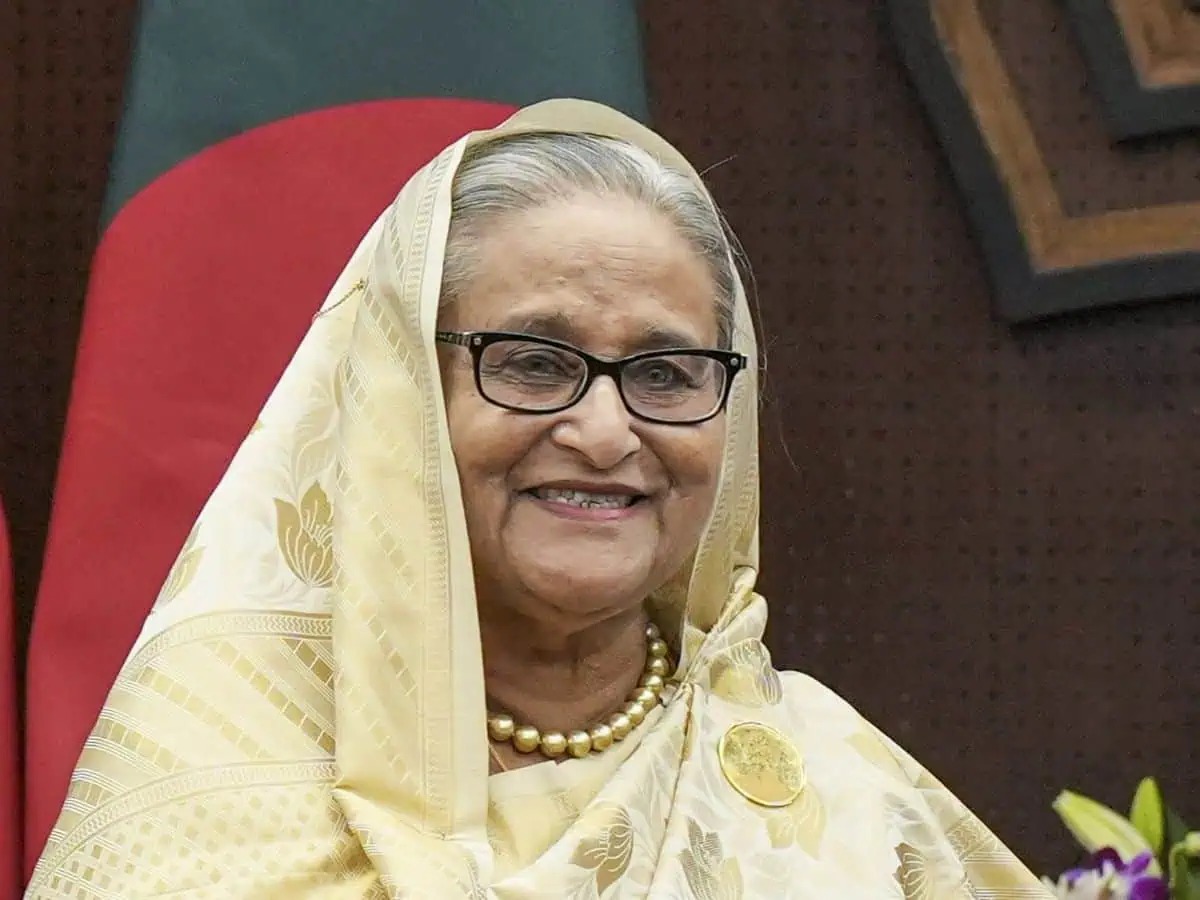
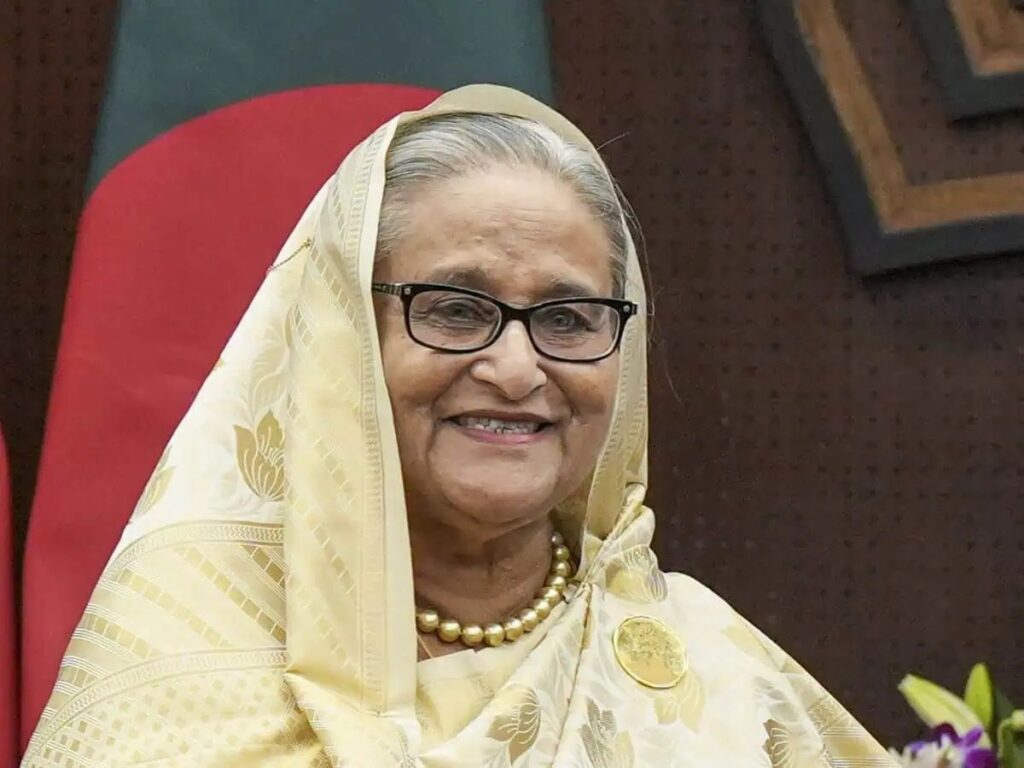
Former Bangladeshi Prime Minister Sheikh Hasina has issued a stark critique of the country’s current political trajectory in a wide‑ranging interview, saying violence, rising extremism and the sidelining of democratic norms under the interim government pose grave risks to Bangladesh’s future. Hasina’s comments come as the nation prepares for parliamentary elections scheduled for February 2026, a moment analysts say will be pivotal for the country’s stability and democratic legitimacy. Now living in exile, Hasina described the protests in 2024 that led to her ouster not as entirely peaceful demonstrations but as movements exploited by extremists who allegedly transformed civic unrest into violent uprisings. She said that attacks on police stations and destruction of infrastructure signified a breakdown in law and order, lamenting that what began as a protest deteriorated into chaos that she felt forced to leave the country to prevent further bloodshed.
Hasina sharply criticised the interim administration led by Nobel laureate Muhammad Yunus, arguing it lacks democratic legitimacy because it governs without a popular mandate. She alleged that the interim government has weakened constitutional structures, undermined the judiciary and failed to curb the influence of extremist factions, including the release of convicted militants she says are now emboldened in public life. According to her, this pattern undermines religious harmony and threatens the secular foundations of the state. She emphasized that free, fair and inclusive elections, including the legal participation of her party — the Awami League — are essential for restoring democratic governance. Hasina argued that elections held without major political parties cannot be considered legitimate and called for the release of political prisoners and lifting of bans on key political organisations.
Reflecting on her long tenure in office, Hasina highlighted what she described as her government’s achievements — including rapid economic growth, poverty reduction and strengthened infrastructure — while defending her record on minority rights and secular governance. She said that healthy political opposition had been encouraged under her leadership and that participatory democracy was central to her vision for Bangladesh. Turning to future prospects, Hasina said she would prioritise the restoration of constitutional rule, accountability for violence, protections for civil liberties and economic renewal if given another opportunity to lead. She reiterated her confidence in the resilience of the Bangladeshi people and their aspiration for participatory democracy.
Bangladesh’s political scene remains deeply fractured. Opposing parties, emerging movements and Islamist factions are all vying for influence ahead of elections that could reshape governance in the country. Analysts note that questions over the interim government’s handling of security, political freedoms and economic challenges are likely to dominate public debate in the coming weeks. Hasina’s critique adds to broader concerns about the credibility of the electoral process and the role of extremist groups in shaping political discourse — concerns that both domestic observers and foreign diplomats say will be crucial to address if Bangladesh is to navigate a peaceful democratic transition.
Recent attacks on Hindu minorities in Bangladesh — including arson, lynchings and threats tied to unverified blasphemy claims — have reignited debate over whether such violence is sporadic or part of a deeper, structural pattern rooted in decades of social, legal and political trends. Rights groups, community leaders and researchers point to a series of recurring incidents that suggest longstanding vulnerabilities for Hindus in the Muslim‑majority nation. The most recent high‑profile case involved the lynching of a Hindu garment worker in late 2025, when coworkers accused him of blasphemy without substantiated evidence. The fatal mob attack sparked protests, diplomatic concern and renewed scrutiny of how religious minorities are treated during periods of political turmoil and social tension. Advocates and analysts argue that these events are not isolated but reflect broader historical patterns of communal violence and discrimination that have periodically erupted, especially during political transitions or when allegations of religious offence circulate in local communities.
In multiple incidents throughout 2025, attackers targeted homes and properties of Hindu families, sometimes issuing threats and warning banners alleging “anti‑Islamic activities.” In one case in the Chattogram region, attackers set fire to a Hindu household after issuing threatening notices in the area, forcing the family to flee for safety. Rights observers describe such episodes as more than random criminality and stress how religious prejudice can escalate quickly into mass violence in poorly policed settings. Historical data underline that Hindu communities in Bangladesh have faced waves of violence over decades, with documented attacks during and after the country’s independence in 1971, repeated post‑election unrest in the early 2000s, and communal tensions tied to religious controversies. Analysts note that violence has not been limited to physical assaults; reports also include destruction of temples, displacement of families and persistent fears of marginalisation among minorities.
Scholars and demographers highlight long‑term demographic changes that have reduced the Hindu share of Bangladesh’s population over several decades, driven in part by economic distress, social discrimination and repeated waves of communal unrest. Some academic estimates suggest that millions of Hindus left the country between the 1960s and early 2010s because of persecution and insecurity, contributing to a steady decline in the community’s proportion of the total population. Legal and constitutional developments have also played a role. Bangladesh’s declaration of Islam as the state religion in the late 20th century, along with historical property laws that disproportionately affected Hindu owners, are cited by commentators as factors that reinforced the community’s political and economic marginalisation.
The Bangladeshi interim government and security officials have at times rejected characterisations of systematic persecution, framing recent incidents as politically motivated conflicts or isolated criminal acts rather than evidence of broader communal targeting. Officials contend that police and judicial processes are addressing violent cases and that overall social harmony remains a priority. This narrative contrasts with accounts from some rights groups and international observers who see patterns of violence that disproportionately affect Hindus during periods of political instability or heightened social tension.
The issue has also strained diplomatic ties, with protests in neighbouring India calling for protection of Hindu minorities and strong remarks from Indian officials about the safety of communities across the border. Some political activists and civic groups in the region argue that recurring violence against Hindus threatens not only individual safety but also cultural heritage and pluralistic values. At the same time, voices within Bangladesh call for greater protection of minority rights, improved law enforcement responses and constructive dialogue to prevent future outbreaks of violence.
Analysts emphasise that understanding the nature of violence — whether episodic or structural — requires consideration of both recent events and long‑term historical dynamics. While immediate triggers for attacks often involve local disputes or unfounded religious accusations, the frequency and distribution of such incidents over decades suggest persistent vulnerabilities rooted in legal frameworks, social attitudes and political transitions. As Bangladesh prepares for national elections and continued social change, the debate over whether violence against Hindus is an anomaly or part of enduring structural pressures is likely to remain central to discussions on minority rights, national identity and democratic development.
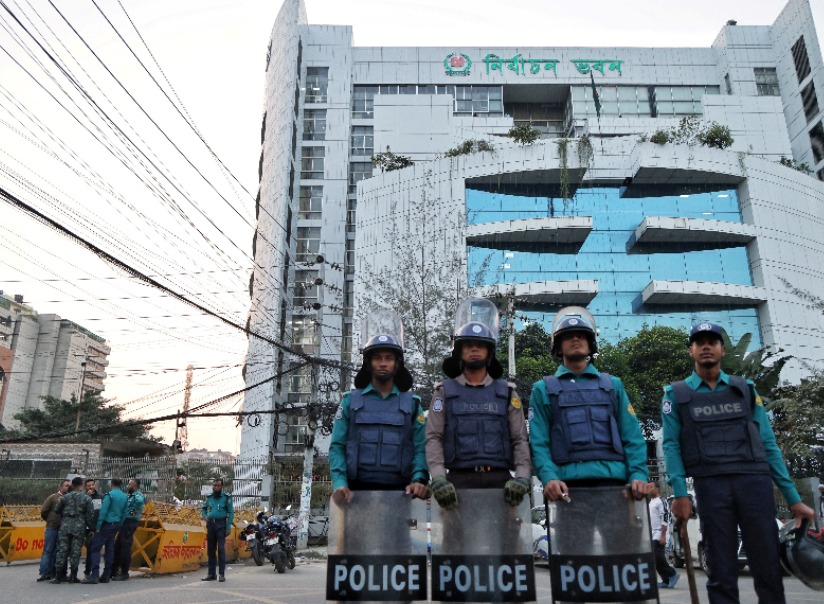
With national elections scheduled for February 2026, Bangladesh’s political climate is increasingly marked by widespread violence, communal tension and attacks on dissenting voices — raising concerns among analysts, civil society and international observers about a deepening democratic crisis. Critics say that since the interim government under Chief Advisor Muhammad Yunus took power in August 2024, the landscape has shifted dramatically. Incidents of mob violence, ethnic attacks and threats to free expression have surged, and political polarization has intensified. These developments are overshadowing hopes for a peaceful, credible electoral transition in the country.
Observers highlight a troubling pattern of violence including attacks on cultural institutions, media outlets, and prominent activists. In mid‑December 2025, mobs targeted major newspapers and cultural organisations in Dhaka, jeopardising both press freedom and artistic expression, according to rights groups. One of the most shocking incidents shaping public perception was the lynching of Dipu Chandra Das, a young Hindu man accused of blasphemy. Das was beaten and killed by a mob, an event that not only shocked civil society but also drew international attention to the fragility of law and order in Bangladesh.
Reports from rights organisations underscore a sharp uptick in blasphemy‑related violence and attacks against religious minorities throughout 2025. More than 70 separate incidents were documented from mid‑year through December, including mob beatings, vandalism of homes and communal unrest in multiple districts. These events point to a climate where accusations can quickly escalate into mass violence, particularly in areas with limited law‑enforcement response.
Political opponents of the interim government argue that state institutions — from law enforcement to the judiciary — have been strained by political divides and have failed to protect vulnerable groups or uphold democratic norms. Former political leaders have publicly blamed the current administration for increasing lawlessness and loss of control, asserting that the breakdown in public order reflects deeper governance challenges. At the same time, some social and political analysts point out that longstanding political rivalries have magnified tensions, and that voices across the spectrum are calling for greater transparency and safeguards ahead of the upcoming elections.
Cross‑border repercussions have also emerged. Protests by diaspora communities and activist groups in neighbouring countries underscore how events in Bangladesh are reverberating beyond its borders. Some international rights organisations have emphasised the need to protect freedom of expression and ensure meaningful civic participation, particularly at a moment when the nation is preparing to elect a new parliament.
With the February 2026 election approaching, stakeholders in Bangladesh face the complex challenge of balancing security, social cohesion and democratic participation. Analysts stress that meaningful reform — including strengthening protections for minorities, safeguarding press freedom, and ensuring accountability for violent acts — will be essential to restoring confidence in the country’s democratic future. For many citizens and observers, the coming months will be a critical test of Bangladesh’s resilience and its ability to uphold democratic principles amid deep political and social tensions.
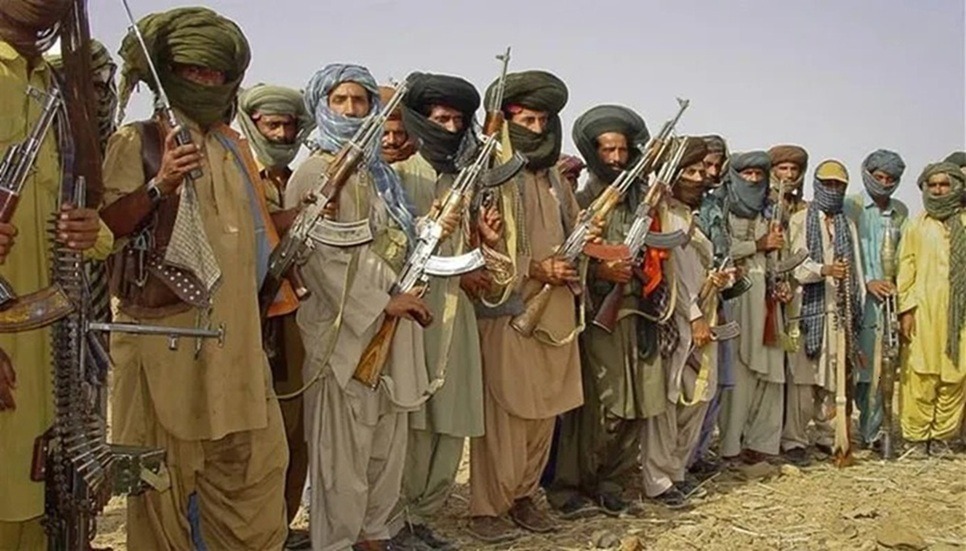
A growing debate over Balochistan’s natural resource wealth and its role in Pakistan’s national economy has attracted renewed attention from analysts and commentators, with critics arguing that the province’s rich mineral reserves and strategic location have long been exploited to the detriment of its people.
In a recent opinion piece by a regional security commentator, questions were raised about how resource‑rich areas like Reko Diq — famed for its vast copper and gold deposits — became contested ground in both historical and contemporary contexts. The argument holds that longstanding grievances over control of these resources stem from colonial‑era legacies and have continued to influence internal politics and centre‑periphery relations in Pakistan.
Reko Diq, in southwestern Balochistan, has been at the centre of investment ambitions for years due to its significant copper and gold potential. Its development has involved both domestic stakeholders and international mining interests. Critics argue that decisions over mining rights, revenue sharing, and local participation have often left Baloch communities feeling marginalised — fuelling perceptions that resource wealth benefits outsiders more than local populations.
The debate taps into wider historical grievances: critics contend that Balochistan’s incorporation into Pakistan in 1947 and subsequent administrative decisions have not fully respected the aspirations of its indigenous communities. They assert that political and military dominance by central authorities has shaped how economic opportunities are structured — often without adequate consent, representation or direct benefit to local populations.
Analysts point out that the province’s wealth of minerals, including copper, gold, natural gas, and other strategic resources, has made it both an asset and a flashpoint in relations with Islamabad. While government officials describe mining development as key to national economic growth and job creation, local activists and commentators argue that profiting from these assets should be more equitable and include stronger guarantees for local rights and environmental protections.
The opinion commentary also revisited broader historical narratives, suggesting that geopolitical manoeuvres and internal security priorities have shaped national policy toward the region. Some critics argue that long‑standing insurgencies and security crackdowns in Balochistan have further complicated efforts to build trust and inclusive governance.
Observers stress that debates about Reko Diq and Balochistan are indicative of deeper challenges in Pakistan’s internal cohesion. The province’s strategic location — bordered by Iran and Afghanistan, with a coastline on the Arabian Sea — gives it both geopolitical importance and heightened strategic sensitivity. Meanwhile, tensions persist between local demands for resource control and the federal government’s vision of integrating the region into larger economic corridors and national development plans.
Political commentators note that many voices in Balochistan are calling for greater local involvement in decision‑making, transparent revenue‑sharing mechanisms, and stronger legal protections for community rights. Supporters of reform argue that sustainable development can only succeed if it builds trust, ensures fair economic returns for local residents, and addresses historical grievances that have fueled periodic unrest.
Government representatives, for their part, often highlight development initiatives and infrastructure investments aimed at boosting economic growth and connectivity in the province. They contend that broader economic inclusion and job creation will help reduce instability and support long‑term prosperity.
The ongoing discussion over Balochistan’s resources underscores the complexity of balancing regional autonomy, equitable economic policy, and national unity in a diverse federation. As debates continue, analysts say the challenge for policymakers will be to craft solutions that respect provincial aspirations while contributing to overall stability and development — a task that will require political will, economic foresight, and inclusive governance.