
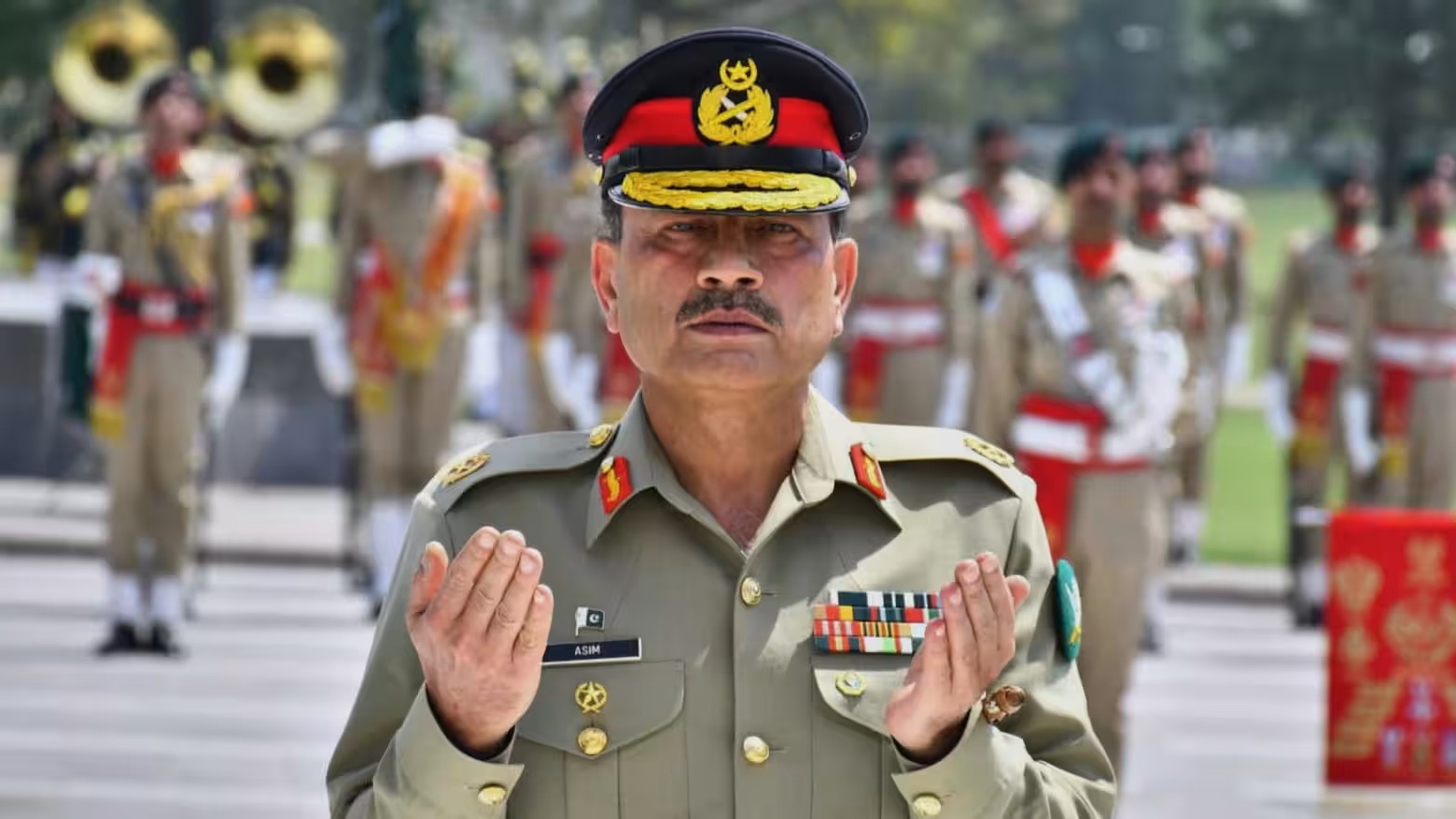
Pakistan’s military has consolidated its dominance over the country’s political and governance structures in 2025 through sweeping constitutional changes that critics describe as a silent coup, effectively formalising the army’s long-standing control over the state.
In late 2025, Pakistan’s parliament passed a set of constitutional amendments that restructured the country’s defence and command architecture. Central to these changes was the creation of a powerful Chief of Defence Forces post, occupied by the serving army chief, placing the Army, Navy and Air Force under a single military command. The move significantly reduced the role of civilian oversight and weakened the traditional checks that existed within the defence establishment.
Analysts say the new framework grants unprecedented authority to the army chief, including extended tenure protections and enhanced control over strategic decision-making. The restructuring also diminished the relevance of previously existing military coordination mechanisms, reinforcing the army’s primacy over other institutions. Opposition figures and civil society groups have criticised the amendments as the constitutional entrenchment of military supremacy, arguing that they erode democratic norms and further marginalise elected civilian leadership. Critics warn that the formal expansion of military power will restrict political freedoms and narrow the space for dissent.
Supporters of the changes within the establishment argue that the new command structure improves national security coordination and strengthens Pakistan’s defence posture amid regional instability. However, detractors counter that similar arguments have historically been used to justify military dominance at the expense of democratic governance. Pakistan has experienced repeated cycles of direct and indirect military rule since its founding. Observers note that while the army has long exercised decisive influence behind the scenes, the 2025 amendments mark a decisive shift by embedding that influence directly into the constitutional framework.
As Pakistan enters 2026, analysts warn that the formalisation of military control could have long-term consequences for the country’s democratic institutions, civil-military balance and political stability.
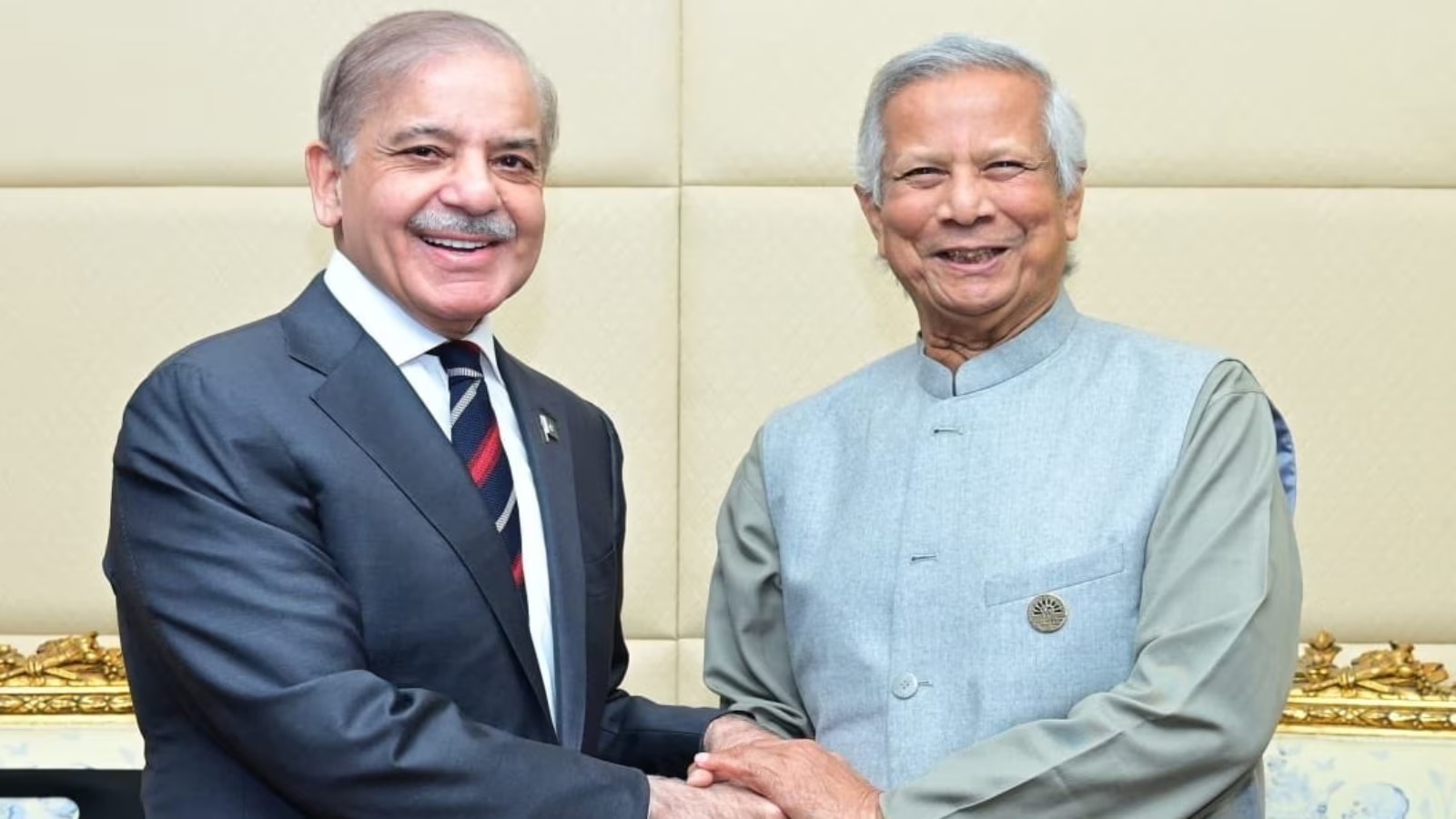
Bangladesh is facing a deepening democratic crisis as violence, persecution and mob rule increasingly become part of everyday life, raising serious concerns about the credibility of the country’s political transition ahead of national elections scheduled for early 2026. Observers note that the current political environment represents a sharp deterioration in law and order, marked by rising communal tensions, ethnic and religious attacks, suppression of dissent and the growing influence of extremist elements. What was initially presented as a corrective transition toward democratic renewal has instead exposed profound institutional and societal weaknesses.
The crisis traces back to mid-2024, when mass protests and unrest led to the removal of former Prime Minister Sheikh Hasina and the installation of an interim administration led by Chief Advisor Muhammad Yunus. Since then, the political landscape has become increasingly polarised, with bans and restrictions placed on major political parties and their affiliated organisations, significantly narrowing democratic space. Although the interim government has described the forthcoming election as an opportunity to restore democratic legitimacy, critics argue that the necessary conditions for a free and fair vote remain absent. Continued violence, political exclusion and the absence of broad-based participation have cast doubt on whether the electoral process can command public trust.
Human rights groups and civil society organisations report a surge in mob violence, attacks on minority communities, intimidation of journalists and harassment of political opponents. These developments have contributed to an atmosphere of fear and insecurity, undermining citizens’ ability to freely express political views or participate in civic life. Analysts point out that Bangladesh’s democratic institutions have long been fragile, shaped by a history of military rule and authoritarian governance. The current crisis, they warn, risks entrenching a culture of impunity if accountability mechanisms are not restored and the rule of law reinforced.
The unrest has also drawn attention beyond Bangladesh’s borders, with regional observers expressing concern about the implications for stability in South Asia. Calls have grown for stronger protections for minorities, independent media and political activists, as well as for inclusive dialogue among all stakeholders. Critics argue that the interim administration has struggled to curb extremist violence or reassure vulnerable communities, while the absence of transparent decision-making has further weakened confidence in governance. Without urgent reforms, they warn, the normalisation of violence could become a permanent feature of Bangladesh’s political landscape.
As the country moves closer to elections, pressure is mounting on authorities to ensure an inclusive, secure and credible democratic process. For many Bangladeshis, the coming months will determine whether the nation can reverse its current trajectory and restore public faith in democratic institutions.
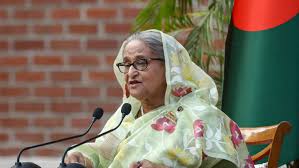
Former Bangladesh prime minister Sheikh Hasina has issued a sharp warning about the state of democracy in Bangladesh, arguing that the country is being governed without legitimate public mandate and that political stability will remain elusive unless inclusive elections are restored. Speaking in a wide-ranging interview, Hasina reflected on the political unrest that led to her departure from office in 2024 and offered a critical assessment of the current interim administration. She said the protests that began as student-led demonstrations were later overtaken by radical elements, resulting in widespread violence, destruction of public property and attacks on law enforcement personnel.
Hasina said her decision to leave the country was taken to prevent further bloodshed as the situation deteriorated. She rejected claims that her government suppressed peaceful dissent, stating that her administration initially allowed protests and sought accountability through judicial mechanisms. The former prime minister was particularly critical of the interim government led by Muhammad Yunus, arguing that it lacks democratic legitimacy because it was not elected by the people. She said banning the Awami League — a party that has won multiple national elections — and detaining its leaders undermines the foundations of democratic governance.
According to Hasina, meaningful political normalisation in Bangladesh requires the lifting of restrictions on political parties, the release of political detainees and the holding of free, fair and inclusive elections. Without these steps, she warned, any future government would struggle to gain domestic or international credibility. Hasina also accused the interim administration of dissolving inquiry processes into the 2024 violence and of empowering extremist groups, alleging that such actions have weakened law and order and endangered minority communities. She expressed concern that the current political climate has discouraged investment and stalled economic momentum built over the past decade.
Defending her own record, Hasina highlighted her role in restoring democratic institutions after periods of military rule and pointed to sustained economic growth, infrastructure development and poverty reduction during her tenure. She maintained that democratic governance requires both strong institutions and the participation of all major political forces. On foreign policy, Hasina cautioned against major strategic realignments by a government without an electoral mandate, arguing that long-term national interests should reflect the will of the people rather than interim political arrangements.
Her remarks come as Bangladesh prepares for national elections amid heightened political polarisation and questions over inclusivity. Observers note that the exclusion of major political parties could undermine voter confidence and deepen instability. As debates over Bangladesh’s democratic future intensify, Hasina’s comments underscore the central question facing the country: whether political order can be restored without broad public participation and electoral legitimacy.
India is closely watching Pakistan’s renewed security and diplomatic outreach to Bangladesh, viewing the recent warming of ties between Islamabad and Dhaka as a development with serious implications for regional stability and Indian national security The shift follows political changes in Bangladesh after the exit of former Prime Minister Sheikh Hasina and the emergence of an interim administration led by Muhammad Yunus. Analysts say the transition has created space for Pakistan to re-enter Bangladesh’s strategic landscape after decades of limited engagement shaped by historical grievances linked to the 1971 Liberation War.
In recent months, Pakistan and Bangladesh have witnessed an increase in high-level contacts, including interactions involving military and security-linked officials. These engagements mark a notable departure from Dhaka’s earlier posture of keeping Islamabad at arm’s length. Indian security observers are particularly concerned about indications of expanded intelligence activity under diplomatic cover, warning that such a presence could facilitate covert influence operations affecting India’s eastern front.
Pakistan’s defence outreach has also become more visible through naval visits, military exchanges and discussions on defence cooperation. Although officially framed as confidence-building measures, Indian analysts caution that these steps may lay the groundwork for deeper military coordination in the Bay of Bengal region. Any form of intelligence sharing or logistical access is viewed as especially sensitive given Bangladesh’s proximity to India’s northeastern states and the strategic Siliguri Corridor that links the region to the Indian mainland.
India’s concerns are driven by multiple factors, including the potential security risks posed by a Pakistani intelligence footprint in Bangladesh, fears of cross-border destabilisation, and the possible revival of extremist networks targeting Indian interests. The convergence of Pakistan’s outreach with China’s expanding influence in Bangladesh further compounds these anxieties, raising the prospect of a strategic realignment that could challenge India’s traditional role in South Asia.
Within Bangladesh, the renewed engagement with Pakistan remains politically and emotionally contentious. Sections of civil society, liberation war veterans and rights activists view security cooperation with Islamabad as historically insensitive and strategically risky. Supporters of the interim administration, however, argue that diversifying foreign relations is necessary to assert autonomy and reduce reliance on any single external partner amid domestic political uncertainty.
New Delhi has so far responded with cautious diplomacy, maintaining engagement with Dhaka while making clear that national security considerations will not be compromised. Intelligence and defence agencies are said to be closely monitoring developments, even as diplomatic channels remain open. As South Asia’s geopolitical landscape continues to evolve, Pakistan’s renewed outreach to Bangladesh highlights how internal political shifts can reshape regional alignments. For India, the challenge lies in sustaining a stable relationship with a key neighbour while remaining vigilant against emerging security risks along its eastern frontier.
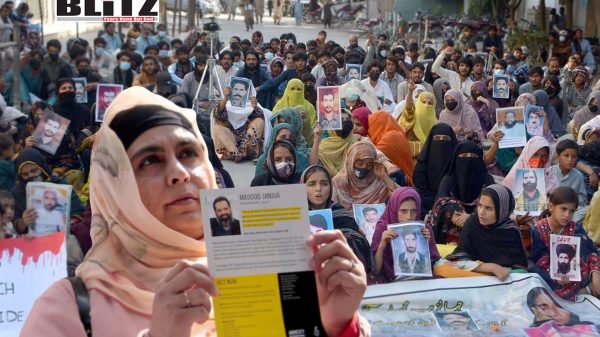
What was intended to be a forum for peace and dialogue in Pakistan’s restive northwest has instead highlighted the country’s deepening human rights crisis, after two university students reportedly disappeared following their participation in a peace jirga in Peshawar. The “grand peace jirga,” held on November 12 in Peshawar, was organised by the Khyber Pakhtunkhwa chapter of Pakistan Tehreek-e-Insaf (PTI) and attended by tribal elders, religious scholars, civil society representatives, activists and students. The gathering aimed to discuss the worsening security situation in the region, particularly in the context of rising violence and strained relations with Afghanistan.
However, shortly after the event concluded, Khubaib Wazir and Adnan Wazir, members of the Waziristan Students’ Society, reportedly went missing under circumstances that rights groups describe as deeply troubling. According to eyewitness accounts, the two students were intercepted by unidentified men in plain clothes while returning from the jirga to their hostels. Since then, their whereabouts remain unknown. No arrest records, charges or official statements have been issued by police or security agencies, leaving their families and fellow students in a state of anguish and uncertainty.
Human rights advocates say the incident reflects a broader pattern in Pakistan where individuals who engage in peaceful political or civic activity — particularly from tribal regions — are treated as security risks rather than citizens exercising their rights. In the aftermath of the disappearance, some pro-state voices have attempted to associate the students with the Pashtun Tahafuz Movement (PTM), a non-violent rights movement that has frequently criticised the conduct of security forces in former tribal areas. PTM leaders have repeatedly denied any links to militancy, maintaining that their demands centre on constitutional rights, accountability and an end to extrajudicial practices.
The case has reignited debate around enforced disappearances, a long-standing and contentious issue in Pakistan. Rights organisations estimate that thousands of people — including students, activists, journalists and political workers — have disappeared over the past decade, particularly in Khyber Pakhtunkhwa and Balochistan. Families often report being denied information, legal recourse or even acknowledgement from authorities. Despite the existence of official inquiry commissions, critics argue that accountability remains elusive, with very few cases resulting in prosecutions or clear explanations. The continued silence surrounding recent disappearances has further eroded public confidence in state institutions and the rule of law.
Civil society groups warn that such incidents send a chilling message to young Pakistanis: that even peaceful participation in dialogue or advocacy can invite severe consequences. As calls grow for the safe recovery of the missing students, rights defenders stress that genuine stability cannot be achieved through fear, secrecy and repression. For now, the disappearance of Khubaib Wazir and Adnan Wazir stands as a stark symbol of a shrinking civic space in Pakistan — where seeking peace and accountability increasingly comes at a personal cost.
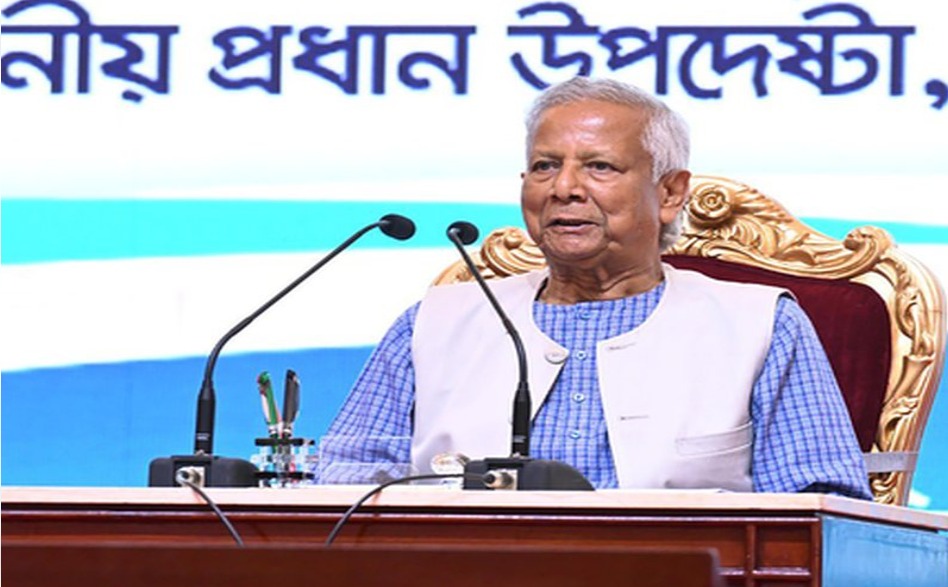
Questions over press freedom in Bangladesh have resurfaced amid allegations that the interim government led by Nobel laureate Muhammad Yunus has failed to ensure an independent and secure environment for journalists, despite pledges of democratic reform.
According to critics and media observers, journalists in Bangladesh continue to face intimidation, legal pressure and harassment, raising concerns that freedom of expression remains constrained under the current administration. The claims suggest that the media environment has not seen the expected improvement following the political transition of 2024.
Journalists and press freedom advocates allege that reporters critical of the government have been subjected to arrests, questioning and legal cases, creating a climate of fear within newsrooms. Several journalists have reported receiving threats, while others say they are increasingly resorting to self-censorship to avoid retaliation. Media organisations argue that the use of legal provisions against journalists has continued under the interim government, undermining assurances that press freedom would be protected during the transition period.
Local journalist bodies have expressed alarm over attacks on media offices and individuals, claiming that insufficient action has been taken against those responsible. They warn that the lack of accountability has emboldened hostile elements and weakened trust in the state’s commitment to protecting journalists. Editors and reporters say the environment for independent journalism has become increasingly hostile, with many fearing for their personal safety while carrying out their professional duties.
The debate over media freedom is unfolding against a backdrop of wider political tension in Bangladesh. Critics of the interim government accuse it of suppressing dissenting voices and narrowing democratic space, particularly as the country prepares for national elections expected in early 2026. Opposition figures and civil society groups argue that restricting media freedom risks undermining the credibility of the electoral process and weakening public confidence in democratic institutions.
The Yunus-led interim government has rejected allegations of press repression, maintaining that it respects freedom of speech and that any legal action against journalists is based on due process rather than political motives. Officials have stated that maintaining law and order and preventing misinformation are key priorities during the transition.
International press freedom and human rights groups have urged Bangladesh’s leadership to strengthen safeguards for journalists, review laws that may be misused to silence criticism, and ensure that media professionals can work without fear or interference. As Bangladesh moves closer to a crucial election year, the state of media freedom is likely to remain under close domestic and international scrutiny, serving as a key measure of the country’s democratic health.