
-Dr Sreoshi Sinha(Senior Fellow, Centre for Joint Warfare Studies) & Abu Obaidha Arin (University of
Delhi.)
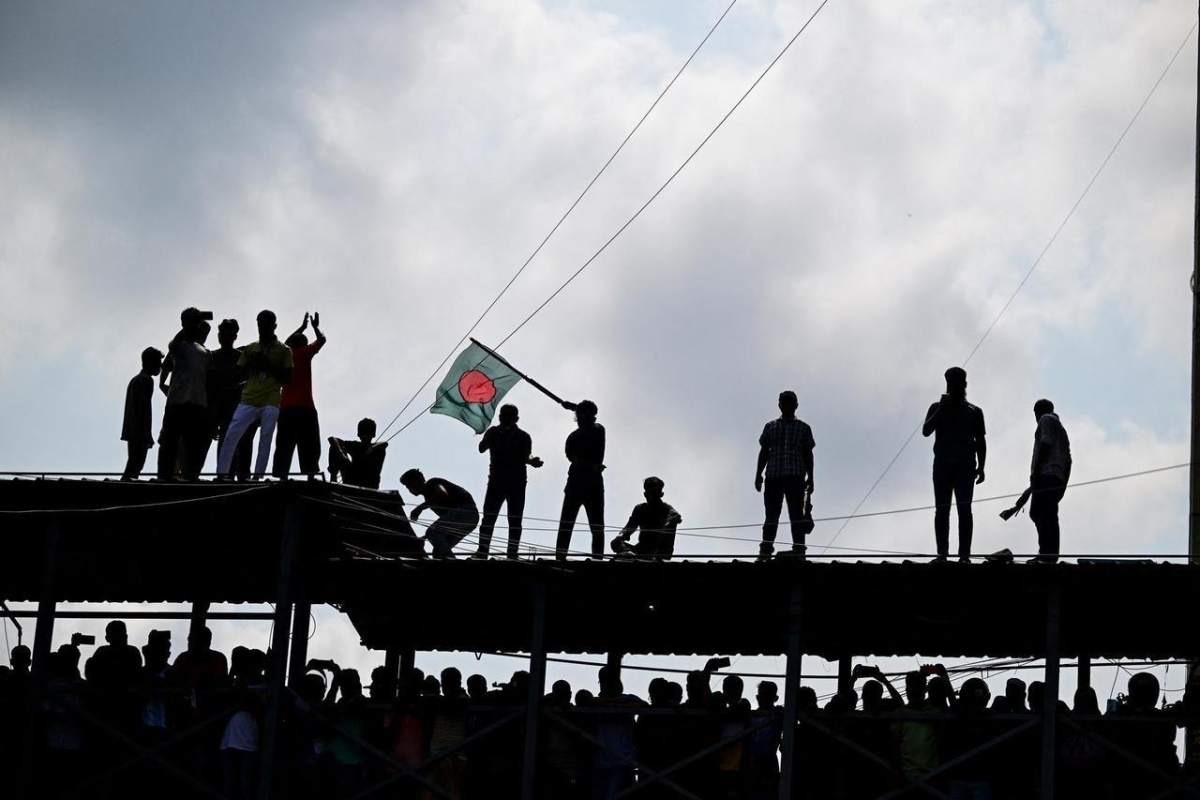
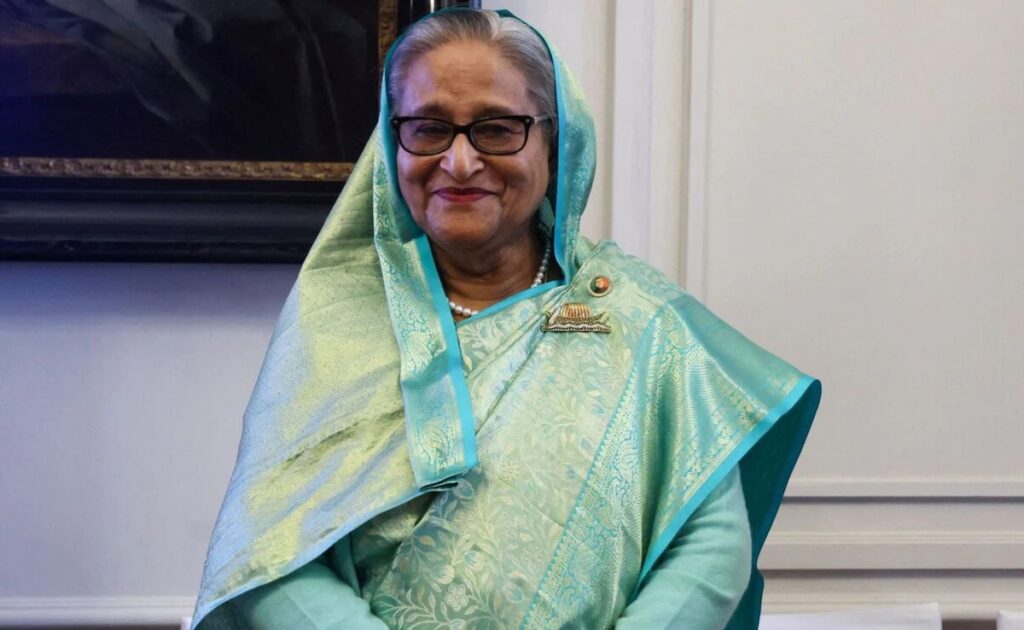
August 5, 2024, will be remembered as a historic turning point in Bangladesh’s political journey. The fall of the Sheikh Hasina-led Awami League government marked the end of an era—an era deeply intertwined with the legacy of the 1971 Liberation War, the pursuit of transitional justice, and an increasingly authoritarian political framework.
In its place, a fragile and confused new political setup has emerged, led by Nobel laureate Muhammad Yunus, who, despite his international acclaim, appears ill-equipped to manage the complexities of a fractured nation. Bangladesh today stands at a crossroads—politically unstable, socially fragmented, and economically stalled. Law and order have collapsed, with law enforcement either absent or complicit. Amid this chaos, one of the most disturbing developments has been the reported takeover of the International Crimes Tribunal (ICT) by anti-liberation forces, particularly from right-wing factions. The new ICT leadership appears preoccupied with finding ways to punish Sheikh Hasina and her allies. Even former prosecutors have not been spared—Tureen Afroz, a former prosecutor, was arrested and reportedly tortured in her own home after the fall of the Hasina government.
The tribunal’s primary focus now seems to be targeting members of a specific political party—the Awami League—on accusations related to the mass uprising of 2024 that led to the government’s collapse. This is not merely a political transition. It is a dangerous reversal—a grotesque distortion of justice and history. From Transitional justice to political vendetta The International Crimes Tribunal was established in 2009 with the aim of bringing to justice the perpetrators of war crimes committed during Bangladesh’s struggle for independence. In principle, it was a noble endeavour—a long-overdue acknowledgement of the need for historical accountability. Many war criminals, particularly from Jamaat-e-Islami and the BNP, were prosecuted, with some even sentenced to death. While many ordinary Bangladeshis, especially families of 1971 martyrs, supported the idea of justice, the overt politicisation of the tribunal gradually eroded its legitimacy. But no one could have imagined that the tribunal itself would one day fall into the hands of the very forces it once sought to prosecute. Yet, that is the grim reality today. Jamaat’s spectre returns The resurgence of Jamaat-Shibir elements within the current political framework is deeply alarming—not only because of their past, but because of what it symbolises. It marks the complete reversal of the political narrative that has shaped Bangladesh for the past two decades. Reports now suggest that several individuals with known ties to Jamaat-e-Islami and its student wing, Islami Chhatra Shibir, are now influencing—and in some cases directly managing—the International Crimes Tribunal. It is nothing short of surreal. How can a nation reconcile with the fact that a tribunal once created to hold war criminals accountable is now run, in part, by those accused of committing some of the gravest crimes during the Liberation War? This development is not just a political scandal; it is a national disgrace. It insults the memory of the 3 million who were martyred and the countless women who were raped in 1971. It undermines the very foundation of our national identity.
The Disillusionment of Democracy Muhammad Yunus’s unexpected rise to leadership was initially met with hope—particularly among groups sympathetic to antiBangladesh sentiments, pro-Pakistani elements, and war criminals. With the fall of Sheikh Hasina’s government, many of these groups expressed relief. However, Yunus’s government, largely composed of technocrats and opportunists, lacks both political capital and ideological clarity. It has failed to present a roadmap for economic recovery, social cohesion, or political reconciliation. Law and order have collapsed entirely.
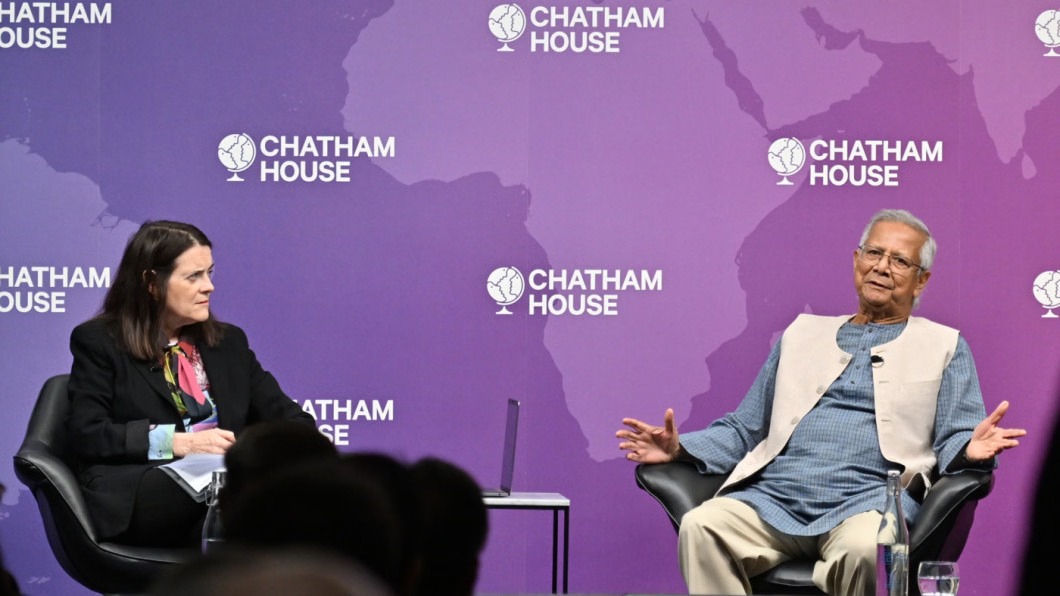
It has been more than a year since the interim government in Bangladesh came into being under the leadership of Muhammad Yunus, and the country has gone through a political reset, both internally as well as in its foreign policy. Internally, the largest political party — the Awami League — and its affiliates are banned, Islamists have revived, Sheikh Mujibur Rahman’s legacy downplayed and even attacked, and the history of the 1971 Liberation War is up for debate. Post-Sheikh Hasina Bangladesh, hailed as the “new” Bangladesh, has also been wrought with violence of all kinds — communal, ethnic, gender, mob, and political. Inevitably, the country’s law and order is in a constant state of compromise. However, the interim government, whose prime responsibility behind its establishment was to bring the country’s stability back on track, dodged all accountability via two ways — denial and labelling it a “conspiracy” of “outside influence”.
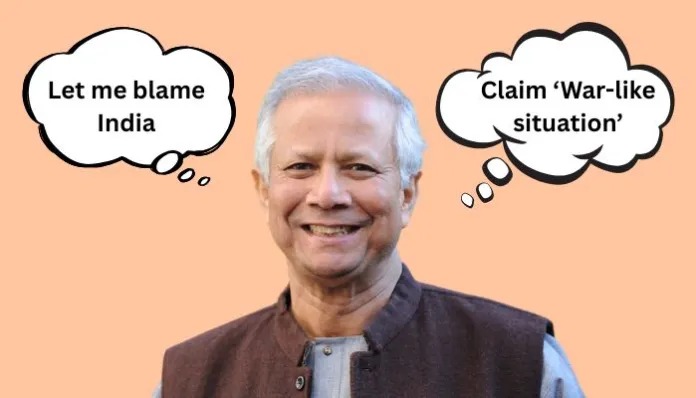
The ostracisation of Awami League was predictable, considering Yunus’s personal animosity with Sheikh Hasina. This year, therefore, witnessed the interim government, using all means — political, judicial and administrative — to witch-hunt League loyalists and activists on one hand and create a political atmosphere where Bangladesh’s apparent newly-earned democracy is one without opposition.
Human Rights Watch, in May, reported that the interim government has risked Bangladesh’s fundamental freedoms via a series of legislative measures. In a recent report, HRW also accused the interim government of abusing the recently amended Anti-Terrorism Act to target and imprison thousands of political opponents, especially the alleged supporters of the now ousted Awami League, on dubious charges to shut down dissent. Indeed, the report rightly pointed this is not the path to democratic transition. Bangladesh’s own rights groups, too, have been critical of the interim government’s highhandedness—following the script of its predecessor that it claims to be so against, as it observed a disturbing rise in violations of human rights and crimes across Bangladesh under the interim government.
In its efforts to suppress the Awami League and positing itself opposite to everything it stood for, the interim government resorted to keeping a cold distance from its neighbour, India. Calling it a ‘balanced geopolitics’, the Yunus-led interim government and its supporters, including political leaders, manufactured a new narrative—that India is an ‘ally’ of Sheikh Hasina and the Awami League. Through shameless misconstruing of Indo-Bangladesh diplomatic relations, anti-Hasina forces are now competing against each other to appear as the guardians safeguarding Bangladesh’s democracy, one that the country’s so long lacked due to Hasina’s pro-India foreign policy tilt. While political parties, especially opponents of the Awami League, have always used anti-India rhetoric as their election campaign, the same by the interim government reflects its ultimate defence mechanism when faced with accountability.
The Chief Advisor ventured to create a fearmongering attitude among Bangladeshis that India’s ‘hegemony’ is the reason behind its own present political crisis. Oftentimes, especially when the inefficiency of law enforcement forces has been questioned, as in the case of the February Bulldozer Procession of 32 Dhanmondi, the interim government put the blame on “external forces” for its internal crisis. His close associates, along with other advisors of the interim government, too, made provocative remarks targeting India’s border security. Communal attacks have witnessed a surge in Bangladesh since the fall of Hasina. When India raised concern about this worrying trend, the interim government quickly dismissed it as political attacks, and not communal, and even called the reports “exaggerated”. It echoed the same about reports of communal attacks by the Bangladesh Hindu Buddhist Christian Unity Council, calling it “misleading” and “false”.
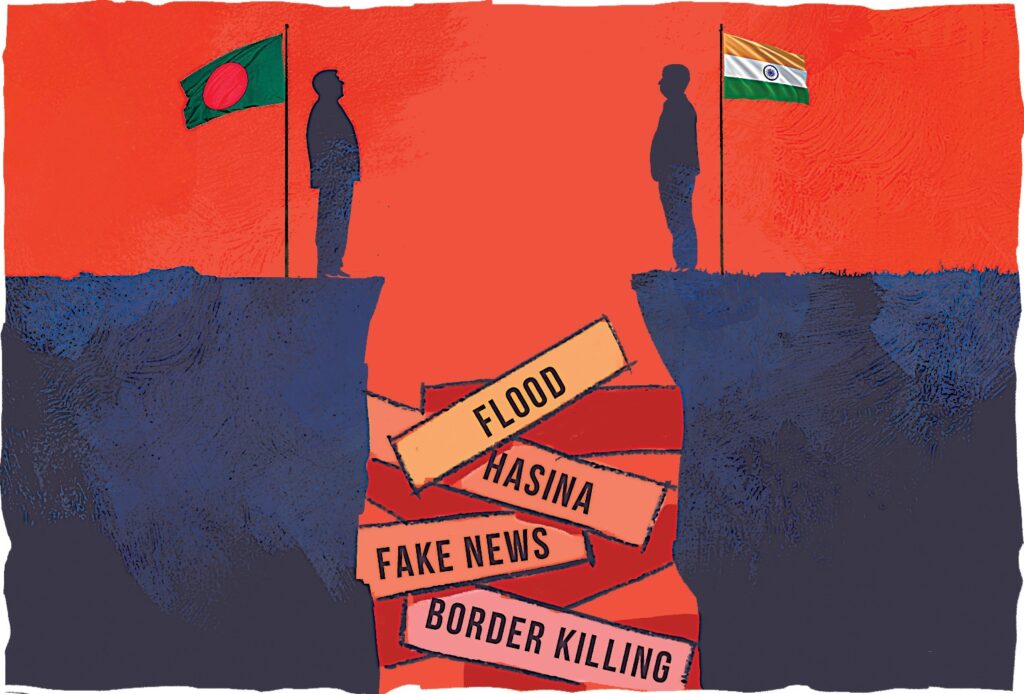
In a recent interview with a US journalist, Yunus took yet another anti-India jibe, calling anti-Hindu violence in Bangladesh “fake news”, one that is a “speciality of India”, whereby Bangladesh remains a “beacon of religious harmony”. This is notwithstanding the US Religious Freedom report that revealed the state of minorities in Bangladesh to be concerning.
Given the collective failure in providing security to Hindus during the celebration of their biggest religious festival, Durga Puja, last year, the same concerns were raised when the media reported a few cases of idol vandalism days before the onset of Puja this year. This year, the home advisor warned to take tough action against those involved in 793 Durga Puja pavilions for allegedly “hurting religious sentiments” and blamed the “neighbouring country” for having a connection behind the falsehood surrounding Durga Puja. Such statements by an advisor were noted to encourage communal violence and persecution of minority populations, minority Hindus being always under the radar of proving their nationalism. This year, at least 49 untoward incidents have taken place at puja mandaps across Bangladesh has been reported during Durga Puja.
The recent ethnic violence in Khagrachhari in Chittagong Hill Tracts, another pressing issue in Bangladesh, showed the systemic nature of violence in the hills, whereby miscreants continue to enjoy a culture of impunity under the interim government. Here too, the government was quick to put the blame on ‘fascist groups’ sheltered in the neighbouring country, who are being allowed to create conditions to destabilise Bangladesh. New Delhi’s response was calling a spade a spade—dismissing the allegation as bizarre and pointing to the interim government’s tendency to shift blame elsewhere to camouflage its own inefficiency in maintaining law and order.
To cover up its failure, despite a year in power, the interim government has been shifting the blame game on India. This is not only an insult to the conscience of Bangladeshis but also to their very democratic aspiration. Through the manufactured narrative of “conspiracy of external force to destabilise Bangladesh”, the interim government is deliberately delaying the democratic transition that its people are desperately awaiting.
Even though India has made it clear that it awaits a smooth, inclusive, just democratic transition in Bangladesh, where New Delhi is willing to work with any government that comes to power (as bilateral relations should be), the interim government is repeatedly resorting to arrogant statements to hold onto the chair. One can only hope for the national election to resolve this deliberate deadlock by the interim government, so that bilateral ties reach new heights in the near future.
–IANS
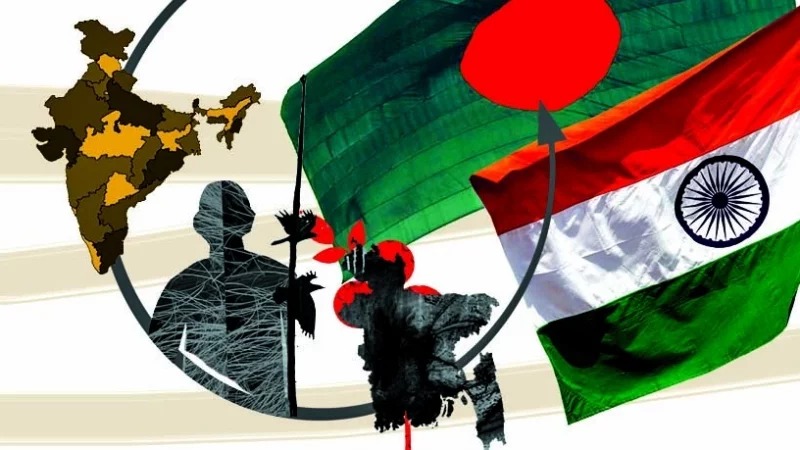
The partition of India has been described by historians as a great misfortune of human civilization. In his book ‘Guilty Man of Partition of India’, Dr. Ram Manohar Lohia argues that the leaders responsible for the partition of India were arrogant, conceited and ambitious. South Asia is still reeling from the aftermath of partition. Bengali Muslims, who accepted Pakistan as Muslims, launched a revolution under the leadership of Sheikh Mujibur Rahman to create Bangladesh for their language, culture and identity. At that time, Pakistan was widely supported and assisted by America and China. India, which was defeated by China in 1962, was isolated from China and America after defeating Pakistan in 1965. Pakistan’s military rulers did not spare any brutality to suppress the movement led by Sheikh Mujibur Rahman. Three million Bengalis were martyred in the eight-month movement. Pakistani soldiers raped three hundred thousand Bengali women to change the Bengali language.
In the history of human civilization, no military force in the world has shown such ruthlessness and brutality. Due to the growing movement, India was forced to feed the Bengali refugees. In the 70s, India received the excellent leadership of Indira Gandhi. Indira Gandhi was a skilled player in diplomacy. She mobilized the Indian army to support the Mukti Bahini soldiers. At that difficult juncture in history, America and China did not hesitate to threaten India.
US President Nixon did not just advocate for Pakistan but also sent a warship with nuclear capabilities to the Bay of Bengal. Similarly, China also used the word war to invade India from the Himalayan region. That was a difficult situation for Indira Gandhi. She traveled to the Soviet Union and succeeded in signing a peace treaty with the Soviet Union in 1971. According to the terms of the treaty, the clause on the invasion of India stated that Soviet Russia would fight alongside India. Due to the aftermath of the peace treaty with Soviet Russia, American pressure and Chinese threats became self-evident. In other words, Indira Gandhi succeeded in becoming the midwife of Bangladesh. Bangladesh was born on the basis of culture. The song written by Rabindranath Tagore became the national anthem of Bangladesh.
In Bangladesh, which was built on the concept of a secular and inclusive society, Sheikh Mujibur Rahman was martyred along with his family in 1975 after being targeted by extremists. Sheikh Hasina was able to save her life because she was in Germany. Over time, she took refuge in India. After 1975, it seems that the rule was in the hands of extremists for a long time. Bangladeshi society is divided into two parts, the Ashraf and the Atarf. The Ashraf community has a large population and this community seems to support inclusiveness and secularism, while the Atarf seems to stand in favor of Islamization and Sharia law. After 1975, the Jamdani rebellion was again in favor of secularism in 1989. In other words, Bengali nationalism seems to have become strong again and managed to hold power for a long time. However, from 2001 to 2006, extremist forces like the BNP and Jamaat-e-Islami succeeded in making Bangladesh a victim of backwardness.
From 2006 to 2008, the nationalist movement in Bangladesh, especially under the leadership of Sheikh Hasina’s party, became successful. Bangladesh began to draw up a roadmap for modernization. In 2012, the movement took shape, taking the decision to transform Bangladesh’s economy under the leadership of Sheikh Hasina. With the arrival of Sheikh Hasina, there was a major change in foreign policy. Resolving the border issue with India was a major success of Bangladesh’s foreign policy. Due to Sheikh Hasina’s strong leadership, Bangladesh became one of the fastest growing economies in South Asia. By importing raw materials from India, Bangladesh succeeded in making a leap in the textile sector in Europe and America.
Bangladesh was able to benefit more from the heat and heat of globalization and open economy. Bangladesh’s modernization journey was not digestible even by America. Due to the geopolitical structure of Bangladesh, America wanted to keep its footprint in Bangladesh, Saint Martin Island. The American base campus on Saint Martin Island was sponsored by the American goal of observing Chinese activities in Myanmar. Sheikh Hasina did not have American conditions. Against this background, an uprising began in Bangladesh with the alliance of America and Pakistan and the goodwill of China. This uprising turned into an explosion. Sheikh Hasina’s working style was also different. Hasina also abused her power to rein in the radicals and suppress the opposition. On August 5, 2024, Sheikh Hasina managed to escape from Bangladesh and took refuge in India.
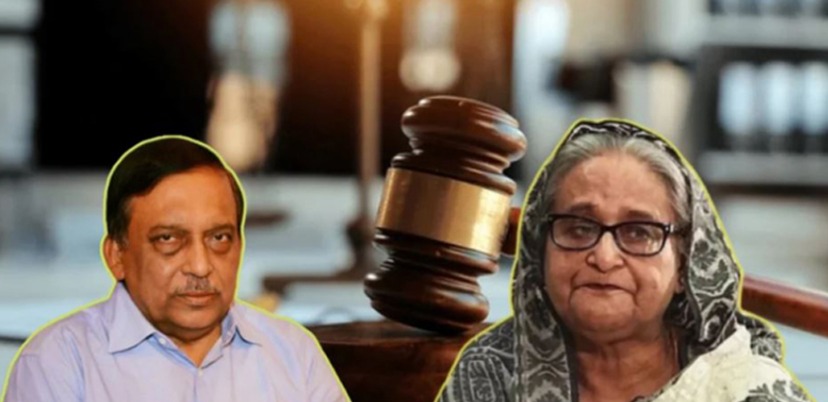
During this long period, the Hindu community of Bangladesh became a scapegoat. The Hindu community had the largest investment in Bangladesh’s textiles. After the Hindu community became the target of radicalism, the textile system was completely destroyed. During the leadership of Bangladesh under Nobel Prize winner Mohammad Yunus, the alliance between Bangladesh and Pakistan seems to have fully increased. Recently, a Bangladeshi court has sentenced Sheikh Hasina to death, and Bangladesh seems to have started diplomatic efforts to pressure India to extradite Sheikh Hasina, who has taken refuge in India.
Bangladesh’s security advisor, who is visiting India, has placed Indian security advisor Ajit Doval in Bangladesh’s favor. Although there is an extradition treaty between India and Bangladesh, its articles 6 and 7 state that the extradition treaty will not be applicable to political charges. Despite the deep influence of the Awami League in Bangladesh, there is silence in civil society due to the rampant extremism. Experts believe that the Hindu community will again be targeted by terrorists in the region where Sheikh Hasina was installed as the protector of the one crore Hindu community, which has had a great impact on the lives of the people of Bangladesh. Experts believe that Bangladesh may become like Afghanistan in the region where the chemistry between Bangladesh and Pakistan has dissolved.
In this sense, international powers and human rights activists have appealed to India not to extradite Sheikh Hasina. It does not seem appropriate to extradite Sheikh Hasina on the basis of democratic values. Since Bengali society is strong in terms of civilization, culture and literature, Bangladeshi society has the ability to defeat extremism. It can be estimated that the Awami League will regain power in the region where democracy is established in Bangladesh. In this sense, it does not seem appropriate to stand under any diplomatic pressure, keeping in mind the broader interests of South Asia. Modi should consider the example of Indira Gandhi and pursue a strategic policy with Bangladesh.
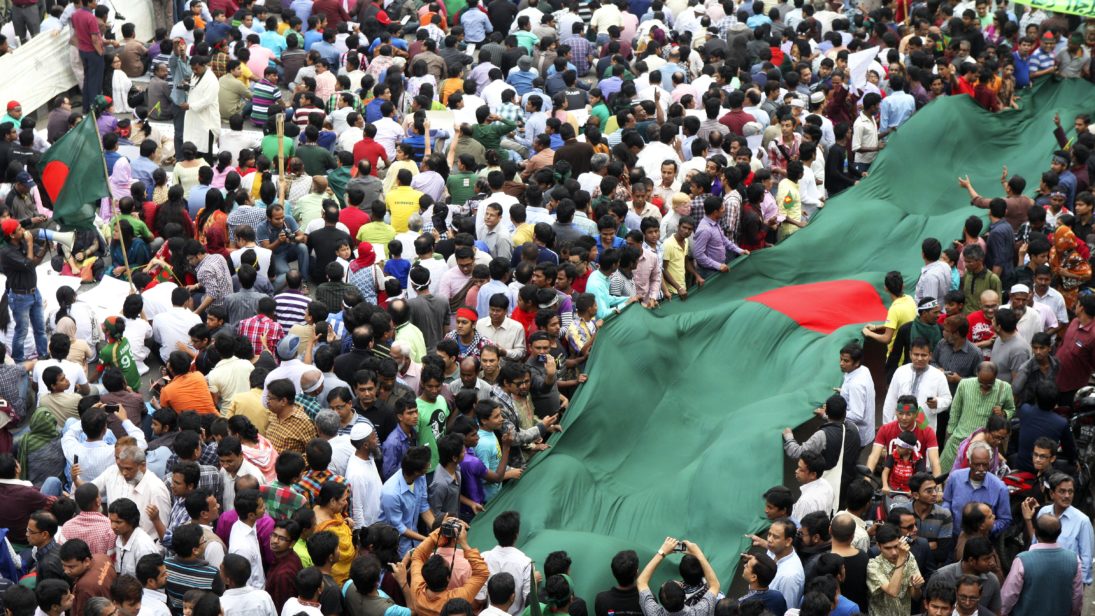
The July 2024 Uprising constituted a watershed moment in the political history of Bangladesh, precipitating significant transformations in both leadership and governance structures. In the aftermath, established political parties, along with newly emergent entities, have asserted themselves actively as opposition forces, predominantly targeting the Awami League. This development has underscored the emergence of a “new Bangladesh,” characterised by its explicit recognition and promotion of individuals and groups that have vigorously opposed the previous ruling party and its associated legacy.
A salient illustration of this shift is observable in the interim government’s concerted efforts to reconfigure collective historical memory regarding the 1971 Liberation War. These initiatives have sought to reconstruct historical narratives in a manner that tends to marginalise or omit the contributions of the Awami League—most notably those of Sheikh Mujibur Rahman, who is widely recognised as Bangladesh’s founding father and principal architect of its independence.
With respect to Sheikh Hasina, whose tenure concluded with her removal from office in August 2024, opposition rhetoric has advanced the prevailing assertion that her sustained electoral success was attributable to her close association with India. Immediately following the 2024 electoral outcome, a movement akin to the Maldives’ “India Out” campaign emerged within Bangladesh, advocating for a boycott of Indian commodities and alleging that India had exerted undue influence on Bangladesh’s domestic political processes to sustain Hasina’s prolonged incumbency. Her subsequent exile in New Delhi has further substantiated this discourse, lending greater credence to these claims among her critics.
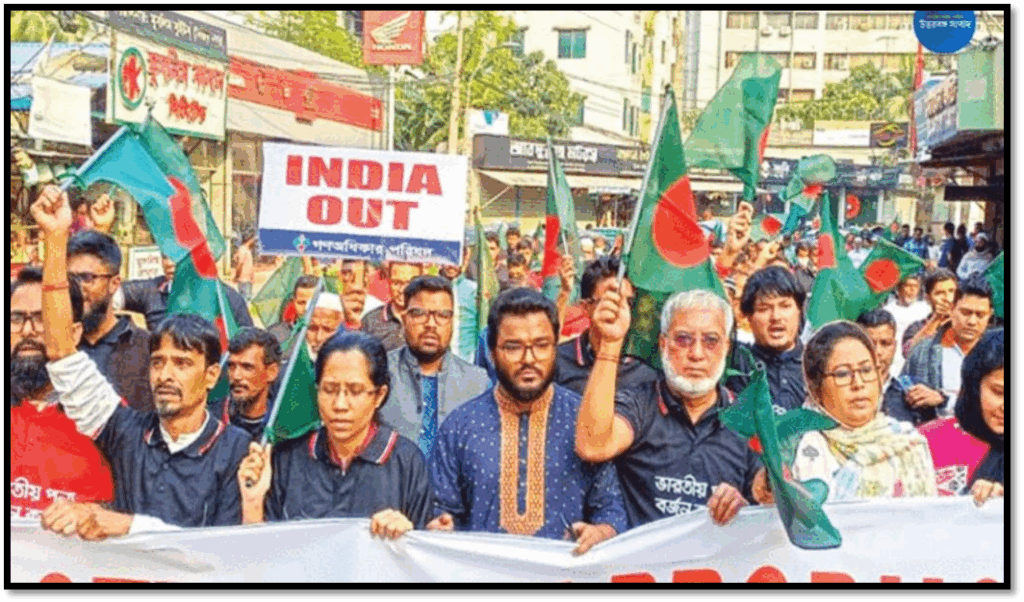
In the run-up to the forthcoming 13th national election, Bangladesh’s political milieu appears increasingly permeated by anti-India sentiment. Notably, this disposition is manifest not only within opposition parties but is also discernible in the interim government’s policy orientations and public actions.
Following the collapse of Hasina’s administration, the dynamics of India-Bangladesh relations have undergone notable changes. The newly installed interim leadership has adopted a divergent foreign policy trajectory, deliberately creating distance from India. This realignment is exemplified by the imposition of trade restrictions on imports from India. Conversely, the interim administration has deepened its engagement with Pakistan, a state from which Bangladesh achieved independence through the violent conflict of 1971. While some Bangladeshi commentators characterise this rapprochement as a calculated diplomatic manoeuvre, they frequently overlook the fact that substantive shifts in foreign policy have largely been confined to relations with India.
Domestic foreign policy experts have critiqued India’s previous strategy, contending that it disproportionately prioritised relations with the Awami League, thereby “placing all its eggs in one basket.” However, this argument tends to neglect the profound historical and cultural ties between the two nations. India was the second country after Bhutan, to recognise Bangladesh’s sovereignty in 1971, and both states retain strong affinities rooted in common histories, languages, and cultures as former territories of British India. Although it is accurate that India maintained closer relations with the Awami League-led government relative to the BNP coalition—which adopted a more adversarial stance towards India—this does not imply that bilateral relations are determined solely by partisan considerations.
The two countries also share an extensive and porous frontier, which has historically given rise to challenges such as unauthorised migration, cross-border smuggling, and sporadic border disputes—issues that persist in the contemporary context. Following Sheikh Hasina’s departure from Dhaka, Bangladesh experienced significant upheaval, marked by violence against minority populations and a deterioration of law and order. Coverage of these events provoked concern in India, which recalled the influx of millions of refugees during the 1971 conflict. Nevertheless, attempts by Indian authorities to voice their apprehensions were routinely dismissed by the interim government as “fabrications” or “politically motivated narratives.”
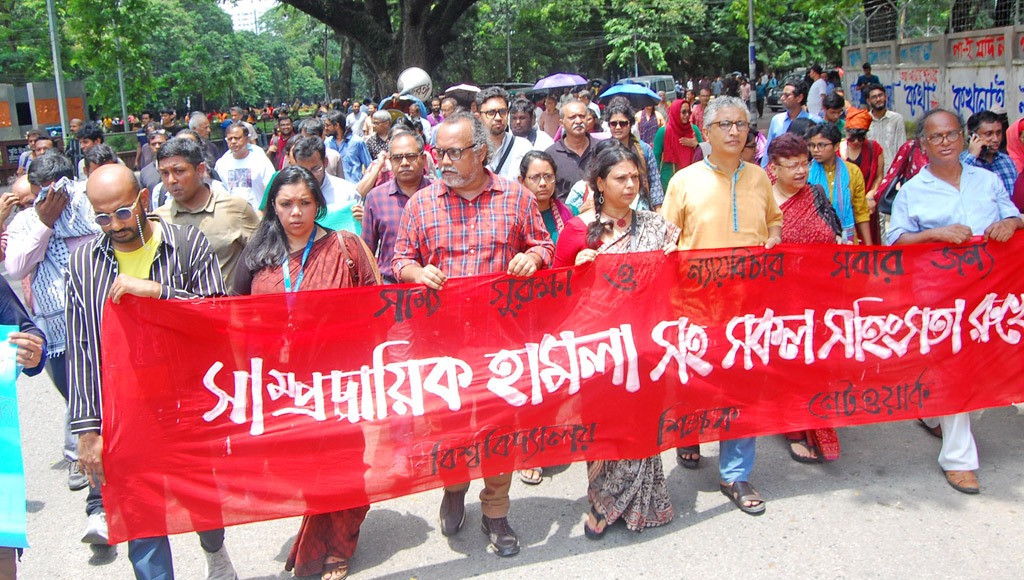
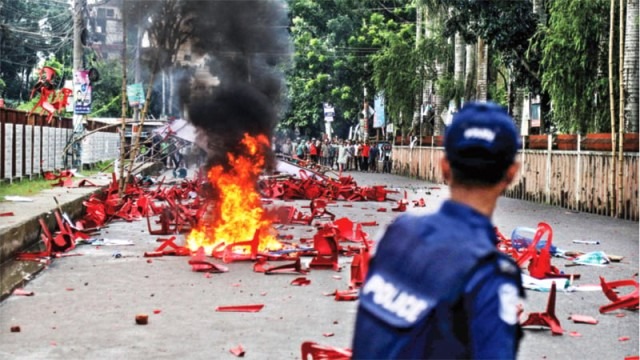
Rather than accepting responsibility for shortcomings in maintaining law and order, the interim administration has persistently sought to attribute blame to India. For instance, when the historic Dhanmondi 32 residence of Sheikh Mujibur Rahman was subjected to vandalism in February, the authorities, instead of acknowledging deficiencies in their security apparatus, alleged that India was enabling Sheikh Hasina to disseminate her messages from exile. India issued a strong diplomatic protest in response to these assertions, yet the interim leadership in Dhaka continued to evade accountability.
The chief advisor to the interim government has frequently alluded to “external actors” fomenting instability in Bangladesh—implicitly referring to India—while refraining from acknowledging his own administration’s role in the prevailing disorder. This narrative strategy serves to deflect scrutiny from the government’s administrative failures and simultaneously consolidates its anti-India credentials among certain domestic constituencies.
Simultaneously, various political parties, including Islamist factions, have adopted similar anti-India rhetoric in an effort to harness popular support. Islamist groups, some of which were previously marginalised or proscribed, are now openly advocating for the establishment of a Sharia-based constitution and mounting attacks on the country’s secular foundations. The interim government’s persistent silence regarding these developments has allowed such groups to consolidate their influence and propagate their ideological agenda largely unimpeded.
Among the most prominent actors in this landscape is Jamaat-e-Islami, which is currently attempting to present itself as a progressive entity. Nevertheless, it continues to evade responsibility for its contentious role during the 1971 war. This organisation, along with emerging groups such as the National Citizenry Party (NCP), is actively seeking to reinterpret the narrative of the Liberation War. They propagate the erroneous claim that India’s involvement constituted interference in what was an internal Pakistani matter, and suggest that Indian intervention was the primary catalyst for the partition in 1971. Such assertions are not only historically inaccurate but also deeply disrespectful to those who sacrificed their lives for Bangladesh’s independence.
Recently, the NCP attributed responsibility for the Gopalganj unrest to so-called “pro-India” factions with links to the Awami League. This incident exemplifies how anti-India rhetoric is being employed for political advantage. However, such narratives provoke a fundamental question: What incentive would India have to promote instability or disorder in Bangladesh? Given the significant security challenges India already confronts emanating from its western neighbour, Pakistan, it has little desire to see turmoil on its eastern frontier.
Rather than assigning culpability to India, Bangladeshi political leaders ought to address the internal issues that frequently stem from their own policies and decisions. Utilising India as a scapegoat for political expediency may offer short-term benefits in electoral terms, but ultimately proves detrimental to the nation’s long-term interests. The premise that India is behind every crisis in Bangladesh is not only unsubstantiated but also poses potential risks.
India, on its part, continues to express its aspiration for a peaceful, democratic, and secular Bangladesh, and remains prepared to engage with any administration that upholds mutual values and interests. However, substantive cooperation cannot occur if India is persistently perceived solely as an adversary or rival.
As the forthcoming election approaches, Bangladesh faces a decisive juncture. The nation must determine whether it wishes to forge a future founded on truth, collaboration, and democratic values, or remain encumbered by a cycle of scapegoating and historical distortion. A stable and prosperous Bangladesh is in the best interests not only of its own populace, but also of the entire region—including India.