
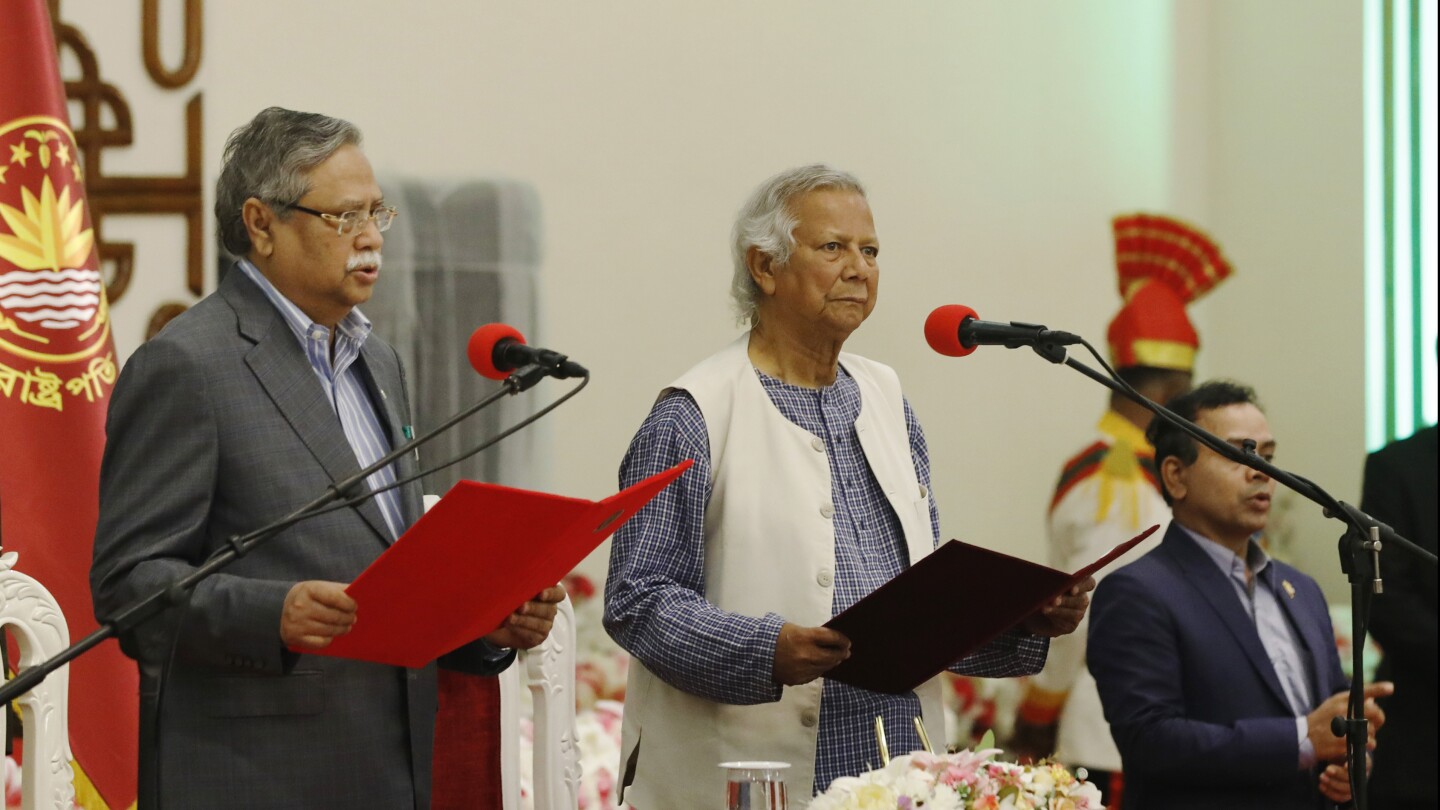
A former Bangladeshi intelligence officer has made sharp allegations against Nobel Peace Prize laureate Muhammad Yunus, claiming that the globally admired figure operates within — and benefits from — a deeply entrenched network of power inside Bangladesh. The remarks have reignited debate over governance, legitimacy, and influence under the country’s interim administration.
Speaking in an interview, the retired official said that while Yunus is widely viewed internationally as a humanitarian and reformer, sections within Bangladesh’s security and political establishment perceived him as the centre of a powerful “system” that quietly shaped state decisions.
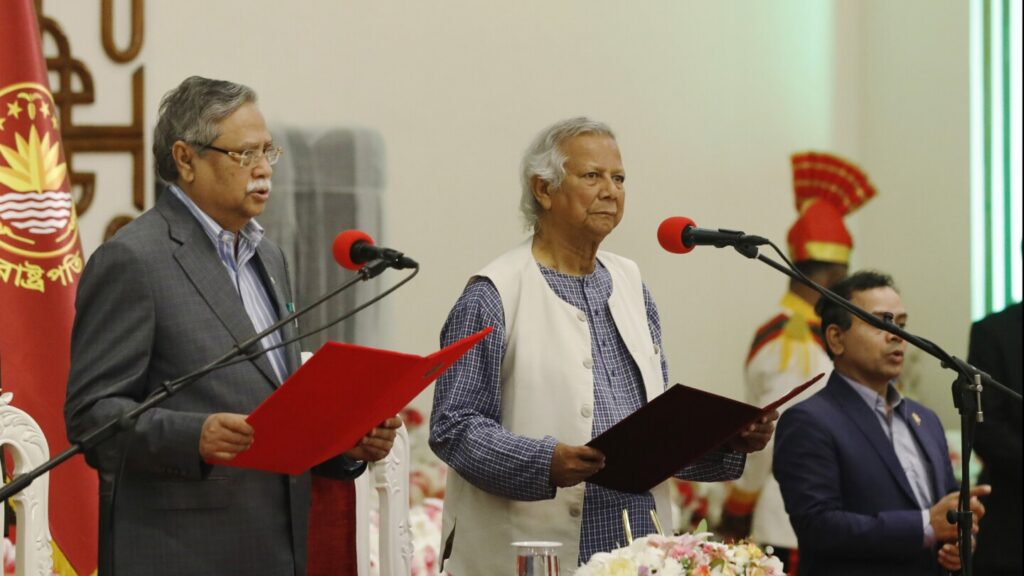
Yunus assumed charge as Chief Adviser of Bangladesh’s interim government in August 2024 after mass protests led to the fall of long-serving Prime Minister Sheikh Hasina. His appointment was welcomed by many foreign governments and international observers who saw him as a stabilising figure capable of steering the country toward democratic elections.
However, at home, criticism has grown. The former intelligence officer alleged that Yunus’s influence extended well beyond his constitutional role, affecting appointments, policy direction, and institutional functioning in ways that resembled a parallel power structure.
According to the ex-officer, individuals and institutions closely associated with Yunus formed a tightly knit network that exercised influence without public accountability. He claimed this structure blurred the lines between civil society, governance, and state authority, raising concerns about transparency and democratic norms.
Critics have also pointed to appointments of individuals perceived to be close to Yunus, arguing that such decisions reinforce the idea of an elite circle guiding governance behind the scenes. Supporters reject this view, saying experienced and credible individuals were brought in to stabilise a fragile state.
The allegations come at a time of continued political tension and sporadic violence across Bangladesh. The killing of a youth activist earlier this year triggered protests and intensified accusations that the interim government has struggled to maintain law and order.
Former Prime Minister Sheikh Hasina, now living abroad, has accused the Yunus-led administration of allowing instability to spread and failing to protect vulnerable communities. The interim government has denied these charges, stating that investigations into incidents of violence are ongoing and that restoring security remains a priority.
A key point of criticism from Yunus’s opponents is the absence of an electoral mandate. They argue that his international stature gives him disproportionate influence within the country, creating an imbalance between global perception and domestic accountability.
Supporters counter that Yunus was brought in during an extraordinary crisis and that his role is temporary, focused solely on reforms and preparing the ground for free and fair elections.
As Bangladesh moves toward national elections expected in early 2026, debate over the nature of power within the interim government is likely to intensify. The former intelligence officer’s comments have added fuel to an already polarised political environment, highlighting the sharp divide between international admiration for Yunus and domestic skepticism among his critics.
The interim government maintains that its only objective is to stabilise the country and ensure a credible democratic transition. Whether it can bridge the growing trust gap at home remains a central question in the months ahead.