
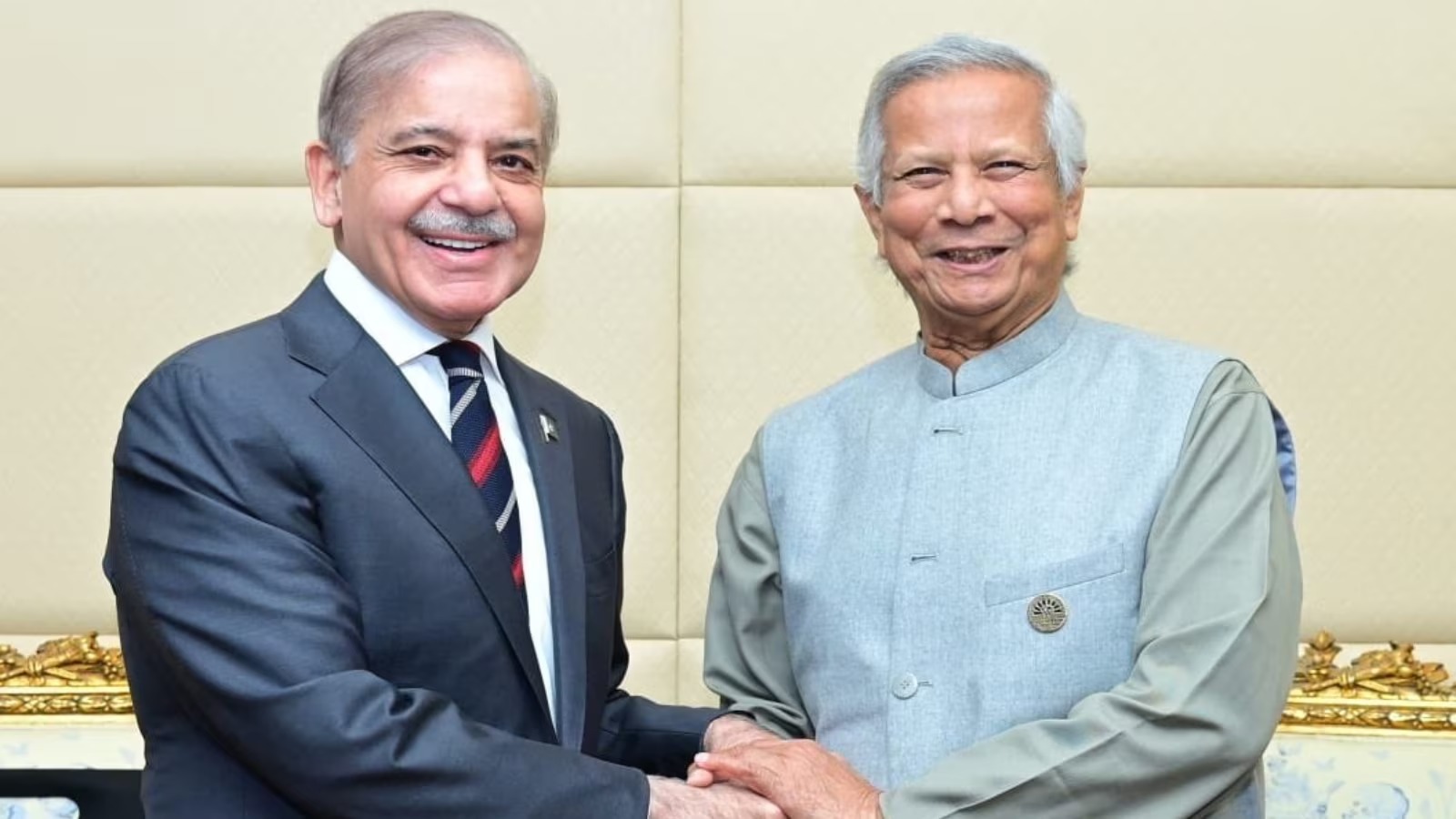
Bangladesh is facing a deepening democratic crisis as violence, persecution and mob rule increasingly become part of everyday life, raising serious concerns about the credibility of the country’s political transition ahead of national elections scheduled for early 2026. Observers note that the current political environment represents a sharp deterioration in law and order, marked by rising communal tensions, ethnic and religious attacks, suppression of dissent and the growing influence of extremist elements. What was initially presented as a corrective transition toward democratic renewal has instead exposed profound institutional and societal weaknesses.
The crisis traces back to mid-2024, when mass protests and unrest led to the removal of former Prime Minister Sheikh Hasina and the installation of an interim administration led by Chief Advisor Muhammad Yunus. Since then, the political landscape has become increasingly polarised, with bans and restrictions placed on major political parties and their affiliated organisations, significantly narrowing democratic space. Although the interim government has described the forthcoming election as an opportunity to restore democratic legitimacy, critics argue that the necessary conditions for a free and fair vote remain absent. Continued violence, political exclusion and the absence of broad-based participation have cast doubt on whether the electoral process can command public trust.
Human rights groups and civil society organisations report a surge in mob violence, attacks on minority communities, intimidation of journalists and harassment of political opponents. These developments have contributed to an atmosphere of fear and insecurity, undermining citizens’ ability to freely express political views or participate in civic life. Analysts point out that Bangladesh’s democratic institutions have long been fragile, shaped by a history of military rule and authoritarian governance. The current crisis, they warn, risks entrenching a culture of impunity if accountability mechanisms are not restored and the rule of law reinforced.
The unrest has also drawn attention beyond Bangladesh’s borders, with regional observers expressing concern about the implications for stability in South Asia. Calls have grown for stronger protections for minorities, independent media and political activists, as well as for inclusive dialogue among all stakeholders. Critics argue that the interim administration has struggled to curb extremist violence or reassure vulnerable communities, while the absence of transparent decision-making has further weakened confidence in governance. Without urgent reforms, they warn, the normalisation of violence could become a permanent feature of Bangladesh’s political landscape.
As the country moves closer to elections, pressure is mounting on authorities to ensure an inclusive, secure and credible democratic process. For many Bangladeshis, the coming months will determine whether the nation can reverse its current trajectory and restore public faith in democratic institutions.
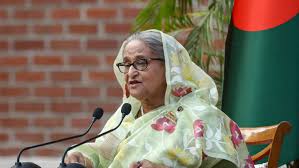
Former Bangladesh prime minister Sheikh Hasina has issued a sharp warning about the state of democracy in Bangladesh, arguing that the country is being governed without legitimate public mandate and that political stability will remain elusive unless inclusive elections are restored. Speaking in a wide-ranging interview, Hasina reflected on the political unrest that led to her departure from office in 2024 and offered a critical assessment of the current interim administration. She said the protests that began as student-led demonstrations were later overtaken by radical elements, resulting in widespread violence, destruction of public property and attacks on law enforcement personnel.
Hasina said her decision to leave the country was taken to prevent further bloodshed as the situation deteriorated. She rejected claims that her government suppressed peaceful dissent, stating that her administration initially allowed protests and sought accountability through judicial mechanisms. The former prime minister was particularly critical of the interim government led by Muhammad Yunus, arguing that it lacks democratic legitimacy because it was not elected by the people. She said banning the Awami League — a party that has won multiple national elections — and detaining its leaders undermines the foundations of democratic governance.
According to Hasina, meaningful political normalisation in Bangladesh requires the lifting of restrictions on political parties, the release of political detainees and the holding of free, fair and inclusive elections. Without these steps, she warned, any future government would struggle to gain domestic or international credibility. Hasina also accused the interim administration of dissolving inquiry processes into the 2024 violence and of empowering extremist groups, alleging that such actions have weakened law and order and endangered minority communities. She expressed concern that the current political climate has discouraged investment and stalled economic momentum built over the past decade.
Defending her own record, Hasina highlighted her role in restoring democratic institutions after periods of military rule and pointed to sustained economic growth, infrastructure development and poverty reduction during her tenure. She maintained that democratic governance requires both strong institutions and the participation of all major political forces. On foreign policy, Hasina cautioned against major strategic realignments by a government without an electoral mandate, arguing that long-term national interests should reflect the will of the people rather than interim political arrangements.
Her remarks come as Bangladesh prepares for national elections amid heightened political polarisation and questions over inclusivity. Observers note that the exclusion of major political parties could undermine voter confidence and deepen instability. As debates over Bangladesh’s democratic future intensify, Hasina’s comments underscore the central question facing the country: whether political order can be restored without broad public participation and electoral legitimacy.
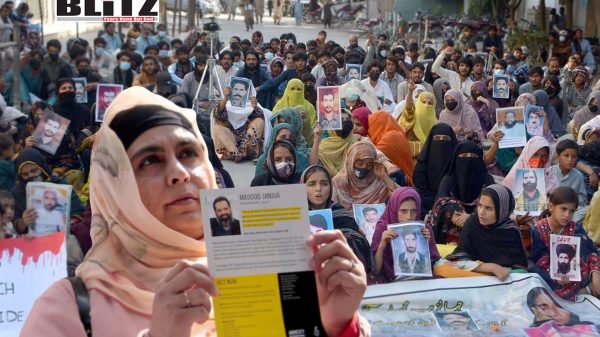
What was intended to be a forum for peace and dialogue in Pakistan’s restive northwest has instead highlighted the country’s deepening human rights crisis, after two university students reportedly disappeared following their participation in a peace jirga in Peshawar. The “grand peace jirga,” held on November 12 in Peshawar, was organised by the Khyber Pakhtunkhwa chapter of Pakistan Tehreek-e-Insaf (PTI) and attended by tribal elders, religious scholars, civil society representatives, activists and students. The gathering aimed to discuss the worsening security situation in the region, particularly in the context of rising violence and strained relations with Afghanistan.
However, shortly after the event concluded, Khubaib Wazir and Adnan Wazir, members of the Waziristan Students’ Society, reportedly went missing under circumstances that rights groups describe as deeply troubling. According to eyewitness accounts, the two students were intercepted by unidentified men in plain clothes while returning from the jirga to their hostels. Since then, their whereabouts remain unknown. No arrest records, charges or official statements have been issued by police or security agencies, leaving their families and fellow students in a state of anguish and uncertainty.
Human rights advocates say the incident reflects a broader pattern in Pakistan where individuals who engage in peaceful political or civic activity — particularly from tribal regions — are treated as security risks rather than citizens exercising their rights. In the aftermath of the disappearance, some pro-state voices have attempted to associate the students with the Pashtun Tahafuz Movement (PTM), a non-violent rights movement that has frequently criticised the conduct of security forces in former tribal areas. PTM leaders have repeatedly denied any links to militancy, maintaining that their demands centre on constitutional rights, accountability and an end to extrajudicial practices.
The case has reignited debate around enforced disappearances, a long-standing and contentious issue in Pakistan. Rights organisations estimate that thousands of people — including students, activists, journalists and political workers — have disappeared over the past decade, particularly in Khyber Pakhtunkhwa and Balochistan. Families often report being denied information, legal recourse or even acknowledgement from authorities. Despite the existence of official inquiry commissions, critics argue that accountability remains elusive, with very few cases resulting in prosecutions or clear explanations. The continued silence surrounding recent disappearances has further eroded public confidence in state institutions and the rule of law.
Civil society groups warn that such incidents send a chilling message to young Pakistanis: that even peaceful participation in dialogue or advocacy can invite severe consequences. As calls grow for the safe recovery of the missing students, rights defenders stress that genuine stability cannot be achieved through fear, secrecy and repression. For now, the disappearance of Khubaib Wazir and Adnan Wazir stands as a stark symbol of a shrinking civic space in Pakistan — where seeking peace and accountability increasingly comes at a personal cost.
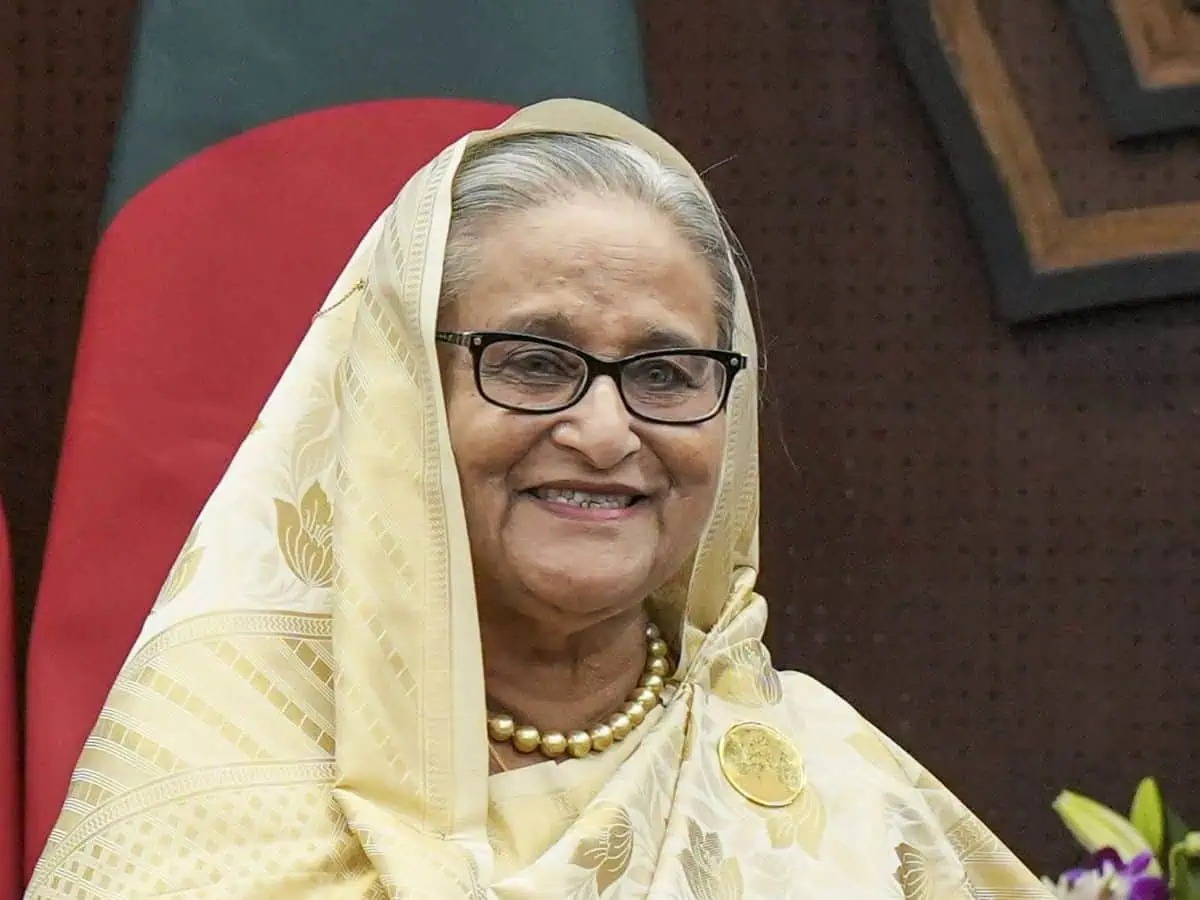
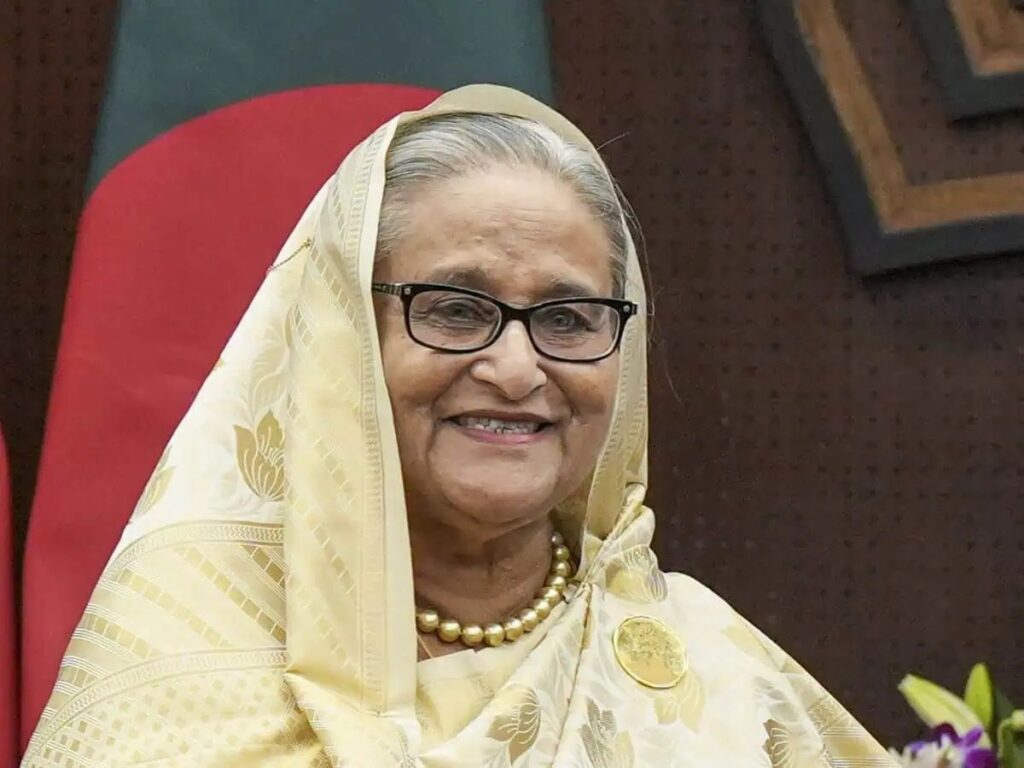
Former Bangladeshi Prime Minister Sheikh Hasina has issued a stark critique of the country’s current political trajectory in a wide‑ranging interview, saying violence, rising extremism and the sidelining of democratic norms under the interim government pose grave risks to Bangladesh’s future. Hasina’s comments come as the nation prepares for parliamentary elections scheduled for February 2026, a moment analysts say will be pivotal for the country’s stability and democratic legitimacy. Now living in exile, Hasina described the protests in 2024 that led to her ouster not as entirely peaceful demonstrations but as movements exploited by extremists who allegedly transformed civic unrest into violent uprisings. She said that attacks on police stations and destruction of infrastructure signified a breakdown in law and order, lamenting that what began as a protest deteriorated into chaos that she felt forced to leave the country to prevent further bloodshed.
Hasina sharply criticised the interim administration led by Nobel laureate Muhammad Yunus, arguing it lacks democratic legitimacy because it governs without a popular mandate. She alleged that the interim government has weakened constitutional structures, undermined the judiciary and failed to curb the influence of extremist factions, including the release of convicted militants she says are now emboldened in public life. According to her, this pattern undermines religious harmony and threatens the secular foundations of the state. She emphasized that free, fair and inclusive elections, including the legal participation of her party — the Awami League — are essential for restoring democratic governance. Hasina argued that elections held without major political parties cannot be considered legitimate and called for the release of political prisoners and lifting of bans on key political organisations.
Reflecting on her long tenure in office, Hasina highlighted what she described as her government’s achievements — including rapid economic growth, poverty reduction and strengthened infrastructure — while defending her record on minority rights and secular governance. She said that healthy political opposition had been encouraged under her leadership and that participatory democracy was central to her vision for Bangladesh. Turning to future prospects, Hasina said she would prioritise the restoration of constitutional rule, accountability for violence, protections for civil liberties and economic renewal if given another opportunity to lead. She reiterated her confidence in the resilience of the Bangladeshi people and their aspiration for participatory democracy.
Bangladesh’s political scene remains deeply fractured. Opposing parties, emerging movements and Islamist factions are all vying for influence ahead of elections that could reshape governance in the country. Analysts note that questions over the interim government’s handling of security, political freedoms and economic challenges are likely to dominate public debate in the coming weeks. Hasina’s critique adds to broader concerns about the credibility of the electoral process and the role of extremist groups in shaping political discourse — concerns that both domestic observers and foreign diplomats say will be crucial to address if Bangladesh is to navigate a peaceful democratic transition.
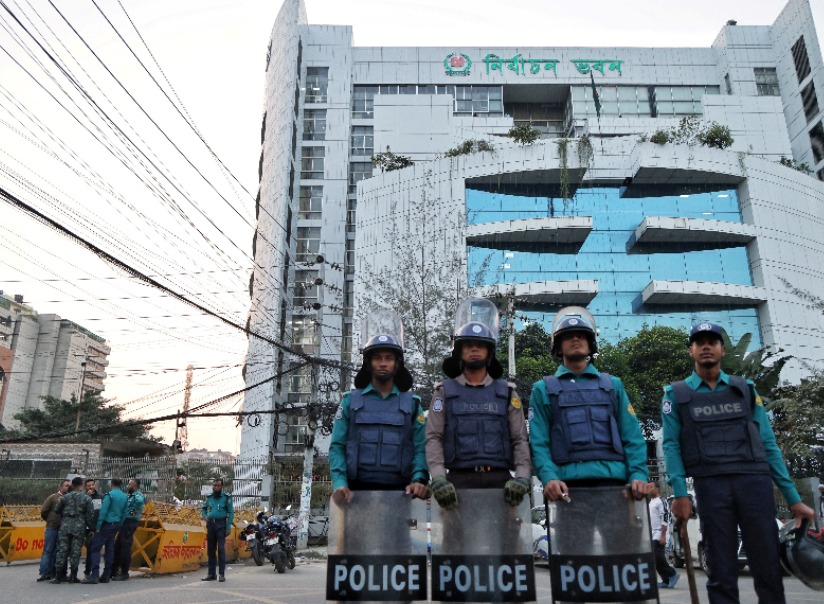
Recent attacks on Hindu minorities in Bangladesh — including arson, lynchings and threats tied to unverified blasphemy claims — have reignited debate over whether such violence is sporadic or part of a deeper, structural pattern rooted in decades of social, legal and political trends. Rights groups, community leaders and researchers point to a series of recurring incidents that suggest longstanding vulnerabilities for Hindus in the Muslim‑majority nation. The most recent high‑profile case involved the lynching of a Hindu garment worker in late 2025, when coworkers accused him of blasphemy without substantiated evidence. The fatal mob attack sparked protests, diplomatic concern and renewed scrutiny of how religious minorities are treated during periods of political turmoil and social tension. Advocates and analysts argue that these events are not isolated but reflect broader historical patterns of communal violence and discrimination that have periodically erupted, especially during political transitions or when allegations of religious offence circulate in local communities.
In multiple incidents throughout 2025, attackers targeted homes and properties of Hindu families, sometimes issuing threats and warning banners alleging “anti‑Islamic activities.” In one case in the Chattogram region, attackers set fire to a Hindu household after issuing threatening notices in the area, forcing the family to flee for safety. Rights observers describe such episodes as more than random criminality and stress how religious prejudice can escalate quickly into mass violence in poorly policed settings. Historical data underline that Hindu communities in Bangladesh have faced waves of violence over decades, with documented attacks during and after the country’s independence in 1971, repeated post‑election unrest in the early 2000s, and communal tensions tied to religious controversies. Analysts note that violence has not been limited to physical assaults; reports also include destruction of temples, displacement of families and persistent fears of marginalisation among minorities.
Scholars and demographers highlight long‑term demographic changes that have reduced the Hindu share of Bangladesh’s population over several decades, driven in part by economic distress, social discrimination and repeated waves of communal unrest. Some academic estimates suggest that millions of Hindus left the country between the 1960s and early 2010s because of persecution and insecurity, contributing to a steady decline in the community’s proportion of the total population. Legal and constitutional developments have also played a role. Bangladesh’s declaration of Islam as the state religion in the late 20th century, along with historical property laws that disproportionately affected Hindu owners, are cited by commentators as factors that reinforced the community’s political and economic marginalisation.
The Bangladeshi interim government and security officials have at times rejected characterisations of systematic persecution, framing recent incidents as politically motivated conflicts or isolated criminal acts rather than evidence of broader communal targeting. Officials contend that police and judicial processes are addressing violent cases and that overall social harmony remains a priority. This narrative contrasts with accounts from some rights groups and international observers who see patterns of violence that disproportionately affect Hindus during periods of political instability or heightened social tension.
The issue has also strained diplomatic ties, with protests in neighbouring India calling for protection of Hindu minorities and strong remarks from Indian officials about the safety of communities across the border. Some political activists and civic groups in the region argue that recurring violence against Hindus threatens not only individual safety but also cultural heritage and pluralistic values. At the same time, voices within Bangladesh call for greater protection of minority rights, improved law enforcement responses and constructive dialogue to prevent future outbreaks of violence.
Analysts emphasise that understanding the nature of violence — whether episodic or structural — requires consideration of both recent events and long‑term historical dynamics. While immediate triggers for attacks often involve local disputes or unfounded religious accusations, the frequency and distribution of such incidents over decades suggest persistent vulnerabilities rooted in legal frameworks, social attitudes and political transitions. As Bangladesh prepares for national elections and continued social change, the debate over whether violence against Hindus is an anomaly or part of enduring structural pressures is likely to remain central to discussions on minority rights, national identity and democratic development.
With national elections scheduled for February 2026, Bangladesh’s political climate is increasingly marked by widespread violence, communal tension and attacks on dissenting voices — raising concerns among analysts, civil society and international observers about a deepening democratic crisis. Critics say that since the interim government under Chief Advisor Muhammad Yunus took power in August 2024, the landscape has shifted dramatically. Incidents of mob violence, ethnic attacks and threats to free expression have surged, and political polarization has intensified. These developments are overshadowing hopes for a peaceful, credible electoral transition in the country.
Observers highlight a troubling pattern of violence including attacks on cultural institutions, media outlets, and prominent activists. In mid‑December 2025, mobs targeted major newspapers and cultural organisations in Dhaka, jeopardising both press freedom and artistic expression, according to rights groups. One of the most shocking incidents shaping public perception was the lynching of Dipu Chandra Das, a young Hindu man accused of blasphemy. Das was beaten and killed by a mob, an event that not only shocked civil society but also drew international attention to the fragility of law and order in Bangladesh.
Reports from rights organisations underscore a sharp uptick in blasphemy‑related violence and attacks against religious minorities throughout 2025. More than 70 separate incidents were documented from mid‑year through December, including mob beatings, vandalism of homes and communal unrest in multiple districts. These events point to a climate where accusations can quickly escalate into mass violence, particularly in areas with limited law‑enforcement response.
Political opponents of the interim government argue that state institutions — from law enforcement to the judiciary — have been strained by political divides and have failed to protect vulnerable groups or uphold democratic norms. Former political leaders have publicly blamed the current administration for increasing lawlessness and loss of control, asserting that the breakdown in public order reflects deeper governance challenges. At the same time, some social and political analysts point out that longstanding political rivalries have magnified tensions, and that voices across the spectrum are calling for greater transparency and safeguards ahead of the upcoming elections.
Cross‑border repercussions have also emerged. Protests by diaspora communities and activist groups in neighbouring countries underscore how events in Bangladesh are reverberating beyond its borders. Some international rights organisations have emphasised the need to protect freedom of expression and ensure meaningful civic participation, particularly at a moment when the nation is preparing to elect a new parliament.
With the February 2026 election approaching, stakeholders in Bangladesh face the complex challenge of balancing security, social cohesion and democratic participation. Analysts stress that meaningful reform — including strengthening protections for minorities, safeguarding press freedom, and ensuring accountability for violent acts — will be essential to restoring confidence in the country’s democratic future. For many citizens and observers, the coming months will be a critical test of Bangladesh’s resilience and its ability to uphold democratic principles amid deep political and social tensions.
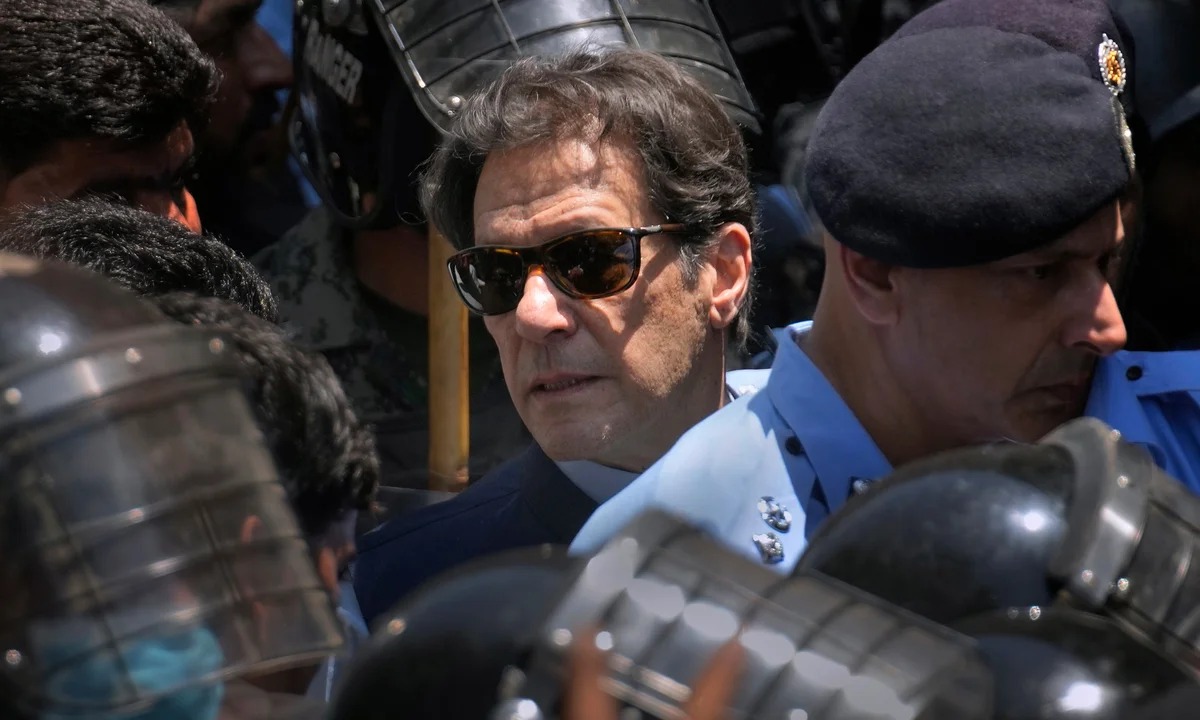
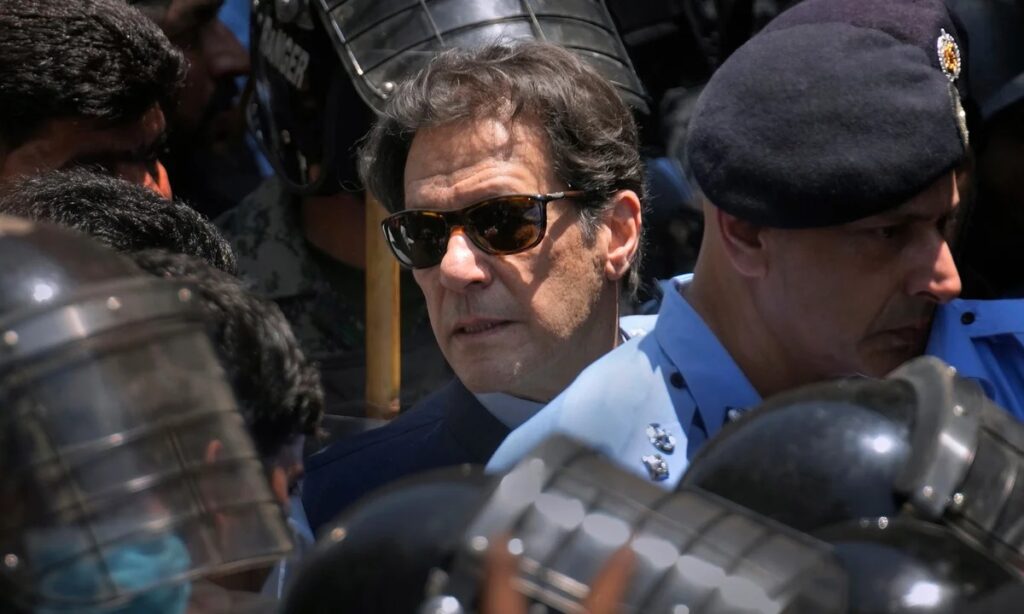 Concerns are growing within Pakistan and among international observers following a sharp escalation in rhetoric from the country’s military establishment regarding former Prime Minister Imran Khan, who has remained in custody since 2023 amid multiple legal cases. Recent public statements by military officials have framed Khan as a serious threat to national stability, marking a notable shift from earlier messaging that portrayed him primarily as a political adversary. Analysts say this change in tone has heightened fears about the direction of Pakistan’s civil-military relations and the broader political environment.
Observers note that the military’s recent characterisation of Khan goes beyond political criticism, instead invoking national security concerns and allegations of destabilisation. Such language, critics argue, risks further polarising the country at a time when political tensions are already high. Human rights advocates and political analysts caution that portraying a detained political leader as an existential threat to the state can undermine legal safeguards and due process, particularly in a system where the military wields significant influence.
Imran Khan, a former international cricket star turned politician, served as Pakistan’s prime minister from 2018 until his removal through a parliamentary vote in 2022. Since then, he has faced multiple convictions and legal proceedings, which he and his supporters describe as politically motivated. Despite being imprisoned, Khan continues to command substantial public support, especially among younger voters. His party, Pakistan Tehreek-e-Insaf (PTI), has faced arrests, restrictions and political pressure, further intensifying the confrontation between civilian political forces and the establishment.
Supporters of Khan view the military’s statements as an attempt to justify harsher measures against him and his party. They warn that escalating rhetoric could deepen instability and erode democratic norms. Political commentators have urged restraint, stressing the importance of constitutional processes and judicial independence. Several analysts have also warned that excessive use of security narratives against political opponents risks long-term damage to Pakistan’s democratic framework.
The situation has drawn attention from international observers, who have repeatedly called for respect for human rights, rule of law and fair legal processes. Pakistan’s political trajectory remains under close scrutiny as it balances internal political challenges with regional and economic pressures.
As Pakistan navigates an increasingly tense political climate, the fate of Imran Khan remains a central issue. How state institutions handle the situation is likely to have lasting implications for civil liberties, political stability and democratic governance in the country. For now, analysts say, de-escalation, transparency and adherence to legal norms will be critical to preventing further deterioration of trust between the state and the public.
By: Dr. Sreoshi Sinha, Abu Obaidha Arin
The recent conviction of former Prime Minister Sheikh Hasina and UK Member of Parliament Tulip Siddiq in connection with alleged irregularities in RAJUK’s Purbachal New Town plot allocation has raised serious legal and constitutional concerns. Beyond the merits of the allegations themselves, the forum, process, and jurisdiction under which these proceedings have been conducted call into question the very legitimacy of the case.
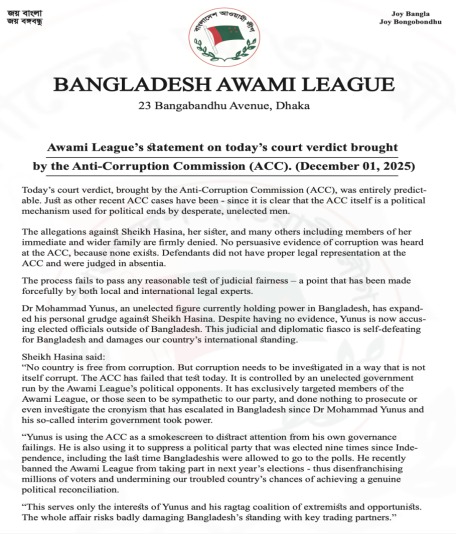
This concern has also been formally articulated in the Bangladesh Awami League’s official statement dated 1 December 2025, which describes the verdict as procedurally flawed, politically motivated, and inconsistent with basic standards of judicial fairness.
1. The foundational problem: the ICT Tribunal has no jurisdiction over land or corruption cases
The International Crimes Tribunal (ICT) of Bangladesh was established under the International Crimes (Tribunals) Act, 1973, with a single, narrowly defined mandate:
to prosecute genocide, crimes against humanity, war crimes, and related international crimes committed during the 1971 Liberation War. This mandate is explicit in both the title and substance of the law.
There is no provision, express or implied, that authorizes the ICT to hear:
Such offenses, even if proven, fall squarely under the jurisdiction of ordinary criminal courts, typically initiated by the Anti-Corruption Commission (ACC) and tried under the Penal Code or Criminal Law Amendment Acts.This question strikes at the core of the rule of law.
2. Forum shopping and the erosion of constitutional safeguards
Trying a domestic corruption or land case before a tribunal designed for war crimes effectively bypasses procedural protections available in regular courts, including:
The Constitution of Bangladesh, under Article 35, guarantees protection in respect of trial and punishment, including due process and lawful jurisdiction. When a specialized tribunal is used beyond its statutory purpose, the trial risks becoming ultra vires, meaning legally void due to lack of authority.
3. Trial in absentia and denial of effective defence
As noted in the Awami League’s statement, the accused were judged in absentia, without meaningful opportunity for defense representation. International legal standards, particularly Article 14 of the International Covenant on Civil and Political Rights (ICCPR), require that an accused be given a real and effective chance to participate in their trial. While trials in absentia are not entirely prohibited, they are permitted only under strict safeguards. In this case:
This is what significantly weakens the credibility of the verdict.
4. Absence of proven personal benefit
Criminal corruption requires proof of personal enrichment or material gain. Publicly available information does not demonstrate that:
At most, the allegations point to a possible administrative irregularity, which under established legal principles belongs in civil or departmental proceedings, not criminal punishment.
5. Selective prosecution and equality before law
RAJUK’s Purbachal project involved thousands of allocations to officials across administrations. Yet prosecution has disproportionately targeted members of a single political family, raising concerns under Article 27 of the Constitution, which guarantees equality before the law. Selective enforcement undermines public confidence and reinforces perceptions of political motivation.
6. Political context and institutional credibility
The Awami League statement highlights that the case emerged after a change in political power, during a period of institutional realignment. Comparative legal studies on post-transition prosecutions show that such cases often risk being perceived as instruments of political consolidation rather than impartial justice.
This perception is amplified when:
The legitimacy of the Purbachal plot case is not undermined merely by political disagreement but by serious legal defects. The most fundamental of these is the misuse of the International Crimes Tribunal, an institution created exclusively to address the gravest crimes of 1971, not domestic land or corruption matters. When jurisdiction is stretched beyond law, when trials occur in absentia, when personal benefit is not demonstrated, and when prosecution appears selective, the issue transcends individual guilt or innocence. It becomes a question of whether the rule of law itself is being upheld.
Accountability is essential in any democracy. But accountability loses meaning when the legal process is perceived as procedurally flawed, jurisdictionally unsound, and politically instrumentalized. In such circumstances, justice is not strengthened; it is weakened.
(Dr Sreoshi Sinha is a Senior Fellow Centre for Joint Warfare Studies (CENJOWS), while Abu Obaidha Arin is a student at the University of Delhi.)