
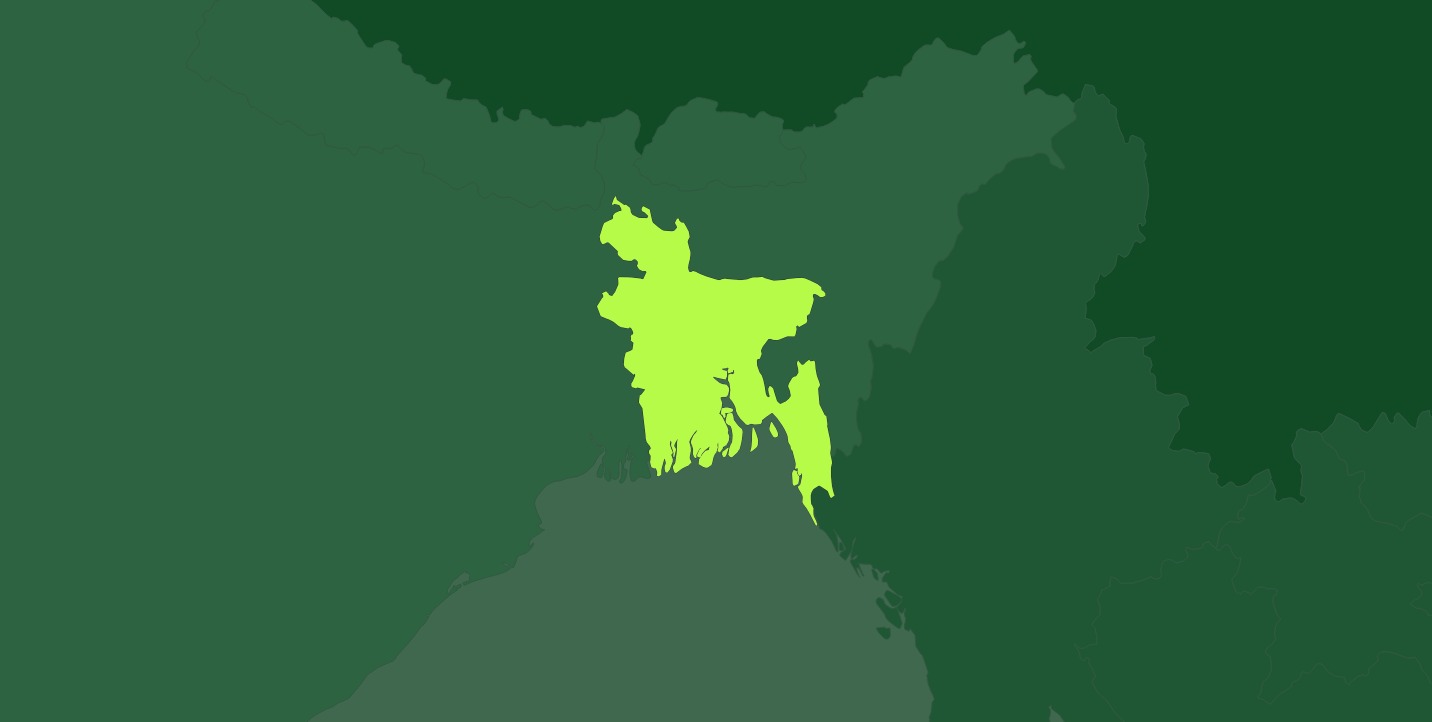
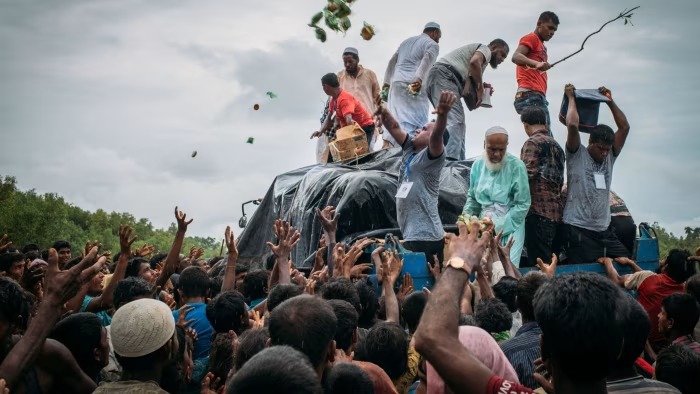
As the international community marked World Refugee Day on 20 June, the spotlight once again turned to the festering Rohingya crisis—a painful reminder of Bangladesh’s humanitarian generosity now burdened by geopolitical consequences. Since Myanmar’s brutal military crackdown in 2017, nearly 600,000 Rohingyas escaped the carnage in Rakhine and found refuge across the border in Bangladesh.
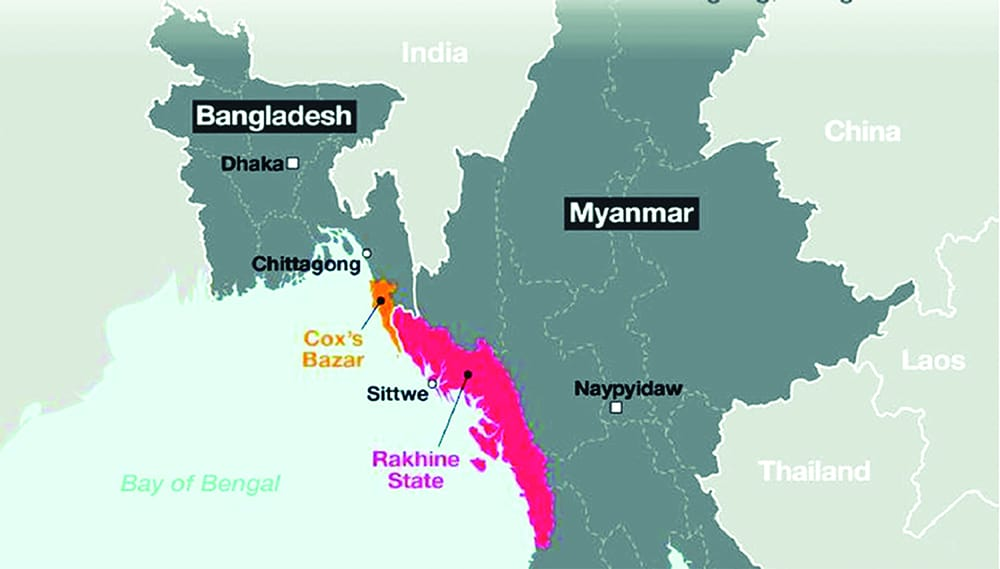
Fast forward seven years, and over 1.2 million Rohingya refugees are crammed into makeshift shelters in Cox’s Bazar, still yearning to return to their homeland with dignity and security—an aspiration that remains elusive.
What began as a noble act of compassion by the former government has morphed into a strategic nightmare. Bangladesh, already stretched thin economically, took the Rohingyas in under humanitarian grounds, building the world’s largest refugee settlement in Cox’s Bazar. But the generosity came with a price. Dhaka’s persistent call for repatriation was meant to be a long-term fix to a short-term crisis. Yet, repatriation remains a diplomatic mirage, complicated further by Myanmar’s internal chaos and the lack of sustained international pressure on Naypyidaw.
The cost of hosting over a million displaced people has proved to be far more than just financial. Bangladesh’s social fabric, national security, and local economies are all feeling the heat. The unceasing flow of refugees has strained border security, while the camps themselves have become breeding grounds for illicit activity. Radical networks have infiltrated the refugee settlements, luring disenfranchised Rohingya youth into drug trafficking, human smuggling, and armed violence. In the past two years alone, nearly 150 violent incidents have been reported within these camps—grim testimony to a growing lawlessness that local authorities are ill-equipped to contain.
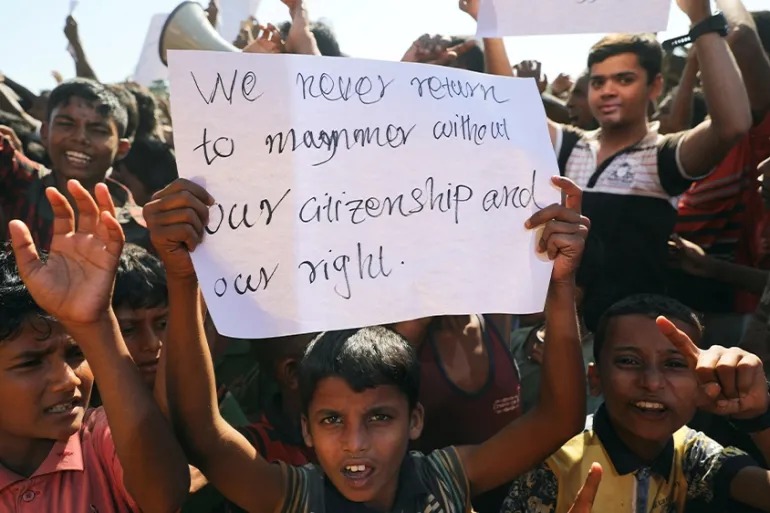
The security lapse extends beyond the refugee camps. Bangladesh’s border dynamics have undergone a worrying transformation. The Arakan Army—a powerful ethnic rebel group fighting Myanmar’s junta—has made significant inroads in Rakhine. With the civil war now reaching the doorstep of Bangladesh, the implications are severe. The renewed fighting in Rakhine has triggered a fresh wave of displacement, with over 120,000 more Rohingyas reportedly crossing into Bangladesh in the last 18 months alone.
This comes at a time when donor fatigue has set in. International aid for Rohingya refugees is dwindling, putting immense pressure on Bangladesh’s limited resources. Moreover, the Arakan Army’s aggressive posturing has not spared Bangladesh either. Incidents of Bangladeshi fishermen being abducted near Cox’s Bazar by the Arakan Army have sparked serious concerns about the integrity of Bangladesh’s already porous borders.
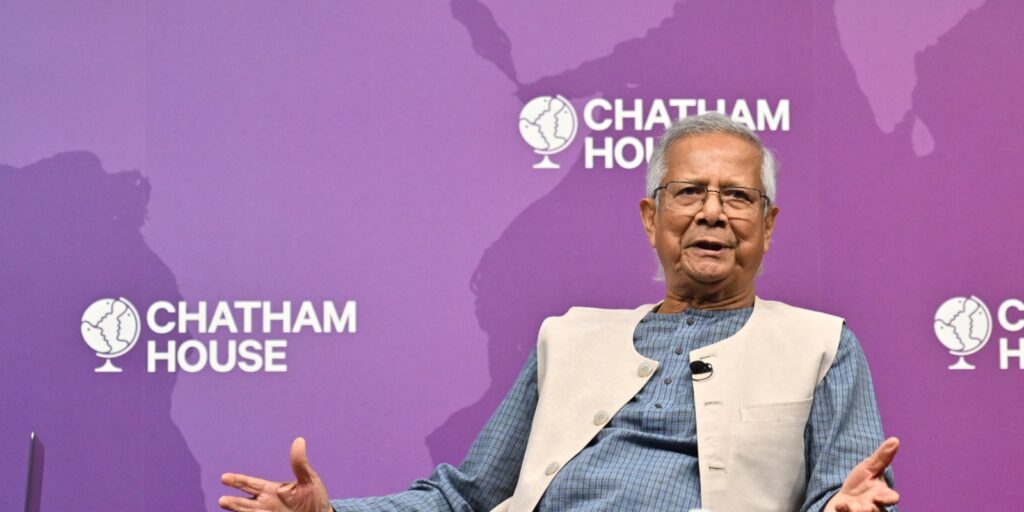
In the face of this multifaceted crisis, the current interim administration led by Dr. Muhammad Yunus has taken centre stage. Since assuming office, Yunus has prioritised the Rohingya issue, intensifying diplomatic overtures to garner international backing for repatriation. In February, Yunus addressed a letter to UN Secretary-General Antonio Guterres, detailing the worsening humanitarian situation and Myanmar’s deteriorating internal order. The UN chief responded with diplomatic optimism, promising support to secure unimpeded humanitarian access in Rakhine and beyond.
The high point of this engagement came in March, when Guterres visited the refugee camps in Cox’s Bazar. During the visit, Yunus and the UN Secretary-General jointly pledged to begin repatriation by the next Eid (this June). It was at this juncture that the idea of a “humanitarian corridor” was floated—allegedly a UN-brokered channel linking Cox’s Bazar to Rakhine to facilitate aid delivery and eventual refugee return.
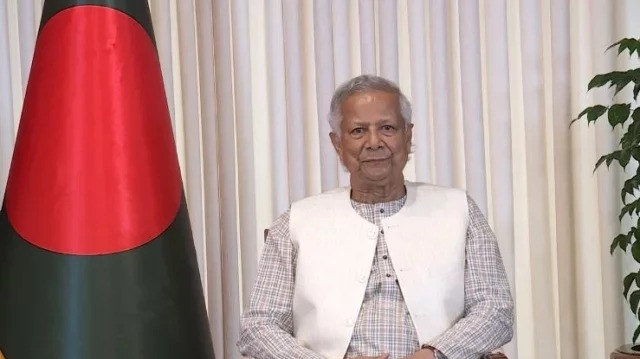
Muhammad Yunus’s popularity is waning as the interim government faces a series of crises, with Bangladesh’s political landscape becoming increasingly complex. This month marks the tenth month since Yunus assumed leadership of the country’s state machinery as the chief advisor of the interim government—formed through the consensus of political parties, civil society, and the military following the ousting of Sheikh Hasina. It was widely expected that the interim government would serve a brief term, similar to previous caretaker administrations, with its primary responsibilities being a) the efficient management of state affairs and b) the facilitation of free and fair elections. In practice, however, the Yunus administration has failed to achieve either objective and has instead undertaken the broader task of state reform through the creation of various reform commissions. Meanwhile, Yunus’s policies and decisions have only exacerbated the challenges faced by the interim government amidst the chaotic conditions that have gripped the nation since 5 August last year. Despite this, Yunus appears to be navigating against the current of the country’s political will. This raises a pertinent question—why is Muhammad Yunus still holding onto office?
Several key developments support this assertion. One such example is the enactment of unconstitutional amendments through the passing of ordinances such as the Cyber Protection Ordinance, amendments to the International Crimes (Tribunals) Act, the Anti-Terrorism Act, and the Enforced Law Ordinance. These ordinances were criticised for being passed unilaterally without any public consultation. More critically, these legislative moves reflect Yunus’s apparent political vendetta—namely, the marginalisation of the Awami League. Two significant developments further reinforce this view: firstly, the deteriorating state of press freedom in Bangladesh, and secondly, the imposed ban on the Awami League.
The Cyber Protection Ordinance, which replaced the stringent Cyber Security Act, was introduced by the interim government with the stated aim of strengthening cyber security. This move followed a period during which press freedom in Bangladesh had been severely eroded under the previous deposed administration. However, the new ordinance has demonstrated a similar tendency to suppress press freedom, as evidenced by the condemnation from rights groups over the revocation of press accreditation for journalists. The retaliatory targeting of journalists critical of Muhammad Yunus and the interim government, documented by the Rights and Risk Analysis Group (RRAG), presents an alarming picture—approximately 640 journalists have been targeted over the past eight months, with 91 reportedly harassed or assaulted in May alone. The charging of journalists with terrorism and other criminal offences—mainly in connection with the July uprising and their alleged ties to the former regime—has been widely criticised as a deliberate effort by the interim government to stifle press freedom. Contrary to the expectations of restored free speech following the July uprising, press freedom remains a critical concern, as highlighted by the latest global ranking from international human rights group Article 19, which categorised Bangladesh as a ‘crisis’ country for freedom of expression.
The amendment to the Anti-Terrorism Act, approved on 11 May, introduced a provision enabling the prohibition of terrorism-related activities by individuals and ‘entities’. Concerns had already emerged that this ordinance would empower the interim government with unchecked authority to suppress political activity, especially given its move to ban the ‘activities’ of the Awami League under pressure from certain political parties. Merely a day after the ordinance’s enactment, the Awami League was officially dissolved—another unilateral measure implemented without public consultation. Though welcomed by parties that had mobilised on the streets demanding this outcome, Yunus’s decision provoked strong international criticism and deepened domestic political divisions, with many viewing it as a violation of democratic norms carried out without due process. The politically driven violence targeting League supporters since Hasina’s departure is well documented, and the ban is seen as a further escalation of such acts under a veil of impunity. These unconstitutional legal interventions have been justifiably identified as the interim government’s erosion of the country’s core human rights and freedoms.
Muhammad Yunus’s proposal in April to establish a humanitarian corridor connecting to Myanmar’s Rakhine region marks the latest instance of his administration’s misjudgement. What distinguishes this issue from previous ones is the rare, unified protest and criticism it drew from all political parties—both established and emerging—arguably the first instance of such consensus since Hasina’s removal.
On one hand, concerns were raised about the geopolitical risks this corridor posed to Bangladesh’s territorial integrity; on the other, questions were directed at the interim government’s unilateral move to propose such an initiative—despite lacking the mandate—without consulting political parties. The proposal also fuelled suspicions that Yunus was favouring the interests of foreign powers at the expense of national sovereignty. Not only political parties, but even the Bangladesh Army expressed disapproval, further highlighting widening tensions with the interim government. The Army Chief firmly rejected the idea of any such “bloody corridor” and instructed Yunus to hold elections by December, prompting the interim government to ultimately withdraw the proposal.
The issue of elections has emerged as the most prominent point of contention against the Yunus administration. The intentional postponement of the national election has not only fuelled divisions among political parties but also hindered meaningful progress in the statebuilding process. Although the interim government initially announced national polls could be held by December 2025, the subsequent extension of the timeline to June 2026 has sparked suspicions and fears that Yunus is deliberately attempting to cling to power. The absence of a clear electoral roadmap—despite repeated requests from political parties—has intensified concerns that the interim government may further delay elections until the following winter. The political impartiality of the interim administration is increasingly under scrutiny, with many viewing Yunus as favouring the newly formed National Citizen’s Party (NCP), and suspecting that the postponement of the elections is a calculated strategy to give the NCP a strategic advantage in the forthcoming vote.
However, the broad consensus among political parties on the urgency of holding early elections—despite their ideological differences—signals a notable shift in the political landscape: time appears to be running out for Muhammad Yunus. The current political climate stands in stark contrast to last August, when Yunus was invited to lead the interim government. The people of Bangladesh are now demanding elections, seeking to exercise their democratic rights and facilitate a smooth political transition. It seems the chief advisor may have grown too accustomed to the power he holds and is now making desperate efforts to remain in office.