
Recent attacks on Hindu minorities in Bangladesh — including arson, lynchings and threats tied to unverified blasphemy claims — have reignited debate over whether such violence is sporadic or part of a deeper, structural pattern rooted in decades of social, legal and political trends. Rights groups, community leaders and researchers point to a series of recurring incidents that suggest longstanding vulnerabilities for Hindus in the Muslim‑majority nation. The most recent high‑profile case involved the lynching of a Hindu garment worker in late 2025, when coworkers accused him of blasphemy without substantiated evidence. The fatal mob attack sparked protests, diplomatic concern and renewed scrutiny of how religious minorities are treated during periods of political turmoil and social tension. Advocates and analysts argue that these events are not isolated but reflect broader historical patterns of communal violence and discrimination that have periodically erupted, especially during political transitions or when allegations of religious offence circulate in local communities.
In multiple incidents throughout 2025, attackers targeted homes and properties of Hindu families, sometimes issuing threats and warning banners alleging “anti‑Islamic activities.” In one case in the Chattogram region, attackers set fire to a Hindu household after issuing threatening notices in the area, forcing the family to flee for safety. Rights observers describe such episodes as more than random criminality and stress how religious prejudice can escalate quickly into mass violence in poorly policed settings. Historical data underline that Hindu communities in Bangladesh have faced waves of violence over decades, with documented attacks during and after the country’s independence in 1971, repeated post‑election unrest in the early 2000s, and communal tensions tied to religious controversies. Analysts note that violence has not been limited to physical assaults; reports also include destruction of temples, displacement of families and persistent fears of marginalisation among minorities.
Scholars and demographers highlight long‑term demographic changes that have reduced the Hindu share of Bangladesh’s population over several decades, driven in part by economic distress, social discrimination and repeated waves of communal unrest. Some academic estimates suggest that millions of Hindus left the country between the 1960s and early 2010s because of persecution and insecurity, contributing to a steady decline in the community’s proportion of the total population. Legal and constitutional developments have also played a role. Bangladesh’s declaration of Islam as the state religion in the late 20th century, along with historical property laws that disproportionately affected Hindu owners, are cited by commentators as factors that reinforced the community’s political and economic marginalisation.
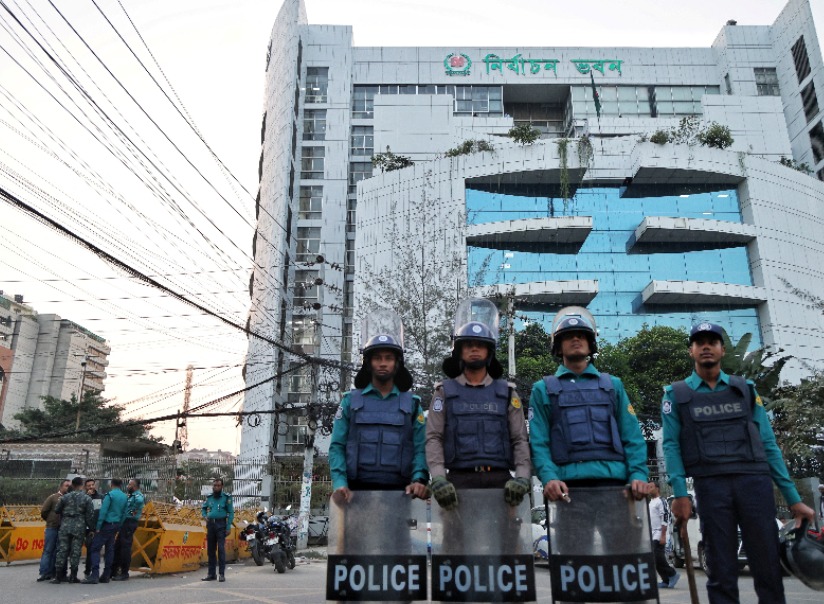
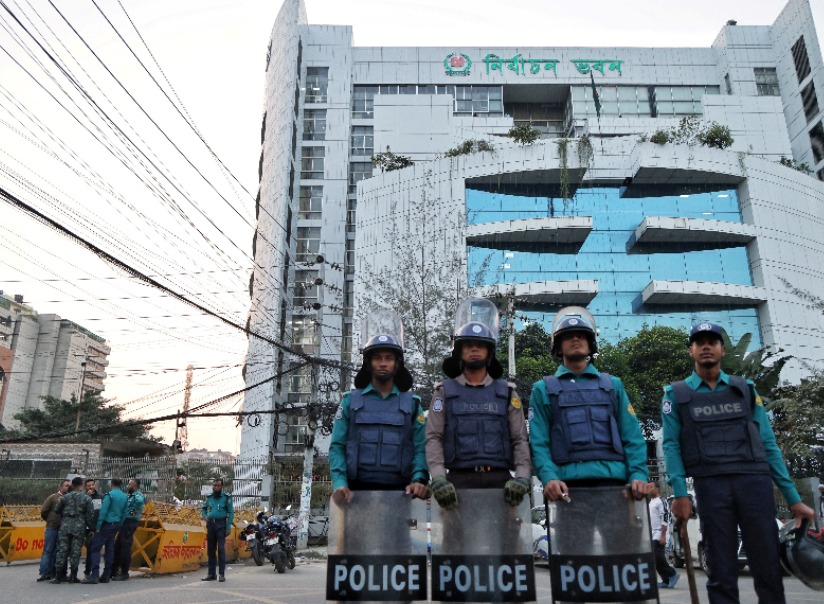
The Bangladeshi interim government and security officials have at times rejected characterisations of systematic persecution, framing recent incidents as politically motivated conflicts or isolated criminal acts rather than evidence of broader communal targeting. Officials contend that police and judicial processes are addressing violent cases and that overall social harmony remains a priority. This narrative contrasts with accounts from some rights groups and international observers who see patterns of violence that disproportionately affect Hindus during periods of political instability or heightened social tension.
The issue has also strained diplomatic ties, with protests in neighbouring India calling for protection of Hindu minorities and strong remarks from Indian officials about the safety of communities across the border. Some political activists and civic groups in the region argue that recurring violence against Hindus threatens not only individual safety but also cultural heritage and pluralistic values. At the same time, voices within Bangladesh call for greater protection of minority rights, improved law enforcement responses and constructive dialogue to prevent future outbreaks of violence.
Analysts emphasise that understanding the nature of violence — whether episodic or structural — requires consideration of both recent events and long‑term historical dynamics. While immediate triggers for attacks often involve local disputes or unfounded religious accusations, the frequency and distribution of such incidents over decades suggest persistent vulnerabilities rooted in legal frameworks, social attitudes and political transitions. As Bangladesh prepares for national elections and continued social change, the debate over whether violence against Hindus is an anomaly or part of enduring structural pressures is likely to remain central to discussions on minority rights, national identity and democratic development.