
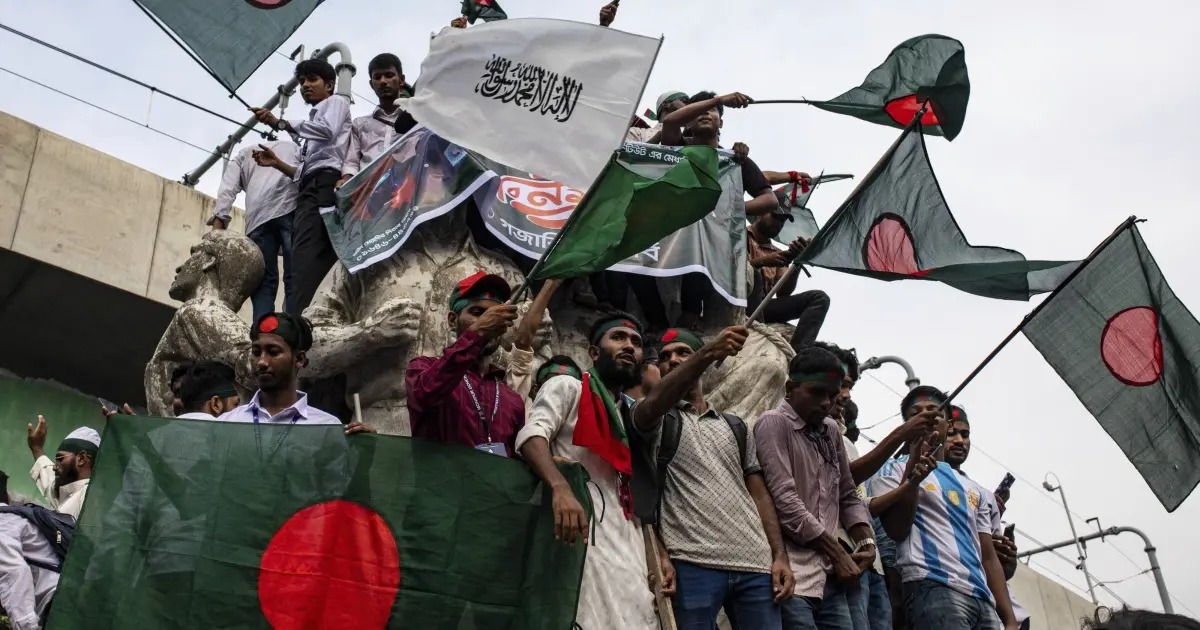

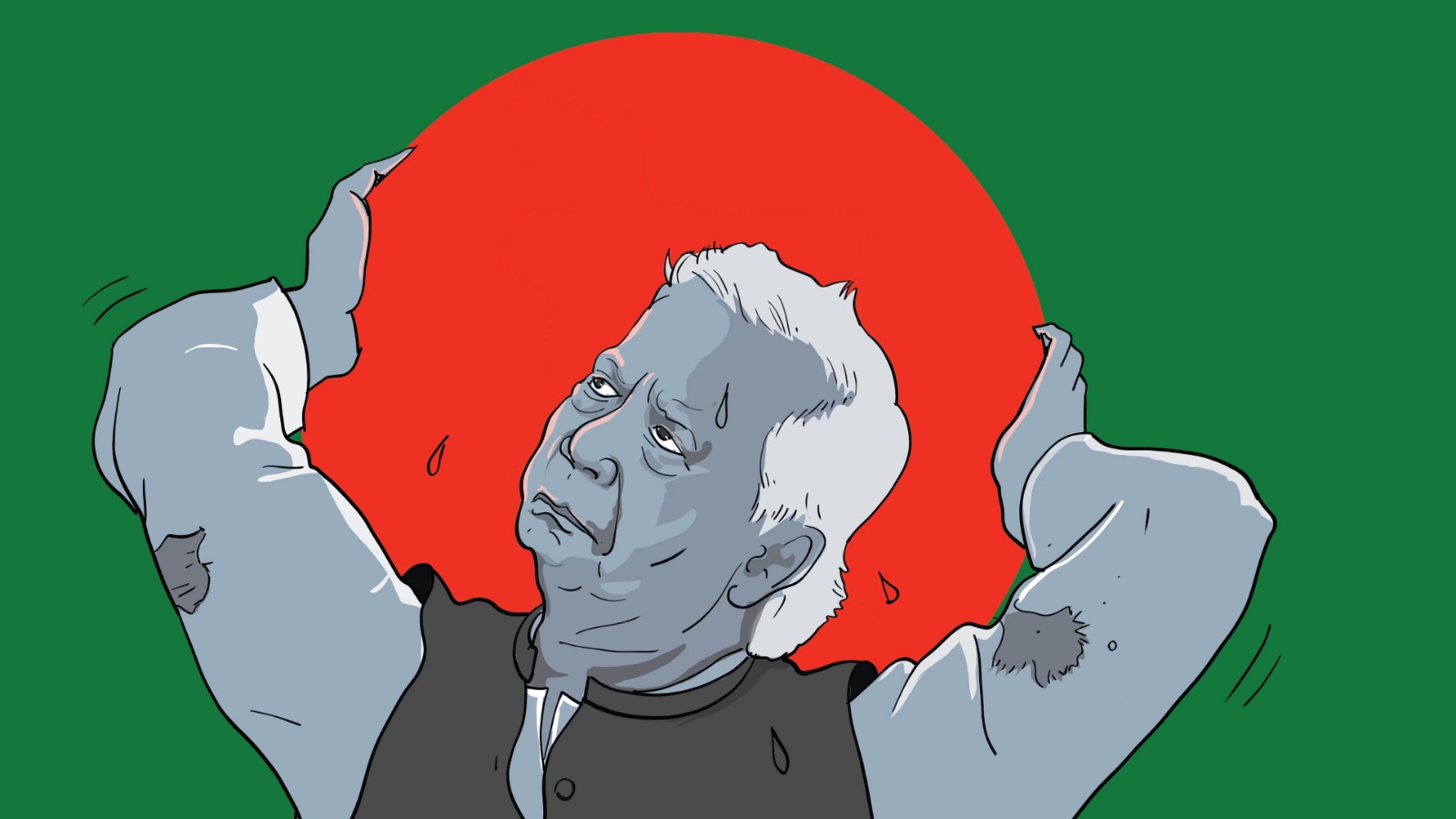
Bangladesh’s ultimate goal of forming an Islamic Revolutionary Army goes beyond internal consolidation and aims to position the country as a strategic outpost for transnational jihadist operations – serving Pakistan’s geopolitical interests and silencing secular voices, a report cited on Wednesday. It mentioned that by forging alliances with Islamist elements and portraying them as “grassroots defenders”, the regime led by Muhammad Yunus seeks to weaken the Bangladesh Army – the last standing national institution capable of resisting radical influence.
“A grave and coordinated conspiracy is unfolding within Bangladesh. Behind the façade of political rhetoric and ‘anti-discrimination’ activism, the regime of Muhammad Yunus has embarked on a project that could ignite the most serious security crisis in South Asia since the rise of the Taliban,” a report in leading Bangladeshi outlet ‘Blitz’ has detailed. Citing multiple sources – including regime insiders, social media disclosures, and intelligence leaks- the report indicated that an Islamic Revolutionary Army (IRA) is being formed to supplant the Bangladesh Army with an ideologically driven militia loyal to Yunus and his Islamist allies.
“This so-called ‘Islamic Revolutionary Army’ is not a mere political stunt or student enthusiasm. It represents a dangerous convergence of radical Islamism, foreign intelligence collusion, and calculated efforts to militarise civilian networks. The consequences, if unchecked, could transform Bangladesh from a moderate Muslim democracy into a launchpad for jihadist expansion across South Asia,” it stressed. According to the report, in a stunning revelation on his social media platform earlier this week, Asif Mahmud Shojib Bhuyain – “an influential as well as controversial” advisor to the Yunus regime – publicly announced the recruitment and training of 8,850 individuals across seven training centres in Bangladesh.
He outlined the programme, stating that trainees would undergo martial arts, judo, taekwondo, and firearms instruction. Hours after the post, the screenshots went viral before disappearing. Citing sources within Dhaka, the report confirmed that this marked only the first phase of a larger plan with five successive batches of 8,850 recruits each set to complete training by January 2026. “The recruitment process reportedly includes written, viva, and physical tests — all overseen by retired Bangladeshi officers with strong pro-Pakistan leanings, alongside covert representatives of Pakistan’s Inter-Services Intelligence (ISI) and Turkey’s Milli İstihbarat Teskilati (MIT),” it highlighted.
“Bangladesh’s civil society, its remaining independent journalists, and the patriotic factions within the military must act before it is too late. Once a revolutionary army rooted in ideology replaces a professional army bound by the constitution, Bangladesh will no longer be a sovereign republic – it will be a caliphate in disguise,” the report noted.
–IANS
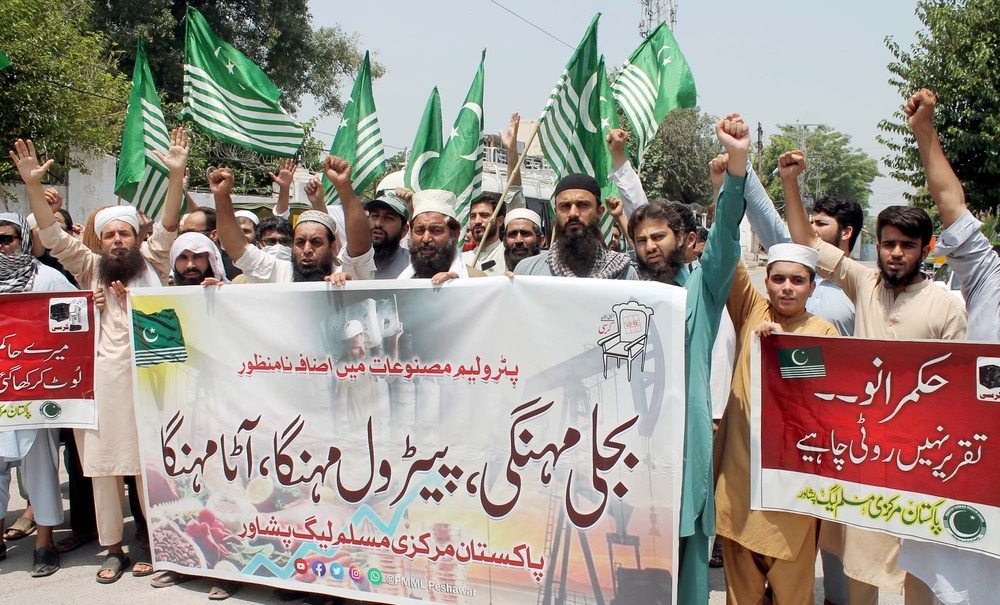
– Arun Anand
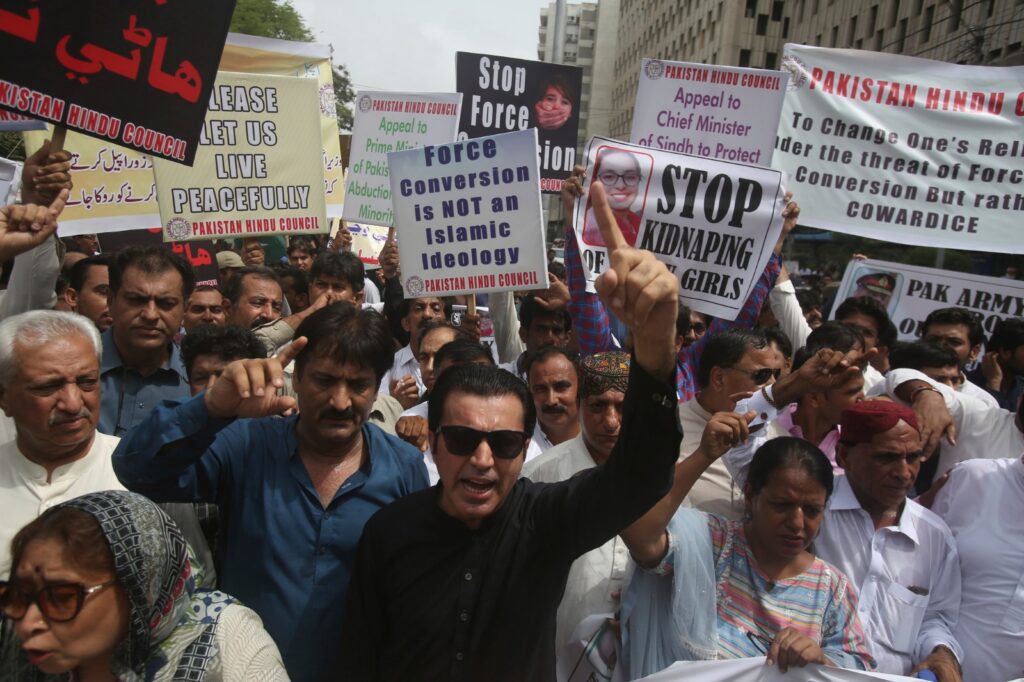
The Global Hindu Temple Network (GHTN) in America has recently released a report highlighting that two major global institutions — the World Bank and the International Monetary Fund (IMF) — have violated their own stated guidelines when it comes to dealing with Pakistan. According to the report, minor girls and women from Pakistan’s minority communities, particularly Hindus, Christians, and Sikhs, continue to face systemic abduction, coerced religious conversion, and forced marriage.
UN Special Rapporteurs, international NGOs, and some local Pakistani groups consistently estimate that the actual number of gender violence cases against minority girls would be around 1,000 cases per year — a figure many observers still consider underreported due to systemic barriers to filing complaints, fear of retaliation, and police inaction.High-profile cases, such as that of Mehak Kumari, 15-year-old Hindu girl, who faced threats of beheading from clerics after reporting a coerced conversion, illustrate the severe risks minority girls and their families encounter, according to the GHTN report.
On December 29, 2023, the U.S. Secretary of State redesignated Pakistan as a “Country of Particular Concern” (CPC) under the International Religious Freedom Act, citing the country’s engagement in or tolerance of particularly severe violations of religious freedom. This designation underscores that the international community regards these abuses including widespread forced conversions, coerced marriages, and abductions of minority girls as not only systemic but severe.
The US Commission on International Religious Freedom (USCIRF) 2025 report again recommended Pakistan to be designated as a “Country of Particular Concern”, urging redesignation and sanctions for systematic violations. Pakistan ranks low on global indices, such as 153 out of 156 on the 2021 Global Gender Gap. It is considered the fourth most dangerous country for women due to high rates of violence.
With recent cases including the abduction of a 14-year-old Christian girl in Sialkot, the forced conversion and marriage of a 15-year-old Christian girl to a 60-year-old man after months of police inaction is striking and underscores systemic abuse. Such abuses are becoming more rampant especially in the case of Hindus. Take the case of abduction of four Hindu siblings in Sindh.
According to Global Forum of Communities Discriminated on Work and Descent (DFOD), on June 19, 2025, four Hindu children — Jiya (22), Diya (20), Disha (16), and Ganesh Kumar (14) — were abducted from their home in Shahdadpur, Sanghar District of Pakistan. Within 48 hours, videos began to circulate online showing them reciting the Kalma. Their names were changed.
Their identities erased. Their supposed “conversion” to Islam was celebrated by religious hardliners as a victory while the family, and the wider Hindu community, was left devastated.
According to DFOD, this isn’t just an individual case, it is a continuation of an unchecked crisis: the abduction, forced conversion, and exploitation of minority girls and boys in Pakistan, particularly in Sindh, where over 90 per cent of the country’s Hindu population resides.
Patterns of Atrocities
The GHTN report has identified the patterns of the abductions and conversions of the minority girls. Between 2022-2025, “more than 1,000 minor girls of religious minorities are abducted, forcibly converted, married off to strangers, and often trafficked after a few years of abuse. Hindu and Christian girls, often between 12 to16 years old, remain the primary victims. Sikh families have also reported abductions, indicating the practice cuts across communities. Human Rights Commission of Pakistan, United Nations entities, and several human rights organisations have confirmed the persistence of this pattern”.
The report further revealed another pattern: “Victims are typically abducted by older men, often neighbours or local community members. After abduction, the girls are taken to mosques/madrasas/clerics where coerced ‘conversion’ is registered. Marriage certificates are fabricated or issued despite underage status, in violation of child marriage laws. Families who seek justice face intimidation; cases are delayed or dismissed.”
Weaponisation of Islamic laws
Pakistan’s Constitution and legal system prioritise Islamic conformity over minority protections. Courts often validate conversions and marriages of underage girls, citing religious justifications. Efforts to criminalise forced conversions remain blocked by political and religious opposition. Police frequently refuse or delay registration of First Information Reports (FIRs). Courts rely on claims of “voluntary conversion”, disregarding child protection laws. Political reluctance to advance reforms has left protective legislation stalled.
Violation of Guidelines by IMF & World Bank
The GHTN report has raised a pertinent issue about the World Bank and IMF violating their own gender policies by ignoring gender-religion-ethnicity based violence against minor girls and women of religious minorities. Since 2020 the World Bank has given loans worth $14 billion for 66 social welfare projects in Pakistan but has not even mentioned the violence and denial of access and opportunities to these helpless minority girls. In the same period IMF has lent about $13 billion to Pakistan without raising the issue of gender-based violence against religious minorities. The GHTN report has recommended creation of a sub-category of ‘minority inclusion’ for international financial institutions (IFIs) to flag and track gender justice in all lending activities to Pakistan. There should be specific staff positions in the country offices of these institutions dedicated to track and monitor atrocities against minority girls. They should also track access to education and health for religious minorities especially girls and women. This could be a shared resource for the IFIs. The World Bank has done this for the Roma ethnic group in Europe and has experience and expertise to do it.
– Arun Anand
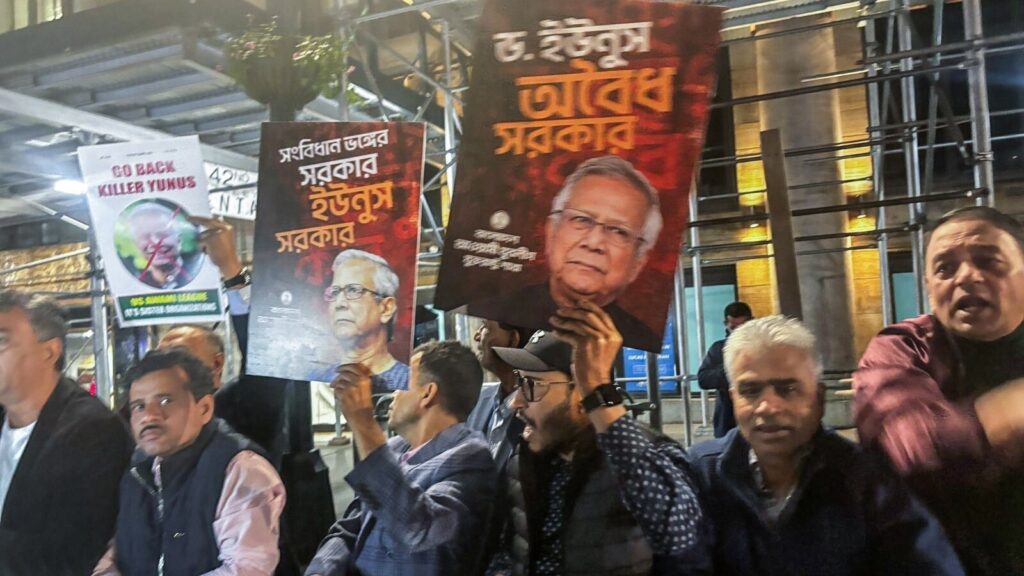
The interim government, which has been in power for over a year, is now grappling with a credibility crisis as political parties question its neutrality and its ability to ensure free and fair elections in the upcoming national polls scheduled for February.
Formed under the leadership of Muhammad Yunus following Sheikh Hasina’s ouster last year, the interim administration was projected as a corrective force meant to dismantle the remnants of authoritarianism in the country. Its key responsibilities were to restore stability, implement crucial reforms, and oversee a transparent democratic transition. Yet, it has failed on all these fronts. The initial perception of the interim government as a righteous alternative has eroded, exposing an even deeper democratic deficit than before.
Recently, six international human rights organisations have addressed a letter to Muhammad Yunus, the interim government’s chief advisor, urging his government to take concrete measures to prevent further human rights violations and to advance reforms process to uphold the country’s human rights. Two pressing issues addressed in the letter deserve our attention, for these highlight the failures of the interim government—the arbitrary arrests and detentions of journalists and politically motivated attacks on Awami League members.
Press freedom has been a longstanding concern in Bangladesh, partly due to the country being under prolonged military rule and the failure to reforming media even after restoration of civilian government in 1990. It is well established that press faced unprecedented censorship previously whereby any criticism against the government in power has been stifled. While the media in Bangladesh hoped to see a new dawn of freedom after 2024 July Uprising, the reality, however, remains concerning. In an eerily similar way like its predecessor, the interim government continues to target journalists in Bangladesh, via harassment, intimidation, physical attack (including murder) and detention.
Labelling any voice of dissent and criticism as “collaborators of fascist Awami League government” has become the interim government’s most used tool of repressing media freedom. The mob attack on speakers inside Dhaka Reporters’ Unity, and detention of 16, including journalist Monjurul Alam Panna under anti-Terrorism Act has been widely criticised as Bangladesh’s growing culture of intimidation and impunity since the past year.
According to the World Freedom Index, Bangladesh’s press freedom was classified as “very serious”, noting that over 130 journalists have been subjected to ‘unfounded judicial proceedings’, especially on charges of ‘crimes against humanity’ and ‘murder’. As per Rights and Risks Analysis Group (RRAG) report, in the first eight months of Yunus-led interim government, about 640 journalists have been targeted, which includes 182 journalists being filed under criminal cases, 206 journalists being filed under acts of violence, and cancellation of press accreditation of 167 journalists.
The first half of this year witnessed 266 journalists being implicated in cases related to July Uprising, and about 50 media organisations in the country being impacted on the same accusation. Dhaka-based Human Rights Support Society (HRSS) also reported the ‘alarming’ human rights situation in Bangladesh, noting that 340 journalists have been victims of murder. Human Rights Watch in its October report, too, accused the interim government of abusing recent amended Anti-Terrorism Act to target political opponents, including academics and journalists, and stuff them in prisons.
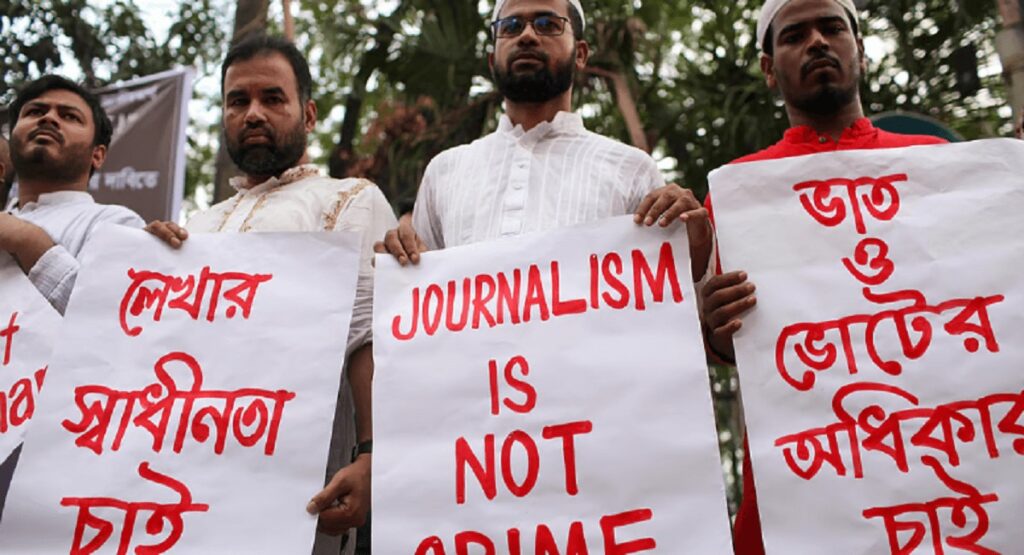
Bangladeshi Journalists in International Media (BJIM) also claimed that attacks on journalists reported in different districts allegedly involve local miscreants and even law enforcement agencies while the administration has taken no visible steps yet. The declining state of press freedom in Bangladesh remains a challenge to the country’s democratic transition.
For the interim government, the journalists are not the only opponents slapped with terrorism charges. The main target of its wrath has been members and loyalists of the Awami League.
Post-Hasina Bangladesh witnessed a paradigm shift of its historical narrative—from Sheikh Mujibur Rahman’s legacy to the history of Liberation War itself. Moreover, moments after Hasina fled Bangladesh, the country succumbed to a compromised law and order situation, where mobocracy emerged as new normal. Instead of restoring stability, the interim government exhausted all its efforts in ostracizing Awami League. From army, judiciary and police force, educational institutions, all League loyalists were first replaced or forced to resign.
The government also became a bystander to the surge in mob attacks on those alleged to be League loyalists (including, the religious minorities), justifying these attacks as “political”. Every act of vandalism, including the despicable demolition of 32 Dhanmondi, was also labelled as “act of provocation” by outsiders. Instead of arresting the perpetrators, the interim government launched Operation Devil Hunt, arresting as many as 18,384 people across Bangladesh, mostly those affiliated with the Awami League and Chhatra and Jubo League.
This witch-hunt started much before Awami League was officially banned this May following the amendment of Anti-Terrorism Law. The ban received criticisms from international rights organisations—Human Rights Watch, United Nations and Amnesty International—as a partisan act that risk repressing political pluralism which also undermine the country’s reform process.
The Human Rights Watch deputy Asia director accused the interim government of being more stuck on juggling an unreformed security sector, violent religious hardliners and political groups seeking vengeance on Hasina supporters than protecting the rights of Bangladeshis. The report also noted the interim government’s pattern of mass arrests and arbitrary detention of hundreds of League supporters misusing its amended Anti-Terrorism Law, slapping them with baseless charges and denying the detainees with proper medical care and bail.
The Freedom House reported that while the interim government lifted restrictions on major political parties that opposed the Awami League, restrictions increased on former ruling party. Leaders of Awami League were arrested on alleged crimes based on skewed evidence. The ban on the party, the cancellation of its party registration at the Election Commission along with the continues witch-hunting on League and its allies via amendment of legislative measures have not only hindered the activities of Awami League but also identified as the interim government undermining fundamental freedoms.
Notwithstanding Yunus and his other adviser’s persistent denial of worrying human rights track, rights organisations—both national as well as international—have been noting the hypocrisy of following the same ‘fascist’ path against which it was established in the first place. It is now evident that Muhammad Yunus is only using its political powers to seek political vendetta against Awami League and Sheikh Hasina, his old opponents.
Now with just the players change, democracy is taking a backseat, while mobocracy, culture of extortion, religious extremism and political violence—all sustained via the interim government’s human rights violations—are ruling Bangladesh’s political culture. Amidst this, the chances of a free and fair election, a just and inclusive democratic transition feel slim.
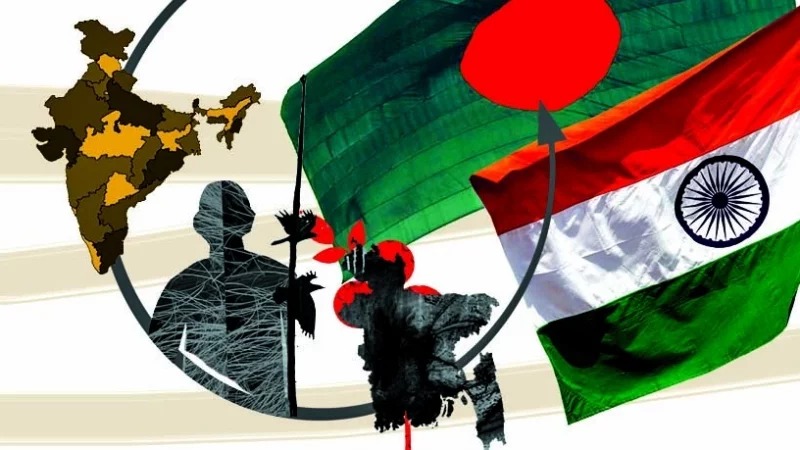
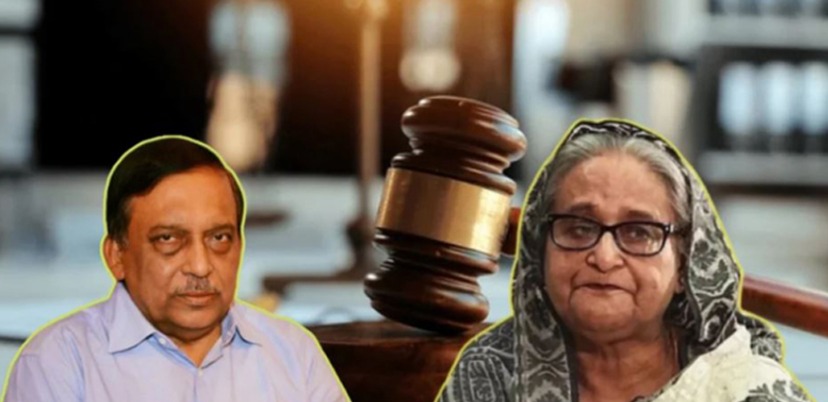
The partition of India has been described by historians as a great misfortune of human civilization. In his book ‘Guilty Man of Partition of India’, Dr. Ram Manohar Lohia argues that the leaders responsible for the partition of India were arrogant, conceited and ambitious. South Asia is still reeling from the aftermath of partition. Bengali Muslims, who accepted Pakistan as Muslims, launched a revolution under the leadership of Sheikh Mujibur Rahman to create Bangladesh for their language, culture and identity. At that time, Pakistan was widely supported and assisted by America and China. India, which was defeated by China in 1962, was isolated from China and America after defeating Pakistan in 1965. Pakistan’s military rulers did not spare any brutality to suppress the movement led by Sheikh Mujibur Rahman. Three million Bengalis were martyred in the eight-month movement. Pakistani soldiers raped three hundred thousand Bengali women to change the Bengali language.
In the history of human civilization, no military force in the world has shown such ruthlessness and brutality. Due to the growing movement, India was forced to feed the Bengali refugees. In the 70s, India received the excellent leadership of Indira Gandhi. Indira Gandhi was a skilled player in diplomacy. She mobilized the Indian army to support the Mukti Bahini soldiers. At that difficult juncture in history, America and China did not hesitate to threaten India.
US President Nixon did not just advocate for Pakistan but also sent a warship with nuclear capabilities to the Bay of Bengal. Similarly, China also used the word war to invade India from the Himalayan region. That was a difficult situation for Indira Gandhi. She traveled to the Soviet Union and succeeded in signing a peace treaty with the Soviet Union in 1971. According to the terms of the treaty, the clause on the invasion of India stated that Soviet Russia would fight alongside India. Due to the aftermath of the peace treaty with Soviet Russia, American pressure and Chinese threats became self-evident. In other words, Indira Gandhi succeeded in becoming the midwife of Bangladesh. Bangladesh was born on the basis of culture. The song written by Rabindranath Tagore became the national anthem of Bangladesh.
In Bangladesh, which was built on the concept of a secular and inclusive society, Sheikh Mujibur Rahman was martyred along with his family in 1975 after being targeted by extremists. Sheikh Hasina was able to save her life because she was in Germany. Over time, she took refuge in India. After 1975, it seems that the rule was in the hands of extremists for a long time. Bangladeshi society is divided into two parts, the Ashraf and the Atarf. The Ashraf community has a large population and this community seems to support inclusiveness and secularism, while the Atarf seems to stand in favor of Islamization and Sharia law. After 1975, the Jamdani rebellion was again in favor of secularism in 1989. In other words, Bengali nationalism seems to have become strong again and managed to hold power for a long time. However, from 2001 to 2006, extremist forces like the BNP and Jamaat-e-Islami succeeded in making Bangladesh a victim of backwardness.
From 2006 to 2008, the nationalist movement in Bangladesh, especially under the leadership of Sheikh Hasina’s party, became successful. Bangladesh began to draw up a roadmap for modernization. In 2012, the movement took shape, taking the decision to transform Bangladesh’s economy under the leadership of Sheikh Hasina. With the arrival of Sheikh Hasina, there was a major change in foreign policy. Resolving the border issue with India was a major success of Bangladesh’s foreign policy. Due to Sheikh Hasina’s strong leadership, Bangladesh became one of the fastest growing economies in South Asia. By importing raw materials from India, Bangladesh succeeded in making a leap in the textile sector in Europe and America.
Bangladesh was able to benefit more from the heat and heat of globalization and open economy. Bangladesh’s modernization journey was not digestible even by America. Due to the geopolitical structure of Bangladesh, America wanted to keep its footprint in Bangladesh, Saint Martin Island. The American base campus on Saint Martin Island was sponsored by the American goal of observing Chinese activities in Myanmar. Sheikh Hasina did not have American conditions. Against this background, an uprising began in Bangladesh with the alliance of America and Pakistan and the goodwill of China. This uprising turned into an explosion. Sheikh Hasina’s working style was also different. Hasina also abused her power to rein in the radicals and suppress the opposition. On August 5, 2024, Sheikh Hasina managed to escape from Bangladesh and took refuge in India.
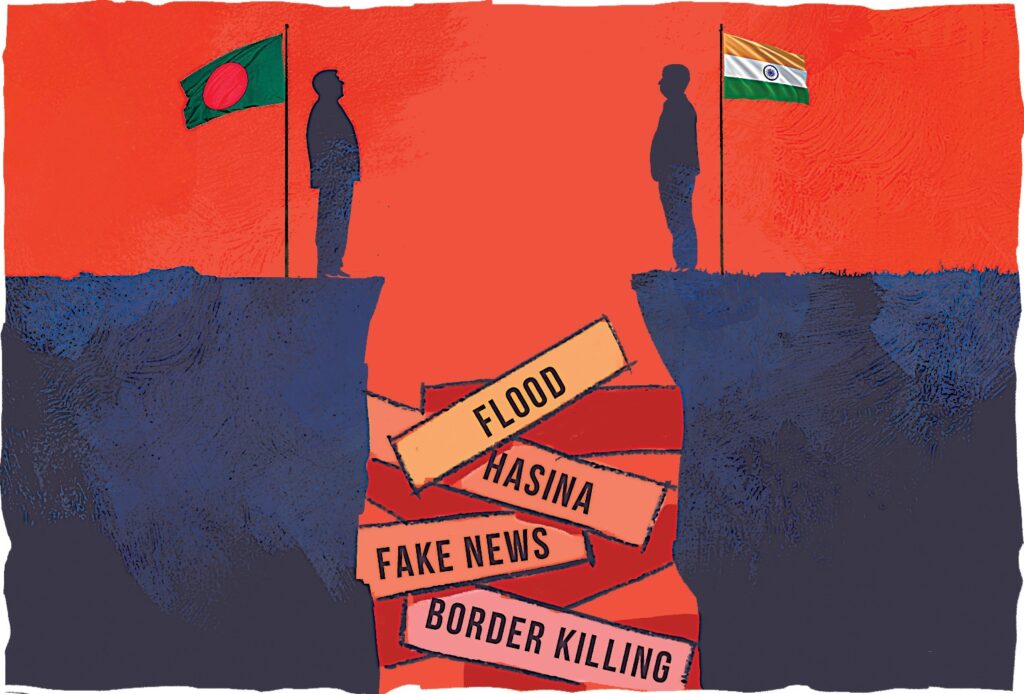
During this long period, the Hindu community of Bangladesh became a scapegoat. The Hindu community had the largest investment in Bangladesh’s textiles. After the Hindu community became the target of radicalism, the textile system was completely destroyed. During the leadership of Bangladesh under Nobel Prize winner Mohammad Yunus, the alliance between Bangladesh and Pakistan seems to have fully increased. Recently, a Bangladeshi court has sentenced Sheikh Hasina to death, and Bangladesh seems to have started diplomatic efforts to pressure India to extradite Sheikh Hasina, who has taken refuge in India.
Bangladesh’s security advisor, who is visiting India, has placed Indian security advisor Ajit Doval in Bangladesh’s favor. Although there is an extradition treaty between India and Bangladesh, its articles 6 and 7 state that the extradition treaty will not be applicable to political charges. Despite the deep influence of the Awami League in Bangladesh, there is silence in civil society due to the rampant extremism. Experts believe that the Hindu community will again be targeted by terrorists in the region where Sheikh Hasina was installed as the protector of the one crore Hindu community, which has had a great impact on the lives of the people of Bangladesh. Experts believe that Bangladesh may become like Afghanistan in the region where the chemistry between Bangladesh and Pakistan has dissolved.
In this sense, international powers and human rights activists have appealed to India not to extradite Sheikh Hasina. It does not seem appropriate to extradite Sheikh Hasina on the basis of democratic values. Since Bengali society is strong in terms of civilization, culture and literature, Bangladeshi society has the ability to defeat extremism. It can be estimated that the Awami League will regain power in the region where democracy is established in Bangladesh. In this sense, it does not seem appropriate to stand under any diplomatic pressure, keeping in mind the broader interests of South Asia. Modi should consider the example of Indira Gandhi and pursue a strategic policy with Bangladesh.
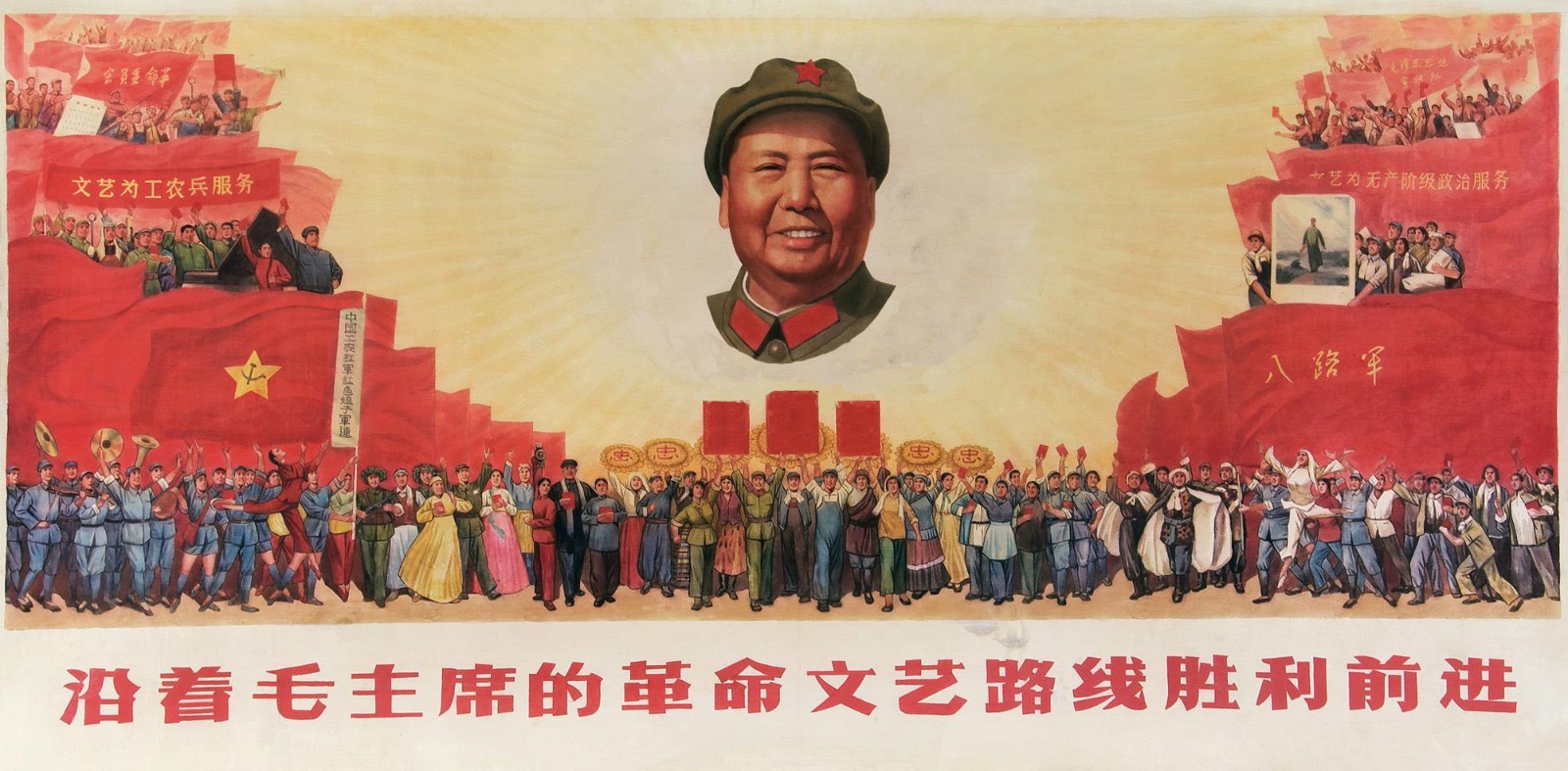
In 2016, Chinese President Xi Jinping delivered a notable speech advocating for the ‘Sinicisation’ of religions in China, essentially demanding that religious leaders and institutions strictly conform to state or party ideology—namely, socialism. Since then, the Chinese Communist Party (CCP) has implemented a wide array of legislative, bureaucratic, ideological, and technological measures to ensure that all forms of religious expression fall under its political control.
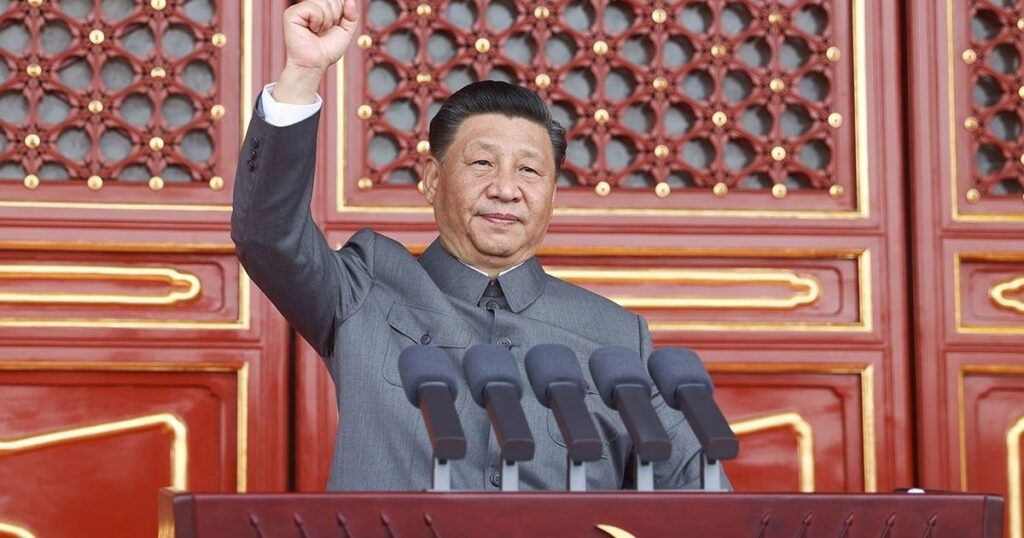
Those failing to comply have faced persecution and prosecution. Most recently, the CCP introduced regulations, effective from 1 May, which bar foreign missionaries from preaching or establishing religious organisations without explicit party approval. This development is part of a broader trend in Chinese governance, wherein any foreign involvement in religious matters—or domestic religious activities not aligned with party ideology—is framed as a national security threat, thereby leveraging nationalism to justify religious repression.
According to an official white paper published in 2019, China had approximately 200 million religious adherents. The majority were Tibetan Buddhists, with 20 million Muslims, 38 million Protestant Christians, and 6 million Catholic Christians. The CCP’s repressive policies towards Tibetan Buddhists and Uyghur Muslims in Xinjiang are extensively documented, with some United Nations member states describing the latter as ‘crimes against humanity’. The People’s Republic of China’s pervasive surveillance, the imposition of forced labour camps and ideological indoctrination centres disguised as ‘vocational training schools’, widespread imprisonment and torture, demographic manipulation, destruction of religious sites, and systematic cultural erasure have all attracted significant international criticism. Nevertheless, what is often overlooked by global human rights organisations is the more subtle deployment of legal mechanisms by the state to undermine and criminalise independent religious practices, all under the pretext of nationalist rhetoric.
Article 36 of China’s constitution guarantees citizens the right to freedom of religious belief, yet it tempers this by specifying that the state will safeguard only ‘normal religious activities’ and will not permit ‘foreign forces’ to exert influence over religious affairs.
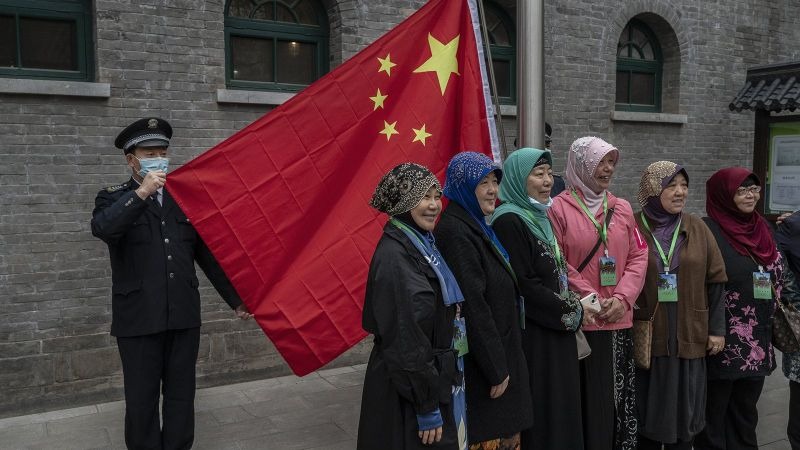
In 2015, the government enacted the National Security Law (NSL), similarly ambiguous in its language, which covered a broad spectrum of areas and required officials, corporations, organisations, and private individuals to collaborate with the CCP on ‘national security’ issues. The suite of legislation under this framework redefined national security to encompass not just military concerns but also economic, social, and cultural dimensions. The law’s sweeping suspicion of foreign connections, especially regarding religious and cultural activities, legitimises state-led repression of religious groups considered untrustworthy by the party. This securitised approach, which interprets genuine spiritual beliefs and associations as acts of political subversion, poses a significant threat to communities such as Christian churches—often dependent on international networks for guidance and support—and the Uyghurs, whose spiritual and cultural links to Central Asia span centuries.
A series of directives issued since the NSL’s adoption in 2015 and Xi Jinping’s advocacy for the ‘Sinicisation of religion’ have institutionalised rigorous and closely monitored adherence of religious practices to CCP doctrine. Significantly, in 2018, the National People’s Congress and the Chinese People’s Political Consultative Conference (CPPCC) consolidated the oversight of several agencies responsible for religious affairs into more centralised entities. For example, the Three-Self Patriotic Movement, the China Christian Council, and the State Administration for Religious Affairs—which had previously somewhat mitigated the state’s absolute control over Christian activities—were placed under the authority of the United Front Work Department.
In 2020, the National Security Law was extended to Hong Kong, a region previously insulated from the CCP’s ‘Sinicisation’ policies due to the protections afforded by the Basic Law and the ‘one country, two systems’ framework. Over the subsequent five years, Hong Kong has experienced a concerted suppression of independent religious activities, including the raiding of churches, harassment of clergy, and the seizure of religious materials. The year the legislation was imposed on Hong Kong, authorities targeted the Good Neighbour North District Church for its support of pro-democracy demonstrators, conducting a raid and freezing the bank accounts of the church’s charitable arm, its pastor, and his spouse.
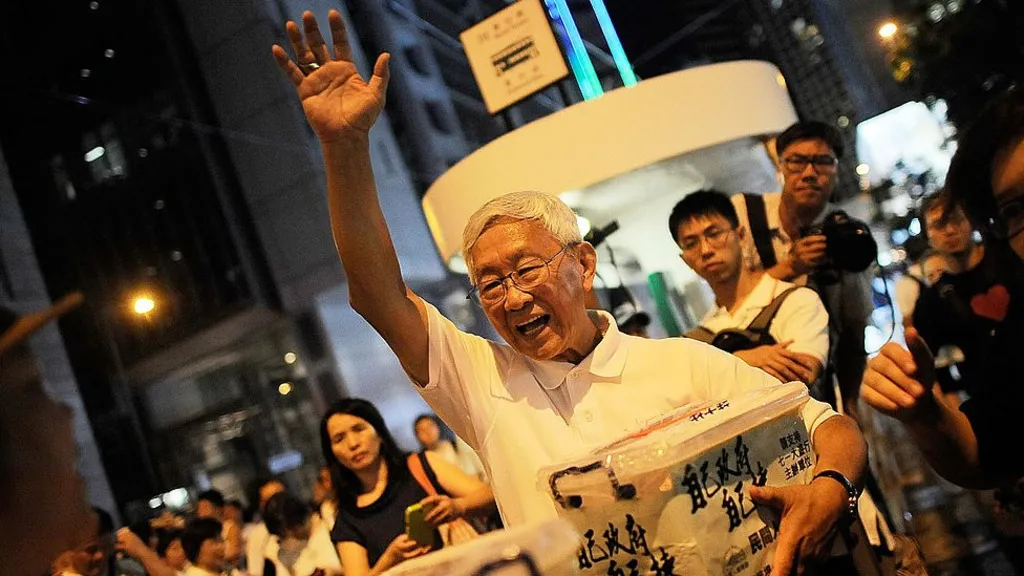
Likewise, in 2022, Catholic Bishop Emeritus Cardinal Joseph Zen was detained under the National Security Law, accused of ‘collusion with foreign forces’ due to his role as trustee of the 612 Humanitarian Relief Fund. This Fund provided financial assistance for the legal and medical needs of individuals involved in the widespread 2019 pro-democracy protests in Hong Kong. Cardinal Zen had also openly criticised a 2018 agreement between the Vatican and China, which purportedly allows the Pope to select bishops for China’s Roman Catholic churches from a list proposed by Chinese authorities. Additionally, as a result of the pressure exerted by the National Security Law, many churches in Hong Kong discontinued the annual memorial mass for those killed during the post-Tiananmen Square crackdown in 1989.
The Chinese Communist Party’s anxiety regarding autonomous religious activities is closely linked to the emergence of a politically reformist segment within society, which has gradually expanded since Deng Xiaoping initiated economic liberalisation. As China embraced foreign investment and market-driven principles, a growing number of Chinese workers, entrepreneurs, academics, and students who studied overseas began to adopt alternative perspectives and challenge the CCP’s ideological dominance. Religion, serving both as a vehicle for mass mobilisation and as a symbol of the party’s pervasive control over Chinese society, inevitably mirrored these shifts. Consequently, the CCP came to perceive religion as a fundamental threat requiring immediate containment.
As a result, the party’s campaign to ‘Sinicise religion’—enforced through a combination of legal-administrative mechanisms and rhetoric equating faith with subversion and external interference—has transformed religious practice into a demonstration of allegiance to the state rather than a matter of personal conviction. Under the pretext of national security, any activity the CCP deems to challenge its unassailable authority is deliberately misrepresented and harshly repressed. In doing so, the state not only criminalises individual expression and dissent but also systematically undermines the rich histories, cultures, and spiritual traditions that religious communities nurture. As China intensifies its suppression of both the spiritual and moral autonomy of its citizens, the international community cannot afford to remain indifferent or silent. Global action is imperative before these vulnerable communities are eradicated by the Chinese authorities.