
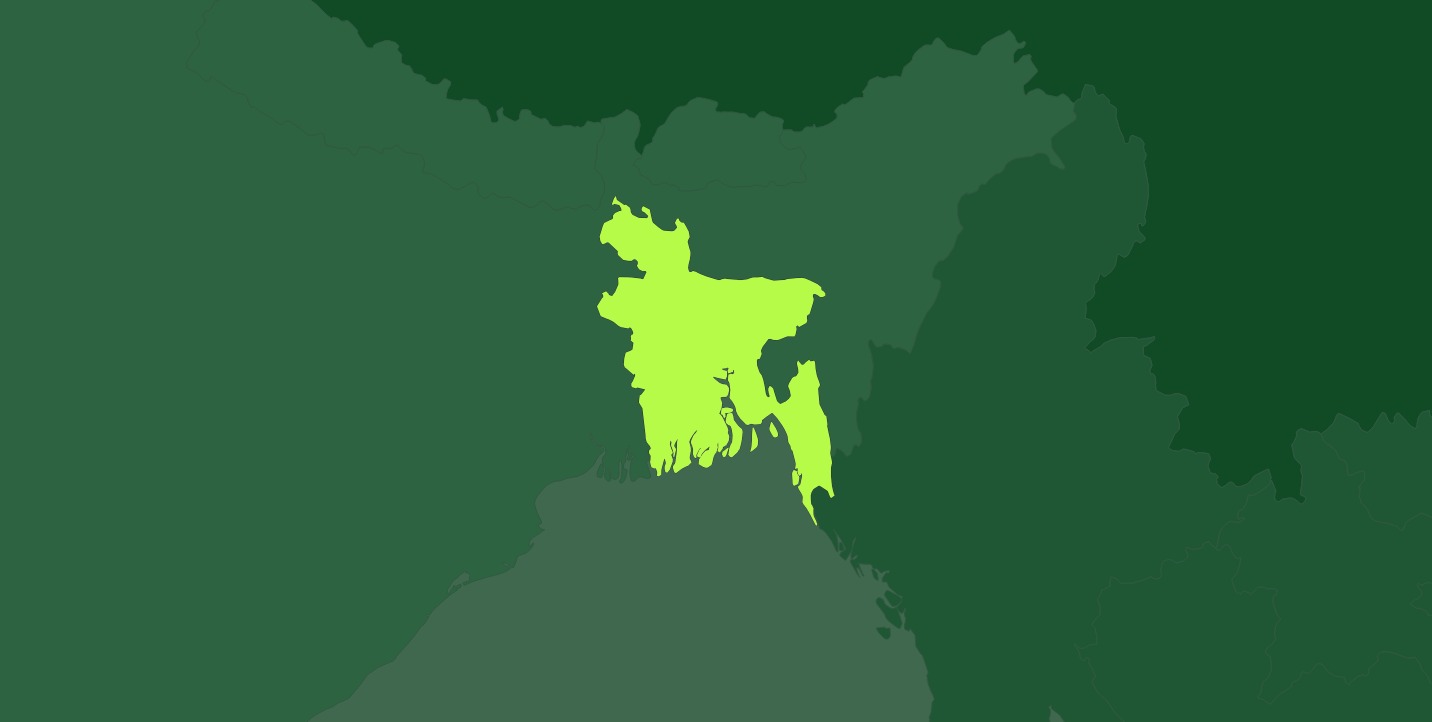
As the international community marked World Refugee Day on 20 June, the spotlight once again turned to the festering Rohingya crisis—a painful reminder of Bangladesh’s humanitarian generosity now burdened by geopolitical consequences. Since Myanmar’s brutal military crackdown in 2017, nearly 600,000 Rohingyas escaped the carnage in Rakhine and found refuge across the border in Bangladesh.
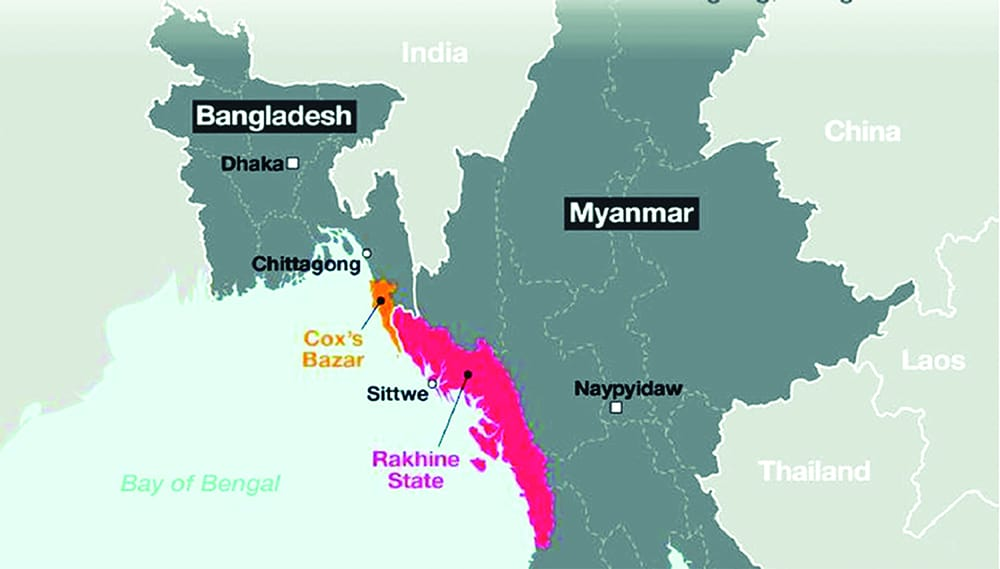
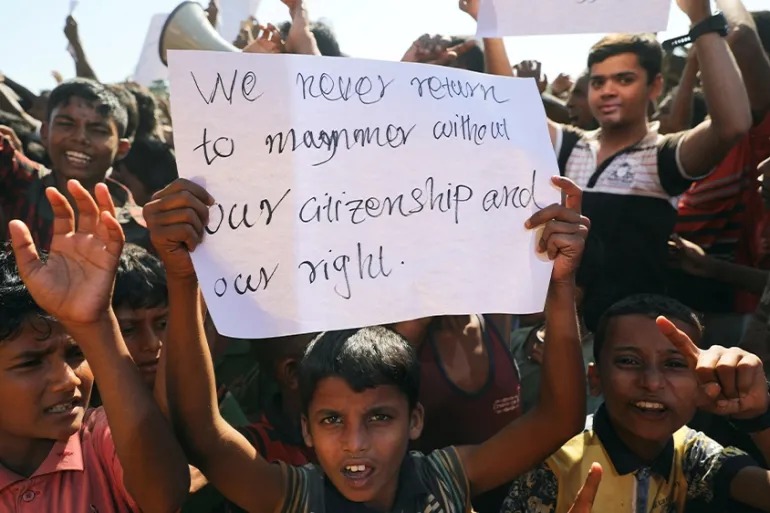
Fast forward seven years, and over 1.2 million Rohingya refugees are crammed into makeshift shelters in Cox’s Bazar, still yearning to return to their homeland with dignity and security—an aspiration that remains elusive.
What began as a noble act of compassion by the former government has morphed into a strategic nightmare. Bangladesh, already stretched thin economically, took the Rohingyas in under humanitarian grounds, building the world’s largest refugee settlement in Cox’s Bazar. But the generosity came with a price. Dhaka’s persistent call for repatriation was meant to be a long-term fix to a short-term crisis. Yet, repatriation remains a diplomatic mirage, complicated further by Myanmar’s internal chaos and the lack of sustained international pressure on Naypyidaw.
The cost of hosting over a million displaced people has proved to be far more than just financial. Bangladesh’s social fabric, national security, and local economies are all feeling the heat. The unceasing flow of refugees has strained border security, while the camps themselves have become breeding grounds for illicit activity. Radical networks have infiltrated the refugee settlements, luring disenfranchised Rohingya youth into drug trafficking, human smuggling, and armed violence. In the past two years alone, nearly 150 violent incidents have been reported within these camps—grim testimony to a growing lawlessness that local authorities are ill-equipped to contain.
The security lapse extends beyond the refugee camps. Bangladesh’s border dynamics have undergone a worrying transformation. The Arakan Army—a powerful ethnic rebel group fighting Myanmar’s junta—has made significant inroads in Rakhine. With the civil war now reaching the doorstep of Bangladesh, the implications are severe. The renewed fighting in Rakhine has triggered a fresh wave of displacement, with over 120,000 more Rohingyas reportedly crossing into Bangladesh in the last 18 months alone.
This comes at a time when donor fatigue has set in. International aid for Rohingya refugees is dwindling, putting immense pressure on Bangladesh’s limited resources. Moreover, the Arakan Army’s aggressive posturing has not spared Bangladesh either. Incidents of Bangladeshi fishermen being abducted near Cox’s Bazar by the Arakan Army have sparked serious concerns about the integrity of Bangladesh’s already porous borders.
In the face of this multifaceted crisis, the current interim administration led by Dr. Muhammad Yunus has taken centre stage. Since assuming office, Yunus has prioritised the Rohingya issue, intensifying diplomatic overtures to garner international backing for repatriation. In February, Yunus addressed a letter to UN Secretary-General Antonio Guterres, detailing the worsening humanitarian situation and Myanmar’s deteriorating internal order. The UN chief responded with diplomatic optimism, promising support to secure unimpeded humanitarian access in Rakhine and beyond.
The high point of this engagement came in March, when Guterres visited the refugee camps in Cox’s Bazar. During the visit, Yunus and the UN Secretary-General jointly pledged to begin repatriation by the next Eid (this June). It was at this juncture that the idea of a “humanitarian corridor” was floated—allegedly a UN-brokered channel linking Cox’s Bazar to Rakhine to facilitate aid delivery and eventual refugee return.