
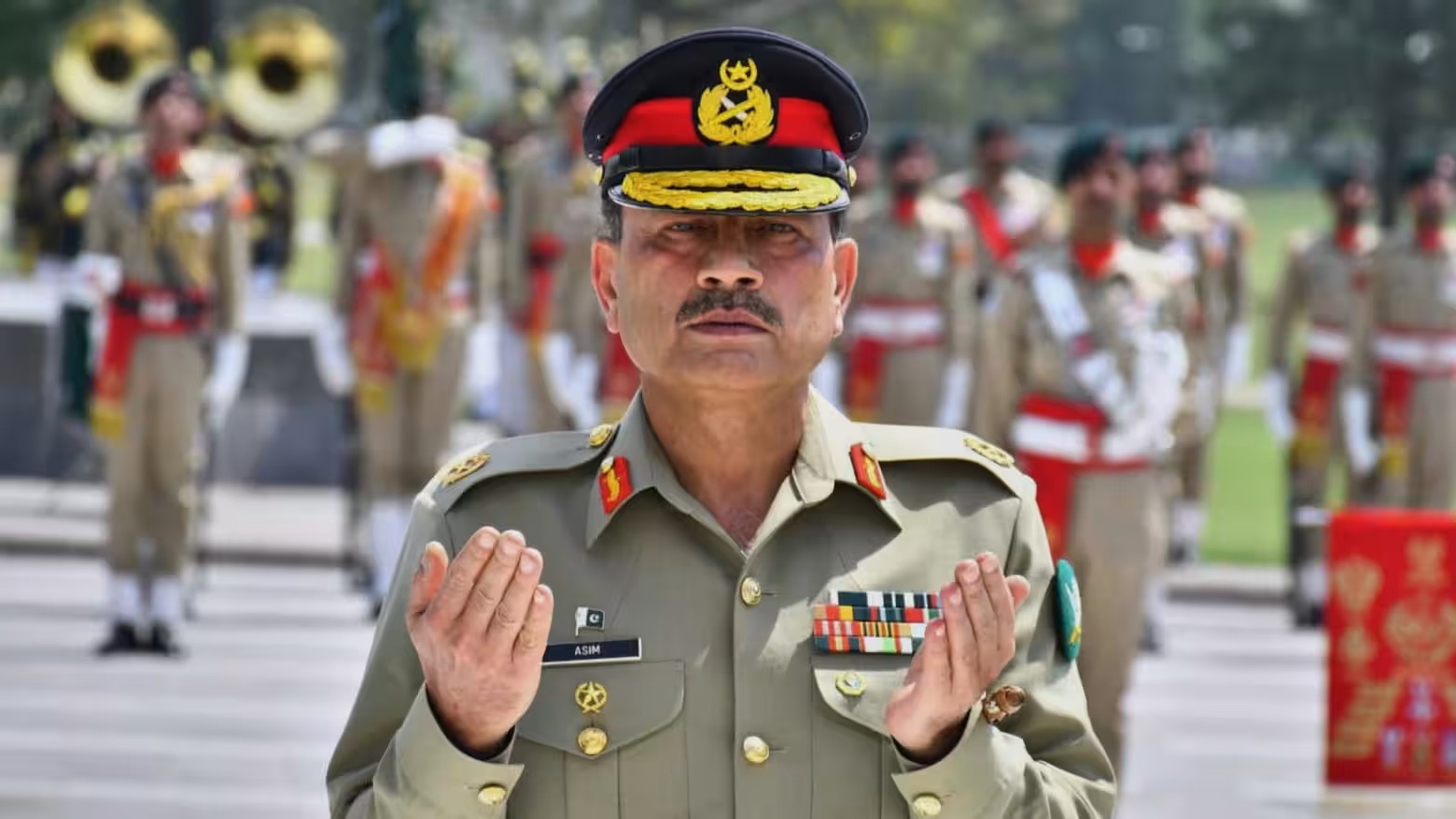
Pakistan’s military has consolidated its dominance over the country’s political and governance structures in 2025 through sweeping constitutional changes that critics describe as a silent coup, effectively formalising the army’s long-standing control over the state.
In late 2025, Pakistan’s parliament passed a set of constitutional amendments that restructured the country’s defence and command architecture. Central to these changes was the creation of a powerful Chief of Defence Forces post, occupied by the serving army chief, placing the Army, Navy and Air Force under a single military command. The move significantly reduced the role of civilian oversight and weakened the traditional checks that existed within the defence establishment.
Analysts say the new framework grants unprecedented authority to the army chief, including extended tenure protections and enhanced control over strategic decision-making. The restructuring also diminished the relevance of previously existing military coordination mechanisms, reinforcing the army’s primacy over other institutions. Opposition figures and civil society groups have criticised the amendments as the constitutional entrenchment of military supremacy, arguing that they erode democratic norms and further marginalise elected civilian leadership. Critics warn that the formal expansion of military power will restrict political freedoms and narrow the space for dissent.
Supporters of the changes within the establishment argue that the new command structure improves national security coordination and strengthens Pakistan’s defence posture amid regional instability. However, detractors counter that similar arguments have historically been used to justify military dominance at the expense of democratic governance. Pakistan has experienced repeated cycles of direct and indirect military rule since its founding. Observers note that while the army has long exercised decisive influence behind the scenes, the 2025 amendments mark a decisive shift by embedding that influence directly into the constitutional framework.
As Pakistan enters 2026, analysts warn that the formalisation of military control could have long-term consequences for the country’s democratic institutions, civil-military balance and political stability.