
-Arun Anand
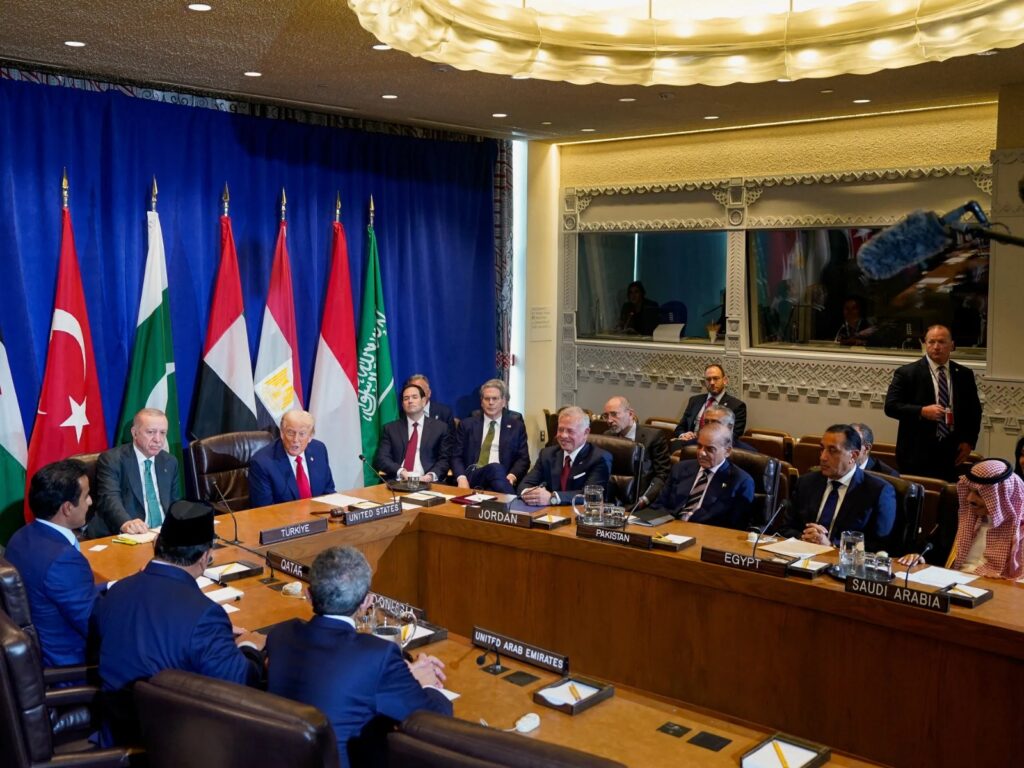
Pakistan has a knack for arriving at the wrong place at precisely the wrong time. When Russia attacked Ukraine in February 2022, its then prime minister, Imran Khan, was seated in the Kremlin, smiling and shaking hands for cameras. And when Saudi Arabia and the United Arab Emirates, Islamabad’s most important Middle Eastern patrons, found themselves at odds over Yemen last week, it was once again caught in the crossfire. This time Emirati President Sheikh Mohammed bin Zayed Al Nahyan was on his hunting trip to Pakistan. These moments are not mere coincidences but rather symptoms of a deeper strategic malaise of a military-dominated foreign policy that repeatedly entangles Pakistan in conflicts it neither controls nor fully understands.
Over the past decade, Pakistan has drifted from being a peripheral player in the Middle East to an increasingly exposed one. As the shift has been shaped by transactional military diplomacy as signified by recent Strategic Mutual Defence Agreement with Saudi Arabia, the result is a country wedged uncomfortably between rival power centers with China and the United States on one axis globally, and Saudi Arabia and the UAE on another at the regional level. While each of its allies expects loyalty, no one offers insulation when loyalties collide.
That collision is now visible in Yemen and most likely in Libya. On December 30, Riyadh announced that it targeted a weapons shipment at Yemen’s Mukalla port, claiming the arms originated from the Emirati port of Fujairah. Riyadh alleged that weapons were destined for the Southern Transitional Council (STC), a UAE-backed separatist group seeking to carve out an independent state in southern Yemen.
It made Pakistan to tread an uncomfortable line. Though Islamabad expressed “complete solidarity” with Saudi Arabia, reaffirming its support for the kingdom’s sovereignty and Yemen’s territorial integrity, what it did not do was just as revealing. Pakistan avoided naming the STC, sidestepped Abu Dhabi’s role in nurturing Yemeni separatism, and refrained from any criticism that might upset the Emirati leadership.
However, it should be known that diplomatic hedging has its limits. On the very morning Saudi Arabia carried out strikes against what it described as Emirati-linked weapons shipments, Pakistan’s prime minister, Shehbaz Sharif, along with senior cabinet members, including Deputy PM and Foreign Minister Ishaq Dar, was meeting Sheikh Mohammed bin Zayed at his family’s palatial estate in Rahim Yar Khan. The optics were ironic with Pakistan professing solidarity with Riyadh while hosting the very leader Riyadh was pressuring militarily. There have been unsubstantiated reports that Saudi Arabia declined a request for a meeting by Pakistan’s powerful army chief, Field Marshal Asim Munir, thereby reinforcing the impression that Islamabad’s balancing act was wearing thin.
This episode underscored a broader truth that Pakistan was no longer merely navigating Gulf rivalries but was being shaped by them. And nowhere is this more dangerous than in Gaza. As US President Donald Trump pushes his vision of post-war Gaza governance under an international body, he has publicly sought Pakistan’s commitments to contribute troops to his envisioned security or stabilization force for the territory.
For Islamabad, the proposition is fraught with peril as deploying Pakistani troops to the war-battered Palestinian region would not be a neutral peacekeeping mission. As the Gaza stabilisation force would almost certainly involve disarming Hamas, enforcing cease-fire arrangements, and operating under an American or Israeli security framework, such a role would place Pakistan at odds with popular sentiment at home, where sympathy for the Palestinian cause runs deep. Moreover, it would also damage the country’s standing in the broader Muslim world, where participation in what many would view as an externally imposed security regime or forced disarming of what many consider a Palestinian resistance group would be seen as complicity with Israel.
However, if Pakistan Army assumes such a role, it won’t be its first as it has a history of renting its role to the regional players. Pakistani military officers played a role in assisting Jordan’s Hashemite monarchy during the 1970 Black September crisis by helping violently crackdown on Palestinian fighters. The Pakistani contingent in Amman was overseen by Brigadier Mohammad Zia-ul-Haq, who would later seize power in 1977 and rule as a military dictator. That episode left a lasting scar on Pakistan’s image among Palestinians and repeating such a role in Gaza would be exponentially more damaging.
Yet Gaza is not the only front where Pakistan’s Middle East policy is unravelling. On December 21, Army Chief Asim Munir signed what was touted as a $4.6 billion defense deal with Khalifa Haftar in Benghazi, from where the Libyan military strongman controls eastern part of the country through the Libyan National Army (LNA). The agreement reportedly included the sale of JF-17 Block III fighter jets and Super Mushshak trainer aircraft, making it the largest arms deal in Pakistan’s history.
Though the deal on paper signifies Pakistan’s strategic reach, however, in reality, it was a diplomatic misstep of the highest order. Firstly, Libya is a divided country with rival governments governing it in parts. There is Abdul Hamid Dbeibeh’s internationally recognised Government of National Unity (GNU) in Tripoli and then the other, Haftar’s Benghazi-based unrecognised Government of National Stability (GNS). Secondly, Libya remains under an international arms embargo imposed by the United Nations in 2011. Therefore, any major weapons transfer and that too to an unrecognised entity risk undermining of the international law.
This deal does not only fly in the face of UN sanctions; it also puts constrains in Islamabad’s regional policy. By publicly aligning itself with Haftar, Pakistan effectively chose sides in a complex regional proxy contest as the military strongman is backed by the UAE and Egypt whereas the GNU, by contrast, enjoys the support of the United Nations and Saudi Arabia. Islamabad’s outreach to Benghazi thus undercuts its relationship with Riyadh, at precisely the moment when Saudi goodwill is most needed.
These choices cumulatively result in what can be described as a strategic overextension without any strategic clarity. It is evident that Pakistan is trying to achieve a role of indispensability in the region, but forgets that it does not possess the diplomatic leverage for the same. It can offer nothing than renting its military against a price. Its military leadership appears to believe that visibility equals influence, that being “in the room” guarantees relevance. In practice, it has made Pakistan vulnerable to pressure from stronger powers with clearer agendas. And at home, the risks are just as severe. In a country grappling with severe economic crisis, political instability, and militant violence, such a diplomatic overstretching cannot be afforded.
As such, Pakistan is on a path of pursuing a foreign policy driven less by national consensus than by the ambitions of a security establishment which is eager to project power abroad, even as stability at home remains elusive. And if Pakistan continues down this path and gets entangled in Gulf rivalries, is pressured to send troops to Gaza, and aligns with contested actors like Khalifa Haftar, it risks becoming a pawn that a mediator its elite envisions. In the Middle East’s unforgiving geopolitical chessboard, pawns are easily sacrificed.
Pakistan’s Finance Minister Muhammad Aurangzeb has become one of the busiest travelers in global finance. One week he’s in Washington, lobbying the International Monetary Fund (IMF) for yet another tranche of emergency funding; the next, he’s in Riyadh or Abu Dhabi pitching the sale of Pakistan’s national assets from Pakistan International Airlines (PIA) to airports and energy infrastructure.
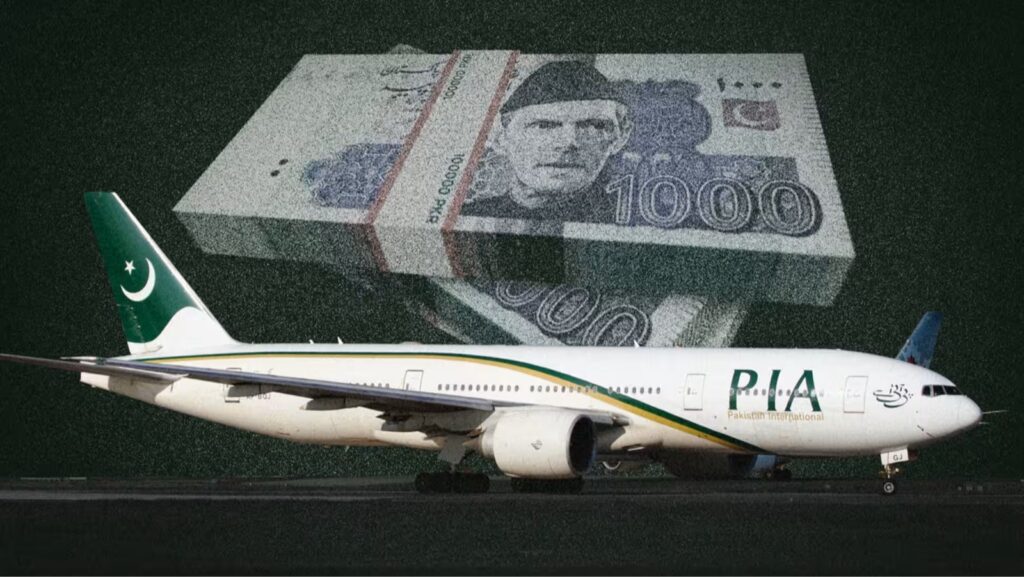
In many ways, Aurangzeb is less a finance minister than a broker of desperation, auctioning off what remains of Pakistan’s economic sovereignty. The country’s fiscal crisis is not new but continues to be in a risky phase. Pakistan is no longer merely borrowing to stay solvent; it is now being compelled to sell off the remnants of its public sector to keep the economy breathing.
Yet, despite repeated bailouts and promises of reform, the fundamental ailments of Pakistan’s economic system, that is entrenched elite capture, structural inefficiency, and the outsized role of the military in its financial life, remain untouched. Pakistan’s economy has teetered on the brink of default for over three years. In April 2022, the country narrowly averted a sovereign debt crisis. Its inflation skyrocketed to approximately 38 per cent in May 2023 while foreign exchange reserves dropped exponentially to $8.7 billion by February 2023.
Since then, Islamabad has received two IMF bailout packages, multiple loan deferments from China and oil and gas deferred payment options from the Gulf states. But these have merely bought time, not transformation. The numbers tell the story. Pakistan’s external debt has hovered above $130 billion for over a year, while foreign exchange reserves remain dangerously thin, currently at around $19 billion which can cover only a month and half of its imports.
Inflation has oscillated between 3 and 38 per cent, which has qualitatively eroded the purchasing power of ordinary Pakistanis. The rupee continues to slide with 1 USD priced at over 285 PKR whereas energy prices remain high with petrol priced at PKR 265 per liter and diesel at PKR 275 per liter have soared. Moreover, the unemployment rates are only increasing and are currently recorded at around 8 per cent whereas nearly 40 per cent of people battle multidimensional poverty as per latest statics from UN Development Programme (UNDP).
Yet, what stands out is not the depth of Pakistan’s economic pain but the shallowness of its political will to reform. Each IMF program since the 1980s has come up with a familiar checklist of reducing subsidies, broadening the tax base and improving fiscal transparency. And each time, Pakistan has promised compliance but never moved beyond policy rhetoric. The current government’s “reform agenda” under Prime Minister Shehbaz Sharif and Finance Minister Aurangzeb has been no different. While the rhetoric of “structural transformation” fills speeches and communiques, but the reality is cosmetic tinkering.
Take the case of broadening the taxation base of the country. Despite years of IMF insistence, Pakistan’s tax-to-GDP ratio remains stuck at around 9 per cent, which remains one of the lowest in Asia. Its situation has been worsened by the fact that the wealthy elite, including feudal landlords, industrial magnates, and military-linked conglomerates, have largely found ways to escape the tax bracket. Meanwhile, the burden falls disproportionately on the salaried middle class and consumers through indirect taxes.
–IANS
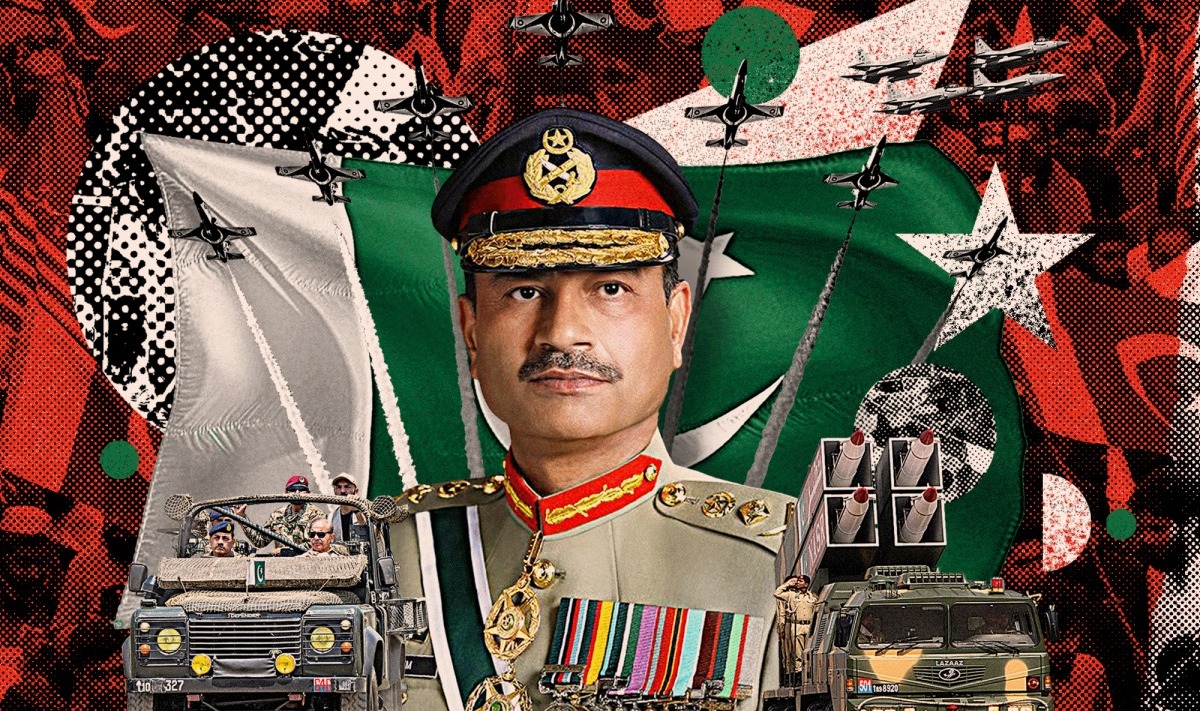
As Field Marshal Asim Munir wrapped up yet another high-profile visit to China this time, Pakistan’s indispensable “iron brother”, it carries an explicit message for both domestic and external audiences that Pakistan’s top general is not just the chief of army staff. He is the country’s de facto head of state, foreign minister, and economic strategist rolled into one uniformed figure.
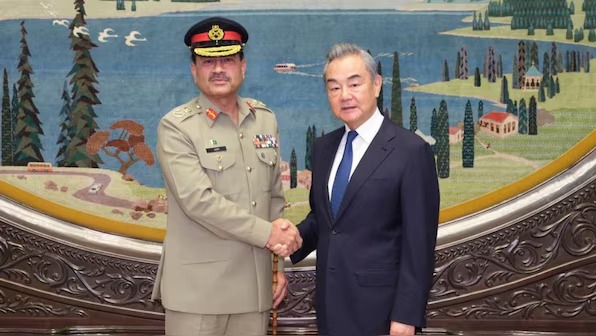
From Beijing to Washington, Asim Munir has emerged as Pakistan’s most visible face on the international stage. In a telling departure from past norms, where foreign policy and diplomacy were handled by civilian leaders, Munir now routinely engages heads of state and top ministers of the world’s major powers. In June, he was received in Washington with a protocol typically reserved for presidents, wherein he was hosted for a formal luncheon by President Donald Trump. His July 25 visit to Beijing was similarly instructive. He met with China’s Vice President Han Zheng, Foreign Minister Wang Yi, and the top brass of the People’s Liberation Army, covering everything from regional security to the future of the China-Pakistan Economic Corridor (CPEC), as per the statement issued by Pakistan Army’s Inter-Services Public Relations (ISPR).
This outreach to Washington and Beijing, Pakistan’s most significant external “allies”, seems to have effectively supplanted the civilian government of Shehbaz Sharif in both style and substance. In both capitals, Munir is treated as the true interlocutor, highlighting how far Pakistan’s military has overreached into domains traditionally managed by elected representatives.
Asim Munir’s aggressive diplomacy abroad is only one facet of a broader power consolidation at home that has pushed Pakistan into what can only be described as a military-led “hybrid authoritarianism”. Behind the civilian façade, the military establishment has pulled all institutional levers to dominate the judiciary, the economy, and the legislative process.
A glaring example is the military’s grabbing of vast tracts of agricultural land in Punjab and Sindh under the guise of “national development” in 2023. Under Munir’s watch, thousands of acres of government land have been allotted to serving and retired officers for agricultural purposes, all in the name of so-called food security of the country. This wholesale land grab, facilitated by pliant bureaucracies and rubber-stamp judicial processes, is in addition to over 12 million acres of land already in the possession of armed forces.
Meanwhile, the economic crisis that grips Pakistan has not spared the foreign exchange reserves, yet the military’s own financial apparatus remains untouched. The military-run business conglomerates, run under Fauji Foundation, Shaheen Foundation, Bahria Foundation and Army Welfare Trust (AWT), continue to thrive tax-free and without government oversight.

At the same time, there has been a steep rise in the government defence budgetary allocations, with a 20 per cent hike in 2025, as announced in June. This has come even as social sectors like health and education face severe cuts in their annual allocations, all in the name of austerity.
All of this is made possible by legal tweaks and constitutional manipulation. Laws such as Pakistan Army Act and the Official Secrets Act have been weaponized through amendments to stifle dissent. This has allowed the government to try hundreds of civilians, including opposition activists and journalists, by military courts in the aftermath of May 9, 2023, violent anti-government protests.
Moreover, Asim Munir has furthered the strategic parachuting of military officers in the civilian institutions like Water and Power Development Authority (WAPDA) and National Database and Registration Agency (NADRA), among dozens of others. Such encroachment in civilian affairs ensures that the military establishment influences every lever of the country’s governance structure. This increasing opacity and unchecked power have real-world consequences.
Perhaps the most damning indictment of Asim Munir’s tenure is not just the scope of his ambition, it is the cost at which it has come. Munir may go down in history as the army chief who has lost hundreds of soldiers to insurgent attacks in merely two years of his tenure. From Balochistan to the tribal hinterland of Khyber Pakhtunkhwa (KPK), Pakistani troops have come under relentless assault from a rejuvenated insurgency, especially by groups like Balochistan Liberation Army (BLA) and Tehreek-e-Taliban Pakistan (TTP). In June, over a dozen soldiers were killed in a single attack in North Waziristan, with TTP claiming responsibility. The environment in Pakistan has been made such that no one dares to raise the questions over why the army was caught so off guard as the answer lies in the misplaced priorities of its leadership. As such, intelligence failures and overstretched resources diverted toward political engineering have left the national security more and more vulnerable.
Munir’s focus has clearly shifted from commanding the army to controlling the country. His preoccupation with political micromanagement, from managing elections, orchestrating defections, and installing compliant judges, has allowed militant groups to regroup and strike with impunity.
The consequences of this military overreach are not abstract. Pakistan today finds itself mired in economic stagnation, political instability, and social repression. The elected government of Shehbaz Sharif of Pakistan Muslim League-Nawaz (PML-N) serves little purpose beyond legitimizing decisions made in Rawalpindi. Even the civilian cabinet has admitted, as evidenced by Defence Minister Khwaja Asif’s recent statements, that policy decisions are taken in consultation with the military establishment.
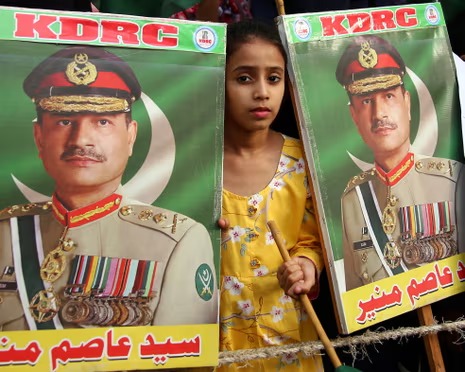
This is not new in Pakistan, where the military has always been a shadow power. But under Asim Munir, the shadow has become the spotlight. Unlike his predecessors like General Qamar Bajwa, who preferred to rule from behind the scenes, Field Marshal Munir appears unashamed of his centrality. He has no qualms about attending investment conferences, briefing envoys, or commenting on fiscal policy, which are all duties that fall well outside the remit of a military officer.
This overt control is compounded by an ecosystem of surveillance, censorship, and intimidation. Herein media channels have been taken off air for airing dissenting views, with scores of journalists arrested or forced into exile in the last two years.
Asim Munir’s Pakistan is one where the constitution is interpreted through camouflage, where democracy is performed but not practiced, and where the price of questioning the army is, quite literally, one’s freedom. The military establishment’s institutional interests have expanded from national defense to national domination, and Munir is their most visible symbol. The erosion of civil institutions, the suppression of dissent, and the neglect of core military duties are not just signs of overreach, but that of a rot.
And as Pakistan’s soldiers continue to fall in the country’s hinterlands of Balochistan and KPK while their chief chases diplomatic photo-ops, the question must be asked: Who really rules Pakistan? And for how long can a country survive when its generals stop guarding the borders and start governing the state?
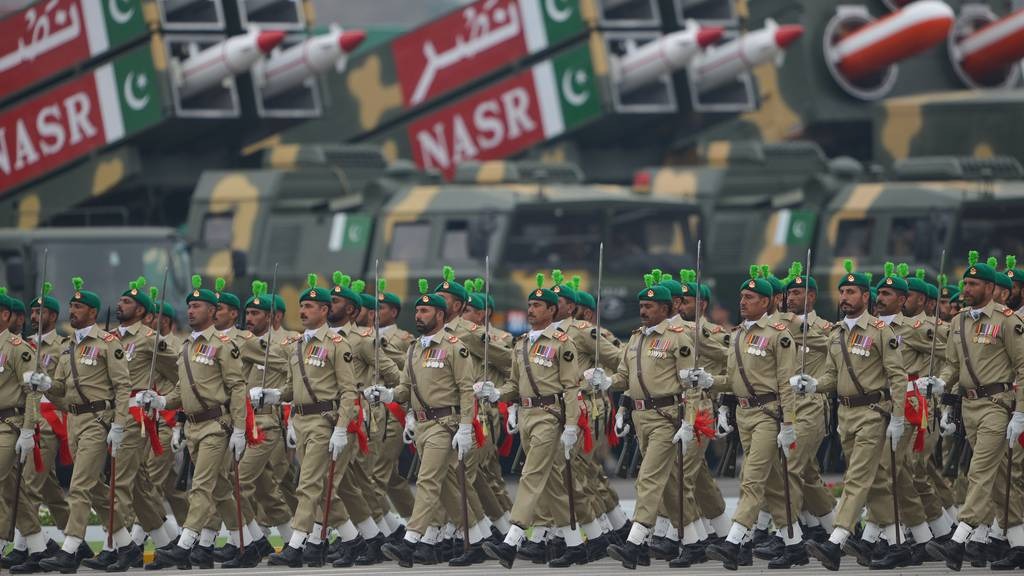
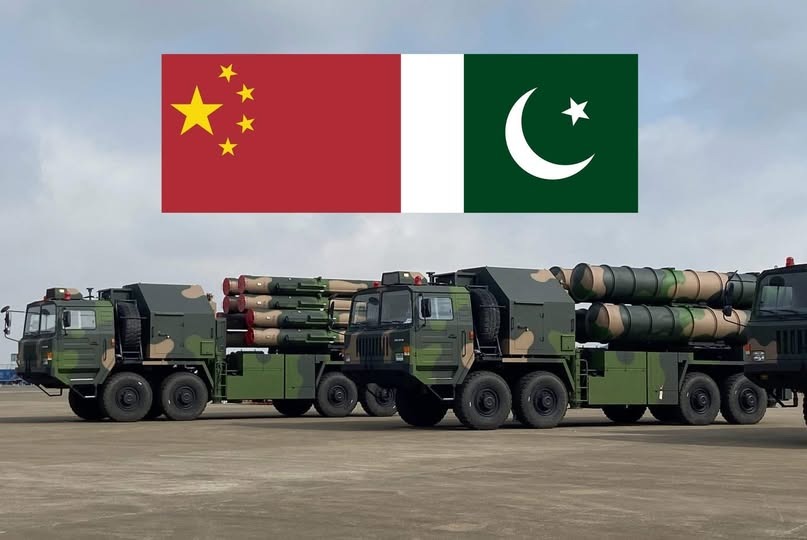
Amidst deteriorating economic conditions, the Pakistan Army is embarking on an assertive and ambitious course of military modernisation, channelling significant resources into advanced weaponry despite pervasive poverty, escalating inflation, and crumbling public infrastructure. This determined enhancement of military capability—highlighted by the prospective acquisition of China’s HQ-19 air defence system, the untested and unproven Shenyang J-35s (derived from the Shenyang FC-31 “Gyrfalcon”), and KJ-2000 aircraft—aims to counter India’s conventional military superiority, but has sparked serious apprehensions both domestically and internationally. While this build-up is officially framed as a strategic necessity in response to regional threats, critics increasingly interpret it as a disquieting sign of the military establishment’s growing dominance over Pakistan’s political and economic landscape. With civilian institutions collapsing under the strain of chronic underfunding and disregard, a critical question arises: is this arms buildup genuinely about safeguarding national security, or is it fundamentally about consolidating power?
The HQ-19, an advanced anti-ballistic missile system, represents more than just a military upgrade—it reflects Pakistan’s increasing prioritisation of militarisation, a trajectory that appears increasingly misaligned with its economic circumstances. Pakistan’s external debt has exceeded $130 billion, and its foreign exchange reserves remain critically low. The nation has been compelled to depend on financial support from the International Monetary Fund (IMF), Gulf nations, and China, often subject to stringent austerity measures. These economic pressures have resulted in substantial reductions in public services, leading to a pronounced deterioration in the quality of education, healthcare, and essential infrastructure. The disparity is striking: while children in rural Sindh attend schools without furniture or textbooks and hospitals in Balochistan lack vital medicines, the government continues to allocate billions towards radar systems, drones, and missile defence technology.
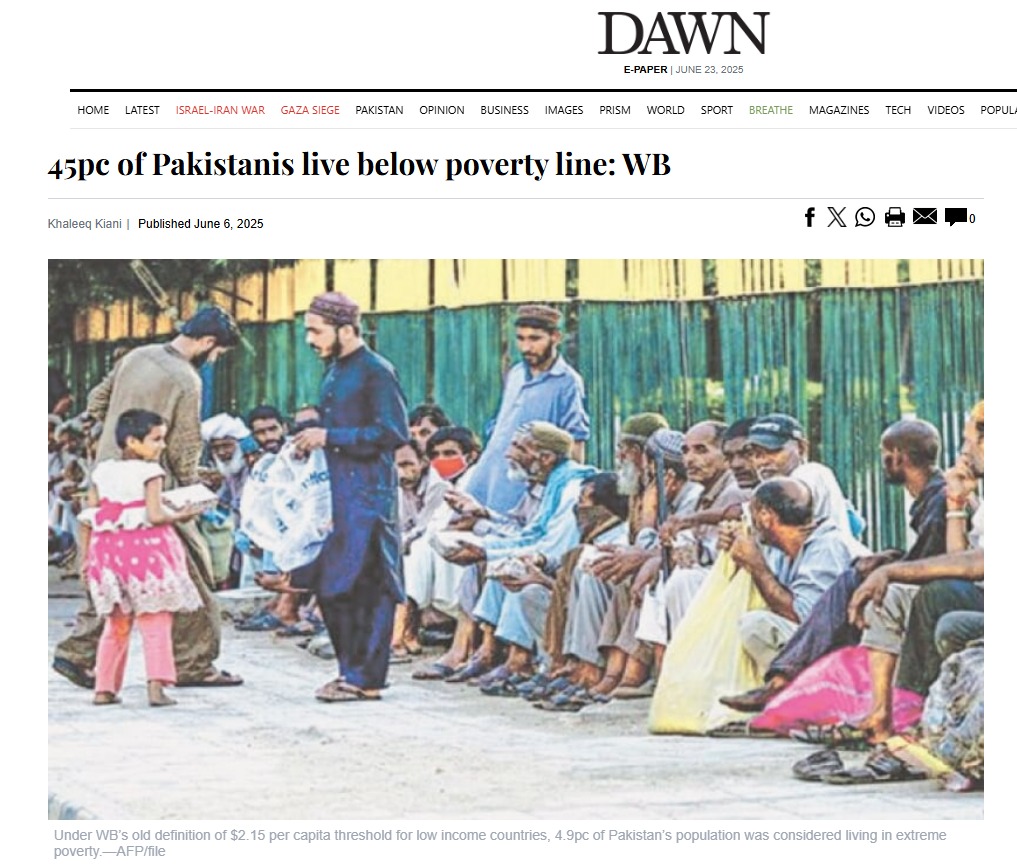
According to the World Bank’s latest estimate, nearly 45 per cent of Pakistan’s population lives in poverty, with an additional 16.5 per cent enduring extreme poverty. In sharp contrast, India—the regional rival Pakistan seeks to match—has lifted a record number of people out of poverty. Within the past year alone, 1.9 million more individuals in Pakistan have slipped below the poverty line.
This trend towards militarisation has not escaped scrutiny. Public discourse—particularly among independent journalists and policy analysts—is increasingly centred on the imbalance between military expenditure and investment in social development. Critics contend that these acquisitions are less about safeguarding national borders and more about preserving the military’s institutional dominance. Historically, the Pakistan Army has wielded considerable autonomy and influence, frequently operating outside the bounds of civilian control. Its presence extends into major economic sectors—including construction, agriculture, and real estate—largely via military-operated conglomerates such as the Fauji Foundation and the Army Welfare Trust. This deep-rooted economic involvement has fostered a system in which the distinction between national interest and military interest is progressively obscured. Pakistan has, in effect, become a garrison state—one in which military imperatives dominate the allocation of economic resources.
The repercussions of this imbalance are acutely experienced by ordinary Pakistanis. Inflation—fuelled by currency depreciation and rising global costs—has rendered basic goods unaffordable for millions. Unemployment continues to climb, particularly among the youth, while the informal labour sector—already fragile—has expanded further due to the decline in formal employment opportunities. Simultaneously, power outages remain commonplace, water scarcity persists across numerous regions, and urban infrastructure—from roadways to drainage systems—is deteriorating under increasing strain. Within this setting, announcements of fresh military procurements are frequently met with a mix of disbelief, resentment, and growing public discontent.
The government’s rationale centres on national security and maintaining regional equilibrium. With India continually advancing its military capabilities and longstanding tensions over Kashmir persisting, Pakistani defence officials maintain that remaining technologically competitive is imperative. The HQ-19 system, designed to intercept ballistic missiles at high altitudes, is portrayed as a strategic counter to India’s expanding missile defence infrastructure. However, this narrative avoids addressing a deeper concern: at what cost? While achieving regional parity is a legitimate objective, is it more urgent than feeding children, providing medical care, and educating future generations?
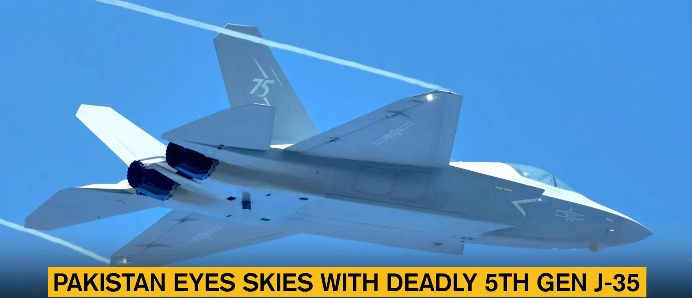
Similar doubts emerge regarding the anticipated acquisition of J-35 fighter jets by the Pakistan Air Force. The ongoing maintenance costs of such advanced aircraft could significantly strain Pakistan’s annual budget. Critics argue that this fixation on military rivalry ignores the fundamental pillars of national security—economic resilience, social welfare, and human capital development.
Furthermore, the secrecy and lack of transparency surrounding these procurements have heightened anxieties over accountability. In contrast to defence budgets in many democratic states—where military expenditure undergoes parliamentary oversight and public discussion—Pakistan’s defence spending remains predominantly exempt from such scrutiny. Civilian administrations frequently possess minimal influence over these decisions, resulting in a democratic shortfall that weakens institutional checks and balances. The military’s disproportionately large claim on national resources is not merely a fiscal concern—it signifies a more profound structural issue regarding the distribution of power within Pakistan.
The strategic alliance with China introduces an added layer of complexity. China has emerged as Pakistan’s principal supplier of military hardware, and while the China-Pakistan Economic Corridor (CPEC) holds theoretical promise, it has yet to deliver widespread economic transformation. Instead, there is growing apprehension over rising debt dependency and the minimal involvement of local stakeholders in these large-scale initiatives. The provision of the HQ-19 system, therefore, may extend beyond defence purposes—it could serve as a tool for strengthening geopolitical alignment and advancing debt diplomacy. While the military leadership may perceive this as a strategic gain, the long-term consequences for national sovereignty and economic autonomy are considerably less encouraging. Simultaneously, the J-35’s elevated costs and demanding maintenance requirements risk further burdening Pakistan’s already fragile financial position, especially as it endeavours to modernise its air force. Moreover, China’s decision to export the J-35 before its integration into the People’s Liberation Army Air Force introduces considerable strategic uncertainty.
Another deeply concerning aspect is the impact of militarisation on democratic governance. When the military assumes control over key areas of national policy, civilian authorities are frequently reduced to symbolic roles. This dynamic undermines democratic institutions, erodes policymaking competence, and cultivates a culture of impunity. The pattern becomes self-perpetuating: as military dominance increases, civilian institutions become progressively less capable of exercising oversight, while public perception shifts to viewing the military as the sole effective institution within a deteriorating state. This sentiment further weakens confidence in democratic mechanisms and complicates efforts to promote alternative national priorities.
The social cost is immense. Public health metrics continue to worsen, with malnutrition, maternal mortality, and preventable illnesses remaining widespread. The education sector, particularly in rural regions, suffers from chronic underfunding, staffing shortages, and systemic dysfunction. Literacy rates show little improvement, and Pakistan performs poorly on international human development rankings. Within this context, the imagery of cutting-edge missile defence systems appears especially incongruous. What message is conveyed to citizens when their government places a higher premium on armaments than on essential public welfare?
There is also a significant risk of heightened regional instability. Arms races, by their very nature, tend to escalate the probability of conflict rather than prevent it. As India and Pakistan simultaneously expand their defence capabilities, opportunities for diplomacy and mutual confidence-building diminish. The deployment of technologies such as the HQ-19 and J-35 fighter jets could trigger reciprocal measures by India, fuelling a perilous cycle of provocation and response. At a time when South Asia confronts shared challenges—ranging from climate change and water scarcity to terrorism—the diversion of vital resources into military build-ups undermines the region’s collective capacity to address these pressing threats.
Voices from civil society are increasingly urging a realignment of national priorities. Economists, educationists, and public health experts argue that genuine security is rooted in human development. A population that is well-educated, healthy, and economically empowered is considerably more resilient against external threats than any missile defence system. Moreover, reallocating resources towards social sectors could foster inclusive economic growth, alleviate inequality, and strengthen social cohesion—outcomes that are essential for achieving sustainable peace.
The way ahead demands political will and comprehensive institutional reform. Civilian authorities must reassert control over policymaking and insist on greater transparency in defence expenditure. Parliamentary scrutiny must be reinforced, and budgetary priorities should align with the genuine needs of the populace. International stakeholders also share responsibility. Donor nations and financial institutions should refrain from facilitating unregulated military spending through aid or loans that do not impose conditions promoting investment in social development.
The Pakistan Army’s recent procurement ambitions—exemplified by the prospective acquisition of the HQ-19 missile system and J-35 fighter jets—underscore the militarised perspective through which national priorities are frequently shaped. While strategic defence undeniably holds significance, it must not come at the cost of essential human development. In a nation where millions lack access to clean water, quality education, and adequate healthcare, investing in advanced weaponry cannot be seen as a comprehensive solution to security challenges. The true measure of a nation’s strength lies not in its arsenal, but in the well-being of its citizens. Ultimately, the arms race may not only fail to enhance Pakistan’s security—it risks deepening internal vulnerabilities and widening the disconnect between the state and its people. Can Pakistan continue to sustain this pattern of militarisation in South Asia? India, the world’s fourth-largest economy, reserves the right to respond with acquisitions of its own. The short-term “advantages” sought by Pakistan’s militarised leadership will prove unsustainable if the state persists in acting like a revisionist power under the mistaken belief that it can contend with a nation of India’s scale.

Pakistan’s enduring economic difficulties are well recognised globally. In recent years, the nation has experienced alarming inflation, an ongoing crisis in foreign exchange reserves, and an overwhelming debt burden. These issues have led to widespread unemployment, increased poverty, and daily hardships for a population already caught in the crossfire of recurring terrorist violence and military operations ostensibly aimed at countering it. Nevertheless, despite this worsening scenario and the harsh effects of austerity measures imposed by the IMF on the populace, Pakistan’s disproportionately large military appears unaffected and is, in fact, gradually expanding its share of the national economy.
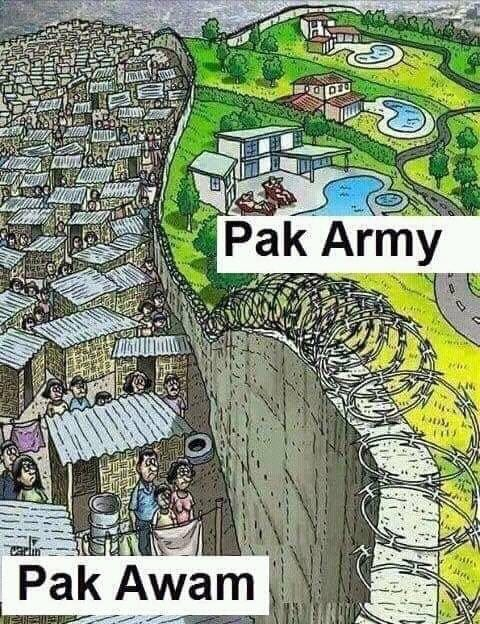
The expansive role of the military in Pakistan’s domestic affairs extends beyond politics and foreign policy, significantly permeating the economic sphere. To begin with, the military absorbs a substantial portion of the GDP—Pakistan’s defence expenditure for FY2025 stood at 2.3% of GDP, exceeding equivalent figures for India, China, and the European Union. According to a study by Moneycontrol, Pakistan’s defence budget experienced an annual growth rate of 12.6% between FY17 and FY25, compared to India’s 8%. In contrast, education and healthcare were allocated merely 2% and 1.3% of the GDP, respectively.
In addition, the military has developed an extensive private conglomerate, commonly referred to as the ‘milbus’ (military business)—a term introduced by prominent scholar Ayesha Siddiqa in her seminal work Military Inc.: Inside Pakistan’s Military Economy. Through a network of commercial enterprises, including the Fauji Foundation, Army Welfare Trust, Shaheen Foundation, Bahria Foundation, and the highly contentious Defence Housing Authority (DHA), the military has embedded itself across numerous sectors such as real estate, banking, manufacturing, agriculture, shipping, education, and media. Some estimates suggest that the military controls approximately 12% of the nation’s land.
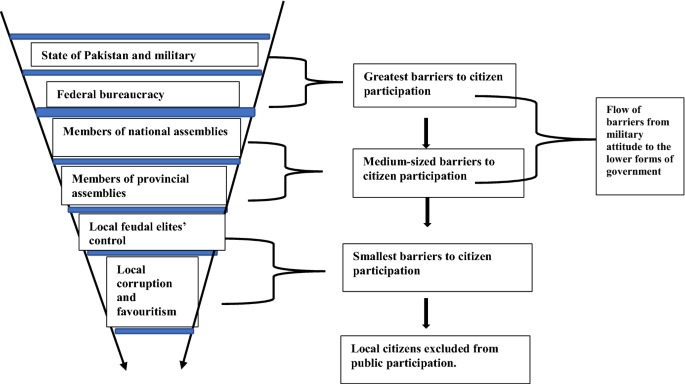
Although the military and its proponents contend that the professionalism, stability, and efficiency it represents are reflected in its economic endeavours, many critics challenge the monopolistic, expansive, and opaque nature of this military dominance. Defence-operated industries suppress local competition and private enterprise, while benefiting from tax concessions and minimal regulatory oversight. By blurring the boundary between protector and profiteer, the military prioritises strategic positioning and its own commercial gain over public welfare and principles of market equity. These concerns are amplified when certain ventures become entangled in corruption scandals, such as the DHA Valley Islamabad fraud, or disregard public interests, as seen in the Indus canals initiative. The DHA—initially established to offer affordable housing for retired military personnel but now catering to elite residential projects—has faced widespread criticism over questionable land acquisitions and community displacements to benefit the privileged. Moreover, the inclusion of senior military officials in the 2021 Pandora Papers exposed the extent to which they funnel vital national assets through offshore financial channels.
The ‘milbus’ in Pakistan has not only exacerbated the persistent and severe underinvestment in human development, but the military’s substantial economic influence also reinforces its political dominance within the country. It is well established that the military remains the most powerful institution in Pakistan, having governed directly for nearly three decades and exerting significant influence behind the scenes during periods of civilian administration. Given the military’s pervasive control over the economy, civilian governments are largely stripped of the ability to make independent decisions based on the needs and interests of the populace.
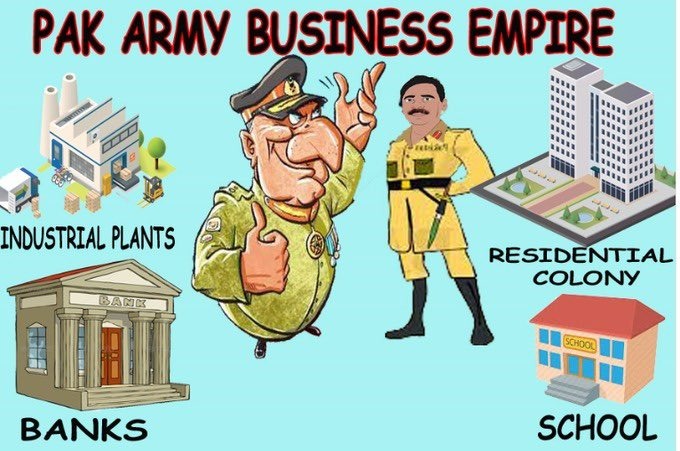
Thus, the expansive economic domain of the military in Pakistan has a direct impact on the nation’s socio-economic stability. On one hand, defence-operated enterprises—shielded from public audits and regulatory scrutiny—create monopolies that undermine local businesses, deplete public resources, and significantly intensify inequality. On the other hand, the ‘milbus’ entrenches authoritarianism, rendering civilian governments largely symbolic. At a time when the country’s economic crisis continues to spiral, inflicting severe hardship on ordinary citizens, it is essential to critically reassess the allocation of national resources, particularly those directed towards the military. The military’s vast commercial ventures must be brought under the same regulatory framework as civilian enterprises, and its market dominance restricted. Achieving this requires a fundamental recalibration of civil-military relations, along with a reflective discourse on the appropriate role of the military within a democratic framework.