
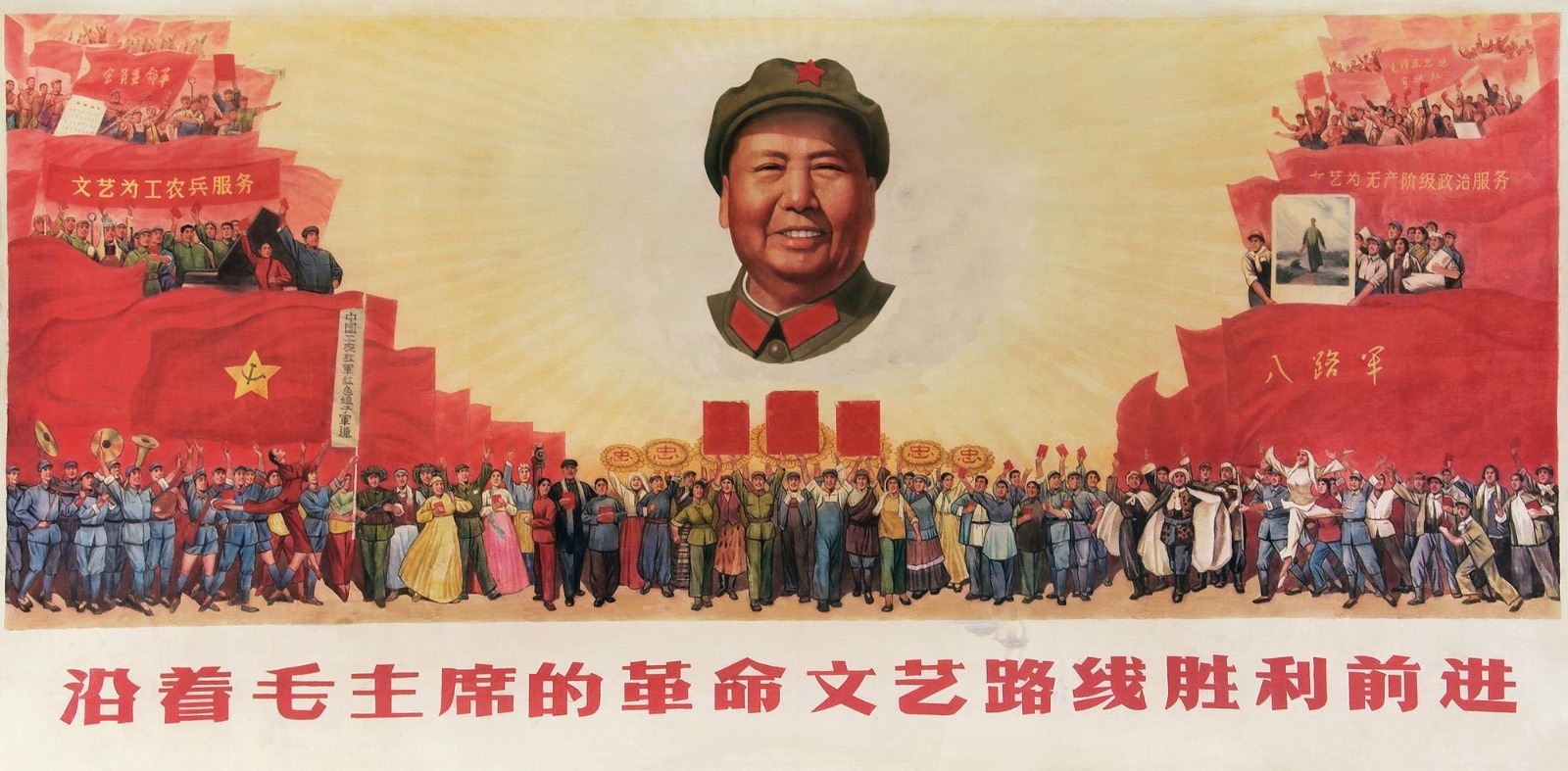
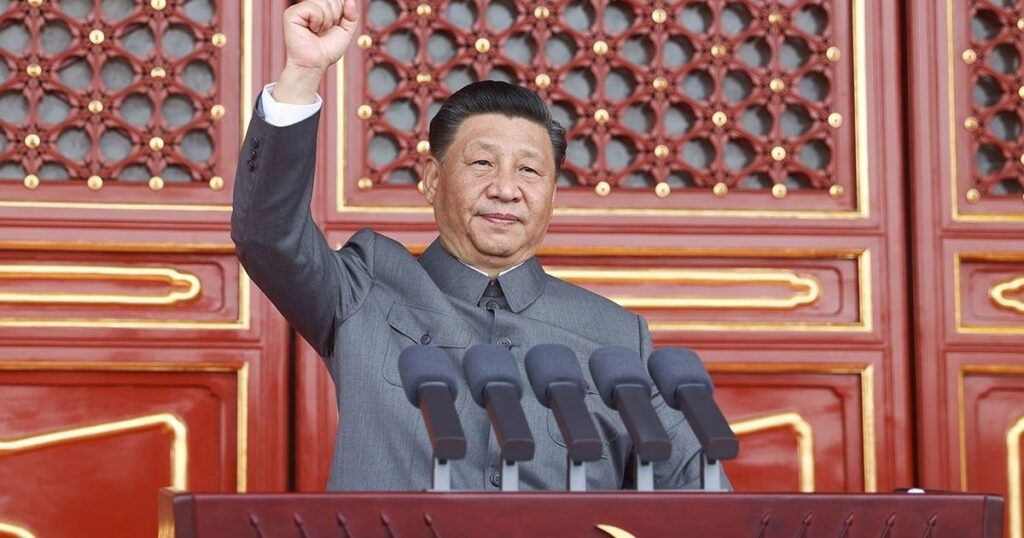
In 2016, Chinese President Xi Jinping delivered a notable speech advocating for the ‘Sinicisation’ of religions in China, essentially demanding that religious leaders and institutions strictly conform to state or party ideology—namely, socialism. Since then, the Chinese Communist Party (CCP) has implemented a wide array of legislative, bureaucratic, ideological, and technological measures to ensure that all forms of religious expression fall under its political control.
Those failing to comply have faced persecution and prosecution. Most recently, the CCP introduced regulations, effective from 1 May, which bar foreign missionaries from preaching or establishing religious organisations without explicit party approval. This development is part of a broader trend in Chinese governance, wherein any foreign involvement in religious matters—or domestic religious activities not aligned with party ideology—is framed as a national security threat, thereby leveraging nationalism to justify religious repression.
According to an official white paper published in 2019, China had approximately 200 million religious adherents. The majority were Tibetan Buddhists, with 20 million Muslims, 38 million Protestant Christians, and 6 million Catholic Christians. The CCP’s repressive policies towards Tibetan Buddhists and Uyghur Muslims in Xinjiang are extensively documented, with some United Nations member states describing the latter as ‘crimes against humanity’. The People’s Republic of China’s pervasive surveillance, the imposition of forced labour camps and ideological indoctrination centres disguised as ‘vocational training schools’, widespread imprisonment and torture, demographic manipulation, destruction of religious sites, and systematic cultural erasure have all attracted significant international criticism. Nevertheless, what is often overlooked by global human rights organisations is the more subtle deployment of legal mechanisms by the state to undermine and criminalise independent religious practices, all under the pretext of nationalist rhetoric.
Article 36 of China’s constitution guarantees citizens the right to freedom of religious belief, yet it tempers this by specifying that the state will safeguard only ‘normal religious activities’ and will not permit ‘foreign forces’ to exert influence over religious affairs.
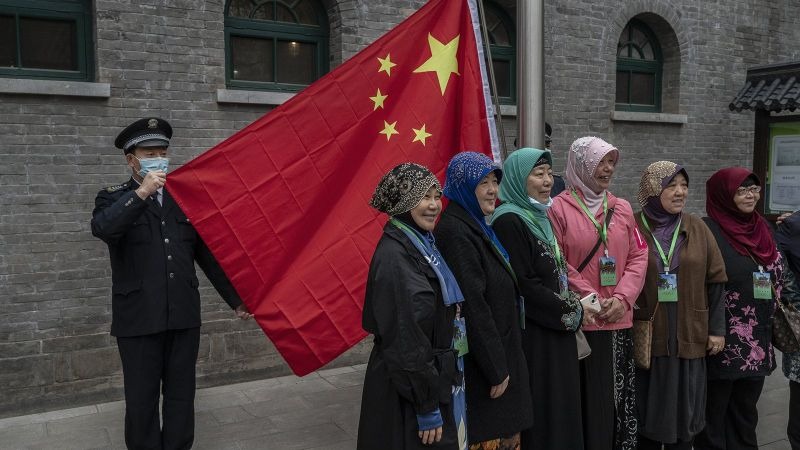
In 2015, the government enacted the National Security Law (NSL), similarly ambiguous in its language, which covered a broad spectrum of areas and required officials, corporations, organisations, and private individuals to collaborate with the CCP on ‘national security’ issues. The suite of legislation under this framework redefined national security to encompass not just military concerns but also economic, social, and cultural dimensions. The law’s sweeping suspicion of foreign connections, especially regarding religious and cultural activities, legitimises state-led repression of religious groups considered untrustworthy by the party. This securitised approach, which interprets genuine spiritual beliefs and associations as acts of political subversion, poses a significant threat to communities such as Christian churches—often dependent on international networks for guidance and support—and the Uyghurs, whose spiritual and cultural links to Central Asia span centuries.
A series of directives issued since the NSL’s adoption in 2015 and Xi Jinping’s advocacy for the ‘Sinicisation of religion’ have institutionalised rigorous and closely monitored adherence of religious practices to CCP doctrine. Significantly, in 2018, the National People’s Congress and the Chinese People’s Political Consultative Conference (CPPCC) consolidated the oversight of several agencies responsible for religious affairs into more centralised entities. For example, the Three-Self Patriotic Movement, the China Christian Council, and the State Administration for Religious Affairs—which had previously somewhat mitigated the state’s absolute control over Christian activities—were placed under the authority of the United Front Work Department.
In 2020, the National Security Law was extended to Hong Kong, a region previously insulated from the CCP’s ‘Sinicisation’ policies due to the protections afforded by the Basic Law and the ‘one country, two systems’ framework. Over the subsequent five years, Hong Kong has experienced a concerted suppression of independent religious activities, including the raiding of churches, harassment of clergy, and the seizure of religious materials. The year the legislation was imposed on Hong Kong, authorities targeted the Good Neighbour North District Church for its support of pro-democracy demonstrators, conducting a raid and freezing the bank accounts of the church’s charitable arm, its pastor, and his spouse.
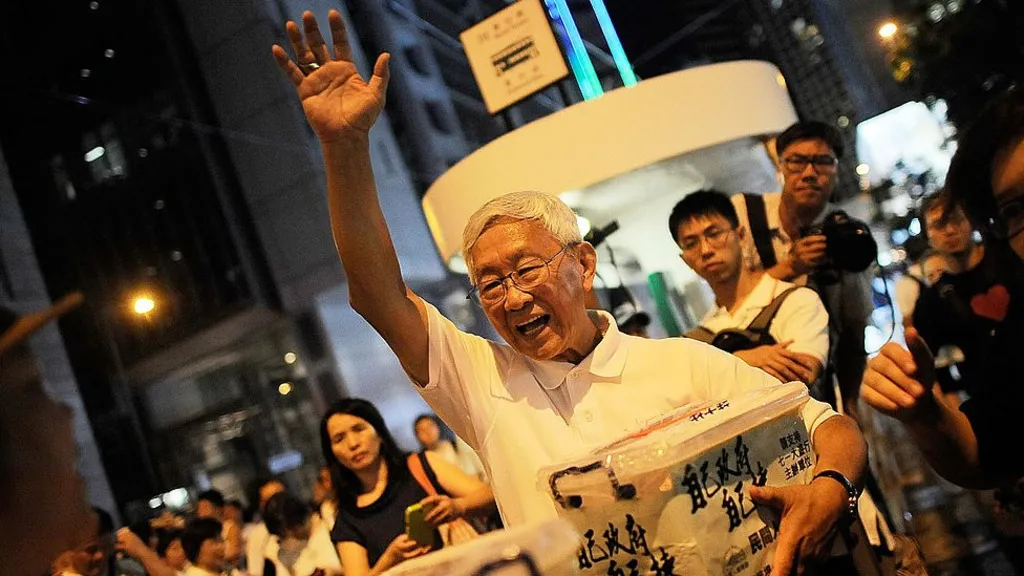
Likewise, in 2022, Catholic Bishop Emeritus Cardinal Joseph Zen was detained under the National Security Law, accused of ‘collusion with foreign forces’ due to his role as trustee of the 612 Humanitarian Relief Fund. This Fund provided financial assistance for the legal and medical needs of individuals involved in the widespread 2019 pro-democracy protests in Hong Kong. Cardinal Zen had also openly criticised a 2018 agreement between the Vatican and China, which purportedly allows the Pope to select bishops for China’s Roman Catholic churches from a list proposed by Chinese authorities. Additionally, as a result of the pressure exerted by the National Security Law, many churches in Hong Kong discontinued the annual memorial mass for those killed during the post-Tiananmen Square crackdown in 1989.
The Chinese Communist Party’s anxiety regarding autonomous religious activities is closely linked to the emergence of a politically reformist segment within society, which has gradually expanded since Deng Xiaoping initiated economic liberalisation. As China embraced foreign investment and market-driven principles, a growing number of Chinese workers, entrepreneurs, academics, and students who studied overseas began to adopt alternative perspectives and challenge the CCP’s ideological dominance. Religion, serving both as a vehicle for mass mobilisation and as a symbol of the party’s pervasive control over Chinese society, inevitably mirrored these shifts. Consequently, the CCP came to perceive religion as a fundamental threat requiring immediate containment.
As a result, the party’s campaign to ‘Sinicise religion’—enforced through a combination of legal-administrative mechanisms and rhetoric equating faith with subversion and external interference—has transformed religious practice into a demonstration of allegiance to the state rather than a matter of personal conviction. Under the pretext of national security, any activity the CCP deems to challenge its unassailable authority is deliberately misrepresented and harshly repressed. In doing so, the state not only criminalises individual expression and dissent but also systematically undermines the rich histories, cultures, and spiritual traditions that religious communities nurture. As China intensifies its suppression of both the spiritual and moral autonomy of its citizens, the international community cannot afford to remain indifferent or silent. Global action is imperative before these vulnerable communities are eradicated by the Chinese authorities.