
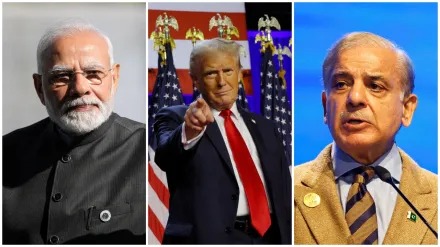
In a blow to Pakistan’s policy of employing terror as a tool of its regional policy for decades, the United States State Department on 18 July officially designated The Resistance Front (TRF) as a Foreign Terrorist Organization (FTO) and Specially Designated Global Terrorist (SDGT).
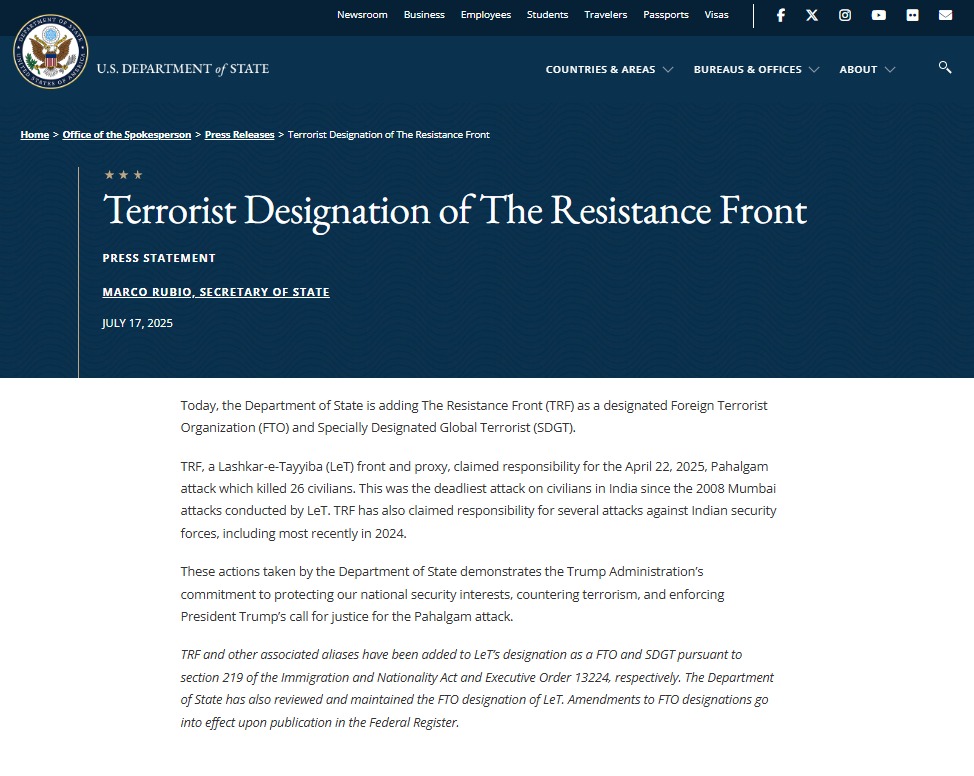
This decision validates what India has long claimed that TRF is not an indigenous militant group, but a proxy for the Pakistan-based jihadi organization Lashkar-e-Toiba (LeT), which was established to cover up Pakistan’s continued patronisation of terrorism in Jammu and Kashmir.
The US designation follows the ghastly April 22, 2025, Pahalgam attack in which 26 Hindu pilgrims were massacred following religio-based segregation by the terrorists. It was the worst attack on Indian civilians since the 2008 Mumbai attacks, incidentally also mounted by LeT under the broader tutelage of Pakistan’s Inter-Services Intelligence (ISI), as growing body of evidence has substantiated since. When the TRF claimed responsibility for the Pahalgam massacre, it was a grim reminder of Islamabad’s unaltered terror playbook of decades that has seen it patronise groups to mount asymmetric proxy war in Kashmir.
India welcomed the U.S. move, calling it “a timely and important step reflecting the deep cooperation between India and the United States on counter-terrorism.” In a statement, the Ministry of External Affairs emphasized that “India remains committed to a policy of zero tolerance towards terrorism and will continue to work closely with its international partners to ensure that terrorist organizations and their proxies are held accountable.”
A Proxy by Design
The Resistance Front is not a spontaneous insurgent movement. It is a repackaged extension of LeT, launched in 2019 as global scrutiny tightened around Pakistan’s state-sponsored terror ecosystem. The Financial Action Task Force (FATF) had grey-listed Islamabad in 2018, citing its failure to clamp down on financing for groups like LeT and Jaish-e-Mohammad. Under international pressure, Pakistan sought to cloak its support to jihadist organizations in a local garb. Thus, TRF was born as the latest attempt to give LeT’s radical Islamist violence a territorial and “indigenous” facelift. Likewise, JeM also rechristened itself and created its own proxy called People’s Anti-Fascist Front (PAAF), which has also engaged in dozens of terrorist acts across Jammu and Kashmir.
TRF’s rhetoric attempted to depart from the overtly Islamist discourse of LeT, presenting instead a façade of Kashmiri nationalism. But this branding exercise was superficial. Intelligence reports have consistently revealed that TRF receives logistical, operational, and financial backing from LeT leadership operating freely in Pakistan, under the tacit protection of the Pakistani state.
From coordinated attacks on Indian security personnel to targeted killings of civilians, including the June 9, 2024, assault on a bus carrying Hindu pilgrims in Reasi district, TRF has steadily built a grisly record of violence across the Union Territory of J&K. Each of its violent acts have borne the unmistakable imprint of LeT’s operational style, which have been coordinated, brutal, and designed to provoke communal polarization and unrest in the region.
A Victory for Indian Diplomacy
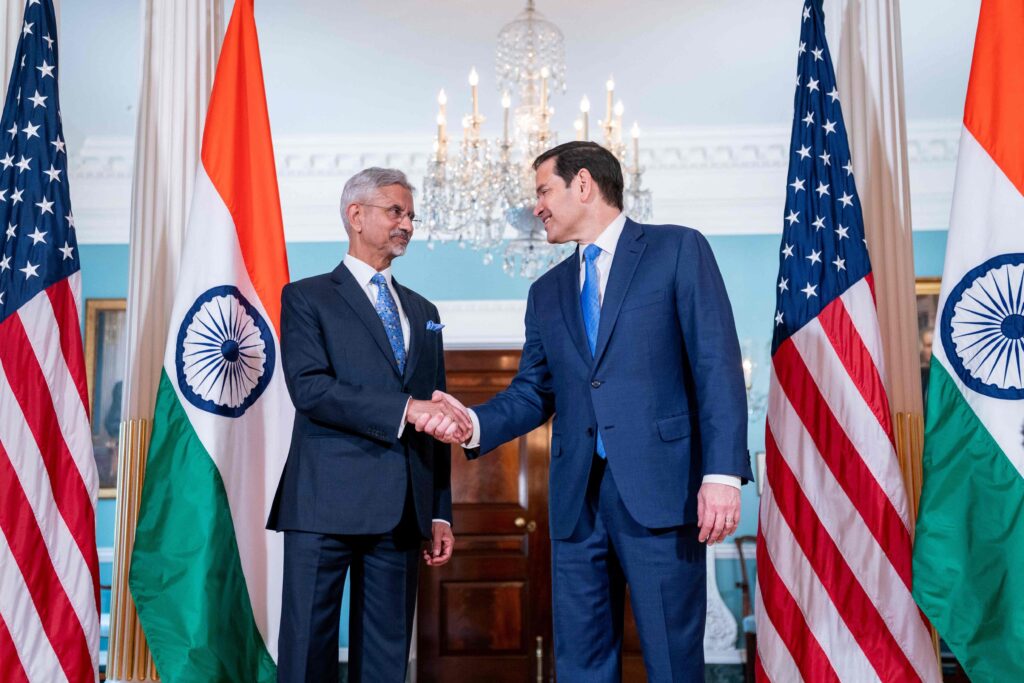
That TRF’s designation as a global terrorist group has occurred even as Islamabad has been actively lobbying Washington for renewed military and financial cooperation is no coincidence. It is the result of sustained Indian diplomacy of years, particularly after the Pahalgam massacre. In its the immediate aftermath, India has undertaken a full-spectrum offensive against terrorism originating from Pakistan which includes both diplomatic, and military.
On the military front, Operation Sindoor was launched on May 6/7 targeting and destroying terror launchpads and logistical hubs across the Line of Control (LoC) in Pakistan Occupied Jammu and Kashmir (POJK) and mainland Pakistan through calibrated cross-border strikes. Simultaneously, India mobilized its diplomatic repertoire to expose the role of Pakistan’s deep state in grooming and guiding terror outfits, not just in Kashmir but across the broader South Asian region. Under this, over half a dozen delegations of Members of Parliament and diplomats visited 33 countries providing irrefutable evidence of Islamabad’s culpability, including communications intercepts and intelligence dossiers, that linked TRF attacks directly to handlers based in Pakistan.
The campaign specifically also targeted the members of United Nations Security Council members, both permanent and non-permanent, excluding China, which has emerged as a major shield for Pakistan at global forums over the last decade. With this decision from Washington, New Delhi has succeeded in reframing discourse on how Pakistan’s state-backed terrorist infrastructure threatens regional and global peace.
Pakistan’s Duplicity Exposed
Pakistan’s strategy of using jihadist groups as “strategic assets” while maintaining a veneer of plausible deniability is no longer tenable. By operating through proxy outfits like TRF and PAFF, Islamabad hoped to evade global scrutiny while continuing its decades-long covert war in Kashmir. But the U.S. designation cuts through that obfuscation.
“The TRF is a Lashkar-e-Toiba front and proxy,” Secretary Rubio’s statement declared unequivocally, removing any diplomatic ambiguity. The move also comes at a time when Pakistan’s military establishment has been aggressively attempting to reset ties with Washington, offering its resources and positioning its strategic geography as a potential gateway for U.S. re-engagement in Afghanistan and Central Asia, as well as contain Iran. But the TRF designation puts Pakistan on the backfoot, reaffirming that no strategic calculus can be allowed to eclipse the imperative of countering terrorism.
A Message to the Global South
The U.S. move also carries implications beyond South Asia. For years, New Delhi has struggled to persuade many Global South countries, who see Pakistan as a fellow victim of terrorism, of the duplicity of its neighbour’s approach. The designation of TRF by the United States, after painstaking efforts by Indian diplomats, should mark an end to this duplicity, as this decision lends credence to New Delhi’s repeated assertions that terrorism must be addressed uniformly, not selectively. The strong condemnation of the Pahalgam massacre by BRICS a few weeks ago, where even traditionally Pakistan-friendly nations refrained from shielding it, reflects this slow but steady shift in sentiment.
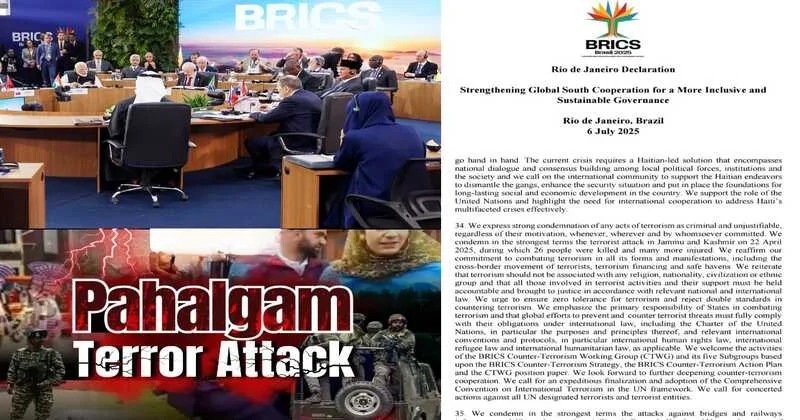
India has long advocated for a “no distinction” policy when it comes to terrorism, which is a stance undermined by the geopolitical calculations of major powers. But the TRF episode proves that, with the right strategy, facts on the ground can overcome narratives built on denial and deflection.
Toward Accountability
India’s challenge now lies in sustaining the momentum. Designation is one step; dismantling the financial and logistical architecture that sustains such groups is another. India has pushed for the enforcement of UN Security Council Resolution 1373, which mandates state accountability in curbing terrorism financing. The hope is that the TRF’s designation will compel financial institutions, regional bodies, and multilateral platforms to act decisively against those who shelter, fund, or excuse such entities.
Therefore, as India inches closer to its goal of internationalising the campaign against Pakistan’s proxy war, the TRF designation is more than a symbolic gesture. It should be seen as a diplomatic and strategic success, one that not only exposes Pakistan’s two-faced approach but also signals that the world is seeing through its “terror by proxy” strategy.
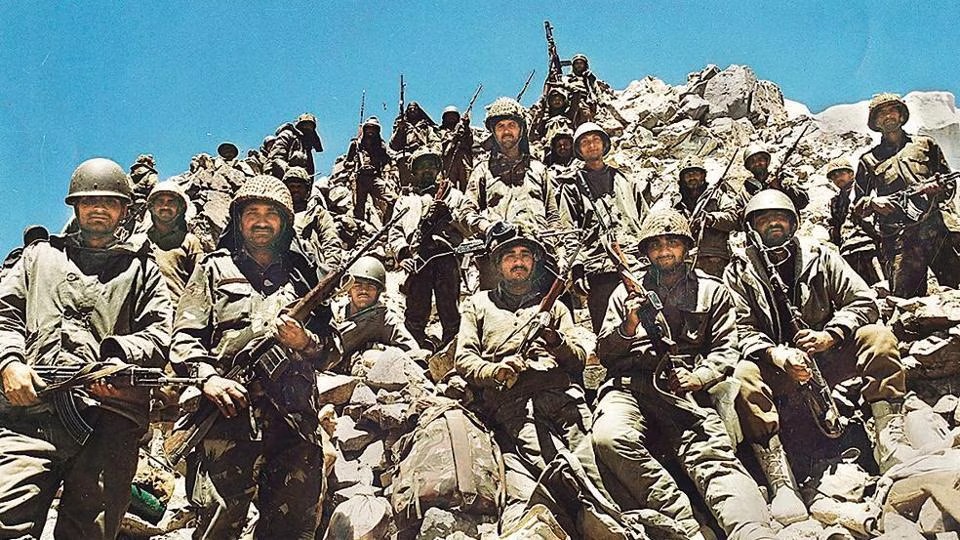
Twenty-six years ago, a bold infiltration in the Kargil region jolted the nation, as armed intruders crossed the border and occupied key high-altitude positions on India’s side of the Line of Control (LoC) in Jammu and Kashmir. Initially believed to be militants, the infiltrators were later confirmed to be part of a carefully planned covert military offensive—Operation Badr—conducted by the Pakistan Army.
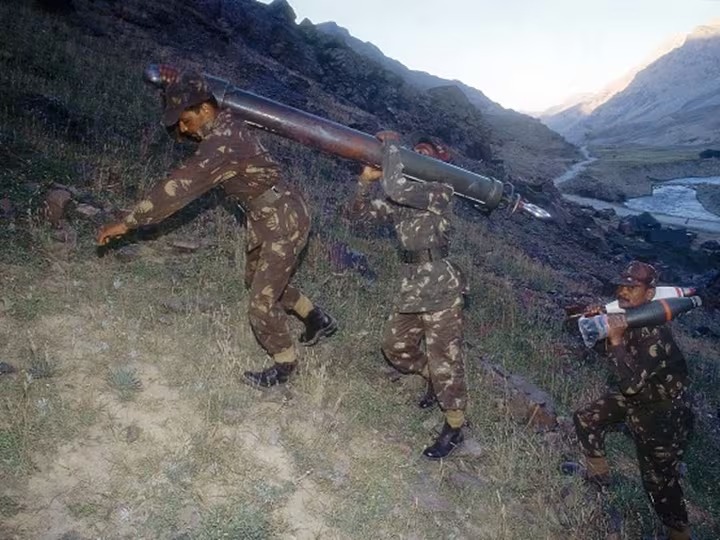
The objective was to secure a strategic advantage in the Kashmir region, sever India’s vital link to Siachen by cutting off Indian troops, compel their withdrawal, and ultimately facilitate the occupation of all of Kashmir. This incursion came just months after India and Pakistan had signed the historic Lahore Declaration, a bilateral agreement aimed at reducing tensions and resolving disputes through peaceful means and mutual respect for territorial sovereignty. The summer of 1999 thus marked Pakistan’s breach of this landmark accord and India’s decisive countermeasure through the launch of Operation Vijay.
The Kargil War of 1999 marked the first conventional conflict between two nuclear-armed states. What distinguishes this war is its conduct at extreme altitudes, spanning a 170-kilometre stretch of the Himalayan frontier, where Indian troops contended not only with hostile forces but also with harsh environmental conditions. Operating in low-oxygen environments, Indian soldiers ascended steep, icy cliffs—ranging between 8,000 and 18,000 feet—under relentless enemy fire to dislodge opposing forces and reclaim Indian territory. This conflict was, therefore, not merely a battle against a hostile adversary, well-entrenched in fortified bunkers with weapons poised, but also a confrontation with the unforgiving forces of nature. Despite the tactical advantage held by the enemy, Indian soldiers exhibited extraordinary perseverance, selflessness, and determination, rendering this military triumph one of the most revered in the nation’s history.
Victory in war is not solely determined by advanced weaponry, and the Kargil conflict serves as a definitive example. Indian troops, in fact, were not equipped with adequate mountaineering gear necessary for scaling the steep, frozen inclines. Despite these material shortcomings, they demonstrated the capacity to improvise, adapt, and overcome the obstacles before them, owing to their rigorous training in high-altitude warfare. Yet, the decisive factor in securing this victory was the spirit of camaraderie, which uplifted morale and inspired Indian soldiers to confront the entrenched enemy positions. This hard-won triumph still resonates through the words “Yeh Dil Maange More,” radioed by Captain Vikram Batra of the 13 J&K Rifles following the re-capture of Point 5140, the highest peak of Tololing. Captain Batra and his men then advanced to reclaim Point 4875 in the Mushkoh Valley, significantly shifting the momentum in India’s favour. It was here that the young officer laid down his life while attempting to save a fellow soldier from enemy fire. Beyond strategic prowess, Captain Batra embodied exceptional courage and leadership at merely 24 years of age, for which he was posthumously awarded the Param Vir Chakra, the nation’s highest military honour.
Grenadier Yogendra Singh Yadav of the Ghatak platoon was merely 19 years old when he sustained at least 15 gunshot wounds from enemy fire while ascending the cliff face during the assault on Tiger Hill. Despite his severe injuries, Yadav continued to advance as the unit’s sole survivor, ultimately destroying enemy bunkers with grenades and engaging in close-quarter combat to eliminate opposing soldiers, thereby clearing the path for his platoon to reclaim the strategic heights. As the youngest recipient of the Param Vir Chakra, Yogendra Singh Yadav recounts his extraordinary feat of courage with profound humility. Others, such as Major Rajesh Singh Adhikari (18 Grenadiers), Major Vivek Gupta (2 Rajputana Rifles), and Naik Digendra Kumar (2 Rajputana Rifles), led their men along the Tololing Ridge, targeting enemy bunkers, eliminating adversaries, and facilitating troop advancement—often at the cost of their own lives. These narratives, among many others, depict valiant soldiers shielding comrades from constant enemy assault, neutralising enemy positions before succumbing to fatal injuries, and enabling the Indian Army to reclaim national territory. Their collective sacrifice and indomitable spirit define the unmatched heroism of Operation Vijay.
The morale of the Indian Army received widespread public acclaim alongside robust institutional backing, standing in marked contrast to the approach adopted by its adversary. Pakistan’s Operation Badr was reportedly conceived in secrecy by a select group of senior military generals, excluding the Nawaz Sharif-led civilian government from the planning process. This not only compromised Pakistan’s democratic framework but also laid bare the entrenched influence of the country’s deep state. The covert nature of the operation and subsequent diplomatic isolation led to severe embarrassment for Pakistan’s civilian leadership, which initially denied the involvement of regular Pakistani troops in Kargil, portraying the infiltrators as ‘mujahideen’. Even after confirmation of identities of deceased Pakistani soldiers, the government refused to claim their bodies, keeping their families uninformed. It was Indian soldiers who performed the burials of many Pakistani troops with full military honours, accompanied by Muslim clerics conducting rites in accordance with Islamic customs. Notably, the body of Pakistani Captain Karnal Sher Khan was returned with a letter from Indian Brigadier M.P.S. Bajwa, commending Sher Khan’s courage and urging Pakistan to bestow military recognition. Although belated, Captain Sher Khan was posthumously awarded Pakistan’s highest military decoration—the Nishan-e-Haider. Twenty-five years later, the Pakistan Army formally acknowledged its involvement in the Kargil conflict, with former Prime Minister Nawaz Sharif publicly conceding the strategic misjudgement.
The Indian Army’s hoisting of the tricolour atop Tiger Hill on 4 July 1999—overlooking National Highway 1D, the vital lifeline of Ladakh—following its recapture from Pakistani forces, endures as a powerful emblem of national sovereignty, safeguarded by the unwavering dedication of Indian soldiers. It continues to stand as a profound symbol of territorial integrity, preserved through the courage and sacrifice of Indian troops. As the nation commemorates Kargil Vijay Diwas on 26 July, it is a moment to honour those who laid down their lives in defence of every inch of our homeland, as well as those who continue to uphold the national flag with unwavering pride.
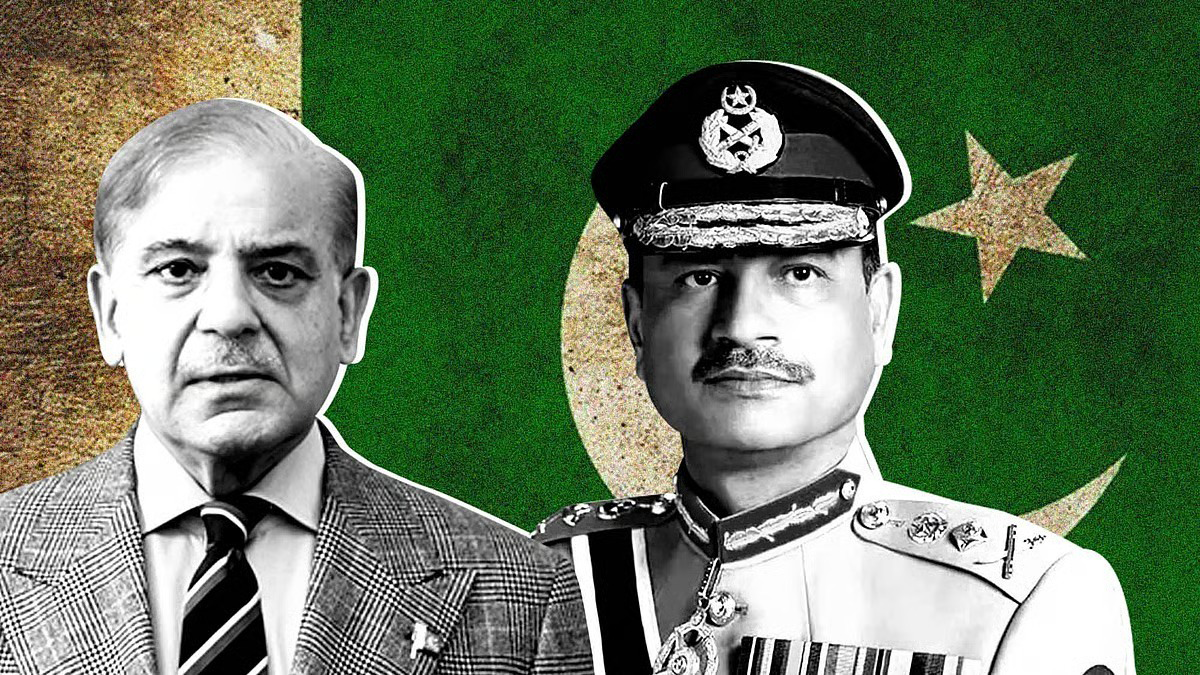
In a development that has sparked concern across Pakistan’s social landscape, the federal government under Shahbaz Sharif has recently bestowed the rank of Field Marshal—the nation’s highest military title—upon General Asim Munir, the Chief of Army Staff. Officially justified on the grounds of his “exemplary leadership” during the latest military confrontation with India, the move has prompted significant debate regarding the future direction of civil-military relations in Pakistan, as well as the military’s increasingly entrenched influence over democratic institutions, which have historically operated under the shadow of the armed forces.
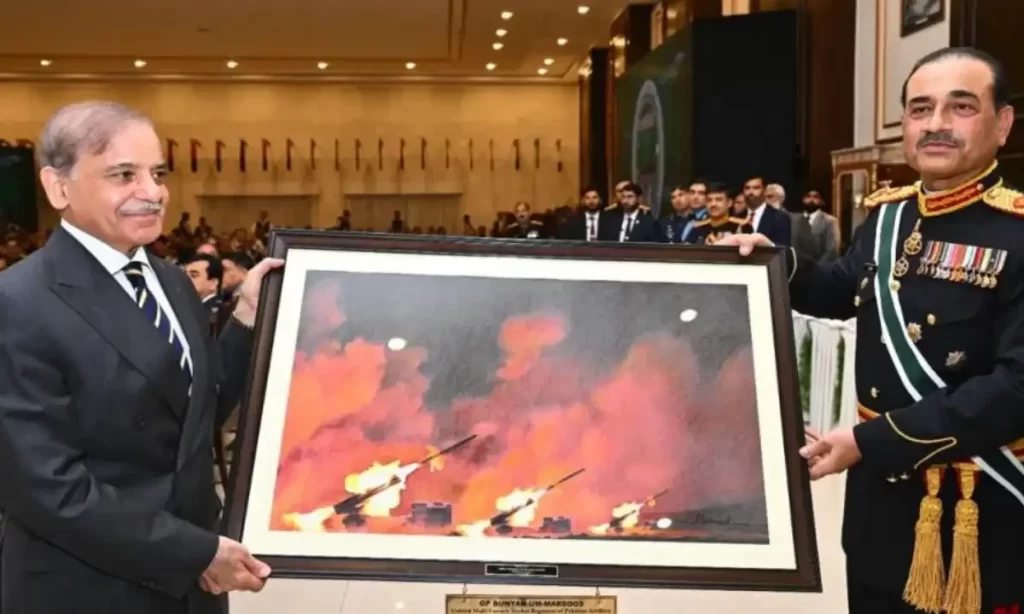
This marks only the second occasion in Pakistan’s nearly eight-decade history that such a distinction has been granted to a military general. The first instance was in 1959, when General Ayub Khan received the title and subsequently governed Pakistan as a military autocrat for more than ten years. Though the comparison remains unspoken, it is both striking and revealing.
General Munir’s promotion to Field Marshal follows a recent military escalation between India and Pakistan, triggered by Operation Sindoor (6–7 May) launched by the Indian Armed Forces in retaliation for the killing of 26 tourists in Pahalgam, Jammu and Kashmir, on 22 April by Pakistan-based Lashkar-e-Toiba-affiliated terrorists. While official statements from Islamabad praised the operation as a strategic triumph that repelled Indian “aggression,” emerging reports suggest a far more nuanced reality. This is despite Indian forces not only striking terrorist infrastructure in initial precision attacks between 7–9 May, but also widening the operation’s scope to target at least nine Pakistan Air Force (PAF) bases, in addition to other military assets including air defence systems in urban centres such as Lahore. No fewer than three airbases, including Rafiqui, sustained substantial damage and were rendered non-operational.
The official account presented by the Pakistan military underscores themes of restraint, readiness, and strategic deterrence. In doing so, the narrative seeks to transform a moment of vulnerability into one of fortitude. The conferment of the Field Marshal rank on General Munir is being promoted as a key element of this narrative reconstruction by the military leadership. This symbolic gesture aims to unify Pakistan behind its armed forces and convey an image of institutional robustness at a time when internal dissent was mounting, and the legitimacy of both the military and civilian governments has been increasingly questioned in recent years, particularly following electoral manipulation.

The significance of General Munir’s elevation extends well beyond ceremonial recognition. In Pakistan, where the military has historically served as the primary arbiter of political authority, such appointments are seldom purely symbolic. They frequently carry prescriptive implications. This promotion should be understood as a formal acknowledgement of the ongoing consolidation of military supremacy over key state institutions. For example, the military establishment has appointed numerous retired and active officers to head various civilian agencies such as NADRA (National Database and Registration Authority), WAPDA (Water and Power Development Authority), and organisations like SUPARCO (Pakistan Space & Upper Atmosphere Research Commission), among others. The increasingly indistinct boundary between civilian and military spheres has become a defining feature of Pakistan’s governance framework. Consequently, General Munir’s advancement is not merely a commendation of his “wartime” leadership but a clear indication that the military intends to maintain, if not extend, its control over the country’s political arena in the foreseeable future.
The Army’s impetus for this symbolic consolidation of authority arises in part from its declining public reputation in recent years. Previously regarded as the exclusive guardian of order and stability within a volatile political environment, the Army’s overt involvement in political manoeuvring has faced growing criticism.
The pivotal moment occurred with the removal—and eventual incarceration—of former Pakistani Prime Minister Imran Khan. Initially perceived as the military’s preferred candidate, Khan’s time in office deteriorated relations with the generals, culminating in his ousting via a no-confidence motion in 2022, widely considered to have been orchestrated by the military leadership. His subsequent arrest and the suppression of his supporters attracted widespread condemnation both within Pakistan and internationally, undermining the Army’s carefully maintained reputation as an impartial protector of the national interest.
Within this context, the conferment of the Field Marshal rank serves as an effort to regain diminished legitimacy. General Munir is portrayed not merely as a military tactician but as a unifying national leader who re-established Pakistan’s strategic equilibrium amid Indian hostility and maintained national cohesion during periods of internal turmoil.
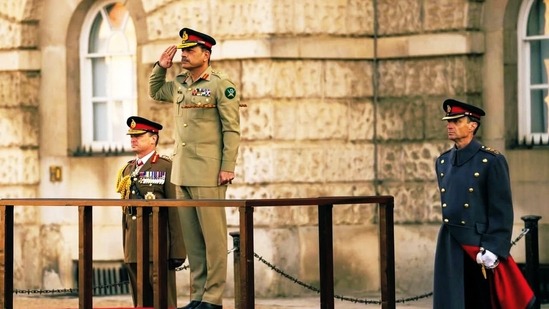
However, such symbolism carries significant consequences. The present civilian government, largely perceived as a product of the military-backed elections of 2024, has exhibited minimal opposition to this concentration of power. Consequently, Pakistan is edging alarmingly close to overt authoritarianism. What sets this period apart from previous episodes of military rule is the façade of civilian governance that confers democratic legitimacy on what is fundamentally a military-controlled state apparatus. Within this context, the Field Marshal designation is not merely a ceremonial embellishment but rather a symbol crowning an increasingly centralised power structure, which allows scant space for institutional independence or democratic accountability in Pakistan.
Furthermore, this display of confidence should also be interpreted as concealing underlying vulnerabilities amid the ongoing and severe economic crisis and security challenges confronting Pakistan. For example, the rupee continues to depreciate, inflation remains elevated, and the country remains heavily dependent on IMF bailouts alongside financial assistance from allied nations such as China and Saudi Arabia.
In Pakistan, the legacy of Field Marshal Ayub Khan continues to exert a significant influence. His period in power was characterised by centralisation, suppression of dissent, and a disastrous conflict with India in 1965. The Pakistani establishment may be invoking the memory of strong leadership once more, even if it comes at the expense of institutional stagnation. More importantly, this development diverts attention from a crucial question: Who holds the military accountable in Pakistan? In democratic systems, even generals during wartime are subject to scrutiny by elected officials. However, in Pakistan, where the Army has long functioned as a state within a state, such oversight remains largely unattainable.
Pakistan is at a pivotal crossroads, and the promotion of General Asim Munir to Field Marshal epitomises the broader political shift in which civilian institutions are progressively subordinated to military control, with democratic aspirations being compromised in favour of purported security priorities.
In the short term, this action may effectively convey a sense of unity and strength. However, over the longer term, the concentration of authority in unelected hands seldom augurs well for institutional progress or political stability. As Pakistan addresses its economic difficulties, faces insurgency threats, and contends with the complexities of a multipolar global order, its most significant challenge may arise not from external adversaries but internally: the erosion of democratic principles and the deepening entrenchment of military dominance.
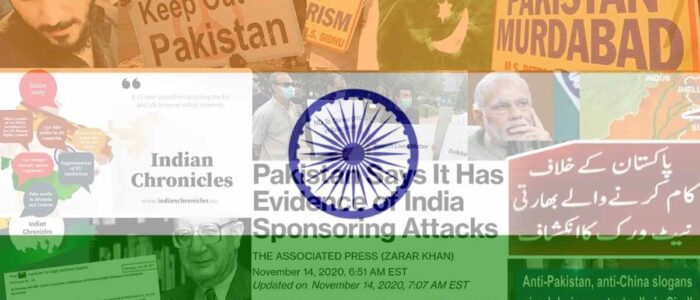
Since the partition of the Indian subcontinent in 1947, which led to the creation of independent India and Pakistan, the latter has endured multiple military defeats at the hands of the former. Characterised by military adventurism and political revisionism, Pakistan’s national and security policies have consistently revolved around India.
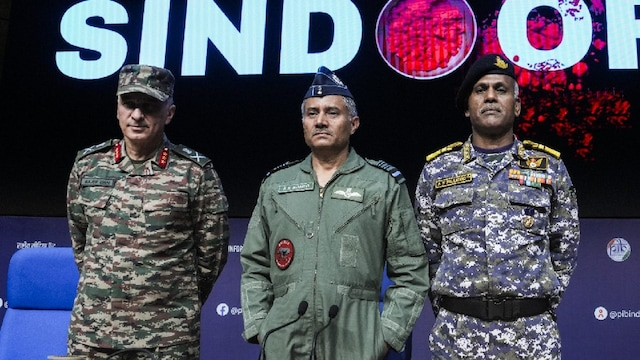
Merely months after independence, Pakistan revealed its questionable strategic inclinations by deploying tribal militias into Kashmir, sparking the first conflict between the two states. Almost twenty years later, the 1965 war erupted, again provoked by Pakistan’s incursion across the ceasefire line. These encounters proved humiliating for Pakistan, yet they pale in comparison to the profound setback of losing East Pakistan. Despite forfeiting around 15% of its land and more than half of its population, Pakistan exhibited a striking form of resilience—not through strength, but through denial. This enduring tendency to operationalise denial, combined with its consistent strategy of employing proxy warfare, has forced India to reassess its security doctrine concerning its volatile neighbour—from one of deterrence to a strategy aimed at raising the costs of Pakistan’s provocations.
Despite enduring immense international condemnation for its egregious human rights violations and persecution in East Pakistan—actions that intensified the secessionist uprising—Pakistan maintained a policy of constructing narratives for domestic audiences. Even today, many within the country remain unaware of the extent of the atrocities committed by their state against their former compatriots. In stark contrast, Pakistan glorified the sinking of the INS Khukri by the PNS Hangor as a defining victory, enshrining it within national and military legend. The loss of the Khukri was indeed historically significant, marking the first occasion since the Second World War that a submarine sank a warship in combat, and it inflicted a considerable blow to India, which lost 18 officers and 176 sailors in the incident.
Despite the Pakistani establishment’s deliberate distortion of events, the reality remains that Pakistan suffered losses in blood, territory, and prestige due to the Indian Army’s ferocious 13-day campaign on both its western and eastern fronts—most notably, the Indian Air Force’s powerful operation which included bombing Dhaka’s Governor House during an active meeting. This strike dealt a decisive blow to Pakistani morale, prompting Lt. Gen. A.A.K. Niazi, commander of the Eastern Command (in what is now Bangladesh), to request a ceasefire from Indian Army Chief General Sam Manekshaw. On 16 December 1971, Pakistan formally signed the instrument of surrender and was compelled to hand over approximately 93,000 soldiers to Indian forces. A similar pattern of narrative manipulation and denial resurfaced during the 1999 Kargil conflict—shortly after both nations had become nuclear powers—when the Indian Army successfully retook all positions initially captured by Pakistani infiltrators. Predictably, rather than conceding strategic defeat, Pakistan portrayed the episode as a display of bold resistance.
Commencing in the 1980s, Pakistan’s acute deficiency in strategic depth and its lack of conventional parity with India compelled it to revise its security doctrine and adopt the strategic utilisation of radical groups. Its active participation in the Afghan Jihad during this period—under the broader US-led initiative against the Soviet occupation of Afghanistan—provided the essential framework for implementing this proxy warfare strategy. Subsequently, Pakistan’s military-intelligence establishment fuelled a violent insurgency in Kashmir, orchestrating numerous terrorist attacks across the valley and other parts of India over the following decades. For an extended period, India adhered to a policy of conventional military superiority, strategic restraint, and diplomatic engagement to enforce deterrence—driven by factors such as Pakistan’s use of plausible deniability, the nuclear status of both nations, and global pressure for caution.
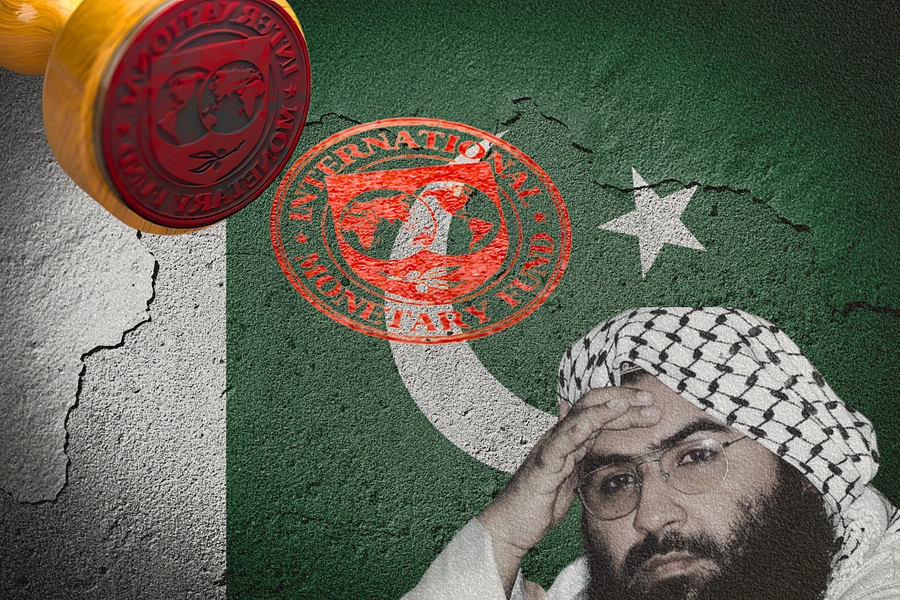
Over time, two clear patterns became evident. The first was that efforts towards diplomatic reconciliation and peace talks were repeatedly undermined by cross-border terrorism. The Kargil conflict occurred shortly after the landmark Lahore Declaration signed by Prime Minister Atal Bihari Vajpayee and his Pakistani counterpart Nawaz Sharif; the 2001 Agra Summit between President Pervez Musharraf and PM Vajpayee was swiftly followed by the horrific attack on the Indian Parliament; and the comprehensive peace initiative led by PM Manmohan Singh and President Musharraf—commonly referred to as the ‘Manmohan-Musharraf formula’—was derailed by the devastating 2008 Mumbai terror attacks, among other instances. Secondly, India’s response—marked by diplomatic disengagement, presentation of incriminating evidence against the Pakistani establishment at global multilateral platforms, and advocacy for coordinated international action—was met with bureaucratic inertia, geopolitical contestations, procedural delays, and widespread international indifference. Even a seemingly straightforward matter, such as the United Nations listing of Masood Azhar—leader of Jaish-e-Mohammad, responsible for the 2001 Parliament attack, 2016 Pathankot attack, and 2019 Pulwama attack—was obstructed for over a decade due to Chinese vetoes. India even agreed to Pakistan’s proposal for a joint investigation into the 2016 Pathankot attack, only for the Pakistani findings to label it ‘another false flag operation fully facilitated by the Indian army solely to blame Pakistan’.
Owing to Pakistan’s continued deception and denial, coupled with international inaction, a discernible shift has occurred in India’s strategic approach in recent years. Rather than focusing on deterrence—which would necessitate fundamental changes within Pakistan’s political and security structures—India appears to have moved towards a strategy centred on punitive cost-imposition. This shift began to surface following the 2016 surgical strikes in response to the Uri attack, gained further momentum with the Balakot air strikes after the Pulwama incident, and has now culminated in full force with the recent Operation Sindoor. Collectively, this trajectory signifies a doctrinal and operational transformation across several dimensions.

In the immediate aftermath of the horrific terrorist attack in Kashmir’s Baisaran Valley on 22 April, which claimed the lives of 25 Indian civilians and one Nepali national, India demonstrated its intent to retaliate by suspending the historic 1960 Indus Waters Treaty—long regarded as a symbol of cross-border cooperation and remarkably resilient through past conflicts. Within two weeks, this diplomatic rupture was followed by a series of precision strikes targeting nine terrorist infrastructure bases across Pakistan and Pakistan-occupied Kashmir. India described these strikes as ‘measured, non-escalatory, proportionate, and responsible,’ asserting both its necessity to act after decades of provocation by the Pakistani establishment and its desire to avoid full military escalation. The ensuing four-day cross-border aerial engagements and artillery exchanges along the Line of Control brought the adversaries to their closest point of all-out war since Kargil in 1999, revealing several critical developments. Firstly, India’s unprecedented escalation signalled not only its ability to strike Pakistan but also its readiness to incur risks and bear potential costs. Secondly, the operation and India’s accompanying message—that any attack on its soil would be treated as an act of war—effectively dismantled the false distinction between Pakistan’s state apparatus and its proxy militants, stripping Islamabad of plausible deniability. Lastly, this military action is reinforced by diplomatic efforts to impose global economic consequences on Pakistan, demand accountability for embedded terrorist figures and infrastructure, and shape the international narrative to reflect India’s grief, resilience, and zero tolerance for terrorism.
Hence, India’s shift in security doctrine towards Pakistan—from deterrence to punitive cost-imposition—has not emerged from impulsive power projection but from decades of painstaking efforts to secure accountability and reconciliation with a state that treats proxy terrorism as a strategic imperative. This recalibration stems from the realisation that, rather than deterrence, the objective must be to impose escalating costs that render Pakistan’s strategic use of terrorism increasingly unviable. With its economy in rapid decline and dependent on international financial bailouts, the waning public credibility of its military, and a series of internal security challenges, Pakistan’s continuation of cross-border terrorism against India is now yielding steadily diminishing returns.