
-Arun Anand
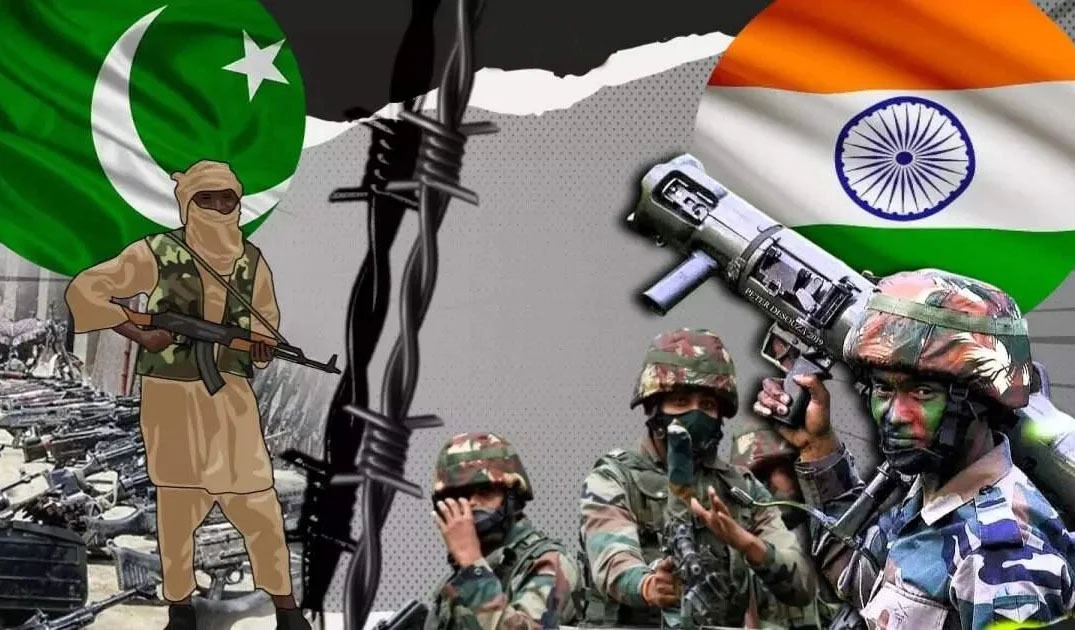
For over four decades, Pakistan bet its security strategy on one idea: that Afghanistan could be controlled and turned into a “strategic depth” against India. The military and political elite in Islamabad treated Kabul as a buffer and a playground — a state to be manipulated through compliant regimes and proxy jihadist groups.
Militant networks were nurtured as instruments of foreign policy, and Pakistan believed this would secure influence across the region and check India’s power. Instead, the very forces Islamabad once empowered have turned against it. In 2025, the grand doctrine of strategic depth lies in ruins — a self-inflicted disaster now driving Pakistan’s worst security crisis in years.
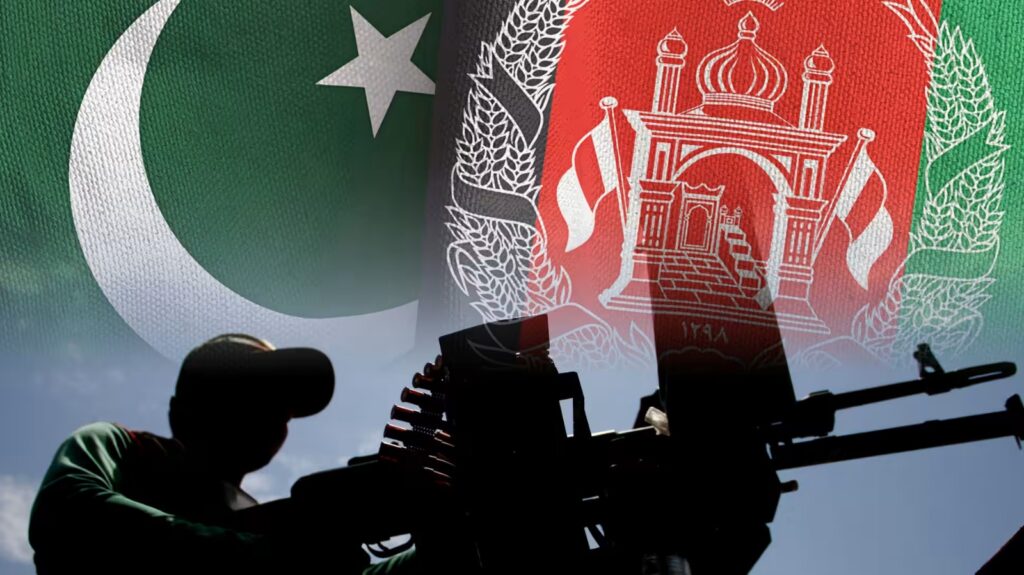
Rather than securing Pakistan, Afghanistan has become the epicentre of the very dangers Islamabad once believed it could manage or manipulate. What was once perceived as an asset has now become a trap. The transformation of Afghanistan from strategic depth to strategic liability has unfolded gradually, but the past two years have made the shift undeniable.
When the Taliban returned to power in Kabul in 2021, Pakistan was widely seen as the external actor poised to benefit the most. Many within Islamabad believed that a Taliban government, because of historical ties, would be cooperative, deferential, and dependent. But that assumption now looks dangerously misplaced.
The Taliban’s political priorities have changed, their sources of external support have diversified, and their internal legitimacy depends on projecting a strong, independent stance — especially against Pakistan, which many ordinary Afghans still view with suspicion. Instead of shaping Afghan behaviour, Pakistan now finds itself confronting a volatile neighbour whose rulers no longer feel obliged to accommodate Pakistani interests.
Militant Blowback and a Hardening Border
Nowhere is this reversal clearer than in the surge of militant activity targeting Pakistan from Afghan soil. Over the past year, Pakistan has experienced a marked increase in terrorist attacks carried out by the Tehreek-i-Taliban Pakistan (TTP) and associated networks. Security reports from 2024 and 2025 indicated that many attackers either crossed over from Afghanistan or were trained and sheltered there.
Pakistani officials have repeatedly stated that a significant percentage of suicide bombers involved in major attacks were Afghan nationals. The data, while varying between sources, consistently shows a dangerous trend that the Afghanistan-Pakistan border has become increasingly porous to extremist infiltration, and many of these groups feel emboldened by their close ideological ties to the Afghan Taliban.
This is the central irony of Pakistan’s predicament. The militant ecosystem that Islamabad once supported for regional leverage has now splintered in ways that work against Pakistan itself. The TTP, originally an offshoot of groups nurtured under earlier Afghan policies, now treats Pakistan as its primary enemy.
Pakistan’s own creation has turned against its creator. The militancy that Islamabad once believed could be contained beyond its borders has now penetrated deep inside — striking security convoys, police units, and civilian targets with growing regularity. The blowback is undeniable.
In response, Pakistan has increasingly resorted to military actions along — and across — the Afghan border. Throughout 2024 and into 2025, Pakistan conducted a series of cross-border artillery strikes and air raids targeting what it described as TTP safe havens. In several cases, those strikes hit areas inside Afghanistan, killing not only militants but also civilians, including women and children. These incidents have sharply escalated diplomatic tensions.
Kabul has issued multiple condemnations, arguing that Pakistan is violating Afghan sovereignty and inflaming anti-Pakistan sentiment among the Afghan population. What Islamabad once framed as necessary counterterror operations are now seen by many Afghans as external aggression, deepening hostility that already runs high.
Border clashes have also intensified. In late 2024 and through out 2025, firefights between Pakistani forces and Taliban border units became frequent, sometimes lasting hours. Pakistani officials reported significant casualties on their side, and Afghan authorities claimed similar losses.
The AfPak border — once envisioned as a controllable frontier from which Pakistan could extend influence — has hardened into one of the most militarized and unstable fault lines in South Asia. Instead of projecting strength, Pakistan finds itself in a defensive posture, its troops stretched and its internal security architecture under strain.
Diminishing Diplomatic Leverage and Growing Vulnerability
Diplomacy has not eased the tensions. Attempts at negotiation, including several rounds of high-level talks in 2024 and 2025, produced only limited agreements focused on border management and intelligence sharing. These arrangements have struggled to translate into real cooperation on the ground. The Taliban government maintains that it does not control the TTP, insisting that the group operates independently.
Pakistani officials reject that claim, arguing that nothing of significance can operate in Afghanistan without at least tacit Taliban approval. The resulting stalemate has left both countries locked in a cycle of accusation and retaliation.
Pakistan’s broader regional standing has also been affected. The international community has expressed growing concern about the escalating border violence, with several countries calling for restraint and renewed dialogue. Islamabad, once positioned as a key interlocutor between the Taliban and the West, now finds its diplomatic leverage diminished.
Meanwhile, the Taliban have sought new partnerships — particularly with regional powers seeking economic or strategic opportunities in Afghanistan. This reduces Pakistan’s ability to shape events in Kabul and signals a fundamental shift in the balance of influence.
The implications for Pakistan’s internal security are profound. The resurgence of terrorism within its borders has strained provincial administrations, especially in Khyber Pakhtunkhwa and Balochistan. Police forces remain under-equipped, despite repeated calls for better resources. Public frustration is rising, particularly as attacks occur with worrying frequency.
Many citizens question the effectiveness of Pakistan’s long-standing policies toward Afghanistan and ask whether the sacrifices of the past two decades — military operations, casualties, and massive financial costs — have led to greater safety or merely deeper vulnerability.
The broader economic situation compounds the crisis. Pakistan’s financial struggles, including high inflation, energy shortages, and slow GDP growth, make it increasingly difficult to sustain prolonged military readiness along a volatile border. The costs of counterinsurgency operations, refugees’ management, and security infrastructure rise steadily even as state revenues remain limited.
Meanwhile, Afghanistan shows no sign of curbing the groups hostile to Pakistan. This asymmetry — a costly security burden with no cooperative counterpart in Kabul — underscores how Pakistan’s strategic depth has morphed into a strategic trap.
A Strategic Concept in Collapse
Yet the most troubling dimension of this trap is conceptual. Pakistan’s Afghan policy relied on assumptions that no longer hold: that Kabul could be influenced through patronage that militant groups could be calibrated for strategic use, and that Afghanistan’s internal dynamics would remain subordinate to Pakistani interests. The reality of 2025 contradicts each of these assumptions.
The Taliban now make decisions independently. Militant groups have become ideological actors rather than controllable proxies. Afghan nationalism, sharpened by decades of conflict, rejects external interference from any quarter — especially from Pakistan. The strategic logic underpinning decades of policy has evaporated, but its consequences persist.
Pakistan now stands at a critical juncture. It can continue to treat Afghanistan as a battleground, striking across the border and relying on force to push back the militants. But this would deepen the cycle of violence, alienating Afghan society further, and entrenching hostile networks.
Alternatively, Pakistan could pursue a significant recalibration — acknowledging the limits of influence, dismantling the remnants of proxy structures, and treating Afghanistan as a sovereign neighbour rather than a proxy regime. Such a shift would require political courage and institutional consensus, both of which have historically been fragile when it comes to Pakistan. But without such a rethinking, Pakistan risks sinking deeper into the trap of its own making.
The strategic depth that Islamabad long prized has become an illusion. Afghanistan is no longer a pliable sphere of influence but a source of hostility capable of undermining Pakistan’s security from within. The militants once cultivated as assets have become liabilities. The border once seen as a shield has become a wound. Pakistan’s Afghan dilemma is no longer about losing influence; it is about preventing the fallout from a potent threat to its own stability.
The question facing Pakistan in 2025 is not whether Afghanistan can be controlled but whether Pakistan can escape the strategic trap created by decades of miscalculation. Whether it will recalibrate before the trap tightens further is a question that will impact the region’s future also.
-Arun Anand
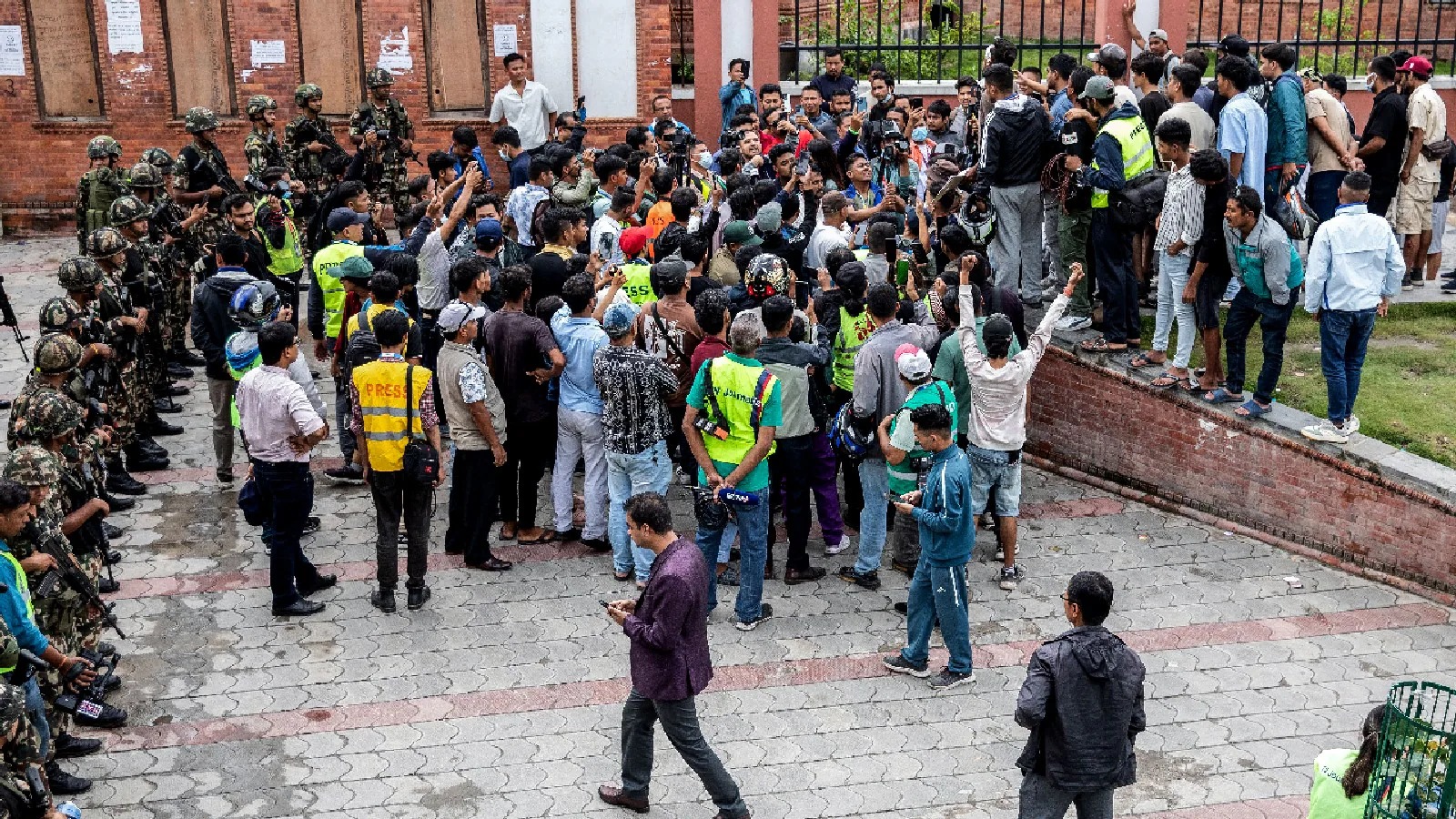
After the recent protests in Nepal by Gen Z that toppled its government, the global commentaries are raising the question: why aren’t India’s youth taking to the streets? As Nepal’s Gen Z had managed to bring down a government within two days, observers in Western capitals rushed to draw comparisons with calm in India. Across all these Western media coverages, the undertone was unmistakably similar — India’s young citizens are either disenchanted or forcibly silenced as they are not coming out on streets. The question that has been repeatedly asked by the Western media is how could 370 million digitally connected, energetic young people stay quiet while their neighbours erupt in rebellion!
This line of reasoning is not only too simplistic; it reflects a new colonial construct. The same Western lens that once portrayed the “East” as mysterious now depicts it as perpetually unstable. This new form of neo-orientalism associates political maturity with the violent protests on the streets; if there is no unrest, it implies stagnation and not a resilient democracy!
The recent BBC piece questioning why India’s Gen Z is not taking to the streets is a manifestation of this tendency.
It draws parallels between India and smaller countries like Nepal, Bangladesh, and Madagascar, suggesting that the absence of mass uprisings signals a lack of youthful energy or civic courage. The problem isn’t nastiness, it’s method. Comparing India to these states is to misunderstand how democracies operate at a larger scale. Nepal’s protests erupted after a sudden social media ban and amid a fragile coalition government that survives on thin legitimacy. India’s federal and electoral architecture, by contrast, disperses discontent across 1.4 billion people, 28 states, and thousands of local governments.
The design of Indian democracy doesn’t suppress anger; it channels it. Protests in India rarely topple governments because institutions, courts, elections, bureaucracies, and welfare systems absorb the shock. To view the absence of unrest as evidence of apathy is to overlook how political participation actually functions in a robust and mature democracy.
There is an unspoken discomfort in much of Western coverage about how India, despite all its contradictions, remains economically and politically more stable than its peers. It continues to grow faster than most large democracies, sustains multi-party elections with a healthy turnout, and manages one of the world’s most complex social fabrics without systemic collapse. This stability is rarely celebrated in Western media; it’s often treated with suspicion. The reflexive narrative is to ask what might be going wrong beneath the calm rather than what mechanisms have allowed a post-colonial state to sustain democratic continuity and growth at this scale.
Part of this bias comes from habit. The Western media has always treated South Asia as a theatre of crisis. If the story isn’t of famine, coup, or riot, it barely registers. But another part stems from deeper discomfort; India no longer fits neatly into the developmental hierarchies that once defined the global imagination. It’s too chaotic to be treated as Western, too successful to be pitied as “developing”. So, its stability is read as a paradox, not as an achievement.
In Western capitals, protest is considered a hallmark of civic virtue. The French strike, the British march, and the American sit-in—these are viewed as signs of healthy democracy. Yet when the same template emerges elsewhere, it’s often described in different terms: “unrest”, “mob violence”, or “youth instability”. This double standard also extends to its inverse.
When Western societies experience protest fatigue or political disengagement, it is analysed as a sign of post-modern maturity, a democracy that no longer needs the street. When India’s youth turn to the ballot box instead of barricades, it is defined as evidence of apathy. The irony is glaring. India’s 2024 general election saw the participation of nearly a billion voters, more than the population of the entire West combined. If protest is one language of democracy, participation is another. Yet the latter rarely makes headlines.
To describe India’s Gen Z as “silent” is to overlook the forms of politics that do not conform to Western standards. Indian youth are debating, campaigning, voting, volunteering, building businesses, and engaging digitally at an unprecedented scale. Their politics isn’t always radical; it’s often pragmatic, sometimes ideological, occasionally contradictory. But it is politics nonetheless. The idea that activism must take the form of confrontation reflects a narrow understanding of agency. The Indian model of civic participation relies less on disruption and more on negotiation, achieved through social media, student movements, local elections, or NGO networks. Protest here is not a lifestyle choice; it’s a last resort. This doesn’t make India less democratic. It makes it democratic in a more sustainable way.
The Western gaze often operates on two assumptions: first, that Western democracies are the gold standard for political behaviour; and second, that political energy elsewhere must express itself through familiar Western forms to be valid. Both assumptions collapse under scrutiny. The protests in France over pension reform or Britain’s student marches are never compared to “big democratic neighbours.” They are treated as internal expressions of civic strength, not as part of a regional morality play. But when South or Southeast Asian youth mobilise, or don’t, the question becomes comparative and moralising: why don’t others follow? Why isn’t India emulating its neighbours? This reflects ‘projection’ and not ‘analysis’. Western media expects the template in their part of the world to be replicated everywhere. When it doesn’t, they treat it as a sign of deficiency of democratic values.
If we step away from this template, India’s apparent calm begins to look less like resignation and more like resilience. Its youth are not revolutionaries by default because they have grown up inside an established, functioning democracy. They have witnessed for decades that power dynamics can be successfully changed through ballots, not barricades. This generation of young Indians is also smoothly navigating global economic competition, digital transformation, and an aspirational middle-class culture that prizes progress over protest. Their energies are directed toward mobility, not militancy. Far from being depoliticised, they are the inheritors of a political system that has normalised participation so deeply that it no longer requires upheaval to feel real. In that sense, India’s “stability” is not the absence of politics, it’s the maturity of it.
India would never fit into the Western media’s binary of democratic decline or populist revolt. Her story is less dramatic, but more consequential: a multi-ethnic, multi-religious, multilingual democracy that manages to govern, argue, and grow simultaneously. The West often mistakes this for contradiction. It is, in fact, the definition of balance. The time has come for global media to update its interpretive grammar. Not every democracy must protest to prove it’s alive.To understand India, one must abandon the lens of spectacle and learn to see political endurance as a testament to achievement, not an anomaly. The real story isn’t why India’s youth aren’t burning tyres; it’s why, despite every reason to fracture, the world’s largest democracy still holds together. And that story deserves to be told without a Western filter.
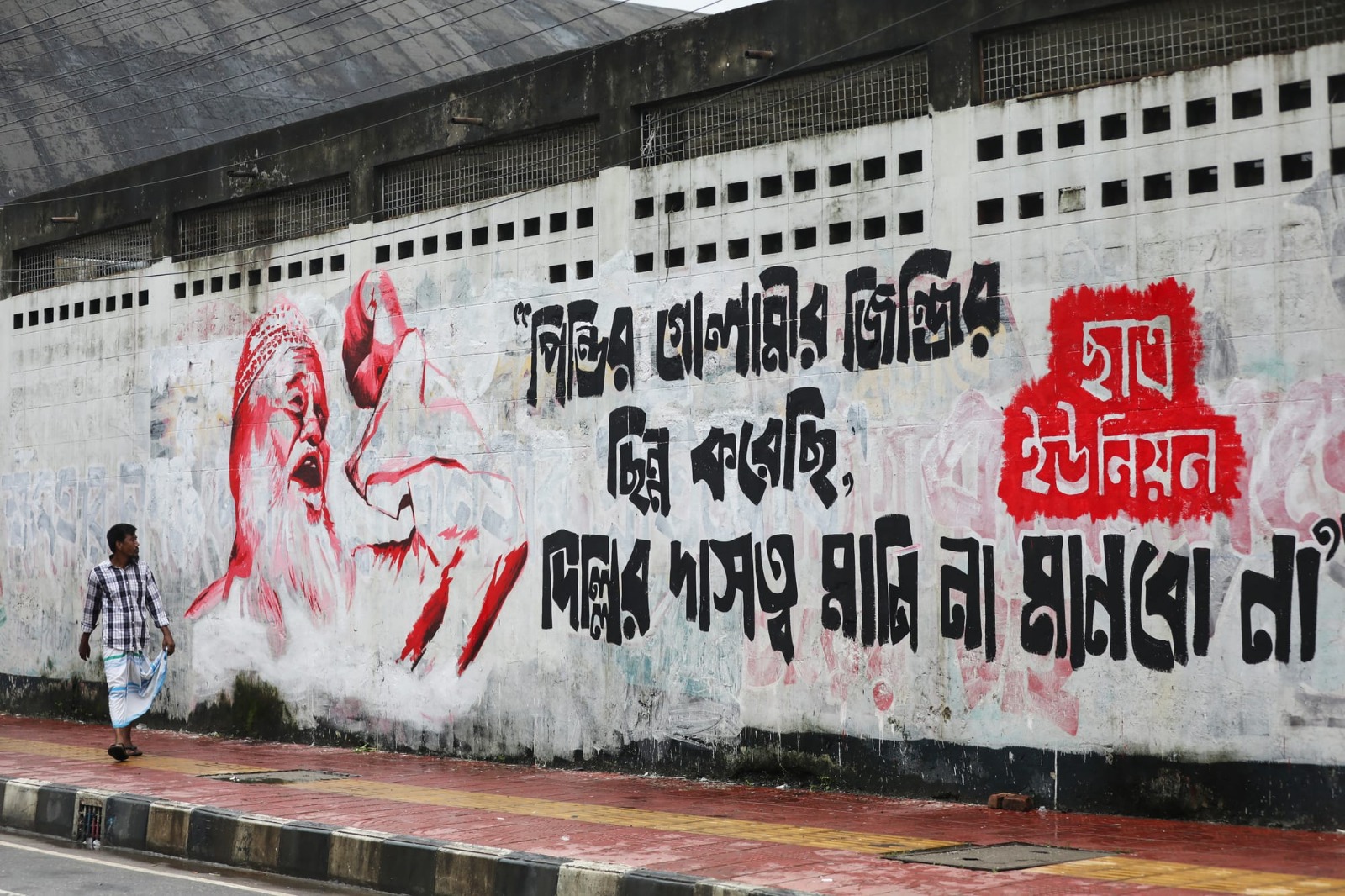
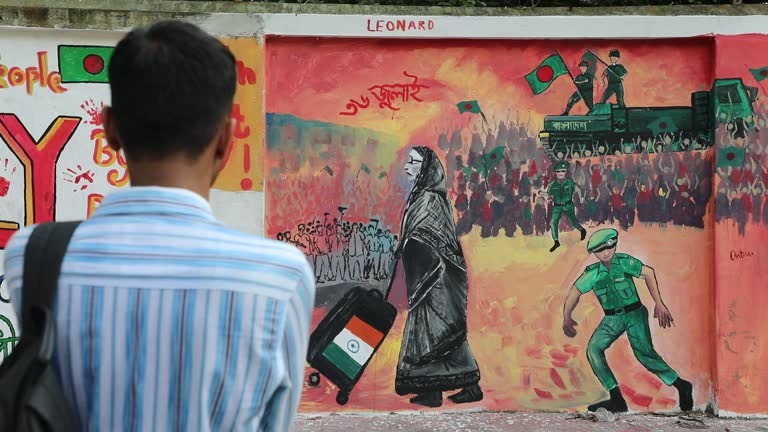
The 2024 July Uprising that ended Sheikh Hasina’s 15-year political tenure transformed Bangladesh’s political landscape. With anti-Hasina forces grabbing power, the political culture shifted and Bangladesh’s foreign policy took a spin as its old friend India came to be seen as an enemy overnight.
Anti-India sentiment was present in Bangladesh even during Hasina’s tenure, especially nurtured by radical Islamists and Pakistan apologists. The reason was heightened bilateral ties reached between India and Bangladesh on multifaceted areas — from cultural diplomacy to reaching understanding on water and land sharing, to new connectivity projects – port, buses and railway – for economic cooperation to greater border security, thanks to joint counter-terrorism measures.
It was also the time Bangladesh’s relations with Pakistan witnessed a thaw as under International Crimes Tribunal, war criminals mostly belonging to Jamaat-e-Islami who collaborated with Pakistan Army during 1971 Liberation War, were given death sentences and life imprisonment on charges of war crimes.
In the domestic sphere, Hasina’s hard dealing of new terrorist offshoots, witnessed during 2013-17, aggravated radical Islamists who openly advocated against Bangladesh being a constitutionally secular state (an ideological stand of Awami League party). All these factors culminated in shaping a new narrative — Hasina “selling” Bangladesh’s democracy to New Delhi.
Soon after the January 2024 election where Sheikh Hasina faced a decisive win, her political opponents doubled down on anti-India propaganda. First, they criticised New Delhi for congratulating Hasina at a time western countries raised concern over Bangladesh’s free and fair election. Then they blamed New Delhi for meddling in Dhaka’s internal affairs, alleging Narendra Modi government to have had a hand behind Hasina’s victory in 12th parliamentary election. All these because New Delhi maintained a non-interventionist approach to any country’s domestic politics, national election being one of them. Thus started the ‘India Out’ campaign in Bangladesh, mirroring Maldives’ drive earlier in 2023. Nevertheless, this did not affect bilateral ties in any way and the campaign soon died because of low popularity.
After Hasina’s deposition, the interim government’s foreign policy recalibration underwent a paradigm shift — moving closer to erstwhile coloniser Pakistan while maintaining a cold distance with New Delhi. The Chief Advisor Muhammad Yunus himself drew attention on many occasions for his provocative speeches antagonising New Delhi — from calling Bangladesh as the only guardian of Bay of Bengal for India’s “landlocked” northeast states during his China visit in March to claiming that New Delhi “disliked” or “disapproved” of student protest in Bangladesh that ousted Hasina and insisting at the UNGA in September that SAARC is nearly defunct because of “politics of one country” (indirectly referring to India).
In this blame game, Yunus conveniently avoided the core issue of SAARC being defunct — the Pakistan-sponsored terrorist attack in India’s Uri that undermined regional cooperation and led to cancellation of 19th SAARC Summit in Islamabad and boycott by neighbouring countries.
India, during the July Uprising, maintained diplomatic communication with Dhaka where it “observed developments closely”. Moreover, New Delhi’s focus during the unrest was to ensure security of Indian nationals, especially students, in Bangladesh and taking measures to avoid any breaches of border security.
It is common knowledge how post-Hasina, Bangladesh splurged into a deep law and order crisis, as violence of all kinds — gender, communal, ethnic, political — engulfed the country.
The consistent security lapse has created deep public distrust towards Bangladesh’s law enforcement forces. The rise in mob violence and rampant acts of vandalism of Sheikh Mujibur Rahman’s murals went unchecked and unnoticed by the interim government. The demolition of Mujib’s private residence -32 Dhanmondi – in February, however, pulled widespread criticism from both within and outside Bangladesh.
Instead of taking accountability for its lacklustre attitude towards restoring law and order, the interim government pointed the finger at New Delhi, for “giving platform” to Sheikh Hasina to give speeches. In fact, this has been the persistent narrative of the interim government, every time it was questioned of lawlessness within the country, from violence in Gopalganj to Chittagong Hill Tract. The justification was always the same — Sheikh Hasina attempting to destabilise Bangladesh “with foreign help”, hinting at New Delhi.
Recently, Bangladesh registered a protest against India for Hasina’s interviews published in Indian and foreign news outlets, alleging India to allow Hasina to make “hate speeches” that risk destabilising Bangladesh. India has reiterated that Hasina’s speeches are not New Delhi’s diplomatic position but one made in her personal capacity. This is because India is a democracy where the press is not controlled, unlike Bangladesh that is going through a democracy deficit.
Moreover, Dhaka foreign advisor recently called India Foreign Secretary’s remarks on hoping to see a “free, fair and inclusive election” in Bangladesh as “completely unwarranted”, claiming the national election as Dhaka’s “internal matter” and hence “not Delhi’s concern”. Bizarrely, Dhaka has been appreciative of Western countries who too expressed hope to see a free and fair election in Bangladesh. The political climate in Bangladesh has turned more volatile because it has banned Awami League from contesting elections, triggering counter protests by party activists and supporters in the nation. The usual jibe of “foreign force destabilising Bangladesh” continues.
Bilateral ties between India and Bangladesh strained not because New Delhi turned its back but because Dhaka, under the interim government, has been weaponizing anti-India sentiment to hide its inefficiency.
In a recent attack on Awami League office in Gulistan, the video of miscreants vandalising a sculpture depicting Pakistan’s surrender to India during 1971 Liberation War became viral. It showed a man saying that if the image remained intact, League’s allies “might return and claim their roles”. Much like Pakistan, the interim government’s attempt at historical revisionism, especially of India’s role in the 1971 Liberation War, through textbook revision is no secret now.

In a blow to Pakistan’s policy of employing terror as a tool of its regional policy for decades, the United States State Department on 18 July officially designated The Resistance Front (TRF) as a Foreign Terrorist Organization (FTO) and Specially Designated Global Terrorist (SDGT).
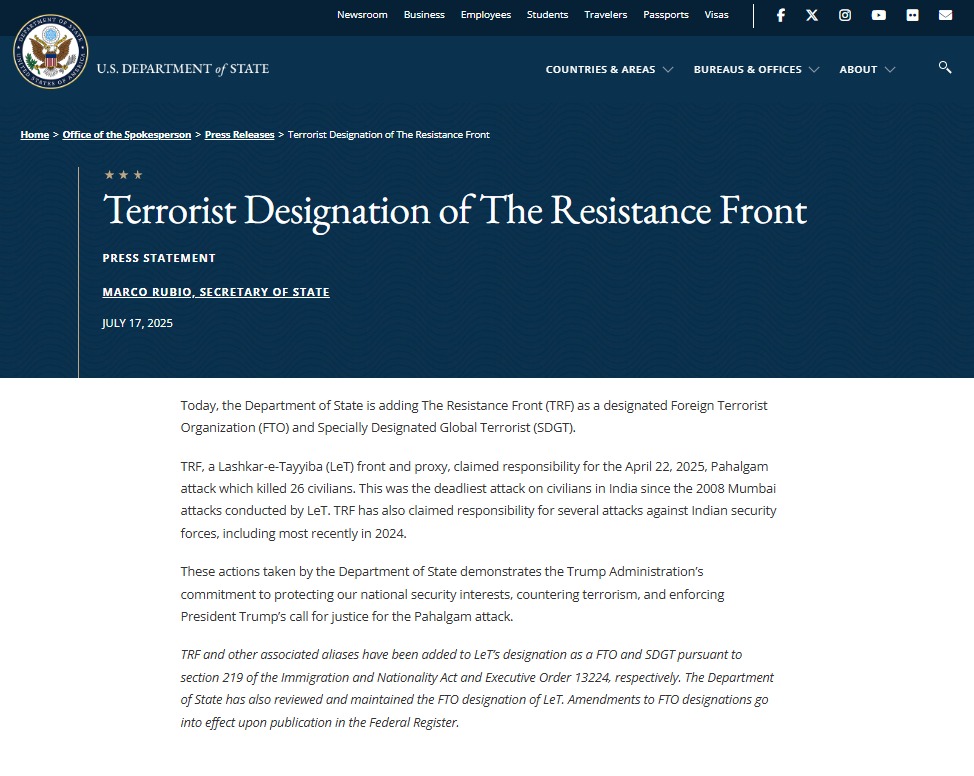
This decision validates what India has long claimed that TRF is not an indigenous militant group, but a proxy for the Pakistan-based jihadi organization Lashkar-e-Toiba (LeT), which was established to cover up Pakistan’s continued patronisation of terrorism in Jammu and Kashmir.
The US designation follows the ghastly April 22, 2025, Pahalgam attack in which 26 Hindu pilgrims were massacred following religio-based segregation by the terrorists. It was the worst attack on Indian civilians since the 2008 Mumbai attacks, incidentally also mounted by LeT under the broader tutelage of Pakistan’s Inter-Services Intelligence (ISI), as growing body of evidence has substantiated since. When the TRF claimed responsibility for the Pahalgam massacre, it was a grim reminder of Islamabad’s unaltered terror playbook of decades that has seen it patronise groups to mount asymmetric proxy war in Kashmir.
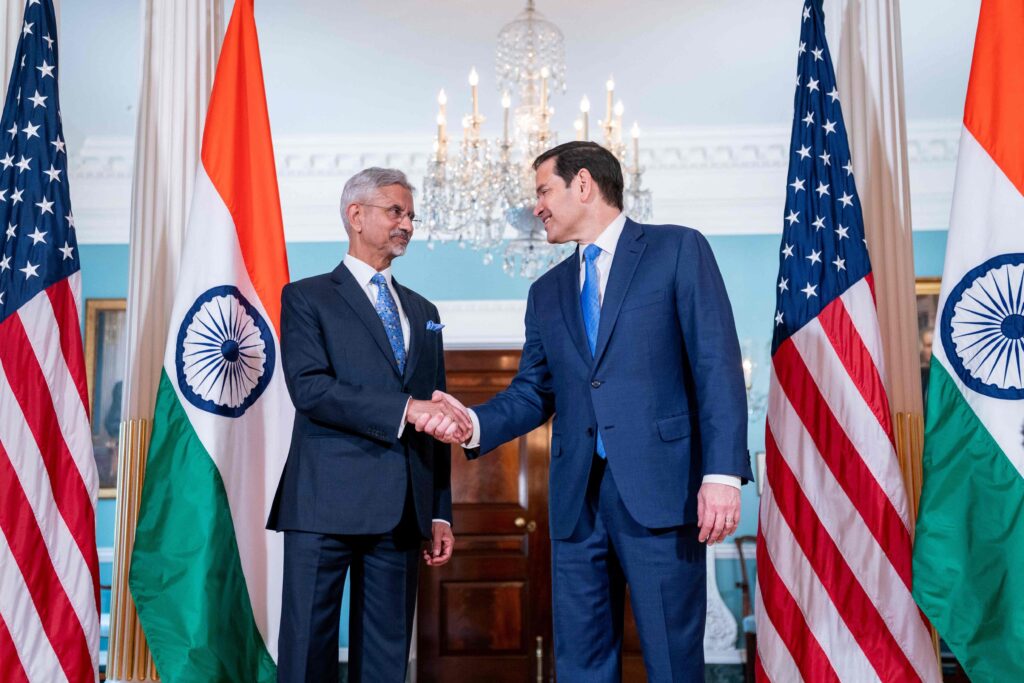
India welcomed the U.S. move, calling it “a timely and important step reflecting the deep cooperation between India and the United States on counter-terrorism.” In a statement, the Ministry of External Affairs emphasized that “India remains committed to a policy of zero tolerance towards terrorism and will continue to work closely with its international partners to ensure that terrorist organizations and their proxies are held accountable.”
A Proxy by Design
The Resistance Front is not a spontaneous insurgent movement. It is a repackaged extension of LeT, launched in 2019 as global scrutiny tightened around Pakistan’s state-sponsored terror ecosystem. The Financial Action Task Force (FATF) had grey-listed Islamabad in 2018, citing its failure to clamp down on financing for groups like LeT and Jaish-e-Mohammad. Under international pressure, Pakistan sought to cloak its support to jihadist organizations in a local garb. Thus, TRF was born as the latest attempt to give LeT’s radical Islamist violence a territorial and “indigenous” facelift. Likewise, JeM also rechristened itself and created its own proxy called People’s Anti-Fascist Front (PAAF), which has also engaged in dozens of terrorist acts across Jammu and Kashmir.
TRF’s rhetoric attempted to depart from the overtly Islamist discourse of LeT, presenting instead a façade of Kashmiri nationalism. But this branding exercise was superficial. Intelligence reports have consistently revealed that TRF receives logistical, operational, and financial backing from LeT leadership operating freely in Pakistan, under the tacit protection of the Pakistani state.
From coordinated attacks on Indian security personnel to targeted killings of civilians, including the June 9, 2024, assault on a bus carrying Hindu pilgrims in Reasi district, TRF has steadily built a grisly record of violence across the Union Territory of J&K. Each of its violent acts have borne the unmistakable imprint of LeT’s operational style, which have been coordinated, brutal, and designed to provoke communal polarization and unrest in the region.
A Victory for Indian Diplomacy
That TRF’s designation as a global terrorist group has occurred even as Islamabad has been actively lobbying Washington for renewed military and financial cooperation is no coincidence. It is the result of sustained Indian diplomacy of years, particularly after the Pahalgam massacre. In its the immediate aftermath, India has undertaken a full-spectrum offensive against terrorism originating from Pakistan which includes both diplomatic, and military.
On the military front, Operation Sindoor was launched on May 6/7 targeting and destroying terror launchpads and logistical hubs across the Line of Control (LoC) in Pakistan Occupied Jammu and Kashmir (POJK) and mainland Pakistan through calibrated cross-border strikes. Simultaneously, India mobilized its diplomatic repertoire to expose the role of Pakistan’s deep state in grooming and guiding terror outfits, not just in Kashmir but across the broader South Asian region. Under this, over half a dozen delegations of Members of Parliament and diplomats visited 33 countries providing irrefutable evidence of Islamabad’s culpability, including communications intercepts and intelligence dossiers, that linked TRF attacks directly to handlers based in Pakistan.
The campaign specifically also targeted the members of United Nations Security Council members, both permanent and non-permanent, excluding China, which has emerged as a major shield for Pakistan at global forums over the last decade. With this decision from Washington, New Delhi has succeeded in reframing discourse on how Pakistan’s state-backed terrorist infrastructure threatens regional and global peace.
Pakistan’s Duplicity Exposed
Pakistan’s strategy of using jihadist groups as “strategic assets” while maintaining a veneer of plausible deniability is no longer tenable. By operating through proxy outfits like TRF and PAFF, Islamabad hoped to evade global scrutiny while continuing its decades-long covert war in Kashmir. But the U.S. designation cuts through that obfuscation.
“The TRF is a Lashkar-e-Toiba front and proxy,” Secretary Rubio’s statement declared unequivocally, removing any diplomatic ambiguity. The move also comes at a time when Pakistan’s military establishment has been aggressively attempting to reset ties with Washington, offering its resources and positioning its strategic geography as a potential gateway for U.S. re-engagement in Afghanistan and Central Asia, as well as contain Iran. But the TRF designation puts Pakistan on the backfoot, reaffirming that no strategic calculus can be allowed to eclipse the imperative of countering terrorism.
A Message to the Global South
The U.S. move also carries implications beyond South Asia. For years, New Delhi has struggled to persuade many Global South countries, who see Pakistan as a fellow victim of terrorism, of the duplicity of its neighbour’s approach. The designation of TRF by the United States, after painstaking efforts by Indian diplomats, should mark an end to this duplicity, as this decision lends credence to New Delhi’s repeated assertions that terrorism must be addressed uniformly, not selectively. The strong condemnation of the Pahalgam massacre by BRICS a few weeks ago, where even traditionally Pakistan-friendly nations refrained from shielding it, reflects this slow but steady shift in sentiment.
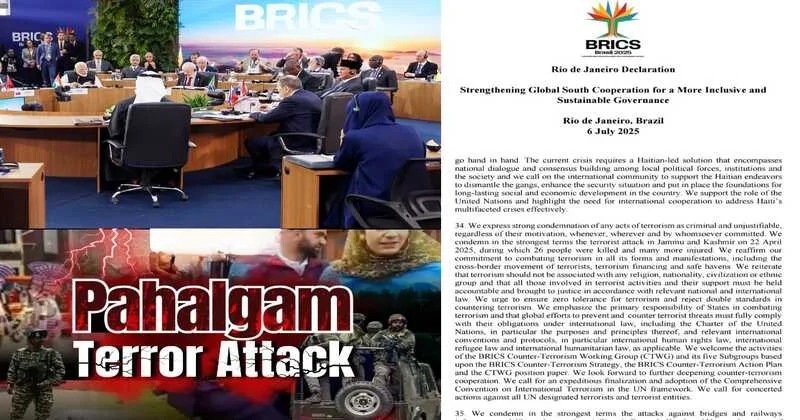
India has long advocated for a “no distinction” policy when it comes to terrorism, which is a stance undermined by the geopolitical calculations of major powers. But the TRF episode proves that, with the right strategy, facts on the ground can overcome narratives built on denial and deflection.
Toward Accountability
India’s challenge now lies in sustaining the momentum. Designation is one step; dismantling the financial and logistical architecture that sustains such groups is another. India has pushed for the enforcement of UN Security Council Resolution 1373, which mandates state accountability in curbing terrorism financing. The hope is that the TRF’s designation will compel financial institutions, regional bodies, and multilateral platforms to act decisively against those who shelter, fund, or excuse such entities.
Therefore, as India inches closer to its goal of internationalising the campaign against Pakistan’s proxy war, the TRF designation is more than a symbolic gesture. It should be seen as a diplomatic and strategic success, one that not only exposes Pakistan’s two-faced approach but also signals that the world is seeing through its “terror by proxy” strategy.
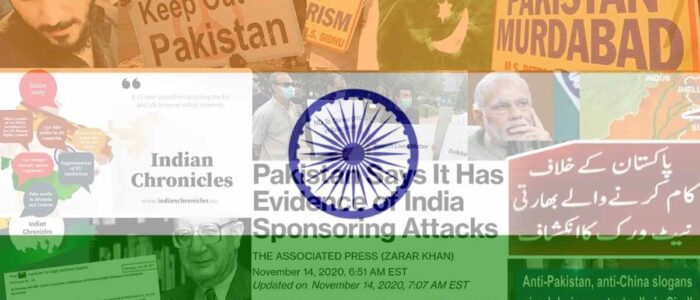
Since the partition of the Indian subcontinent in 1947, which led to the creation of independent India and Pakistan, the latter has endured multiple military defeats at the hands of the former. Characterised by military adventurism and political revisionism, Pakistan’s national and security policies have consistently revolved around India.
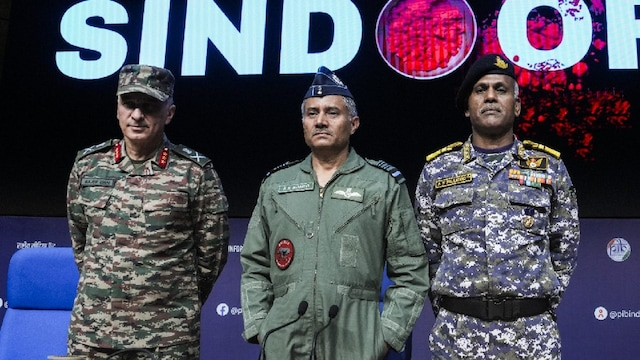
Merely months after independence, Pakistan revealed its questionable strategic inclinations by deploying tribal militias into Kashmir, sparking the first conflict between the two states. Almost twenty years later, the 1965 war erupted, again provoked by Pakistan’s incursion across the ceasefire line. These encounters proved humiliating for Pakistan, yet they pale in comparison to the profound setback of losing East Pakistan. Despite forfeiting around 15% of its land and more than half of its population, Pakistan exhibited a striking form of resilience—not through strength, but through denial. This enduring tendency to operationalise denial, combined with its consistent strategy of employing proxy warfare, has forced India to reassess its security doctrine concerning its volatile neighbour—from one of deterrence to a strategy aimed at raising the costs of Pakistan’s provocations.
Despite enduring immense international condemnation for its egregious human rights violations and persecution in East Pakistan—actions that intensified the secessionist uprising—Pakistan maintained a policy of constructing narratives for domestic audiences. Even today, many within the country remain unaware of the extent of the atrocities committed by their state against their former compatriots. In stark contrast, Pakistan glorified the sinking of the INS Khukri by the PNS Hangor as a defining victory, enshrining it within national and military legend. The loss of the Khukri was indeed historically significant, marking the first occasion since the Second World War that a submarine sank a warship in combat, and it inflicted a considerable blow to India, which lost 18 officers and 176 sailors in the incident.
Despite the Pakistani establishment’s deliberate distortion of events, the reality remains that Pakistan suffered losses in blood, territory, and prestige due to the Indian Army’s ferocious 13-day campaign on both its western and eastern fronts—most notably, the Indian Air Force’s powerful operation which included bombing Dhaka’s Governor House during an active meeting. This strike dealt a decisive blow to Pakistani morale, prompting Lt. Gen. A.A.K. Niazi, commander of the Eastern Command (in what is now Bangladesh), to request a ceasefire from Indian Army Chief General Sam Manekshaw. On 16 December 1971, Pakistan formally signed the instrument of surrender and was compelled to hand over approximately 93,000 soldiers to Indian forces. A similar pattern of narrative manipulation and denial resurfaced during the 1999 Kargil conflict—shortly after both nations had become nuclear powers—when the Indian Army successfully retook all positions initially captured by Pakistani infiltrators. Predictably, rather than conceding strategic defeat, Pakistan portrayed the episode as a display of bold resistance.
Commencing in the 1980s, Pakistan’s acute deficiency in strategic depth and its lack of conventional parity with India compelled it to revise its security doctrine and adopt the strategic utilisation of radical groups. Its active participation in the Afghan Jihad during this period—under the broader US-led initiative against the Soviet occupation of Afghanistan—provided the essential framework for implementing this proxy warfare strategy. Subsequently, Pakistan’s military-intelligence establishment fuelled a violent insurgency in Kashmir, orchestrating numerous terrorist attacks across the valley and other parts of India over the following decades. For an extended period, India adhered to a policy of conventional military superiority, strategic restraint, and diplomatic engagement to enforce deterrence—driven by factors such as Pakistan’s use of plausible deniability, the nuclear status of both nations, and global pressure for caution.
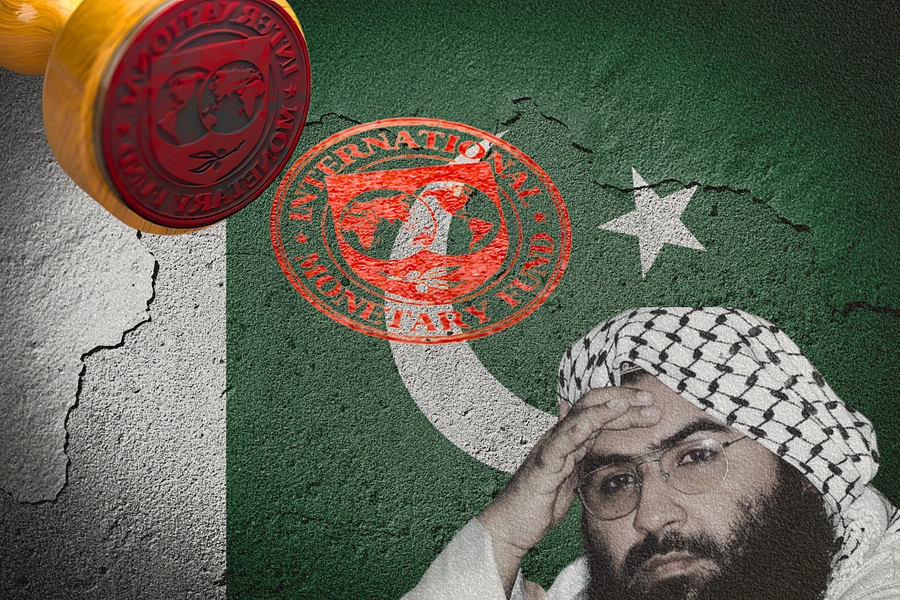
Over time, two clear patterns became evident. The first was that efforts towards diplomatic reconciliation and peace talks were repeatedly undermined by cross-border terrorism. The Kargil conflict occurred shortly after the landmark Lahore Declaration signed by Prime Minister Atal Bihari Vajpayee and his Pakistani counterpart Nawaz Sharif; the 2001 Agra Summit between President Pervez Musharraf and PM Vajpayee was swiftly followed by the horrific attack on the Indian Parliament; and the comprehensive peace initiative led by PM Manmohan Singh and President Musharraf—commonly referred to as the ‘Manmohan-Musharraf formula’—was derailed by the devastating 2008 Mumbai terror attacks, among other instances. Secondly, India’s response—marked by diplomatic disengagement, presentation of incriminating evidence against the Pakistani establishment at global multilateral platforms, and advocacy for coordinated international action—was met with bureaucratic inertia, geopolitical contestations, procedural delays, and widespread international indifference. Even a seemingly straightforward matter, such as the United Nations listing of Masood Azhar—leader of Jaish-e-Mohammad, responsible for the 2001 Parliament attack, 2016 Pathankot attack, and 2019 Pulwama attack—was obstructed for over a decade due to Chinese vetoes. India even agreed to Pakistan’s proposal for a joint investigation into the 2016 Pathankot attack, only for the Pakistani findings to label it ‘another false flag operation fully facilitated by the Indian army solely to blame Pakistan’.
Owing to Pakistan’s continued deception and denial, coupled with international inaction, a discernible shift has occurred in India’s strategic approach in recent years. Rather than focusing on deterrence—which would necessitate fundamental changes within Pakistan’s political and security structures—India appears to have moved towards a strategy centred on punitive cost-imposition. This shift began to surface following the 2016 surgical strikes in response to the Uri attack, gained further momentum with the Balakot air strikes after the Pulwama incident, and has now culminated in full force with the recent Operation Sindoor. Collectively, this trajectory signifies a doctrinal and operational transformation across several dimensions.

In the immediate aftermath of the horrific terrorist attack in Kashmir’s Baisaran Valley on 22 April, which claimed the lives of 25 Indian civilians and one Nepali national, India demonstrated its intent to retaliate by suspending the historic 1960 Indus Waters Treaty—long regarded as a symbol of cross-border cooperation and remarkably resilient through past conflicts. Within two weeks, this diplomatic rupture was followed by a series of precision strikes targeting nine terrorist infrastructure bases across Pakistan and Pakistan-occupied Kashmir. India described these strikes as ‘measured, non-escalatory, proportionate, and responsible,’ asserting both its necessity to act after decades of provocation by the Pakistani establishment and its desire to avoid full military escalation. The ensuing four-day cross-border aerial engagements and artillery exchanges along the Line of Control brought the adversaries to their closest point of all-out war since Kargil in 1999, revealing several critical developments. Firstly, India’s unprecedented escalation signalled not only its ability to strike Pakistan but also its readiness to incur risks and bear potential costs. Secondly, the operation and India’s accompanying message—that any attack on its soil would be treated as an act of war—effectively dismantled the false distinction between Pakistan’s state apparatus and its proxy militants, stripping Islamabad of plausible deniability. Lastly, this military action is reinforced by diplomatic efforts to impose global economic consequences on Pakistan, demand accountability for embedded terrorist figures and infrastructure, and shape the international narrative to reflect India’s grief, resilience, and zero tolerance for terrorism.
Hence, India’s shift in security doctrine towards Pakistan—from deterrence to punitive cost-imposition—has not emerged from impulsive power projection but from decades of painstaking efforts to secure accountability and reconciliation with a state that treats proxy terrorism as a strategic imperative. This recalibration stems from the realisation that, rather than deterrence, the objective must be to impose escalating costs that render Pakistan’s strategic use of terrorism increasingly unviable. With its economy in rapid decline and dependent on international financial bailouts, the waning public credibility of its military, and a series of internal security challenges, Pakistan’s continuation of cross-border terrorism against India is now yielding steadily diminishing returns.
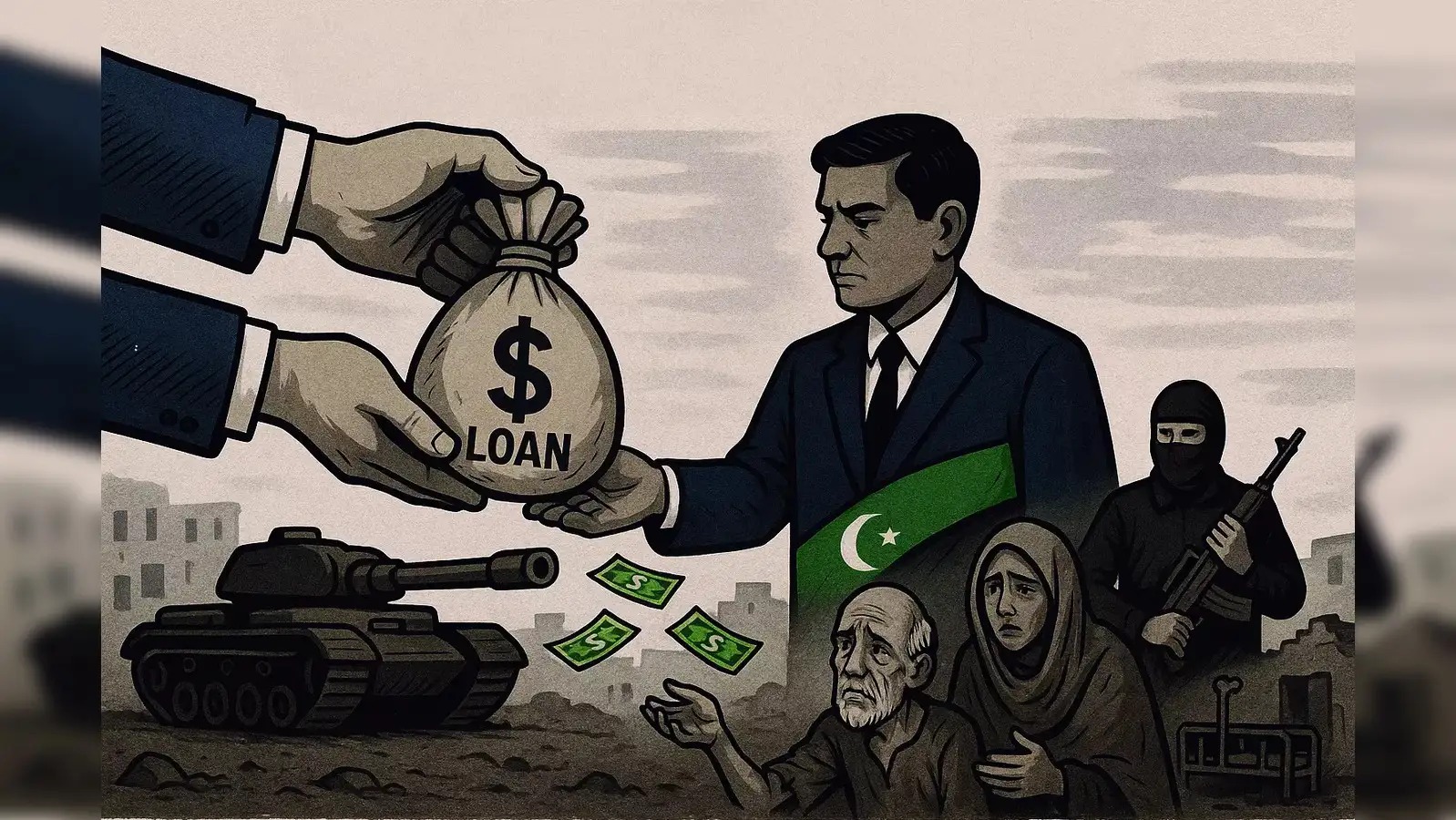
In the aftermath of the Pahalgam massacre, the fingerprints of Pakistan’s proxy militant infrastructure were all but unmistakable. For decades, the military establishment in Rawalpindi has relied on asymmetric warfare through its proxy militant networks to provoke India while shielding itself behind the veneer of plausible deniability. The latest attack in Jammu and Kashmir’s Pahalgam on April 22, killing 26 civilians, followed a familiar script—designed not only to stir unrest in the region but also to bait an Indian response that could be leveraged for domestic political consolidation.
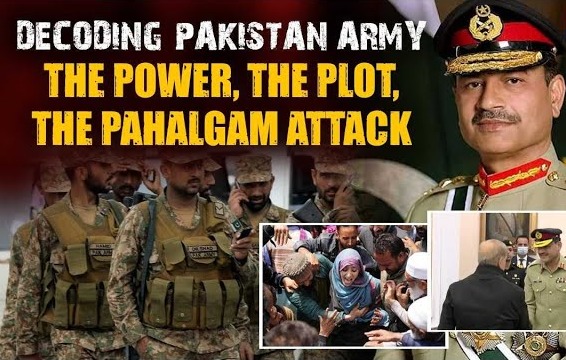
But this time, the playbook seems to be unravelling.
The Pakistan Army, under the leadership of General Asim Munir, seemed to have calculated an anticipated Indian retaliation with such a provocation that could be choreographed into a nationalistic rallying cry in its aftermath. Such manufactured moments of crisis have historically served the military’s purpose of reasserting its primacy in the country’s political and national security discourse. However, the sociopolitical terrain of Pakistan today is no longer the same as it was during previous confrontations.
India did respond to the Pahalgam attack with a calibrated military operation. On the night of May 7, under Operation SINDOOR, Indian armed forces targeted the infrastructure of long-operating terrorist groups, including Lashkar-e-Taiba (LeT), Jaish-e-Mohammed (JeM), and Hizbul Mujahideen (HM), across nine places in Punjab and Pakistan-occupied Jammu and Kashmir (PoJK). It was precise, strategic, and aimed at sending a clear signal: India will not tolerate cross-border terrorism and retains the right to act pre-emptively against threats originating from Pakistani soil.
Far from uniting Pakistan behind its army, the attack and subsequent Indian response have only magnified the deep fractures that lie within the country. While the government attempted to stage a performative show of national unity, the absence of solidarity from Pakistan’s historically marginalized ethnic groups has been glaring. Neither the Baloch nor the Pashtun communities—both of whom have long endured the brunt of the military’s repression and counterinsurgency operations—showed any overt inclination to stand with the state or the generals now appealing for unity. Instead, a suicide blast killed seven Pakistan Army soldiers in Balochistan on the very day of Op Sindoor.
At a time when Pakistan has effectively become a ‘Punjabistan’, given the dominant control that Punjab exerts over key state institutions, including the military, as well as disproportionate hold over to national resources, this raises a stark question: in the event of an escalated military confrontation with India, who will fight for Pakistan?
The Limits of the “External Enemy” Narrative
The Pakistan Army has always thrived on the construction of an “external enemy,” most prominently India, to maintain its unrivalled influence over national affairs. Whether in times of political upheaval or economic crises, the spectre of Indian aggression has been cynically deployed to suppress dissent, justify military budgets, and delegitimize civilian political actors. But the effectiveness of this narrative is fading, especially when the legitimacy of the military itself is in question.
The ongoing human rights violations, extrajudicial killings and state-enforced disappearances in Khyber Pakhtunkhwa and Balochistan have damaging the trust people had towards the army. The Baloch insurgency continues to simmer, with growing calls for outright independence, something that was earlier limited to internal autonomy. The Pashtun Tahafuz Movement (PTM) has exposed the military’s brutal tactics in tribal regions, and although the movement is often silenced through intimidation and arrests, its underlying grievances remain potent. Alongside this, the Tehreek-e-Taliban Pakistan (TTP) has also increased the intensity of their armed insurgency, with hundreds of attacks in the last few years.
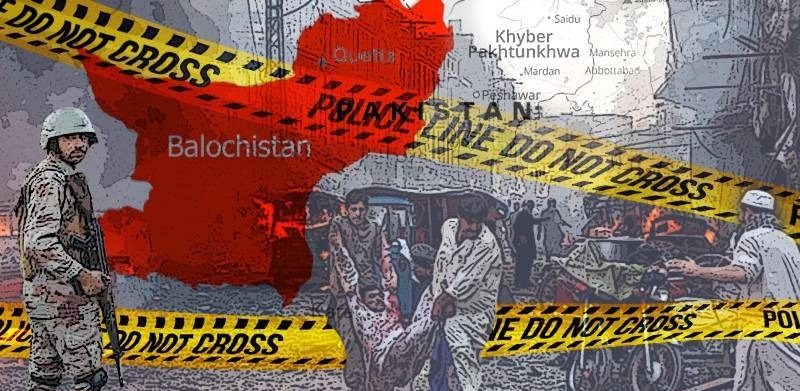
In such a climate, the attempt to whip up nationalist fervour around an India-Pakistan confrontation appears hollow and self-defeating. The ethnic periphery, long disenfranchised and suppressed, sees little reason to rally behind a state apparatus that has never treated them as equal stakeholders in the Pakistani project.
A Calculated Indian Doctrine
India, for its part, has signalled a significant shift in its approach to cross-border terrorism. “While earlier responses were largely diplomatic or defensive, India’s actions following the 2016 Uri attack, culminating in the 2019 Balakot airstrikes, marked a shift toward a more proactive and pre-emptive counterterrorism strategy. Now the post-Pahalgam strike under Op SINDOOR is different in both scale and message. New Delhi’s intent is now unambiguous: there will be no tolerance for Pakistani state-sponsored terrorism, and any provocation will invite proportionate, and possibly pre-emptive, military action.
By targeting terror infrastructure and avoiding civilian casualties, India walked a fine line, reflective of its doctrine of minimising collateral damage, to ensure on its part that this response does not spiral into a full-blown war. This strategic restraint while establishing its deterrence arc is designed as a demonstration of maturity and not as a sign of weakness.
What complicates matters for Pakistan is that this shift in Indian posture arrives at a moment of acute internal fragility. Its economy is in tatters, inflation is high, and the IMF continues to hover over its fiscal policy decisions. Politically, the country remains in turmoil following a deeply controversial general election, widely seen as manipulated by the military establishment to sideline populist leader Imran Khan, who remains jailed since 2023. Protests, arrests, and media censorship have become routine. Interestingly when on a day India undertook its cross-border strikes on terror assets, Pakistan Army secured a Supreme Court adjudication that allows it to try the civilians in military courts.
In this context, a military misadventure with India risks not only a humiliating defeat but also a domestic backlash that could irreparably damage the army’s authority.
Escalation Without Strategy
The temptation for Rawalpindi to escalate, either through additional proxy attacks or border skirmishes, remains high. While it has increased its cross-border shelling targeting civilians, which has killed over a dozen border residents of Jammu and Kashmir, a move of direction escalation would be nothing but deeply unwise. “By now, it should be clear to Pakistan just how vulnerable it remains, especially after India followed up with a coordinated drone strike across nearly nine cities, including the neutralization of an air defence system in Lahore on May 8, in response to attempted attacks by Pakistan’s armed forces on Indian military installations in the Northern and Western sectors.
For one, the geopolitical climate is no longer conducive to Pakistan’s old strategy of continuing to use terrorism as statecraft. The Financial Action Task Force (FATF), though it removed Pakistan from its grey list in 2022, remains watchful and it should be seen as a forgone conclusion that this continued patronisation of terror groups will put it back as a nation of terror sponsors. The international opinion following Pahalgam massacre which was condemned globally, with major powers acknowledging India’s right to defend itself from such terror elements, is an eye opener to that end, bringing swift international condemnation and furthering its diplomatic isolation. Pakistan’s Gulf allies, increasingly aligned with India on economic and strategic fronts, are unlikely to bail it out in the event of another full-scale crisis. Their post-Pahalgam opinion is a testament of this reality.
Moreover, China, Pakistan’s all-weather friend, has grown weary of instability. The China-Pakistan Economic Corridor (CPEC), once hailed as a transformative initiative, has stalled due to security concerns in Balochistan and beyond. Beijing is unlikely to support any adventurism that could jeopardize its investments despite some of the Chinese strategic hawks seeking China’s declare its commitment to defend Pakistan sovereignty in any eventuality.
Thus, escalation without a clearly defined strategic goal would amount to national self-sabotage. The army must instead reckon with its internal legitimacy crisis, reassess its use of proxies, and confront the reality that its traditional levers of control are weakening.
A Moment of Reckoning
The fallout from the Pahalgam massacre and now Operation Sindoor marks a turning point, not only in Indo-Pak relations, which remain perennially fraught, but also in Pakistan’s internal balance of power. The military’s attempt to engineer a patriotic revival through orchestrated conflict seems to be backfiring, revealing a brittle state hollowed out by decades of ethnic suppression, institutional decay, and misgovernance.
What Pakistan needs is not another external confrontation but an honest reckoning with its domestic contradictions. It must initiate a political process that includes, rather than marginalizes, its ethnic peripheries. It must reorient its security doctrine away from India-centric paranoia toward genuine internal stability. And above all, it must curb the military’s ability to unilaterally dictate the nation’s trajectory through violence and manipulation.
Until then, the question will continue to haunt Rawalpindi’s corridors of power: if not the Baloch, not the Pashtuns, not even the disillusioned urban middle classes—then who will fight for Pakistan?
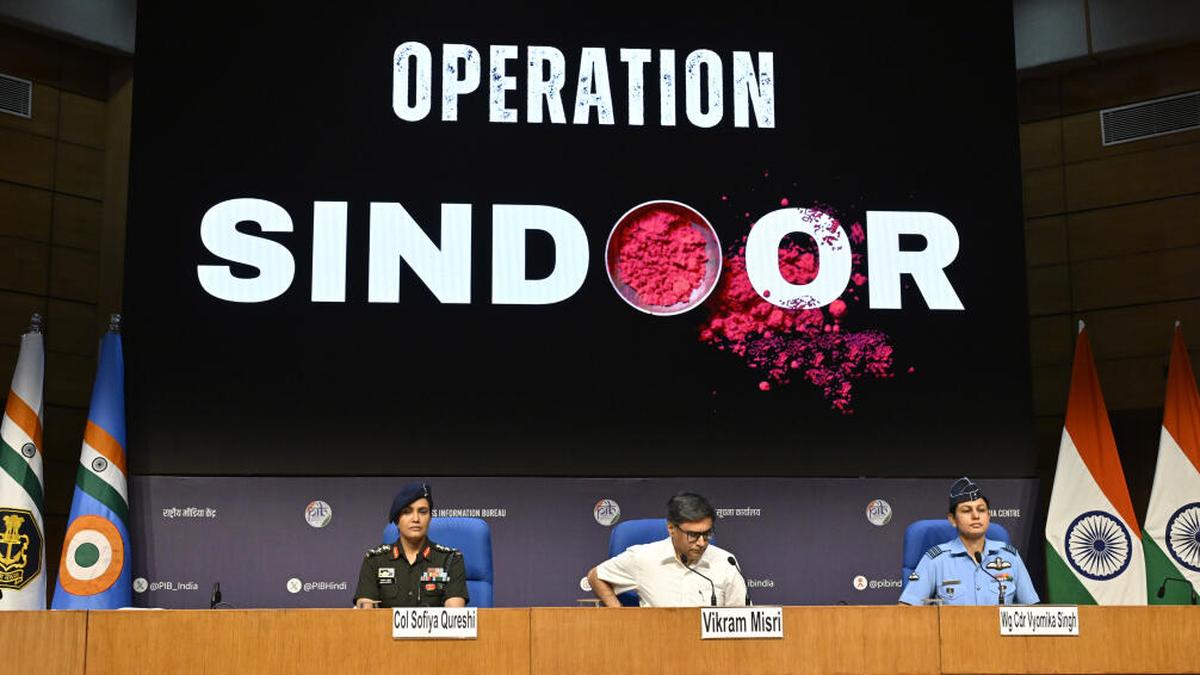
Pakistan has dozens of terrorist organisations which operate from its soil and export terrorism to rest of the world. These organisations have a financial ecosystem that has survived the international scrutiny and multiple operations from international agencies to stop terror financing.
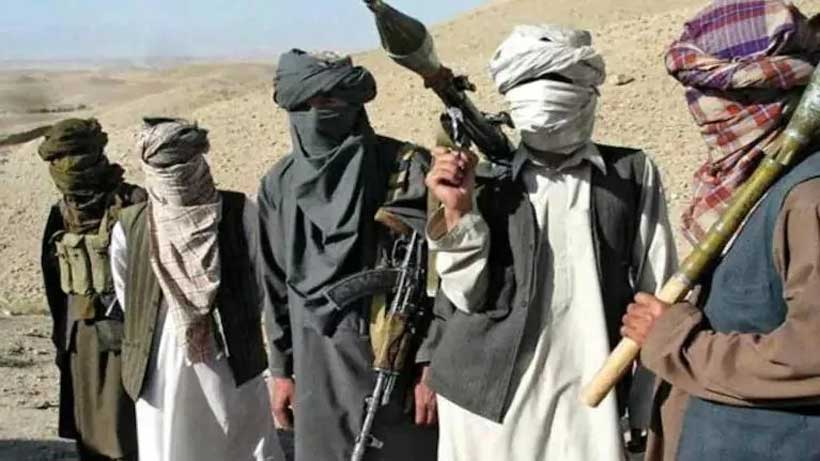
Pakistan has five broad categories of terrorist organisations: (1) Globally oriented; (2) Afghanistan-oriented; (3) India-oriented; (4) Domestically oriented; and (5) Sectarian (anti-Shia).
The India-oriented terrorist organisations include: Lashkar-e-Taiba (LET) formed in the late 1980s; Jaish-e-Mohammed (JEM) founded in 2000; Harakat-ul Jihad Islami (HUJI) formed in 1980; Harakat ul-Mujahidin (HUM) was established in 1998; Hizbul Mujahideen (HM) was formed in 1989.
According to a study paper “Pakistan Army and Terrorism; an unholy alliance” done by Amsterdam based, European Foundation for South Asian Studies (EFSAS), Amsterdam, “Pakistan… plays a key role in funding these terrorist organizations. As per reports, the yearly expenditure of ISI(Pakistan’s intelligence agency) towards the terrorist organizations runs between 125-250 million USD, covering salaries, cash incentives for high-risk operations and retainers for guides, porters and informers.”
An internal report of Pakistan governments Financial Monitoring Unit(FMU) , titled “National Risk Assessment on Money Laundering and Terrorism Financing 2017” has details of how terror groups are generating funds in Pakistan. This report was never made public but excerpts of these reports were quoted by Noor Zahid and Madeeha Anwar in a Voice of America report published in 2017. The duo exposed the funding of Pak terror groups in a report titled ‘Pakistan Terror Groups Get Rich From Crime, Money Laundering’
According to Zahid and Anwar, “Waves of crime in Pakistan — including extortion, smuggling and kidnapping for ransom — are major sources of terrorist financing for extremist groups in the country. “Main sources of income of terrorists in Pakistan include foreign funding, drug trafficking, kidnapping for ransom, extortion from business, vehicle snatching,” according to the 45-page confidential report by FMU, which is an intelligence service department within Pakistan’s Ministry of Finance.
“The report, which had not been released publicly, says over 200 local and international terrorist organizations generate billions of Pakistani rupees to fund their activities. Annual operational budget of terrorist organizations is from 5 million rupees [about $48,000] to 25 million rupees [about $240,000],” the report said, according to The News website, which published these excerpts.
‘Terrorism Monitor’ of Jamestown Foundation revealed in December 2024 another important facet of terror funding in Pakistan. It said, “Terrorist groups in Pakistan frequently use high-denomination currency to finance their operations. Permitting a large number of high-value notes to be in circulation makes it easy for bad actors to transfer considerable amounts of money without a digital footprint, making illicit activities easier to conduct.”
The relatively high availability of such bills in circulation in Pakistan is due to the country’s underutilization of electronic payment systems, it added.
According to this report, Tunda, a notorious bomb expert for Lashkar-e-Taiba (LeT) who reportedly masterminded more than 40 bombings in India had told the Indian law enforcement agencies after his arrest with huge amount of Pakistan currency that large denomination bills were “kings who could do anything for them.”
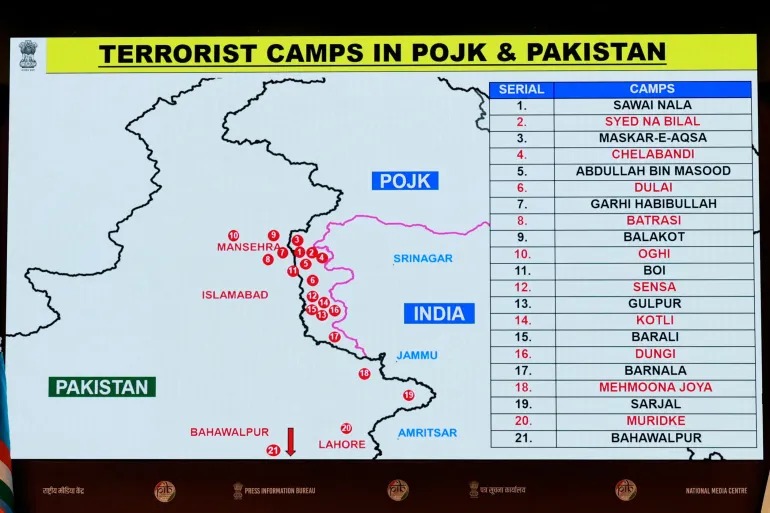
“Pakistani denominations currently in circulation include 10-, 20-, 50-, 100-, 500-, 1,000-, and 5,000-rupee notes. It is noteworthy that Pakistan, which makes up 3 percent of the world’s population, accounts for 7.1 percent of the world’s unbanked adults,” says this report.
According to a research brief prepared by US Congressional Research Service in 2023, “Although Pakistan’s 2014 National Action Plan to counter terrorism seeks to ensure that no armed militias are allowed to function in the country, several United Nations- and U.S.-designated terrorist groups continue to operate from Pakistani soil.”
Islamic Charities
Almost all the terrorist organisations have set up Islamic charities as their fronts in Pakistan. These charities operate globally. In fact, USAID had funded many of these charities, revealed a recent report by the Middle East Forum, a US based think tank revealed. In addition the ‘Zakat’ collected from common people during the month of Ramadan by these charities are also funnelled to fund these terrorist organisations.
Since the 1980s, Pakistan has had a system of compulsory collection of zakat, relying on a state-administered zakat fund and zakat councils at federal, provincial and district levels. In 2024, the average zakat giver paid about 15,000 Pakistani rupees with over 50 million Pakistanis contributing. The total funds generated in Pakistan through Zakat was over 600 billion Pakistani rupees in 2024. A large chunk of this money goes for oiling the terror infrastructure established by Pakistani state and their proxy terrorist groups.