
What was intended to be a forum for peace and dialogue in Pakistan’s restive northwest has instead highlighted the country’s deepening human rights crisis, after two university students reportedly disappeared following their participation in a peace jirga in Peshawar. The “grand peace jirga,” held on November 12 in Peshawar, was organised by the Khyber Pakhtunkhwa chapter of Pakistan Tehreek-e-Insaf (PTI) and attended by tribal elders, religious scholars, civil society representatives, activists and students. The gathering aimed to discuss the worsening security situation in the region, particularly in the context of rising violence and strained relations with Afghanistan.
However, shortly after the event concluded, Khubaib Wazir and Adnan Wazir, members of the Waziristan Students’ Society, reportedly went missing under circumstances that rights groups describe as deeply troubling. According to eyewitness accounts, the two students were intercepted by unidentified men in plain clothes while returning from the jirga to their hostels. Since then, their whereabouts remain unknown. No arrest records, charges or official statements have been issued by police or security agencies, leaving their families and fellow students in a state of anguish and uncertainty.
Human rights advocates say the incident reflects a broader pattern in Pakistan where individuals who engage in peaceful political or civic activity — particularly from tribal regions — are treated as security risks rather than citizens exercising their rights. In the aftermath of the disappearance, some pro-state voices have attempted to associate the students with the Pashtun Tahafuz Movement (PTM), a non-violent rights movement that has frequently criticised the conduct of security forces in former tribal areas. PTM leaders have repeatedly denied any links to militancy, maintaining that their demands centre on constitutional rights, accountability and an end to extrajudicial practices.
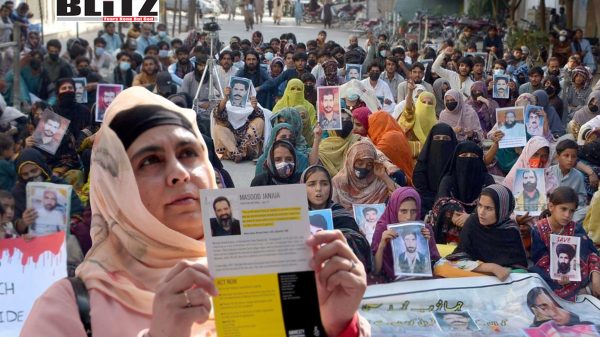
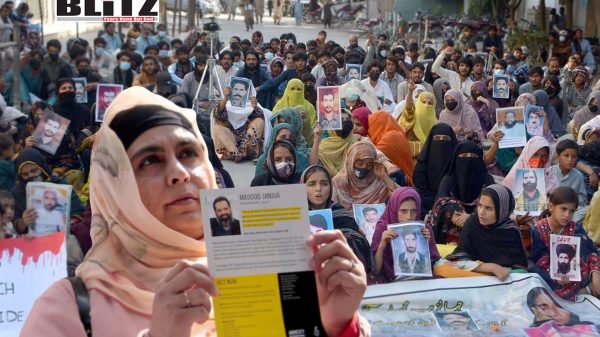
The case has reignited debate around enforced disappearances, a long-standing and contentious issue in Pakistan. Rights organisations estimate that thousands of people — including students, activists, journalists and political workers — have disappeared over the past decade, particularly in Khyber Pakhtunkhwa and Balochistan. Families often report being denied information, legal recourse or even acknowledgement from authorities. Despite the existence of official inquiry commissions, critics argue that accountability remains elusive, with very few cases resulting in prosecutions or clear explanations. The continued silence surrounding recent disappearances has further eroded public confidence in state institutions and the rule of law.
Civil society groups warn that such incidents send a chilling message to young Pakistanis: that even peaceful participation in dialogue or advocacy can invite severe consequences. As calls grow for the safe recovery of the missing students, rights defenders stress that genuine stability cannot be achieved through fear, secrecy and repression. For now, the disappearance of Khubaib Wazir and Adnan Wazir stands as a stark symbol of a shrinking civic space in Pakistan — where seeking peace and accountability increasingly comes at a personal cost.