
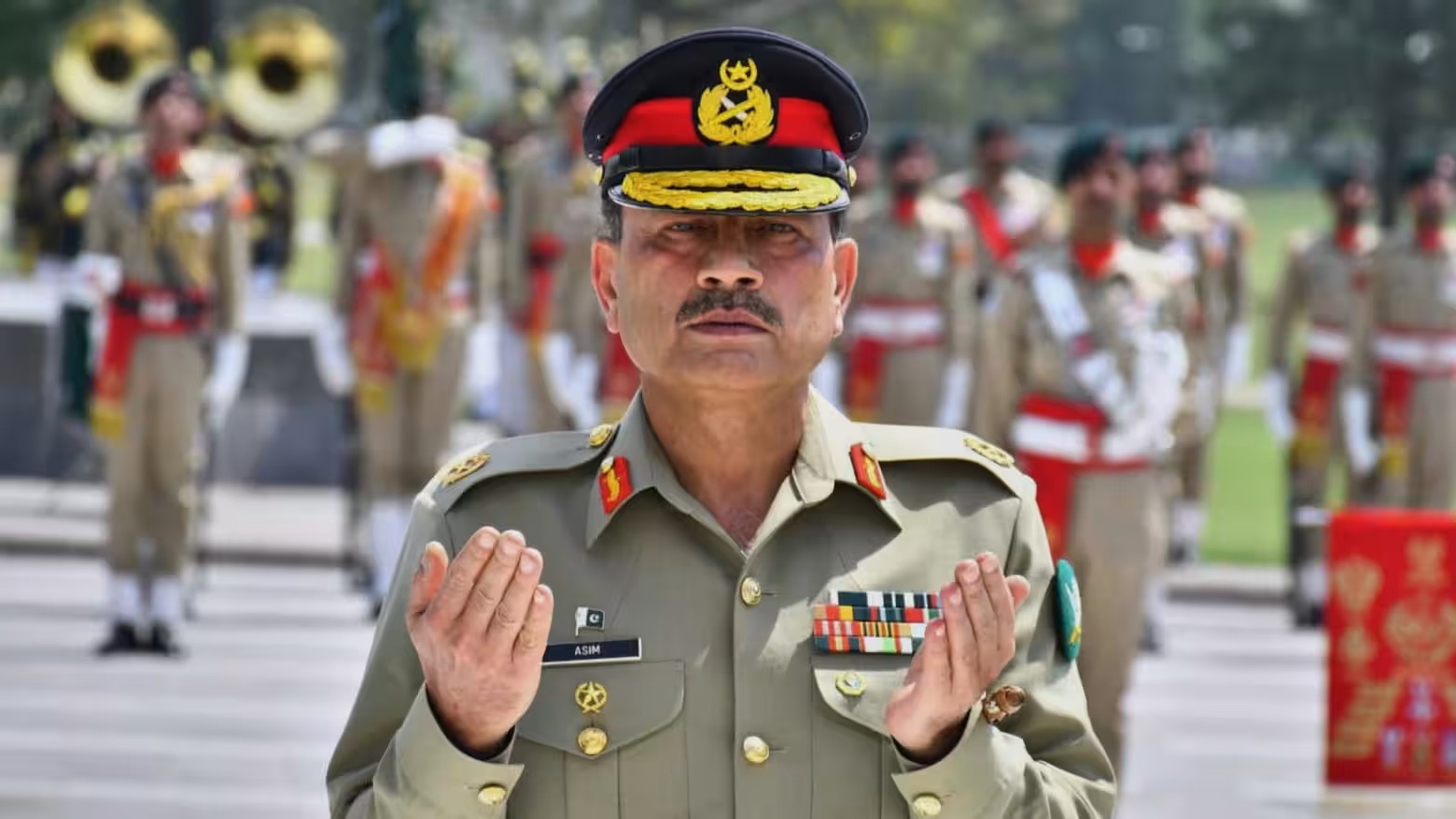
Pakistan’s military has consolidated its dominance over the country’s political and governance structures in 2025 through sweeping constitutional changes that critics describe as a silent coup, effectively formalising the army’s long-standing control over the state.
In late 2025, Pakistan’s parliament passed a set of constitutional amendments that restructured the country’s defence and command architecture. Central to these changes was the creation of a powerful Chief of Defence Forces post, occupied by the serving army chief, placing the Army, Navy and Air Force under a single military command. The move significantly reduced the role of civilian oversight and weakened the traditional checks that existed within the defence establishment.
Analysts say the new framework grants unprecedented authority to the army chief, including extended tenure protections and enhanced control over strategic decision-making. The restructuring also diminished the relevance of previously existing military coordination mechanisms, reinforcing the army’s primacy over other institutions. Opposition figures and civil society groups have criticised the amendments as the constitutional entrenchment of military supremacy, arguing that they erode democratic norms and further marginalise elected civilian leadership. Critics warn that the formal expansion of military power will restrict political freedoms and narrow the space for dissent.
Supporters of the changes within the establishment argue that the new command structure improves national security coordination and strengthens Pakistan’s defence posture amid regional instability. However, detractors counter that similar arguments have historically been used to justify military dominance at the expense of democratic governance. Pakistan has experienced repeated cycles of direct and indirect military rule since its founding. Observers note that while the army has long exercised decisive influence behind the scenes, the 2025 amendments mark a decisive shift by embedding that influence directly into the constitutional framework.
As Pakistan enters 2026, analysts warn that the formalisation of military control could have long-term consequences for the country’s democratic institutions, civil-military balance and political stability.
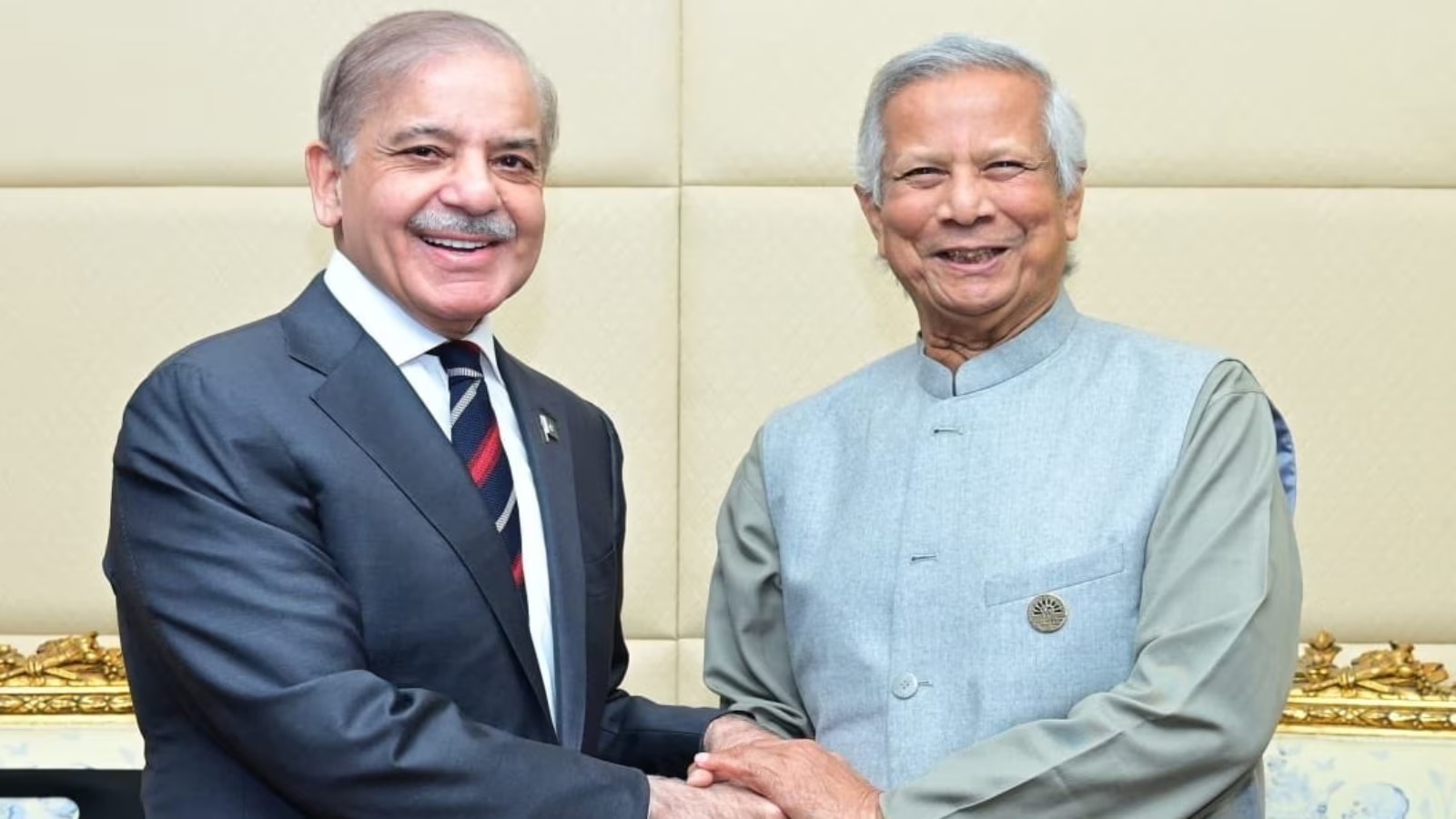
Bangladesh is facing a deepening democratic crisis as violence, persecution and mob rule increasingly become part of everyday life, raising serious concerns about the credibility of the country’s political transition ahead of national elections scheduled for early 2026. Observers note that the current political environment represents a sharp deterioration in law and order, marked by rising communal tensions, ethnic and religious attacks, suppression of dissent and the growing influence of extremist elements. What was initially presented as a corrective transition toward democratic renewal has instead exposed profound institutional and societal weaknesses.
The crisis traces back to mid-2024, when mass protests and unrest led to the removal of former Prime Minister Sheikh Hasina and the installation of an interim administration led by Chief Advisor Muhammad Yunus. Since then, the political landscape has become increasingly polarised, with bans and restrictions placed on major political parties and their affiliated organisations, significantly narrowing democratic space. Although the interim government has described the forthcoming election as an opportunity to restore democratic legitimacy, critics argue that the necessary conditions for a free and fair vote remain absent. Continued violence, political exclusion and the absence of broad-based participation have cast doubt on whether the electoral process can command public trust.
Human rights groups and civil society organisations report a surge in mob violence, attacks on minority communities, intimidation of journalists and harassment of political opponents. These developments have contributed to an atmosphere of fear and insecurity, undermining citizens’ ability to freely express political views or participate in civic life. Analysts point out that Bangladesh’s democratic institutions have long been fragile, shaped by a history of military rule and authoritarian governance. The current crisis, they warn, risks entrenching a culture of impunity if accountability mechanisms are not restored and the rule of law reinforced.
The unrest has also drawn attention beyond Bangladesh’s borders, with regional observers expressing concern about the implications for stability in South Asia. Calls have grown for stronger protections for minorities, independent media and political activists, as well as for inclusive dialogue among all stakeholders. Critics argue that the interim administration has struggled to curb extremist violence or reassure vulnerable communities, while the absence of transparent decision-making has further weakened confidence in governance. Without urgent reforms, they warn, the normalisation of violence could become a permanent feature of Bangladesh’s political landscape.
As the country moves closer to elections, pressure is mounting on authorities to ensure an inclusive, secure and credible democratic process. For many Bangladeshis, the coming months will determine whether the nation can reverse its current trajectory and restore public faith in democratic institutions.
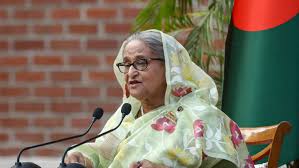
Former Bangladesh prime minister Sheikh Hasina has issued a sharp warning about the state of democracy in Bangladesh, arguing that the country is being governed without legitimate public mandate and that political stability will remain elusive unless inclusive elections are restored. Speaking in a wide-ranging interview, Hasina reflected on the political unrest that led to her departure from office in 2024 and offered a critical assessment of the current interim administration. She said the protests that began as student-led demonstrations were later overtaken by radical elements, resulting in widespread violence, destruction of public property and attacks on law enforcement personnel.
Hasina said her decision to leave the country was taken to prevent further bloodshed as the situation deteriorated. She rejected claims that her government suppressed peaceful dissent, stating that her administration initially allowed protests and sought accountability through judicial mechanisms. The former prime minister was particularly critical of the interim government led by Muhammad Yunus, arguing that it lacks democratic legitimacy because it was not elected by the people. She said banning the Awami League — a party that has won multiple national elections — and detaining its leaders undermines the foundations of democratic governance.
According to Hasina, meaningful political normalisation in Bangladesh requires the lifting of restrictions on political parties, the release of political detainees and the holding of free, fair and inclusive elections. Without these steps, she warned, any future government would struggle to gain domestic or international credibility. Hasina also accused the interim administration of dissolving inquiry processes into the 2024 violence and of empowering extremist groups, alleging that such actions have weakened law and order and endangered minority communities. She expressed concern that the current political climate has discouraged investment and stalled economic momentum built over the past decade.
Defending her own record, Hasina highlighted her role in restoring democratic institutions after periods of military rule and pointed to sustained economic growth, infrastructure development and poverty reduction during her tenure. She maintained that democratic governance requires both strong institutions and the participation of all major political forces. On foreign policy, Hasina cautioned against major strategic realignments by a government without an electoral mandate, arguing that long-term national interests should reflect the will of the people rather than interim political arrangements.
Her remarks come as Bangladesh prepares for national elections amid heightened political polarisation and questions over inclusivity. Observers note that the exclusion of major political parties could undermine voter confidence and deepen instability. As debates over Bangladesh’s democratic future intensify, Hasina’s comments underscore the central question facing the country: whether political order can be restored without broad public participation and electoral legitimacy.