
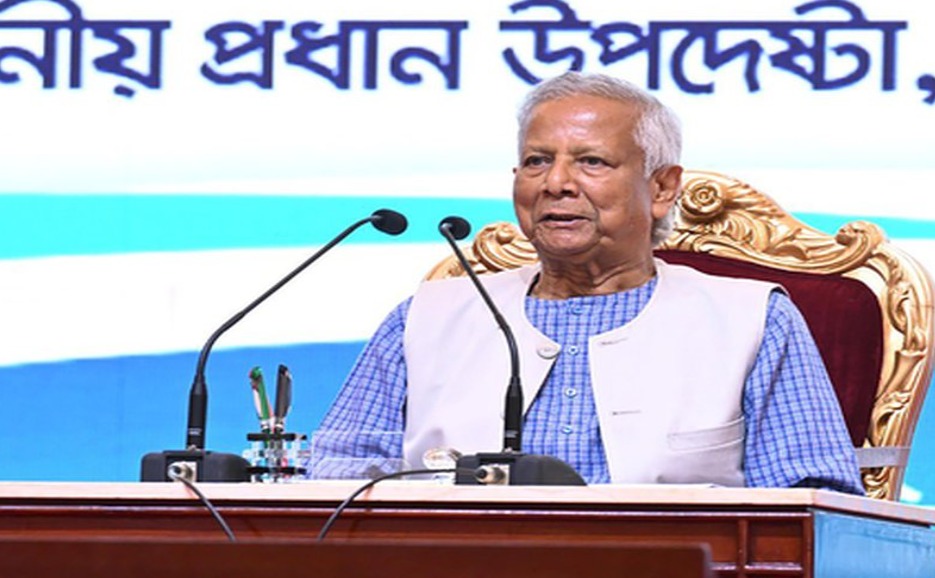
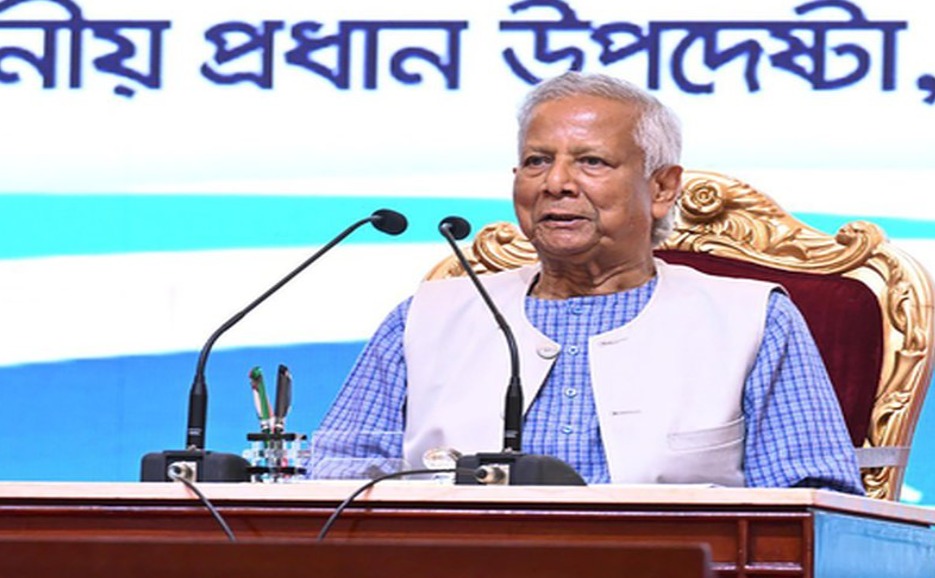
What began as a hopeful chapter for free expression in Bangladesh has turned into a growing crisis for journalists and independent media, according to analysts, human rights groups, and press organisations. When Nobel Laureate Dr. Muhammad Yunus assumed leadership of Bangladesh’s interim government in August 2024 following the fall of the Sheikh Hasina administration, many inside and outside the country saw it as a potential reset for democratic freedoms—particularly for a media landscape long constrained by legal and political pressures.
However, in the 16 months since, journalists report that those early expectations have largely given way to disillusionment. Rather than broadening space for dissenting voices, critics say the government has presided over increasing intimidation, legal harassment, and violent actions against the press.
A report released on World Press Freedom Day 2025 painted a stark picture of deteriorating conditions: within eight months of Yunus taking office, at least 640 journalists were targeted, including assaults, fabricated criminal charges, and financial scrutiny—particularly through state agencies.
Independent press organisations say the situation continues to worsen as Bangladesh approaches its February 2026 national elections. Journalists in Dhaka and beyond now describe death threats, online surveillance, and stalking as the “new normal” for reporters covering politics and governance.
Compounding these concerns, a U.S. press freedom group formally urged Yunus’s government to release journalists imprisoned on questionable murder charges, noting that some detained reporters are held in harsh conditions without credible evidence of wrongdoing.
Beyond individual threats, media institutions themselves have faced violence and destruction. In December, offices of major newspapers—including Prothom Alo and The Daily Star—were vandalised and set alight in mob attacks. Leaders of the Bangladesh Editors’ Council said some elements within the interim government appeared to have allowed or failed to prevent these attacks.
These incidents have sown fear among journalists and civil society activists, many of whom say state forces have been slow or unwilling to protect media workers during outbreaks of mob violence.
Analysts note that draconian legal instruments, including laws framed around “digital safety,” remain in force and are used to muzzle critical reporting—a stark contrast with earlier promises by Yunus to reform such measures.
Observers point to a broader pattern in which courts and administrative bodies have become avenues for silencing dissent, with journalists facing lengthy investigations, travel bans, frozen bank accounts, and professional blacklisting.
Despite these troubling trends, civil society groups continue to push for meaningful media reform and stronger protections for journalists. Advocates say that safeguarding free expression will be essential not just for press freedom, but for the credibility of Bangladesh’s democratic process as the country heads toward a pivotal election.
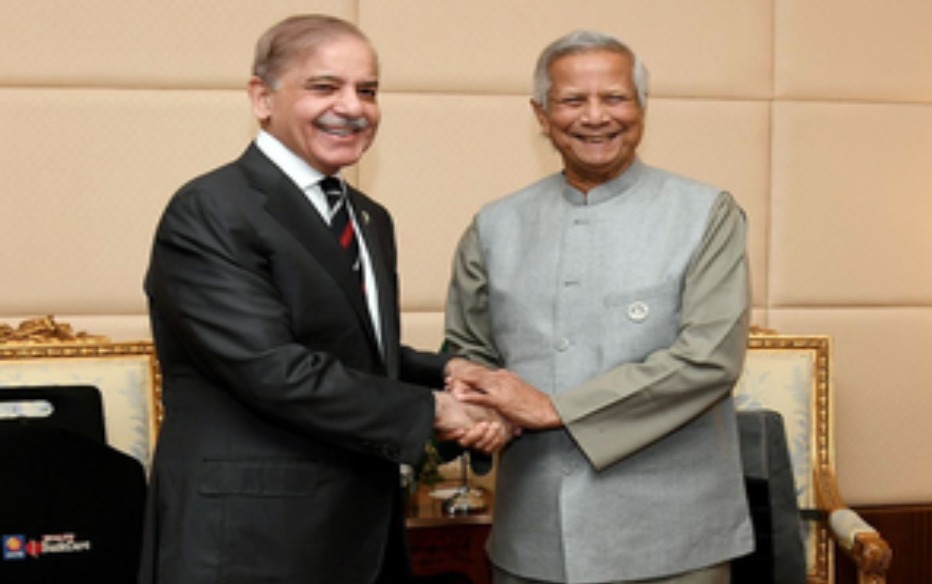
With national elections scheduled for February 2026, Bangladesh’s political climate is increasingly marked by widespread violence, communal tension and attacks on dissenting voices — raising concerns among analysts, civil society and international observers about a deepening democratic crisis. Critics say that since the interim government under Chief Advisor Muhammad Yunus took power in August 2024, the landscape has shifted dramatically. Incidents of mob violence, ethnic attacks and threats to free expression have surged, and political polarization has intensified. These developments are overshadowing hopes for a peaceful, credible electoral transition in the country.
Observers highlight a troubling pattern of violence including attacks on cultural institutions, media outlets, and prominent activists. In mid‑December 2025, mobs targeted major newspapers and cultural organisations in Dhaka, jeopardising both press freedom and artistic expression, according to rights groups. One of the most shocking incidents shaping public perception was the lynching of Dipu Chandra Das, a young Hindu man accused of blasphemy. Das was beaten and killed by a mob, an event that not only shocked civil society but also drew international attention to the fragility of law and order in Bangladesh.
Reports from rights organisations underscore a sharp uptick in blasphemy‑related violence and attacks against religious minorities throughout 2025. More than 70 separate incidents were documented from mid‑year through December, including mob beatings, vandalism of homes and communal unrest in multiple districts. These events point to a climate where accusations can quickly escalate into mass violence, particularly in areas with limited law‑enforcement response.
Political opponents of the interim government argue that state institutions — from law enforcement to the judiciary — have been strained by political divides and have failed to protect vulnerable groups or uphold democratic norms. Former political leaders have publicly blamed the current administration for increasing lawlessness and loss of control, asserting that the breakdown in public order reflects deeper governance challenges. At the same time, some social and political analysts point out that longstanding political rivalries have magnified tensions, and that voices across the spectrum are calling for greater transparency and safeguards ahead of the upcoming elections.
Cross‑border repercussions have also emerged. Protests by diaspora communities and activist groups in neighbouring countries underscore how events in Bangladesh are reverberating beyond its borders. Some international rights organisations have emphasised the need to protect freedom of expression and ensure meaningful civic participation, particularly at a moment when the nation is preparing to elect a new parliament.
With the February 2026 election approaching, stakeholders in Bangladesh face the complex challenge of balancing security, social cohesion and democratic participation. Analysts stress that meaningful reform — including strengthening protections for minorities, safeguarding press freedom, and ensuring accountability for violent acts — will be essential to restoring confidence in the country’s democratic future. For many citizens and observers, the coming months will be a critical test of Bangladesh’s resilience and its ability to uphold democratic principles amid deep political and social tensions.