
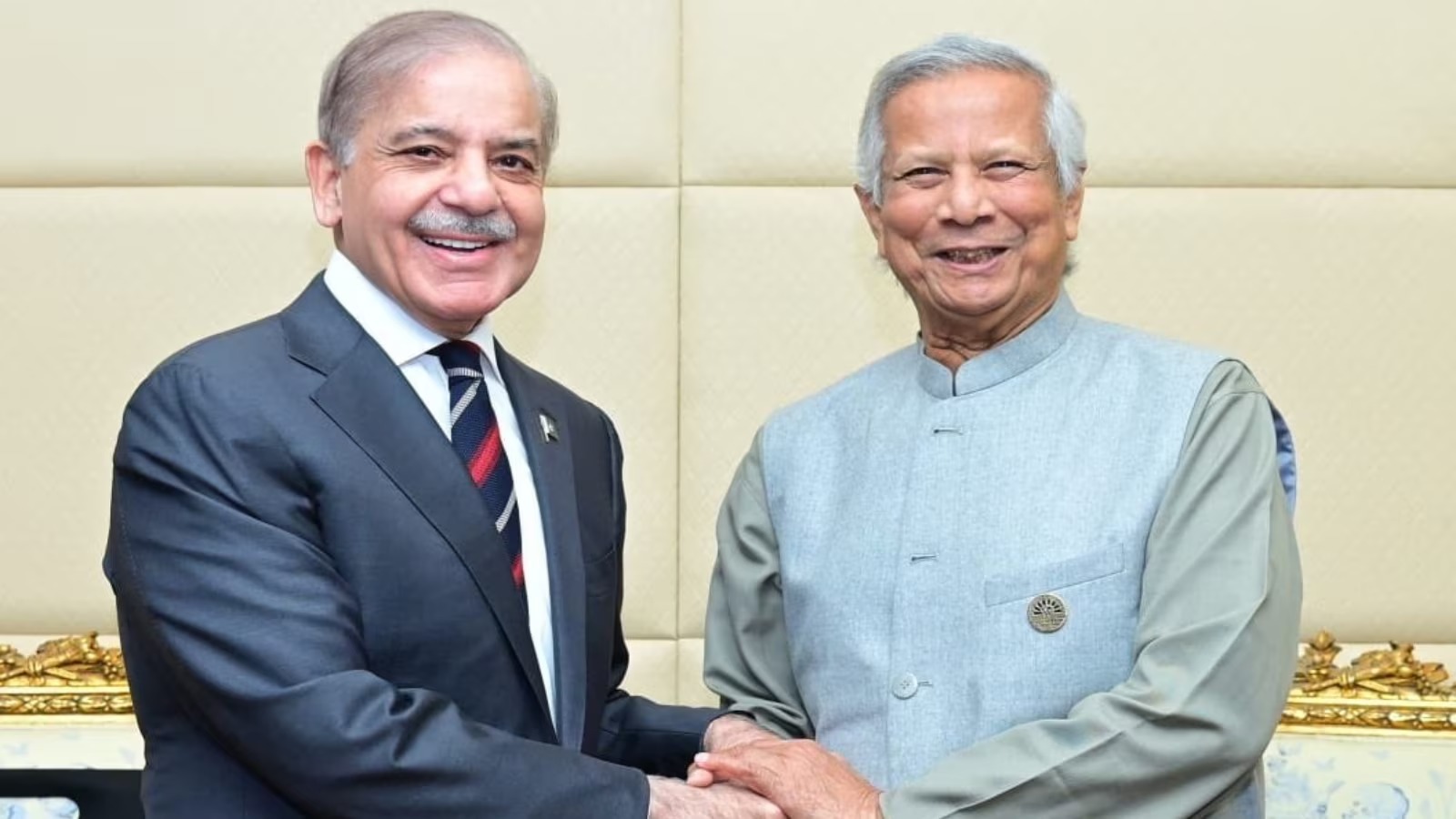
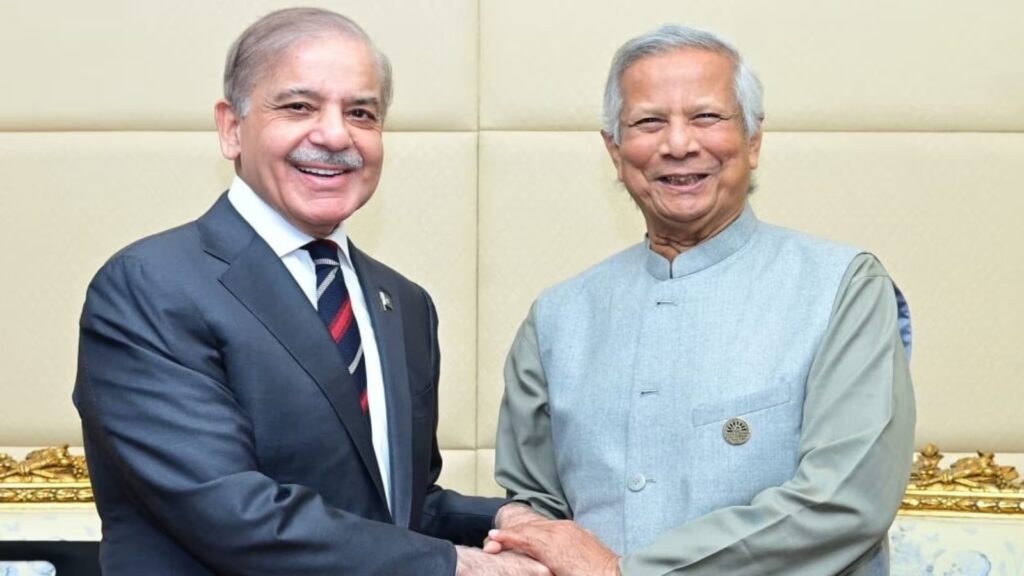
India is closely watching Pakistan’s renewed security and diplomatic outreach to Bangladesh, viewing the recent warming of ties between Islamabad and Dhaka as a development with serious implications for regional stability and Indian national security The shift follows political changes in Bangladesh after the exit of former Prime Minister Sheikh Hasina and the emergence of an interim administration led by Muhammad Yunus. Analysts say the transition has created space for Pakistan to re-enter Bangladesh’s strategic landscape after decades of limited engagement shaped by historical grievances linked to the 1971 Liberation War.
In recent months, Pakistan and Bangladesh have witnessed an increase in high-level contacts, including interactions involving military and security-linked officials. These engagements mark a notable departure from Dhaka’s earlier posture of keeping Islamabad at arm’s length. Indian security observers are particularly concerned about indications of expanded intelligence activity under diplomatic cover, warning that such a presence could facilitate covert influence operations affecting India’s eastern front.
Pakistan’s defence outreach has also become more visible through naval visits, military exchanges and discussions on defence cooperation. Although officially framed as confidence-building measures, Indian analysts caution that these steps may lay the groundwork for deeper military coordination in the Bay of Bengal region. Any form of intelligence sharing or logistical access is viewed as especially sensitive given Bangladesh’s proximity to India’s northeastern states and the strategic Siliguri Corridor that links the region to the Indian mainland.
India’s concerns are driven by multiple factors, including the potential security risks posed by a Pakistani intelligence footprint in Bangladesh, fears of cross-border destabilisation, and the possible revival of extremist networks targeting Indian interests. The convergence of Pakistan’s outreach with China’s expanding influence in Bangladesh further compounds these anxieties, raising the prospect of a strategic realignment that could challenge India’s traditional role in South Asia.
Within Bangladesh, the renewed engagement with Pakistan remains politically and emotionally contentious. Sections of civil society, liberation war veterans and rights activists view security cooperation with Islamabad as historically insensitive and strategically risky. Supporters of the interim administration, however, argue that diversifying foreign relations is necessary to assert autonomy and reduce reliance on any single external partner amid domestic political uncertainty.
New Delhi has so far responded with cautious diplomacy, maintaining engagement with Dhaka while making clear that national security considerations will not be compromised. Intelligence and defence agencies are said to be closely monitoring developments, even as diplomatic channels remain open. As South Asia’s geopolitical landscape continues to evolve, Pakistan’s renewed outreach to Bangladesh highlights how internal political shifts can reshape regional alignments. For India, the challenge lies in sustaining a stable relationship with a key neighbour while remaining vigilant against emerging security risks along its eastern frontier.
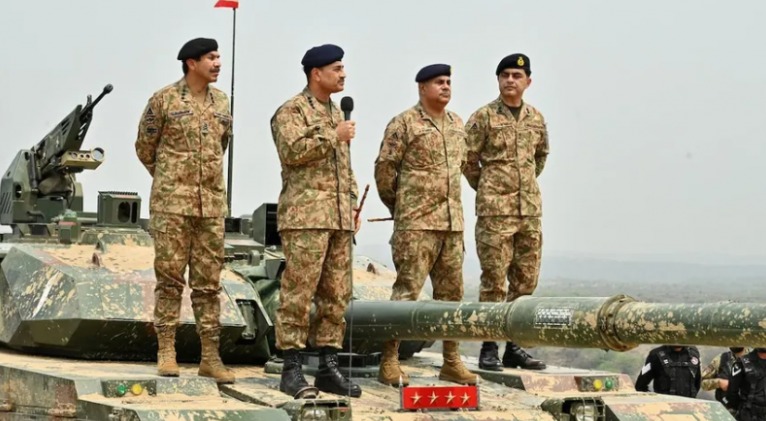
Strategic analysts say recent public statements by leaders linked to militant organisations in Pakistan point to a worrisome blurring of lines between the state and extremist groups, potentially reshaping the country’s security and foreign policy dynamics. Independent observers note that comments by well‑known militant clerics and figures suggest a shift in how Pakistan’s military establishment engages with both domestic proxies and foreign policy objectives—a development with implications for regional stability.
The debate was sparked after a senior cleric associated with a Pakistan‑linked militant ecosystem publicly praised the country’s military leadership and suggested alignment with national interests if regional demands were not met. Commentators say such public endorsements, historically rare, point to growing open synergy between certain militant factions and state actors, rather than covert cooperation that has defined past decades.
Analysts say Pakistan’s security establishment has long been accused of tolerating or even nurturing militant organisations for strategic purposes, including past conflicts in Afghanistan and Kashmir. Historically, groups like Lashkar‑e‑Toiba and Jaish‑e‑Mohammad have operated in ways aligned with Islamabad’s objectives, especially during times of regional tension. Critics argue that such relationships enabled irregular warfare strategies without clear accountability.
What is significant, experts point out, is not simply the existence of ties between militant networks and state elements, but the manner in which public rhetoric and symbolic endorsements are now entering mainstream discourse. By appearing to endorse top military leadership and make geopolitical demands through statements outside formal diplomatic channels, militant figures are perceived to be conveying a message that extremists enjoy tacit acceptance and may be deployed as instruments of influence.
Observers say these developments come at a time of heightened tension in South Asia, with Pakistan’s relationships with neighbouring countries — particularly Afghanistan and India — already strained by diplomatic and security disputes. Analysts warn that any apparent legitimisation of militant voices could complicate efforts at conflict resolution, cross‑border cooperation and counter‑terrorism initiatives, undermining official diplomatic engagement.
Concerns also extend to how such trends might affect Pakistan’s internal political environment. Critics argue that the increased visibility of extremist rhetoric could erode civilian authority and empower non‑state actors at a time when governance and democratic processes face significant challenges. Militant endorsement of state leaders could reinforce narratives that sideline institutional checks and balances, making it harder to pursue long‑term security reforms.
Pakistani military and government officials have not formally confirmed any change in policy regarding militant groups, often reiterating that security measures are focused on legitimate threats and national interests. However, analysts say the public prominence of militant voices cannot be separated from broader strategic calculations, noting that such dynamics reflect deeper issues in how Pakistan manages external threats, internal security and geopolitical relationships.
As regional powers watch these developments closely, diplomats and security experts emphasise the importance of transparent counter‑terrorism policies, strengthened institutional governance and renewed diplomatic engagement to prevent extremist actors from gaining undue influence over national policy.
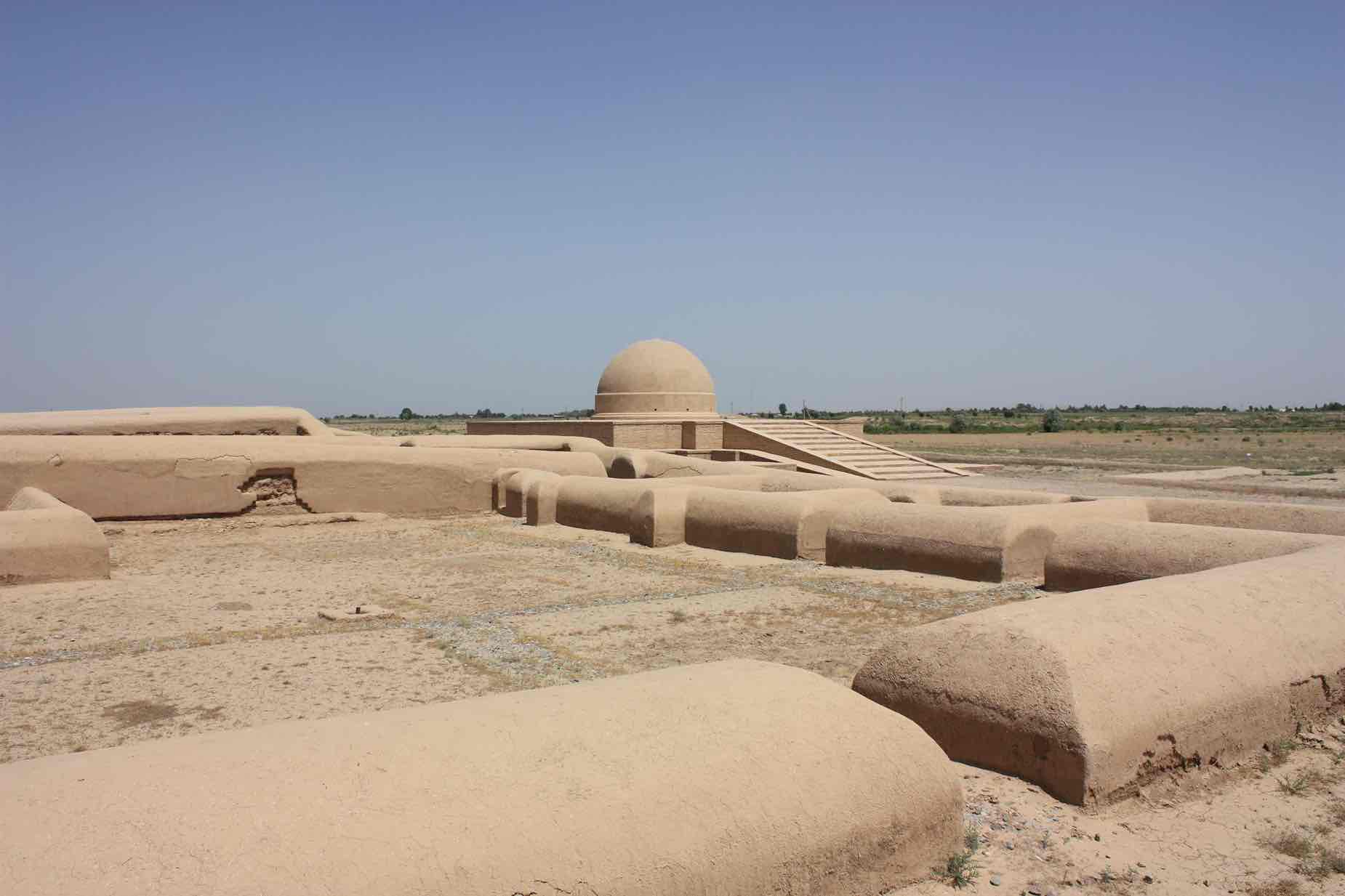
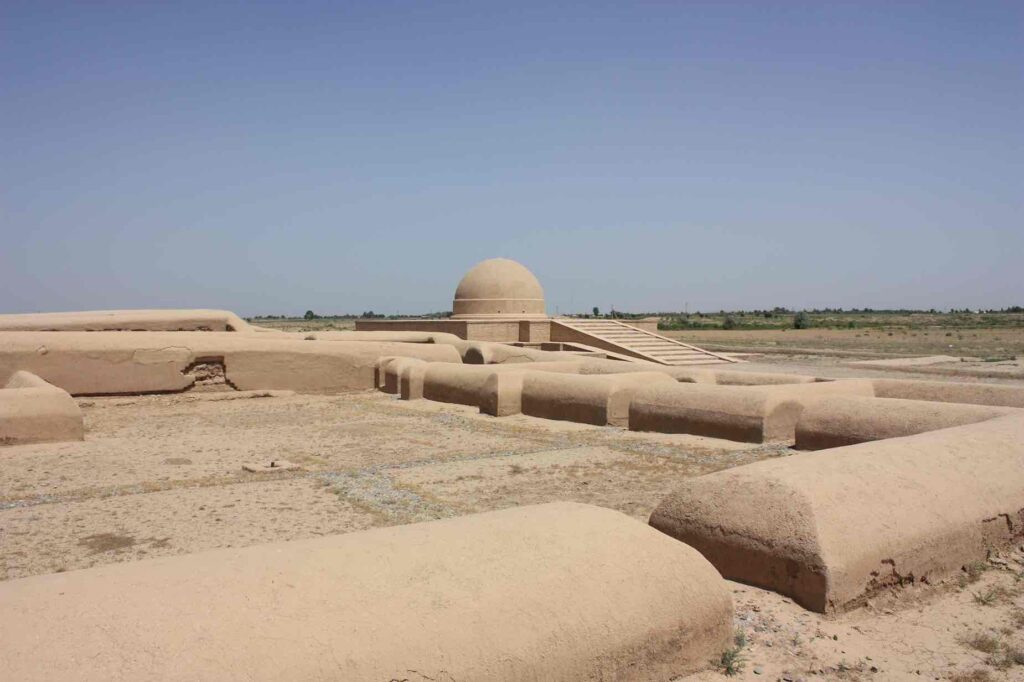
India’s long‑standing strategic vision to reconnect with Central Asia — a region historically linked through ancient trade and cultural ties — is facing mounting challenges, with analysts arguing that geopolitics has turned what should be a natural corridor into a strategic dead end for New Delhi. The analysis highlights how geographical barriers, regional political tensions, and competition from rival powers have undermined India’s efforts to establish efficient overland links with Central Asian countries, reducing New Delhi’s ability to harness the full economic and geopolitical potential of the region.
For centuries, traders, monks and emissaries traversed mountain passes and plains connecting the Indian subcontinent with cities like Samarkand and Bukhara. That history underpins India’s interest in strengthening ties with Central Asian states, which are rich in energy resources and critical minerals and offer significant trade opportunities beyond South Asia.
However, analysts note that modern geopolitics has complicated that picture. India does not share a land border with Central Asian republics, and overland access routes historically passing through Pakistan have been blocked due to persistently strained relations and transit denial, forcing New Delhi to pursue indirect and costlier alternatives.
New Delhi has pursued major initiatives such as the International North‑South Transport Corridor (INSTC) and the development of Chabahar Port in southeastern Iran to bypass Pakistan’s transit barrier and link with Eurasia via Iran and the Caspian Sea. These projects are intended to reduce transit times and costs for trade and energy supply. But progress has been slow, and infrastructure gaps — including missing rail links and customs hurdles — continue to impede their full operationalisation.
Instability in Afghanistan and the lack of a stable, reliable transit environment have also limited New Delhi’s reach to Central Asia overland. Ongoing political uncertainty and evolving security dynamics in Kabul complicate efforts to use Afghan territory as a bridge, further undermining the effectiveness of connectivity routes that rely on that corridor.
India’s efforts to enhance connectivity occur against the backdrop of intense strategic competition in Central Asia. China’s Belt and Road Initiative has entrenched Beijing as the dominant infrastructure investor in the region, while Russia maintains strong economic and security ties with several Central Asian states. This has left Indian initiatives comparatively underfunded and less influential.
While India’s trade with Central Asia remains relatively modest compared with China’s expansive economic footprint, policymakers in New Delhi argue that deepening ties remains essential to diversify economic partnerships and counterbalance rival influence. Still, experts note that without significant breakthroughs in transit access, the region’s potential as a strategic corridor may remain unrealised.
Central Asia’s wealth in energy resources — including natural gas, oil, and rare earth minerals — makes the region highly attractive to global powers seeking to secure diversified energy supplies and critical inputs for future technologies. India’s engagement, analysts say, is as much about energy security as it is about trade connectivity.
In addition to economic considerations, cooperation with Central Asian states includes defence and security cooperation, especially concerning counterterrorism and border security. Tajikistan, for example, remains a key partner for India’s security engagement in the region.
Despite the challenges, New Delhi continues to signal its commitment to Central Asia through diplomatic engagement, investment in regional connectivity infrastructure, and efforts to build alternative routes around geopolitical obstacles.
Whether these efforts can ultimately overcome entrenched barriers and transform the historic corridor from a strategic dead end into a vibrant economic and geopolitical link will depend on sustained diplomatic coordination, investment in infrastructure, and shifting regional dynamics — including stability in Afghanistan and evolving relations with key players such as Iran, Russia, and China.