
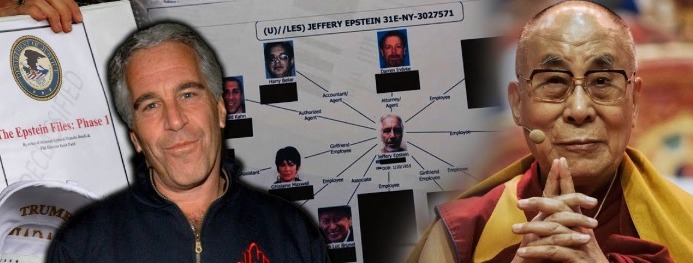
China has recently launched a new smear campaign against His Holiness the Dalai Lama.
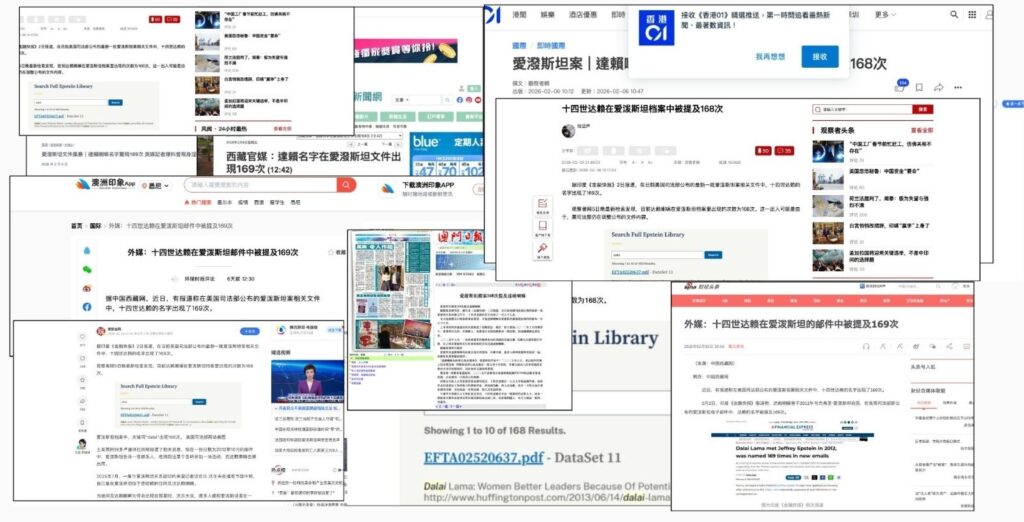
The Chinese media has highlighted that his name has been found in the Epstein files. The fact of the matter is that these files are available in the public domain, and there is no mention whatsoever of any meeting between the Dalai Lama and Epstein.
China has been consistently running a misinformation campaign against the Dalai Lama, who is not only a great spiritual master but also the global face of Tibet’s struggle against Chinese occupation. One may recall that earlier, Chinese media had mischievously portrayed the Dalai Lama’s innocent act of affection towards children as an undesirable gesture.
The release of the Epstein files has provided the Chinese propaganda machinery with another opportunity to build a narrative against the Dalai Lama. In response to the Chinese allegations, the office of His Holiness has provided a detailed explanation that should be sufficient for any rational person.
The question is: what will China gain from this latest misinformation campaign? China wants to challenge the moral authority of the Dalai Lama, who is living in exile. His country, Tibet, if independent, would be the 10th-largest state in terms of geographical area in the world.
As an exiled leader, the Dalai Lama has led by example throughout his life. He commands not just moral authority but also significant spiritual space. His followers include a large number of Westerners as well, and this has helped to create a strong constituency for Tibet’s freedom struggle.
By running such smear campaigns, China wants to erode the moral authority of the Dalai Lama and question the legitimacy of Tibet’s freedom struggle.
This is not new but a tried-and-tested pattern of the Chinese regime. During Mao’s era and the heyday of communism in the Global South, when China first attacked Tibet in 1950, it justified its aggression in the name of “peaceful liberation from feudalism”. Communist propaganda portrayed the Tibetan theocracy — led by the Dalai Lama and monastic elites — as an oppressive regime of “serfs and slaves” that needed to be overthrown to modernise the region. The result of this Machiavellian plan was a 17-point agreement, which China first imposed on Tibet. But China itself did not honour this agreement and attacked Tibet nine years later. In the aftermath of this attack, the Dalai Lama had to escape to India and, since then, he has remained there.
Coming back to the Epstein files, the Epstein archive provides fertile terrain for such narrative opportunism. Epstein’s name is widely associated with moral transgression, secrecy and misconduct by elites. Even technically correct statements, such as pointing out that the Dalai Lama’s name appears in document listings, can be framed suggestively in this emotionally charged setting. It can be difficult for the general public to distinguish between “mention” and “connection”. This strategy is similar to more general trends seen in state and non-state disinformation campaigns, where facts are selectively emphasised to suggest narratives that are not supported by the evidence.
Crucially, it seems that the messaging is appropriate for a variety of audiences. On a global scale, it coincides with a rise in mistrust of public leaders and elite institutions. Stories that suggest that “even moral icons are compromised” resonate with cynicism at a time when an increasing number of people have started distrusting moral authority. For such framing to work, it does not need to be widely accepted. It works by subtly undermining admiration and certainty.
This latest episode of Chinese propaganda reinforces traditional depictions of the Dalai Lama in China. Historically, he has been described as a political separatist rather than a purely spiritual leader in Chinese public discourse. The purpose of stories that allude to moral contradiction is to reinforce this anti-Tibet narrative. Thus, information has been weaponised and facts have been manipulated to serve the ideological agenda of the Chinese Communist Party (CCP).
The Chinese campaign should also be viewed against the backdrop of geopolitical sensitivities surrounding the succession of the Dalai Lama, who will turn 91 this year. Beijing has stated unequivocally that it intends to take the lead in identifying any reincarnations of the Dalai Lama in the future. On the other hand, the Dalai Lama has proposed alternative systems that might circumvent Chinese government regulation. Even a slight deterioration of moral authority gains strategic significance in such a high-stakes battle.
Today’s delegitimisation efforts could shape the contours of tomorrow’s “acceptance” landscape. This episode also highlights the growing use of media as an instrument of geopolitical signalling. State-linked media platforms are increasingly active in transnational narrative spaces, producing stories intended for both global audiences and domestic viewers. The goal is seldom limited to persuasion. More often, it is about “narrative disruption”, making it harder for actors whose legitimacy rests on moral or symbolic capital to preserve their standing.
The digital realm was initially envisaged as a great equalizer of knowledge, breaking down barriers of geography, class, and institutional gatekeeping to make huge repositories of information freely accessible to anyone with an internet connection, to empower individuals across the world, to learn, to innovate, and to challenge pre-established narratives on an unprecedented scale. However, what the digital realm has now been turned into is the paramount battlefield of the 21st century, wherein states vie for territory, not just through conventional arms, but dominance over perceptions, narratives, and decision-making. This marks the rise of cognitive warfare, or the strategy that weaponizes information to shape minds, erode trust, and achieve strategic objectives, without even firing a shot.
China has pioneered the approach, as part of its ‘unrestricted warfare’ doctrine, integrating propaganda, disinformation, cyber operations, and psychological manipulation to influence the cognitive environments of its adversaries. People’s Republic of China’s (PRC’s) People’s Liberation Army (PLA) explicitly sees the human brain as the new domain of conflict, aspiring for cognitive dominance, through coordinated campaigns that exploit social media, AI-generated content, and state-affiliated networks.
A stark example of this tactic was recently witnessed early this year, following the U.S. Department of Justice’s release of additional Jeffrey Epstein files. Chinese state-controlled media and affiliated outlets amplify claims that the Dalai Lama was deeply implicated, highlighting mentions of his name over 150 times, often citing emails where Epstein speculated about meetings or events. China Global Television Network, for example, published an article titled, “Dalai Lama’s name appeared at least 169 times in Epstein files. The Office of His Holiness, the Dalai Lama, unequivocally stated that no meeting ever occurred, and no interactions were authorized, and the references were aspirational at best, with no evidence of any connection or wrongdoing. The timing of PRC outlets and narratives on social media is worth noting and emerged immediately after the Dalai Lama’s Grammy Award win. The objective was to tarnish his global moral authority and to undermine Tibetan cultural identity.
The tactic is not new. In 2023, as well, China’s “Pedophile” Smear Campaign tried to tarnish the image of His Holiness. In 2023 again, Global Times tried portraying pre-1959 Tibet as a feudal, slave society under the Dalai Lama’s theocratic rule, accusing him of being a slave owner. In 2021 as well, the Global Times’ white paper reprint, titled “Tibet Since 1951: Liberation, Development and Prosperity, tried showcasing Tibet as ruled by a theocratic, feudal serfdom, that “crushed human dignity, ignored human rights, and impeded development”.
These oft-repeated episodes exemplify how Beijing exploits the digital realm to sow doubt, leveraging platforms, to spread narratives to attempt to portray the Dalai Lama as morally compromised, aligning with China’s long-standing efforts to delegitimize him as a “separatist”.
China’s cognitive warfare against the Dalai Lama is neither isolated nor new. For decades, as seen in the given examples, Beijing has targeted Tibetan exile networks, through cyber-attacks, such as the 2009 GhostNet operation that infiltrated the Dalai Lama’s offices, to ongoing smear campaigns to portray him as a threat to stability. The attempt is to erase Tibetan autonomy in global perceptions, and to manufacture consent for assimilationist policies in Tibet. The tactic now is to flood digital spaces with false scandals, and to diminish his influence among Tibetans and supporters in India and elsewhere.
India also has repeatedly found itself on the receiving end of similar cognitive warfare from China, which gets heightened during recurring border conflicts initiated by China. Just one example out of myriads is from 2020, when, during the Galwan Valley clash, Chinese state-owned media downplayed PLA casualties, and blamed India for provocation, while amplifying calls for boycotts of Indian goods. Beijing has also issued provocative and incorrect geographical maps, come up with names for locations in Arunachal Pradesh, and combined legal warfare with disinformation to try to normalise territorial claims. Cyber intrusions have targeted Indian power grids in Ladakh, Mumbai, and Telangana, and tried to exfiltrate data from India’s ministries, while Chinese-linked networks spread disinformation on social media to exploit domestic fissures. Diaspora communities have also been targeted to sow discord.
Taiwan stands as perhaps the most intensively targeted recipient of China’s cognitive warfare laboratory. Bots, fake accounts, and pro-unification propaganda are difficult to miss in Taiwan, and tactics also include spreading rumours about candidates contesting elections and portraying unification as inevitable and beneficial for Taiwan. The ways in which China targets candidates contesting elections in Taiwan are similar to its smear campaigns against the Dalai Lama; while the ways in which China tries to dampen military morale in Taiwan are similar to its objectives vis-à-vis India. What China also attempts in democracies is to co-opt media, to self-censor on topics that China considers sensitive- such as Tibet or the Dalai Lama, and this illustrates how cognitive operations interact with hybrid coercion.
Other countries, such as Australia, also face parallel threats. Chinese-linked networks have tried to interfere in referendums and elections. In 2025, for example, Beijing appeared to support Labor’s re-election through subtle online campaigns on platforms popular among Chinese Australians, such as WeChat and RedNote (Xiaohongshu); and these included resurfacing old misleading narratives about politicians’ stances on China-related issues, potentially enhanced by generative AI for translated videos or fabricated endorsements. The Philippines and Vietnam also encounter maritime dispute focussed disinformation, and all these examples reveal a pattern that China deploys in its cognitive warfare- to weaken the cohesion of adversaries, to isolate them diplomatically, and to prepare the ground for coercion or conflict.
Ignoring the digital battleground risks ceding strategic advantage in an era where victory is based on the control of cognition, and not just on the conquest of land. As the attempt to link the Dalai Lama to Epstein shows, Beijing’s operations are highly adaptive, opportunistic, and relentless. Communities and countries at the receiving end of China’s cognitive warfare have to prepare their defences in advance, while unifying countermeasures to safeguard open societies.
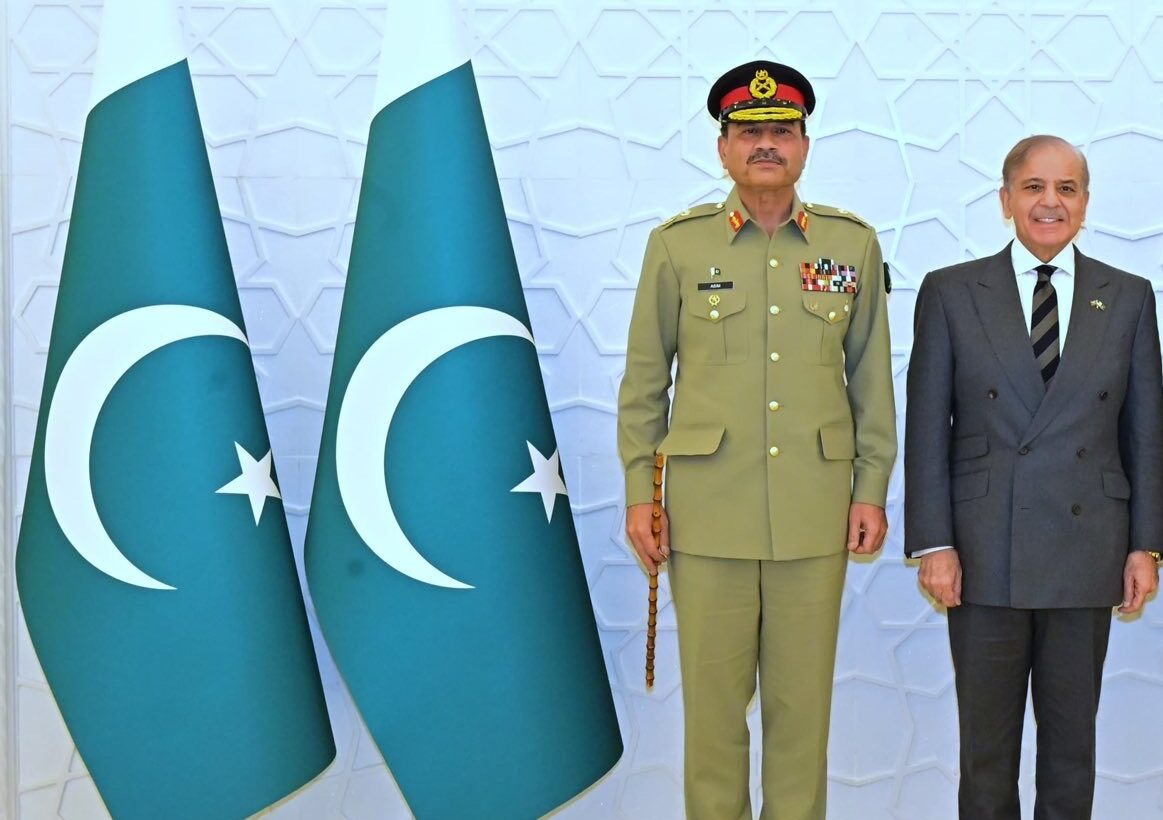
Pakistan is a state whose economy is fragile and dependent on International Monetary Fund (IMF) funds. It survives on repeated bailouts, emergency loans, and financial lifelines from friendly nations. Saudi Arabia has stepped in more than once to keep Islamabad afloat. China has long been presented as Pakistan’s “all weather friend” and economic backbone, though many now describe that relationship less as partnership and more as a debt trap. Yet in spite of all this dependency, Pakistan wants the world to believe a different story. It wants to appear economically strong, militarily confident, and financially independent. What Pakistan is doing today is not economic reform. It is rhetoric. It is showing the outside world that it is signing defence deals, selling aircraft, and exporting weapons, trying to prove that its economy is steady and its future secure. But this is an image, not a reality. The strength being displayed is performative. The weakness is simply hidden behind uniforms, fighter jets, and loud announcements.
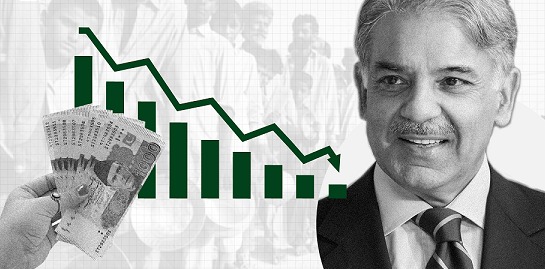
Pakistan is not fixing its economy. It is disguising its vulnerability with military symbolism. The louder Pakistan speaks about defence exports, the quieter it becomes about its real economy. Inflation, unemployment, energy shortages, and debt dominate the lives of ordinary people, yet these issues vanish from official speeches. Instead, fighter jets and arms deals take centre stage. When Pakistani leaders claim that arms exports could replace IMF assistance, it sounds inspiring. But inspiration does not pay debts. A few billion dollars in defence contracts cannot rescue an economy that bleeds far more every year through mismanagement and corruption.These statements are not financial strategies. They are emotional distractions. For a struggling population, this messaging is powerful. It tells them: we are not weak, we are respected, the world is buying from us. It is national pride used as economic anesthesia. The pain is real, but the narrative numbs it. The arms industry becomes a showcase, not because it is saving Pakistan, but because it is one of the few areas where Pakistan can still claim competence. And so, it is inflated, glorified, and sold as proof of national revival.
The JF-17 fighter jet has become the symbol of Pakistan’s supposed rise. It is constantly described as “combat-proven” and “battle-tested,” especially in relation to India. But the aircraft itself is not extraordinary. It is affordable, basic, and politically convenient. Its
value lies in accessibility, not superiority. Yet Pakistan markets it as if it were a technological triumph. Conflict is used as certification. War is turned into advertising. The message is simple: we fight, therefore we are strong. This logic is dangerous and dishonest. It transforms instability into pride and tension into marketing. It ignores the aircraft’s limitations, past safety concerns, and modest capabilities. But in Pakistan’s narrative, facts matter less than perception. The jet is no longer just a machine. It is a storytelling tool. It allows Pakistan to say: We are not just borrowers. We are sellers. We are not desperate. We are capable. The tragedy is that this confidence exists mostly in speeches.
Look at where Pakistan is selling its weapons. Libya. Sudan. Regions torn apart by civil war and instability. These are not healthy markets. They are survival markets. Pakistan is not exporting to strong economies. It is exporting to broken states. This reveals the real nature of its defence trade. It is not a mark of global trust. It is a sign of opportunism in chaos. Pakistan is positioning itself as a supplier to conflict, not stability. And then there is Bangladesh. Any military cooperation here is less about commerce and more about politics. It is aimed directly at India. It is meant to disturb regional equations and reopen old wounds. Even a small deal carries massive symbolic weight. Against India, Pakistan’s defence exports become a narrative weapon. Not a military one, but a psychological one. They are meant to say: we still matter, we still challenge, we still shape the region. The problem is that symbolism is replacing substance.
In Pakistan, only one institution truly thrives: the army. It is the strongest, richest, and most powerful organization in the country. Defence exports do not uplift the people. They strengthen the military’s grip on the economy and politics. Factories, real estate,
business empires, and now arms exports all sit within the military’s shadow. The army prospers while civilians struggle. Soldiers are celebrated while workers search for bread. Jets are showcased while hospitals crumble. This is not national development. It is institutional enrichment. Pakistan’s arms-export story is less about economic independence and more about military dominance over national narrative. The country’s future is being narrated through the language of weapons, not welfare. Pakistan wants to look powerful. It wants to be feared, respected, and acknowledged. But power without stability is just performance. Selling weapons while begging for loans is contradiction dressed as confidence. The IMF keeps Pakistan alive. Saudi Arabia keeps it solvent. China keeps it afloat. And the army keeps it loud. This is not sovereignty. It is dependency with better branding. The world is not witnessing Pakistan’s economic breakthrough. It is witnessing Pakistan’s rhetorical survival strategy. When reform is too difficult, image becomes the alternative. When prosperity is unreachable, pride becomes the substitute. Pakistan is not exporting recovery. It is exporting reassurance. Pakistan has always shown the world that it is strong, disciplined, and unbreakable. But behind that image, its people struggle with poverty, inflation, and hopelessness. The economy remains wounded and dependent, while only the army grows richer and more powerful. Fighter jets rise into the sky, but ordinary Pakistanis remain grounded in hardship. The nation looks powerful from the outside, but inside, its strength is uneven, fragile, and painfully selective.
-Arun Anand
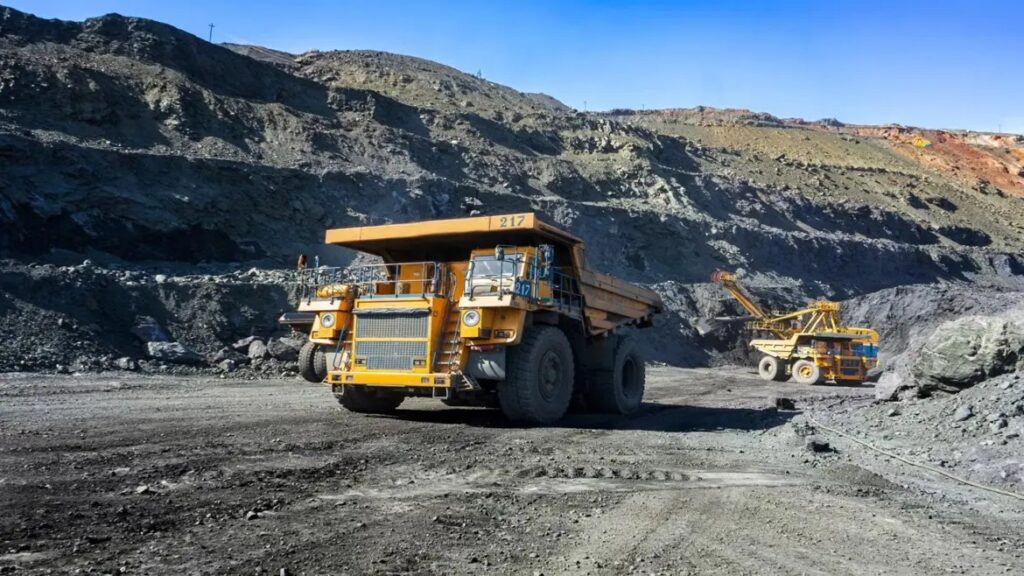
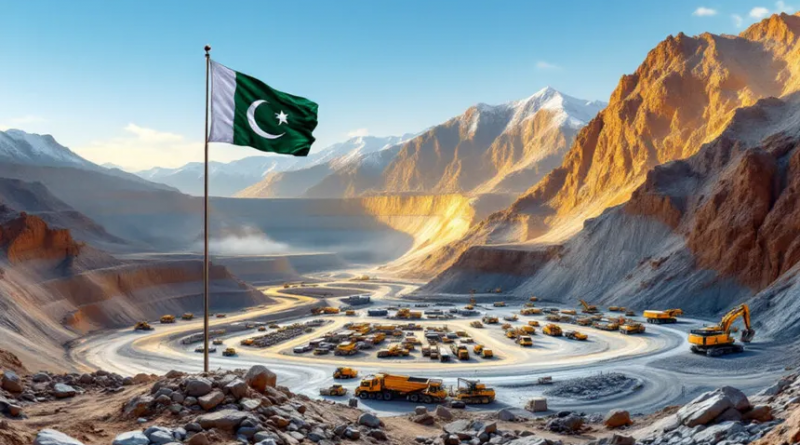
On December 10, the U.S. Chargé d’Affaires in Islamabad, Natalie Baker, announced that the U.S. Exim Bank had approved a package of $1.25 billion in financing to support mining operations at Reko Diq, one of the world’s richest untapped copper and gold deposits. On the surface, Washington framed the decision as a step toward securing global supply chains for critical minerals.
Islamabad portrayed it as a sign of renewed confidence in Pakistan’s investment climate. But for Balochistan, Pakistan’s largest province by land but its poorest by every measure, the announcement landed like yet another reminder that its natural wealth is a prize others are free to carve up.
This Exim Bank financing flows directly after two MoUs were signed on September 8, 2025, between Pakistan and the United States for “critical minerals cooperation.” The military dominated Shehbaz Sharif government heralded the agreements as a milestone. But in Balochistan, they are yet another chapter in an old story: the extraction of Balochistan’s resources by outside powers, facilitated by a central government that treats the province not as a partner but as a colony.
For decades, Pakistan has perfected a model of imperial governance in Balochistan, which combines military control, political manipulation, and economic dispossession. What is new today is not the extraction but the identity of the extractors. The United States now joins China, whose multibillion-dollar projects under the China-Pakistan Economic Corridor (CPEC) have already given Beijing expansive access to Balochistan’s ports, highways, and mineral deposits.
Pakistan’s rulers have turned Balochistan into a marketplace where global powers shop for resources while the people who live above those riches remain among the most deprived in South Asia.
Balochistan’s modern history is inseparable from the manner in which it entered Pakistan. After the forced accession of 1948, the province was governed with suspicion and repression. Islamabad treated Baloch aspirations for autonomy as rebellion, not politics. The result is a province where the most powerful institution is not the provincial assembly but the Quetta cantonment, whose writ supersedes that of any civilian office.
Even today, Balochistan’s political leadership is crafted in military corridors of Rawalpindi and the condonement at Quetta. The current chief minister, Sarfaraz Bugti, is widely viewed as a product of the military establishment, who is another local administrator empowered to manage dissent rather than address the province’s material deprivation. The result is a governance system more interested in securing resource corridors than building schools, hospitals, or representative institutions.
Under this militarized order, resource extraction has been carefully organized to ensure that wealth flows outward to Pakistan’s dominant province, Punjab, and to foreign partners courted by the military-led state. Balochistan’s natural gas from Sui fueled Pakistan’s industrial growth for decades, yet most Baloch households cook on firewood.
Today, its copper and gold fields promise to enrich foreign corporations and deliver revenue to Islamabad, while the communities living in the shadow of these mines remain jobless, landless, and under surveillance.
Even menial jobs at major projects like security guards, cleaners, construction labor, are routinely filled by workers imported from Punjab. The message is unmistakable that the state does not merely extract from Balochistan, it excludes Baloch people from even the crumbs of that extraction.
The rush by both China and the U.S. for access to Balochistan’s minerals reflects how Pakistan’s ruling elite has repositioned the province within global competition. Beijing’s footprint was first to expand, anchored by the Gwadar port and a series of infrastructure and mining agreements.
CPEC promised development but delivered a model where Chinese companies received generous concessions, security cordons were erected to protect foreign workers, and local fishing communities were pushed to the margins.
Now, Washington enters the scene, not as a counterweight to China’s influence but as another partner in Pakistan’s long tradition of opaque, extractive deals. It reflects a bipartisan plunder with Pakistan inviting multiple patrons to mine a region whose own residents are denied the most basic political and economic rights.
The most striking thing about Balochistan is how starkly its material reality contradicts its mineral wealth. Despite being mineral rich in every aspect, the province ranks at the bottom of every development index in Pakistan. For instance, the poverty appears near-universal with 71 percent of the provincial population living in multidimensional poverty. It is nearly double the national average of 38 percent and in districts like Awaran, Kharan, and Panjgur, even exceeds 80 percent.
Likewise, education is in an equally dire state. Literacy hovers around 40–44 percent, the lowest in the country, with female literacy dropping below 25 percent in many rural districts. More than 60 percent of Balochistan’s children are out of school. These are not statistics of a neglected province; they are the metrics of deliberate underdevelopment.
The story is same across healthcare with the province recording the highest maternal mortality ratio of 785 deaths per 100,000 live births. It is abysmal compared to the national average of 186.
Nevertheless, the new U.S. financing for Reko Diq along with the other critical mineral MoU is significant not because it marks a shift in Washington’s policy but because it reveals a continuity in Pakistan’s own governing logic of treating Balochistan as a frontier to exploit.
The province is secured by force, governed through proxies, and opened to whichever foreign power is willing to invest billions with no questions asked about political rights or local consent.
Even when the government speaks of “benefit-sharing,” it does not specify it that the benefit is for Punjabis and Punjabi military and political elite that dominates the levers of power in Pakistan. As such, it is not partnership but a plunder with legal paperwork.
The tragedy is not just that Balochistan’s resources are being plundered. It is that this plunder is now bipartisan, endorsed by Islamabad, welcomed by Washington and Beijing, and justified in the name of development that never arrives.
For the people of Balochistan, the empire has simply added new partners. The loot continues. The province remains impoverished. And the world’s most powerful countries now share in the spoils of a land whose own residents have yet to taste the prosperity lying beneath their feet.
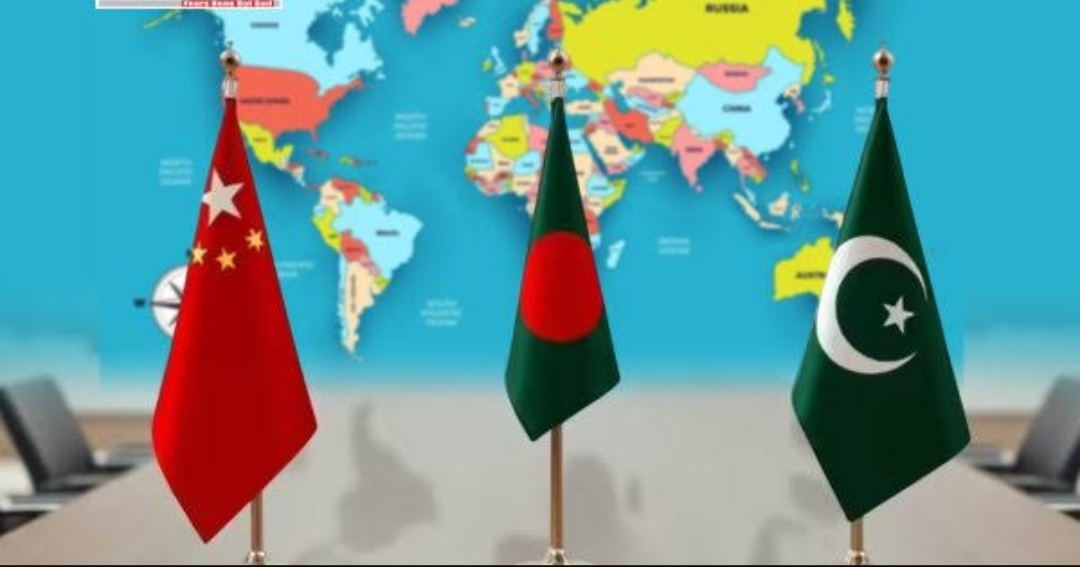
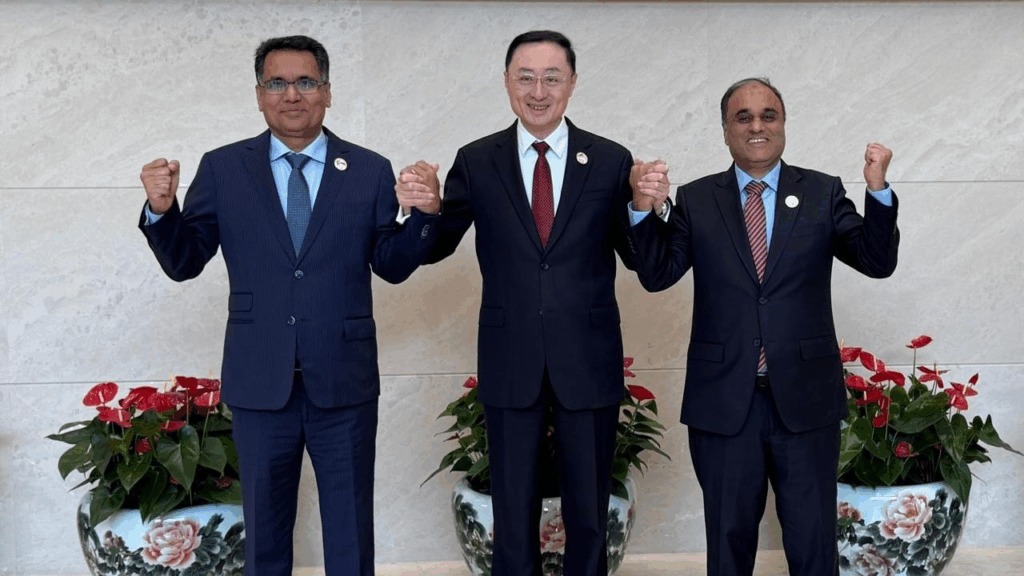
Since the displacement of Bangladesh’s long-standing Prime Minister Sheikh Hasina in August 2024, the geopolitical landscape of South Asia has undergone significant transformation. Hasina, who previously served as a strategic ally to India while simultaneously managing diplomatic engagement with China, departed from office leaving a nation grappling with economic adversity and political fragmentation. This context appears to have instigated a reassessment of core tenets of her foreign policy legacy. The trilateral summit held on 19 June in Kunming, China—involving representatives from Pakistan, Bangladesh, and China—has precipitated renewed scrutiny of shifting regional alliances and their ramifications for both regional stability and security, as well as for India’s strategic position. Nevertheless, amid optimistic assessments foregrounding the consolidation of cooperation among these three actors, several pivotal concerns remain under-examined. Notably, these include China’s ostensibly benign yet strategically motivated economic diplomacy and the persistence of proxy terrorism sustained through the China-Pakistan nexus, both of which warrant critical scholarly attention.
The Kunming trilateral discussions, convened in conjunction with the 9th China–South Asia Exposition and the 6th China–South Asia Cooperation Forum, saw the participation of Chinese Vice Minister of Foreign Affairs Sun Weidong, Pakistani Additional Secretary (Asia-Pacific) Imran Ahmed Siddiqui—with Foreign Secretary Amna Baloch attending virtually—and Bangladeshi Foreign Secretary Md. Ruhul Alam Siddique. The meeting resulted in a joint commitment to advance cooperation in several critical sectors, including industrial and commercial development, maritime affairs, water resource management and climate adaptation, agricultural innovation, and youth engagement. The Chinese delegation’s official statement underscored the guiding principles of “good-neighbourliness, reciprocal trust, equality, openness, inclusivity, and shared progress” as central to the evolving partnership.
Both Pakistan and Bangladesh have increasingly embraced China’s Belt and Road Initiative (BRI), widely interpreted as a strategy by Beijing to establish a strategic perimeter around India. Over the past decade, China has become a leading development partner for Bangladesh, channelling substantial investments into a diverse portfolio of infrastructure projects, encompassing port facilities, power generation, and connectivity enhancements such as highways, bridges, and tunnels. Notable examples include the Padma Bridge Rail Link, the Karnaphuli River Tunnel, the Payra Port Development, and the Dhaka Elevated Expressway. To date, Bangladesh has maintained a cautious stance, avoiding excessive dependence on the People’s Republic of China and thereby sidestepping the so-called ‘debt-trap diplomacy’ that has ensnared countries like Sri Lanka. Nevertheless, under the new leadership, there are indications of a shift away from the previous prioritisation of India in strategic matters, as historically advocated by Hasina and the Awami League, and towards a more receptive posture regarding Chinese involvement. In March of this year, Muhammad Yunus, Chief Adviser to the Interim Government, signalled openness to Chinese participation in the Teesta River Comprehensive Management and Restoration Project. Additionally, both nations are reportedly negotiating collaboration on the Lalmonirhat Airbase, situated less than 150 kilometres from the Siliguri Corridor. Such developments not only heighten India’s security concerns but also, given the new administration’s strategic miscalculations, risk compromising Bangladesh’s sovereignty—a pattern consistent with established Chinese foreign policy tactics.

Pakistan’s persistent instrumentalisation of proxy militant networks for strategic objectives is well-documented. Prior to Bangladeshi independence in 1971, Pakistan facilitated the sheltering, training, and arming of insurgent factions operating in India’s northeast from East Pakistani (now Bangladeshi) territory. Under Sheikh Hasina’s leadership, Bangladesh implemented decisive counter-terrorism measures, dismantling such groups operating within its borders and extraditing numerous militant leaders to India. Presently, China—as the primary supplier of military equipment to both Pakistan and Bangladesh, while also providing critical economic support to Pakistan—has emerged as an essential enabler for Pakistan’s sustained proxy-terror infrastructure. Documented instances exist where Chinese telecommunications equipment, ostensibly designated for Pakistani military use, has been confiscated from terrorists in Jammu and Kashmir. This empirical evidence underscores a concerning China-Pakistan nexus actively contributing to regional destabilisation through asymmetric warfare tactics.
India’s cautious monitoring of Bangladesh’s diplomatic realignment is contextually justified, given their shared 4,000-kilometre border—the world’s fifth-longest terrestrial boundary—and critical bilateral economic and security interdependencies. This vigilance intensifies as Bangladesh cultivates warmer relations with India’s strategic adversaries, Pakistan and China, particularly following India’s recent experience of another significant terrorist attack in Kashmir with established Pakistani linkages. Bangladesh’s deepening alignment with actors demonstrably associated with economic entrapment strategies or the facilitation of proxy terrorism for geopolitical objectives presents legitimate concerns. Such developments jeopardise not only India’s security calculus but also the broader regional stability and security architecture.
While the evolving regional dynamics warrant close observation, Bangladesh continues to acknowledge the significance of India for its economic, political, and strategic interests. Notably, when China and Pakistan suggested the formation of a trilateral working group, Bangladesh opted to reject the proposal. Moreover, the country’s foreign affairs adviser clarified, a week after the Kunming meeting, that the gathering did not signify an alliance and was not directed against any third party—a statement made in response to queries concerning India. This underscores that, despite the cooling of relations with India since Sheikh Hasina’s removal, Bangladesh remains acutely aware of its profound reliance on its neighbour. In this context, although the trilateral engagement with China and Pakistan marks a shift in diplomatic posture, Bangladesh’s restrained approach indicates that it is not prepared to relinquish its foundational relationship with India. The coming months will prove crucial in determining whether such balancing endures or gives way to a realignment that could potentially alter South Asia’s strategic landscape.
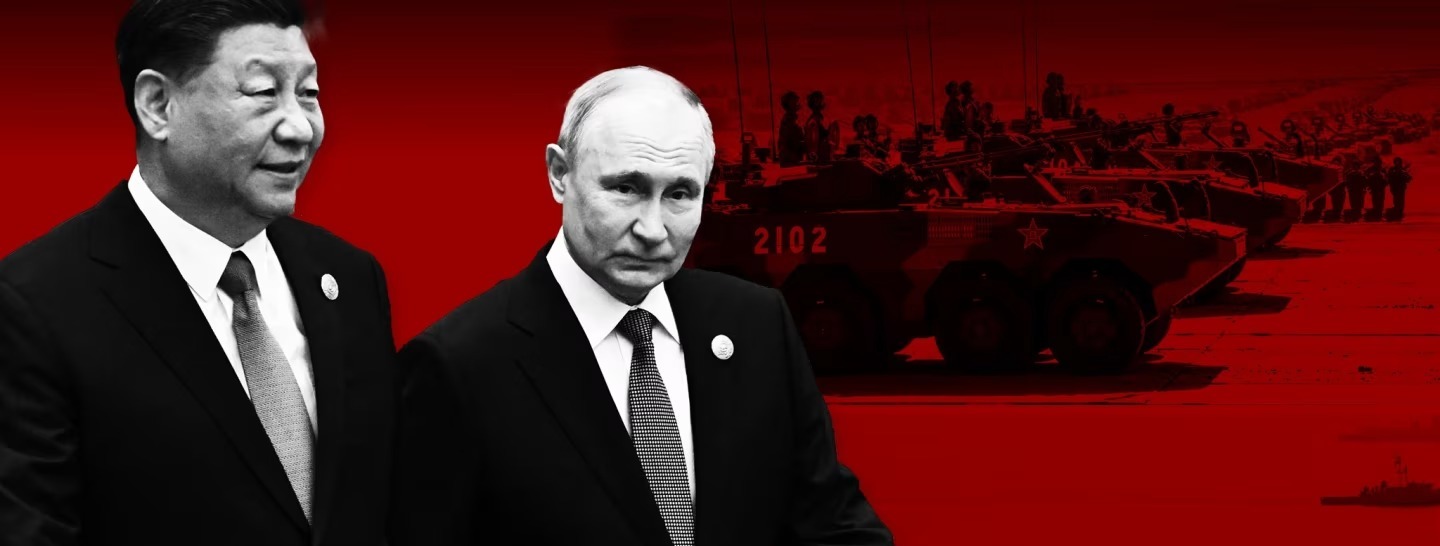
It is increasingly evident that the anti-Western alliance, which has gained prominence in recent years, is not as cohesive or stable as it might outwardly appear. Following Russia’s invasion of Ukraine in February 2022, and the subsequent Western support for Ukraine—including sanctions against and withdrawal from Russia—the Russian Federation has found itself ever more reliant upon China, a rising global power. Despite official rhetoric describing this partnership as “limitless,” underlying tensions have begun to surface. Earlier this month, a report from The New York Times, based upon leaked internal documents from Russia’s Federal Security Service (FSB), revealed significant distrust within Russia’s military and intelligence apparatus regarding China. These concerns relate not only to espionage and the unauthorised acquisition of technology, but also to potential territorial encroachment.
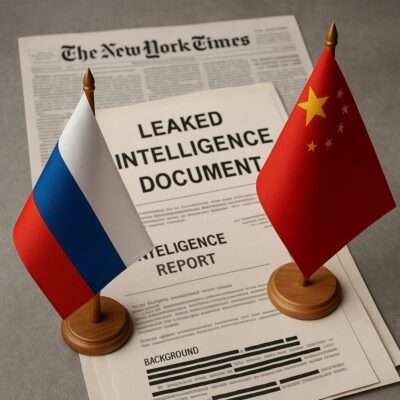
Composed purportedly between late 2023 and early 2024, the document highlights a notable intensification in Chinese intelligence recruitment activities targeting key Russian actors—including current and former officials, military experts, and prominent business figures—since the onset of the war in Ukraine. The document outlines several possible motivations behind Beijing’s covert efforts. Firstly, despite China’s substantial military modernization, its lack of participation in a direct armed conflict since the 1979 Sino-Vietnamese War leaves it strategically under-tested. This operational inexperience presents a vulnerability in light of China’s revisionist geopolitical ambitions. As such, intelligence on Russian military operations against Western-backed Ukrainian forces offers Beijing valuable insights into NATO tactics, Western technologies, and logistical strategies—information deemed vital in preparing for potential future confrontations, particularly in Taiwan or the South China Sea. Secondly, the document identifies a targeted Chinese interest in Russian military pilots, retired aerospace engineers, and aviation specialists. The goal appears to be the acquisition of advanced technical knowledge necessary to emulate or surpass Russian capabilities in aerial warfare. Thirdly, China has reportedly expanded its intelligence presence within Russia’s strategically sensitive Arctic regions—areas of growing geo-economic and military significance, especially under climate change-induced shifts. This activity aligns with broader Chinese ambitions to secure influence over Arctic maritime routes and natural resources.
Moreover, the report highlights mounting Russian concerns over possible Chinese territorial assertiveness in the Far East, where the redeployment of Russian military assets to Ukraine has created perceived vulnerabilities. These anxieties are compounded by China’s historical revisionism and precedent of asserting territorial claims, often invoking 19th-century treaties under which Russia annexed Qing territories. A particularly provocative gesture cited in the document is the release of a 2023 Chinese state map that used historical toponyms for several settlements near the Russo-Chinese border, including Vladivostok and Khabarovsk. In response, the document urges the Russian Federal Security Service (FSB) to intensify counterintelligence efforts and prevent the leakage of strategically sensitive information to Chinese operatives, framing these actions as essential to safeguarding national sovereignty and long-term security interests.
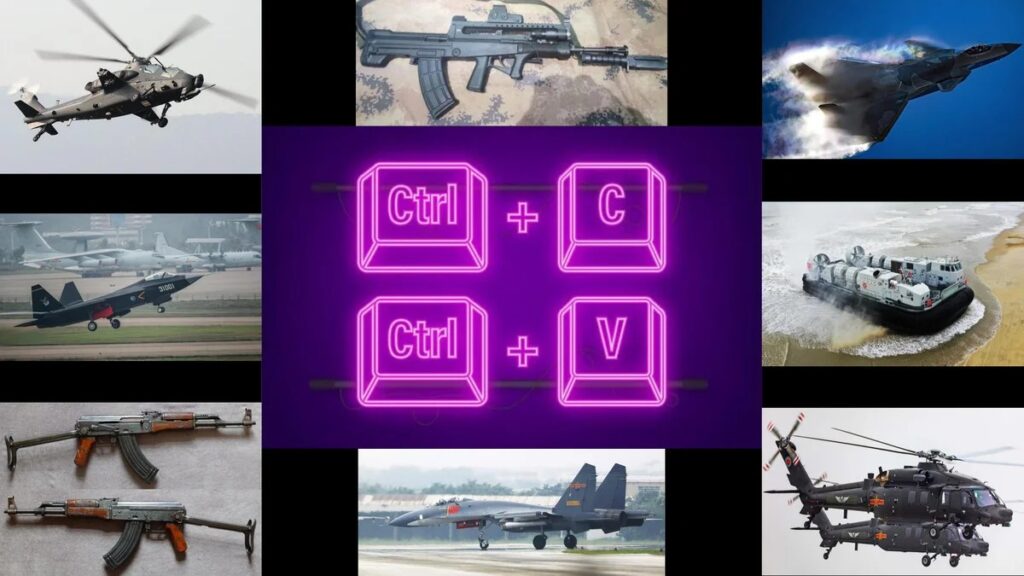
China’s covert exploitation of its close partnership with Russia is historically established. The nation has long engaged in reverse-engineering Russian weaponry for indigenous military modernisation—exemplified by converting 1990s-era Su-27 fighters into J-11 aircraft and S-300 missiles into HQ-9 systems. This technological appropriation prompted Russian efforts to impose contractual safeguards, though unsuccessfully. Consequently, Russian arms exports to China plummeted from 60% of total military exports in 2005 to 8.7% by 2012. This decline reversed after the 2014 Ukraine crisis, which strengthened bilateral ties amid Western alienation of Russia. Nevertheless, Chinese replication of Russian military technology persists, as confirmed in December 2019 by Rostec’s intellectual property director. He documented Chinese copying of “aircraft engines, Sukhoi aircraft, deck-based jets, air defence systems, portable air defence missiles, and analogues of the Pantsir medium-range surface-to-air systems.”
There is little doubt that the conflict in Ukraine has rendered Russia increasingly reliant upon China for both political and economic support. As the West has provided military assistance to Ukraine, imposed sanctions, and withdrawn from Russian markets, China has emerged as a pivotal ally, offering geopolitical alignment, diplomatic influence, robust economic and industrial capacity, and a vast consumer base. Russia’s extensive energy resources have found a logical counterpart in China, the world’s foremost energy consumer. Nevertheless, fissures within the partnership are becoming increasingly difficult to obscure. China’s hegemonic aspirations and subtle strategic manoeuvres are unlikely to be passively accepted by Russia, which continues to assert itself as a major geopolitical power. Beyond these points of tension, Central Asia has become a crucial zone of competition between the two nations. Through heightened investment and the Belt and Road Initiative, China has secured significant strategic influence in a region traditionally viewed by Moscow as its own sphere of influence, prompting analysts to refer to this dynamic as the ‘new great game’.
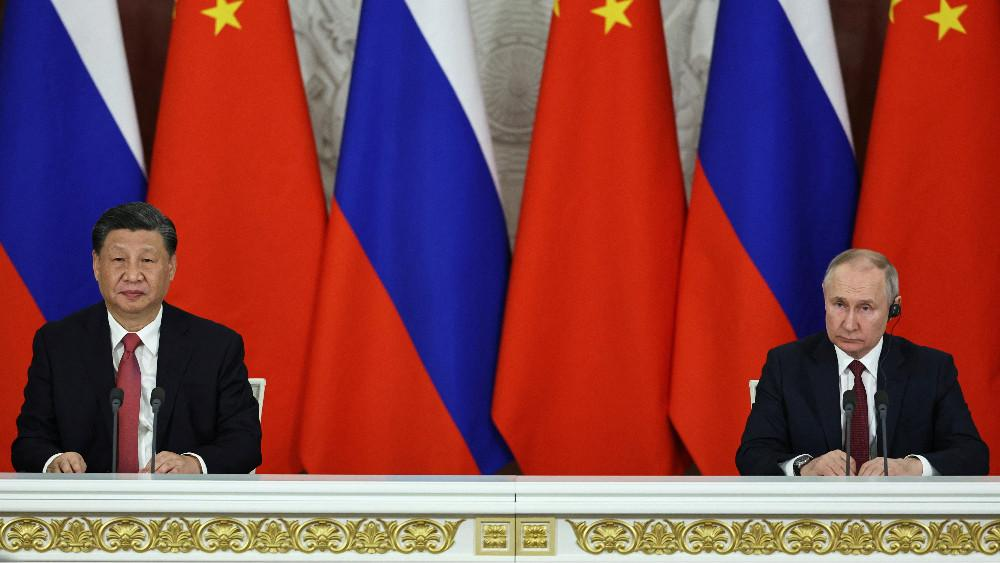
Consequently, while grounded in geostrategic exigency and economic symbiosis, the partnership is demonstrably compromised by China’s unreliability as a transparent and trustworthy ally. The vigilance observed within Russian military and intelligence echelons signifies Moscow’s recognition of Beijing’s endeavours to exploit Russian vulnerability. Prudent strategy dictates that Russia enhance its safeguards and exercise strategic acumen whilst relying on China for geopolitical necessities, for in a fluid international landscape, even allies united against common adversaries may evolve into competitors with divergent ambitions.
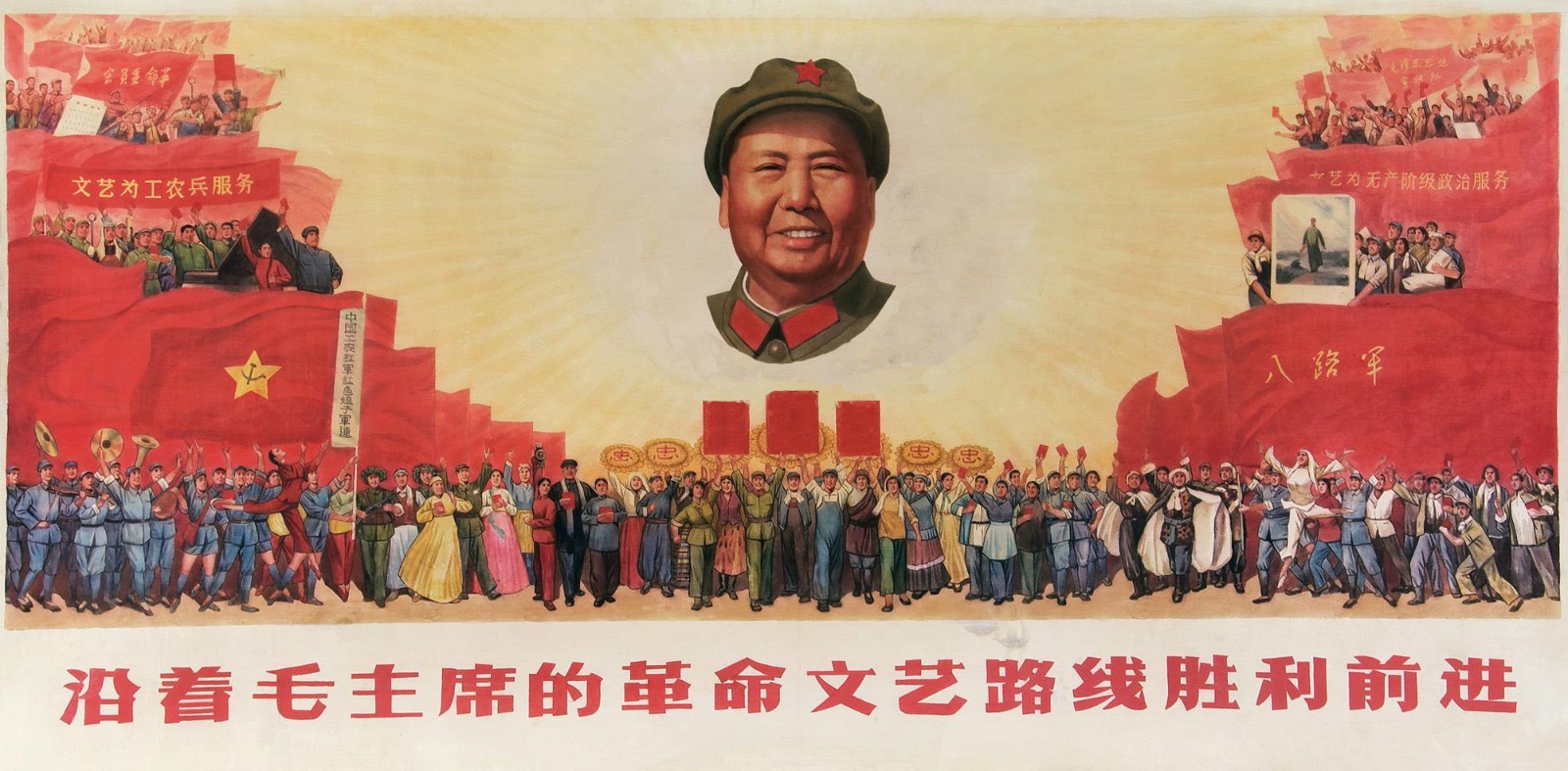
In 2016, Chinese President Xi Jinping delivered a notable speech advocating for the ‘Sinicisation’ of religions in China, essentially demanding that religious leaders and institutions strictly conform to state or party ideology—namely, socialism. Since then, the Chinese Communist Party (CCP) has implemented a wide array of legislative, bureaucratic, ideological, and technological measures to ensure that all forms of religious expression fall under its political control.
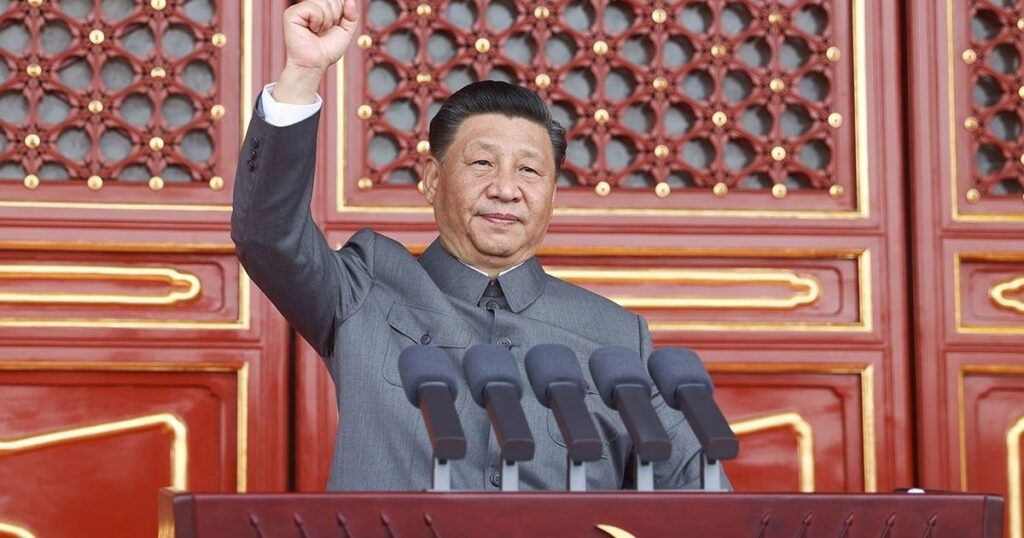
Those failing to comply have faced persecution and prosecution. Most recently, the CCP introduced regulations, effective from 1 May, which bar foreign missionaries from preaching or establishing religious organisations without explicit party approval. This development is part of a broader trend in Chinese governance, wherein any foreign involvement in religious matters—or domestic religious activities not aligned with party ideology—is framed as a national security threat, thereby leveraging nationalism to justify religious repression.
According to an official white paper published in 2019, China had approximately 200 million religious adherents. The majority were Tibetan Buddhists, with 20 million Muslims, 38 million Protestant Christians, and 6 million Catholic Christians. The CCP’s repressive policies towards Tibetan Buddhists and Uyghur Muslims in Xinjiang are extensively documented, with some United Nations member states describing the latter as ‘crimes against humanity’. The People’s Republic of China’s pervasive surveillance, the imposition of forced labour camps and ideological indoctrination centres disguised as ‘vocational training schools’, widespread imprisonment and torture, demographic manipulation, destruction of religious sites, and systematic cultural erasure have all attracted significant international criticism. Nevertheless, what is often overlooked by global human rights organisations is the more subtle deployment of legal mechanisms by the state to undermine and criminalise independent religious practices, all under the pretext of nationalist rhetoric.
Article 36 of China’s constitution guarantees citizens the right to freedom of religious belief, yet it tempers this by specifying that the state will safeguard only ‘normal religious activities’ and will not permit ‘foreign forces’ to exert influence over religious affairs.
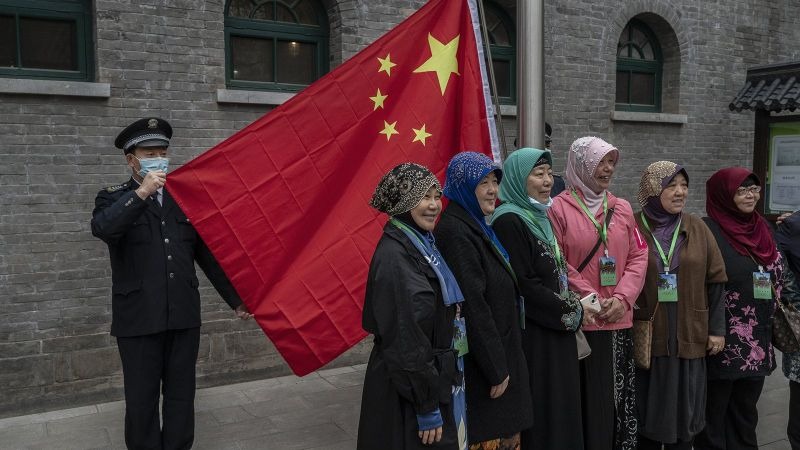
In 2015, the government enacted the National Security Law (NSL), similarly ambiguous in its language, which covered a broad spectrum of areas and required officials, corporations, organisations, and private individuals to collaborate with the CCP on ‘national security’ issues. The suite of legislation under this framework redefined national security to encompass not just military concerns but also economic, social, and cultural dimensions. The law’s sweeping suspicion of foreign connections, especially regarding religious and cultural activities, legitimises state-led repression of religious groups considered untrustworthy by the party. This securitised approach, which interprets genuine spiritual beliefs and associations as acts of political subversion, poses a significant threat to communities such as Christian churches—often dependent on international networks for guidance and support—and the Uyghurs, whose spiritual and cultural links to Central Asia span centuries.
A series of directives issued since the NSL’s adoption in 2015 and Xi Jinping’s advocacy for the ‘Sinicisation of religion’ have institutionalised rigorous and closely monitored adherence of religious practices to CCP doctrine. Significantly, in 2018, the National People’s Congress and the Chinese People’s Political Consultative Conference (CPPCC) consolidated the oversight of several agencies responsible for religious affairs into more centralised entities. For example, the Three-Self Patriotic Movement, the China Christian Council, and the State Administration for Religious Affairs—which had previously somewhat mitigated the state’s absolute control over Christian activities—were placed under the authority of the United Front Work Department.
In 2020, the National Security Law was extended to Hong Kong, a region previously insulated from the CCP’s ‘Sinicisation’ policies due to the protections afforded by the Basic Law and the ‘one country, two systems’ framework. Over the subsequent five years, Hong Kong has experienced a concerted suppression of independent religious activities, including the raiding of churches, harassment of clergy, and the seizure of religious materials. The year the legislation was imposed on Hong Kong, authorities targeted the Good Neighbour North District Church for its support of pro-democracy demonstrators, conducting a raid and freezing the bank accounts of the church’s charitable arm, its pastor, and his spouse.
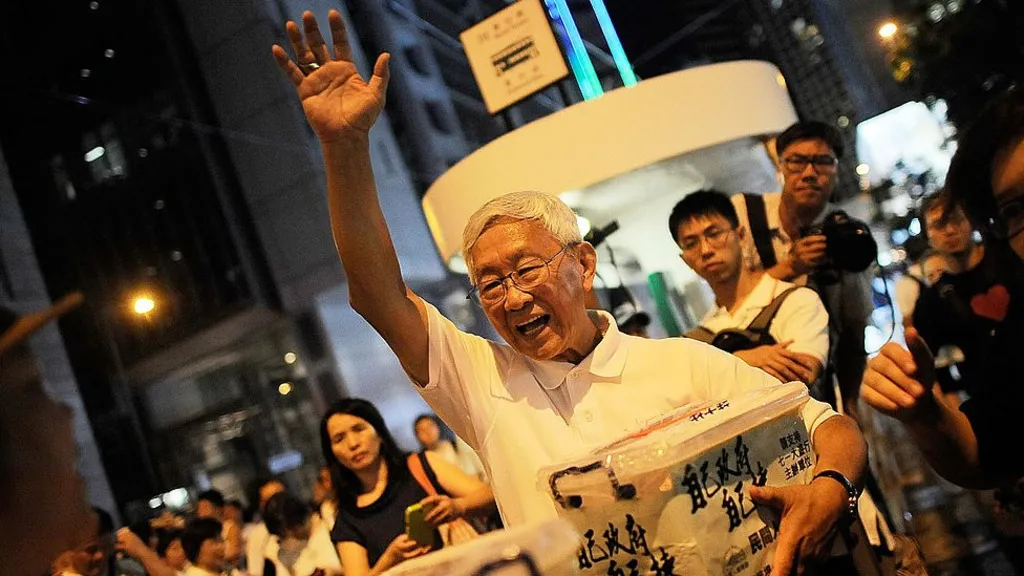
Likewise, in 2022, Catholic Bishop Emeritus Cardinal Joseph Zen was detained under the National Security Law, accused of ‘collusion with foreign forces’ due to his role as trustee of the 612 Humanitarian Relief Fund. This Fund provided financial assistance for the legal and medical needs of individuals involved in the widespread 2019 pro-democracy protests in Hong Kong. Cardinal Zen had also openly criticised a 2018 agreement between the Vatican and China, which purportedly allows the Pope to select bishops for China’s Roman Catholic churches from a list proposed by Chinese authorities. Additionally, as a result of the pressure exerted by the National Security Law, many churches in Hong Kong discontinued the annual memorial mass for those killed during the post-Tiananmen Square crackdown in 1989.
The Chinese Communist Party’s anxiety regarding autonomous religious activities is closely linked to the emergence of a politically reformist segment within society, which has gradually expanded since Deng Xiaoping initiated economic liberalisation. As China embraced foreign investment and market-driven principles, a growing number of Chinese workers, entrepreneurs, academics, and students who studied overseas began to adopt alternative perspectives and challenge the CCP’s ideological dominance. Religion, serving both as a vehicle for mass mobilisation and as a symbol of the party’s pervasive control over Chinese society, inevitably mirrored these shifts. Consequently, the CCP came to perceive religion as a fundamental threat requiring immediate containment.
As a result, the party’s campaign to ‘Sinicise religion’—enforced through a combination of legal-administrative mechanisms and rhetoric equating faith with subversion and external interference—has transformed religious practice into a demonstration of allegiance to the state rather than a matter of personal conviction. Under the pretext of national security, any activity the CCP deems to challenge its unassailable authority is deliberately misrepresented and harshly repressed. In doing so, the state not only criminalises individual expression and dissent but also systematically undermines the rich histories, cultures, and spiritual traditions that religious communities nurture. As China intensifies its suppression of both the spiritual and moral autonomy of its citizens, the international community cannot afford to remain indifferent or silent. Global action is imperative before these vulnerable communities are eradicated by the Chinese authorities.
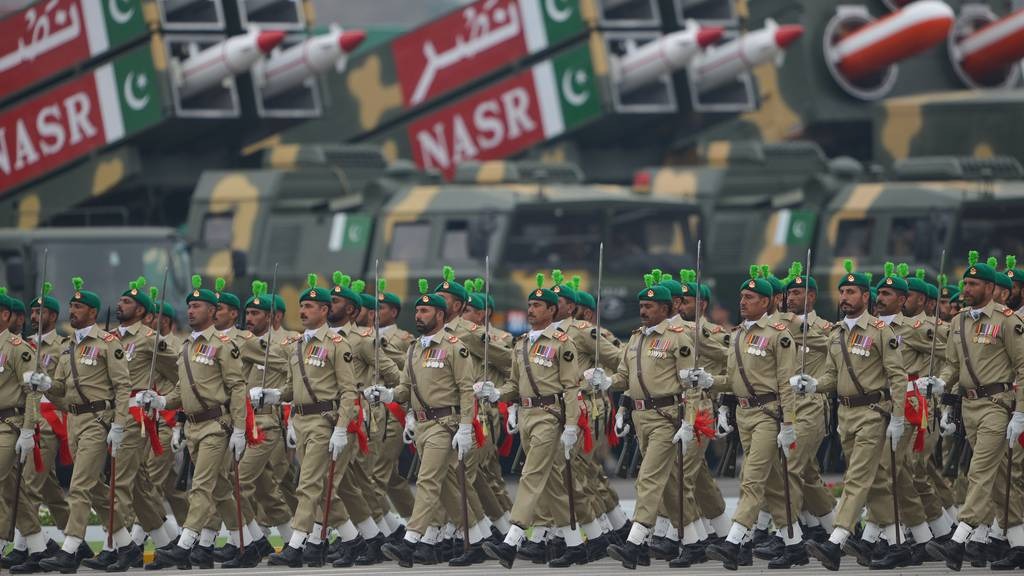
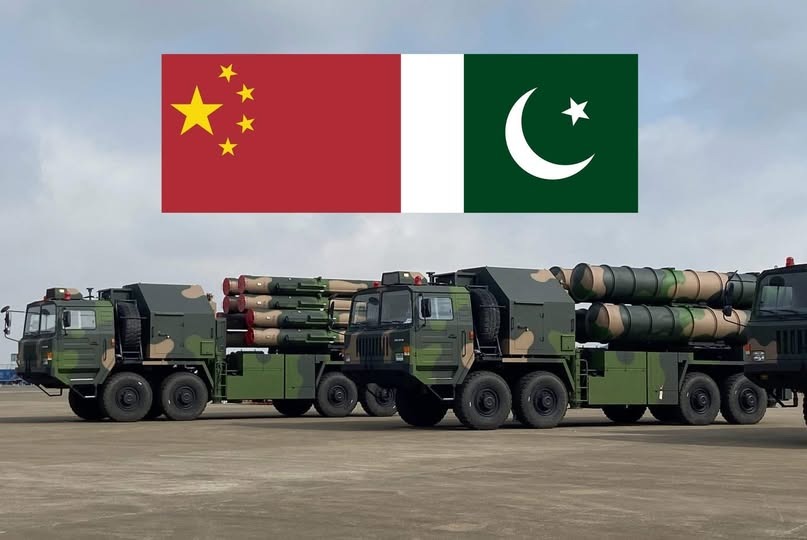
Amidst deteriorating economic conditions, the Pakistan Army is embarking on an assertive and ambitious course of military modernisation, channelling significant resources into advanced weaponry despite pervasive poverty, escalating inflation, and crumbling public infrastructure. This determined enhancement of military capability—highlighted by the prospective acquisition of China’s HQ-19 air defence system, the untested and unproven Shenyang J-35s (derived from the Shenyang FC-31 “Gyrfalcon”), and KJ-2000 aircraft—aims to counter India’s conventional military superiority, but has sparked serious apprehensions both domestically and internationally. While this build-up is officially framed as a strategic necessity in response to regional threats, critics increasingly interpret it as a disquieting sign of the military establishment’s growing dominance over Pakistan’s political and economic landscape. With civilian institutions collapsing under the strain of chronic underfunding and disregard, a critical question arises: is this arms buildup genuinely about safeguarding national security, or is it fundamentally about consolidating power?
The HQ-19, an advanced anti-ballistic missile system, represents more than just a military upgrade—it reflects Pakistan’s increasing prioritisation of militarisation, a trajectory that appears increasingly misaligned with its economic circumstances. Pakistan’s external debt has exceeded $130 billion, and its foreign exchange reserves remain critically low. The nation has been compelled to depend on financial support from the International Monetary Fund (IMF), Gulf nations, and China, often subject to stringent austerity measures. These economic pressures have resulted in substantial reductions in public services, leading to a pronounced deterioration in the quality of education, healthcare, and essential infrastructure. The disparity is striking: while children in rural Sindh attend schools without furniture or textbooks and hospitals in Balochistan lack vital medicines, the government continues to allocate billions towards radar systems, drones, and missile defence technology.
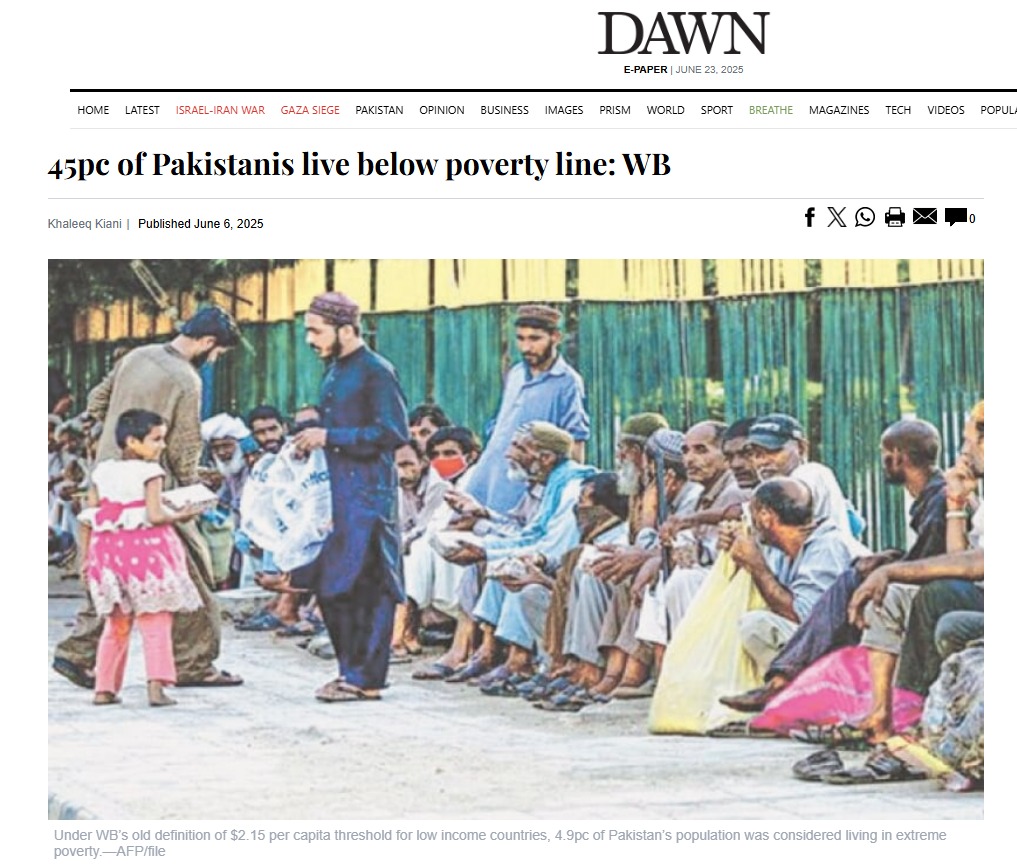
According to the World Bank’s latest estimate, nearly 45 per cent of Pakistan’s population lives in poverty, with an additional 16.5 per cent enduring extreme poverty. In sharp contrast, India—the regional rival Pakistan seeks to match—has lifted a record number of people out of poverty. Within the past year alone, 1.9 million more individuals in Pakistan have slipped below the poverty line.
This trend towards militarisation has not escaped scrutiny. Public discourse—particularly among independent journalists and policy analysts—is increasingly centred on the imbalance between military expenditure and investment in social development. Critics contend that these acquisitions are less about safeguarding national borders and more about preserving the military’s institutional dominance. Historically, the Pakistan Army has wielded considerable autonomy and influence, frequently operating outside the bounds of civilian control. Its presence extends into major economic sectors—including construction, agriculture, and real estate—largely via military-operated conglomerates such as the Fauji Foundation and the Army Welfare Trust. This deep-rooted economic involvement has fostered a system in which the distinction between national interest and military interest is progressively obscured. Pakistan has, in effect, become a garrison state—one in which military imperatives dominate the allocation of economic resources.
The repercussions of this imbalance are acutely experienced by ordinary Pakistanis. Inflation—fuelled by currency depreciation and rising global costs—has rendered basic goods unaffordable for millions. Unemployment continues to climb, particularly among the youth, while the informal labour sector—already fragile—has expanded further due to the decline in formal employment opportunities. Simultaneously, power outages remain commonplace, water scarcity persists across numerous regions, and urban infrastructure—from roadways to drainage systems—is deteriorating under increasing strain. Within this setting, announcements of fresh military procurements are frequently met with a mix of disbelief, resentment, and growing public discontent.
The government’s rationale centres on national security and maintaining regional equilibrium. With India continually advancing its military capabilities and longstanding tensions over Kashmir persisting, Pakistani defence officials maintain that remaining technologically competitive is imperative. The HQ-19 system, designed to intercept ballistic missiles at high altitudes, is portrayed as a strategic counter to India’s expanding missile defence infrastructure. However, this narrative avoids addressing a deeper concern: at what cost? While achieving regional parity is a legitimate objective, is it more urgent than feeding children, providing medical care, and educating future generations?
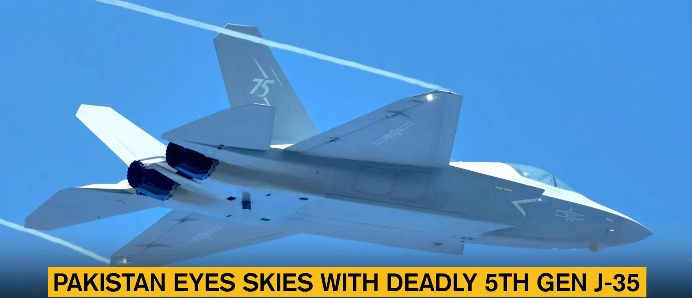
Similar doubts emerge regarding the anticipated acquisition of J-35 fighter jets by the Pakistan Air Force. The ongoing maintenance costs of such advanced aircraft could significantly strain Pakistan’s annual budget. Critics argue that this fixation on military rivalry ignores the fundamental pillars of national security—economic resilience, social welfare, and human capital development.
Furthermore, the secrecy and lack of transparency surrounding these procurements have heightened anxieties over accountability. In contrast to defence budgets in many democratic states—where military expenditure undergoes parliamentary oversight and public discussion—Pakistan’s defence spending remains predominantly exempt from such scrutiny. Civilian administrations frequently possess minimal influence over these decisions, resulting in a democratic shortfall that weakens institutional checks and balances. The military’s disproportionately large claim on national resources is not merely a fiscal concern—it signifies a more profound structural issue regarding the distribution of power within Pakistan.
The strategic alliance with China introduces an added layer of complexity. China has emerged as Pakistan’s principal supplier of military hardware, and while the China-Pakistan Economic Corridor (CPEC) holds theoretical promise, it has yet to deliver widespread economic transformation. Instead, there is growing apprehension over rising debt dependency and the minimal involvement of local stakeholders in these large-scale initiatives. The provision of the HQ-19 system, therefore, may extend beyond defence purposes—it could serve as a tool for strengthening geopolitical alignment and advancing debt diplomacy. While the military leadership may perceive this as a strategic gain, the long-term consequences for national sovereignty and economic autonomy are considerably less encouraging. Simultaneously, the J-35’s elevated costs and demanding maintenance requirements risk further burdening Pakistan’s already fragile financial position, especially as it endeavours to modernise its air force. Moreover, China’s decision to export the J-35 before its integration into the People’s Liberation Army Air Force introduces considerable strategic uncertainty.
Another deeply concerning aspect is the impact of militarisation on democratic governance. When the military assumes control over key areas of national policy, civilian authorities are frequently reduced to symbolic roles. This dynamic undermines democratic institutions, erodes policymaking competence, and cultivates a culture of impunity. The pattern becomes self-perpetuating: as military dominance increases, civilian institutions become progressively less capable of exercising oversight, while public perception shifts to viewing the military as the sole effective institution within a deteriorating state. This sentiment further weakens confidence in democratic mechanisms and complicates efforts to promote alternative national priorities.
The social cost is immense. Public health metrics continue to worsen, with malnutrition, maternal mortality, and preventable illnesses remaining widespread. The education sector, particularly in rural regions, suffers from chronic underfunding, staffing shortages, and systemic dysfunction. Literacy rates show little improvement, and Pakistan performs poorly on international human development rankings. Within this context, the imagery of cutting-edge missile defence systems appears especially incongruous. What message is conveyed to citizens when their government places a higher premium on armaments than on essential public welfare?
There is also a significant risk of heightened regional instability. Arms races, by their very nature, tend to escalate the probability of conflict rather than prevent it. As India and Pakistan simultaneously expand their defence capabilities, opportunities for diplomacy and mutual confidence-building diminish. The deployment of technologies such as the HQ-19 and J-35 fighter jets could trigger reciprocal measures by India, fuelling a perilous cycle of provocation and response. At a time when South Asia confronts shared challenges—ranging from climate change and water scarcity to terrorism—the diversion of vital resources into military build-ups undermines the region’s collective capacity to address these pressing threats.
Voices from civil society are increasingly urging a realignment of national priorities. Economists, educationists, and public health experts argue that genuine security is rooted in human development. A population that is well-educated, healthy, and economically empowered is considerably more resilient against external threats than any missile defence system. Moreover, reallocating resources towards social sectors could foster inclusive economic growth, alleviate inequality, and strengthen social cohesion—outcomes that are essential for achieving sustainable peace.
The way ahead demands political will and comprehensive institutional reform. Civilian authorities must reassert control over policymaking and insist on greater transparency in defence expenditure. Parliamentary scrutiny must be reinforced, and budgetary priorities should align with the genuine needs of the populace. International stakeholders also share responsibility. Donor nations and financial institutions should refrain from facilitating unregulated military spending through aid or loans that do not impose conditions promoting investment in social development.
The Pakistan Army’s recent procurement ambitions—exemplified by the prospective acquisition of the HQ-19 missile system and J-35 fighter jets—underscore the militarised perspective through which national priorities are frequently shaped. While strategic defence undeniably holds significance, it must not come at the cost of essential human development. In a nation where millions lack access to clean water, quality education, and adequate healthcare, investing in advanced weaponry cannot be seen as a comprehensive solution to security challenges. The true measure of a nation’s strength lies not in its arsenal, but in the well-being of its citizens. Ultimately, the arms race may not only fail to enhance Pakistan’s security—it risks deepening internal vulnerabilities and widening the disconnect between the state and its people. Can Pakistan continue to sustain this pattern of militarisation in South Asia? India, the world’s fourth-largest economy, reserves the right to respond with acquisitions of its own. The short-term “advantages” sought by Pakistan’s militarised leadership will prove unsustainable if the state persists in acting like a revisionist power under the mistaken belief that it can contend with a nation of India’s scale.
In the last few decades, China’s subtle but incredibly increasing multi-dimensional influence in countries across the globe has been the single most trailblazing phenomenon in the international order.
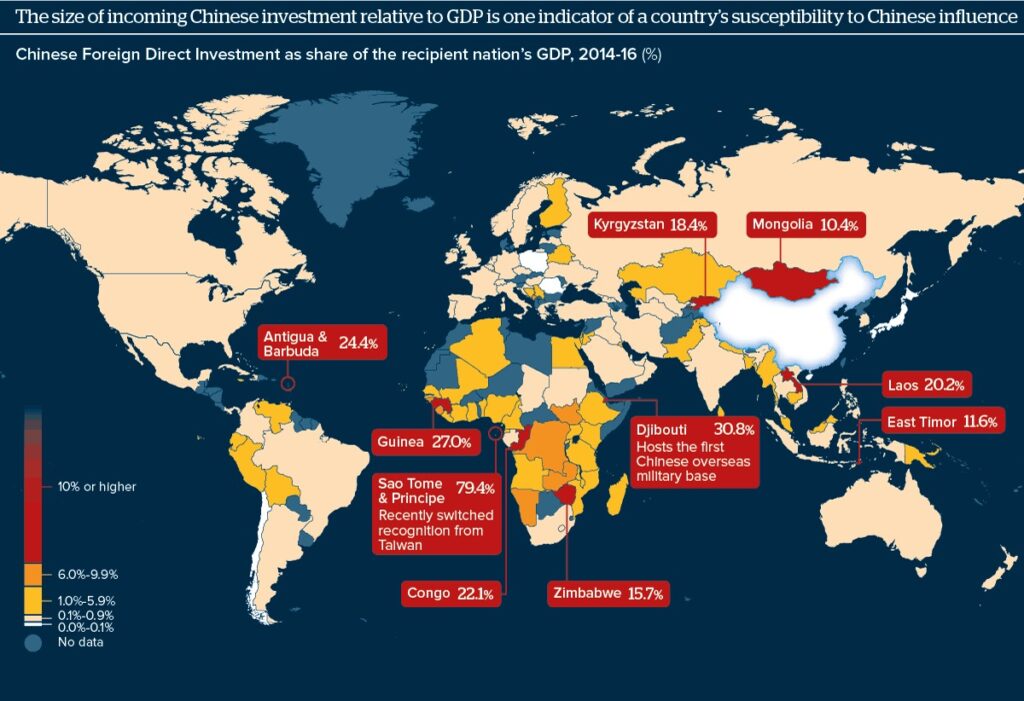
From investments in infrastructure in economically and developmentally lacking countries to instalment of its media and digital surveillance architecture overseas, this ambitious attempt of building global hegemony ‘with Chinese characteristics’ has garnered all kinds of debates and definitions. However, as talked about as this development is, sometimes with fascination, sometimes with paranoia, systematic, evidence-based tools to map and quantify it remain wanting. This is precisely where the actions of the Taiwan-based think tank Doublethink Lab are directed, particularly, through their China Index project.
Under the China Index initiative, the research group evaluates the Communist Party of China’s (CCP) activities and publishes comparative data analysis using observable inputs from regional partners and local experts, across nine different domains of influence. These are academia, domestic politics, economy, foreign policy, law enforcement, media, military, society, and technology. The current version of the index compiles data collected between January 2022 to October 2024 from 101 countries spanning 9 regions. The index, in addition to cumulative assessments, maintains country-specific ‘influence profiles’ that detail the extent of the PRC’s penetration into a given country, corroborated by supporting evidence in the form of links to news and other research reports.
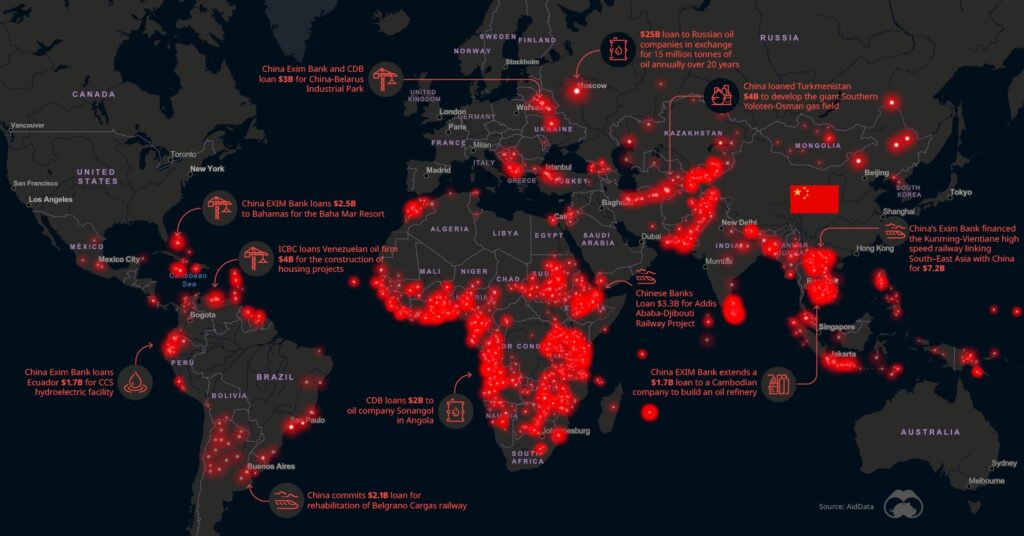
Unsurprisingly, the country that leads the overall ranking as well as the regional ranking in South Asia is Pakistan, preserving its streak since the 2022 China Index report. Bonding over their shared rivalry with India, Pakistan’s existential dependence on China for economic support and supply of military equipment, the Belt and Road Initiative (BRI), as well as their joint attempts to safeguard each other against global efforts to enforce counterterrorism and human rights measures, the two have forged a deep strategic partnership. Following Pakistan in the region is Nepal with its overall ranking at 11. Again, Chinese interests in Nepal are primarily motivated by the strategy of counteracting the Indian influence in the country which is a result of centuries-old religious, cultural, geographical, and linguistic ties. Over the past decade, China has been quietly expanding its reach into the small Himalayan nation’s economy, domestic politics, society, education, and military assistance. However, it has also attracted some criticism for its interference in local municipal elections and worsening Nepal’s debt perils, as in the case of the Pokhara International Airport. In addition, it is believed to be using its research centres in Nepal to spy on India.
After Pakistan, the 2nd, 3rd and 5th overall rankings are all occupied by countries in the East and Southeast Asia- namely, Cambodia, Singapore, and Thailand, respectively. As per the index, China is currently focused on penetrating further into Cambodian sectors of media, academia, and science/technology as the other sectors, including economy (China being Cambodia’s largest trading partner in goods), society (both countries have signed MoU Chinese language curricula in Cambodian schools), law enforcement (both maintain an extradition treaty), and military assistance have already been sufficiently fortified. Similarly, Singapore demonstrates heavy PRC presence in all sectors, but military due to its traditional reliance on US and NATO military gear. The index highlights Singapore’s susceptibility to disinformation from the PRC on account of the overwhelming permeation of PRC-related media, casting doubts on the integrity of even Singapore state-owned media. So is the story of Thailand where many fear their country being reduced to a satellite state of China.
When it comes to the African continent, the skyrocketing Chinese economic penetration is quite well-known and well-feared. For 16 years now, China has held on to the status of Africa’s largest bilateral trading partner. At the same time, it is also the continent’s biggest bilateral creditor and among the leading foreign investors. This pivot to Africa has been driven by a multitude of factors- tapping into the continent’s abundant natural resources, accessing a lucrative market for Chinese manufactured goods, and the BRI. Expectedly, over these years, China has also received much scrutiny and censure for economically entrapping the vulnerable African nations through its ill-famed debt-trap diplomacy, in addition to entrenching its media and surveillance machinery so as to both bolster its narrative and export its authoritarian technologies. In the China Index’s assessment too, Nigeria bags the 4th overall ranking on the back of its critical economic relationship with the PRC (which also controls critical infrastructure in the country like the Lekki Deep Sea port), Chinese media presence (with Chinese state media also being broadcast in Nigerian languages), and import of defence arsenal and surveillance technologies. Interestingly, China also owns up to 86% of Nigerian bilateral debt. As mentioned above, this is a prevalent pattern in China’s engagement with Africa, for instance, Uganda, which ranks 25 in the index, owes 75% of its bilateral sovereign debt to the PRC, and the corresponding number for Kenya, at rank 14, is 73%. Even the countries that are not economically beholden to China through massive debt appear to open themselves to its influence due to elite interests (like in the case of Zimbabwe, rank 6) or geopolitical considerations (like South Africa, rank 10). In the north African region too, China demonstrates profound ties with countries like Algeria, rank 9 (spanning sectors like military, manufacturing, knowledge economy, and agriculture) and Egypt, rank 19 (specifically in the domains of military cooperation and cultural and educational exchanges).
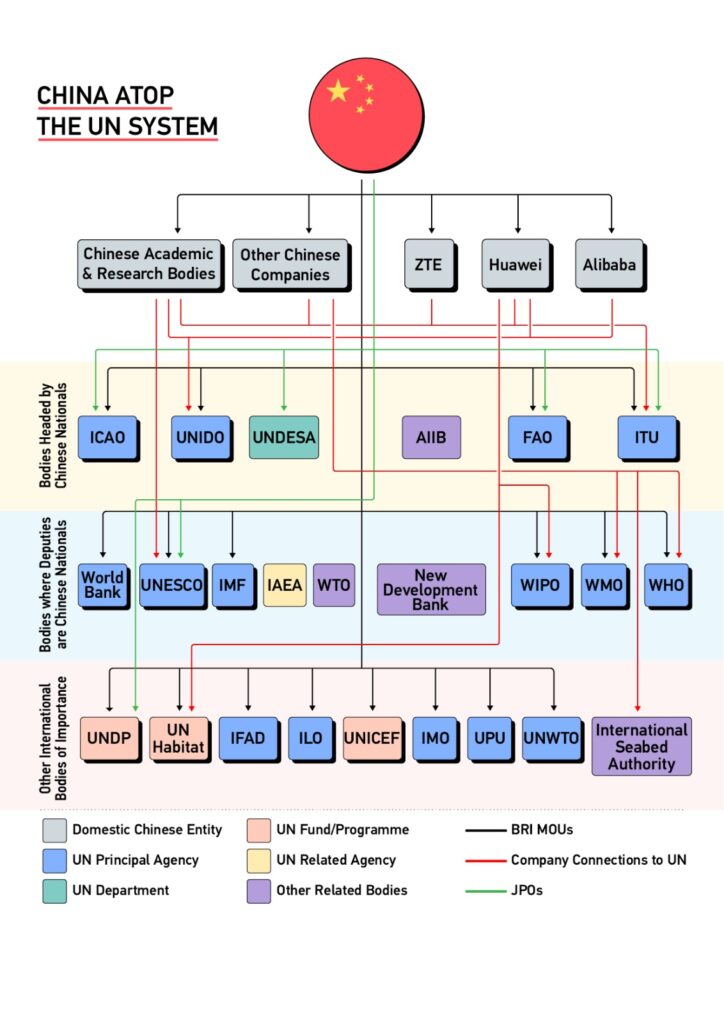
In recent years, particularly under Mohammed Bin Salman, China has made great strides in its engagement with Saudi Arabia, ranked at the 28th spot in the index. This relationship entails economic cooperation, academic and cultural association (for instance, the Saudis imparting he Chinese language in schools), and technological exchange, such as the Huawei’s entrenchment in the Saudi market for 5G or the ongoing proposals for smart-city cooperation and AI. As is seen with countries that become too friendly with China, Saudi Arabia also supports Chinese positions on Xinjiang and Taiwan.
Furthermore, as far across as Latin America too, China has managed to establish deep dependencies. Notably, in the case of countries leading the region as per the index such as Chile (rank 8), Argentina (rank 15), Venezuela (rank 17), and so on, China does not just lead with its economic heft but also proactively targets the domains of media and academia, domestic politics, and foreign policy.
While studying Chinese growing global dealings, analysts contend that authoritarian or semi-democratic regimes are easier to give way to the PRC’s machinations. While it is true that robust democratic institutions act as a bulwark against attempts at stifling free thought and expression, well-established democratic countries are not completely immune to this Chinese adventurism. For instance, Canada, at rank 19, displayed an incredible Chinese permeation in media and academia (with 22 Canadian media outlets belonging to the World Chinese Media network), with a significant expansion in other critical sectors like domestic politics, military, and law enforcement. Similarly, Germany, ranked 22, too has shown vulnerability to the PRC’s tactful advances, specifically in economy and to some degree, in media and society. In fact, even the superpower of the world, the United States stood at rank 38 as its domains of academia, economy, technology, and law enforcement suffer from surreptitiously surging Chinese influence, as exhibited by the index.
There is a term for this strategy in internation relations. It is called ‘sharp power’. In contrast to hard power, which entails military and/or economic coercion, and soft power, which refers to gaining influence through attraction or persuasion, sharp power is deployed by typically authoritarian states to build international influence by manipulating political systems, compromising democratic integrity, and promoting an interest-based culture of censorship. While it is true that even democratic countries are not inert to this advancing storm, they have shown remarkable resilience to the PRC’s deceitful ways. The China Index, in the current global context, has emerged as a tool of paramount importance and urgency. In this age of increasing export of China’s data-driven authoritarianism, political interference, debt-perils, and assault on the liberal normative order, a data-based documentation of its methods is not only revelatory but a forewarning. The world must act, and it must act now.

The Deadly Terrorist attack in Pahalgam on 22nd April claimed the lives of 26 tourists, leaving India as a nation seething with anger at the visuals of the dastardly attack. In the aftermath of the attack, India conducted Operation SINDOOR on the morning of May 6, followed by heavy shelling and killing of civilians by Pakistan in the Poonch area of Jammu and Kashmir. The threat of an all-out war looms large if Pakistan indulges in any bravado.

Just a day after the abhorrent attack, a slew of retributive measures was announced after a meeting of the Cabinet Committee on Security (CCS), led by PM Narendra Modi. It was decided to keep the crucial Indus Water Treaty in abeyance, the Attari-Wagah border was shut with immediate effect, Pakistani Nationals were asked to leave India, the Defence advisors of Pakistan in India were declared Persona Non-Grata, and the overall strength of the Pakistani High Commission in India was to be downsized to 30 from the present 55 officials. Pakistan, in response, closed its airspace for Indian airlines and suspended all trade ties with India. Complimenting Pakistan’s retaliatory measures, there was the usual nuclear sabre-rattling as well. Issuing an open threat to India, Pakistan’s Railway Minister Hanif Abbasi said that its 130 nuclear warheads are not only for display and have been kept for India, and if India tries to stop Pakistan’s share of water from the Indus, then the former should prepare for a full-scale war.
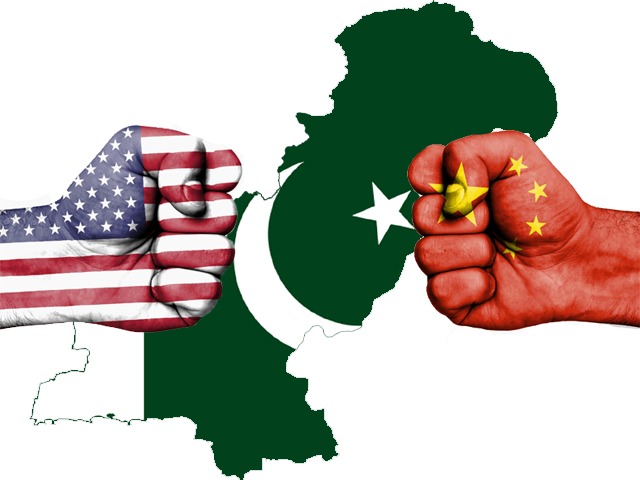
While on the surface, it may seem like a routine bilateral escalation between India and Pakistan, it wouldn’t be unreasonable to think that there may be some deeper strategic motives at play. Recently, US President Donald Trump slapped massive up to 245 percent tariffs on all Chinese imports, reacting to which the Chinese took up similar measures and raised the tariffs to 125 percent on American goods from the current 84 percent. The Trade war between the two biggest economies of the world sent ripples across the world, and India too was concerned as its manufacturing, mainly steel, auto, electronics, and pharmaceutical industries are heavily reliant on China for raw materials, and any disruptions in the supply chain could prove detrimental to the Indian economy and its consumers. But just as every cloud has a silver lining, so too does this trade war.
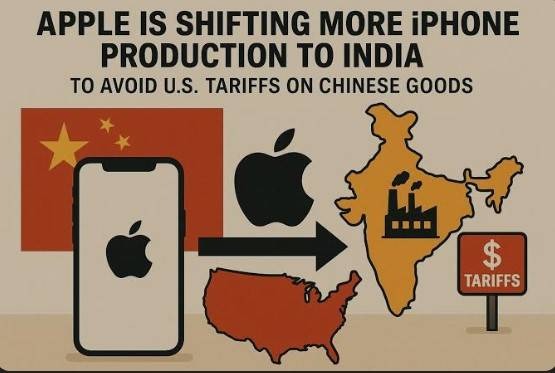
In a recently published report in the Indian Express, Richard Baldwin, a professor of Economics at IMD Business School, said that Middle power countries like India could secure a substantial foothold in global supply chains because of the US-China Trade War. He emphasized that if US tariffs persist on China, it could be beneficial to emerging markets as businesses would look to diversify and relocate, and India presents itself as a preferred destination for the same. It wasn’t just a speculation; this resonated on the ground as well, as Apple laid out its ambitious plan to shift all US-bound iPhone production from China to India by 2026. According to the Financial Times Report, Apple aims to produce more than 60 million iPhones annually in India to meet its demand back home in the US.
India was also actively involved in identifying and attracting several companies that were looking to shift their operations away from China. It tried to position itself as a natural alternative for companies moving away from China by portraying itself as a safe, secure, and stable democracy that offers a conducive environment for businesses.
But the recent Pahalgam attack and the escalation that followed between India and Pakistan gave China exactly what it needed. It was a chance for China to showcase the risk factors involved for businesses that were looking to relocate to India. The conflict served as an alarming reminder to the world, especially businesses, that the situation between the two South Asian arch-rivals is still volatile and could explode at any moment. The Chinese social media, in the recent past, has been flooded with the narrative of how this trade war between them and the US has given an undeserving opportunity for India to attract businesses and investments. Though Beijing openly urged both India and Pakistan to act with restraint, behind the curtains, it was actively pulling the strings to encourage Pakistan to escalate and stretch the confrontation with India. China also extended support to Pakistan’s demand for an impartial probe into the Pahalgam Terror attack.
Currently, Beijing is dealing with an economic slowdown, and the situation has only gotten worse after the trade war with the US. It wouldn’t be imprudent to guess that an active Chinese role is at play behind the scenes, as it would be in China’s interest to portray India as an unstable, unfavourable, and unsafe alternative to thwart the relocation efforts of various businesses. Using Pakistan as a proxy to further its objective by offering diplomatic and even military support, China has tried to spoil India’s image as a safe investment hub. Additionally, the terrorist attack in Pahalgam’s Picturesque Baisaran Valley has allowed India’s adversaries to cast doubt on the claims of the Modi government that the situation has drastically improved in Jammu and Kashmir post the abrogation of Article 370. India has been trying hard to build the narrative that the abrogation has ushered in an era of peace and progress for Jammu and Kashmir, and the recent attack challenges this claim of the Indian government. The attack directly hits the core of Jammu and Kashmir’s economic recovery, especially its tourism sector.
(The writer is a political strategist with expertise in media relations and geopolitical developments)
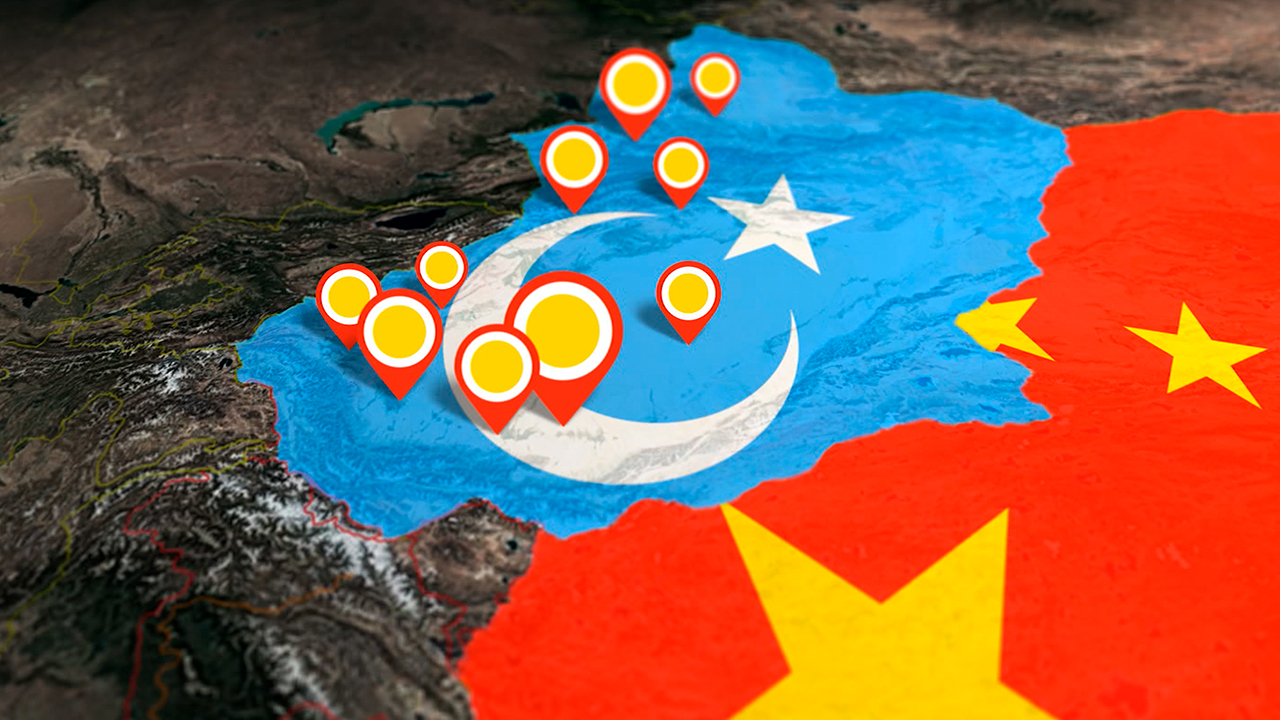
The Uyghurs, a predominantly Muslim ethnic minority concentrated in China’s Xinjiang region, have drawn global attention due to reports of severe human rights abuses. In 2017, Beijing initiated a campaign under President Xi Jinping aimed at eradicating separatism and terrorism in Xinjiang. However, this effort has been widely condemned internationally, with the United Nations identifying it as constituting “crimes against humanity.” Allegations suggest that China has used the pretext of combating extremism to justify a systematic crackdown on Uyghurs, which some nations and organisations have labelled as genocide. Chinese authorities have linked Uyghur activism to groups like the East Turkestan Islamic Movement (ETIM), portraying them as extremists. This has led to widespread violations of human rights, including mass detentions, forced labour, and cultural suppression, further tarnishing China’s global reputation.
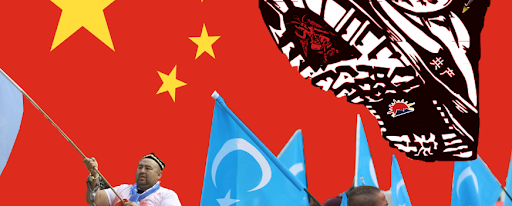
The East Turkestan Movement (ETM) emerged in the late 1990s as a response to decades of systemic oppression faced by the Uyghurs in the Xinjiang Uyghur Autonomous Region (XUAR), which was annexed by China following its occupation in 1949. Despite being officially recognised as one of China’s ethnic minorities, the Uyghurs were subjected to aggressive assimilation policies that sought to undermine their cultural distinctiveness through violent suppression. The ETM, founded by Turkic-speaking Uyghur separatists, represents a nationalist aspiration to establish an independent state of East Turkestan. This envisioned state would encompass regions spanning Kazakhstan, Kyrgyzstan, Uzbekistan, Turkey, Pakistan, Afghanistan, and Xinjiang, providing Uyghurs with a sovereign territory where they could freely preserve their cultural identity without interference from Communist China. The ETM combines religious and ethnic nationalism as its ideological foundation, reflecting resistance against China’s long-standing practices of cultural erasure, territorial control, and systemic marginalisation. The movement has involved not only mobilisation efforts but also armed resistance within Xinjiang as part of its broader struggle for self-determination.
China has responded forcefully to the East Turkestan Movement (ETM), branding it a “terrorist organisation” with alleged connections to transnational groups such as al-Qaeda and the Taliban, which Beijing claims aim to undermine China’s territorial integrity. This characterisation is rooted in Islamophobia and mirrors the post-9/11 environment in the West, where suspicion of Muslims intensified following the attacks. To delegitimise ETM’s separatist ambitions, China labelled it as the “most direct and realistic security threat” to its national stability. In a 2002 government report, Beijing asserted that ETM had received financial and military support from al-Qaeda to carry out militant operations within China. Leveraging the United States’ heightened security concerns after 9/11, China successfully persuaded Washington to designate ETM as a terrorist organisation. This decision, made by the U.S. Treasury Department, was based largely on Chinese claims and overlooked the possibility that Beijing was exploiting global counterterrorism efforts to discredit what many view as a legitimate liberation movement.
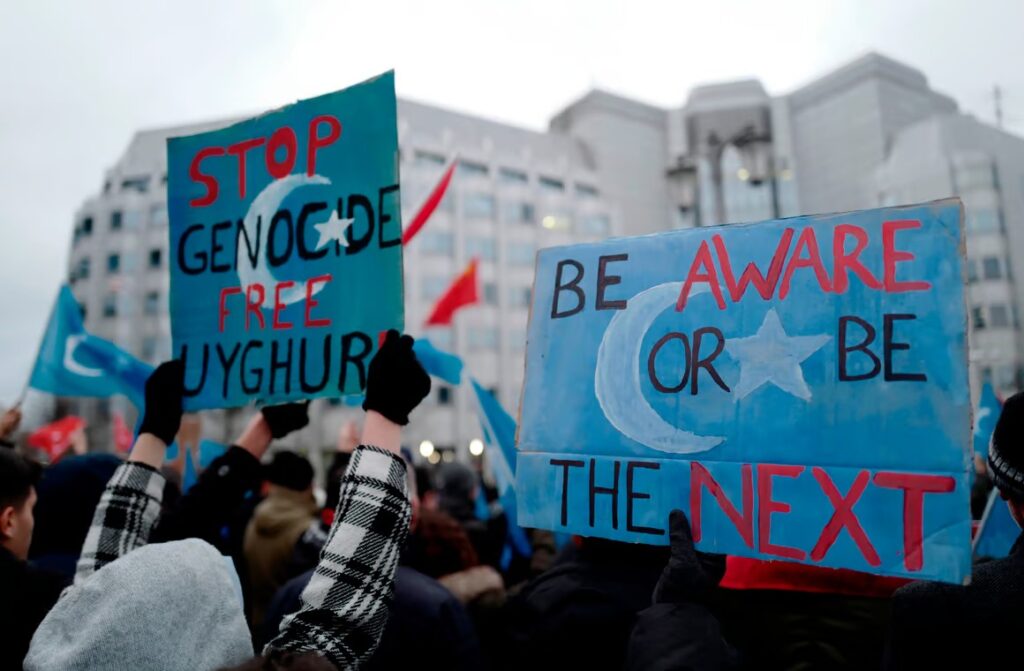
Uyghur Tribunal Is a Litmus Test of the Human Rights Establishment
In addition to the East Turkestan Movement’s (ETM) armed resistance, Uyghur exiles and activists who fled Xinjiang established the East Turkistan Government-in-Exile (ETGE). Founded in 2004 and structured as a democratic parliamentary body, the ETGE shares the ETM’s goal of achieving self-determination for Uyghurs through the creation of an independent East Turkistan. Operating as a political entity, the ETGE has become a prominent global advocate for Uyghur rights, documenting human rights abuses in Xinjiang and raising international awareness of China’s systemic oppression. It has sought to hold China accountable on international platforms, aiming to end atrocities such as forced labour and mass detentions. However, like the ETM, the Chinese government has labelled the ETGE a terrorist organisation and exerted diplomatic pressure on countries that support it or criticise China’s treatment of Uyghurs. Despite these challenges, the ETGE continues to play a critical role in exposing human rights violations, including the use of Uyghur forced labour in global supply chains, which implicates products from major international industries.
The East Turkestan Movement’s (ETM) resistance extends beyond Xinjiang, encompassing Central Asian states that host Uyghur exiles fleeing Chinese persecution, where their cause has gained substantial regional sympathy. Since launching the Belt and Road Initiative (BRI) a decade ago to advance its global hegemony, China has prioritised Central Asia as strategically vital. Through coercive diplomacy and economic incentives, Beijing has sought to consolidate influence over Central Asian governments, suppress Uyghur separatist networks, and dismantle nationalist aspirations among diaspora communities. The East Turkistan Government-in-Exile (ETGE) has consistently condemned regional states perceived as aligning with Chinese policies, framing such cooperation as enabling Beijing’s expansionism. In December 2024, the ETGE denounced the China-Central Asia Summit, arguing it exemplified China’s long-term strategy to erode Central Asian sovereignty through incremental geopolitical dominance. Central Asia has emerged as a focal point in global mineral competition following Kazakhstan’s discovery of the world’s largest rare earth deposits. Recent Sino-Kazakh agreements on critical mineral extraction have raised concerns regarding Astana’s deepening economic dependency and diminishing autonomy over strategic resource management. This development underscores broader anxieties about China leveraging resource partnerships to entrench influence under BRI frameworks, potentially marginalising local agency in Central Asia.
China’s expanding presence in Central Asia poses a significant risk to the sovereignty of regional states while potentially depleting their economic resources. Under the guise of economic incentives, Beijing employs coercive tactics to influence Central Asian governments, aiming to suppress Uyghur exiles and dismantle separatist movements that have found refuge in the region. This growing influence is closely tied to China’s geopolitical ambitions, particularly through initiatives like the Belt and Road Initiative (BRI), which strategically integrate Central Asia into Beijing’s broader plans for global dominance.
For the East Turkestan Movement (ETM), countering China’s manoeuvres in Central Asia is crucial to sustaining its resistance and advancing its goal of Uyghur liberation. The movement faces significant challenges as China leverages its economic power and political influence to undermine Uyghur nationalist aspirations and silence dissent. Combating these tactics becomes essential for preserving the Uyghur cause and ensuring that their aspirations for self-determination remain alive amidst China’s increasing geopolitical encroachments in the region.