
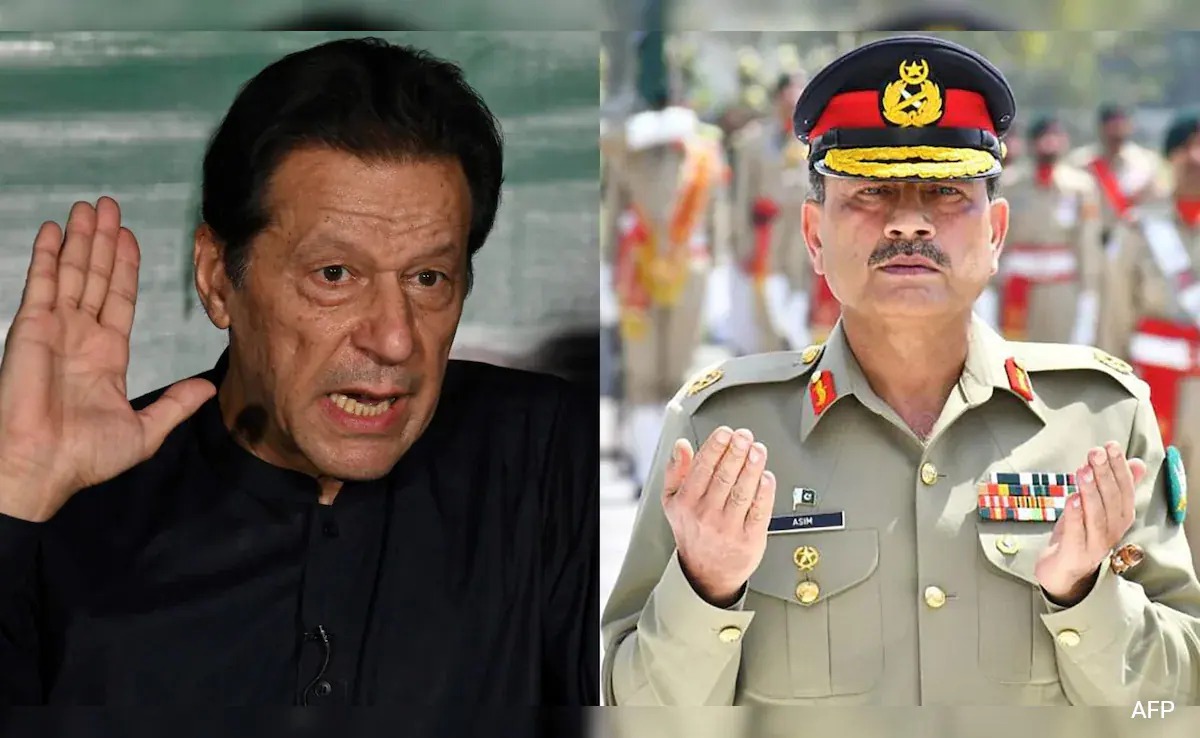
In Pakistan, power rarely disappears. It retreats, recalibrates, returns and often in uniform. Since the arrest of former Prime Minister Imran Khan in 2023, the country has been witnessing not merely the prosecution of a politician but the systematic erosion of any space for political dissent. Under Army Chief Field Marshal Asim Munir, Pakistan’s military establishment appears to have embarked on a deliberate, incremental campaign to marginalize and potentially erase its most formidable civilian challenger.
The method to silence Khan has not been spectacular but rather procedural in character. From once being seen as the military’s preferred candidate to run the civilian façade of government, he remains imprisoned in Adiala jail under the shadow of the General Headquarters of Rawalpindi. Over the months that have followed since, reports of deteriorating health conditions emerged amid recurrent allegations of mistreatment including torture. While the state has expectedly denied these allegations, yet the recent reports that Khan suffering severe vision loss in his right eye after a medical procedure conducted clandestinely on January 24 night at Pakistan Institute of Medical Sciences (PIMS), have intensified concerns among supporters.
The Supreme Court appointed amicus curie, Salman Safdar who met Khan at Adiala jail, told the court that the imprisoned former prime minister had list nearly 85 per cent of eye sight in right eye. Khan’s sister Noreen Niazi accused Army Chief Asim Munir of subjecting him to “unimaginable mistreatment.”
Imran Khan, a global celebrity, a philanthropist, and former prime minister of Pakistan, has endured unimaginable mistreatment in prison under the directives of ‘Asim Law,’ now facing irreversible damage to his right eye as a direct consequence,” Noreen Niazi alleged in an X post, adding, “Why are they rejecting the supervision by Imran Khan’s personal doctors? Why are they rejecting the presence of Imran Khan’s family members? Our family is getting extremely worried. We do NOT accept any medical board they setup and control, we do NOT accept any report they manufacture! Family and personal doctors must be allowed to see Imran Khan!”

Whether these claims are fully verifiable or not, but the political message of the state seems clear: isolation is the objective. the political message is clear: isolation is the objective. Khan has been denied consistent access to family members and his personal physicians whereas his communication with party leaders remains tightly restricted. In modern authoritarian playbooks, the most effective silencing is not necessarily physical elimination but enforced irrelevance. A leader cut off from his movement slowly loses the capacity to mobilize it. And it seems Asim Munir led establishment has decided its course over Imran Khan, which is silence through isolation.
Yet Khan remains Pakistan’s most popular politician with multiple surveys by national and international continuing to place him far ahead of his rivals. For instance, a 2023 Gallup Pakistan report found that over 61 per cent of Pakistanis held a positive opinion of Imran Khan, significantly higher than his rivals. It is that enduring popularity which is precisely what makes him intolerable to the establishment. Interestingly, Khan’s relationship with the military was once considered as symbiotic. When he became prime minister in 2018, his opponents such as Pakistan Muslim League-Nawaz (PML-N) and Pakistan People’s Party (PPP), which are currently in the good books of army establishment, alleged that that his Pakistan Tehreek-e-Insaaf (PTI) benefited from military’s behind-the-scenes support during elections. While Pakistan’s generals have long shaped the country’s political order both overtly through coups and covertly through electoral engineering, Khan, at the time, appeared aligned with that system.
But alliances in Pakistan’s civil-military matrix have always been transactional with Khan’s differences with military establishment on foreign policy and governance becoming visible in late 2021 and early 2022. And when the PTI government was removed through a parliamentary no-confidence vote in April 2022, many believed that Khan’s political rivals were nudged by General Bajwa from behind the scenes to engineer his ouster. And what followed after his removal was unprecedented as Khan did not retreat into quiet opposition. He directly accused the military leadership of political manipulation, including being part of a regime change operation with support from United States. While his rallies drew massive crowds, what was precedented was how for the first time in decades, a mainstream political leader openly named generals as political actors and seeking their return to barracks.
For the military leadership that defiance crossed a red line as no one had ever questioned army even after losing wars with India or having the country axed into two in 1971 with the fall of Dhaka. With Asim Munir succeeding General Bajwa as the Army Chief in late 2022, the establishment’s response hardened. Many factors converged to supplement state’s response towards Imran Khan and his PTI. For one, as prime minister, Khan had previously removed Munir, then a Lt. Gen. rank officer, from his post as Director General of Inter-Services Intelligence, the de facto number two position in Pakistan Army, in 2018. Secondly, his government had earlier sanctioned presidential reference against then Justice Qazi Faez Isa in 2019, who by 2023 became Chief Justice of Pakistan. While personal history may not explain institutional retaliation, but in Pakistan, the institutional and personal often blur.
When Imran Khan was initially arrested from the premises of the Islamabad High Court on May 9, 2023, Pakistan witnessed unprecedented protests with people targeting military installations, including the Corps Commander’s residence in Lahore and other sensitive installations. Pakistan Army framed these violent anti-establishment protests as an assault on the state itself. A sweeping crackdown followed, extending far beyond accountability for vandalism with hundreds of civilians and PTI workers arrested and dozens tried in military courts.
Soon the establishment turned to dismantle Khan PTI with senior party leaders abducted and pressured into televised renunciations. While some left politics altogether, others defected to a new pro-establishment Istehkam-e-Pakistan Party comprising mainly former PTI affiliates. The objective appeared less about punishing lawbreakers and more about dismantling an organizational network. The second prong of the strategy was institutional. The state leveraged legal and administrative tools to weaken PTI’s ability to contest elections effectively. The election commission withdrew party’s electoral symbol, forcing its nominees to run as independents. Yet, when elections were held in February 2024, while Khan’s nominees performed strongly, the fragmented results enabled a coalition of establishment-aligned parties to form government under Shehbaz Sharif.
Khan, meanwhile, faced an avalanche of legal cases. The Toshakhana case involving state gifts resulted in conviction and imprisonment, though higher courts later suspended aspects of the verdict. Yet each time bail appeared possible in one case, new charges emerged in another. By some counts, there are over 90 cases registered against him across Pakistan, which makes it not merely prosecution but legal suffocation. State’s pattern suggests a calibrated strategy to ensure that even if one judicial avenue opens, another closes, thereby keeping defendant and the party perpetually entangled and drain political momentum.
For the military establishment, silencing Imran Khan appears about reasserting the boundaries of permissible politics and preserve Pakistan Army’s hold over the levers of state power, including foreign policy. Khan’s rhetoric threatened to redraw those lines and risked normalizing civilian supremacy in areas the army considers its own.
These developments therefore suggest that the objective of Asim Munir-led establishment does not appear to be martyring Imran Khan through outright elimination, something that could ignite uncontrollable unrest, but neutralizing him through step-by-step approach of attrition. This prison isolation with restricted access to family, doctors and party leadership, a cascade of legal cases, the attempts to fragment PTI, and the coercion of his loyalists, point to a strategy of slow political asphyxiation. While each step taken individually can be justified as “lawful” or “procedural”, but together they form a pattern designed to exhaust, delegitimize and ultimately render irrelevant Pakistan’s most popular political figure. It seems to be a method calibrated to avoid spectacle while ensuring silencing through a steady tightening of institutional pressure.
-Arun Anand
On 31 January 2026, the recent coordinated attacks claimed by the Baloch Liberation Army (BLA) marked a significant escalation in the long-running insurgency in Pakistan’s Balochistan province. For the first time, coordinated operations were carried out simultaneously across twelve cities, including Quetta, Gwadar, Mastung, Noshki, Dalbandin, Kalat, Kharan, Panjgur, Pasni, Turbat, Buleda, and Kech. Both men and women actively participated—not merely as suicide bombers, but as combatants—reflecting the depth of desperation and grievances among Baloch communities. The BLA announced the launch of “Operation Herof Phase II” at the outset of the attacks, framing the coordinated assaults as part of a planned campaign targeting Pakistani security posts and Chinese infrastructure. In its statement, the group said:
“We carried out coordinated attacks across multiple cities in Balochistan, striking military, police, intelligence, and administrative installations. We neutralised over 80 enemy personnel, took 18 hostages, and destroyed more than 30 government properties. Our fighters, including members of the Majeed Brigade, advanced across various areas with mutual coordination, temporarily restricting the movement of Pakistani forces.”
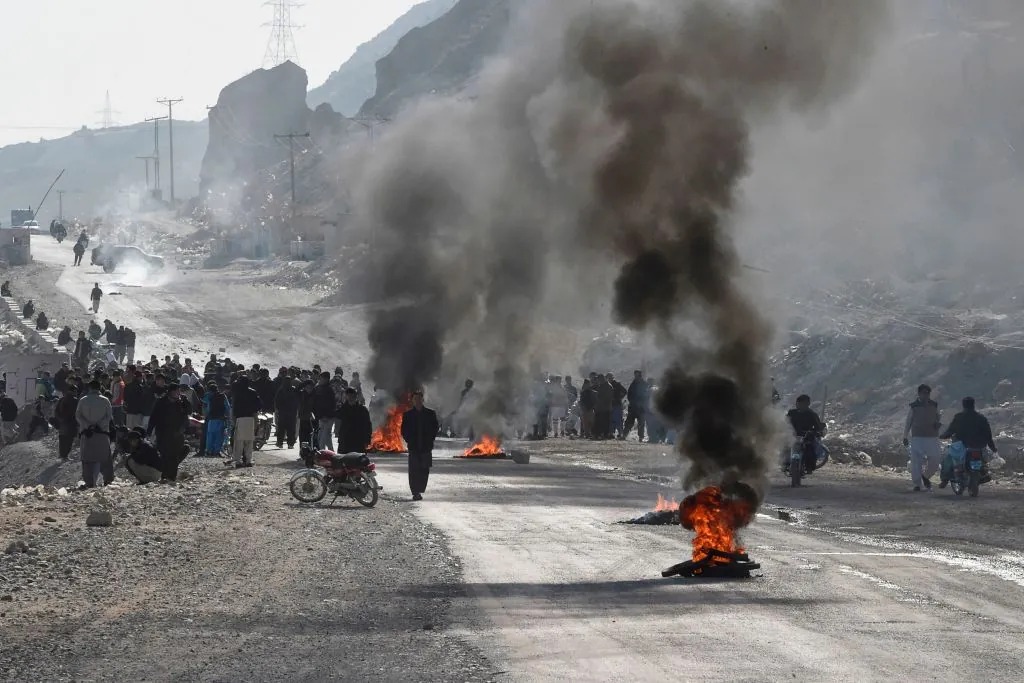
Independent reports suggest total fatalities, including militants, security personnel, and civilians, may exceed 125, highlighting the intensity of the operations. The attacks caused disruptions to roads, transport, and internet and mobile services in affected areas.
Balochistan’s long struggle and Pakistan’s narrative
Almost immediately after the attacks, Pakistan once again blamed India, claiming that the violence was orchestrated and supported by foreign actors. Officials, including the military and Interior Minister Mohsin Naqvi, alleged that the attackers were guided, funded, and strategically directed from outside Pakistan, framing the operations as part of a broader plan by India to destabilise Balochistan. Pakistan strategically even refers to the militants as “Fitna‑al‑Hindustan” in state narratives, presenting the attacks as externally driven.
India, however, categorically rejected Pakistan’s claims, calling them “baseless” and “frivolous.” A spokesperson from the Indian Ministry of External Affairs, Randhir Jaiswal, stated:
“Instead of parroting frivolous claims, Pakistan should focus on its own internal failings and address the longstanding local issues in Balochistan. Allegations against India are baseless and lack any credible evidence. The insurgency in Balochistan is rooted in Pakistan’s internal governance and human rights issues, not external involvement.”
This response underlines that Pakistan’s habitual blame-shifting does not address the real grievances at the heart of the insurgency, and merely masks the structural and historical issues within the province. Balochistan derives its name from the Baloch tribe—the largest ethnic group in the region. The Baloch insurgency has a long history, dating back to the very creation of Pakistan in 1948, and has seen successive cycles of resistance over decades. Resistance against the Pakistani state began soon after the incorporation of the princely state of Kalat, and successive cycles of insurgency have occurred in 1948, 1958–59, 1962–63, 1973–77, and from the early 2000s to the present.
To attribute a struggle with such continuity solely to external actors is to overlook the deeply local and historically entrenched grievances. The conflict has been sustained by systemic issues: political marginalisation, economic exploitation, demographic anxieties, and widespread human rights violations. Reports document enforced disappearances, extrajudicial killings, arbitrary detentions, and military operations by security forces.
Numerous human rights organisations have documented these abuses over decades, highlighting the systemic nature of oppression in Balochistan. Local and regional bodies such as the Human Rights Council of Balochistan (HRCB), Voice for Baloch Missing Persons (VBMP), the Baloch Yakjehti Committee (BYC), and activists like Gulzar Dost have recorded enforced disappearances, extrajudicial killings, and violations of basic civil liberties. National bodies like the Human Rights Commission of Pakistan (HRCP) and international organisations such as Human Rights Watch (HRW) have also reported widespread violations, drawing attention to patterns of abuse, militarisation, and lack of accountability. Additionally, UN human rights mechanisms have expressed concern over disappearances, repression, and human rights infringements, calling on Pakistan to address these longstanding issues. These abuses, combined with limited access to education, healthcare, and basic infrastructure, have fueled resentment and radicalisation.
The growing involvement of women in the insurgency is particularly telling. Traditionally, women in conflict zones rarely take up arms unless social collapse and state oppression reach extreme levels. Many Baloch women have joined militant movements not out of ideology, but in response to personal loss, including the disappearance or killing of family members. This underscores the severity of state brutality and the absence of peaceful avenues for redress.
Economic exclusion and unrest
Balochistan occupies nearly 44 per cent of Pakistan’s territory and is rich in minerals, natural gas, coal, copper, gold, and strategic ports such as Gwadar. Despite this wealth, the province remains Pakistan’s poorest, with insufficient roads, hospitals, schools, electricity, and employment opportunities. Most benefits from the region’s resources flow to Punjab and the federal centre, leaving Balochistan politically and economically marginalised. This structural imbalance lies at the heart of the insurgency. The BLA’s focus on Chinese infrastructure, particularly Gwadar port under the China–Pakistan Economic Corridor (CPEC), highlights local resentment against projects seen as extractive and non-inclusive.
For many Baloch communities, CPEC and Gwadar are symbols of dispossession rather than development. While these projects bring heavy investment and modern infrastructure, locals report that basic needs like clean water, healthcare, education, and jobs remain largely unmet, and skilled roles are frequently given to outsiders. Coastal communities, particularly fishermen in Gwadar, feel their livelihoods have been disrupted by large-scale projects, Chinese trawlers, and strict regulations, deepening the sense of exclusion. The region has also seen increased militarisation, with checkpoints, surveillance, and restrictions on movement, creating an atmosphere of control rather than empowerment. In the eyes of many Baloch, CPEC benefits outsiders and central authorities while ignoring the real needs of the local population, fueling political grievances and, in some cases, militant resistance.
Pakistan’s habitual blaming of India for every major incident is counterproductive. Even if external actors were hypothetically involved, no foreign power could sustain an insurgency for over seven decades without internal grievances. The term “Fitna-ul-Hindustan” may serve short-term political narratives, but it obscures structural and historical realities, allowing problems to fester rather than be resolved.
Balochistan does not require more troops or scapegoating. What it urgently needs is political accommodation, through meaningful autonomy and inclusive dialogue, along with economic inclusion that ensures local communities benefit from their resources. Human rights accountability, particularly regarding enforced disappearances, is critical, as is development carried out with consent rather than imposed megaprojects. Genuine dialogue and regional diplomacy prioritising stability over blame-shifting are essential. Addressing these grievances honestly is not only crucial for Pakistan’s internal cohesion, but also for regional stability. Women fighting in the insurgency, decades-long unrest, and persistent deprivation are signals of a structural crisis, not foreign subversion. Pakistan must set its house in order, because justice, inclusion, and reform are the only sustainable solutions.
-Arun Anand
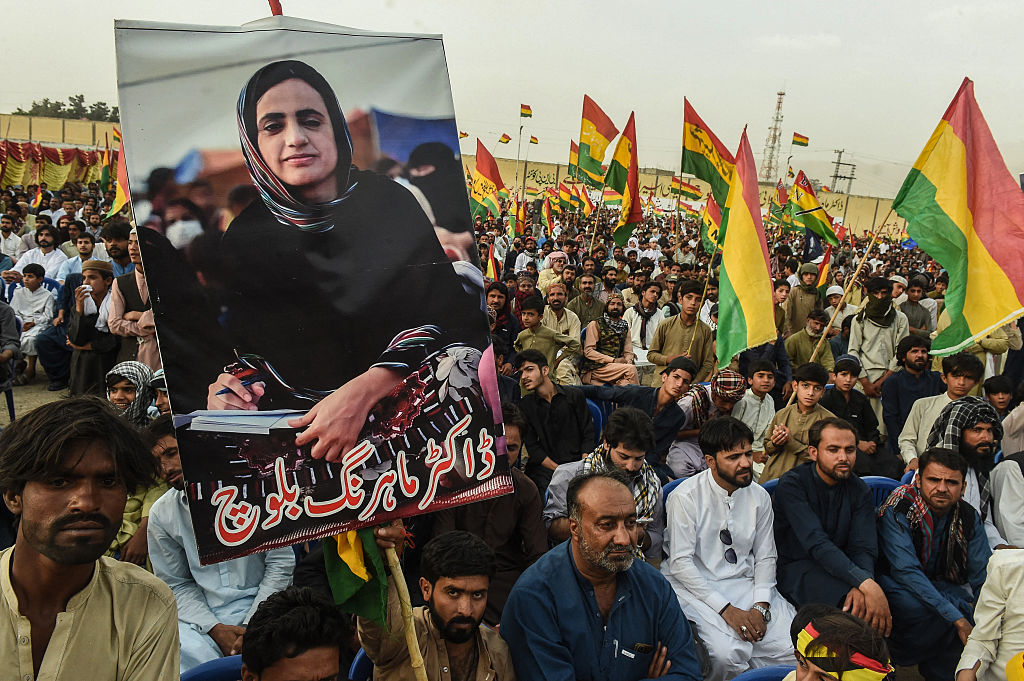
Over Eight months have passed since Dr. Mahrang Baloch, a young physician turned human rights icon, was arrested on trumped-up charges in Quetta, Balochistan. 257 days since the state threw her into jail under Pakistan’s catch-all arsenal of “anti-terrorism” and “sedition” clauses. And 37 weeks since much of Pakistan’s so-called progressive intelligentsia, which was once vocal and proud of its commitment to dissent, fell conspicuously and unforgivably silent.
The cruelty of this moment is not just in what the state has done to Dr. Mahrang and her comrades in the Baloch Yakjehti Committee (BYC). It is in how predictable the silence of non-Baloch Pakistanis has been, including among the ever-shrinking ranks of “liberals” who still claim to champion democracy. In a country descending, quite visibly, into a military authoritarianism, or so to say an Orwellian farce, even moral outrage has become selective.
This is the joke Pakistan has become: a place where everyone knows the cases against Mahrang and her associates are a sham and yet almost no one outside Balochistan dares to say it aloud.
To understand why the establishment is so determined to crush Dr. Mahrang, it is necessary to recall the arc of her rise. The Baloch Yakjehti Committee was never just another protest collective. Founded in 2018 by Dr. Mahrang along with Sammi Deen Baloch and Beebow Baloch, the BYC emerged as a rare, grassroots Baloch women-led peaceful movement. Its central goal was exactly the issue the Pakistani state has most wanted to keep hidden: the unending human rights violations by its military, especially enforced disappearances and custodial killings.
For decades, Baloch families, mostly women and children, marched in circles demanding to know where their sons, brothers, and fathers are. What the BYC did was to put names, faces, stories, and grieving families at the centre of a national conversation that Pakistan’s military dominated establishment always wanted to suppress.
Its gradually became the primary platform to voice the grievances against the militaristic policy of Pakistan towards the province. The watershed moment came in late 2023, after the custodial killing of 20-year-old Balach Marri Baloch, abducted by plain-clothes Counter Terrorism Department officials. The BYC-led march, largely comprising women carrying photos of relatives who vanished, travelled from Kech in Turbat to Islamabad, seeking accountability and an end to military excesses. It exposed the brutality of the security apparatus to a mainstream audience, and for the first time in years, the state’s narrative on Balochistan began to crack.
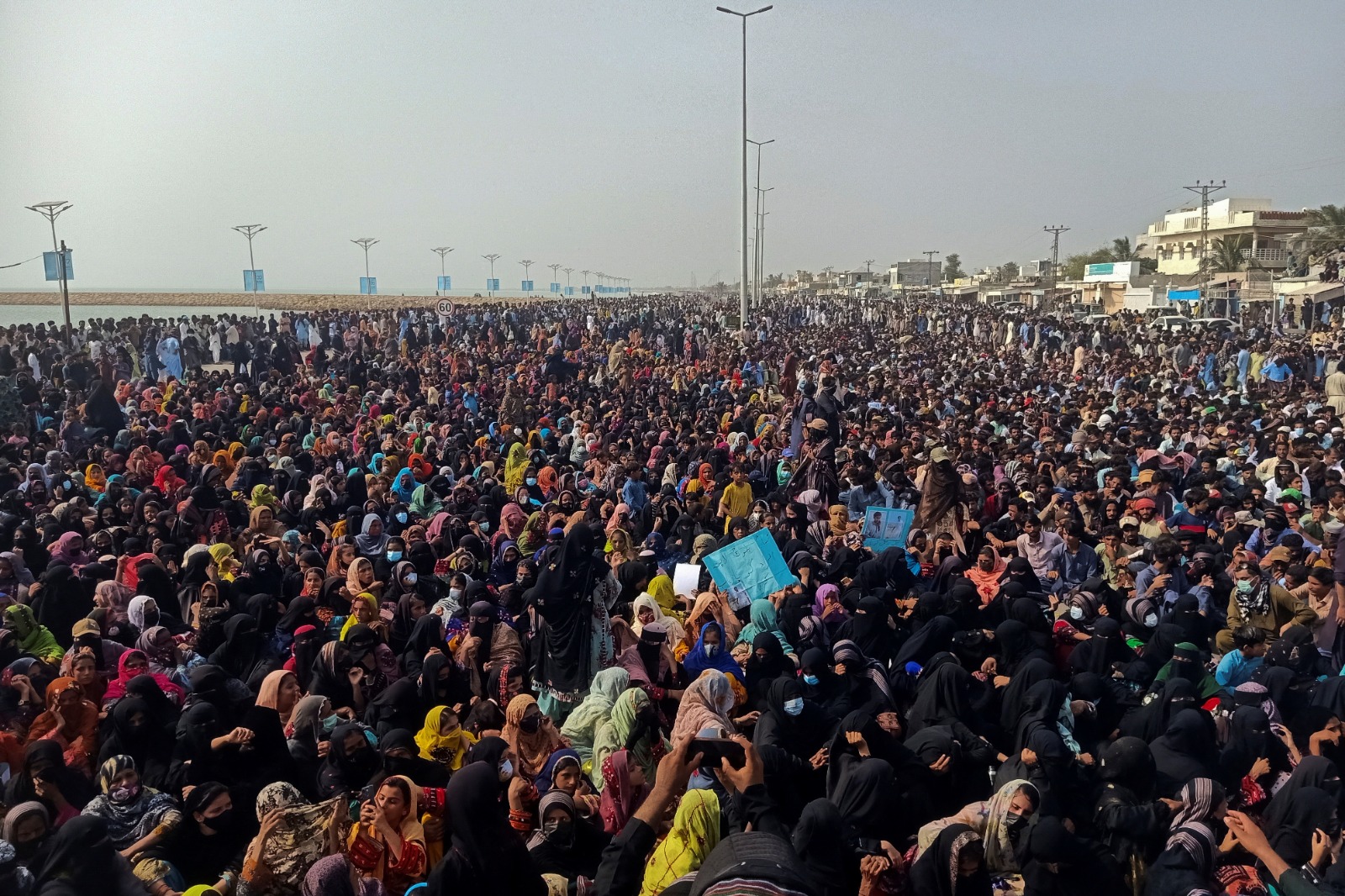
The state responded as expected: with repression. But the more it tried to silence the BYC, the more the movement grew. In July 2024, the BYC convened the Baloch Raji Muchi (Baloch National Grand Jirga) in Gwadar. it aimed at exposing Islamabad’s imperial policies in Balochistan from resource exploitation to demographic engineering to routine extrajudicial killings. Despite highway blockades and internet shutdowns, hundreds reached the venue. For the state, it became apparent that BYC was not merely a fringe group but one with mass appeal.
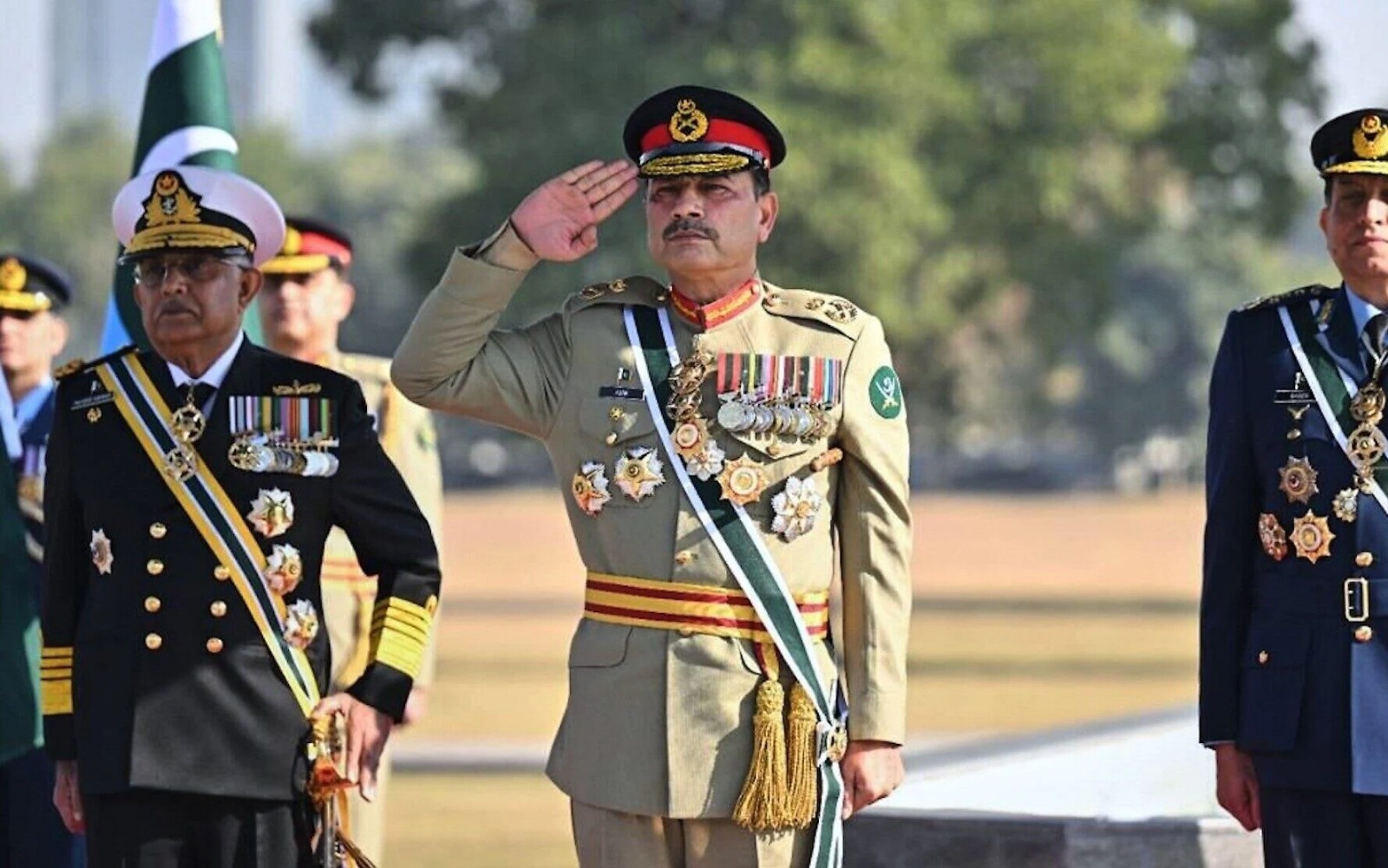
For Pakistan’s deep state, particularly an increasingly entrenched military under Army Chief Asim Munir, such defiance from the country’s most dispossessed province was intolerable.
And so, on 22 March 2025, Pakistani state finally arrested Dr. Mahrang during a peaceful sit-in demanding the release of the brother of Bebarg Zehri, one of the BYC’s central organisers, abducted two days earlier on 20 March. She was charged under anti-terrorism statutes of Maintenance of Public Order besides sedition. Others who were arrested included BYC Central Organizers Bebarg Zehri and Beebow Baloch, Shah Jee Sibghat Ullah, Gulzadi Baloch, among others. Sammi Deen Baloch, herself the daughter of a disappeared man, was detained and later released.
Human rights organizations have called the charges farcical, the arrests punitive, the crackdown an unmistakable escalation of the military’s doctrine of enforced silence. But silence is now Pakistan’s national reflex.
To be fair, a small handful of prominent voices such as London-based novelist Mohammed Hanif and academic Ayesha Siddiqa, besides Harris Khalique, of Human Rrights Commission of Pakistan (HRCP) spoke out. But beyond this, Pakistan’s progressive class, journalists, civil society networks, and ‘liberal’ commentators have largely looked away. In fact, media played aided the state in labelling Mahrang and her BYC members as secessionists.
The reason is as old as Pakistan itself: when the state targets Baloch activists, most Pakistanis convince themselves that this is someone else’s problem. That the Baloch live too far away, that the disappearances are exaggerated, that security considerations justify exceptional measures. Even the Pakistanis who rally for Palestine, who write poetic elegies for democracy, suddenly find nuance when the victims are Baloch. It is nothing but hypocrisy of the highest order.
That selective empathy has given the military a free pass to dismantle what little democratic space remains. It is no coincidence that Pakistan is undergoing its worst authoritarian slide in decades: a re-engineered judiciary, censorship of the press, mass trials of political activists, and the sidelining of dissenting voices from Baloch rights organizers to opposition politicians under the guise of national stability. Therefore, the silence is not passive but an enabling one.
Dr. Mahrang’s imprisonment is thus more than a legal case. It is a moral indictment of what Pakistan has become. Eight months and one week in jail, without due process, for leading peaceful marches asking a simple question: “Where are our loved ones?” If a state cannot tolerate even that question, is there any legitimacy whatsoever left in it?
It seems that the Pakistan’s rulers believe that imprisoning the BYC leadership will extinguish the movement. But they seem to be overlooking the fact that it emerged from the shared trauma of over seven thousand families whose sons were taken in the dead of the night and the light of the day. It grew because the state’s violence is structural, not episodic.
The cruel joke is not that Pakistan’s establishment behaves with impunity. That much has long been known. The cruel joke is that the country’s liberal progressive class, which once claimed to represent conscience, has become too timid to speak when conscience demands nothing more radical than stating facts everyone already knows.
Everyone knows the charges against Dr. Mahrang are a farce. Everyone knows why she was arrested. Everyone knows what the military fears most: not terrorism, not foreign conspiracies, but the possibility that ordinary Pakistanis might finally look at Balochistan and see citizens, not a security threat.
The tragedy is not only that Pakistan is drifting into authoritarianism. It is that so many who should know better have chosen silence as the price of comfort.
-Arun Anand
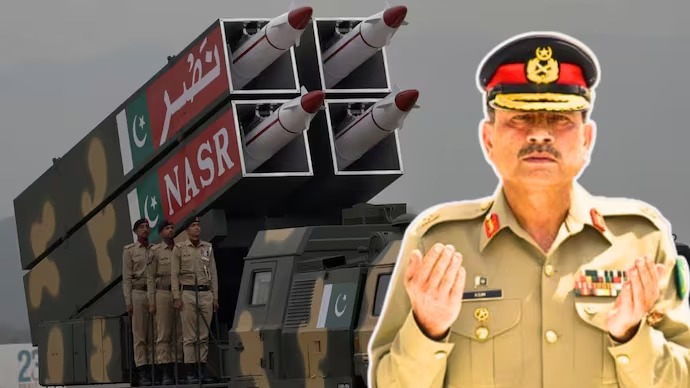
Every country has moments when a single figure, through temperament as much as circumstance, shifts the balance of its political order. In Pakistan today, that figure is Field Marshal Asim Munir. Analysts often describe his rise in familiar language, discipline, institutional confidence, and careful preparation.
But this doesn’t quite capture the way he has consolidated authority or the psychology behind those moves. A better way to make sense of his imprint is to look at him through the Thick Face-Black Heart lens, a framework from Chinese strategic thought that highlights a person’s ability to absorb humiliation without blinking and to impose their will without sentimental hesitation. It is not a flattering theory, but it is an accurate one for a leader who has altered Pakistan’s political landscape with a mix of silence and severity.
Munir’s career did not follow the trajectory of a man destined for sweeping power. His years in military intelligence, including the short-lived tenure as DG ISI, exposed him to the brutal currents of Pakistan’s political machinery. When he was removed abruptly and with enough public visibility to sting, it seemed like one of those episodes that cut promising careers in half. Yet he responded with a peculiar stillness. He did not leak stories to the press, did not cultivate a faction to avenge the slight, and did not attempt a public rehabilitation campaign. He simply stayed put, watched, and waited. That kind of emotional discipline is rare in Pakistan’s power circles, where bruised egos often leave trails of chaos.
Munir’s ability to absorb that injury and carry on without outward bitterness said more about him than any official posting ever could. He has nurtured this kind of attitude since his early days in the Pakistan Army, as during a staff course at that time, (Major) Munir was given the title of ‘deceiver’ by his course-mate officers.
When he re-emerged in positions of influence, first as Corps Commander then as Quartermaster General, it became clear that he saw institutions not as ladders to climb but as structures to study. He built loyalty by being reliable, not charming; precise, not theatrical. By the time he became Army Chief, he had internalised a lesson that many powerful men learn late and painfully: you survive by showing as little of yourself as possible. That instinct for opacity, for silence as a form of strength, is the “thick face” part of his psychology. It allowed him to weather political storms without leaving fingerprints.
After taking command, however, a different side of him surfaced. This was the colder, unsentimental edge that the “black heart” portion of the theory describes. The handling of the May 9 unrest revealed it most clearly. An institution that usually protects its own was suddenly willing to sacrifice high-ranking officers; one serving lieutenant general was removed, several major generals and brigadiers faced proceedings, and the message travelled quickly through the ranks: ambiguity was no longer acceptable.
Loyalty would not be inferred; it would be demonstrated. No chief in recent memory had gone after his own officer corps with such quiet precision. There was no bluster, no televised fury. Just action, executed without sentiment. This internal consolidation flowed naturally into political centralisation. Intelligence coordination became tighter, and the usual patchwork of informal channels between senior officers and political elites began to close. Pakistan’s power structure has historically tolerated multiple “centres of gravity” within the military—commander-level networks, intelligence cliques, and backchannel negotiators. Munir dismantled that arrangement without announcing it. Everything began to tilt toward GHQ, and more specifically, toward his office.
The political realm, already fragile, bent even faster. PTI’s disintegration did not occur by accident or due to political incompetence alone. It happened through a systematic squeeze: mass arrests, cases under terrorism laws, long sentences, and a media environment in which the country’s most popular political figure could vanish from the screen for months. The state had used pressure before, but this time it felt different. There was a seriousness to it, a determination to eliminate not just the party’s leadership but the party’s very presence in public life.
This shift had a profound effect on the older parties as well. PML(N) and PPP, both seasoned in the art of negotiating with the establishment, slowly realised that the usual bargaining space no longer existed. Their agreement to constitutional changes that weakened the judiciary, formalised the military’s upper hand, and paved the way for a Chief of Defence Forces position told its own story. They were no longer negotiating with the military; they were adjusting themselves to an institutional reality shaped entirely by it. Munir did not cajole them into compliance; he simply created a structure in which their compliance became the path of least resistance.
The legal remodelling that accompanied this political shift was just as significant. The old hybrid order worked because of its messiness, courts sometimes pushed back, parliament sometimes resisted, and the military exerted influence without admitting it. Munir’s approach was to strip away the ambiguity. Judicial oversight over key decisions was narrowed. Constitutional interpretation was rerouted toward structures less likely to confront the military’s strategic interests. Even the symbolic principle that the largest bloc in parliament should form the government collapsed under this new logic. The 2024 elections did not merely produce a strange mandate; they produced a political arrangement in which electoral strength had meaning only if it aligned with the establishment’s preferences.
Control over information completed the picture. Channels were taken off air, journalists were pressured, and digital spaces were targeted through bans and intimidation. Pakistan has always had red lines around the military, but these lines have become wider and more sharply enforced. Critique did not disappear entirely, but it was pushed into the margins, away from the audiences that once relied on it to make sense of the state’s direction. The informational space became curated rather than contested.
Taken together, these shifts reveal something beyond conventional military dominance. They signal the end of the hybrid model itself. Pakistan still performs the rituals of democracy, elections, speeches in parliament, and televised interviews, but these rituals now operate inside a cage whose walls have been reinforced. The space for dissent, negotiation, or institutional self-assertion has shrunk so dramatically that the form of democracy remains while its content drains away.
This transformation carries a deeper cost for the state. A political order built around one office, however disciplined its occupant, becomes structurally fragile. Civilian institutions lose both capability and confidence when sidelined for too long. Courts that cannot arbitrate major questions eventually lose public authority. Political parties that survive on borrowed space lose the ability to channel public frustration. A press that cannot interrogate power loses its purpose.
Munir’s rise, methodical as it was, has created a system that depends heavily on his ability to maintain control. It may produce temporary calm, but it does so by weakening the very institutions that give states longevity. The paradox of his authority is that its solidity makes the system around him brittle. Once power concentrates to such an extent, it becomes harder, not easier, for the state to adapt when the circumstances change or when leadership eventually passes on.
What Pakistan confronts now is not simply the dominance of one field marshal, but the slow hollowing-out of democratic life. The façade is still there, but the architecture behind it has shifted. Munir embodies the psychology of survival and imposition central to the Thick Face-Black Heart theory. Through patience and severity, he has remade the political order. But in doing so, he has also made the state more dependent on command than on consensus. That dependence may be the most dangerous legacy of all.
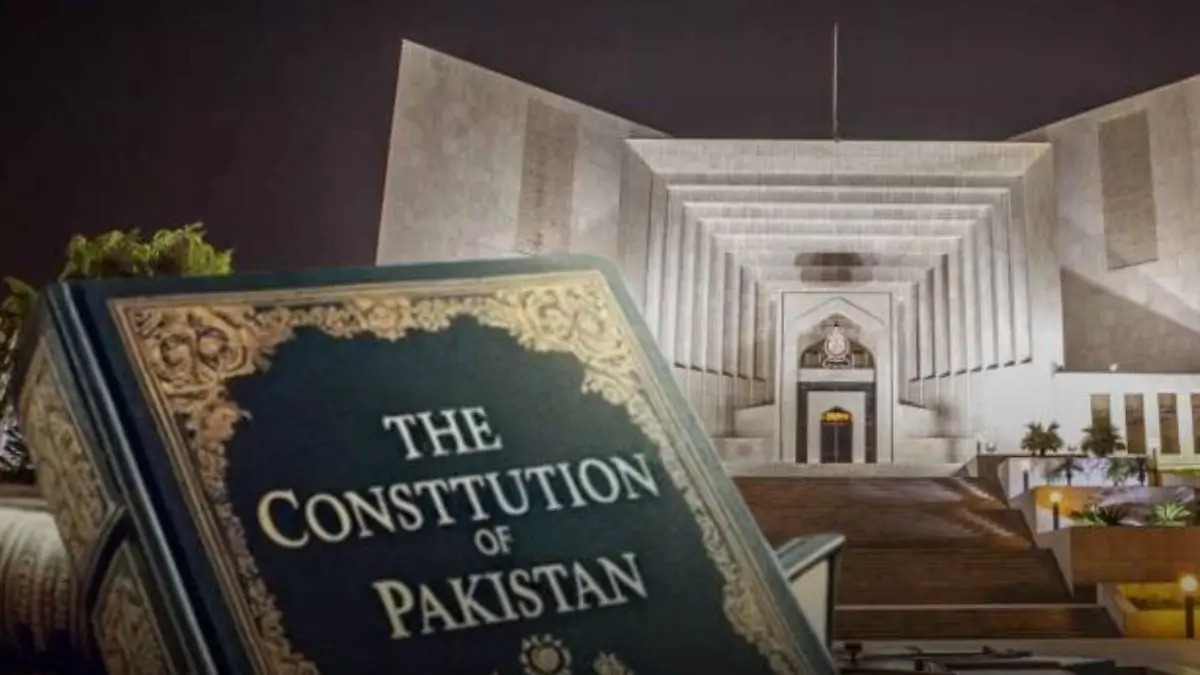
Since his appointment in November 2022, Field Marshal Asim Munir has proved a master practitioner of power consolidation, outpacing even Pakistan’s most notorious military strongmen such as Ayub Khan, Zia-ul-Haq, and Pervez Musharraf. His latest gambit, the proposed 27th Constitutional Amendment, cements that legacy and threatens to formalize Pakistan’s drift into an overt military state.
At its core, the 27th Amendment rewrites Article 243 of Pakistan’s Constitution which details the governing framework of the command of the armed forces (Chapter 2). While, it may appear to be a technical legal change, however, it is, in fact, a crude structural reordering of the Pakistani state in favor of the military establishment that has anyway calling the shots for decades.
Nevertheless, one of the most consequential provisions (clause 5) is the proposed creation of a new office of Chief of Defence Forces (CDF). Under this clause, the Army Chief will automatically assume the role of CDF role, which effectively merges the tri-service command of the army, navy, and air force into one uniformed post. The existing Joint Chiefs of Staff Committee (JCSC), a forum meant to balance inter-service authority, will be abolished.
In practical terms, this means all branches of Pakistan’s armed forces will answer to one man, that is Asim Munir. It also conveniently sidelines General Sahir Shamshad Mirza, the current Chairman of the Joint Chiefs and the senior-most general whom the Shehbaz Sharif government bypassed when appointing Munir in 2022.
This clause would mark the first time in Pakistan’s history that the entire military chain of command is legally and constitutionally subordinated to a single officer.
Another major clause (6) under Article 243 transfers effective control of Pakistan’s nuclear arsenal to the Army Chief. The Prime Minister would nominally appoint the Commander of the National Strategic Command (the custodian of nuclear weapons), but only from among “members of the Pakistan Army” and solely on the “recommendation of the Chief of Army Staff concurrently serving as Chief of Defence Forces.”
This wording is not incidental. It ensures that the nuclear command, which has traditionally been supervised by a civilian-led National Command Authority, will now operate entirely under military discretion. Pakistan’s already fragile notion of civilian oversight is being reduced to fiction. With this, Asim Munir not only commands Pakistan’s conventional military forces but also gains exclusive control of its nuclear deterrent.
Perhaps the most extraordinary aspect of the 27th Amendment lies in its provisions for legal protection. Given that the amendment proposes lifetime immunity to the Field Marshal (clauses 7,8,9,10 &11), it practically equates his legal status with that of the President as the Head of the State of Pakistan. In effect, Asim Munir, who was conferred the title of Field Marshal earlier this year, cannot be prosecuted, investigated, or held accountable by any court or parliamentary body for decisions made during or after his tenure.
This is a historic and most consequential departure from Pakistan’s constitutional tradition. Even military rulers like Zia and Musharraf, both of whom seized power through coups, lacked explicit lifetime impunity under constitutional law. However, Munir has, by securing this clause, effectively insulated himself against future civilian pushback or judicial scrutiny, ensuring that any transition of power will not endanger his position or legacy.
Though Pakistan’s history has seen several military rulers institutionalizing their dominance through legal means like Ayub Khan’s rewriting of the 1962 Constitution or Zia-ul-Haq giving the military a permanent political veto by amending Article 58(2)(b), Asim Munir’s strategy is more sophisticated and inarguably more durable. Unlike his predecessors, who relied on overt coups, Munir is using constitutional procedure and parliamentary approval to codify military supremacy. As such, Munir seems to be outdoing the likes of Ayub, Zia, and Musharraf not through coups but by rewriting laws in his own favor.
The Shehbaz Sharif government’s cooperation in pushing this amendment through parliament reveals how deeply Pakistan’s civilian leadership has become dependent on the military’s favor. The Asim Munir-led military establishment has leveraged this vulnerability and extended its control over domestic politics, the economy, and even foreign policy.
By institutionalizing this control through the 27th Amendment, the military no longer needs to rely on backroom manipulation as it can now rule openly, with parliamentary consent.
The conferment of the title “Field Marshal” on Munir earlier this year, following India’s “Operation Sindoor” was the clearest signal of his elevation to the highest power status in the country. It very well echoed self-promotion of Ayub Khan to Field Marshal in the 1960s, when he justified his authority was essential to the country’s national defense.
Munir would do well to remember that Pakistan’s streets which are restless, politically volatile, and steeped in resentment against military domination, though it may dormant now, have a way of humbling even the most entrenched generals. Equally, it is interesting how the country’s political elite, particularly Pakistan Muslim League-Nawaz (PML-N) and Pakistan People’s Party who currently backs Munir seem to have forgotten how such curry favouring of generals have bitten them in the past.
The 27th Amendment marks not just another chapter in Pakistan’s cycle of military dominance but a turning point of the transformation of military supremacy from an unwritten reality into a constitutional fact. Field Marshal Asim Munir may believe he has achieved what his predecessors could not: absolute power with absolute legitimacy. But Pakistan’s history suggests that even the thickest face and the blackest heart cannot shield a ruler from the reckoning that follows hubris.
– Arun Anand