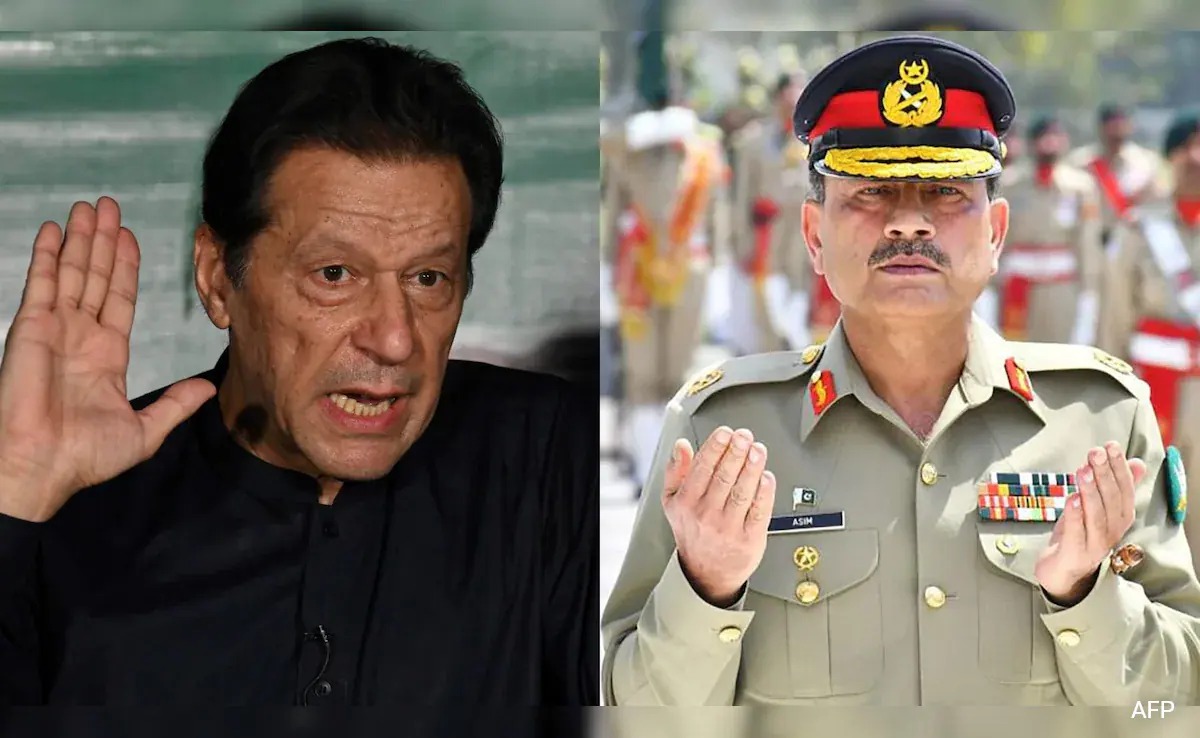
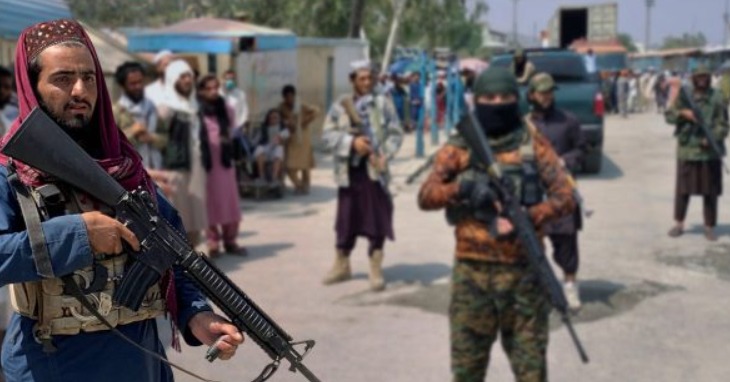
Pakistan’s relationship with the Afghan Taliban‑led government has reached one of its most strained phases in years, with recent public ultimatums from Pakistan’s military leadership underscoring deep frustration over cross‑border militancy and stalled diplomacy. Observers say this shift reflects a broader crisis in Islamabad’s approach: turning to threats over negotiation after years of failed engagement on security issues. In early December, Field Marshal Asim Munir, Pakistan’s Chief of Defence Staff and Army Chief, openly warned the Afghan Taliban that Islamabad may reconsider bilateral ties unless Kabul acts against militants of the Tehreek‑e‑Taliban Pakistan (TTP) said to be operating from Afghan territory. The statement, delivered at a national religious gathering, was unusually blunt in tone and deviated from Pakistan’s traditional mix of quiet diplomacy and indirect pressure.
For more than three years since the Taliban returned to power in Kabul in 2021, Pakistan pursued various methods to influence Afghan policy on Pakistan’s security threats, including back‑channel talks, intelligence coordination and limited military actions. But analysts say these efforts have largely failed to persuade Afghan leaders to take decisive action against TTP fighters.
Instead of quiet negotiation, Islamabad’s recent rhetoric pairs public warnings with appeals to domestic religious authorities — a sign that Pakistan’s security establishment believes traditional channels have lost effectiveness. Making such ultimata before religious leaders was seen as both a symbolic message to internal audiences and a signal that Islamabad feels increasingly isolated in managing cross‑border insurgency threats.
The Taliban that returned to Afghan leadership in August 2021 differs from the group that Pakistan once helped cultivate. Analysts note the movement now seeks broader international legitimacy, economic ties and diversified alliances, including with China, Iran and even India, reducing Pakistan’s leverage. Rather than acting as a strategic proxy, the Afghan administration has insisted that Pakistan’s internal insurgency issues — including the TTP — are Islamabad’s concern and not a matter for Kabul to police.
This stance clashes with Pakistan’s expectation that historical ties and ideological affinity would translate into cooperation against militant groups. Critics argue that Islamabad’s assumption of leverage overlooked evolving Afghan priorities and the Taliban leadership’s desire for autonomy and regional recognition.
The Pakistani Taliban (TTP) remains a significant security challenge inside Pakistan, responsible for deadly attacks across the northwest and border regions. Islamabad’s repeated counterterror operations have at times disrupted militant networks but failed to eliminate the threat, and some measures have drawn criticism for displacing civilians and fueling local grievances, which insurgent groups exploit to recruit and regroup.
Analysts stress that framing the TTP issue solely as an external problem enabled by Afghanistan overlooks the domestic roots of radicalisation and the unintended consequences of past policies that tolerated certain militant factions as strategic assets. This legacy complicates Pakistan’s current security discourse and limits the effectiveness of purely coercive approaches.
Pakistan’s recent shift toward public ultimatums and threats — rather than sustained quiet diplomacy — underscores the broader strategic frustration in Islamabad. Observers caution that while such rhetoric may resonate domestically, it is unlikely to compel a change in Afghan policy and may instead further weaken bilateral trust.
To effectively address the TTP threat, analysts suggest Pakistan may need to balance security operations with political reforms in restive regions, improved governance and renewed diplomatic engagement that acknowledges changing regional dynamics and Afghanistan’s broader international priorities.