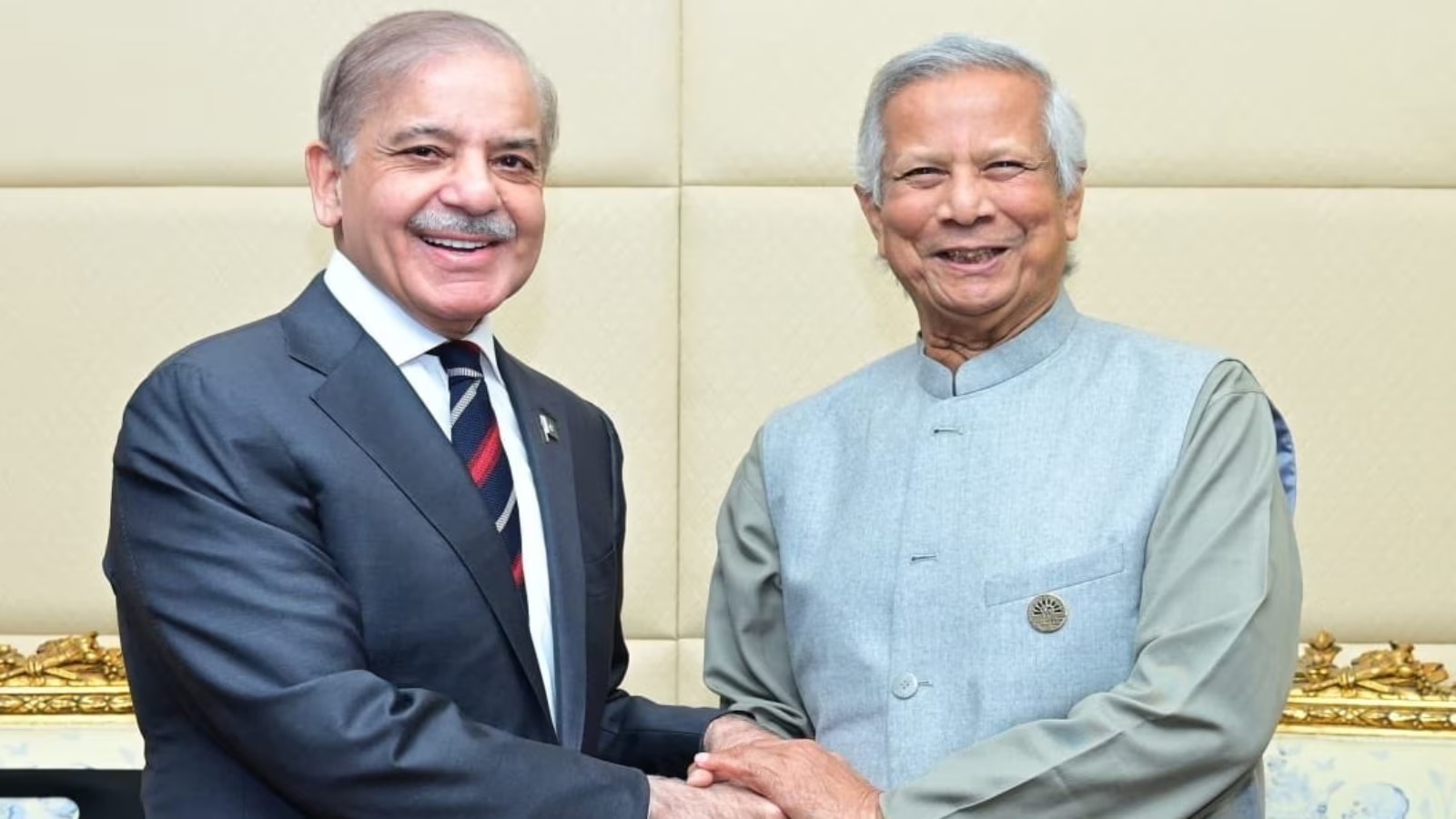
India is closely watching Pakistan’s renewed security and diplomatic outreach to Bangladesh, viewing the recent warming of ties between Islamabad and Dhaka as a development with serious implications for regional stability and Indian national security The shift follows political changes in Bangladesh after the exit of former Prime Minister Sheikh Hasina and the emergence of an interim administration led by Muhammad Yunus. Analysts say the transition has created space for Pakistan to re-enter Bangladesh’s strategic landscape after decades of limited engagement shaped by historical grievances linked to the 1971 Liberation War.
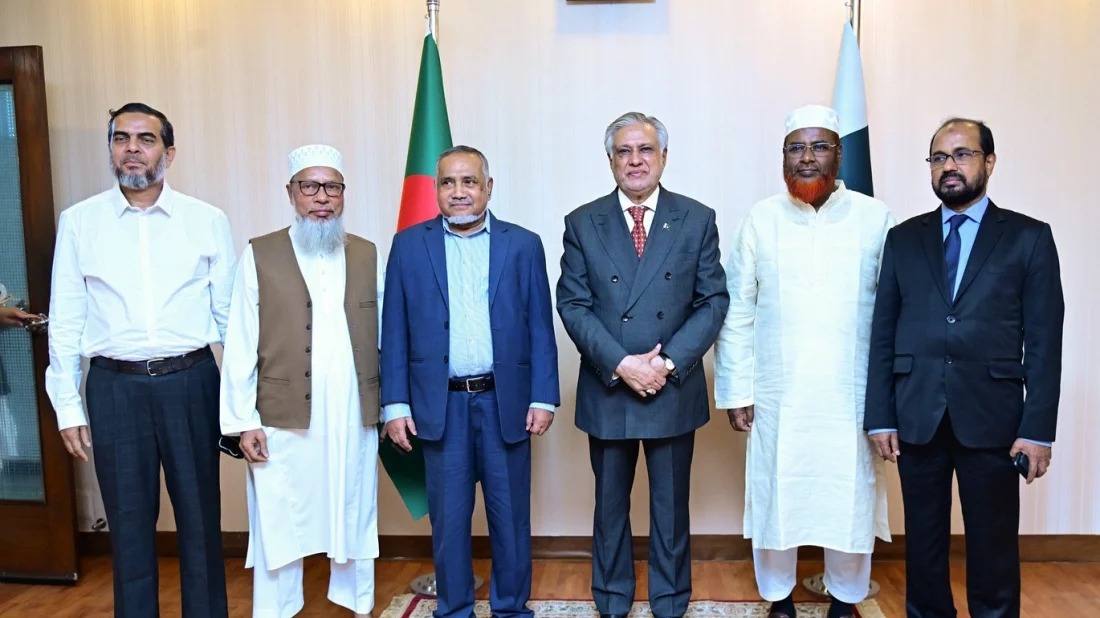
In recent months, Pakistan and Bangladesh have witnessed an increase in high-level contacts, including interactions involving military and security-linked officials. These engagements mark a notable departure from Dhaka’s earlier posture of keeping Islamabad at arm’s length. Indian security observers are particularly concerned about indications of expanded intelligence activity under diplomatic cover, warning that such a presence could facilitate covert influence operations affecting India’s eastern front.
Pakistan’s defence outreach has also become more visible through naval visits, military exchanges and discussions on defence cooperation. Although officially framed as confidence-building measures, Indian analysts caution that these steps may lay the groundwork for deeper military coordination in the Bay of Bengal region. Any form of intelligence sharing or logistical access is viewed as especially sensitive given Bangladesh’s proximity to India’s northeastern states and the strategic Siliguri Corridor that links the region to the Indian mainland.
India’s concerns are driven by multiple factors, including the potential security risks posed by a Pakistani intelligence footprint in Bangladesh, fears of cross-border destabilisation, and the possible revival of extremist networks targeting Indian interests. The convergence of Pakistan’s outreach with China’s expanding influence in Bangladesh further compounds these anxieties, raising the prospect of a strategic realignment that could challenge India’s traditional role in South Asia.
Within Bangladesh, the renewed engagement with Pakistan remains politically and emotionally contentious. Sections of civil society, liberation war veterans and rights activists view security cooperation with Islamabad as historically insensitive and strategically risky. Supporters of the interim administration, however, argue that diversifying foreign relations is necessary to assert autonomy and reduce reliance on any single external partner amid domestic political uncertainty.
New Delhi has so far responded with cautious diplomacy, maintaining engagement with Dhaka while making clear that national security considerations will not be compromised. Intelligence and defence agencies are said to be closely monitoring developments, even as diplomatic channels remain open. As South Asia’s geopolitical landscape continues to evolve, Pakistan’s renewed outreach to Bangladesh highlights how internal political shifts can reshape regional alignments. For India, the challenge lies in sustaining a stable relationship with a key neighbour while remaining vigilant against emerging security risks along its eastern frontier.