
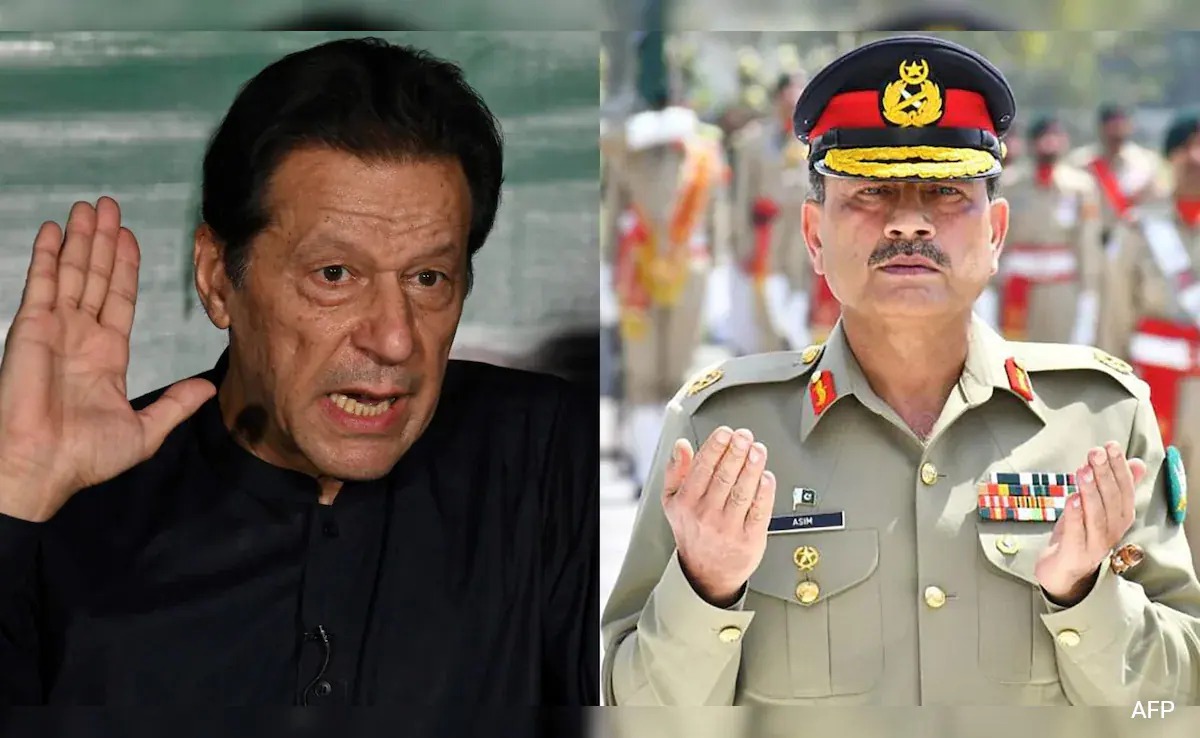
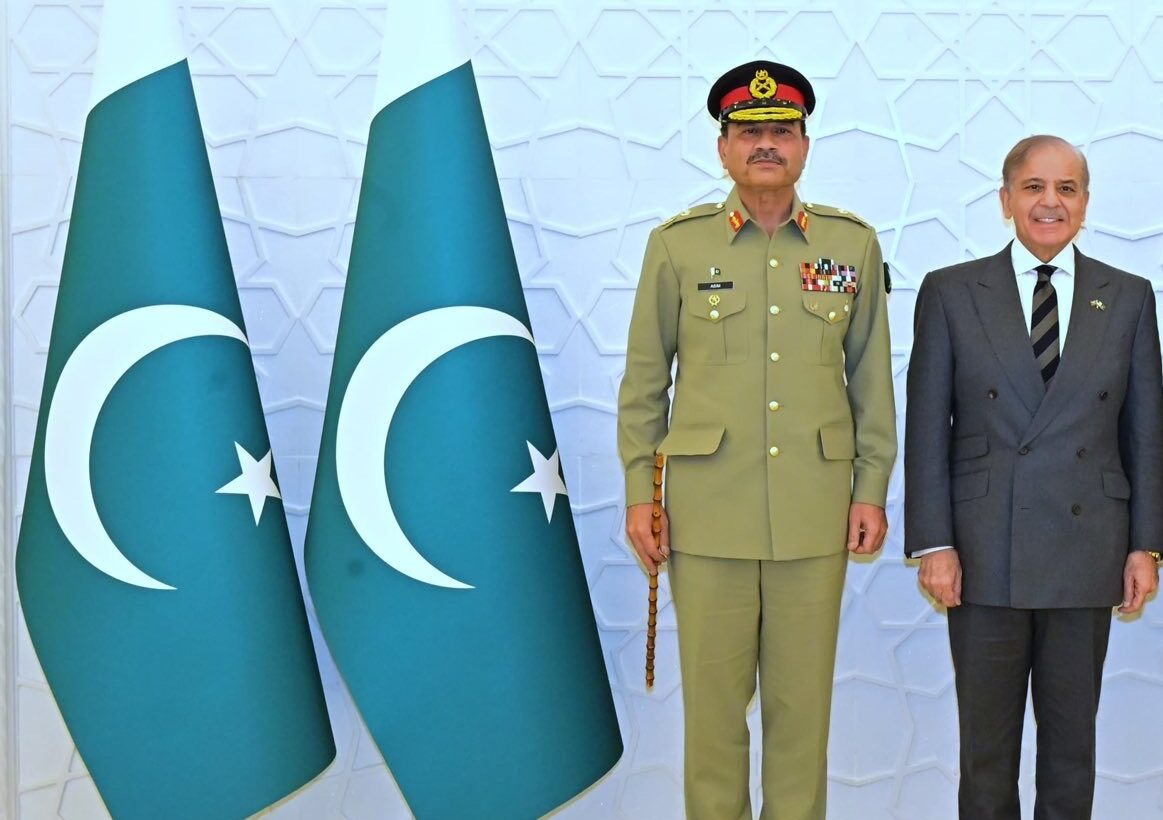
In Pakistan, power rarely disappears. It retreats, recalibrates, returns and often in uniform. Since the arrest of former Prime Minister Imran Khan in 2023, the country has been witnessing not merely the prosecution of a politician but the systematic erosion of any space for political dissent. Under Army Chief Field Marshal Asim Munir, Pakistan’s military establishment appears to have embarked on a deliberate, incremental campaign to marginalize and potentially erase its most formidable civilian challenger. The method to silence Khan has not been spectacular but rather procedural in character. From once being seen as the military’s preferred candidate to run the civilian façade of government, he remains imprisoned in Adiala jail under the shadow of the General Headquarters of Rawalpindi. Over the months that have followed since, reports of deteriorating health conditions emerged amid recurrent allegations of mistreatment including torture. While the state has expectedly denied these allegations, yet the recent reports that Khan suffering severe vision loss in his right eye after a medical procedure conducted clandestinely on January 24 night at Pakistan Institute of Medical Sciences (PIMS), have intensified concerns among supporters. The Supreme Court appointed amicus curie, Salman Safdar who met Khan at Adiala jail, told the court that the imprisoned former prime minister had list nearly 85 per cent of eye sight in right eye. Khan’s sister Noreen Niazi accused Army Chief Asim Munir of subjecting him to “unimaginable mistreatment.” Imran Khan, a global celebrity, a philanthropist, and former prime minister of Pakistan, has endured unimaginable mistreatment in prison under the directives of ‘Asim Law,’ now facing irreversible damage to his right eye as a direct consequence,” Noreen Niazi alleged in an X post, adding, “Why are they rejecting the supervision by Imran Khan’s personal doctors? Why are they rejecting the presence of Imran Khan’s family members? Our family is getting extremely worried. We do NOT accept any medical board they setup and control, we do NOT accept any report they manufacture! Family and personal doctors must be allowed to see Imran Khan!” Whether these claims are fully verifiable or not, but the political message of the state seems clear: isolation is the objective. the political message is clear: isolation is the objective. Khan has been denied consistent access to family members and his personal physicians whereas his communication with party leaders remains tightly restricted. In modern authoritarian playbooks, the most effective silencing is not necessarily physical elimination but enforced irrelevance. A leader cut off from his movement slowly loses the capacity to mobilize it. And it seems Asim Munir led establishment has decided its course over Imran Khan, which is silence through isolation. Yet Khan remains Pakistan’s most popular politician with multiple surveys by national and international continuing to place him far ahead of his rivals. For instance, a 2023 Gallup Pakistan report found that over 61 per cent of Pakistanis held a positive opinion of Imran Khan, significantly higher than his rivals. It is that enduring popularity which is precisely what makes him intolerable to the establishment. Interestingly, Khan’s relationship with the military was once considered as symbiotic. When he became prime minister in 2018, his opponents such as Pakistan Muslim League-Nawaz (PML-N) and Pakistan People’s Party (PPP), which are currently in the good books of army establishment, alleged that that his Pakistan Tehreek-e-Insaaf (PTI) benefited from military’s behind-the-scenes support during elections. While Pakistan’s generals have long shaped the country’s political order both overtly through coups and covertly through electoral engineering, Khan, at the time, appeared aligned with that system. But alliances in Pakistan’s civil-military matrix have always been transactional with Khan’s differences with military establishment on foreign policy and governance becoming visible in late 2021 and early 2022. And when the PTI government was removed through a parliamentary no-confidence vote in April 2022, many believed that Khan’s political rivals were nudged by General Bajwa from behind the scenes to engineer his ouster. And what followed after his removal was unprecedented as Khan did not retreat into quiet opposition. He directly accused the military leadership of political manipulation, including being part of a regime change operation with support from United States. While his rallies drew massive crowds, what was precedented was how for the first time in decades, a mainstream political leader openly named generals as political actors and seeking their return to barracks. For the military leadership that defiance crossed a red line as no one had ever questioned army even after losing wars with India or having the country axed into two in 1971 with the fall of Dhaka. With Asim Munir succeeding General Bajwa as the Army Chief in late 2022, the establishment’s response hardened. Many factors converged to supplement state’s response towards Imran Khan and his PTI. For one, as prime minister, Khan had previously removed Munir, then a Lt. Gen. rank officer, from his post as Director General of Inter-Services Intelligence, the de facto number two position in Pakistan Army, in 2018. Secondly, his government had earlier sanctioned presidential reference against then Justice Qazi Faez Isa in 2019, who by 2023 became Chief Justice of Pakistan. While personal history may not explain institutional retaliation, but in Pakistan, the institutional and personal often blur. When Imran Khan was initially arrested from the premises of the Islamabad High Court on May 9, 2023, Pakistan witnessed unprecedented protests with people targeting military installations, including the Corps Commander’s residence in Lahore and other sensitive installations. Pakistan Army framed these violent anti-establishment protests as an assault on the state itself. A sweeping crackdown followed, extending far beyond accountability for vandalism with hundreds of civilians and PTI workers arrested and dozens tried in military courts. Soon the establishment turned to dismantle Khan PTI with senior party leaders abducted and pressured into televised renunciations. While some left politics altogether, others defected to a new pro-establishment Istehkam-e-Pakistan Party comprising mainly former PTI affiliates. The objective appeared less about punishing lawbreakers and more about dismantling an organizational network. The second prong of the strategy was institutional. The state leveraged legal and administrative tools to weaken PTI’s ability to contest elections effectively. The election commission withdrew party’s electoral symbol, forcing its
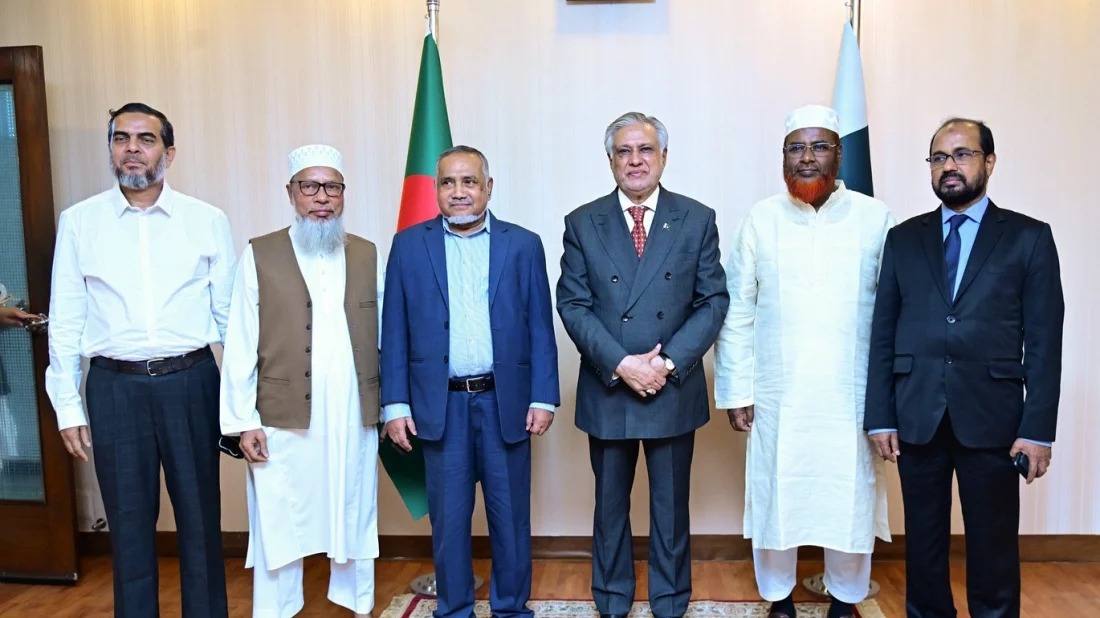
When Sheikh Hasina was removed from office in August 2024 after mismanaging two-month student uprising through violence, the political aftershocks were felt well beyond Dhaka. While an interim administration led by Nobel laureate Muhammad Yunus took charge shortly to stabilize and reset the country, but inside the shifting currents of Bangladeshi politics, there was another country saw opportunity, which was Pakistan. For Islamabad, the fall of Prime Minister Hasina, who was long perceived as closely aligned with India, appeared to offer a rare strategic opening. The interim arrangement which was crowded by sympathizers of Bangladesh Jamaat-e-Islami, created space for religious parties long marginalized under the Awami League’s rule. Pakistan moved quickly with intensified diplomatic exchanges, and even senior military leadership of two countries making reciprocal visits. But what increased with unusual frequency was Pakistani religious delegations travelling to different cities and towns of Bangladesh from Dhaka to Cox’s Bazar in south and Sylhet in east, among others. Behind the choreography appeared Islamabad’s clear calculation that if Bangladesh’s Islamist political sphere could be rejuvenated, Dhaka might be kept away from New Delhi and within the broader regional orbit of Islamabad. That bet seems to have failed now. In the recently concluded 13th general election, Bangladesh Nationalist Party (BNP) won a landslide two-thirds majority, winning 212 of the 299 seats on the ballot. Led by Tarique Rahman, son of former Prime Minister Khaleda Zia and former President Ziaur Rahman, BNP campaigned on the slogan of “Bangladesh First”, emphasising that it will not be beholden to any foreign capital. This political messaging seems to have resonated powerfully with the Bangladeshi electorate. Such a decisive vote has delivered a strong message to Pakistan, which seemed convinced that its favoured Islamist bloc will win the elections and give Islamabad a strong footing in Dhaka. Pakistan’s Bangladesh policy in the post-Hasina moment followed a familiar template. It has for decades viewed South Asia through the prism of strategic competition with India. Where New Delhi consolidates influence, Pakistan seeks counterweights as has been witnessed in Afghanistan where this logic has shaped policy for years. In Bangladesh, Islamabad appeared to hope for a softer replay. The Yunus-led interim government provided fertile ground for Pakistan to manoeuvre this policy. As Islamist networks that had faced political constraints under the Awami League suddenly found renewed visibility, Islamabad’s outreach extended beyond official channels into clerical and ideological spaces. For instance, Maulana Fazlur Rehman, head of Deobandi Islamist Jamiat Ulema-e-Islam (F), led a delegation of around two dozen prominent Pakistani religious leaders to Bangladesh ahead of parliamentary election in November 2025. They addressed large gatherings, organised under the banner of Khatm-e-Nabuwat conferences, across major cities and towns of the country, which were reportedly held in support of Islamist political actors preparing to contest the February 12 election. The symbolism of this religious affinity was hard to miss and, it seems, Islamabad believed that by encouraging the Islamization of Bangladesh’s political sphere, it could cultivate a government less beholden to India and more receptive to Pakistan. Yet this approach rested on two flawed assumptions. Firstly, it overestimated the electoral pull of Islamist forces in contemporary Bangladesh and secondly underestimating the depth of Bangladesh’s historical memory around 1971 war crimes committed by Pakistan Army in what was then East Pakistan. This memory and Islamabad’s reluctance to issue a formal apology over the war crimes remains central to Bangladesh’s national identity. It seems Pakistani policymakers willingly or otherwise seemed to calculate that five decades were enough to blunt that legacy and that religious affinity could transcend historical grievance. For many Bangladeshis, Pakistan is not simply another state but a former ruler whose actions precipitated immense trauma which remains unchanged across generations. If anything, it has been institutionalized through education, public commemorations and war crimes trials. And BNP’s campaign slogans captured this sentiment with clarity as it called for “Bangladesh First” against any outright alliance with any foreign power (Na Pindi, Na Dilli). Moreover, Pakistan’s attempt to leverage Islamization as a foreign policy tool also reveals a deeper tension. While Bangladesh is a Muslim-majority country, yet its political culture remains fundamentally based on Bengali linguistic nationalism. The Awami League’s secular framing was one expression of that synthesis. Even the BNP, while more accommodating of religious parties as was witnessed during its earlier rules, has not sought to subordinate national policy to clerical authority. While it is true that interim government’s closeness with Jamaat-e-Islami may have energized segments of Islamist base, but, as the results showed, it did not translate into a groundswell. Therefore, it is quite possible that Islamabad’s outreach through clerical visits, cross-border religious gatherings, symbolic solidarity may have reinforced suspicions that Islamist mobilization was being externally encouraged. For a country sensitive to sovereignty, such perceptions usually prove counterproductive. In fact, there is an irony here. While Pakistan’s own domestic experience illustrates the complexities of entangling religion and statecraft, yet in Bangladesh, it appeared willing to encourage precisely that dynamic in pursuit of geopolitical advantage. Nevertheless, the failure of Pakistan’s Bangladesh bid echoes its recent miscalculation in Afghanistan where Islamabad’s military-dominated establishment believed that it possessed decisive influence in Kabul after backing Afghan Taliban’s return to power in 2021. But relations with Afghanistan today are strained, marked by months long border closure and recurrent skirmishes along the contested Durand Line dividing the two countries. It can be argued that Pakistan overestimated the durability of ideological affinity as a substitute for structural partnership in both the cases. Neither has religious affinity guaranteed strategic alignment with Kabul nor has it now delivered political ascendancy in Dhaka as Bangladesh’s electorate has signalled that while religion remains integral to social life, it does not automatically translate into foreign policy alignment. For Pakistan, this presents a dilemma since Dhaka’s determination to pursue a “Bangladesh First” policy offers limited space for the kind of ideological leverage that Islamabad sought to cultivate. While Islamabad’s Bangladesh policy after 2024 was built on the hope that a moment of political flux could be
Pakistan’s claims of neutrality in the Middle East mask a deeper alignment with US strategic interests and regional power politics. Behind narratives of victimhood and sovereignty lies a pattern of dependency, propaganda, and calculated geopolitical positioning Pakistan often portrays itself as a nation caught in the crosshairs of regional rivalries, claiming that it could be the “next target” after Iran in the Middle East. Recently, Pakistan’s Defence Minister, Khawaja Asif, publicly warned of what he described as a coordinated regional design, alleging that India, Afghanistan, and Israel could align against Pakistan in the event of regime change in Tehran and framing the evolving situation as part of a broader hostile agenda encircling Pakistan and turning it into a vassal state. This narrative, however, is misleading and does not reflect the ground realities. In reality, Pakistan is firmly aligned with the United States and Israel. Its foreign policy has historically been shaped by its dependency on American support, often receiving substantial financial aid in return for participating in Washington’s regional objectives. Khawaja Asif himself acknowledged that Pakistan has consistently been used as a “toilet paper” by the US—a tool for executing policies in Afghanistan and beyond. Despite this, Pakistani leadership continues to portray itself as innocent, a victim of regional dynamics, and a target of potential aggression from its neighbors. Manufactured Victimhood and the “War on Terror” Narrative Pakistan’s narrative of victimhood also extends to its domestic and regional security challenges. When confronted over sponsoring terror against its neighbors, it frequently claims to have suffered enormous losses—more than 90,000 people—during the “War on Terror,” blaming the United States for its misfortunes. While the human cost is real, Pakistan’s government conveniently ignores its own agency in allowing extremist groups to operate and using them strategically against neighboring countries, from Kashmir to Kandahar. It even brainwashed and radicalized the whole Afghan population through madrasa and clerics’ networks; now most of them speak Urdu, which isn’t their mother tongue—such is the level of brainwashing. This narrative serves to absolve Pakistan of responsibility while portraying it as a passive player in global politics. Pakistan’s structural economic weaknesses exacerbate its reliance on external powers. Dollar inflows from the United States are critical for sustaining its economy. As Moeed Yusuf, Pakistan’s former National Security Adviser, openly acknowledged, “Pakistan does not have financial independence and… its foreign policy is still not free from US influence,” adding that “when you procure loans, your economic sovereignty is compromised,” which in turn shapes foreign policy choices. Similarly, Rabia Akhtar, Dean of Social Sciences at the University of Lahore, has argued that Pakistan’s economic trajectory has long been tied to leveraging its geostrategic importance to attract foreign assistance rather than building sustainable internal economic strength. As a result, Islamabad has a clear incentive to remain in Washington’s favour. Moreover, in periods without regional crises, Pakistan has historically manufactured or amplified situations—such as highlighting terrorist threats in Afghanistan, projecting the expansion of ISIS in the region, or emphasizing instability elsewhere—to draw US attention and aid. Maintaining relevance in American eyes is a central pillar of Pakistan’s foreign policy. Another driver of Pakistan’s regional behavior is its strategic rivalry with India. India’s growing partnership with the US in the Indo-Pacific frustrates Islamabad, prompting it to strengthen its ties with Washington to maintain parity in strategic attention. Pakistan’s obsession with “keeping up” with India often leads it to overplay its role in regional crises, creating narratives designed more for domestic and US audiences than for the truth. The Middle East Dynamics and Contradictions The ongoing Middle East conflict illustrates Pakistan’s duplicity. On the one hand, it assures Iran; on the other hand, it stands with the opposite camp. Pakistan recently signed a mutual defense pact with Saudi Arabia and reinforced these commitments, as its senior leaders, including Deputy Prime Minister and Foreign Minister Ishaq Dar, publicly warned that if Iran were to attack Saudi Arabia, Pakistan would stand by Riyadh under its defense obligations. Such statements make Islamabad’s claims of neutrality increasingly unconvincing. At the same time, narratives circulated by Pakistani sources claimed that Israeli and US fighter jets were approaching Pakistani airspace and warned that Pakistan would attack if they crossed it, projecting an image of vigilance and defiance. Yet parallel reports—including claims by elements within Islamic Revolutionary Guard Corps (IRGC) that Pakistan had facilitated US or Israeli operations—indicate complicity and affirmed the speculation that American forces may have been using Pakistani airspace in the broader confrontation with Iran. By amplifying warnings about potential Israeli aggression while downplaying its own strategic alignments, Pakistan appears intent on masking the extent of its cooperation with Washington and maintaining a veneer of independence for domestic and regional audiences. Moreover, timing is crucial in geopolitics, and Pakistan has frequently used diversionary tactics. For instance, recent escalations and attacks on Afghanistan appeared to be coordinated to distract Iran from Israeli and US attacks and to weaken the Taliban so that it could help Trump in acquiring Bagram Airbase in Afghanistan, signaling Islamabad’s collaboration with the broader objectives of Washington. Meanwhile, Pakistani media and social networks amplify propaganda, portraying Pakistan as neutral or even aligned with Iran, while its defense minister openly admits long-term subservience to US interests. Proxy Geopolitics and the Illusion of Neutrality Pakistan has consistently acted as a “bad boy” for the US in the region, from facilitating operations in Afghanistan to serving as a key partner during the “War on Terror,” creating regional instability. Its government, including Prime Minister Shehbaz Sharif, has even nominated President Donald Trump for the Nobel Peace Prize repeatedly and left no stone unturned to praise his global leadership, and one should not forget that Pakistan is an important member of the Board of Peace and will work under the US and Israel in the international stabilization force to disarm Hamas. This highlights Pakistan’s attempts to maintain visibility and favor with American political leadership. Such actions underscore Pakistan’s longstanding strategy: prioritizing US alignment, leveraging crises for attention and aid, and manufacturing narratives that obscure its role in regional instability. Pakistan’s claims of neutrality, victimhood, or potential targeting by
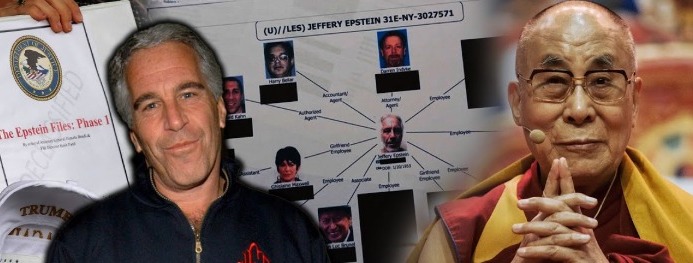
China has recently launched a new smear campaign against His Holiness the Dalai Lama. The Chinese media has highlighted that his name has been found in the Epstein files. The fact of the matter is that these files are available in the public domain, and there is no mention whatsoever of any meeting between the Dalai Lama and Epstein. China has been consistently running a misinformation campaign against the Dalai Lama, who is not only a great spiritual master but also the global face of Tibet’s struggle against Chinese occupation. One may recall that earlier, Chinese media had mischievously portrayed the Dalai Lama’s innocent act of affection towards children as an undesirable gesture. The release of the Epstein files has provided the Chinese propaganda machinery with another opportunity to build a narrative against the Dalai Lama. In response to the Chinese allegations, the office of His Holiness has provided a detailed explanation that should be sufficient for any rational person. The question is: what will China gain from this latest misinformation campaign? China wants to challenge the moral authority of the Dalai Lama, who is living in exile. His country, Tibet, if independent, would be the 10th-largest state in terms of geographical area in the world. As an exiled leader, the Dalai Lama has led by example throughout his life. He commands not just moral authority but also significant spiritual space. His followers include a large number of Westerners as well, and this has helped to create a strong constituency for Tibet’s freedom struggle. By running such smear campaigns, China wants to erode the moral authority of the Dalai Lama and question the legitimacy of Tibet’s freedom struggle. This is not new but a tried-and-tested pattern of the Chinese regime. During Mao’s era and the heyday of communism in the Global South, when China first attacked Tibet in 1950, it justified its aggression in the name of “peaceful liberation from feudalism”. Communist propaganda portrayed the Tibetan theocracy — led by the Dalai Lama and monastic elites — as an oppressive regime of “serfs and slaves” that needed to be overthrown to modernise the region. The result of this Machiavellian plan was a 17-point agreement, which China first imposed on Tibet. But China itself did not honour this agreement and attacked Tibet nine years later. In the aftermath of this attack, the Dalai Lama had to escape to India and, since then, he has remained there. Coming back to the Epstein files, the Epstein archive provides fertile terrain for such narrative opportunism. Epstein’s name is widely associated with moral transgression, secrecy and misconduct by elites. Even technically correct statements, such as pointing out that the Dalai Lama’s name appears in document listings, can be framed suggestively in this emotionally charged setting. It can be difficult for the general public to distinguish between “mention” and “connection”. This strategy is similar to more general trends seen in state and non-state disinformation campaigns, where facts are selectively emphasised to suggest narratives that are not supported by the evidence. Crucially, it seems that the messaging is appropriate for a variety of audiences. On a global scale, it coincides with a rise in mistrust of public leaders and elite institutions. Stories that suggest that “even moral icons are compromised” resonate with cynicism at a time when an increasing number of people have started distrusting moral authority. For such framing to work, it does not need to be widely accepted. It works by subtly undermining admiration and certainty. This latest episode of Chinese propaganda reinforces traditional depictions of the Dalai Lama in China. Historically, he has been described as a political separatist rather than a purely spiritual leader in Chinese public discourse. The purpose of stories that allude to moral contradiction is to reinforce this anti-Tibet narrative. Thus, information has been weaponised and facts have been manipulated to serve the ideological agenda of the Chinese Communist Party (CCP). The Chinese campaign should also be viewed against the backdrop of geopolitical sensitivities surrounding the succession of the Dalai Lama, who will turn 91 this year. Beijing has stated unequivocally that it intends to take the lead in identifying any reincarnations of the Dalai Lama in the future. On the other hand, the Dalai Lama has proposed alternative systems that might circumvent Chinese government regulation. Even a slight deterioration of moral authority gains strategic significance in such a high-stakes battle. Today’s delegitimisation efforts could shape the contours of tomorrow’s “acceptance” landscape. This episode also highlights the growing use of media as an instrument of geopolitical signalling. State-linked media platforms are increasingly active in transnational narrative spaces, producing stories intended for both global audiences and domestic viewers. The goal is seldom limited to persuasion. More often, it is about “narrative disruption”, making it harder for actors whose legitimacy rests on moral or symbolic capital to preserve their standing. Ultimately, this episode is better understood as an illustration of strategic narrative behaviour rather than a disclosure about the Dalai Lama himself. In a fragmented media environment — where attention, ambiguity and perception often matter more than hard evidence — it shows how authoritarian states run disinformation and misinformation campaigns to target even those who are victims of their brutal aggression. The underlying politics here is less about documentary facts and more about image, legitimacy and enduring geopolitical tensions.
The digital realm was initially envisaged as a great equalizer of knowledge, breaking down barriers of geography, class, and institutional gatekeeping to make huge repositories of information freely accessible to anyone with an internet connection, to empower individuals across the world, to learn, to innovate, and to challenge pre-established narratives on an unprecedented scale. However, what the digital realm has now been turned into is the paramount battlefield of the 21st century, wherein states vie for territory, not just through conventional arms, but dominance over perceptions, narratives, and decision-making. This marks the rise of cognitive warfare, or the strategy that weaponizes information to shape minds, erode trust, and achieve strategic objectives, without even firing a shot. China has pioneered the approach, as part of its ‘unrestricted warfare’ doctrine, integrating propaganda, disinformation, cyber operations, and psychological manipulation to influence the cognitive environments of its adversaries. People’s Republic of China’s (PRC’s) People’s Liberation Army (PLA) explicitly sees the human brain as the new domain of conflict, aspiring for cognitive dominance, through coordinated campaigns that exploit social media, AI-generated content, and state-affiliated networks. A stark example of this tactic was recently witnessed early this year, following the U.S. Department of Justice’s release of additional Jeffrey Epstein files. Chinese state-controlled media and affiliated outlets amplify claims that the Dalai Lama was deeply implicated, highlighting mentions of his name over 150 times, often citing emails where Epstein speculated about meetings or events. China Global Television Network, for example, published an article titled, “Dalai Lama’s name appeared at least 169 times in Epstein files. The Office of His Holiness, the Dalai Lama, unequivocally stated that no meeting ever occurred, and no interactions were authorized, and the references were aspirational at best, with no evidence of any connection or wrongdoing. The timing of PRC outlets and narratives on social media is worth noting and emerged immediately after the Dalai Lama’s Grammy Award win. The objective was to tarnish his global moral authority and to undermine Tibetan cultural identity. The tactic is not new. In 2023, as well, China’s “Pedophile” Smear Campaign tried to tarnish the image of His Holiness. In 2023 again, Global Times tried portraying pre-1959 Tibet as a feudal, slave society under the Dalai Lama’s theocratic rule, accusing him of being a slave owner. In 2021 as well, the Global Times’ white paper reprint, titled “Tibet Since 1951: Liberation, Development and Prosperity, tried showcasing Tibet as ruled by a theocratic, feudal serfdom, that “crushed human dignity, ignored human rights, and impeded development”. These oft-repeated episodes exemplify how Beijing exploits the digital realm to sow doubt, leveraging platforms, to spread narratives to attempt to portray the Dalai Lama as morally compromised, aligning with China’s long-standing efforts to delegitimize him as a “separatist”. China’s cognitive warfare against the Dalai Lama is neither isolated nor new. For decades, as seen in the given examples, Beijing has targeted Tibetan exile networks, through cyber-attacks, such as the 2009 GhostNet operation that infiltrated the Dalai Lama’s offices, to ongoing smear campaigns to portray him as a threat to stability. The attempt is to erase Tibetan autonomy in global perceptions, and to manufacture consent for assimilationist policies in Tibet. The tactic now is to flood digital spaces with false scandals, and to diminish his influence among Tibetans and supporters in India and elsewhere. India also has repeatedly found itself on the receiving end of similar cognitive warfare from China, which gets heightened during recurring border conflicts initiated by China. Just one example out of myriads is from 2020, when, during the Galwan Valley clash, Chinese state-owned media downplayed PLA casualties, and blamed India for provocation, while amplifying calls for boycotts of Indian goods. Beijing has also issued provocative and incorrect geographical maps, come up with names for locations in Arunachal Pradesh, and combined legal warfare with disinformation to try to normalise territorial claims. Cyber intrusions have targeted Indian power grids in Ladakh, Mumbai, and Telangana, and tried to exfiltrate data from India’s ministries, while Chinese-linked networks spread disinformation on social media to exploit domestic fissures. Diaspora communities have also been targeted to sow discord. Taiwan stands as perhaps the most intensively targeted recipient of China’s cognitive warfare laboratory. Bots, fake accounts, and pro-unification propaganda are difficult to miss in Taiwan, and tactics also include spreading rumours about candidates contesting elections and portraying unification as inevitable and beneficial for Taiwan. The ways in which China targets candidates contesting elections in Taiwan are similar to its smear campaigns against the Dalai Lama; while the ways in which China tries to dampen military morale in Taiwan are similar to its objectives vis-à-vis India. What China also attempts in democracies is to co-opt media, to self-censor on topics that China considers sensitive- such as Tibet or the Dalai Lama, and this illustrates how cognitive operations interact with hybrid coercion. Other countries, such as Australia, also face parallel threats. Chinese-linked networks have tried to interfere in referendums and elections. In 2025, for example, Beijing appeared to support Labor’s re-election through subtle online campaigns on platforms popular among Chinese Australians, such as WeChat and RedNote (Xiaohongshu); and these included resurfacing old misleading narratives about politicians’ stances on China-related issues, potentially enhanced by generative AI for translated videos or fabricated endorsements. The Philippines and Vietnam also encounter maritime dispute focussed disinformation, and all these examples reveal a pattern that China deploys in its cognitive warfare- to weaken the cohesion of adversaries, to isolate them diplomatically, and to prepare the ground for coercion or conflict. Ignoring the digital battleground risks ceding strategic advantage in an era where victory is based on the control of cognition, and not just on the conquest of land. As the attempt to link the Dalai Lama to Epstein shows, Beijing’s operations are highly adaptive, opportunistic, and relentless. Communities and countries at the receiving end of China’s cognitive warfare have to prepare their defences in advance, while unifying countermeasures to safeguard open societies.
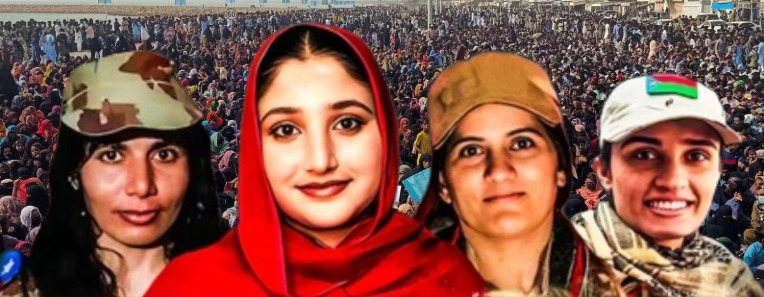
The Balochistan Liberation Army (BLA) launched what analysts describe as its most expansive operation in decades on January 30, with its fighters attacking military and government installations at nearly 48 locations across 14 cities, including the provincial capital, Quetta. For almost a week, the Pakistan Army struggled to regain control, even as it declared its “clearance operations” had concluded on February 5, while local media reports stated that BLA fighters continued to maintain control over several arterial roads. While the scale and intensity of the attack red-faced Pakistan’s intelligence and security grid, the most consequential shift was not tactical but social, with women visible on the front lines, carrying rifles, addressing cameras and, in several cases, conducting suicide attacks. Their presence signals a transformation of the Baloch insurgency from a predominantly male guerrilla movement into a broader societal revolt. The BLA has identified three of the four suicide attackers as women. They include 24-year-old Asifa Mengal, who struck the Counter Terrorism Department (which functions as ISI’s field offices) headquarters in Noshki; 21-year-old Hawa Baloch alias Dorshum, who targeted security forces in Gwadar; and 60-year-old Hatam Naz Sumalani alias Gul Bibi. In video footage released by the group’s media wing, Hakkal, Ghazi Dur Jan Baloch, described as a commando of its Fateh Squad, is shown speaking calmly from a battlefield before being extracted after three days of fighting on the frontline. In another widely circulating video clip, 29-year-old Yasma Baloch alias Zarina is seen sitting beside her husband, a combatant in Pasni, shortly before both were killed, as per another media release by the group. While Baloch women have participated in nationalist politics before, it was never so openly in insurgency combat roles, even though a few suicide attacks have been carried out by women in recent years. For many observers, this marks the “mainstreaming” of the insurgency, evidencing that the conflict has penetrated the intimate core of Baloch society, where mothers, daughters and grandmothers are no longer only mourners of the disappeared but are becoming fighters themselves. It is true that armed movements across the world have often relied on women, from the Tamil Tigers in Sri Lanka to Kurdish militias in Syria. Scholars have noted that when women cross the threshold from support roles to direct violence, it usually indicates two things. Firstly, it shows the widening base of legitimacy of armed insurgency for a political cause and, secondly, and more importantly, it highlights the closure of non-violent avenues to voice grievances. In the case of Balochistan, both of these conditions are present. Pakistan’s decades of militarised governance in the region have eroded traditional spaces of dissent, with much of its popular leadership humiliated by the country’s elite class, as was done with Akhter Mengal in 2024. The province, which was annexed by Pakistan in 1948 after a brief period of contested independence, has experienced repeated waves of insurgency in the 1950s, 1960s and 1970s, and again since the early 2000s, with the Pakistani state using heavy-handed counterinsurgency. Moreover, even as political institutions exist in Balochistan, they function largely as extensions of the security establishment, with the Quetta cantonment commander seen as more powerful than the elected chief minister of the province. Balochistan is Pakistan’s largest province, yet its poorest. It sits atop vast reserves of gas, copper and gold, but local communities see little benefit, as most of these resources are used by the Punjab-centric politico-military elite to fuel the development of Punjab and Punjabis. Pakistan has further allowed China to undertake mega resource-extraction projects under the China-Pakistan Economic Corridor (CPEC), thereby deepening resentment and bringing further militarisation without any dividend for locals. Pakistan’s government has also auctioned provincial resources to US President Donald Trump to seek military incentives as it hedges between Washington and Beijing. While the state narrative frames the insurgency as the work of a few extremists, the ground reality presents a far more complicated picture. The current wave of rebellion, which is the longest phase of the Baloch insurgency, began in the early 2000s after the killing of nationalist leader Nawab Akbar Bugti by the Pakistan Army. Since then, groups such as the BLA have steadily expanded recruitment, drawing not only from tribal fighters but also from urban youth and educated professionals, thereby helping it sustain and grow despite multiple campaigns by the Pakistan Army. The latest attack by the BLA, described as Operation Hurof 2, reflects this evolution. In its earlier iteration, BLA fighters demonstrated sophisticated coordination by hijacking a train carrying off-duty soldiers in the remote Bolan region last year, an operation that lasted more than two days, during which the Pakistan Army suffered dozens of casualties. The January 30 attack went further and revealed an organisation capable of simultaneous urban warfare across half the province. Women’s participation fits this trajectory, with their entry into the battlefield carrying more than symbolic weight. In conservative Baloch culture, where women are often viewed as custodians of honour and continuity, their willingness to leave their homes to take up arms, and their readiness to kill and die, communicates that the conflict has moved beyond factional militancy into a collective grievance. Families that once discouraged sons from joining now watch daughters volunteer. For Islamabad, this signifies that the very social contract of Pakistan has collapsed in Balochistan. A state usually claims moral agency to present itself as the protector of its people, but in Balochistan that bond appears to have long frayed. Here, leaders are widely viewed as appointees of the security apparatus, and elections as an engineered spectacle. The closure of civic space for voicing grievances in the region is central to understanding why women now pick up guns. When the Baloch Yakjehti Committee (BYC) organised long marches seeking accountability for the Pakistan Army’s conduct and the whereabouts of over 8,000 forcibly disappeared people in the province, it was banned, with many of its prominent leaders, including Dr Mahrang Baloch, imprisoned. Therefore, the mothers and daughters who once sat outside press clubs holding photographs of their

India-Bangladesh relationship has witnessed historic low since the 2024 July Uprising, a downward trend that is still continuing. With an uprising that forced Sheikh Hasina to flee Bangladesh, New Delhi woke up to a surprising wave of anti-India sentiments in its neighbourhood. The resurgence of Islamists and attacks on minorities, in addition to the country’s social and cultural spaces, confirmed the main force behind such sentiments. The interim government under Muhammad Yunus took little time to gear Bangladesh’s geopolitical shift away from India and towards Pakistan in name of ‘recalibration’. There was no doubt that the Islamists forces penetrated the present interim administration, prolonging the diplomatic lows between the two countries. For every domestic unrest engulfing Bangladesh, the interim government blamed India for ‘harbouring anti-state activities.’ New Delhi’s concerns regarding the increasing atrocities on minorities have been repeatedly dismissed as ‘Indian propaganda’, despite international and Bangladesh’s rights organisations reiterating the same. The prolonged winter in bilateral relations hit its lowest in December when Inqilab Mancha (an anti-India Islamist-led youth platform) leader Osman Hadi was assassinated, leading to a quick blame game. without any evidence. The month witnessed Islamist extremists attacking Bangladesh’s significant cultural centers, as well as two of the most prominent media outlets, alleging them to be ‘pro India’. The radical mob also organised protest marches outside Indian High Commission in Dhaka and assistant commissions in Rajshahi, Khulna, Sylhet and Chattogram, with the intention of launching similar violent attacks. Indian commissions’ security in Bangladesh, is compromised, which explains its recent decision to recall family members and dependents of Indian diplomats from the country as a precautionary measure, days before the 13th national election. The Islamist extremist’s onslaught on media freedom and cultural platform coincided with another horrifying incident — the lynching of a Hindu garment worker Dipu Das, a lynching justified for Das’s alleged ‘blasphemous’ remarks and cheered and celebrated by onlookers as his naked corpse hung from a tree was burnt in public. Perhaps this was a signaling to New Delhi, of Bangladesh’s own fate of minority Hindus shielded behind the curtain of ‘non-communal’ framing. This incident prompted India summoning Bangladesh envoy, and for Bangladesh’s tit-for-tat summons. A nasty political atmosphere brewing anti-India hatred also led India to temporarily suspend its visa operations at Visa Application Centers in Bangladesh, a move also reciprocated by Bangladesh with respect to its missions in India. Amidst this, New Delhi displayed its goodwill gesture and calibrated diplomatic protocol when India’s External Affairs Minister visited Dhaka to attend the funeral of Bangladesh Nationalist Party (BNP) chief Begum Khaleda Zia. Many in Bangladesh perceived this as a positive and stabilising reset of bilateral relations, a forward-looking direction before Bangladesh is to face the 13th national election in February. Then came the cricket fiasco early January. The Board of Control of Cricket in India (BCCI)’s direction to Indian Premier League (IPL) team Kolkata Knight Riders (KKR) to release (the only) Bangladeshi pacer Mustafizur Rahman (auctioned for $1 million) from its 2026 squad, believed to be in line with recent developments in Bangladesh (no official reason cited) did not bode well with Bangladesh, that reciprocated with the decision to not broadcast IPL matches. Just a day after BCCI’s direction to release Rahman,Bangladesh abruptly raised ‘security concerns’ for its players to play in India and asked the International Cricket Council (ICC) to relocate its T20 World Cup matches to a ‘neutral’ venue such as Sri Lanka. However, after repeated assessments, the ICC rejected such a request, citing lack of any credible security threats for Bangladeshi players, officials or fans and noted that such a sudden change would compromise ICC’s integrity. Following weeks of discussion, ICC gave Bangladesh a 24-hour time on January 23 to communicate its final decision. It should be noted that of all board members present in this, Pakistan Cricket Board (PCB) was the only full-time member that expressed support for Bangladesh’s decision. In a formal letter sent before the ICC board meeting, Pakistan even assured Bangladesh to host its matches in Pakistan. PCB also threatened to boycott the T20 World Cup in apparent solidarity with Bangladesh to protest ICC’s refusal for venue shift request. However, Pakistan Cricket Board (PCB) chief announced its final decision to be conveyed by January 30 or February 2. Meanwhile, Bangladesh gave no response within the 24 hours stipulated time, indicating its decision to not participate in the T20 World Cup, leaving way for Scotland to officially replace the country on January 24. This brings into question: why Bangladesh, despite assurances of no security threat by ICC, refused to change its decision? One obvious development in this fiasco points towards Pakistan — the only one to back Bangladesh. It is believed that Pakistan’s influence has led to BCB taking such a hardline stance. PCB argued for its own agreement with BCCI last year to play ICC matches at a neutral venue until 2027. However, one cannot draw parallels as India has not shown any signs of animosity towards neighbouring Bangladesh, although the same cannot be said for the latter. Neither has Dhaka raised security concerns with the ICC before BCCI’s decision to withdraw the only Bangladeshi player from playing in the IPL, leaving little doubt that ‘security concerns’ are mere reciprocal actions. While one can debate on whether this was the right move on New Delhi’s part, the fact remains that India’s soil does not pose a security threat for Bangladesh. Rather, India has been a consistent support and played a pivotal role in building Bangladesh cricket. BCCI’s role, especially in the 1990s, in hosting Bangladesh, providing training and infrastructural support to Bangladesh cricket via regular matches paved the way for its exposure and global recognition in the ICC. BCCI aided Bangladesh’s entry into the ODI World Cup in 1999, leveraging the Asian bloc in cricket. Former BCCI chief Jagmohan Dalmiya’s tenure as ICC President had also been instrumental behind Bangladesh being granted a full-time membership and Test status in June 2000, overcoming skepticism of Australia and South Africa
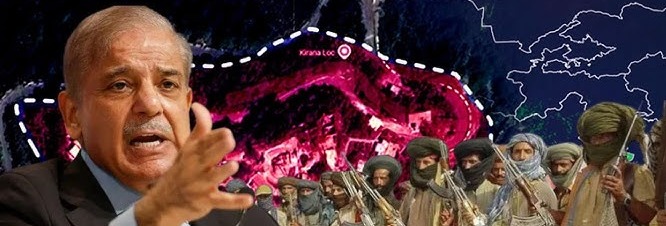
It is barely a month into 2026 and Pakistan, it appears, is already sliding toward a grim year ahead. In just the first month, there have been nearly a hundred security forces casualties, including a lieutenant colonel targeted while traveling in a private vehicle on January 28, besides dozens of civilians. If this trend holds which look highly likely given increasing strength of ethnonationalist insurgency in Balochistan and Islamist militancy in Khyber Pakhtunkhwa, it could turn into the deadliest years for Pakistan Army led security forces in the country. On Jan.31, Balochistan Liberation Army (BLA) launched coordinated assaults across as many as fourteen cities in Balochistan. Labelled as Operation Herof 2.0, hundreds of BLA fighters struck military and provincial government installations from provincial capital Quetta to port city Gwadar, from Turbat to Panjgur, demonstrating a level of planning and reach that Pakistan’s security planners have long insisted was impossible. While the BLA claimed 84 security officials killed and 18 taken hostage, Pakistan Army’s DG-ISPR acknowledged the death of 17 soldiers and 31 civilians while claiming to have killed 177 BLA fighters. It has been over four days and it appear BLA seems to have entrenched its control over many areas across the cities, particularly Noshki, with Pakistan Army struggling to remove the fighters despite using indiscriminate force, including aerial attacks. The contestation over the casualties on either side aside, this latest attack demonstrates how the insurgency in Balochistan has evolved from a peripheral “irritant” into a strategic challenge capable of overrunning state facilities and humiliating Asim Munir led Pakistan Army in real time. But this was not an isolated outburst as independent monitors have recorded as many as 87 separate insurgency incidents in January alone. According to the Pakistan Institute of Conflict and Security Studies (PICSS), since General Asim Munir assumed command in November 2022, the army and its affiliated forces have lost 2,017 personnel, with a record 857 deaths in 2025, besides over 1100 civilian fatalities during the same period. These figures rival the darkest years of Pakistan’s counterinsurgency campaigns, yet they receive only fleeting acknowledgement in national discourse. But what distinguishes the military casualties is not merely their number but more importantly who is dying. According to the media reports about insurgent incidents in Balochistan and militant incidents in KP, the bulk of losses are borne by the Frontier Corps (FC) and the Levies, which are paramilitary formations recruited largely from Baloch, Pashtun, Sindhi and other non-Punjabi communities. It is these units that patrol the most dangerous terrain, man remote checkpoints and therefore become the first line of responders when insurgents and militants strike. On the other hand, the Punjabi soldiers, which dominate the officer corps and the central command structure, are far more insulated from direct combat. Such a division of risk is not accidental but reflects the very psychology of the Pakistani state. The military remains overwhelmingly Punjabi as demonstrated by its ethnic demographics which has 70 to 75 percent Punjabis, 14–20 percent Pashtun, 5–6 per cent Sindhi, and merely 3–4 Baloch. The officer class is even more skewed in favour of Punjab with Punjabi officers commanding Frontier Corps and Levies. While Baloch soldiers are ordered to fight Baloch insurgents and Pashtun recruits are sent to battle Pashtun militants, the arrangement guarantees local resentment. Under General Munir, this Punjabi dominated military establishment has acquired a political purpose of consolidating every lever of power of the state. Since his elevation in 2022, Pakistan has gradually transformed into military led hybrid rule through a carefully calibrated yet brazen constitutional gerrymandering which has rendered elected institutions largely irrelevant with real authority in the General Headquarters in Rawalpindi. As such, the Punjabi dominance within the army becomes the pillar of regime stability, while non-Punjabi paramilitaries serve as expendable shock absorbers for an unpopular security project. For decades, Pakistan’s military has portrayed itself as the sole glue holding a fractious nation together. But that has changed in the recent decades where military has transformed into a catalyst of insecurity by designing Islamabad’s imperial approach towards non-Punjabi provinces which sustains on coercion than consent. Nowhere is this more evident than in Balochistan. For decades the province has been treated through a colonial lens of resource extraction of gas and other mineral copper with little investment in its people. While political dissent is answered with enforced disappearances and economic demands are framed as treason, such policies have further alienated people and contributing to the cause of ethnonationalist groups. The BLA’s latest offensive not only demonstrated scale and intensity but also its social breadth with men and women fighting side by side, reportedly including a grandmother and a newly-wed couple. But for Pakistan, it is the state’s policies which have ensured that the cause of Baloch nationalist groups was no longer a fringe phenomenon but entrenched within the society. Likewise, Khyber Pakhtunkhwa tells a parallel story. Here, Pakistan’s proxy policy of terrorism as instruments of regional policy, particularly against Afghanistan and India, has unravelled as many of those groups, including many factions within Tehreek-e-Taliban Pakistan (TTP) have now turned inward. And despite repeated anti-militancy campaigns by the army, militant networks have reconstituted themselves with each case of military violence and emerging stronger. General Munir’s response has been to double down by expanding military courts, criminalising online dissent, and relying ever more on auxiliaries like the Frontier Corps and Levies. This strategy is less about defeating insurgency than managing it at tolerable cost which is however paid overwhelmingly by non-Punjabi bodies. On the other hand, Punjabi soldiers remain guardians of regime stability in Islamabad and Lahore. The contrast is visible: armoured calm in the centre, burning peripheries at the edges. History suggests that armies can survive defeats but what they cannot survive is a perception of injustice within their own ranks. Asim Munir led Punjabi military establishment of Pakistan Army continues outsourcing its dirtiest wars to non-Punjabi formations while reserving privilege for the Punjabi core. It is a recipe of sowing fractures that may one day reach Rawalpindi itself.
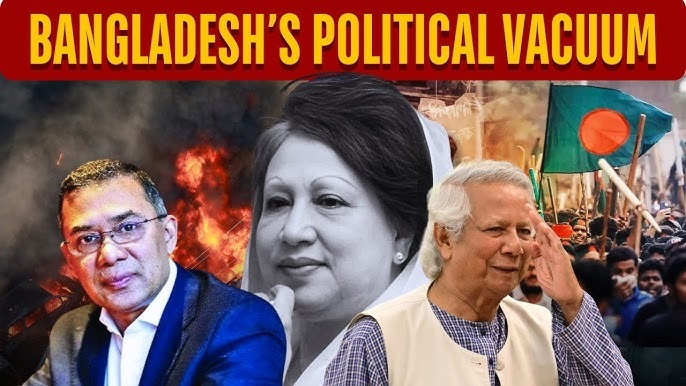
-Arun Anand On 12 February Bangladesh is to participate in its 13th national election. In the country’s history, this election stands as unique for many reasons—a) the first election held after July Uprising that deposed Sheikh Hasina’s rule on 5 August 2024, b) In a first, this national election is not seeing participation of the country’s largest party Awami League due to the ban on its party activities, c) It is also the first time that former political allies—Bangladesh Nationalist Party (BNP) and Jamaat-e-Islami (JeI) are contesting as opponents, d) the 11-party alliance led by Jamaat-e-Islami puts Islamist parties at the forefront of the electoral game, a huge boost to country’s Islamist politics. The election campaign for 13th national election launched on 22 January, with BNP yielding the highest number of candidates (288) and Jamaat the second (224) to compete in the country’s 300 constituencies. The resurgence of Islamists in Bangladesh owes much to the political vacuum left by Awami League after the July Uprising. The interim government aided Jamaat-e-Islami’s comeback in mainstream politics by lifting the ban, later enabling its restoration of party registration, allowing its re-entry in the electoral game after 2013. Moreover, the interim period witnessed many Islamists convicted for 1971 war crimes or terror activities after being acquitted of all charges, allowing their arrival in the political scenario once again. One of them is ATM Azharul Islam, now contesting from Rangpur-2 constituency as Jamaat candidate. Nevertheless, Jamaat-e-Islami attempted to rebrand itself as a progressive, moderate party that seeks to create an “Islamic welfare” state. The comeback of Islamist political parties in post-Hasina Bangladesh alongside witnessed the revival of Islamist extremism, making their loud presence in the country’s socio-cultural life. The steep rise in violence against religious and ethnic minority communities, rise in sexual violence, and mob attacks in cultural festivals should be seen as a byproduct of Islamists resurgence. Notwithstanding the fact that Islamists political parties occasionally displayed dissatisfaction over these developments and claims its distance from radicals, one cannot ignore that the Islamists—be it political parties or extremist factions—share the same ideological goals—to create an Islamic state in Bangladesh which would be based on Sharia-based law. These forces are essentially against the country’s state principles (one being secularism) enshrined in the 1972 Constitution and want to replace the present constitution with a new one which would follow Islamic principles instead of what they claim as ‘man-made laws.’ Undoubtedly, if these parties come to power, one would likely see a convergence of their goals being translated into violent actions. Bangladesh’s own history 1990s-mid 2000s testifies to this. In the mid 2025 the Islamist coalition started taking shape when five Quami- Madrasa-based registered Islamist parties—Bangladesh Khelafat Majlish, Jamiat-e-Ulema-e-Islam, Nezam-e-Islam Party, Khelafat Majlish and Islami Andolan—expressed interest on an electoral compromise by filing a single candidate in the national election. At this stage, Jamaat attempted to forge a unity with this alliance, but it was kept out because of unity’s initial hesitation with Jamaat with respect to ideological differences as well as its controversial past. However, in September 2025 protest called by Islami Andolan, Khelafat Majlis and Jamaat-e-Islami, alignied on five key demands which includes July Charter referendum and trial of July atrocities and introducing proportional representation in both houses. This protest was referred as ‘moving closer to forming an alliance’. The alliance then expanded to eight ‘like-minded’ parties, this time including Jamaat-e-Islami and compromising of Islami Andolan Bangladesh, Bangladesh Khelafat Majlis, Khelafat Majlis, Nezame Islam Party, Bangladesh Khelafat Andolon, Bangladesh Development Party, and Jatiya Ganatantrik Party (JAGPA), declaring to contest 2026 election through a seat-sharing arrangement. Following the official Jamaat-led coalition, Jamaat-e-Islami, resorted to aggressive historical revisionism in their speeches on the occasion on Intellectuals Martyrs Day, calling ‘India’s conspiracy’ behind the murder of intellectuals and blaming ‘Delhi loyalists’ shaping the present narrative on Liberation War. Jamaat leaders also remarked on all government institutions to be governed only by ‘Allah’s law’, promising that if they come to power, no other man-made laws would be able to operate in the country. Indeed, the rebranding as a tolerant, moderate party was just an electoral gimmick to enter this coalition. In December, Islamist-led alliance further expanded when National Citizen’s Party, Liberal Democratic Party and Amar Bangladesh and joined to form an 11-patry alliance. These parties earlier that month formed a separate alliance known as Democratic Reform Alliance, posing itself as an alternative to ‘old-style politics’ of Jamaat and the BNP. The change in decision was justified by NCP as ‘changed political landscape’ and not an ‘ideological alliance’. Nevertheless, NCP’s joining of Jamaat-led alliance proved heavy for the apparent ‘revolutionary’ party, as nearly 30 members of NCP, issued a joint letter to the party convenor, opposing this move, questioning the party’s ‘democratic ethics.’ About 16 NCP members, including 13 central leaders of the party (and 16 in total), resigned from NCP, despite efforts at reconciling. The student-led political party is now openly admitting that its sole aim is to win the upcoming election, a tight slap to those who joined the party thinking of forming ‘New Bangladesh’. The alliance’s seat-sharing was announced at a press briefing on 16 January. Jamaat announced allocations for 253 constituencies, with Jamaat contesting for 179 seats, NCP 30, Mamunul Haque-led Bangladesh Khelafat Majlish 20, Khelafat Majlish 10, Liberal Democratic Party seven, AB Party three, and Nizame Islami Party and Bangladesh Development Party two seats each. Islami Andolan, believed to have been allocated 47 seats, however, boycotted the briefing. Amidst this, Islami Andolan’s party spokesperson claimed that Jamaat is taking all decisions unilaterally and authoritatively, leading to mistrust and divisions within the alliance. Soon after, Islami Andolan officially left led Jamaat-led 11-party alliance and stated to file independently in 268 constituencies, and expressed to support candidates aligning with its party ideals for the remaining 32 constituencies. The party also extended its support for Khelafat Majlis’s chief Mamunul Haque, announcing withdrawal of two seats where Haque is contesting, ‘out of respect and his contributions to Islamic politics’. After leaving the alliance, Islami Andolan chief accused Jamaat of ‘using religion (Islam) to pursue conspiratorial political goals’ and even criticised its secret dealings with Washington. The same accusation has also been raised by Jamaat’s main contender Bangladesh Nationalist Party. The secret dealing refereed here is the recent Washington
Pakistan is a state whose economy is fragile and dependent on International Monetary Fund (IMF) funds. It survives on repeated bailouts, emergency loans, and financial lifelines from friendly nations. Saudi Arabia has stepped in more than once to keep Islamabad afloat. China has long been presented as Pakistan’s “all weather friend” and economic backbone, though many now describe that relationship less as partnership and more as a debt trap. Yet in spite of all this dependency, Pakistan wants the world to believe a different story. It wants to appear economically strong, militarily confident, and financially independent. What Pakistan is doing today is not economic reform. It is rhetoric. It is showing the outside world that it is signing defence deals, selling aircraft, and exporting weapons, trying to prove that its economy is steady and its future secure. But this is an image, not a reality. The strength being displayed is performative. The weakness is simply hidden behind uniforms, fighter jets, and loud announcements. Pakistan is not fixing its economy. It is disguising its vulnerability with military symbolism. The louder Pakistan speaks about defence exports, the quieter it becomes about its real economy. Inflation, unemployment, energy shortages, and debt dominate the lives of ordinary people, yet these issues vanish from official speeches. Instead, fighter jets and arms deals take centre stage. When Pakistani leaders claim that arms exports could replace IMF assistance, it sounds inspiring. But inspiration does not pay debts. A few billion dollars in defence contracts cannot rescue an economy that bleeds far more every year through mismanagement and corruption.These statements are not financial strategies. They are emotional distractions. For a struggling population, this messaging is powerful. It tells them: we are not weak, we are respected, the world is buying from us. It is national pride used as economic anesthesia. The pain is real, but the narrative numbs it. The arms industry becomes a showcase, not because it is saving Pakistan, but because it is one of the few areas where Pakistan can still claim competence. And so, it is inflated, glorified, and sold as proof of national revival. The JF-17 fighter jet has become the symbol of Pakistan’s supposed rise. It is constantly described as “combat-proven” and “battle-tested,” especially in relation to India. But the aircraft itself is not extraordinary. It is affordable, basic, and politically convenient. Its value lies in accessibility, not superiority. Yet Pakistan markets it as if it were a technological triumph. Conflict is used as certification. War is turned into advertising. The message is simple: we fight, therefore we are strong. This logic is dangerous and dishonest. It transforms instability into pride and tension into marketing. It ignores the aircraft’s limitations, past safety concerns, and modest capabilities. But in Pakistan’s narrative, facts matter less than perception. The jet is no longer just a machine. It is a storytelling tool. It allows Pakistan to say: We are not just borrowers. We are sellers. We are not desperate. We are capable. The tragedy is that this confidence exists mostly in speeches. Look at where Pakistan is selling its weapons. Libya. Sudan. Regions torn apart by civil war and instability. These are not healthy markets. They are survival markets. Pakistan is not exporting to strong economies. It is exporting to broken states. This reveals the real nature of its defence trade. It is not a mark of global trust. It is a sign of opportunism in chaos. Pakistan is positioning itself as a supplier to conflict, not stability. And then there is Bangladesh. Any military cooperation here is less about commerce and more about politics. It is aimed directly at India. It is meant to disturb regional equations and reopen old wounds. Even a small deal carries massive symbolic weight. Against India, Pakistan’s defence exports become a narrative weapon. Not a military one, but a psychological one. They are meant to say: we still matter, we still challenge, we still shape the region. The problem is that symbolism is replacing substance. In Pakistan, only one institution truly thrives: the army. It is the strongest, richest, and most powerful organization in the country. Defence exports do not uplift the people. They strengthen the military’s grip on the economy and politics. Factories, real estate, business empires, and now arms exports all sit within the military’s shadow. The army prospers while civilians struggle. Soldiers are celebrated while workers search for bread. Jets are showcased while hospitals crumble. This is not national development. It is institutional enrichment. Pakistan’s arms-export story is less about economic independence and more about military dominance over national narrative. The country’s future is being narrated through the language of weapons, not welfare. Pakistan wants to look powerful. It wants to be feared, respected, and acknowledged. But power without stability is just performance. Selling weapons while begging for loans is contradiction dressed as confidence. The IMF keeps Pakistan alive. Saudi Arabia keeps it solvent. China keeps it afloat. And the army keeps it loud. This is not sovereignty. It is dependency with better branding. The world is not witnessing Pakistan’s economic breakthrough. It is witnessing Pakistan’s rhetorical survival strategy. When reform is too difficult, image becomes the alternative. When prosperity is unreachable, pride becomes the substitute. Pakistan is not exporting recovery. It is exporting reassurance. Pakistan has always shown the world that it is strong, disciplined, and unbreakable. But behind that image, its people struggle with poverty, inflation, and hopelessness. The economy remains wounded and dependent, while only the army grows richer and more powerful. Fighter jets rise into the sky, but ordinary Pakistanis remain grounded in hardship. The nation looks powerful from the outside, but inside, its strength is uneven, fragile, and painfully selective.
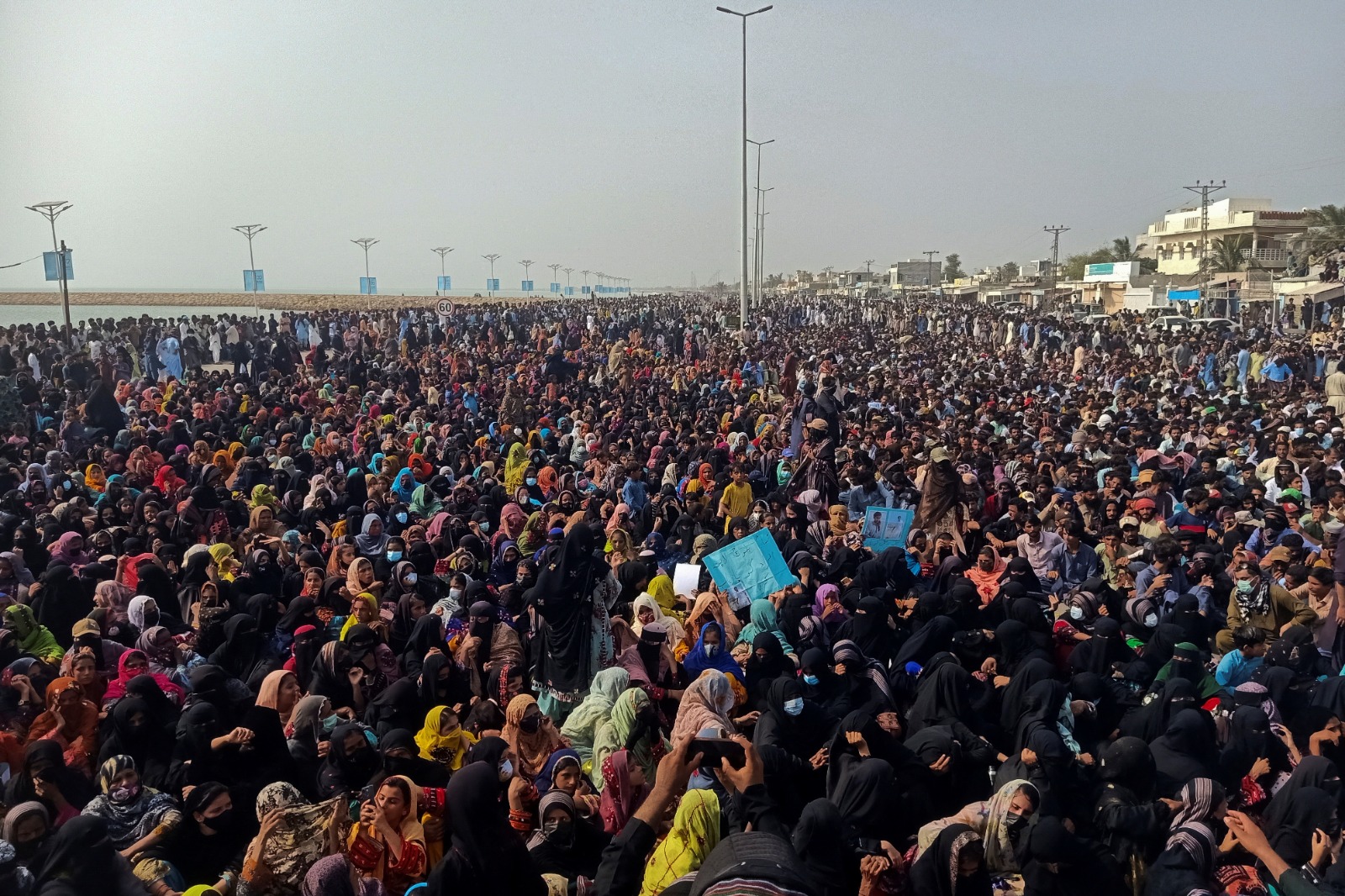
-Arun Anand On 31 January 2026, the recent coordinated attacks claimed by the Baloch Liberation Army (BLA) marked a significant escalation in the long-running insurgency in Pakistan’s Balochistan province. For the first time, coordinated operations were carried out simultaneously across twelve cities, including Quetta, Gwadar, Mastung, Noshki, Dalbandin, Kalat, Kharan, Panjgur, Pasni, Turbat, Buleda, and Kech. Both men and women actively participated—not merely as suicide bombers, but as combatants—reflecting the depth of desperation and grievances among Baloch communities. The BLA announced the launch of “Operation Herof Phase II” at the outset of the attacks, framing the coordinated assaults as part of a planned campaign targeting Pakistani security posts and Chinese infrastructure. In its statement, the group said: “We carried out coordinated attacks across multiple cities in Balochistan, striking military, police, intelligence, and administrative installations. We neutralised over 80 enemy personnel, took 18 hostages, and destroyed more than 30 government properties. Our fighters, including members of the Majeed Brigade, advanced across various areas with mutual coordination, temporarily restricting the movement of Pakistani forces.” Independent reports suggest total fatalities, including militants, security personnel, and civilians, may exceed 125, highlighting the intensity of the operations. The attacks caused disruptions to roads, transport, and internet and mobile services in affected areas. Balochistan’s long struggle and Pakistan’s narrative Almost immediately after the attacks, Pakistan once again blamed India, claiming that the violence was orchestrated and supported by foreign actors. Officials, including the military and Interior Minister Mohsin Naqvi, alleged that the attackers were guided, funded, and strategically directed from outside Pakistan, framing the operations as part of a broader plan by India to destabilise Balochistan. Pakistan strategically even refers to the militants as “Fitna‑al‑Hindustan” in state narratives, presenting the attacks as externally driven. India, however, categorically rejected Pakistan’s claims, calling them “baseless” and “frivolous.” A spokesperson from the Indian Ministry of External Affairs, Randhir Jaiswal, stated: “Instead of parroting frivolous claims, Pakistan should focus on its own internal failings and address the longstanding local issues in Balochistan. Allegations against India are baseless and lack any credible evidence. The insurgency in Balochistan is rooted in Pakistan’s internal governance and human rights issues, not external involvement.” This response underlines that Pakistan’s habitual blame-shifting does not address the real grievances at the heart of the insurgency, and merely masks the structural and historical issues within the province. Balochistan derives its name from the Baloch tribe—the largest ethnic group in the region. The Baloch insurgency has a long history, dating back to the very creation of Pakistan in 1948, and has seen successive cycles of resistance over decades. Resistance against the Pakistani state began soon after the incorporation of the princely state of Kalat, and successive cycles of insurgency have occurred in 1948, 1958–59, 1962–63, 1973–77, and from the early 2000s to the present. To attribute a struggle with such continuity solely to external actors is to overlook the deeply local and historically entrenched grievances. The conflict has been sustained by systemic issues: political marginalisation, economic exploitation, demographic anxieties, and widespread human rights violations. Reports document enforced disappearances, extrajudicial killings, arbitrary detentions, and military operations by security forces. Numerous human rights organisations have documented these abuses over decades, highlighting the systemic nature of oppression in Balochistan. Local and regional bodies such as the Human Rights Council of Balochistan (HRCB), Voice for Baloch Missing Persons (VBMP), the Baloch Yakjehti Committee (BYC), and activists like Gulzar Dost have recorded enforced disappearances, extrajudicial killings, and violations of basic civil liberties. National bodies like the Human Rights Commission of Pakistan (HRCP) and international organisations such as Human Rights Watch (HRW) have also reported widespread violations, drawing attention to patterns of abuse, militarisation, and lack of accountability. Additionally, UN human rights mechanisms have expressed concern over disappearances, repression, and human rights infringements, calling on Pakistan to address these longstanding issues. These abuses, combined with limited access to education, healthcare, and basic infrastructure, have fueled resentment and radicalisation. The growing involvement of women in the insurgency is particularly telling. Traditionally, women in conflict zones rarely take up arms unless social collapse and state oppression reach extreme levels. Many Baloch women have joined militant movements not out of ideology, but in response to personal loss, including the disappearance or killing of family members. This underscores the severity of state brutality and the absence of peaceful avenues for redress. Economic exclusion and unrest Balochistan occupies nearly 44 per cent of Pakistan’s territory and is rich in minerals, natural gas, coal, copper, gold, and strategic ports such as Gwadar. Despite this wealth, the province remains Pakistan’s poorest, with insufficient roads, hospitals, schools, electricity, and employment opportunities. Most benefits from the region’s resources flow to Punjab and the federal centre, leaving Balochistan politically and economically marginalised. This structural imbalance lies at the heart of the insurgency. The BLA’s focus on Chinese infrastructure, particularly Gwadar port under the China–Pakistan Economic Corridor (CPEC), highlights local resentment against projects seen as extractive and non-inclusive. For many Baloch communities, CPEC and Gwadar are symbols of dispossession rather than development. While these projects bring heavy investment and modern infrastructure, locals report that basic needs like clean water, healthcare, education, and jobs remain largely unmet, and skilled roles are frequently given to outsiders. Coastal communities, particularly fishermen in Gwadar, feel their livelihoods have been disrupted by large-scale projects, Chinese trawlers, and strict regulations, deepening the sense of exclusion. The region has also seen increased militarisation, with checkpoints, surveillance, and restrictions on movement, creating an atmosphere of control rather than empowerment. In the eyes of many Baloch, CPEC benefits outsiders and central authorities while ignoring the real needs of the local population, fueling political grievances and, in some cases, militant resistance. Pakistan’s habitual blaming of India for every major incident is counterproductive. Even if external actors were hypothetically involved, no foreign power could sustain an insurgency for over seven decades without internal grievances. The term “Fitna-ul-Hindustan” may serve short-term political narratives, but it obscures structural and historical realities, allowing problems to fester rather than be resolved. Balochistan does not require more troops or scapegoating. What it urgently needs is political accommodation, through meaningful autonomy and inclusive dialogue, along with
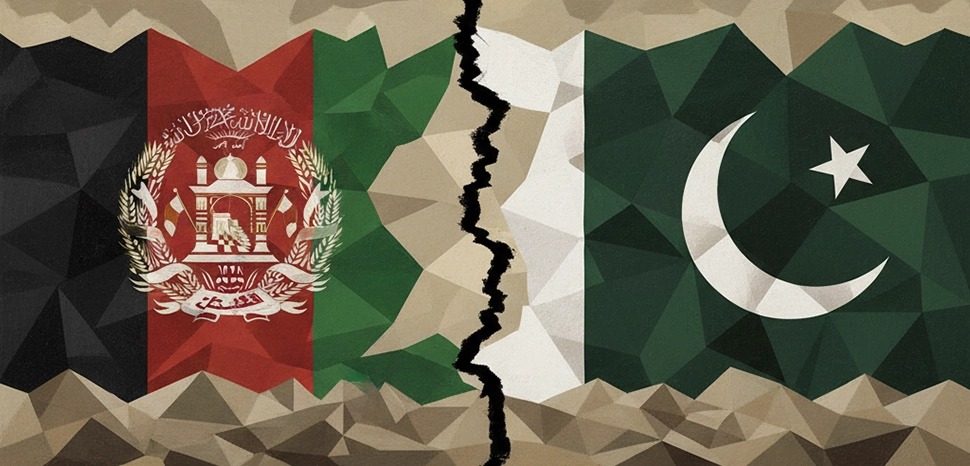
-Arun Anand For decades, Pakistan has insisted that stability in Afghanistan is essential for its own security. Yet today, Islamabad is pursuing a policy that does exactly the opposite by strangling Afghanistan’s fragile economy. The objective is to ‘coerce’ the Afghan Taliban government into submission. The prolonged closure of key border crossings along the Durand Line, including Torkham between Khyber Pakhtunkhwa and Nangarhar and Chaman-Spin Boldak between Balochistan and Kandahar, has turned geography into a weapon. It is a classic case of Pakistan weaponising Afghanistan’s landlocked reality in order to force political compliance through economic suffocation. Border Closures as Economic Warfare For more than four months since October 2025 heavy military clashes, these border crossings have remained shut. The informal cross-border trade that has been a feature of Afghanistan-Pakistan relations since decades. Millions of Afghans depend on this for daily survival. With the daily movement of essentials like food, medicine, fuel, and construction materials effectively stopped, Afghans face a severe crisis as Afghanistan used to export much of its agriculture and horticulture produce besides coal to the Pakistani market. The cross-border trade between the two countries saw a 40 per cent decline in 2025 from 2024, down from over $2.64 billion to $1.77 billion. For a landlocked country already reeling from international sanctions, frozen assets, and humanitarian crisis, the impact has been more than severe. And Pakistan knows this, which is precisely what gives its policy a coercive power. Islamabad has justified the border closure by accusing the Afghan Taliban of sheltering terrorist groups such as Tehreek-e-Taliban Pakistan (TTP), besides enabling attacks by Baloch insurgents like the Balochistan Liberation Army (BLA). On January 20, Prime Minister Shehbaz Sharif repeated this familiar refrain, insisting that while the blockade “should not have been there”, and yet warning that Afghanistan must decide “whether it wants to live peacefully or not”. But this rhetoric serves as a smokescreen. While the struggle with militancy is real and deeply destabilising for Pakistan, the current crisis cannot be explained solely or even primarily by security concerns. From ‘Strategic Depth’ to Strategic Frustration Instead, it reflects a deeper failure of Islamabad’s Afghan policy, one that has left Pakistan’s military-dominated establishment frustrated, exposed, and resorting to blunt instruments to regain leverage over Kabul. It may be recalled that when the Taliban returned to power in August 2021, Pakistan’s political and military establishment celebrated openly. The American withdrawal and the collapse of the Western-backed Afghan government were hailed as a vindication of decades of strategic investment. Senior generals spoke of “strategic depth” finally being secured, with then Director General of Inter-Services Intelligence (ISI) famously sipping coffee in Kabul the next day. There was a kind of confidence among Pakistani experts and establishment figures that finally a pliant Kabul would align closely with Islamabad’s regional priorities. The expectations were sweeping. A Taliban-ruled Afghanistan, it was believed, would deny India any influence in the country besides erasing New Delhi’s soft-power gains built through billions of dollars in infrastructure, education, and development projects. It would accept, or at least stop contesting, the legitimacy of the Durand Line, a colonial-era boundary that cuts through Pashtun lands and has never been formally recognised by any Afghan government, including Taliban in its previous rule from 1996 to 2001. And most importantly, the expectation from the Taliban government was to rein in anti-Pakistan terrorist groups like TTP operating along its porous frontier. None of this has materialised. Instead, Pakistani leadership now finds itself facing an Afghan Taliban leadership that is assertive and nationalist as well as far less malleable than they had anticipated. Taliban officials speak openly of Afghan sovereignty and have pushed back the Pakistani pressure. They have raised the pitch over the legitimacy of Durand Line hence continuing a long-standing Afghan position that cuts across ideological lines. The result of Pakistani stubbornness means that their relations have grown increasingly tense as marked by border skirmishes, diplomatic barbs, and mutual accusations. Security Rhetoric and Failing Coercive Strategy The resurgence of the TTP has been particularly exasperating for Islamabad. Since the Taliban’s return to power in 2021, the group has grown bolder and launched multiple attacks across Pakistan’s northwest. For instance, 667 Pakistani soldiers were killed in 2025 alone as per a report by Pakistan Institute of Conflict and Security Studies (PICSS), up by 26 per cent from 2024. Likewise, Baloch insurgent violence has also intensified, which has fed a sense of encirclement within Pakistan’s security establishment. Interestingly, rather than addressing the domestic roots of these insurgencies prevalent across KP and Balochistan, such as political exclusion, economic neglect, and heavy-handed military policies, Islamabad has chosen to externalise blame, pointing squarely at Kabul. This is where the accusation that the Afghan Taliban are “backing” the TTP and BLA becomes politically useful for Pakistan. It allows the establishment to escape any calls for accountability over the serious security debacles and present its coercive measures against Afghanistan as defensive. The tactic of Pakistan leveraging Afghan geography to achieve what its diplomacy has failed to deliver fits a broader pattern of attempts to salvage its failed Afghan strategy. After having overestimated its influence over the Afghan Taliban, its military-dominated establishment now oscillates between coercion and complaint. The mass deportation of hundreds of thousands of Afghan refugees over the past few years is part of the same effort. Though they have framed this measure through legal and security cover, the expulsions have nonetheless added to Afghanistan’s humanitarian burden while signalling Pakistan’s willingness to use vulnerable populations as leverage. The irony is hard to miss as Pakistan’s leaders insist that instability in Afghanistan threatens regional peace and yet their policies actively deepen that instability. They are willingly overlooking the fact that economic strangulation does not produce compliance and restore lost influence; rather, it breeds resentment and exposes the limits of such a policy. Nevertheless, Pakistan’s attempt to weaponise Afghanistan’s landlocked status reveals less about Taliban culpability than about Islamabad’s strategic frustration as their grand vision of a compliant, controllable Afghanistan has
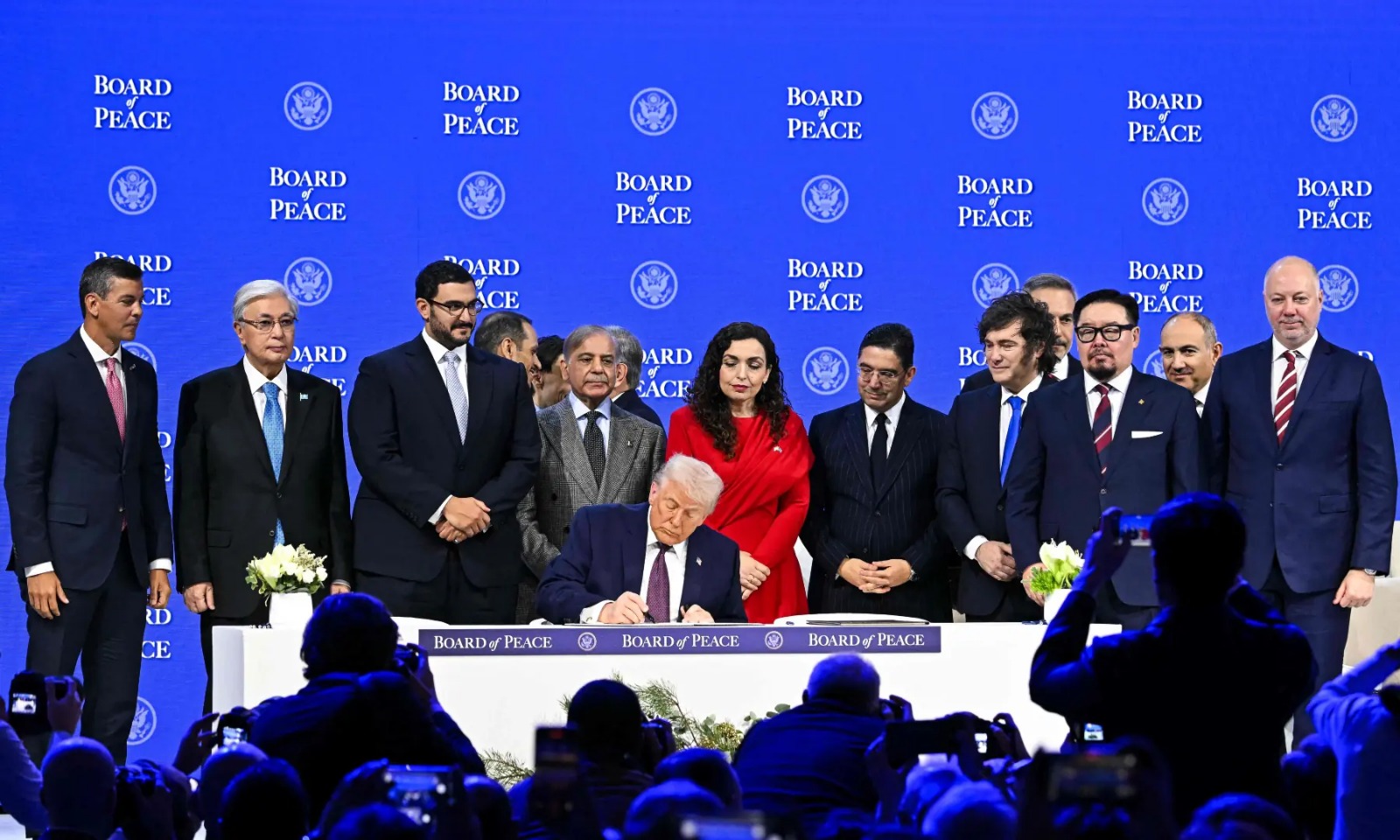
-Arun Anand The irony of being Pakistan is that it had to pay one billion US dollars for Donald Trump’s Board of Peace seat while it seeks 2.2 billion US dollars in UAE aid. Pakistan is reeling under impoverishment, yet it spends like a country swimming in surplus. It is as if the nation is borrowing oxygen while promising to plant forests abroad. That single contradiction captures the state of affairs in Pakistan today. It is not anger alone, and it is not confusion alone. It is disbelief mixed with exhaustion. How does a country negotiating loan rollovers, begging for IMF relief, and struggling to keep its foreign reserves afloat suddenly find room for billion-dollar diplomacy? How does a state that asks its people to tighten their belts behave as though its own belt has no limits? The handout photograph from the Pakistan Military Academy at Kakul tells a different story. Prime Minister Shehbaz Sharif stands beside Field Marshal Asim Munir, watching young cadets march in perfect rhythm. Their boots strike the ground with discipline, their posture straight, their future seemingly secure. The image is meant to convey strength, order, and control. It is meant to say the state is steady and confident. But outside that parade ground, Pakistan feels anything but steady. It feels fragile. It feels tired. And tired nations cannot afford grand performances. Pakistan’s external debt has crossed 125 billion dollars. More than half of the government’s annual revenue now goes into servicing loans. In 2024 alone, the country paid over 24 billion dollars just to keep creditors satisfied. That amount is larger than what Pakistan spends on education and health combined. Foreign reserves hover between 8 and 10 billion dollars, barely enough to cover two months of imports. This is not financial comfort. This is emergency breathing space. This is a nation living month to month, negotiating survival in instalments. At the same time, Pakistan remains tied to a 7-billion-dollar IMF program that dictates its electricity prices, fuel costs, and fiscal discipline. Interest rates are still painfully high, close to 20 percent, choking businesses and discouraging investment. Electricity tariffs are among the highest in South Asia, forcing families to choose between cooling their homes and feeding their children. Fuel prices shape food inflation, and food inflation shapes despair. Development spending continues to shrink, not because it is unnecessary, but because debt leaves little room for growth. And yet, in the middle of this financial suffocation, Pakistan has found roughly one billion dollars to become a permanent member of US President Donald Trump’s newly formed “Board of Peace,” a diplomatic initiative aimed at advancing a lasting ceasefire and reconstruction in Gaza. For oil-rich nations and financially stable economies, a billion dollars is a strategic investment. For Pakistan, it is borrowed confidence. It is a promise made on credit. The government presents this as moral leadership. It says Pakistan is standing with Gaza and asserting its diplomatic relevance. Morally, the intention is difficult to oppose. Pakistan has always supported the Palestinian cause, and public sentiment overwhelmingly favors justice and peace for Gaza. But morality without economic realism becomes dangerous. A country drowning in debt cannot pretend to be a lifeboat for the world. Compassion does not disappear when finances are tight, but responsibility must grow sharper. This is where the contradiction becomes painfully human. Over forty percent of Pakistan’s population now lives near or below the poverty line. International estimates show that more than twelve million Pakistanis slipped into poverty during recent inflation shocks. Food inflation once crossed forty-five percent, and although official numbers show moderation, market prices remain stubbornly high. Ask any household, and they will tell you that groceries still cost more than they can comfortably afford. Cooking oil, flour, rice, pulses, and vegetables have all become careful calculations rather than casual purchases. Electricity bills now swallow entire salaries. Gas shortages in winter push families back to burning wood and coal. Healthcare costs delay treatment, turning small illnesses into lifelong burdens. Education expenses force parents to choose which child can continue studying and which must stay home. Youth unemployment remains underreported, and graduates increasingly view migration as the only exit from economic suffocation. This is not laziness. This is survival instinct. Child malnutrition remains alarmingly high, hovering near thirty-eight percent. Millions of children remain out of school. Clean drinking water remains inaccessible to tens of millions. These are not abstract figures. These are silent emergencies unfolding in homes where hope has become fragile. In this reality, a billion-dollar diplomatic seat feels distant and disconnected. It feels like a luxury bought with borrowed money while the kitchen remains empty. People are not rejecting peace. They are rejecting hypocrisy. They are asking how a state that cannot stabilize electricity bills can stabilize international conflict. They are asking how a government that struggles to subsidize flour can afford to subsidize diplomacy. They are asking why their suffering must become the financial foundation for elite prestige. This is not selfishness. It is fatigue. It is the tiredness of people who have been asked to sacrifice for decades while seeing little improvement in return. Foreign Minister Ishaq Dar has defended the move, saying Pakistan’s membership aligns with its support for the Gaza Peace Plan and may help translate hope into concrete steps toward a permanent ceasefire. The language is noble, but the economic reality remains brutal. A country that cannot control its own inflation, debt, and unemployment cannot project sustainable influence abroad. Influence does not come from paying to sit at tables. It comes from stability that others respect. There is also a quieter irony embedded in this decision. Pakistan is seeking financial relief from the UAE while joining a board that includes the UAE as a fellow member. It sits at the same table as both borrower and partner. That dynamic matters. It shapes who speaks confidently and who speaks cautiously. Pakistan enters not as an equal power but as a financially dependent participant seeking validation. That weakens
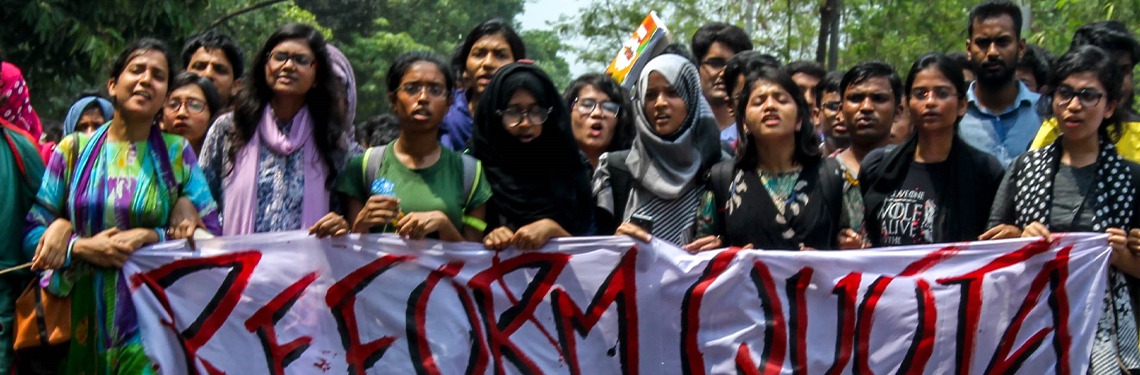
– Arun Anand Bangladesh’s interim government recently gave its final approval to the draft of ‘July Mass Uprising Protection and Liability Determination Ordinance’ that grants indemnity to those who participated in the 2024 July Uprising that forced Sheikh Hasina to end her 15-year political rule and flee the country. The ordinance, believed to be the interim government’s fulfilment of ‘earlier commitment’ to ensure ‘legal protection’ to July participants, would take the shape of a law soon. The ordinance provides impunity to participants from ‘activities carried out with the purpose of political resistance’ during 2024 uprising in July and August. Meaning, if criminal cases are slapped any of uprising participants for carrying out ‘political resistance during uprising’, such cases will be withdrawn by the government. Moreover, the ordinance adds that ‘no new cases will be filed’ against them, from now on, for their activities during the uprising. The events of July-August have various connotations—uprising, revolution, political coup and political resistance. Those who participated in the uprising called it a ‘revolution’ that paved the way for ‘New Bangladesh’ or ‘Second Republic’. This group, composed mostly of student leaders who led the uprising and some later formed the National Citizen’s Party (NCP), has not only framed the uprising as ‘second liberation’ but also introduced a new political discussion where 1971 Liberation was brought back, reinterpreted and even compared with the 2024 uprising. The 2024 ‘revolution’ has been portrayed by this group as fulfilling what 1971 could not, a liberation that gave Bangladesh its ‘true independence’. The same narrative is also echoed by another faction—the Islamists—for whom 2024 Uprising rolled the red carpet for their resurgence in the political field and now forms the main contending group against Bangladesh Nationalist Party (BNP) in the February 2026 national election. Collectively, the Awami League is now branded as a ‘fascist’, a justification used by the interim government for banning Awami League’s political activities in May, closing the League’s door to participate in the February 2026 national election. The interim government, in its official capacity, recognised the July participants as ‘july warriors’ (July Joddha), similar to ‘war heroes’ (Mukti Joddha) of Liberation War. On the first anniversary of the uprising, the interim government unveiled the July Declaration on 5 August 2025, following pressures from Student Against Discrimination (SAD), the main force behind the July Uprising and NCP to give 2024 events a constitutional recognition. The Declaration, declared to be given a constitutional status, was supposed to be a statement to recognise the July Uprising and its ambitions for ‘Second Republic’. Rather, it became a political fatwa against Awami League and its political past since 1971 (as interpreted by its opponents), an obituary of the 1972 Constitution that is now labelled as ‘Mujibist Constitution’, and legitimising the ‘unconstitutionally’ formed interim government. There is little doubt about the interim government’s biases towards leaders of the July Uprising. Indeed, it was the student leaders of SAD that invited Muhammad Yunus to come back to Bangladesh and take the role of the chief advisor of the interim government on 8 August 2024. In return, three of the advisors in the interim government were student leaders of July Uprising. Many in the political circle believe that the interim government that helped the formation of National Citizen’s Party (NCP), a King’s Party, by intentionally delaying the announcement of an election roadmap. The neutrality became exposed when one of the advisors resigned to become the convenor of the NCP, while another resigned only recently to become the NCP’s spokesperson. Since NCP’s establishment, the interim government displayed its soft corner for the student party, echoing the same political narrative as that of NCP, and even actively taking measures of historical revisionism to erase Awami League and Sheikh Mujibur Rahman’s legacy. The recognition of July warriors has not been without controversy either. The gazetted list of about 1,402 warriors declared as ‘national heroes’ are promised tax benefits, welfare and rehabilitation, and now legal protection as per the 14 January ordinance. However, the gazetted lists were accused of including fake claimants, irregularities and political misuse, ironically the accusations slapped against Sheikh Hasina during the early phase of July Uprising when it was in the stage of anti-quota protest. The ‘July warriors’ also violently clashed with police on the day of signing of the July Charter in October demanding for state recognition of martyr status, in addition to compensation and legal immunity—demands that were ultimately added as Clause 5 of the July Charter. The latest move to this shenanigan—the July Mass Uprising Protection ordinance—justifies all kinds of acts that happened in July-August, especially violence against minorities and looting of arms from security forces, by indirectly branding these acts as ‘political resistance’. The wave of communal violence witnessed during this time, and continues even today were dismissed by the interim government as ‘political’. Despite international reports, the interim government insists on these being ‘non-communal’ attacks. With only less than three weeks before 13th national election, over one-third of the polling booths are also marked as ‘risky’, while about 1,3331 of the 5,763 firearms and explosive looted during July Uprising remain missing, posing an alarming risk to security during the election time. The protection ordinance potentially shields all human rights abuses. Although the interim government clarified that only ‘political resistance’ is to be given legal protection, the tweaking of human rights abuses as ‘political reaction’ leaves little room to comprehend that all these criminal acts will also be treated as ‘political resistance’. The shameful attempt to equate 2024 July with the 1971 Liberation War, by providing equal status, benefits, memorials, and now legal protection not only downplays Bangladesh’s painful history but also changes the whole political trajectory of the country where political violence will get state protection.
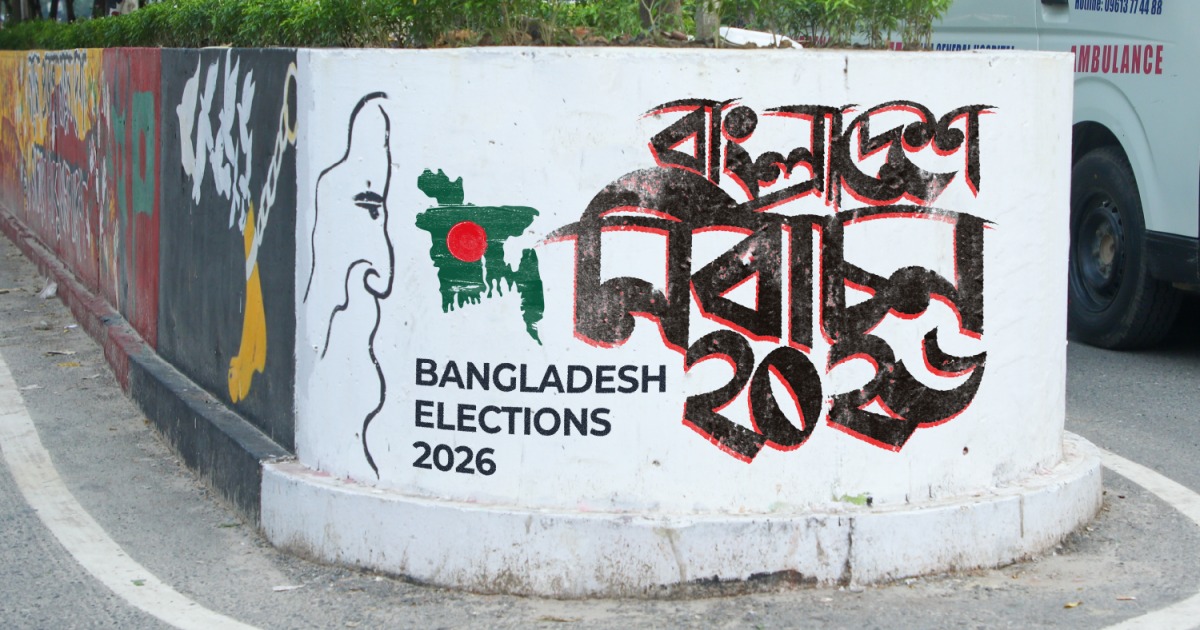
–Aminul Hoque Polash A recent report in The Washington Post cited a US diplomat working in Bangladesh, claiming Washington wants to build “friendly relations” with Jamaat-e-Islami. The diplomat reportedly made the remarks in a closed-door discussion with a group of Bangladeshi women journalists on 1 December. The newspaper’s report, we are told, was built around an audio recording of that conversation. In that recording, the diplomat expressed optimism that Jamaat would perform far better in the 12 February election than it has in the past. He even suggested the journalists invite representatives of Jamaat’s student wing to their programmes and events. When the journalists raised a fear that Jamaat, if empowered, could enforce Sharia law, the diplomat’s response was striking: he said he did not believe Jamaat would implement Sharia. And even if it did, he added, Washington could respond with measures such as tariffs. He was also heard arguing that Jamaat includes many university graduates in leadership and would not take such a decision. The Washington Post further quoted multiple political analysts suggesting Jamaat could achieve its best result in history in the 12 February vote and might even end up in power. So, is this report simply the product of an “audio leak” published just 20 days before the interim government’s election? I don’t think so. First, it stretches belief that Bangladeshi journalists would secretly record a closed conversation with a US diplomat and then pass it to The Washington Post. Second, The Washington Post would almost certainly have cross-checked the audio with the diplomat concerned. If the diplomat had objected, it is hard to imagine the paper moving ahead in this way. My conclusion is blunt: this was published with the diplomat’s planning, or at least with the US embassy’s consent. Call it what it is: a soft signal. A carefully calibrated message designed to project reassurance about Jamaat and to normalise the idea of Jamaat as a legitimate future governing force. And then came the echo. At the same time, two other international outlets, Reuters and Al Jazeera, also published reports about Jamaat-e-Islami. Both pointed towards the possibility of a strong Jamaat showing in the 12 February election. Al Jazeera’s tone, heavy with praise, makes it difficult not to suspect paid campaigning. More tellingly, an Al Jazeera poll recently put Jamaat’s public support at 33.6 per cent, compared with 34.7 per cent for the BNP. The goal is obvious: to “naturalise” Jamaat’s pathway to power. To make what should shock the public feel ordinary. To convert the unthinkable into the plausible, and the plausible into the inevitable. Which brings us to the unavoidable question: can Jamaat really win? History says no. The highest share of the vote Jamaat ever secured in a normal election was in 1991: 12.13 per cent. In the next three elections, Jamaat’s vote share fell to 8.68 per cent, 4.28 per cent, and 4.7 per cent. In a genuinely competitive election, Jamaat is not a double-digit party. But Bangladesh is not heading into a normal election. An unelected, illegitimate interim administration is preparing a managed vote while keeping the country’s largest political party, the Awami League, effectively outside the electoral process. In that distorted arena, behind-the-scenes engineering is underway to seat Jamaat on the throne. The diplomat’s “leak”, the favourable international coverage, and the publication of flattering polls are not isolated incidents. They are the components of a single operation. If anyone doubts the direction of travel, they should remember what happened after 5 August. In his first public remarks after that date, the army chief repeatedly addressed Jamaat’s leader with reverential language, calling him “Ameer-e-Jamaat”. From that moment onwards, Jamaat has exerted an outsized, near-monopolistic influence over Bangladesh’s political field. Yes, Khaleda Zia’s illness, Tarique Rahman’s possible return, and even the prospect of Khaleda Zia’s death have periodically given the BNP a breeze at its back. But the reel and string of the political kite are now held elsewhere. Jamaat controls the tempo. And it did not happen in a vacuum. The Awami League has been driven off the streets through mob violence, persecution, repression and judicial harassment. With its principal rival forced away from political life, Jamaat has been able to present itself not merely as a participant, but as an authority. Now look at the state itself. Every major organ of power, it is argued, is being brought under Jamaat’s influence. Within the military, “Islamisation” is being used as a cover for Jamaatisation. Fifteen decorated army officers are reportedly jailed on allegations connected to the disappearance of Abdullah Hil Azmi, the son of Ghulam Azam, widely regarded as a leading figure among the razakars. Yet it remains unclear whether Azmi was even abducted at all. The judiciary, too, is described as falling almost entirely under Jamaat’s control. Key administrative positions, especially DCs, SPs, UNOs and OCs, are increasingly occupied by Jamaat-aligned officials. On campuses, the story repeats itself. Through engineered student union elections, Jamaat’s student organisation, Islami Chhatra Shibir, has established dominance in Dhaka University and other leading public universities. Even vice-chancellor appointments are described as being shaped by Jamaat-friendly influence. And while this internal consolidation accelerates, external courtship intensifies. Since August 2024, Jamaat leaders have reportedly held at least four meetings in Washington with US authorities. Their close contact with the US embassy in Bangladesh continues. Meanwhile, the British High Commissioner has held multiple meetings with Jamaat’s ameer, widely reported in the media. Jamaat’s ameer has also visited the United Kingdom recently. In short, Jamaat has reached a level of favourable conditions never seen since its founding. Not even in Pakistan, the birthplace of its ideological ecosystem. So why would sections of the Western world want Jamaat? What does the Yunus-led interim administration gain from this? What role is it playing? The answer offered here is uncompromising: the current interim government has signed multiple agreements with Western powers, particularly the United States, including an NDA arrangement and various trade deals that are described as being against public
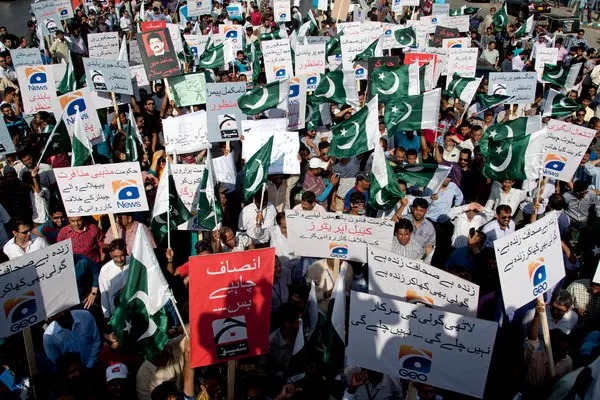
-Arun Anand Pakistan is living through one of its bleakest democratic moments, and the source of this suffocation is no mystery. Power in the country has steadily migrated away from elected institutions and settled firmly in the hands of Army Chief Gen Asim Munir. What remains of civilian rule exists largely for show, a thin constitutional curtain behind which the military calls the shots. Parliament debates, courts issue verdicts, and government leaders make speeches—but none of it matters unless it aligns with the will of the man in uniform. Under Gen Munir, this imbalance has hardened into something far more dangerous: a system built on fear, coercion and punishment. Dissent is no longer treated as disagreement; it is framed as treason. Criticism is rebranded as terrorism. And loyalty to jailed former Prime Minister Imran Khan has become the ultimate crime. The dismantling of civilian authority did not happen overnight. It has been methodical. First, political engineering ensured a weak government in Islamabad. Then the judiciary was tamed through pressure, selective accountability, and unmistakable signals about what kind of verdicts were acceptable. Today, few judges dare to pretend independence when cases touch the military or Imran Khan. Sentences have grown harsher and outcomes increasingly predictable. The result is a dysfunctional state that operates like a command structure with no accountability for the ruling elite that largely comprises the military. When Journalism Becomes a Crime The latest victims of this tightening grip are journalists, analysts, and former military officers who dared to speak publicly against the army’s dictatorship and political purge. In January 2026, an Anti-Terrorism Court sentenced seven Pakistanis to life imprisonment for what it called digital terrorism related to the protests of May 9, 2023. None of the accused were present in court. All live abroad. Several were never even informed that proceedings were underway. This was not justice; it was theatre of the absurd. This was a message crafted not for the defendants, but for those still inside Pakistan desperately trying to find a space for free expression. Among those sentenced are some of the most seasoned voices in Pakistani journalism. Shaheen Sehbai, with nearly five decades of experience and former editor of The News International, has long criticised the military’s dominance over civilian life. His crime was intellectual honesty and an unwillingness to pretend that today’s generals possess any vision or restraint. At his age, sentencing him to life imprisonment is not just punitive—it is vindictive. Wajahat Saeed Khan, an investigative journalist respected for his work on security affairs, was reportedly never summoned or notified of any charges. His trial happened without his knowledge, underscoring how irrelevant Pakistan’s judicial process has become. Sabir Shakir, a veteran broadcaster who left Pakistan after alleged threats from the previous army chief, now finds himself branded a terrorist for doing what journalists are meant to do: ask uncomfortable questions. Analyst Moeed Peerzada’s case adds an even darker edge. Living in the United States, he incurred the military’s wrath by citing international media reports that contradicted official Pakistani claims during a military episode. Days after his conviction, his home in the US mysteriously caught fire. While no direct accusations have been made, the symbolism is chilling. Critics of the army, it seems, are no longer safe even beyond Pakistan’s borders. The remaining three—former army officers turned YouTubers—had already been court-martialled, stripped of rank, and sentenced to long prison terms for exposing internal misconduct. The Anti-Terrorism Court’s decision to pile life sentences on top of military punishment reveals Munir’s insecurity. An institution confident in its legitimacy does not fear YouTube channels speaking the truth. Together, these cases mark a decisive shift in Pakistan’s media space, as journalists are now equated with criminals. The purpose is not merely to silence specific individuals, but to terrify everyone else into submission. If respected journalists and commentators based in countries other than Pakistan can be condemned as terrorists without being heard, what hope remains for media persons inside Pakistan? The Prisoner Who Still Threatens Power At the centre of this crackdown lies one man: Imran Khan. For General Munir, Khan is not just a political rival; he is an existential threat. Unlike other leaders who clashed with the military and then quietly left the country, Khan stayed. He faced arrest, imprisonment, humiliation—and refused to break. Despite being behind bars, Khan continues to shape Pakistan’s political landscape. His influence within his party—Pakistan Tehreek-e-Insaf (PTI)—remains intact. His word still determines the opposition strategy. His popularity, particularly in Punjab and Khyber Pakhtunkhwa, has survived relentless propaganda, mass arrests, party defections, and legal assaults. This endurance explains the severity of the response against anyone perceived as sympathetic to him. Under Munir’s command, neutrality is no longer enough, and even silence can be suspicious. Any positive mention of Khan—by a journalist, analyst, or former officer—is treated as alignment with an enemy camp. The government’s occasional talk of “dialogue” with the opposition is widely understood as a cosmetic gesture with no serious intent. Prime Minister Shehbaz Sharif may speak of harmony and national unity, but no serious negotiation can proceed without the army’s consent. And there is one non-negotiable issue that ensures talks will never mature: Imran Khan’s freedom. The ruling coalition knows that Munir will not permit Khan’s release under any circumstances. At the same time, the opposition cannot abandon its central demand without losing credibility. This guarantees stalemate. ‘Dialogue’ is more of a performance, not policy, as Khan continues to unsettle the system. His nomination of Mehmood Khan Achakzai as leader of the opposition in the National Assembly shows that his political instincts remain sharp. It also demonstrates that PTI, despite being battered, has not collapsed. For a military leadership obsessed with total control, this lingering defiance is intolerable. A Country Held Hostage Pakistan today is not merely experiencing a political crisis; it is experiencing a collective collapse of freedoms. The press is muzzled. Courts are coerced. Politicians are managed. Fear has replaced debate, and punishment has replaced persuasion. Munir may
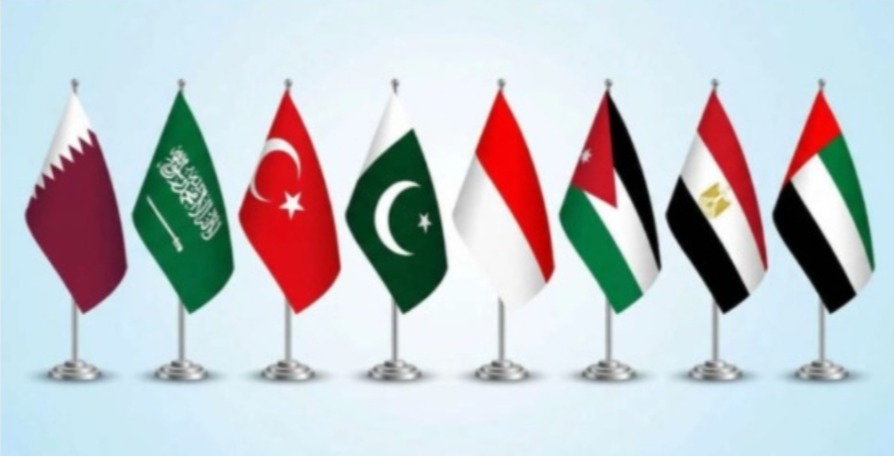
-Arun Anand Pakistan has a knack for arriving at the wrong place at precisely the wrong time. When Russia attacked Ukraine in February 2022, its then prime minister, Imran Khan, was seated in the Kremlin, smiling and shaking hands for cameras. And when Saudi Arabia and the United Arab Emirates, Islamabad’s most important Middle Eastern patrons, found themselves at odds over Yemen last week, it was once again caught in the crossfire. This time Emirati President Sheikh Mohammed bin Zayed Al Nahyan was on his hunting trip to Pakistan. These moments are not mere coincidences but rather symptoms of a deeper strategic malaise of a military-dominated foreign policy that repeatedly entangles Pakistan in conflicts it neither controls nor fully understands. Over the past decade, Pakistan has drifted from being a peripheral player in the Middle East to an increasingly exposed one. As the shift has been shaped by transactional military diplomacy as signified by recent Strategic Mutual Defence Agreement with Saudi Arabia, the result is a country wedged uncomfortably between rival power centers with China and the United States on one axis globally, and Saudi Arabia and the UAE on another at the regional level. While each of its allies expects loyalty, no one offers insulation when loyalties collide. That collision is now visible in Yemen and most likely in Libya. On December 30, Riyadh announced that it targeted a weapons shipment at Yemen’s Mukalla port, claiming the arms originated from the Emirati port of Fujairah. Riyadh alleged that weapons were destined for the Southern Transitional Council (STC), a UAE-backed separatist group seeking to carve out an independent state in southern Yemen. It made Pakistan to tread an uncomfortable line. Though Islamabad expressed “complete solidarity” with Saudi Arabia, reaffirming its support for the kingdom’s sovereignty and Yemen’s territorial integrity, what it did not do was just as revealing. Pakistan avoided naming the STC, sidestepped Abu Dhabi’s role in nurturing Yemeni separatism, and refrained from any criticism that might upset the Emirati leadership. However, it should be known that diplomatic hedging has its limits. On the very morning Saudi Arabia carried out strikes against what it described as Emirati-linked weapons shipments, Pakistan’s prime minister, Shehbaz Sharif, along with senior cabinet members, including Deputy PM and Foreign Minister Ishaq Dar, was meeting Sheikh Mohammed bin Zayed at his family’s palatial estate in Rahim Yar Khan. The optics were ironic with Pakistan professing solidarity with Riyadh while hosting the very leader Riyadh was pressuring militarily. There have been unsubstantiated reports that Saudi Arabia declined a request for a meeting by Pakistan’s powerful army chief, Field Marshal Asim Munir, thereby reinforcing the impression that Islamabad’s balancing act was wearing thin. This episode underscored a broader truth that Pakistan was no longer merely navigating Gulf rivalries but was being shaped by them. And nowhere is this more dangerous than in Gaza. As US President Donald Trump pushes his vision of post-war Gaza governance under an international body, he has publicly sought Pakistan’s commitments to contribute troops to his envisioned security or stabilization force for the territory. For Islamabad, the proposition is fraught with peril as deploying Pakistani troops to the war-battered Palestinian region would not be a neutral peacekeeping mission. As the Gaza stabilisation force would almost certainly involve disarming Hamas, enforcing cease-fire arrangements, and operating under an American or Israeli security framework, such a role would place Pakistan at odds with popular sentiment at home, where sympathy for the Palestinian cause runs deep. Moreover, it would also damage the country’s standing in the broader Muslim world, where participation in what many would view as an externally imposed security regime or forced disarming of what many consider a Palestinian resistance group would be seen as complicity with Israel. However, if Pakistan Army assumes such a role, it won’t be its first as it has a history of renting its role to the regional players. Pakistani military officers played a role in assisting Jordan’s Hashemite monarchy during the 1970 Black September crisis by helping violently crackdown on Palestinian fighters. The Pakistani contingent in Amman was overseen by Brigadier Mohammad Zia-ul-Haq, who would later seize power in 1977 and rule as a military dictator. That episode left a lasting scar on Pakistan’s image among Palestinians and repeating such a role in Gaza would be exponentially more damaging. Yet Gaza is not the only front where Pakistan’s Middle East policy is unravelling. On December 21, Army Chief Asim Munir signed what was touted as a $4.6 billion defense deal with Khalifa Haftar in Benghazi, from where the Libyan military strongman controls eastern part of the country through the Libyan National Army (LNA). The agreement reportedly included the sale of JF-17 Block III fighter jets and Super Mushshak trainer aircraft, making it the largest arms deal in Pakistan’s history. Though the deal on paper signifies Pakistan’s strategic reach, however, in reality, it was a diplomatic misstep of the highest order. Firstly, Libya is a divided country with rival governments governing it in parts. There is Abdul Hamid Dbeibeh’s internationally recognised Government of National Unity (GNU) in Tripoli and then the other, Haftar’s Benghazi-based unrecognised Government of National Stability (GNS). Secondly, Libya remains under an international arms embargo imposed by the United Nations in 2011. Therefore, any major weapons transfer and that too to an unrecognised entity risk undermining of the international law. This deal does not only fly in the face of UN sanctions; it also puts constrains in Islamabad’s regional policy. By publicly aligning itself with Haftar, Pakistan effectively chose sides in a complex regional proxy contest as the military strongman is backed by the UAE and Egypt whereas the GNU, by contrast, enjoys the support of the United Nations and Saudi Arabia. Islamabad’s outreach to Benghazi thus undercuts its relationship with Riyadh, at precisely the moment when Saudi goodwill is most needed. These choices cumulatively result in what can be described as a strategic overextension without any strategic clarity. It is evident that Pakistan is trying

-Arun Anand Myanmar (formerly Burma) sits at a critical crossroads in Asia, both geographically and geopolitically. The country’s location – bordering China, India, Bangladesh, Thailand, and Laos, with a long coastline on the Bay of Bengal and Andaman Sea – makes it a bridge between South Asia and Southeast Asia. In fact, Myanmar is often described as the “main connecting hub” linking East, South, and Southeast Asia. Its shores provide access to the Indian Ocean’s major shipping lanes, which has long attracted great power interest. In short, Myanmar’s geostrategic location grants it outsized importance: it is the only Southeast Asian nation sharing borders with both India and China, and it offers a land gateway from the Bay of Bengal into the heart of Asia. Myanmar Geographical Location Strategic Geographical Importance Myanmar’s geography confers strategic advantages that neighbouring powers eagerly seek to leverage. To its west lies the Bay of Bengal (part of the Indian Ocean), positioning Myanmar near vital maritime routes between Asia, the Middle East, and Europe. Historically, even a branch of the ancient Silk Road ran from Myanmar’s shores to China’s Yunnan province, underlining its role as a natural corridor. Today, both China and India view Myanmar as pivotal to their regional aspirations. Gateway Between Regions: Myanmar literally connects South Asia to Southeast Asia – for example, linking India and Bangladesh to Thailand and beyond. Any land trade or infrastructure route between these regions almost inevitably runs through Myanmar’s territory. As one analysis notes, Myanmar sits “on a direct path” between China and three key areas: the Indian Ocean, South Asia, and Southeast Asia. This makes it a strategic transit route for commerce, energy pipelines, and even military logistics. Indian Ocean Access: Unlike landlocked Yunnan province in China or India’s remote northeast, Myanmar has a 1,300-mile coastline offering direct access to the Indian Ocean. For rising powers like India and China, this is extremely attractive. Shipping from the Middle East or Africa can be offloaded in Myanmar’s ports, shortening the overland journey into China. Beijing, in particular, views Myanmar as a “corridor connecting China to the world” – a means to access the Indian Ocean without relying on the congested Malacca Strait chokepoint. Buffer and Sphere of Influence: From a security perspective, Myanmar has long served as a buffer state. During the Cold War, it was non-aligned, sitting between communist China and democratic India. Today, its alignment can affect the strategic balance in the Indo-Pacific. If Myanmar tilts toward China’s orbit, Beijing gains a larger foothold in Southeast Asia and the Bay of Bengal. If instead Myanmar leans West or remains more neutral, it blunts China’s southward reach. This strategic calculus makes Myanmar a venue for great power competition in Asia. In summary, Myanmar’s position at the junction of Asia’s sub-regions lends it significant strategic importance. Geography is the reason a country of 55 million people commands so much attention from global and regional powers. Myanmar is effectively a land bridge and a maritime gateway, one that both China and the West recognise as key to influencing the wider region. China’s Deepening Influence in Myanmar China has emerged as Myanmar’s most influential foreign player, especially in the past decade. Geopolitically, Beijing views Myanmar as crucial to its own strategic objectives. China’s southwestern provinces are landlocked, and Myanmar offers a coveted route to the sea. Through its ambitious Belt and Road Initiative (BRI), China has invested heavily in Myanmar’s infrastructure – from ports to pipelines – to secure that route. For instance, China helped build a deep-water port at Kyaukpyu in Myanmar’s Rakhine State, which serves as the starting point for twin oil and gas pipelines running north into China’s Yunnan Province. These pipelines, completed in the 2010s, allow China to import Middle Eastern oil and gas via Myanmar, bypassing the Malacca Strait – a narrow maritime chokepoint that China views as a strategic vulnerability. By using Myanmar as an overland energy corridor, Beijing reduces its dependence on long sea voyages through congested or potentially hostile waters. China’s influence in Myanmar extends beyond infrastructure to encompass political and military aspects. During decades when Myanmar was under Western sanctions (due to the former junta’s human rights abuses), China became Myanmar’s closest partner by default. Beijing supplied arms, invested in mining and hydropower, and shielded Myanmar diplomatically at the UN. Even after Myanmar’s brief experiment with democracy, China maintained strong ties with the powerful military (the Tatmadaw). Notably, when the Myanmar army seized power in the February 2021 coup, China reacted with cautious support. Beijing pointedly referred to the coup as a “major reshuffle”, downplaying the overthrow of elected leaders. It continued business as usual – providing weapons to the junta and pushing to continue BRI infrastructure projects – even as much of the world condemned the coup. At the same time, China hedged its bets: it never formally endorsed the military regime and, for a long while, did not allow Myanmar’s coup leader, Senior General Min Aung Hlaing, an official state visit to China. (Beijing even curiously allowed Myanmar’s ousted civilian ambassador to continue occupying Myanmar’s seat at the United Nations, signalling that China hadn’t completely written off the previous government.) This reflected China’s pragmatic approach – engaging the junta to protect its interests, but not fully legitimising it internationally. However, as Myanmar’s post-coup conflict ground on, China’s stance evolved. By late 2022 and 2023, Myanmar’s internal war was intensifying: ethnic armed groups and new pro- democracy militias were seizing territory, even threatening areas near China’s border. Beijing grew increasingly concerned that Myanmar could descend into chaos – jeopardizing Chinese investments and creating instability on China’s southwestern flank. China’s frustration with Gen. Min Aung Hlaing also mounted, as the junta’s offensives failed to restore order and even hindered Chinese projects (for example, fighting in border regions and a boom in criminal networks there became a headache for Beijing). Fearing a potential collapse of the Myanmar military regime, China decided to double down in support. In late 2023 and 2024, Beijing took a series of assertive steps: it dispatched high-level envoys (including Foreign Minister Wang Yi) to
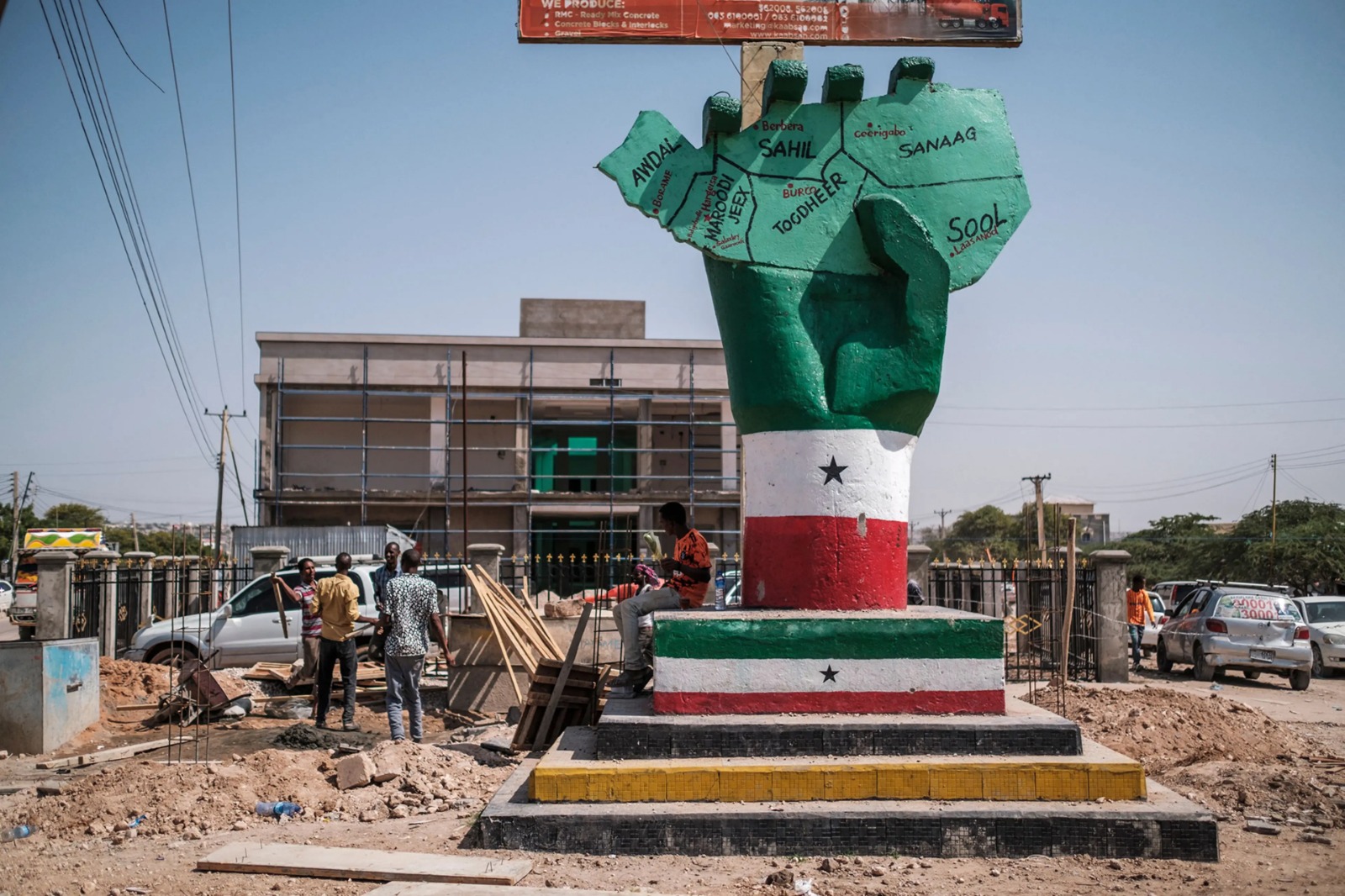
-Arun Anand On December 26, 2025, Israeli Prime Minister Benjamin Netanyahu raise diplomatic tempers in Middle East by unilaterally recognising the Republic of Somaliland, the breakaway region of Somalia which has been functioning as a de facto state since 1991. This decision goes beyond a diplomatic gesture and signifies a landmark geopolitical move that signals a recalibration of power politics in the Red Sea, the Horn of Africa, and the eastern Mediterranean. Not only did it break a long-standing international taboo against recognising defacto regions, it also injected new momentum into a region which is increasingly defined by strategic choke points, rival maritime visions, and great-power competition. Located along the southern edge of the Gulf of Aden, bordering Djibouti, and sitting astride the approaches to Bab el-Mandeb, Somaliland has existed in diplomatic limbo for three decades ago. Its decision to exit political union followed the collapse of Siad Barre’s regime and has since built functioning political institutions while Mogadishu remained mired in civil war, insurgency, and foreign intervention. It has conducted multiple elections, maintained relative internal stability, issued its own currency and passports, and exercised effective territorial control, which constitute core criteria of statehood under international law. And still, recognition eluded Hargeisa, largely because of international deference to the fiction of Somali territorial unity. But the December 26 recognition by Israel marks the first major breach in this diplomatic wall. Framed within the broader ethos of the Abraham Accords, which seeks to normalise Israel’s relations with its Arab neighbours, Prime Minister Benjamin Netanyahu’s announcement historically significant elevates Somaliland from diplomatic obscurity and signals that geopolitical utility and governance capacity can, under certain conditions, trump inherited postcolonial borders. Though this precedent alone makes the decision a watershed moment, yet the true importance of this move lies less in symbolism and more in strategy. This decision must be read against the backdrop of the Red Sea’s growing militarization in recent years. For instance, the Bab el-Mandeb Strait which connects the Gulf of Aden to the Red Sea and, by extension, the Suez Canal (which opens into Mediterranean Sea) has emerged as one of the world’s most contested maritime chokepoints. During the prolonged Gaza war that followed Hamas’s October 7, 2023 terrorist attack on Israel, Iran-backed Houthi militia in Yemen repeatedly targeted Israeli-linked shipping, exposing Israel’s vulnerability along its maritime lifelines. As such, it cannot be divorced from the Israel’s broader post-Gaza recalibration, where it is prioritizing securing maritime routes, diversifying strategic partnerships, and reducing reliance on fragile regional arrangements. What Somaliland does is it provide Israel a rare strategic advantage in the region where hostile non-state actors have in recent years emerged a significant irritant to its maritime access. Its Port of Berbera can provide Israeli Defence Force (IDF) with potential logistical depth, maritime awareness, and forward presence in Red Sea region and deny any military advantage to hostile actors like Houthis who sit across on the eastern coast of Gulf of Aden. Israel has demonstrated its resolve to grow its relations with Somaliland through the January 7 Hargeisa visit by Foreign Minister Gideon Saar, becoming the first high-level international dignitary to visit the country. More crucially, this decision followed the 10th trilateral summit of December 23 between Israel, Greece, and Cyprus in Jerusalem, wherein their leaders —PM Netanyahu, PM Kyriakos Mitsotakis (Greece) and President Nikos Christodoulides (Cyprus)— reaffirmed cooperation on energy, security, and regional stability. These are the areas where all three states have found themselves increasingly at odds with Turkey’s assertive posture in the Eastern Mediterranean region. Together, these moves, as such, reveal a coherent strategy by Israel to constrain Ankara’s regional ambitions. It is should be noted that Turkey, under President Recep Tayyip Erdogan, has pursued an increasingly revisionist foreign policy, blending neo-Ottoman rhetoric with military deployments and proxy relationships stretching from Libya and Syria to the Horn of Africa. In the eastern Mediterranean, Turkey’s aggressive maritime claims and unilateral actions have antagonized Greece and Cyprus while undermining cooperative energy frameworks in the region. In the Horn of Africa, Ankara has followed a similar playbook. By becoming the principal external patron of Somalia’s federal government under President Hassan Sheikh Mohamud, through military training, financial aid, and base access, Turkey has positioned Mogadishu as the cornerstone of its Red Sea strategy. But this engagement has always been less about Somali stability and more about power projection. It provides Ankara with proximity to Bab el-Mandeb and leverage over one of the world’s most vital maritime corridors through which roughly 12-15 per cent of global trade worth over 1 trillion USD is conducted annually. Israel’s recognition of Somaliland, therefore, directly undercuts this strategy. It legitimizes an alternative political entity that Ankara has consistently sought to marginalize and weakens Turkey’s monopoly over Somalia’s external partnerships. President Recep Tayyip Erdoğan’s sharp condemnation and calling the move “illegitimate and unacceptable” betrays Ankara’s anxiety that its Horn of Africa foothold may now face meaningful constraints. But Turkey’s insistence on Somali “unity and territorial integrity” rings hollow when contrasted with its own record of selective sovereignty advocacy for regions like Northern Cyprus. What Ankara fears is not fragmentation per se, but the erosion of its geopolitical leverage in the Red Sea basin. For India, this decision by Israel carries quiet but significant implications, particularly for the India–Middle East–Europe Economic Corridor (IMEC). The project which has been conceived as a multimodal trade and connectivity initiative linking India to Europe via the Middle East, was disrupted by the Gaza war and this recalibration could ring positively for realising its implementation. Moreover, Somaliland, and specifically the Port of Berbera, offers New Delhi an alternative gateway into the region and the broader African hinterland, including landlocked Ethiopia. While New Delhi, due to its express commitment to norms based international relations, may be constrained by its adherence to UN norms and is unlikely to formally recognize Somaliland in the near term, Israel’s move expands its strategic options without requiring overt diplomatic commitments. Equally important is what this means vis-à-vis Turkey. Ankara

-Arun Anand The American-led post-World War II order has been built upon the sustained rhetoric of normativity, which includes democracy, governance, and human rights, but it practises geopolitics in a far older language: utility. Nowhere is this dissonance more visible than in the contrast between how the West treats Venezuela and how it engages Pakistan. Both countries are repeatedly invoked in the US and Western security calculus, are associated with illicit networks, and sit uneasily with liberal democratic norms. Yet one is publicly disciplined as a democratic deviant, while the other is quietly accommodated as a strategic necessity. This asymmetry is not accidental. It reflects how democracy has become a selective instrument rather than a consistent universal principle of Western foreign policy. Venezuela’s position in the Western imagination is shaped more by its symbolism than by its material power. Over the past decade, it has been framed as a cautionary tale of democratic backsliding, economic mismanagement, and narco-state behaviour. Western governments have been vocal in condemning electoral irregularities, restrictions on opposition parties, and the concentration of power in the executive’s hands. Sanctions regimes have followed, justified as necessary pressure to restore democratic order. There is, of course, substance to these concerns. Venezuela has become a significant transit corridor for cocaine flowing from Colombia to Europe and West Africa. According to the UN Office on Drugs and Crime, routes passing through Venezuela expanded sharply after 2015, aided by weak state institutions and collusion at lower administrative levels. The US Drug Enforcement Administration has repeatedly flagged the role of Venezuelan territory in cocaine trafficking networks linked to Latin American cartels. These activities have destabilised neighbouring states and fuelled organised crime beyond the region. Yet it is also essential to keep the scale of this threat in perspective. Venezuela is a transit state, not the global centre of the narcotics economy. It neither produces cocaine nor controls the principal distribution networks that feed North American and European markets, unlike other Latin American countries. Its capacity to project narcotics as an instrument of state power is unfounded, and its political instability, while devastating domestically, does not fundamentally alter the balance of power in any major theatre. This distance allows Western capitals to treat Venezuela as a manageable problem, one that can be addressed through sanctions, rhetoric, and diplomatic isolation without incurring high strategic costs. Pakistan occupies a very different category. It is not merely a troubled democracy or an authoritarian-leaning state. It is a nuclear-armed country of over 240 million people, embedded in one of the world’s most volatile regions, and historically enmeshed in conflicts that have directly affected global security. Unlike Venezuela, Pakistan’s internal political arrangements are not a distant normative concern. They are intimately linked to patterns of violence, militancy, and instability that have spilled across borders for decades. The erosion of civilian authority in Pakistan is no longer subtle. Over the years, the military has evolved from an arbiter to a manager and, finally, to a de facto ruler of the political system. Elections continue to be held, but their outcomes are carefully shaped. Political leaders who challenge the military’s primacy find themselves marginalised, imprisoned, or disqualified. Media outlets operate under pervasive pressure, and the judiciary oscillates between moments of resistance and strategic compliance. What remains is not a functioning civilian democracy but a controlled political space designed to preserve military dominance. Western governments are not unaware of this transformation. The reason lies in the magnitude of the security risks associated with Pakistan. Unlike Venezuela, Pakistan has a long and well-documented relationship with terrorist organisations that operate transnationally. Pakistan’s neighbour India, and at times the United States Congress itself, have accused it of pursuing a state-sponsored terror policy. Groups such as Lashkar-e-Taiba and Jaish-e-Mohammed, designated terrorist organisations by multiple Western governments, have operated with varying degrees of tolerance within Pakistan’s security ecosystem. The Financial Action Task Force placed Pakistan on its grey list from 2018 to 2022 precisely because of persistent deficiencies in curbing terror financing and money laundering. These were not symbolic concerns; they reflected systemic weaknesses in controlling financial flows linked to violent extremism. The human cost of this ecosystem has been substantial. The Global Terrorism Index has consistently ranked Pakistan among the countries most affected by terrorism over the past two decades. More importantly for Western interests, terror networks nurtured or tolerated within Pakistan have been implicated in attacks beyond its borders, from Afghanistan to India, and have maintained ideological and logistical linkages with global jihadist movements. These are not marginal threats. They sit at the core of post-9/11 security anxieties. And yet, it is precisely this dangerous profile that has insulated Pakistan from democratic scrutiny. Western policymakers have long operated on the assumption that the Pakistani military, for all its flaws, is the only institution capable of maintaining a semblance of order over a deeply fragmented society and a sprawling security apparatus. Civilian politics are viewed as destabilising, prone to populism, and insufficiently reliable on issues of counter-terrorism and nuclear security. Military dominance, by contrast, offers predictability. This logic reached its peak during the war in Afghanistan. Pakistan was repeatedly described as indispensable, even as evidence mounted of its selective cooperation and strategic hedging. The language of partnership persisted because alternatives were deemed worse. That mindset has not disappeared with the withdrawal from Kabul. It has merely been repurposed within a broader calculus shaped by China, regional stability, and nuclear risk management. However, since Pakistan’s inception, there have been no sustained efforts whatsoever from the West to hold it accountable in this light. This is precisely why democratic leaders in Pakistan are jailed, exiled, or worse, killed if they do not work in tandem with military apparatchiks. Here lies the core contradiction. If Venezuela is castigated for enabling narcotics flows that undermine governance and security, Pakistan’s far more consequential role in sustaining terror infrastructures should attract even greater concern. The difference is not in severity, but in inconvenience. Pressuring Pakistan on democracy risks alienating an actor
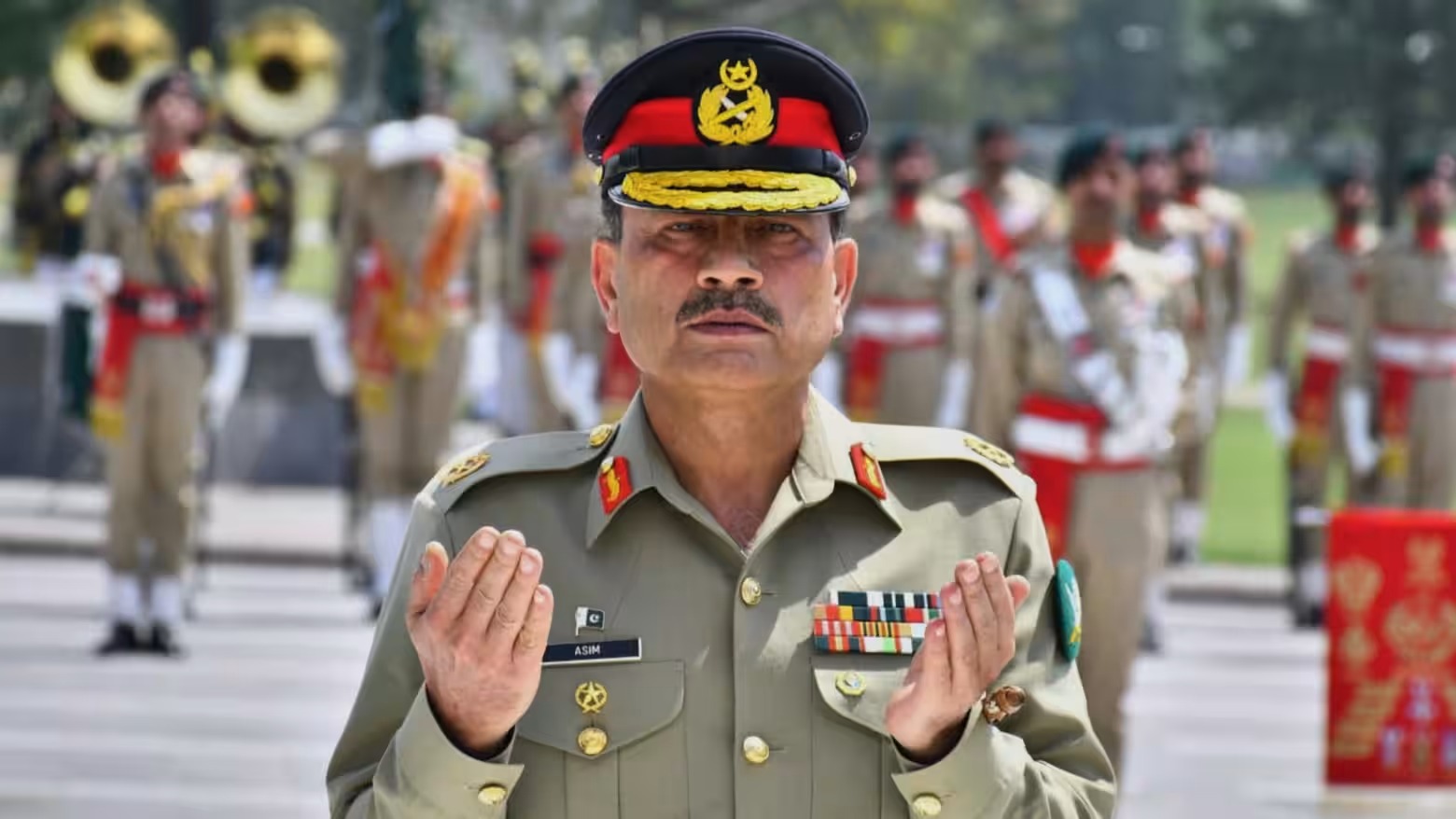
Pakistan’s military has consolidated its dominance over the country’s political and governance structures in 2025 through sweeping constitutional changes that critics describe as a silent coup, effectively formalising the army’s long-standing control over the state. In late 2025, Pakistan’s parliament passed a set of constitutional amendments that restructured the country’s defence and command architecture. Central to these changes was the creation of a powerful Chief of Defence Forces post, occupied by the serving army chief, placing the Army, Navy and Air Force under a single military command. The move significantly reduced the role of civilian oversight and weakened the traditional checks that existed within the defence establishment. Analysts say the new framework grants unprecedented authority to the army chief, including extended tenure protections and enhanced control over strategic decision-making. The restructuring also diminished the relevance of previously existing military coordination mechanisms, reinforcing the army’s primacy over other institutions. Opposition figures and civil society groups have criticised the amendments as the constitutional entrenchment of military supremacy, arguing that they erode democratic norms and further marginalise elected civilian leadership. Critics warn that the formal expansion of military power will restrict political freedoms and narrow the space for dissent. Supporters of the changes within the establishment argue that the new command structure improves national security coordination and strengthens Pakistan’s defence posture amid regional instability. However, detractors counter that similar arguments have historically been used to justify military dominance at the expense of democratic governance. Pakistan has experienced repeated cycles of direct and indirect military rule since its founding. Observers note that while the army has long exercised decisive influence behind the scenes, the 2025 amendments mark a decisive shift by embedding that influence directly into the constitutional framework. As Pakistan enters 2026, analysts warn that the formalisation of military control could have long-term consequences for the country’s democratic institutions, civil-military balance and political stability.
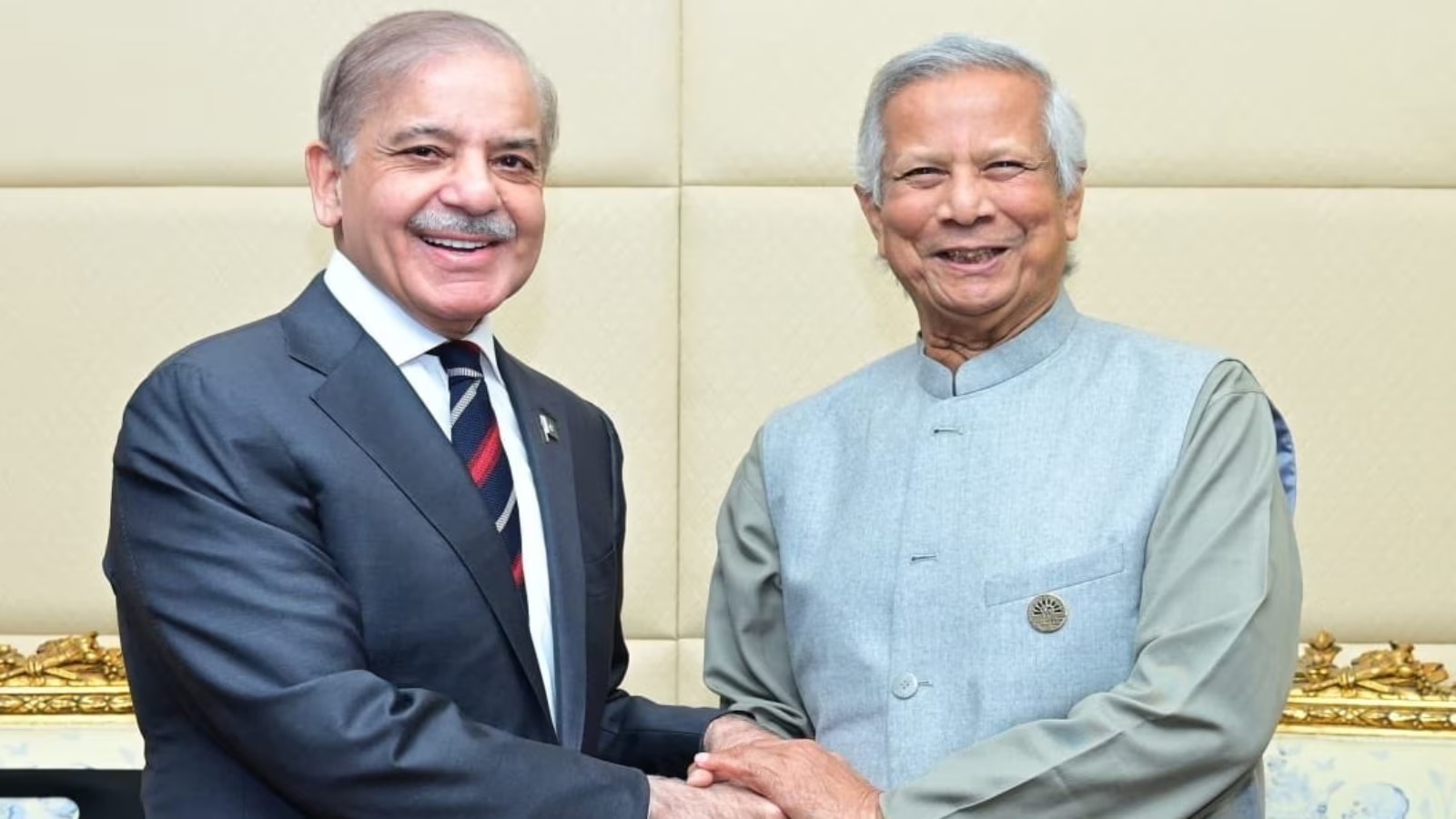
Bangladesh is facing a deepening democratic crisis as violence, persecution and mob rule increasingly become part of everyday life, raising serious concerns about the credibility of the country’s political transition ahead of national elections scheduled for early 2026. Observers note that the current political environment represents a sharp deterioration in law and order, marked by rising communal tensions, ethnic and religious attacks, suppression of dissent and the growing influence of extremist elements. What was initially presented as a corrective transition toward democratic renewal has instead exposed profound institutional and societal weaknesses. The crisis traces back to mid-2024, when mass protests and unrest led to the removal of former Prime Minister Sheikh Hasina and the installation of an interim administration led by Chief Advisor Muhammad Yunus. Since then, the political landscape has become increasingly polarised, with bans and restrictions placed on major political parties and their affiliated organisations, significantly narrowing democratic space. Although the interim government has described the forthcoming election as an opportunity to restore democratic legitimacy, critics argue that the necessary conditions for a free and fair vote remain absent. Continued violence, political exclusion and the absence of broad-based participation have cast doubt on whether the electoral process can command public trust. Human rights groups and civil society organisations report a surge in mob violence, attacks on minority communities, intimidation of journalists and harassment of political opponents. These developments have contributed to an atmosphere of fear and insecurity, undermining citizens’ ability to freely express political views or participate in civic life. Analysts point out that Bangladesh’s democratic institutions have long been fragile, shaped by a history of military rule and authoritarian governance. The current crisis, they warn, risks entrenching a culture of impunity if accountability mechanisms are not restored and the rule of law reinforced. The unrest has also drawn attention beyond Bangladesh’s borders, with regional observers expressing concern about the implications for stability in South Asia. Calls have grown for stronger protections for minorities, independent media and political activists, as well as for inclusive dialogue among all stakeholders. Critics argue that the interim administration has struggled to curb extremist violence or reassure vulnerable communities, while the absence of transparent decision-making has further weakened confidence in governance. Without urgent reforms, they warn, the normalisation of violence could become a permanent feature of Bangladesh’s political landscape. As the country moves closer to elections, pressure is mounting on authorities to ensure an inclusive, secure and credible democratic process. For many Bangladeshis, the coming months will determine whether the nation can reverse its current trajectory and restore public faith in democratic institutions.
Former Bangladesh prime minister Sheikh Hasina has issued a sharp warning about the state of democracy in Bangladesh, arguing that the country is being governed without legitimate public mandate and that political stability will remain elusive unless inclusive elections are restored. Speaking in a wide-ranging interview, Hasina reflected on the political unrest that led to her departure from office in 2024 and offered a critical assessment of the current interim administration. She said the protests that began as student-led demonstrations were later overtaken by radical elements, resulting in widespread violence, destruction of public property and attacks on law enforcement personnel. Hasina said her decision to leave the country was taken to prevent further bloodshed as the situation deteriorated. She rejected claims that her government suppressed peaceful dissent, stating that her administration initially allowed protests and sought accountability through judicial mechanisms. The former prime minister was particularly critical of the interim government led by Muhammad Yunus, arguing that it lacks democratic legitimacy because it was not elected by the people. She said banning the Awami League — a party that has won multiple national elections — and detaining its leaders undermines the foundations of democratic governance. According to Hasina, meaningful political normalisation in Bangladesh requires the lifting of restrictions on political parties, the release of political detainees and the holding of free, fair and inclusive elections. Without these steps, she warned, any future government would struggle to gain domestic or international credibility. Hasina also accused the interim administration of dissolving inquiry processes into the 2024 violence and of empowering extremist groups, alleging that such actions have weakened law and order and endangered minority communities. She expressed concern that the current political climate has discouraged investment and stalled economic momentum built over the past decade. Defending her own record, Hasina highlighted her role in restoring democratic institutions after periods of military rule and pointed to sustained economic growth, infrastructure development and poverty reduction during her tenure. She maintained that democratic governance requires both strong institutions and the participation of all major political forces. On foreign policy, Hasina cautioned against major strategic realignments by a government without an electoral mandate, arguing that long-term national interests should reflect the will of the people rather than interim political arrangements. Her remarks come as Bangladesh prepares for national elections amid heightened political polarisation and questions over inclusivity. Observers note that the exclusion of major political parties could undermine voter confidence and deepen instability. As debates over Bangladesh’s democratic future intensify, Hasina’s comments underscore the central question facing the country: whether political order can be restored without broad public participation and electoral legitimacy.
India is closely watching Pakistan’s renewed security and diplomatic outreach to Bangladesh, viewing the recent warming of ties between Islamabad and Dhaka as a development with serious implications for regional stability and Indian national security The shift follows political changes in Bangladesh after the exit of former Prime Minister Sheikh Hasina and the emergence of an interim administration led by Muhammad Yunus. Analysts say the transition has created space for Pakistan to re-enter Bangladesh’s strategic landscape after decades of limited engagement shaped by historical grievances linked to the 1971 Liberation War. In recent months, Pakistan and Bangladesh have witnessed an increase in high-level contacts, including interactions involving military and security-linked officials. These engagements mark a notable departure from Dhaka’s earlier posture of keeping Islamabad at arm’s length. Indian security observers are particularly concerned about indications of expanded intelligence activity under diplomatic cover, warning that such a presence could facilitate covert influence operations affecting India’s eastern front. Pakistan’s defence outreach has also become more visible through naval visits, military exchanges and discussions on defence cooperation. Although officially framed as confidence-building measures, Indian analysts caution that these steps may lay the groundwork for deeper military coordination in the Bay of Bengal region. Any form of intelligence sharing or logistical access is viewed as especially sensitive given Bangladesh’s proximity to India’s northeastern states and the strategic Siliguri Corridor that links the region to the Indian mainland. India’s concerns are driven by multiple factors, including the potential security risks posed by a Pakistani intelligence footprint in Bangladesh, fears of cross-border destabilisation, and the possible revival of extremist networks targeting Indian interests. The convergence of Pakistan’s outreach with China’s expanding influence in Bangladesh further compounds these anxieties, raising the prospect of a strategic realignment that could challenge India’s traditional role in South Asia. Within Bangladesh, the renewed engagement with Pakistan remains politically and emotionally contentious. Sections of civil society, liberation war veterans and rights activists view security cooperation with Islamabad as historically insensitive and strategically risky. Supporters of the interim administration, however, argue that diversifying foreign relations is necessary to assert autonomy and reduce reliance on any single external partner amid domestic political uncertainty. New Delhi has so far responded with cautious diplomacy, maintaining engagement with Dhaka while making clear that national security considerations will not be compromised. Intelligence and defence agencies are said to be closely monitoring developments, even as diplomatic channels remain open. As South Asia’s geopolitical landscape continues to evolve, Pakistan’s renewed outreach to Bangladesh highlights how internal political shifts can reshape regional alignments. For India, the challenge lies in sustaining a stable relationship with a key neighbour while remaining vigilant against emerging security risks along its eastern frontier.
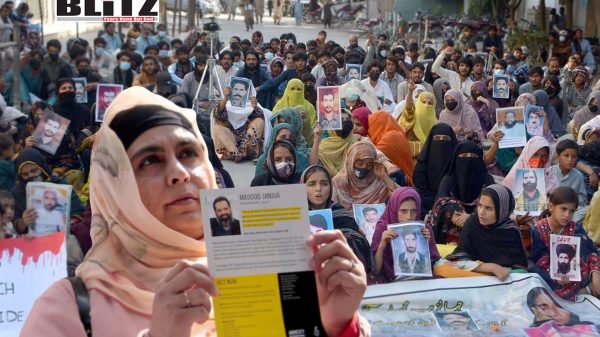
What was intended to be a forum for peace and dialogue in Pakistan’s restive northwest has instead highlighted the country’s deepening human rights crisis, after two university students reportedly disappeared following their participation in a peace jirga in Peshawar. The “grand peace jirga,” held on November 12 in Peshawar, was organised by the Khyber Pakhtunkhwa chapter of Pakistan Tehreek-e-Insaf (PTI) and attended by tribal elders, religious scholars, civil society representatives, activists and students. The gathering aimed to discuss the worsening security situation in the region, particularly in the context of rising violence and strained relations with Afghanistan. However, shortly after the event concluded, Khubaib Wazir and Adnan Wazir, members of the Waziristan Students’ Society, reportedly went missing under circumstances that rights groups describe as deeply troubling. According to eyewitness accounts, the two students were intercepted by unidentified men in plain clothes while returning from the jirga to their hostels. Since then, their whereabouts remain unknown. No arrest records, charges or official statements have been issued by police or security agencies, leaving their families and fellow students in a state of anguish and uncertainty. Human rights advocates say the incident reflects a broader pattern in Pakistan where individuals who engage in peaceful political or civic activity — particularly from tribal regions — are treated as security risks rather than citizens exercising their rights. In the aftermath of the disappearance, some pro-state voices have attempted to associate the students with the Pashtun Tahafuz Movement (PTM), a non-violent rights movement that has frequently criticised the conduct of security forces in former tribal areas. PTM leaders have repeatedly denied any links to militancy, maintaining that their demands centre on constitutional rights, accountability and an end to extrajudicial practices. The case has reignited debate around enforced disappearances, a long-standing and contentious issue in Pakistan. Rights organisations estimate that thousands of people — including students, activists, journalists and political workers — have disappeared over the past decade, particularly in Khyber Pakhtunkhwa and Balochistan. Families often report being denied information, legal recourse or even acknowledgement from authorities. Despite the existence of official inquiry commissions, critics argue that accountability remains elusive, with very few cases resulting in prosecutions or clear explanations. The continued silence surrounding recent disappearances has further eroded public confidence in state institutions and the rule of law. Civil society groups warn that such incidents send a chilling message to young Pakistanis: that even peaceful participation in dialogue or advocacy can invite severe consequences. As calls grow for the safe recovery of the missing students, rights defenders stress that genuine stability cannot be achieved through fear, secrecy and repression. For now, the disappearance of Khubaib Wazir and Adnan Wazir stands as a stark symbol of a shrinking civic space in Pakistan — where seeking peace and accountability increasingly comes at a personal cost.
Pakistan is confronting rising blowback from its long‑standing strategy toward Afghanistan as militant violence, diplomatic strain and security concerns escalate along the shared border, analysts say. What was once viewed in Islamabad as a way to secure influence over its western neighbour has increasingly become a source of internal instability, critics argue. After the Taliban’s return to power in Kabul in 2021, Pakistan sought a strategic relationship with the new regime, expecting that ideological ties and historical cooperation would translate into shared action against cross‑border threats. However, that calculus has faltered, and Islamabad’s efforts to manage the region’s security landscape have increasingly met with challenges that analysts describe as policy blowback. Border Violence and Militancy Surge Security officials in Pakistan point to a steady rise in militant attacks along the Afghan border, with insurgent groups like the Tehreek‑e‑Taliban Pakistan (TTP) blamed for deadly violence in provinces such as Khyber Pakhtunkhwa and Balochistan. A recent ambush in Karak district in which suspected militants killed police officers highlighted the persistent threat and intensifying danger posed by such groups. Despite Islamabad’s longstanding view of the Taliban as a strategic partner, militants linked to the TTP and other organisations continue to operate, sometimes staging attacks inside Pakistan after crossing from Afghan territory. Pakistani officials say this reflects a failure by Kabul’s authorities to curb groups that threaten Islamabad’s security — a central grievance in bilateral relations. Diplomatic Talks Stall Amid Mutual Distrust In 2025, high‑stakes peace talks between Pakistan and the Afghan Taliban regime repeatedly broke down, even after initial ceasefires had been negotiated. Pakistani authorities pressed the Afghan leadership to take concrete action against the TTP and other militants believed to use Afghan soil as a safe haven. However, Kabul refrained from committing to written guarantees, a sticking point that ultimately stalled negotiations. Defence officials in Pakistan publicly warned that continued attacks originating from across the border could trigger stronger responses, underscoring Islamabad’s growing frustration with what it deems ineffective diplomatic engagement. Policy Assumptions Challenged For decades, Pakistan’s policy toward Afghanistan was shaped by a “strategic depth” doctrine — the idea that friendly governance in Kabul would provide Islamabad with influence and leverage in regional geopolitics. But many analysts now describe this strategy as backfiring, with militant networks once tolerated or indirectly supported resurfacing as destabilising forces that undermine Pakistan’s own security. This reversal has prompted criticism from political commentators in Pakistan, who argue that Islamabad misjudged the evolving priorities of the Afghan Taliban and overestimated its ability to control outcomes through ideological affinity. The Taliban leadership, experts note, has diversified its foreign relations and is increasingly resistant to external pressure, including from Pakistan. Domestic Debate and Security Costs The domestic response to these developments reflects deep concern across Pakistan. Some political figures have criticised the military leadership’s handling of foreign policy, pointing to inconsistencies and perceived double standards in how Islamabad addresses cross‑border militancy while decrying external threats from regional rivals. Security analysts stress that the rebound of militant violence not only jeopardises border areas but also strains Pakistan’s broader diplomatic standing. Without effective cooperation from Kabul, Pakistan may be compelled to adopt a more hard‑nosed approach, including stricter border controls and intensified counterterrorism operations. Regional Implications The ongoing tensions between Pakistan and Afghanistan — fuelled by mutual distrust and unresolved security grievances — have broader implications for South Asian stability. Militancy spillover, failed diplomatic efforts, and deteriorating bilateral ties risk undermining peace in a region already beset by geopolitical competition and internal conflicts. Observers caution that unless both Islamabad and Kabul find a mutually acceptable framework to address cross‑border terrorism, the cycle of conflict and retaliation could intensify, with repercussions not just for the two neighbours but for wider regional security.
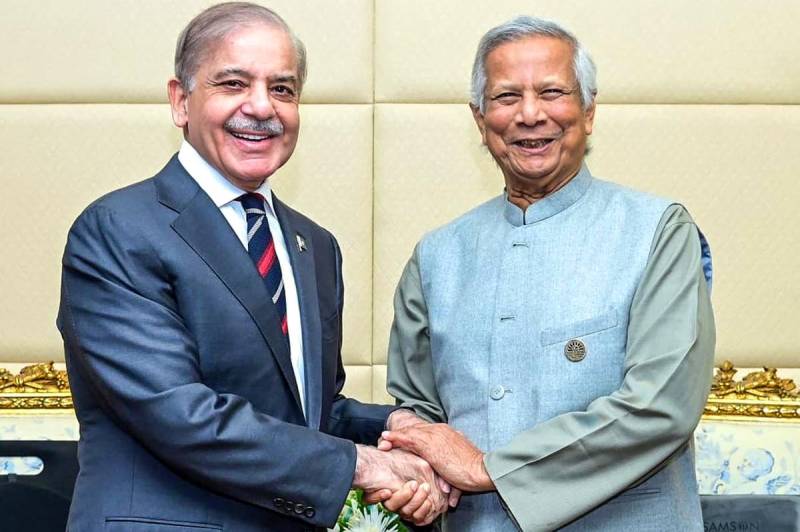
India’s strategic community is sounding alarm bells over a noticeable uptick in security and defence cooperation between Pakistan and Bangladesh, interpreting the warmer ties as a potential challenge to New Delhi’s influence in South Asia and a shift in regional alignments. Since former Nobel laureate Muhammad Yunus assumed leadership of Bangladesh’s interim government after the political upheavals of 2024, Dhaka has embarked on a diplomatic reset, engaging more actively with Islamabad and other regional players. High‑level military exchanges, increased defence dialogue and new trade and logistics initiatives have sparked debate in New Delhi about the implications of this shift for India’s eastern flank and overall national security calculus. Deepening Defence and Strategic Ties Recent years have seen Bangladesh and Pakistan strengthen military and security cooperation—with frequent reciprocal visits by senior army officers, discussions on intelligence sharing and signals of future joint training and exercises. These developments represent a departure from Dhaka’s historically India‑centric security partnerships that dominated under the ousted Sheikh Hasina era. In response to these engagements, Indian analysts argue that the relationship goes beyond routine defence diplomacy, potentially reflecting a strategic realignment that could affect New Delhi’s traditional role as Bangladesh’s principal security partner. There are concerns that collaborative defence initiatives could lead to a deeper presence of Pakistani and allied intelligence assets near India’s vulnerable eastern border region. Economic and Logistical Dimensions Alongside defence cooperation, Pakistan has extended economic overtures to Bangladesh, including proposals for access to Karachi Port and eased trade logistics that could integrate Bangladeshi supply routes with Pakistani trade corridors. Analysts view such economic cooperation not simply as commerce but as part of a broader attempt to embed Islamabad into Dhaka’s strategic outlook, potentially undermining India’s influence in South Asia’s economic and logistical networks. The combination of these steps—military exchanges and logistical links—feeds Indian apprehension about a nascent Islamabad–Dhaka–Beijing triangle, where Bangladesh pivots towards partners historically antagonistic to India. Regional Security Implications India’s strategic concerns are amplified by the porous 4,000‑kilometre Indo‑Bangladesh border, which has historically been susceptible to illegal crossings, smuggling and insurgent movement. Enhanced military ties between Dhaka and Islamabad could, according to some Indian security analysts, provide opportunities for proxy networks or extremist elements to exploit weakened Indian influence, particularly in the northeastern states. Reports from independent security observers also suggest that Pakistan’s intelligence agencies have been attempting to leverage evolving political currents in Bangladesh to re‑establish networks that pre‑date the 1971 Liberation War, using porous borders and political realignments to advance strategic objectives. Historical Memories and Public Sentiment Historical memory adds another layer of complexity. Many in Bangladesh still recall the brutal 1971 Liberation War and harbour deep scepticism toward Pakistan’s intentions. Polling within strategic circles in Bangladesh highlights public unease with closer ties to Islamabad, seen by some as inconsistent with national dignity and historical truth. This sentiment, however, contrasts with the interim government’s pragmatic diplomacy, which seeks to diversify alliances and counterbalance what it perceives as over‑dependence on any single partner. Dhaka insists that its engagements are aimed at safeguarding national interests and expanding regional connectivity rather than aligning against any neighbour. India’s Strategic Response New Delhi has taken note of these shifts with caution. Officials and strategic analysts emphasise the need to reaffirm India’s longstanding security and economic partnership with Bangladesh, especially in areas like counterterrorism, border management and regional connectivity. India remains Dhaka’s largest trading partner and principal source of military training and development assistance—a relationship it aims to preserve amid changing geopolitical undercurrents. Security think tanks in India are urging heightened diplomatic engagement and enhanced intelligence cooperation to ensure that evolving dynamics do not translate into vulnerabilities along India’s eastern borders or erode its influence in a key regional partner. The Road Ahead As Bangladesh navigates its foreign policy post‑Hasina, the recalibration towards Pakistan comes at a delicate moment for South Asian geopolitics. Analysts in New Delhi and across the region caution that while sovereign states have the right to diversify partnerships, careful balancing and transparent diplomacy will be essential to avoid exacerbating tensions in an already volatile neighbourhood. Whether deeper ties between Dhaka and Islamabad will evolve into enduring strategic realignments or remain limited to issue‑specific cooperation remains a subject of ongoing debate among policymakers and regional experts.
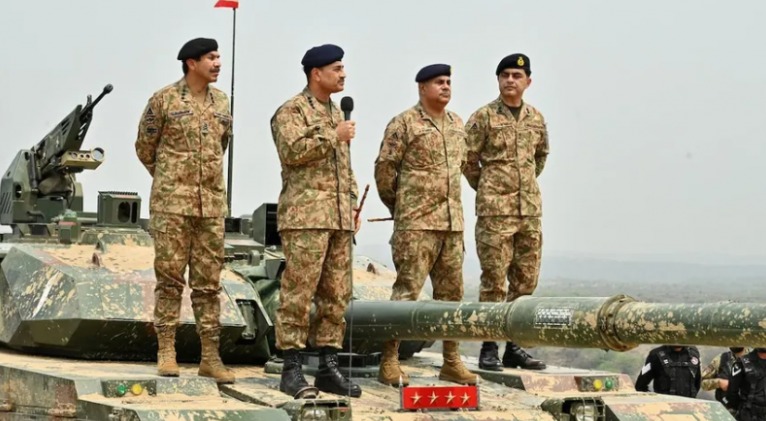
Strategic analysts say recent public statements by leaders linked to militant organisations in Pakistan point to a worrisome blurring of lines between the state and extremist groups, potentially reshaping the country’s security and foreign policy dynamics. Independent observers note that comments by well‑known militant clerics and figures suggest a shift in how Pakistan’s military establishment engages with both domestic proxies and foreign policy objectives—a development with implications for regional stability. The debate was sparked after a senior cleric associated with a Pakistan‑linked militant ecosystem publicly praised the country’s military leadership and suggested alignment with national interests if regional demands were not met. Commentators say such public endorsements, historically rare, point to growing open synergy between certain militant factions and state actors, rather than covert cooperation that has defined past decades. Long History of Proxy Use in Regional Strategy Analysts say Pakistan’s security establishment has long been accused of tolerating or even nurturing militant organisations for strategic purposes, including past conflicts in Afghanistan and Kashmir. Historically, groups like Lashkar‑e‑Toiba and Jaish‑e‑Mohammad have operated in ways aligned with Islamabad’s objectives, especially during times of regional tension. Critics argue that such relationships enabled irregular warfare strategies without clear accountability. What is significant, experts point out, is not simply the existence of ties between militant networks and state elements, but the manner in which public rhetoric and symbolic endorsements are now entering mainstream discourse. By appearing to endorse top military leadership and make geopolitical demands through statements outside formal diplomatic channels, militant figures are perceived to be conveying a message that extremists enjoy tacit acceptance and may be deployed as instruments of influence. Implications for Regional Security Dynamics Observers say these developments come at a time of heightened tension in South Asia, with Pakistan’s relationships with neighbouring countries — particularly Afghanistan and India — already strained by diplomatic and security disputes. Analysts warn that any apparent legitimisation of militant voices could complicate efforts at conflict resolution, cross‑border cooperation and counter‑terrorism initiatives, undermining official diplomatic engagement. Concerns also extend to how such trends might affect Pakistan’s internal political environment. Critics argue that the increased visibility of extremist rhetoric could erode civilian authority and empower non‑state actors at a time when governance and democratic processes face significant challenges. Militant endorsement of state leaders could reinforce narratives that sideline institutional checks and balances, making it harder to pursue long‑term security reforms. State Response and Strategic Calculations Pakistani military and government officials have not formally confirmed any change in policy regarding militant groups, often reiterating that security measures are focused on legitimate threats and national interests. However, analysts say the public prominence of militant voices cannot be separated from broader strategic calculations, noting that such dynamics reflect deeper issues in how Pakistan manages external threats, internal security and geopolitical relationships. As regional powers watch these developments closely, diplomats and security experts emphasise the importance of transparent counter‑terrorism policies, strengthened institutional governance and renewed diplomatic engagement to prevent extremist actors from gaining undue influence over national policy.
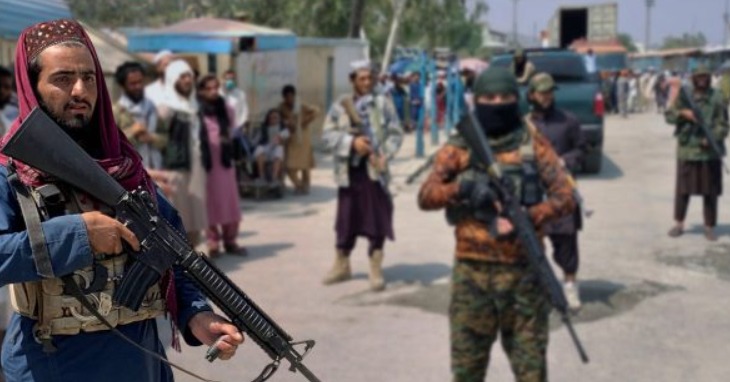
Pakistan’s relationship with the Afghan Taliban‑led government has reached one of its most strained phases in years, with recent public ultimatums from Pakistan’s military leadership underscoring deep frustration over cross‑border militancy and stalled diplomacy. Observers say this shift reflects a broader crisis in Islamabad’s approach: turning to threats over negotiation after years of failed engagement on security issues. In early December, Field Marshal Asim Munir, Pakistan’s Chief of Defence Staff and Army Chief, openly warned the Afghan Taliban that Islamabad may reconsider bilateral ties unless Kabul acts against militants of the Tehreek‑e‑Taliban Pakistan (TTP) said to be operating from Afghan territory. The statement, delivered at a national religious gathering, was unusually blunt in tone and deviated from Pakistan’s traditional mix of quiet diplomacy and indirect pressure. Shifting Tactics After Years of Contact For more than three years since the Taliban returned to power in Kabul in 2021, Pakistan pursued various methods to influence Afghan policy on Pakistan’s security threats, including back‑channel talks, intelligence coordination and limited military actions. But analysts say these efforts have largely failed to persuade Afghan leaders to take decisive action against TTP fighters. Instead of quiet negotiation, Islamabad’s recent rhetoric pairs public warnings with appeals to domestic religious authorities — a sign that Pakistan’s security establishment believes traditional channels have lost effectiveness. Making such ultimata before religious leaders was seen as both a symbolic message to internal audiences and a signal that Islamabad feels increasingly isolated in managing cross‑border insurgency threats. Taliban Dynamics and Regional Realities The Taliban that returned to Afghan leadership in August 2021 differs from the group that Pakistan once helped cultivate. Analysts note the movement now seeks broader international legitimacy, economic ties and diversified alliances, including with China, Iran and even India, reducing Pakistan’s leverage. Rather than acting as a strategic proxy, the Afghan administration has insisted that Pakistan’s internal insurgency issues — including the TTP — are Islamabad’s concern and not a matter for Kabul to police. This stance clashes with Pakistan’s expectation that historical ties and ideological affinity would translate into cooperation against militant groups. Critics argue that Islamabad’s assumption of leverage overlooked evolving Afghan priorities and the Taliban leadership’s desire for autonomy and regional recognition. Blowback From Counterterror Efforts The Pakistani Taliban (TTP) remains a significant security challenge inside Pakistan, responsible for deadly attacks across the northwest and border regions. Islamabad’s repeated counterterror operations have at times disrupted militant networks but failed to eliminate the threat, and some measures have drawn criticism for displacing civilians and fueling local grievances, which insurgent groups exploit to recruit and regroup. Analysts stress that framing the TTP issue solely as an external problem enabled by Afghanistan overlooks the domestic roots of radicalisation and the unintended consequences of past policies that tolerated certain militant factions as strategic assets. This legacy complicates Pakistan’s current security discourse and limits the effectiveness of purely coercive approaches. Diplomacy, Threats and the Path Forward Pakistan’s recent shift toward public ultimatums and threats — rather than sustained quiet diplomacy — underscores the broader strategic frustration in Islamabad. Observers caution that while such rhetoric may resonate domestically, it is unlikely to compel a change in Afghan policy and may instead further weaken bilateral trust. To effectively address the TTP threat, analysts suggest Pakistan may need to balance security operations with political reforms in restive regions, improved governance and renewed diplomatic engagement that acknowledges changing regional dynamics and Afghanistan’s broader international priorities.
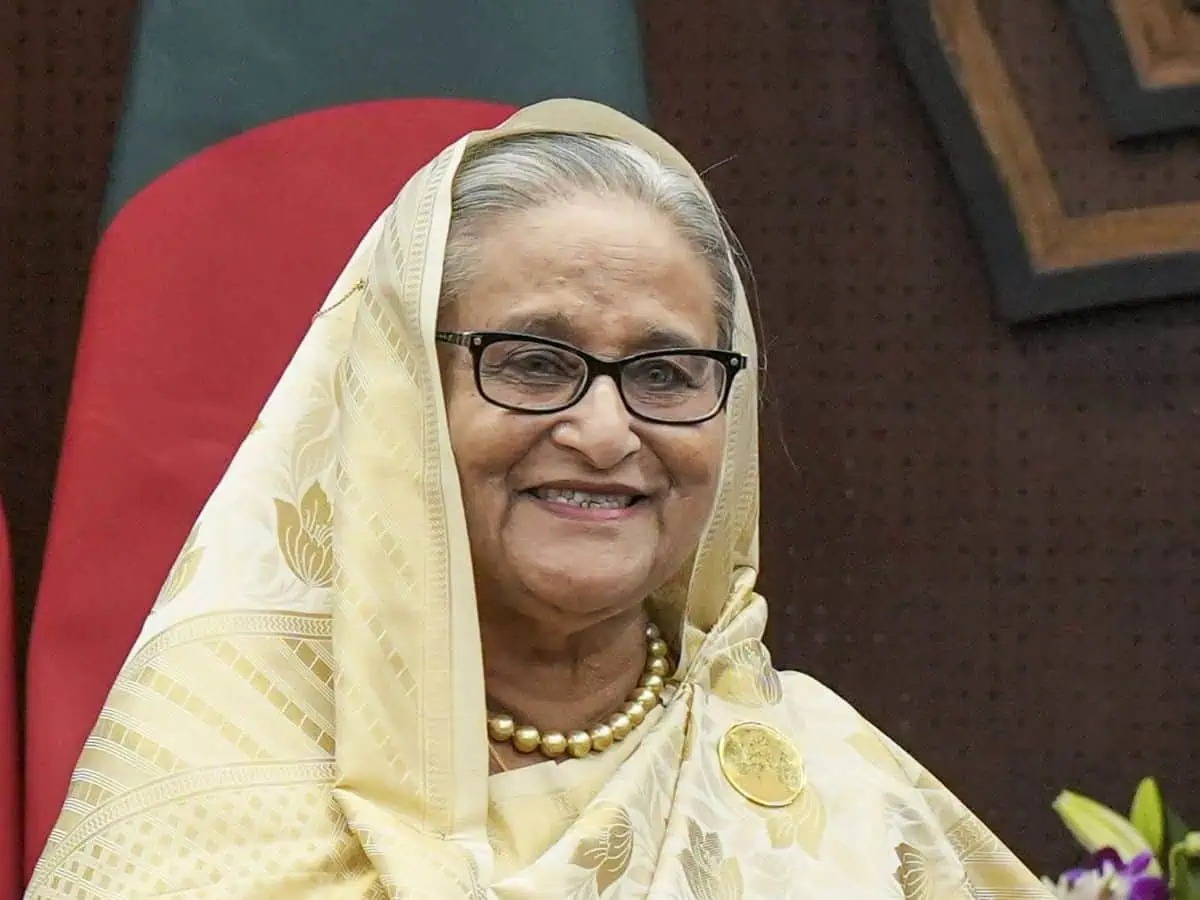
Former Bangladeshi Prime Minister Sheikh Hasina has issued a stark critique of the country’s current political trajectory in a wide‑ranging interview, saying violence, rising extremism and the sidelining of democratic norms under the interim government pose grave risks to Bangladesh’s future. Hasina’s comments come as the nation prepares for parliamentary elections scheduled for February 2026, a moment analysts say will be pivotal for the country’s stability and democratic legitimacy. Now living in exile, Hasina described the protests in 2024 that led to her ouster not as entirely peaceful demonstrations but as movements exploited by extremists who allegedly transformed civic unrest into violent uprisings. She said that attacks on police stations and destruction of infrastructure signified a breakdown in law and order, lamenting that what began as a protest deteriorated into chaos that she felt forced to leave the country to prevent further bloodshed. Democracy, Extremism and Governance Concerns Hasina sharply criticised the interim administration led by Nobel laureate Muhammad Yunus, arguing it lacks democratic legitimacy because it governs without a popular mandate. She alleged that the interim government has weakened constitutional structures, undermined the judiciary and failed to curb the influence of extremist factions, including the release of convicted militants she says are now emboldened in public life. According to her, this pattern undermines religious harmony and threatens the secular foundations of the state. She emphasized that free, fair and inclusive elections, including the legal participation of her party — the Awami League — are essential for restoring democratic governance. Hasina argued that elections held without major political parties cannot be considered legitimate and called for the release of political prisoners and lifting of bans on key political organisations. Reflections on Past Leadership and Future Priorities Reflecting on her long tenure in office, Hasina highlighted what she described as her government’s achievements — including rapid economic growth, poverty reduction and strengthened infrastructure — while defending her record on minority rights and secular governance. She said that healthy political opposition had been encouraged under her leadership and that participatory democracy was central to her vision for Bangladesh. Turning to future prospects, Hasina said she would prioritise the restoration of constitutional rule, accountability for violence, protections for civil liberties and economic renewal if given another opportunity to lead. She reiterated her confidence in the resilience of the Bangladeshi people and their aspiration for participatory democracy. Political Landscape and Upcoming Elections Bangladesh’s political scene remains deeply fractured. Opposing parties, emerging movements and Islamist factions are all vying for influence ahead of elections that could reshape governance in the country. Analysts note that questions over the interim government’s handling of security, political freedoms and economic challenges are likely to dominate public debate in the coming weeks. Hasina’s critique adds to broader concerns about the credibility of the electoral process and the role of extremist groups in shaping political discourse — concerns that both domestic observers and foreign diplomats say will be crucial to address if Bangladesh is to navigate a peaceful democratic transition.
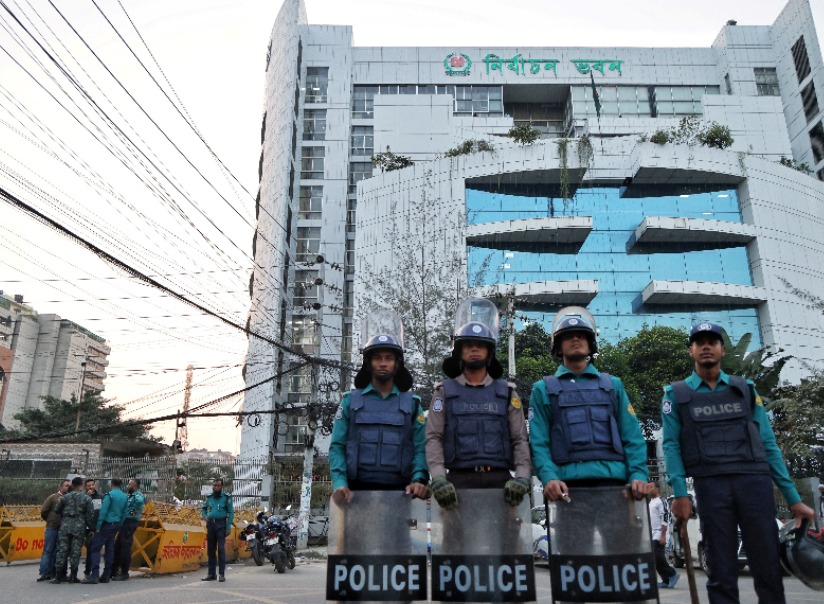
Recent attacks on Hindu minorities in Bangladesh — including arson, lynchings and threats tied to unverified blasphemy claims — have reignited debate over whether such violence is sporadic or part of a deeper, structural pattern rooted in decades of social, legal and political trends. Rights groups, community leaders and researchers point to a series of recurring incidents that suggest longstanding vulnerabilities for Hindus in the Muslim‑majority nation. The most recent high‑profile case involved the lynching of a Hindu garment worker in late 2025, when coworkers accused him of blasphemy without substantiated evidence. The fatal mob attack sparked protests, diplomatic concern and renewed scrutiny of how religious minorities are treated during periods of political turmoil and social tension. Advocates and analysts argue that these events are not isolated but reflect broader historical patterns of communal violence and discrimination that have periodically erupted, especially during political transitions or when allegations of religious offence circulate in local communities. Recurring Violence and Community Vulnerability In multiple incidents throughout 2025, attackers targeted homes and properties of Hindu families, sometimes issuing threats and warning banners alleging “anti‑Islamic activities.” In one case in the Chattogram region, attackers set fire to a Hindu household after issuing threatening notices in the area, forcing the family to flee for safety. Rights observers describe such episodes as more than random criminality and stress how religious prejudice can escalate quickly into mass violence in poorly policed settings. Historical data underline that Hindu communities in Bangladesh have faced waves of violence over decades, with documented attacks during and after the country’s independence in 1971, repeated post‑election unrest in the early 2000s, and communal tensions tied to religious controversies. Analysts note that violence has not been limited to physical assaults; reports also include destruction of temples, displacement of families and persistent fears of marginalisation among minorities. Demographic Shifts and Historical Context Scholars and demographers highlight long‑term demographic changes that have reduced the Hindu share of Bangladesh’s population over several decades, driven in part by economic distress, social discrimination and repeated waves of communal unrest. Some academic estimates suggest that millions of Hindus left the country between the 1960s and early 2010s because of persecution and insecurity, contributing to a steady decline in the community’s proportion of the total population. Legal and constitutional developments have also played a role. Bangladesh’s declaration of Islam as the state religion in the late 20th century, along with historical property laws that disproportionately affected Hindu owners, are cited by commentators as factors that reinforced the community’s political and economic marginalisation. Divergent Narratives and Government Response The Bangladeshi interim government and security officials have at times rejected characterisations of systematic persecution, framing recent incidents as politically motivated conflicts or isolated criminal acts rather than evidence of broader communal targeting. Officials contend that police and judicial processes are addressing violent cases and that overall social harmony remains a priority. This narrative contrasts with accounts from some rights groups and international observers who see patterns of violence that disproportionately affect Hindus during periods of political instability or heightened social tension. Regional Reactions and Diplomatic Tensions The issue has also strained diplomatic ties, with protests in neighbouring India calling for protection of Hindu minorities and strong remarks from Indian officials about the safety of communities across the border. Some political activists and civic groups in the region argue that recurring violence against Hindus threatens not only individual safety but also cultural heritage and pluralistic values. At the same time, voices within Bangladesh call for greater protection of minority rights, improved law enforcement responses and constructive dialogue to prevent future outbreaks of violence. A Pattern or Episodic Disorder? Analysts emphasise that understanding the nature of violence — whether episodic or structural — requires consideration of both recent events and long‑term historical dynamics. While immediate triggers for attacks often involve local disputes or unfounded religious accusations, the frequency and distribution of such incidents over decades suggest persistent vulnerabilities rooted in legal frameworks, social attitudes and political transitions. As Bangladesh prepares for national elections and continued social change, the debate over whether violence against Hindus is an anomaly or part of enduring structural pressures is likely to remain central to discussions on minority rights, national identity and democratic development.
With national elections scheduled for February 2026, Bangladesh’s political climate is increasingly marked by widespread violence, communal tension and attacks on dissenting voices — raising concerns among analysts, civil society and international observers about a deepening democratic crisis. Critics say that since the interim government under Chief Advisor Muhammad Yunus took power in August 2024, the landscape has shifted dramatically. Incidents of mob violence, ethnic attacks and threats to free expression have surged, and political polarization has intensified. These developments are overshadowing hopes for a peaceful, credible electoral transition in the country. Sharp Rise in Violence and Public Disorder Observers highlight a troubling pattern of violence including attacks on cultural institutions, media outlets, and prominent activists. In mid‑December 2025, mobs targeted major newspapers and cultural organisations in Dhaka, jeopardising both press freedom and artistic expression, according to rights groups. One of the most shocking incidents shaping public perception was the lynching of Dipu Chandra Das, a young Hindu man accused of blasphemy. Das was beaten and killed by a mob, an event that not only shocked civil society but also drew international attention to the fragility of law and order in Bangladesh. Communal Tensions and Minority Vulnerability Reports from rights organisations underscore a sharp uptick in blasphemy‑related violence and attacks against religious minorities throughout 2025. More than 70 separate incidents were documented from mid‑year through December, including mob beatings, vandalism of homes and communal unrest in multiple districts. These events point to a climate where accusations can quickly escalate into mass violence, particularly in areas with limited law‑enforcement response. Political Polarization and Democratic Institutions Political opponents of the interim government argue that state institutions — from law enforcement to the judiciary — have been strained by political divides and have failed to protect vulnerable groups or uphold democratic norms. Former political leaders have publicly blamed the current administration for increasing lawlessness and loss of control, asserting that the breakdown in public order reflects deeper governance challenges. At the same time, some social and political analysts point out that longstanding political rivalries have magnified tensions, and that voices across the spectrum are calling for greater transparency and safeguards ahead of the upcoming elections. Public Protests and International Concern Cross‑border repercussions have also emerged. Protests by diaspora communities and activist groups in neighbouring countries underscore how events in Bangladesh are reverberating beyond its borders. Some international rights organisations have emphasised the need to protect freedom of expression and ensure meaningful civic participation, particularly at a moment when the nation is preparing to elect a new parliament. Looking Ahead: Elections and Stability With the February 2026 election approaching, stakeholders in Bangladesh face the complex challenge of balancing security, social cohesion and democratic participation. Analysts stress that meaningful reform — including strengthening protections for minorities, safeguarding press freedom, and ensuring accountability for violent acts — will be essential to restoring confidence in the country’s democratic future. For many citizens and observers, the coming months will be a critical test of Bangladesh’s resilience and its ability to uphold democratic principles amid deep political and social tensions.
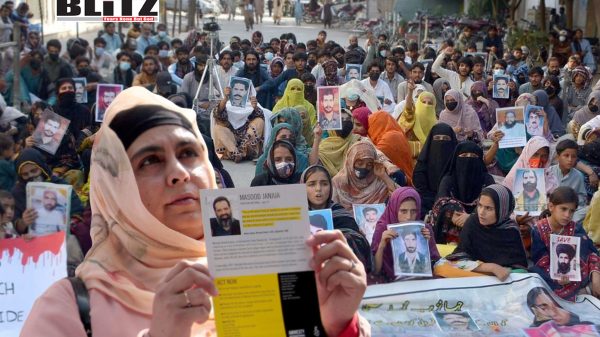
A gathering aimed at promoting dialogue and peace in Khyber Pakhtunkhwa ended in controversy this month after two student activists attending the event went missing, fueling renewed criticism of Pakistan’s handling of political dissent and human rights. On November 12, 2025, a “peace jirga” brought together tribal elders, clerics, civil society figures, and students in Peshawar to discuss rising security concerns amid tensions along the Afghan border. According to eyewitness accounts, Khubaib Wazir and Adnan Wazir, both members of the Waziristan Students’ Society, left the event but never returned to their hostel. Local reports indicate the two were intercepted by men in plain clothes believed to be linked to state security forces and have not been seen since. Neither their families nor authorities have provided any official information on their whereabouts. Pattern of Enforced Disappearances Raises Alarm Human rights organisations have long documented enforced disappearances in Pakistan — a practice in which individuals are taken into custody without legal process or acknowledgment by state agencies. Families of missing persons and rights groups argue that this tactic is used not only against armed militants but increasingly against activists, students, and critics of military and security policies. Official data from Pakistan’s Commission of Inquiry on Enforced Disappearances shows more than 10,000 cases recorded between 2011 and 2025, including thousands in Khyber Pakhtunkhwa and Balochistan. Independent estimates suggest that hundreds more cases go unreported due to fear or lack of legal recourse. Activists and civil society organisations note that enforced disappearances have been especially prevalent in regions with long‑standing tensions, where security operations and counter‑insurgency measures historically intersect with political grievances and ethnic identity struggles. Broader Protests and Civil Society Action Recent months have also seen a surge in activism around the issue, particularly in Balochistan, where campaigns against enforced disappearances have been organised to highlight the plight of missing persons. Civil society groups have documented cases involving both men and women, calling for accountability and transparency from state institutions. Protests have included efforts to spotlight the disappearance of entire families and symbolic actions to challenge state indifference. In some instances, demonstrations have even impacted major transportation routes. Local communities in Balochistan blocked portions of the China‑Pakistan Economic Corridor (CPEC) to protest the rise in disappearances, underscoring the depth of frustration over unresolved cases and the lack of official responses. Pushback and Rights Advocacy Human rights organisations both inside and outside Pakistan have repeatedly called for an end to enforced disappearances and for meaningful investigations into reported cases. Critics argue that conflating peaceful activism with security threats undermines civil liberties and fuels mistrust between communities and the state. Rights advocates say that families of missing persons are often left in limbo, forced to navigate lengthy legal processes while facing silence from authorities and little recourse through the courts. They call for stronger institutional safeguards, accountability for security personnel, and legal reforms to prevent future abuses. State Position and Public Debate Pakistani officials have generally maintained that security operations are necessary for maintaining order amid complex regional conflicts, but they deny systemic abuses. Government representatives often assert that any cases of disappearance are matters of national security and subject to legal review. However, persistent reports from rights groups and families suggest a gap between official rhetoric and public experience. The incident involving the two student activists has reinvigorated debate about the limits of civic engagement in Pakistan. Critics of enforced disappearances argue that silencing dissent through abductions not only violates fundamental rights but also stifles legitimate dialogue on peace and accountability — ironically targeting those who seek those very outcomes.
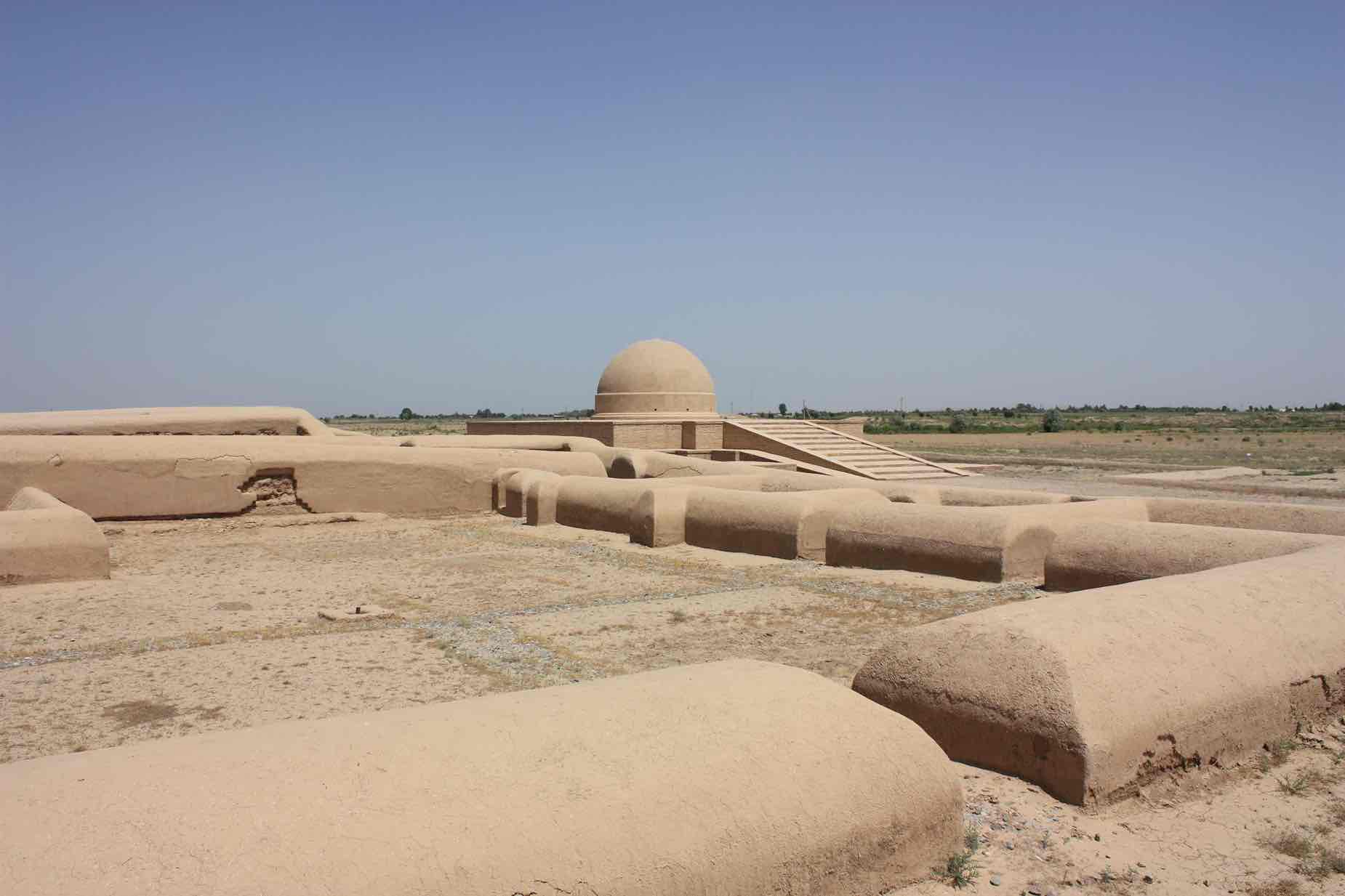
India’s long‑standing strategic vision to reconnect with Central Asia — a region historically linked through ancient trade and cultural ties — is facing mounting challenges, with analysts arguing that geopolitics has turned what should be a natural corridor into a strategic dead end for New Delhi. The analysis highlights how geographical barriers, regional political tensions, and competition from rival powers have undermined India’s efforts to establish efficient overland links with Central Asian countries, reducing New Delhi’s ability to harness the full economic and geopolitical potential of the region. Historic Geography Meets Modern Politics For centuries, traders, monks and emissaries traversed mountain passes and plains connecting the Indian subcontinent with cities like Samarkand and Bukhara. That history underpins India’s interest in strengthening ties with Central Asian states, which are rich in energy resources and critical minerals and offer significant trade opportunities beyond South Asia. However, analysts note that modern geopolitics has complicated that picture. India does not share a land border with Central Asian republics, and overland access routes historically passing through Pakistan have been blocked due to persistently strained relations and transit denial, forcing New Delhi to pursue indirect and costlier alternatives. Connectivity Projects Hampered by Regional Realities New Delhi has pursued major initiatives such as the International North‑South Transport Corridor (INSTC) and the development of Chabahar Port in southeastern Iran to bypass Pakistan’s transit barrier and link with Eurasia via Iran and the Caspian Sea. These projects are intended to reduce transit times and costs for trade and energy supply. But progress has been slow, and infrastructure gaps — including missing rail links and customs hurdles — continue to impede their full operationalisation. Instability in Afghanistan and the lack of a stable, reliable transit environment have also limited New Delhi’s reach to Central Asia overland. Ongoing political uncertainty and evolving security dynamics in Kabul complicate efforts to use Afghan territory as a bridge, further undermining the effectiveness of connectivity routes that rely on that corridor. Strategic Competition Intensifies India’s efforts to enhance connectivity occur against the backdrop of intense strategic competition in Central Asia. China’s Belt and Road Initiative has entrenched Beijing as the dominant infrastructure investor in the region, while Russia maintains strong economic and security ties with several Central Asian states. This has left Indian initiatives comparatively underfunded and less influential. While India’s trade with Central Asia remains relatively modest compared with China’s expansive economic footprint, policymakers in New Delhi argue that deepening ties remains essential to diversify economic partnerships and counterbalance rival influence. Still, experts note that without significant breakthroughs in transit access, the region’s potential as a strategic corridor may remain unrealised. Economic and Security Stakes Central Asia’s wealth in energy resources — including natural gas, oil, and rare earth minerals — makes the region highly attractive to global powers seeking to secure diversified energy supplies and critical inputs for future technologies. India’s engagement, analysts say, is as much about energy security as it is about trade connectivity. In addition to economic considerations, cooperation with Central Asian states includes defence and security cooperation, especially concerning counterterrorism and border security. Tajikistan, for example, remains a key partner for India’s security engagement in the region. Looking Ahead Despite the challenges, New Delhi continues to signal its commitment to Central Asia through diplomatic engagement, investment in regional connectivity infrastructure, and efforts to build alternative routes around geopolitical obstacles. Whether these efforts can ultimately overcome entrenched barriers and transform the historic corridor from a strategic dead end into a vibrant economic and geopolitical link will depend on sustained diplomatic coordination, investment in infrastructure, and shifting regional dynamics — including stability in Afghanistan and evolving relations with key players such as Iran, Russia, and China.
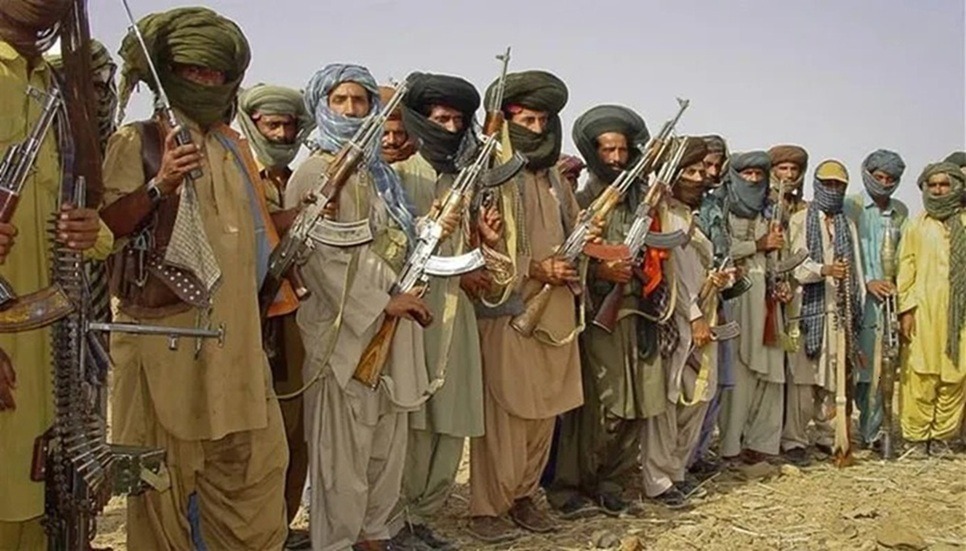
A growing debate over Balochistan’s natural resource wealth and its role in Pakistan’s national economy has attracted renewed attention from analysts and commentators, with critics arguing that the province’s rich mineral reserves and strategic location have long been exploited to the detriment of its people. In a recent opinion piece by a regional security commentator, questions were raised about how resource‑rich areas like Reko Diq — famed for its vast copper and gold deposits — became contested ground in both historical and contemporary contexts. The argument holds that longstanding grievances over control of these resources stem from colonial‑era legacies and have continued to influence internal politics and centre‑periphery relations in Pakistan. Reko Diq: Symbol of Economic Opportunity and Contention Reko Diq, in southwestern Balochistan, has been at the centre of investment ambitions for years due to its significant copper and gold potential. Its development has involved both domestic stakeholders and international mining interests. Critics argue that decisions over mining rights, revenue sharing, and local participation have often left Baloch communities feeling marginalised — fuelling perceptions that resource wealth benefits outsiders more than local populations. The debate taps into wider historical grievances: critics contend that Balochistan’s incorporation into Pakistan in 1947 and subsequent administrative decisions have not fully respected the aspirations of its indigenous communities. They assert that political and military dominance by central authorities has shaped how economic opportunities are structured — often without adequate consent, representation or direct benefit to local populations. Analysts point out that the province’s wealth of minerals, including copper, gold, natural gas, and other strategic resources, has made it both an asset and a flashpoint in relations with Islamabad. While government officials describe mining development as key to national economic growth and job creation, local activists and commentators argue that profiting from these assets should be more equitable and include stronger guarantees for local rights and environmental protections. Historical Narratives and Contemporary Politics The opinion commentary also revisited broader historical narratives, suggesting that geopolitical manoeuvres and internal security priorities have shaped national policy toward the region. Some critics argue that long‑standing insurgencies and security crackdowns in Balochistan have further complicated efforts to build trust and inclusive governance. Observers stress that debates about Reko Diq and Balochistan are indicative of deeper challenges in Pakistan’s internal cohesion. The province’s strategic location — bordered by Iran and Afghanistan, with a coastline on the Arabian Sea — gives it both geopolitical importance and heightened strategic sensitivity. Meanwhile, tensions persist between local demands for resource control and the federal government’s vision of integrating the region into larger economic corridors and national development plans. Voices for Inclusive Growth and Reconciliation Political commentators note that many voices in Balochistan are calling for greater local involvement in decision‑making, transparent revenue‑sharing mechanisms, and stronger legal protections for community rights. Supporters of reform argue that sustainable development can only succeed if it builds trust, ensures fair economic returns for local residents, and addresses historical grievances that have fueled periodic unrest. Government representatives, for their part, often highlight development initiatives and infrastructure investments aimed at boosting economic growth and connectivity in the province. They contend that broader economic inclusion and job creation will help reduce instability and support long‑term prosperity. Wider Implications for National Unity The ongoing discussion over Balochistan’s resources underscores the complexity of balancing regional autonomy, equitable economic policy, and national unity in a diverse federation. As debates continue, analysts say the challenge for policymakers will be to craft solutions that respect provincial aspirations while contributing to overall stability and development — a task that will require political will, economic foresight, and inclusive governance.
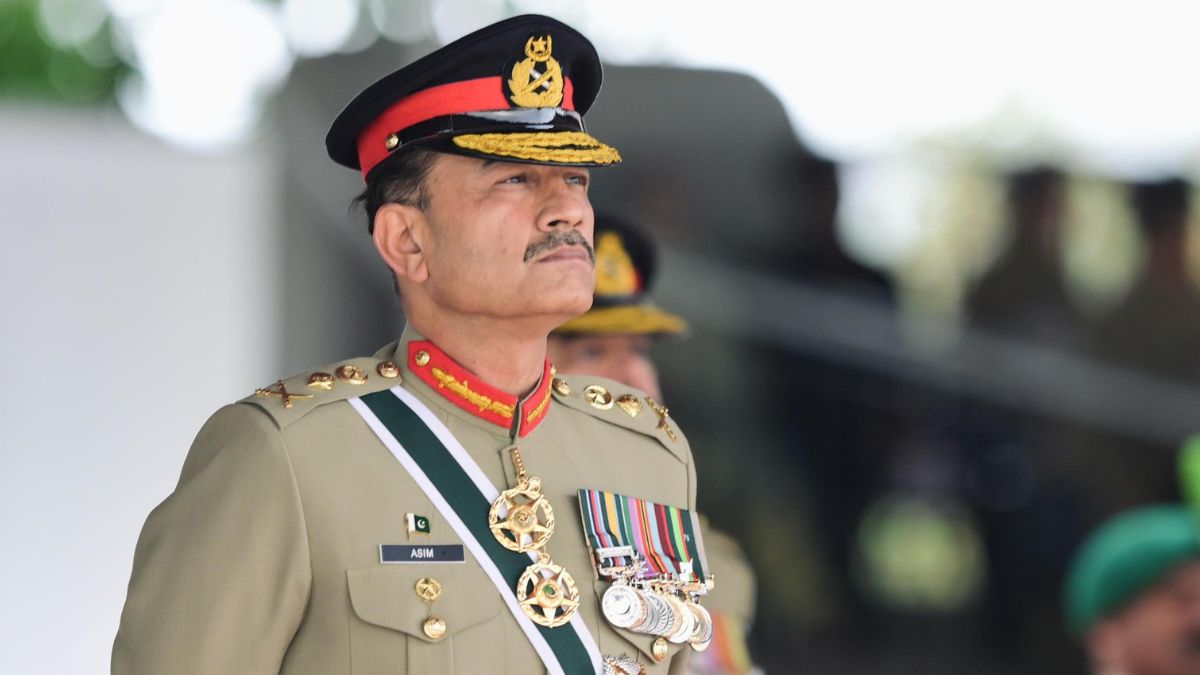
Pakistan’s military under Field Marshal Asim Munir has drawn widespread attention both domestically and internationally amid what analysts describe as an assertive doctrine of power consolidation that some commentators liken to the controversial “Thick Face, Black Heart” ethos — a philosophy emphasizing relentless ambition and emotional detachment in pursuit of strategic goals. Asim Munir, elevated to the rare rank of Field Marshal and now serving as Pakistan’s top military leader with expanded authority across all branches of the armed forces, has increasingly been portrayed as the central figure in the country’s power matrix. This perception follows a series of constitutional, policy and institutional shifts that have strengthened the military’s role in governance and national decision‑making while civilian authority appears weakened in practice. Analysts say the “Thick Face, Black Heart” description — originally a controversial management/philosophy concept suggesting ruthless focus on one’s own objectives — has been applied by observers to illustrate how Pakistan’s military leadership under Munir navigates political opposition, dissent and strategic competition with little regard for conventional political constraints or public criticism. Supporters of this view argue that it reflects a pragmatic effort to stabilise a deeply fractured nation; critics warn that it risks undermining democratic norms and civil liberties. Military Dominance and Political Control Under Munir’s command, Pakistan’s military has expanded its influence beyond core security functions into economic, legal and political domains. Constitutional changes adopted in recent months have formalised the military’s institutional reach and provided legal protections for its leadership, raising concerns among human rights advocates, religious scholars and political opponents about accountability and the balance of power. Critics argue that such measures create a near‑imperial position for the army chief, insulated from civilian oversight or judicial review. The assertiveness of Munir’s leadership is reflected in the military’s public posture on key national issues, including counterterrorism operations, foreign relations, and domestic order. Statements from the armed forces emphasise national unity against external threats while framing internal dissent as destabilising “digital terrorism,” a term used by military officials to describe what they see as coordinated efforts to erode public confidence in the army. Domestic Tensions and Diverse Reactions Within Pakistan, reactions to Munir’s approach are sharply divided. Supporters within the establishment credit him with restoring stability after years of political volatility and with guiding the country through complex regional security challenges. They point to the army’s increased public approval and recent strategic achievements as evidence of effective leadership. At the same time, political figures and civil society voices remain highly critical. Some legislators and religious leaders have publicly questioned the unaccountable powers granted to the military leadership, arguing they exceed constitutional norms and contradict the principles of democratic governance. A noticeable rift has also emerged with segments of the religious establishment that oppose lifetime legal immunity and other protections afforded to Munir under recent constitutional amendments — labeling such privileges as both legally and ethically indefensible. Regional Implications and Foreign Policy Posture Beyond internal politics, Pakistan’s strategic posture under Munir remains assertive. Military statements emphasise readiness to respond decisively to any perceived threats, reinforcing Islamabad’s hardline stance on longstanding tensions with neighbouring states and militant groups. This has coincided with broader defence cooperation agreements with regional partners, efforts to expand military exports, and high‑level engagements with international counterparts. Observers say this blend of strategic assertiveness and political control suggests a doctrine in which military priorities — and the personalities driving them — play a defining role in setting Pakistan’s national agenda. Whether this model will produce long‑term stability or deepen democratic deficits in a nuclear‑armed nation facing significant economic, social and geopolitical challenges remains a key question for analysts watching developments in South Asia.
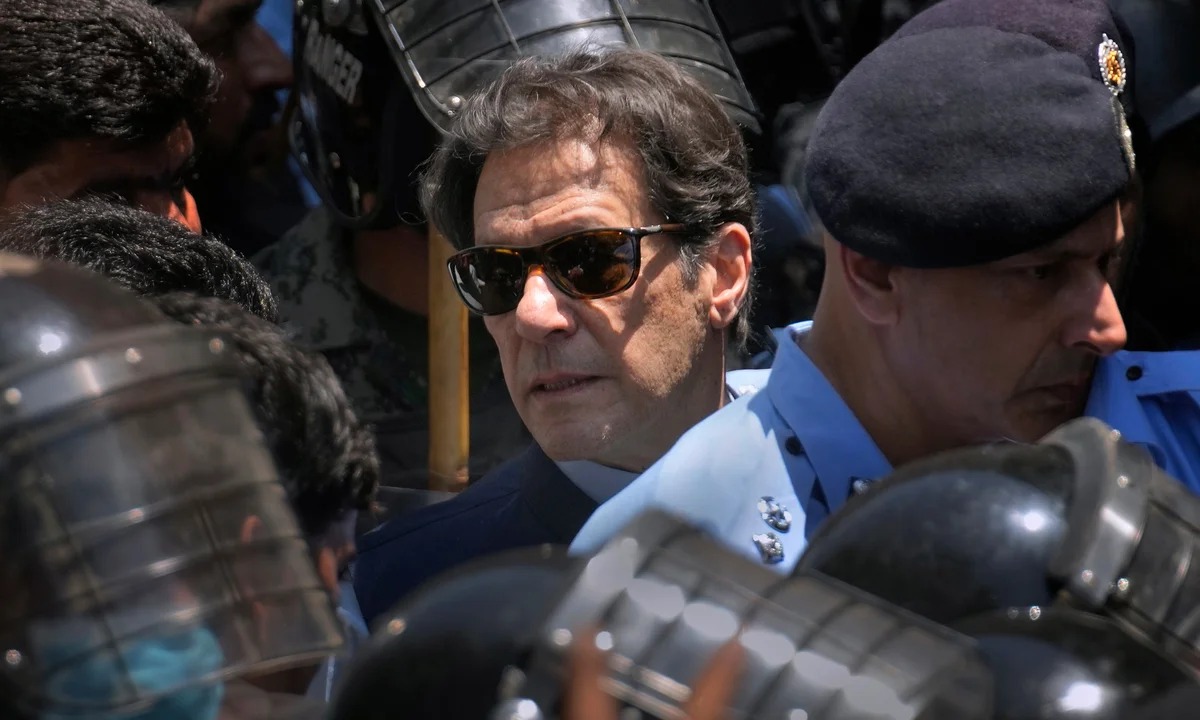
Concerns are growing within Pakistan and among international observers following a sharp escalation in rhetoric from the country’s military establishment regarding former Prime Minister Imran Khan, who has remained in custody since 2023 amid multiple legal cases. Recent public statements by military officials have framed Khan as a serious threat to national stability, marking a notable shift from earlier messaging that portrayed him primarily as a political adversary. Analysts say this change in tone has heightened fears about the direction of Pakistan’s civil-military relations and the broader political environment. Escalating Language Raises Alarm Observers note that the military’s recent characterisation of Khan goes beyond political criticism, instead invoking national security concerns and allegations of destabilisation. Such language, critics argue, risks further polarising the country at a time when political tensions are already high. Human rights advocates and political analysts caution that portraying a detained political leader as an existential threat to the state can undermine legal safeguards and due process, particularly in a system where the military wields significant influence. Background to the Crisis Imran Khan, a former international cricket star turned politician, served as Pakistan’s prime minister from 2018 until his removal through a parliamentary vote in 2022. Since then, he has faced multiple convictions and legal proceedings, which he and his supporters describe as politically motivated. Despite being imprisoned, Khan continues to command substantial public support, especially among younger voters. His party, Pakistan Tehreek-e-Insaf (PTI), has faced arrests, restrictions and political pressure, further intensifying the confrontation between civilian political forces and the establishment. Political and Public Reaction Supporters of Khan view the military’s statements as an attempt to justify harsher measures against him and his party. They warn that escalating rhetoric could deepen instability and erode democratic norms. Political commentators have urged restraint, stressing the importance of constitutional processes and judicial independence. Several analysts have also warned that excessive use of security narratives against political opponents risks long-term damage to Pakistan’s democratic framework. International Attention The situation has drawn attention from international observers, who have repeatedly called for respect for human rights, rule of law and fair legal processes. Pakistan’s political trajectory remains under close scrutiny as it balances internal political challenges with regional and economic pressures. Looking Ahead As Pakistan navigates an increasingly tense political climate, the fate of Imran Khan remains a central issue. How state institutions handle the situation is likely to have lasting implications for civil liberties, political stability and democratic governance in the country. For now, analysts say, de-escalation, transparency and adherence to legal norms will be critical to preventing further deterioration of trust between the state and the public.
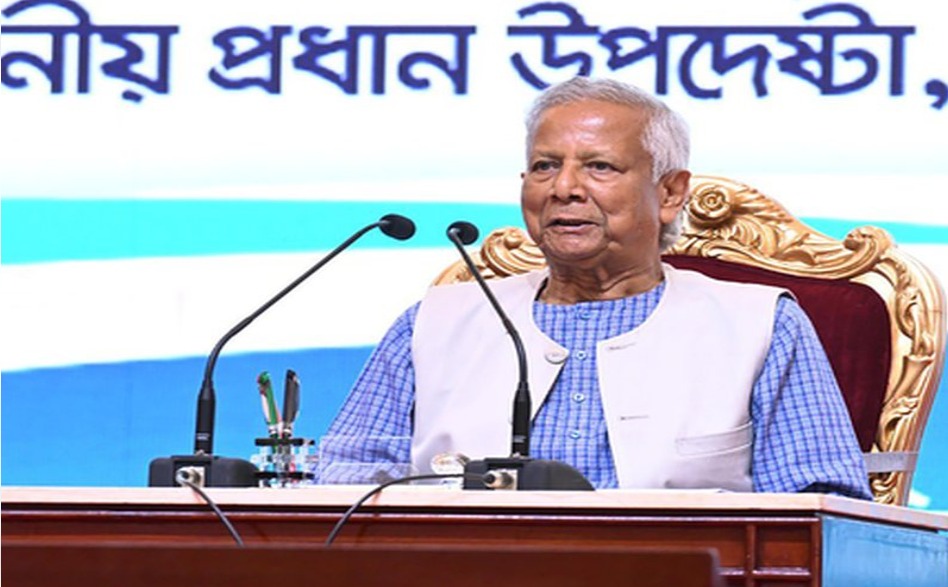
Questions over press freedom in Bangladesh have resurfaced amid allegations that the interim government led by Nobel laureate Muhammad Yunus has failed to ensure an independent and secure environment for journalists, despite pledges of democratic reform. According to critics and media observers, journalists in Bangladesh continue to face intimidation, legal pressure and harassment, raising concerns that freedom of expression remains constrained under the current administration. The claims suggest that the media environment has not seen the expected improvement following the political transition of 2024. Claims of Harassment and Self-Censorship Journalists and press freedom advocates allege that reporters critical of the government have been subjected to arrests, questioning and legal cases, creating a climate of fear within newsrooms. Several journalists have reported receiving threats, while others say they are increasingly resorting to self-censorship to avoid retaliation. Media organisations argue that the use of legal provisions against journalists has continued under the interim government, undermining assurances that press freedom would be protected during the transition period. Concerns Over Safety of Journalists Local journalist bodies have expressed alarm over attacks on media offices and individuals, claiming that insufficient action has been taken against those responsible. They warn that the lack of accountability has emboldened hostile elements and weakened trust in the state’s commitment to protecting journalists. Editors and reporters say the environment for independent journalism has become increasingly hostile, with many fearing for their personal safety while carrying out their professional duties. Political Context and Criticism The debate over media freedom is unfolding against a backdrop of wider political tension in Bangladesh. Critics of the interim government accuse it of suppressing dissenting voices and narrowing democratic space, particularly as the country prepares for national elections expected in early 2026. Opposition figures and civil society groups argue that restricting media freedom risks undermining the credibility of the electoral process and weakening public confidence in democratic institutions. Government’s Position The Yunus-led interim government has rejected allegations of press repression, maintaining that it respects freedom of speech and that any legal action against journalists is based on due process rather than political motives. Officials have stated that maintaining law and order and preventing misinformation are key priorities during the transition. International Attention International press freedom and human rights groups have urged Bangladesh’s leadership to strengthen safeguards for journalists, review laws that may be misused to silence criticism, and ensure that media professionals can work without fear or interference. As Bangladesh moves closer to a crucial election year, the state of media freedom is likely to remain under close domestic and international scrutiny, serving as a key measure of the country’s democratic health.
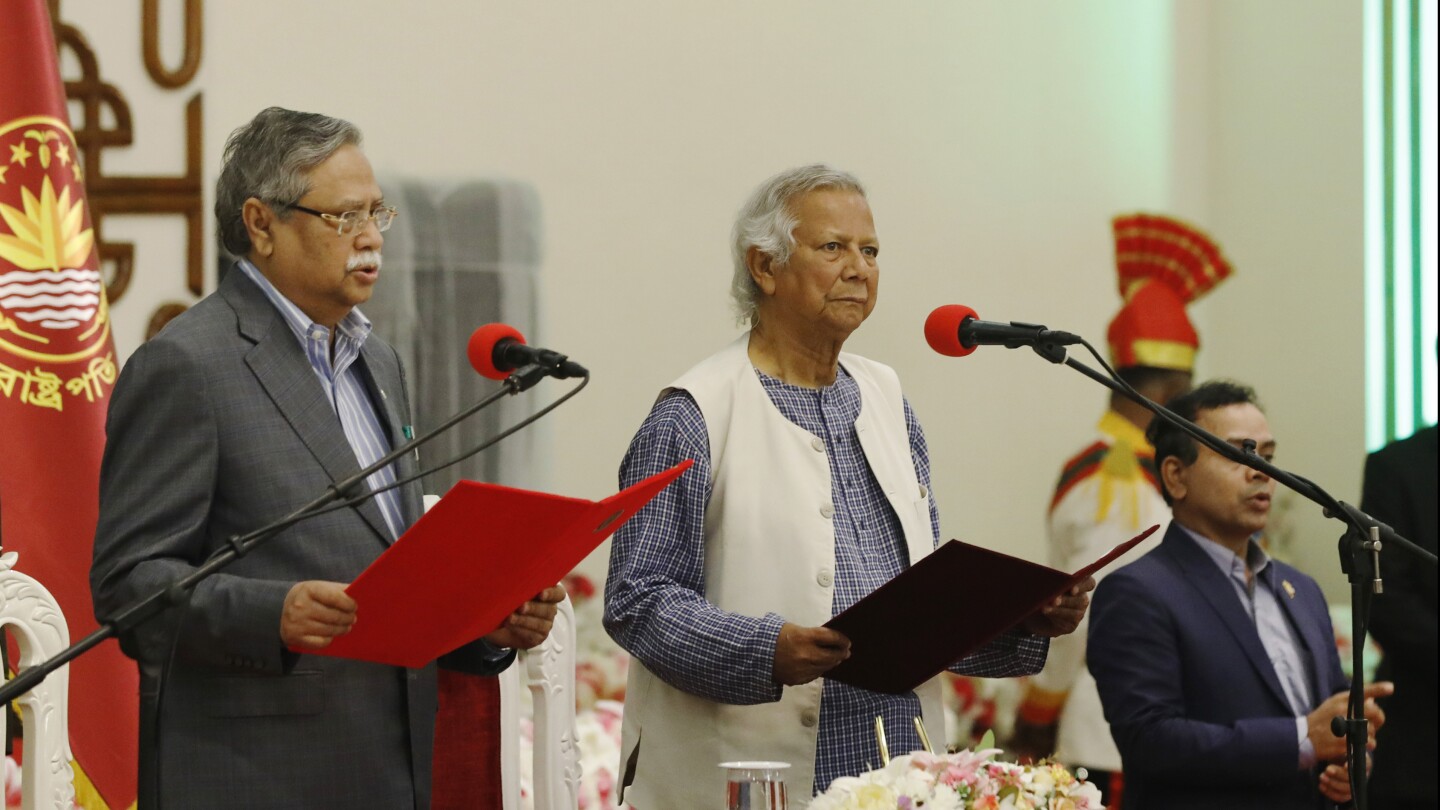
A former Bangladeshi intelligence officer has made sharp allegations against Nobel Peace Prize laureate Muhammad Yunus, claiming that the globally admired figure operates within — and benefits from — a deeply entrenched network of power inside Bangladesh. The remarks have reignited debate over governance, legitimacy, and influence under the country’s interim administration. Speaking in an interview, the retired official said that while Yunus is widely viewed internationally as a humanitarian and reformer, sections within Bangladesh’s security and political establishment perceived him as the centre of a powerful “system” that quietly shaped state decisions. Rise to Power Amid Political Upheaval Yunus assumed charge as Chief Adviser of Bangladesh’s interim government in August 2024 after mass protests led to the fall of long-serving Prime Minister Sheikh Hasina. His appointment was welcomed by many foreign governments and international observers who saw him as a stabilising figure capable of steering the country toward democratic elections. However, at home, criticism has grown. The former intelligence officer alleged that Yunus’s influence extended well beyond his constitutional role, affecting appointments, policy direction, and institutional functioning in ways that resembled a parallel power structure. Allegations of a ‘Shadow State’ According to the ex-officer, individuals and institutions closely associated with Yunus formed a tightly knit network that exercised influence without public accountability. He claimed this structure blurred the lines between civil society, governance, and state authority, raising concerns about transparency and democratic norms. Critics have also pointed to appointments of individuals perceived to be close to Yunus, arguing that such decisions reinforce the idea of an elite circle guiding governance behind the scenes. Supporters reject this view, saying experienced and credible individuals were brought in to stabilise a fragile state. Unrest and Law-and-Order Concerns The allegations come at a time of continued political tension and sporadic violence across Bangladesh. The killing of a youth activist earlier this year triggered protests and intensified accusations that the interim government has struggled to maintain law and order. Former Prime Minister Sheikh Hasina, now living abroad, has accused the Yunus-led administration of allowing instability to spread and failing to protect vulnerable communities. The interim government has denied these charges, stating that investigations into incidents of violence are ongoing and that restoring security remains a priority. Debate Over Legitimacy and Power A key point of criticism from Yunus’s opponents is the absence of an electoral mandate. They argue that his international stature gives him disproportionate influence within the country, creating an imbalance between global perception and domestic accountability. Supporters counter that Yunus was brought in during an extraordinary crisis and that his role is temporary, focused solely on reforms and preparing the ground for free and fair elections. Looking Ahead As Bangladesh moves toward national elections expected in early 2026, debate over the nature of power within the interim government is likely to intensify. The former intelligence officer’s comments have added fuel to an already polarised political environment, highlighting the sharp divide between international admiration for Yunus and domestic skepticism among his critics. The interim government maintains that its only objective is to stabilise the country and ensure a credible democratic transition. Whether it can bridge the growing trust gap at home remains a central question in the months ahead.
By: Dr. Sreoshi Sinha, Abu Obaidha Arin The recent conviction of former Prime Minister Sheikh Hasina and UK Member of Parliament Tulip Siddiq in connection with alleged irregularities in RAJUK’s Purbachal New Town plot allocation has raised serious legal and constitutional concerns. Beyond the merits of the allegations themselves, the forum, process, and jurisdiction under which these proceedings have been conducted call into question the very legitimacy of the case. This concern has also been formally articulated in the Bangladesh Awami League’s official statement dated 1 December 2025, which describes the verdict as procedurally flawed, politically motivated, and inconsistent with basic standards of judicial fairness. 1. The foundational problem: the ICT Tribunal has no jurisdiction over land or corruption cases The International Crimes Tribunal (ICT) of Bangladesh was established under the International Crimes (Tribunals) Act, 1973, with a single, narrowly defined mandate: to prosecute genocide, crimes against humanity, war crimes, and related international crimes committed during the 1971 Liberation War. This mandate is explicit in both the title and substance of the law. There is no provision, express or implied, that authorizes the ICT to hear: Land allocation disputes Corruption or abuse of office cases Administrative irregularities under domestic law Such offenses, even if proven, fall squarely under the jurisdiction of ordinary criminal courts, typically initiated by the Anti-Corruption Commission (ACC) and tried under the Penal Code or Criminal Law Amendment Acts.This question strikes at the core of the rule of law. 2. Forum shopping and the erosion of constitutional safeguards Trying a domestic corruption or land case before a tribunal designed for war crimes effectively bypasses procedural protections available in regular courts, including: Full appellate review Established evidentiary standards Clear jurisdictional boundaries The Constitution of Bangladesh, under Article 35, guarantees protection in respect of trial and punishment, including due process and lawful jurisdiction. When a specialized tribunal is used beyond its statutory purpose, the trial risks becoming ultra vires, meaning legally void due to lack of authority. 3. Trial in absentia and denial of effective defence As noted in the Awami League’s statement, the accused were judged in absentia, without meaningful opportunity for defense representation. International legal standards, particularly Article 14 of the International Covenant on Civil and Political Rights (ICCPR), require that an accused be given a real and effective chance to participate in their trial. While trials in absentia are not entirely prohibited, they are permitted only under strict safeguards. In this case: No cross-examination occurred No defence evidence was tested No transparent record of notification was publicly established This is what significantly weakens the credibility of the verdict. 4. Absence of proven personal benefit Criminal corruption requires proof of personal enrichment or material gain. Publicly available information does not demonstrate that: Tulip Siddiq owned, possessed, or profited from any plot Sheikh Hasina received a direct financial benefit Any transaction, sale, or monetisation occurred At most, the allegations point to a possible administrative irregularity, which under established legal principles belongs in civil or departmental proceedings, not criminal punishment. 5. Selective prosecution and equality before law RAJUK’s Purbachal project involved thousands of allocations to officials across administrations. Yet prosecution has disproportionately targeted members of a single political family, raising concerns under Article 27 of the Constitution, which guarantees equality before the law. Selective enforcement undermines public confidence and reinforces perceptions of political motivation. 6. Political context and institutional credibility The Awami League statement highlights that the case emerged after a change in political power, during a period of institutional realignment. Comparative legal studies on post-transition prosecutions show that such cases often risk being perceived as instruments of political consolidation rather than impartial justice. This perception is amplified when: A war-crimes tribunal is repurposed Trials are expedited Evidence is not fully disclosed The legitimacy of the Purbachal plot case is not undermined merely by political disagreement but by serious legal defects. The most fundamental of these is the misuse of the International Crimes Tribunal, an institution created exclusively to address the gravest crimes of 1971, not domestic land or corruption matters. When jurisdiction is stretched beyond law, when trials occur in absentia, when personal benefit is not demonstrated, and when prosecution appears selective, the issue transcends individual guilt or innocence. It becomes a question of whether the rule of law itself is being upheld. Accountability is essential in any democracy. But accountability loses meaning when the legal process is perceived as procedurally flawed, jurisdictionally unsound, and politically instrumentalized. In such circumstances, justice is not strengthened; it is weakened. (Dr Sreoshi Sinha is a Senior Fellow Centre for Joint Warfare Studies (CENJOWS), while Abu Obaidha Arin is a student at the University of Delhi.)
-(Dr Sreoshi Sinha, Senior Fellow, Centre for Joint Warfare Studies & Abu Obaidha Arin, University of Delhi.) The persecution of journalists by the state is a grim reality across many authoritarian regimes—from Taliban-ruled Afghanistan to Myanmar, Belarus, Turkiye, and the Philippines. In such contexts, the press—often deemed the “fourth pillar of democracy”—is treated not as a watchdog, but as a threat. Bangladesh is also echoing this global trend. After the fall of the Sheikh Hasina government on August 5, 2024, many viewed the rise of Nobel Laureate Dr Muhammad Yunus as a turning point. Backed by student protests and public sentiment, his appointment as Chief Adviser cum Prime Minister of the interim government was seen as a symbolic “second liberation,” especially for the country’s long-suffocated media. But within months, that promise gave way to disillusionment. Despite initial pledges to restore freedom of expression and uphold democratic values, Yunus’s administration has presided over a deepening assault on press freedom. Journalists, both in urban and rural areas, are now facing threats, fabricated charges, detentions, and brutal attacks. Old laws like the Digital Security Act— once condemned by Yunus himself—remain in force. New regulations, framed in the name of “digital safety,” risk further gagging the media. More troubling still, the government has failed to announce an election date, turning its “interim” status into a prolonged, unaccountable rule. Institutions meant to safeguard democracy have fallen silent or become enablers of repression. The optimism of August has morphed into fear, as the Yunus regime retools authoritarian tactics under the guise of reform. In one year, the Yunus-led government has systematically undermined media freedom in Bangladesh. And hope has curdled into control, and the dream of a freer, more democratic society is slipping further away with each passing day. Behind the laurels lies a familiar hand of repression. A Dangerous Time for Free Expression Freedom of speech, a foundational pillar of democracy, remains under severe threat. Journalists—especially those from minority communities—are facing escalating violence, legal harassment, and coordinated state-backed intimidation. A report released on World Press Freedom Day 2025 paints a bleak picture: within eight months of Dr Yunus taking office, at least 640 journalists were targeted. Of these, 182 faced criminal cases, 206 experienced violence, and 85 were placed under financial scrutiny by the Bangladesh Financial Intelligence Unit. The attacks are not isolated; they are systemic, deliberate, and widespread. From legal persecution to outright physical violence, the Yunus regime has transformed Bangladesh into one of the most dangerous places in Asia to be a journalist. Violence against journalists has become commonplace. In March 2025, two journalists were attacked at Barishal Court, while others were assaulted in Dhaka and outside the Dhaka Reporters’ Unity. The most horrific incident came on March 18, when a woman journalist was gang-raped in Dhaka—a case that drew international outrage, including condemnation from ARTICLE 19 and other watchdogs. In April, New Age’s Rafia Tamanna and Daily Prantojon’s Sajedul Islam Selim were physically attacked. Offices of news outlets were vandalised. Prothom Alo, a paper accused of being an “agent of India,” saw its Rajshahi office destroyed. These attacks illustrate a dangerous trend: the delegitimisation of critical voices through nationalist propaganda followed by violent suppression. Legal harassment has become a preferred tool to silence dissent. Journalists are being dragged into courtrooms and prisons over flimsy or fabricated charges. Kamruzzaman, a journalist in Satkhira, was sentenced to 10 days in jail by a mobile court for “obstructing government work.” His real crime? Reporting on poor construction work. Rubel Hossain of Dhaka Mail was falsely implicated in a murder case related to student protests. Three prominent journalists—Naem Nizam, Moynal Hossain Chowdhury, and Syed Burhan Kabir—faced arrest warrants under the much-criticised Digital Security Act. Their only fault: publishing content critical of powerful figures. The State vs. Media Institutions Media institutions haven’t been spared either. An adviser at the Ministry of Information and Broadcasting announced audits targeting “opposition-affiliated” media houses—a move widely viewed as financial intimidation. Deepto TV suspended its news broadcasts following political backlash. ATN Bangla dismissed a reporter for merely raising a sensitive question. In both cases, official denials of state interference were undercut by obvious patterns of state-orchestrated pressure. In a disturbing episode on May 4, journalists at Daily Janakantha protesting unpaid wages were assaulted by goons reportedly linked to the National Citizen Party. This convergence of financial abuse and physical violence has created a stifling environment for critical media. The Yunus government has done little to allay fears about surveillance and data privacy. Instead, it has doubled down with proposed legislation like the Cyber Protection Ordinance 2025 and the Personal Data Protection Ordinance—laws that could further institutionalise censorship and mass surveillance. With travel bans imposed on more than 300 journalists, and bank accounts frozen for over 100 of them, the message is clear: dissent will be crushed not just with batons, but with bureaucracy. Journalists from minority communities are bearing the brunt of the crackdown. Shyamol Dutta, a leading Hindu journalist and editor of Bhorer Kagoj, was jailed after being removed from his post at the National Press Club. Munni Saha, a prominent media personality, is facing several cases and has been detained for questioning. More than 50 minority journalists are reportedly living in fear, with many dismissed from their jobs under opaque circumstances. This pattern reflects not just a press freedom issue, but an assault on the fundamental rights of minority communities. Targeting Prominent Figures and Media Houses The arrest of top media professionals like Mozammel Babu, CEO of Ekattor TV, and Syed Ishtiaq Reza, former chief of news at GTV, has shocked the industry. The charges—often murder or conspiracy—lack credibility, pointing to a larger political agenda. In one bizarre move, a complaint filed with the International Crimes Tribunal accused 29 journalists and editors, alongside former Prime Minister Sheikh Hasina, of spreading “false news to justify genocide.” The charges are outrageous and serve no purpose but to stoke fear and paralyse the press. Even high-profile reporters like Shahnaz Sharmin,
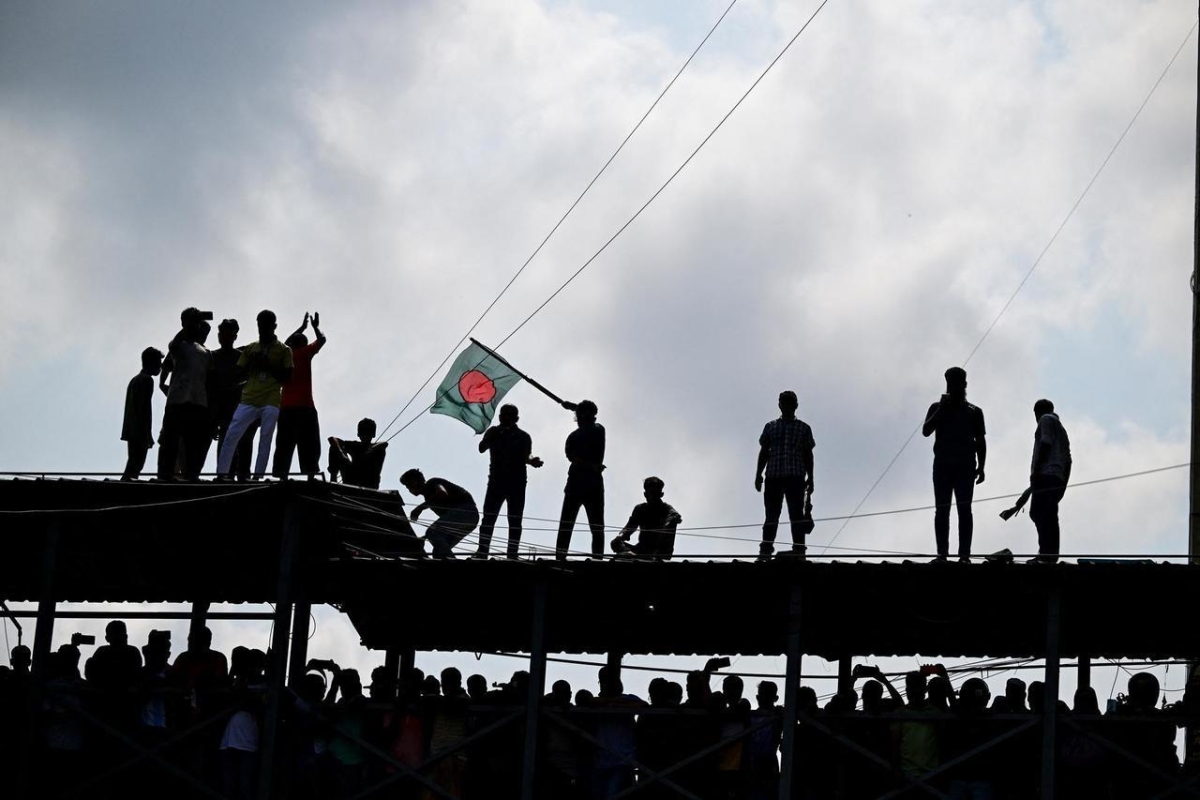
-Dr Sreoshi Sinha(Senior Fellow, Centre for Joint Warfare Studies) & Abu Obaidha Arin (University of Delhi.) August 5, 2024, will be remembered as a historic turning point in Bangladesh’s political journey. The fall of the Sheikh Hasina-led Awami League government marked the end of an era—an era deeply intertwined with the legacy of the 1971 Liberation War, the pursuit of transitional justice, and an increasingly authoritarian political framework. In its place, a fragile and confused new political setup has emerged, led by Nobel laureate Muhammad Yunus, who, despite his international acclaim, appears ill-equipped to manage the complexities of a fractured nation. Bangladesh today stands at a crossroads—politically unstable, socially fragmented, and economically stalled. Law and order have collapsed, with law enforcement either absent or complicit. Amid this chaos, one of the most disturbing developments has been the reported takeover of the International Crimes Tribunal (ICT) by anti-liberation forces, particularly from right-wing factions. The new ICT leadership appears preoccupied with finding ways to punish Sheikh Hasina and her allies. Even former prosecutors have not been spared—Tureen Afroz, a former prosecutor, was arrested and reportedly tortured in her own home after the fall of the Hasina government. The tribunal’s primary focus now seems to be targeting members of a specific political party—the Awami League—on accusations related to the mass uprising of 2024 that led to the government’s collapse. This is not merely a political transition. It is a dangerous reversal—a grotesque distortion of justice and history. From Transitional justice to political vendetta The International Crimes Tribunal was established in 2009 with the aim of bringing to justice the perpetrators of war crimes committed during Bangladesh’s struggle for independence. In principle, it was a noble endeavour—a long-overdue acknowledgement of the need for historical accountability. Many war criminals, particularly from Jamaat-e-Islami and the BNP, were prosecuted, with some even sentenced to death. While many ordinary Bangladeshis, especially families of 1971 martyrs, supported the idea of justice, the overt politicisation of the tribunal gradually eroded its legitimacy. But no one could have imagined that the tribunal itself would one day fall into the hands of the very forces it once sought to prosecute. Yet, that is the grim reality today. Jamaat’s spectre returns The resurgence of Jamaat-Shibir elements within the current political framework is deeply alarming—not only because of their past, but because of what it symbolises. It marks the complete reversal of the political narrative that has shaped Bangladesh for the past two decades. Reports now suggest that several individuals with known ties to Jamaat-e-Islami and its student wing, Islami Chhatra Shibir, are now influencing—and in some cases directly managing—the International Crimes Tribunal. It is nothing short of surreal. How can a nation reconcile with the fact that a tribunal once created to hold war criminals accountable is now run, in part, by those accused of committing some of the gravest crimes during the Liberation War? This development is not just a political scandal; it is a national disgrace. It insults the memory of the 3 million who were martyred and the countless women who were raped in 1971. It undermines the very foundation of our national identity. The Disillusionment of Democracy Muhammad Yunus’s unexpected rise to leadership was initially met with hope—particularly among groups sympathetic to antiBangladesh sentiments, pro-Pakistani elements, and war criminals. With the fall of Sheikh Hasina’s government, many of these groups expressed relief. However, Yunus’s government, largely composed of technocrats and opportunists, lacks both political capital and ideological clarity. It has failed to present a roadmap for economic recovery, social cohesion, or political reconciliation. Law and order have collapsed entirely.
Bangladesh’s former intelligence officer and diplomat Aminul Hoque Polash, in exile since the fall of the Sheikh Hasina regime, has broken his silence on the hidden power structures, financial engineering, and political ambitions surrounding Nobel laureate and the country’s interim leader Muhammad Yunus. In an exclusive conversation, Polash walks News18 through classified insights, internal documents, and lived experiences inside Bangladesh’s national security system, revealing a side of Yunus the world has never seen before. Before we get into the details about Dr Yunus, tell us how you ended up in exile. I never pictured myself sitting in another country, talking about the collapse of the institutions I once served. I spent nearly a decade inside national security and foreign service. My work was simple in principle: follow evidence, protect the state, and protect the people. But the moment my investigation started touching the financial arteries of Yunus’s network, everything shifted. People inside the system began warning me quietly that I had stepped into an area no one was supposed to touch. When the Yunus-led interim regime took power in an unconstitutional way, the pressure around me tightened instantly. Intelligence colleagues told me my name was circulating in rooms where dangerous decisions get made. Words like “neutralise” and “make him disappear” were being thrown around. And these weren’t idle threats—my family was included in that danger. Then came the abrupt recall from my diplomatic post in India. That single action told me exactly what was coming next. Going back home would’ve been like walking into a death sentence. Exile wasn’t a choice. It was the only way to protect my family and to stay alive long enough to tell the truth they wanted buried. You published archival documents challenging Yunus’s claim of inventing microcredit. What did those documents really show? Those papers rewrite the mythology. They show that Yunus didn’t invent microcredit—he absorbed it, rebranded it, and erased the actual creators from the story. The rural credit project in Jobra wasn’t his personal idea. It was a Ford Foundation-funded university project designed by younger researchers—people like Swapan Adnan, Nasiruddin, and HI Latifee. Yunus was supervising a completely different section at the time. Over the years, though, every one of those names disappeared from history, and the entire narrative became “Yunus invented microcredit”. If you want to understand the system he built later, this is where it begins. His first act wasn’t financial corruption, it was intellectual hijacking. Taking credit for something others built. That pattern never stopped. Globally, he’s seen as a hero. What did you see from the inside that contradicts that? The world sees a saint; Bangladesh saw a structure. A structure built on capturing institutions, moving public money into private vehicles, and ensuring that real accountability never follows the trail. Grameen Bank, backed by donors and the government, created a fund called the Social Advancement Fund. That money was quietly shifted into a private body called Grameen Kalyan. From there, a web of nearly 50 entities emerged—Grameen Telecom, Grameen Fund, and so many others. People abroad think these bodies are separate. They’re not. Every decision, every movement of money eventually leads back to one centre of gravity. By 2022, Grameen Telecom alone had collected more than Tk 10,890 crore in dividends from Grameenphone. Meanwhile, workers who legally owned a share of that money were denied it for years. Other entities conveniently showed “losses”, but somehow all the money stayed within the unified ecosystem he controlled. This wasn’t charity. It was engineering—corporate engineering wrapped in the language of poverty alleviation. When you followed the money, what shocked you the most? The precision. The scale. And the deliberate design behind it. Take one example: Grameen Kalyan transferred Tk 53.25 crore to Grameen Telecom for guaranteed dividends from Grameenphone. That deal alone produced more than Tk 2,222 crore across the years. Yet the actual rural borrowers—the legal owners of the money—never saw a single taka. Or look at the Tk 437 crore “settlement” for workers. The money entered a special account and almost immediately started flowing somewhere else—into private accounts of lawyers and union leaders. It was only after Bangladesh Bank froze those accounts and the High Court flagged the transactions as “dubious” that the public even found out the truth. Once you see the pattern, it stops looking like a mistake. It looks like a strategy. What about tax evasion? There were many accusations around that. The tax trail is one of the clearest indicators of intent. Yunus transferred roughly Tk 100 crore of his own wealth into trusts he personally controlled, but labelled the transfers as “loans”. Why? Because loans aren’t taxed the way asset transfers are. The National Board of Revenue pursued him for Tk 15.4 crore. He went to court, appealed repeatedly, fought it for years. Every single court rejected his claim. The Supreme Court upheld the tax demand. He had to pay. His network of institutions faces nearly Tk 2,000 crore in unpaid taxes. Instead of paying, dozens of legal cases were filed to stall the process for as long as possible. It’s a pattern the public never saw, but it’s all there in the paperwork. The labour case was a major turning point. What did your investigation uncover? The irony is painful. The man celebrated for empowering the poor wouldn’t follow basic labour law inside his own organisations. Grameen Telecom workers fought for years to receive their lawful benefits. Many were fired unjustly—99 during the pandemic alone. The Labour Court held 21 hearings. It framed charges based on hard evidence and delivered a conviction. That conviction disappeared almost overnight once Yunus seized power in 2024. It vanished. As if justice was optional. For the workers, it was a betrayal. For people like me who understood how the system works, it was a clear message: the law applies only until it becomes inconvenient for him. The Tk 437 crore settlement scandal became national news. What does that episode tell you? It reveals the inner mechanics
-Arun Anand For over four decades, Pakistan bet its security strategy on one idea: that Afghanistan could be controlled and turned into a “strategic depth” against India. The military and political elite in Islamabad treated Kabul as a buffer and a playground — a state to be manipulated through compliant regimes and proxy jihadist groups. Militant networks were nurtured as instruments of foreign policy, and Pakistan believed this would secure influence across the region and check India’s power. Instead, the very forces Islamabad once empowered have turned against it. In 2025, the grand doctrine of strategic depth lies in ruins — a self-inflicted disaster now driving Pakistan’s worst security crisis in years. Rather than securing Pakistan, Afghanistan has become the epicentre of the very dangers Islamabad once believed it could manage or manipulate. What was once perceived as an asset has now become a trap. The transformation of Afghanistan from strategic depth to strategic liability has unfolded gradually, but the past two years have made the shift undeniable. When the Taliban returned to power in Kabul in 2021, Pakistan was widely seen as the external actor poised to benefit the most. Many within Islamabad believed that a Taliban government, because of historical ties, would be cooperative, deferential, and dependent. But that assumption now looks dangerously misplaced. The Taliban’s political priorities have changed, their sources of external support have diversified, and their internal legitimacy depends on projecting a strong, independent stance — especially against Pakistan, which many ordinary Afghans still view with suspicion. Instead of shaping Afghan behaviour, Pakistan now finds itself confronting a volatile neighbour whose rulers no longer feel obliged to accommodate Pakistani interests. Militant Blowback and a Hardening Border Nowhere is this reversal clearer than in the surge of militant activity targeting Pakistan from Afghan soil. Over the past year, Pakistan has experienced a marked increase in terrorist attacks carried out by the Tehreek-i-Taliban Pakistan (TTP) and associated networks. Security reports from 2024 and 2025 indicated that many attackers either crossed over from Afghanistan or were trained and sheltered there. Pakistani officials have repeatedly stated that a significant percentage of suicide bombers involved in major attacks were Afghan nationals. The data, while varying between sources, consistently shows a dangerous trend that the Afghanistan-Pakistan border has become increasingly porous to extremist infiltration, and many of these groups feel emboldened by their close ideological ties to the Afghan Taliban. This is the central irony of Pakistan’s predicament. The militant ecosystem that Islamabad once supported for regional leverage has now splintered in ways that work against Pakistan itself. The TTP, originally an offshoot of groups nurtured under earlier Afghan policies, now treats Pakistan as its primary enemy. Pakistan’s own creation has turned against its creator. The militancy that Islamabad once believed could be contained beyond its borders has now penetrated deep inside — striking security convoys, police units, and civilian targets with growing regularity. The blowback is undeniable. In response, Pakistan has increasingly resorted to military actions along — and across — the Afghan border. Throughout 2024 and into 2025, Pakistan conducted a series of cross-border artillery strikes and air raids targeting what it described as TTP safe havens. In several cases, those strikes hit areas inside Afghanistan, killing not only militants but also civilians, including women and children. These incidents have sharply escalated diplomatic tensions. Kabul has issued multiple condemnations, arguing that Pakistan is violating Afghan sovereignty and inflaming anti-Pakistan sentiment among the Afghan population. What Islamabad once framed as necessary counterterror operations are now seen by many Afghans as external aggression, deepening hostility that already runs high. Border clashes have also intensified. In late 2024 and through out 2025, firefights between Pakistani forces and Taliban border units became frequent, sometimes lasting hours. Pakistani officials reported significant casualties on their side, and Afghan authorities claimed similar losses. The AfPak border — once envisioned as a controllable frontier from which Pakistan could extend influence — has hardened into one of the most militarized and unstable fault lines in South Asia. Instead of projecting strength, Pakistan finds itself in a defensive posture, its troops stretched and its internal security architecture under strain. Diminishing Diplomatic Leverage and Growing Vulnerability Diplomacy has not eased the tensions. Attempts at negotiation, including several rounds of high-level talks in 2024 and 2025, produced only limited agreements focused on border management and intelligence sharing. These arrangements have struggled to translate into real cooperation on the ground. The Taliban government maintains that it does not control the TTP, insisting that the group operates independently. Pakistani officials reject that claim, arguing that nothing of significance can operate in Afghanistan without at least tacit Taliban approval. The resulting stalemate has left both countries locked in a cycle of accusation and retaliation. Pakistan’s broader regional standing has also been affected. The international community has expressed growing concern about the escalating border violence, with several countries calling for restraint and renewed dialogue. Islamabad, once positioned as a key interlocutor between the Taliban and the West, now finds its diplomatic leverage diminished. Meanwhile, the Taliban have sought new partnerships — particularly with regional powers seeking economic or strategic opportunities in Afghanistan. This reduces Pakistan’s ability to shape events in Kabul and signals a fundamental shift in the balance of influence. The implications for Pakistan’s internal security are profound. The resurgence of terrorism within its borders has strained provincial administrations, especially in Khyber Pakhtunkhwa and Balochistan. Police forces remain under-equipped, despite repeated calls for better resources. Public frustration is rising, particularly as attacks occur with worrying frequency. Many citizens question the effectiveness of Pakistan’s long-standing policies toward Afghanistan and ask whether the sacrifices of the past two decades — military operations, casualties, and massive financial costs — have led to greater safety or merely deeper vulnerability. The broader economic situation compounds the crisis. Pakistan’s financial struggles, including high inflation, energy shortages, and slow GDP growth, make it increasingly difficult to sustain prolonged military readiness along a volatile border. The costs of counterinsurgency operations, refugees’
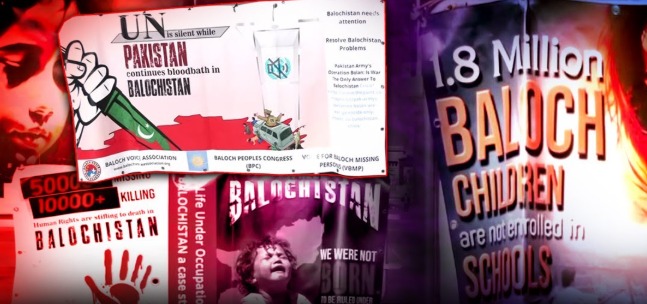
-Arun Anand Over Eight months have passed since Dr. Mahrang Baloch, a young physician turned human rights icon, was arrested on trumped-up charges in Quetta, Balochistan. 257 days since the state threw her into jail under Pakistan’s catch-all arsenal of “anti-terrorism” and “sedition” clauses. And 37 weeks since much of Pakistan’s so-called progressive intelligentsia, which was once vocal and proud of its commitment to dissent, fell conspicuously and unforgivably silent. The cruelty of this moment is not just in what the state has done to Dr. Mahrang and her comrades in the Baloch Yakjehti Committee (BYC). It is in how predictable the silence of non-Baloch Pakistanis has been, including among the ever-shrinking ranks of “liberals” who still claim to champion democracy. In a country descending, quite visibly, into a military authoritarianism, or so to say an Orwellian farce, even moral outrage has become selective. This is the joke Pakistan has become: a place where everyone knows the cases against Mahrang and her associates are a sham and yet almost no one outside Balochistan dares to say it aloud. To understand why the establishment is so determined to crush Dr. Mahrang, it is necessary to recall the arc of her rise. The Baloch Yakjehti Committee was never just another protest collective. Founded in 2018 by Dr. Mahrang along with Sammi Deen Baloch and Beebow Baloch, the BYC emerged as a rare, grassroots Baloch women-led peaceful movement. Its central goal was exactly the issue the Pakistani state has most wanted to keep hidden: the unending human rights violations by its military, especially enforced disappearances and custodial killings. For decades, Baloch families, mostly women and children, marched in circles demanding to know where their sons, brothers, and fathers are. What the BYC did was to put names, faces, stories, and grieving families at the centre of a national conversation that Pakistan’s military dominated establishment always wanted to suppress. Its gradually became the primary platform to voice the grievances against the militaristic policy of Pakistan towards the province. The watershed moment came in late 2023, after the custodial killing of 20-year-old Balach Marri Baloch, abducted by plain-clothes Counter Terrorism Department officials. The BYC-led march, largely comprising women carrying photos of relatives who vanished, travelled from Kech in Turbat to Islamabad, seeking accountability and an end to military excesses. It exposed the brutality of the security apparatus to a mainstream audience, and for the first time in years, the state’s narrative on Balochistan began to crack. The state responded as expected: with repression. But the more it tried to silence the BYC, the more the movement grew. In July 2024, the BYC convened the Baloch Raji Muchi (Baloch National Grand Jirga) in Gwadar. it aimed at exposing Islamabad’s imperial policies in Balochistan from resource exploitation to demographic engineering to routine extrajudicial killings. Despite highway blockades and internet shutdowns, hundreds reached the venue. For the state, it became apparent that BYC was not merely a fringe group but one with mass appeal. For Pakistan’s deep state, particularly an increasingly entrenched military under Army Chief Asim Munir, such defiance from the country’s most dispossessed province was intolerable. And so, on 22 March 2025, Pakistani state finally arrested Dr. Mahrang during a peaceful sit-in demanding the release of the brother of Bebarg Zehri, one of the BYC’s central organisers, abducted two days earlier on 20 March. She was charged under anti-terrorism statutes of Maintenance of Public Order besides sedition. Others who were arrested included BYC Central Organizers Bebarg Zehri and Beebow Baloch, Shah Jee Sibghat Ullah, Gulzadi Baloch, among others. Sammi Deen Baloch, herself the daughter of a disappeared man, was detained and later released. Human rights organizations have called the charges farcical, the arrests punitive, the crackdown an unmistakable escalation of the military’s doctrine of enforced silence. But silence is now Pakistan’s national reflex. To be fair, a small handful of prominent voices such as London-based novelist Mohammed Hanif and academic Ayesha Siddiqa, besides Harris Khalique, of Human Rrights Commission of Pakistan (HRCP) spoke out. But beyond this, Pakistan’s progressive class, journalists, civil society networks, and ‘liberal’ commentators have largely looked away. In fact, media played aided the state in labelling Mahrang and her BYC members as secessionists. The reason is as old as Pakistan itself: when the state targets Baloch activists, most Pakistanis convince themselves that this is someone else’s problem. That the Baloch live too far away, that the disappearances are exaggerated, that security considerations justify exceptional measures. Even the Pakistanis who rally for Palestine, who write poetic elegies for democracy, suddenly find nuance when the victims are Baloch. It is nothing but hypocrisy of the highest order. That selective empathy has given the military a free pass to dismantle what little democratic space remains. It is no coincidence that Pakistan is undergoing its worst authoritarian slide in decades: a re-engineered judiciary, censorship of the press, mass trials of political activists, and the sidelining of dissenting voices from Baloch rights organizers to opposition politicians under the guise of national stability. Therefore, the silence is not passive but an enabling one. Dr. Mahrang’s imprisonment is thus more than a legal case. It is a moral indictment of what Pakistan has become. Eight months and one week in jail, without due process, for leading peaceful marches asking a simple question: “Where are our loved ones?” If a state cannot tolerate even that question, is there any legitimacy whatsoever left in it? It seems that the Pakistan’s rulers believe that imprisoning the BYC leadership will extinguish the movement. But they seem to be overlooking the fact that it emerged from the shared trauma of over seven thousand families whose sons were taken in the dead of the night and the light of the day. It grew because the state’s violence is structural, not episodic. The cruel joke is not that Pakistan’s establishment behaves with impunity. That much has long been known. The cruel joke is that the country’s liberal progressive class, which once claimed to represent conscience, has become too timid to speak when conscience demands nothing more radical
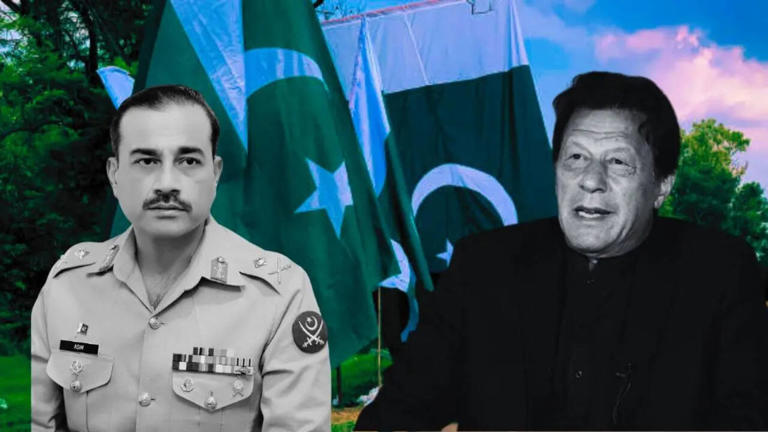
-Arun Anand For months, there have been speculations about Imran Khan’s fate behind the high walls of Adiala Jail in the garrison town of Rawalpindi where he remains imprisoned since 2023. But the question took a darker turn when the military establishment abruptly shifted its rhetoric as well as actions. After keeping Khan incommunicado for weeks by denying even routine family visitations, the Army has now begun portraying him as a security threat of unprecedented scale. On December 5, in a sharply worded press conference, Director General of the Inter-Services Public Relations (DG ISPR) Lt. Gen. Ahmed Sharif Chaudhry delivered something far more political than any uniformed official should be comfortable pronouncing: he accused the former prime minister of being a “matter of national security,” a “delusional” leader working in “deep collusion” with foreign actors. For an institution whose leadership has spent decades insisting on its political neutrality, not that there appeared any given their actions, this was something extraordinary. The Army did not merely criticize a political figure, but declared Imran Khan a national security threat. It is difficult to read such language as anything other than a preparation to shape public opinion before the state contemplates something irreversible. Pakistan’s military spokesmen have long been prone to sweeping condemnations of adversaries, but the intensity, timing, and vocabulary now being deployed against prime minister feels ominously different. The accusation that Mr. Khan wrote to the International Monetary Fund urging it to halt financial engagement with Pakistan, the insinuation that he encouraged “civil disobedience” and non-payment of electricity bills, and, most seriously, the claim that he directed supporters to “target” the Army’s leadership constitute a narrative engineered to portray him not simply as a political rival, but an existential enemy of the state. What is striking is not whether Army’s allegations against Khan are objectively provable given Pakistanis know well that truth has rarely constrained the military’s political ambitions, but rather why the establishment feels compelled to publicly build a case right now. The last time something like this happened was under Gen. Ziaul Haq against Zulfikar Ali Bhutto and everyone knows how that turned into. Part of the answer lies in timing. Pakistan is no longer simply managing dissent; it is reordering the very architecture of the state. As the military centralizes power, constitutional checks have been amputated one amendment at a time. Judicial independence has been hollowed out. Other political parties, often willing accomplices, have little incentive to resist. In such an environment, the figure who refuses to bow becomes not merely inconvenient but intolerable. To understand why the military felt the need to drop even the pretence of impartiality, one must look at the dramatic transformation underway within Pakistan’s political and constitutional architecture. Under Army Chief Field Marshal Asim Munir, the military has embarked on the most ambitious power consolidation project in decades in the last three years. What began after the May 9, 2023 protests with the expansion of military courts to try civilians has now morphed into a full-blown restructuring of the state itself. The 26th Constitutional Amendment (October 2024) extended the tenures of the service chiefs across the Army, Navy, and Air Force, eliminating uncertainty around leadership renewal and enhancing institutional continuity in the Army’s favour. But it was the 27th Amendment, passed in November 2025, that fundamentally reconfigured Pakistan’s civil–military equation. It abolished the Joint Chiefs of Staff Committee, replaced it with the position of Chief of Defence Forces, to be concurrently held by the Army Chief, and effectively subordinated the other services under one office. In a nuclear-armed state with a history of military rule, that consolidation is not merely bureaucratic; it is structural. Simultaneously, the judiciary, which for long was touted as a democratic bulwark against creeping political entrenchment of the military has been reshaped. First, its governance mechanisms were refashioned (26th Amendment). Then, Supreme Court powers were diluted by the recent creation of a Federal Constitutional Court (27th Amendment). This is not mere influence. It is systemic absorption. Despite these transformations, one obstacle has stubbornly endured: Imran Khan. He remains, by most accounts, the most popular political figure in Pakistan. His party, which has been repressed, splintered, and blocked electorally, still retains vast grassroots following. For a military trying to secure lifetime authority, a leader with mass legitimacy is a direct threat. Other political parties have chosen a more convenient path. Pakistan Muslim League-Nawaz and Pakistan People’s Party, historically adversaries of military dominance, have now become facilitators of constitutional engineering, trading democratic principle for short-term political advantage. Their acquiescence clears the path for the Army. Only Mr. Khan and his Pakistan Tehreek-e-Insaf (PTI) stands outside this arrangement. Which brings us back to the recent press conference. By designating Mr. Khan a national security threat, the military is not merely attacking his reputation; rather, it is constructing a moral and political foundation upon which the state could justify extreme measures, including the possibility of execution. Such rhetoric helps contain public outrage before it erupts. It tells citizens that the state is acting reluctantly, compelled by a danger that only it fully understands. Because, in countries with fragile institutions like Pakistan, executions are rarely announced but prepared through such manoeuvrings. For decades, Pakistan’s generals have governed from behind a curtain of denial when not in power through direct coup d’états. They intervened, but insisted they were not intervening. They shaped governments but claimed they were merely “facilitating democracy.” Now, that performance has ended. The uniform seems to be stepping onto the political stage without disguise. The significance of this shift should not be underestimated. When a military stops pretending, it stops needing permission. When it openly criminalizes popular political leaders, it removes the final brake on its power. Pakistan is now at that precipice. And the most alarming part of the Army’s latest messaging is how carefully choreographed it seems: foreign collusion, national betrayal, internal threat, economic sabotage. These are not random allegations. They are elements of a legal and psychological template historically used to eliminate political enemies. As such, this campaign against
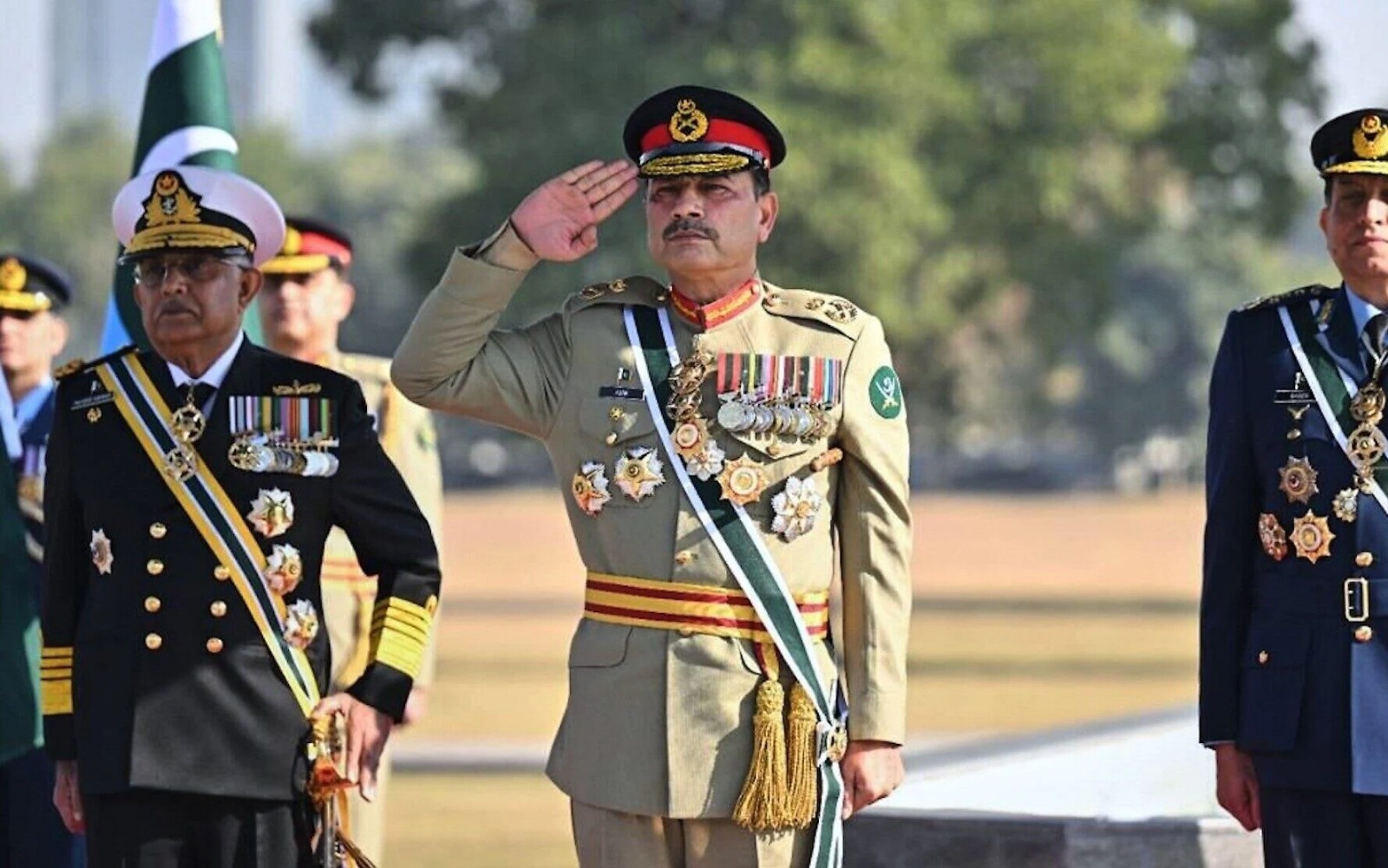
-Arun Anand Every country has moments when a single figure, through temperament as much as circumstance, shifts the balance of its political order. In Pakistan today, that figure is Field Marshal Asim Munir. Analysts often describe his rise in familiar language, discipline, institutional confidence, and careful preparation. But this doesn’t quite capture the way he has consolidated authority or the psychology behind those moves. A better way to make sense of his imprint is to look at him through the Thick Face-Black Heart lens, a framework from Chinese strategic thought that highlights a person’s ability to absorb humiliation without blinking and to impose their will without sentimental hesitation. It is not a flattering theory, but it is an accurate one for a leader who has altered Pakistan’s political landscape with a mix of silence and severity. Munir’s career did not follow the trajectory of a man destined for sweeping power. His years in military intelligence, including the short-lived tenure as DG ISI, exposed him to the brutal currents of Pakistan’s political machinery. When he was removed abruptly and with enough public visibility to sting, it seemed like one of those episodes that cut promising careers in half. Yet he responded with a peculiar stillness. He did not leak stories to the press, did not cultivate a faction to avenge the slight, and did not attempt a public rehabilitation campaign. He simply stayed put, watched, and waited. That kind of emotional discipline is rare in Pakistan’s power circles, where bruised egos often leave trails of chaos. Munir’s ability to absorb that injury and carry on without outward bitterness said more about him than any official posting ever could. He has nurtured this kind of attitude since his early days in the Pakistan Army, as during a staff course at that time, (Major) Munir was given the title of ‘deceiver’ by his course-mate officers. When he re-emerged in positions of influence, first as Corps Commander then as Quartermaster General, it became clear that he saw institutions not as ladders to climb but as structures to study. He built loyalty by being reliable, not charming; precise, not theatrical. By the time he became Army Chief, he had internalised a lesson that many powerful men learn late and painfully: you survive by showing as little of yourself as possible. That instinct for opacity, for silence as a form of strength, is the “thick face” part of his psychology. It allowed him to weather political storms without leaving fingerprints. After taking command, however, a different side of him surfaced. This was the colder, unsentimental edge that the “black heart” portion of the theory describes. The handling of the May 9 unrest revealed it most clearly. An institution that usually protects its own was suddenly willing to sacrifice high-ranking officers; one serving lieutenant general was removed, several major generals and brigadiers faced proceedings, and the message travelled quickly through the ranks: ambiguity was no longer acceptable. Loyalty would not be inferred; it would be demonstrated. No chief in recent memory had gone after his own officer corps with such quiet precision. There was no bluster, no televised fury. Just action, executed without sentiment. This internal consolidation flowed naturally into political centralisation. Intelligence coordination became tighter, and the usual patchwork of informal channels between senior officers and political elites began to close. Pakistan’s power structure has historically tolerated multiple “centres of gravity” within the military—commander-level networks, intelligence cliques, and backchannel negotiators. Munir dismantled that arrangement without announcing it. Everything began to tilt toward GHQ, and more specifically, toward his office. The political realm, already fragile, bent even faster. PTI’s disintegration did not occur by accident or due to political incompetence alone. It happened through a systematic squeeze: mass arrests, cases under terrorism laws, long sentences, and a media environment in which the country’s most popular political figure could vanish from the screen for months. The state had used pressure before, but this time it felt different. There was a seriousness to it, a determination to eliminate not just the party’s leadership but the party’s very presence in public life. This shift had a profound effect on the older parties as well. PML(N) and PPP, both seasoned in the art of negotiating with the establishment, slowly realised that the usual bargaining space no longer existed. Their agreement to constitutional changes that weakened the judiciary, formalised the military’s upper hand, and paved the way for a Chief of Defence Forces position told its own story. They were no longer negotiating with the military; they were adjusting themselves to an institutional reality shaped entirely by it. Munir did not cajole them into compliance; he simply created a structure in which their compliance became the path of least resistance. The legal remodelling that accompanied this political shift was just as significant. The old hybrid order worked because of its messiness, courts sometimes pushed back, parliament sometimes resisted, and the military exerted influence without admitting it. Munir’s approach was to strip away the ambiguity. Judicial oversight over key decisions was narrowed. Constitutional interpretation was rerouted toward structures less likely to confront the military’s strategic interests. Even the symbolic principle that the largest bloc in parliament should form the government collapsed under this new logic. The 2024 elections did not merely produce a strange mandate; they produced a political arrangement in which electoral strength had meaning only if it aligned with the establishment’s preferences. Control over information completed the picture. Channels were taken off air, journalists were pressured, and digital spaces were targeted through bans and intimidation. Pakistan has always had red lines around the military, but these lines have become wider and more sharply enforced. Critique did not disappear entirely, but it was pushed into the margins, away from the audiences that once relied on it to make sense of the state’s direction. The informational space became curated rather than contested. Taken together, these shifts reveal something beyond conventional military dominance. They signal the end of the hybrid model itself. Pakistan
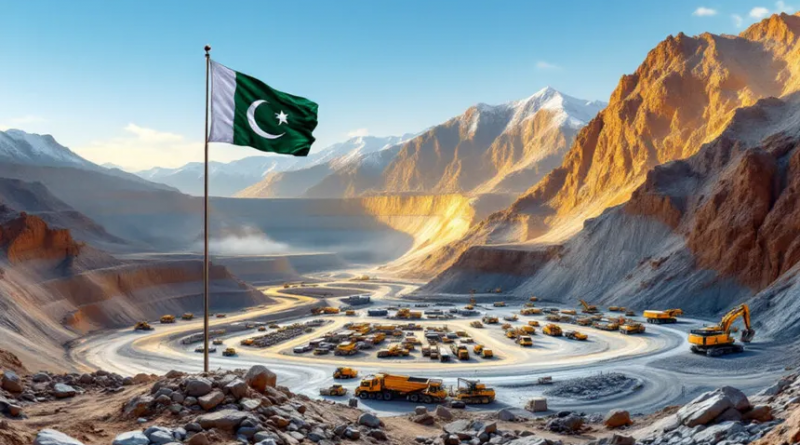
-Arun Anand On December 10, the U.S. Chargé d’Affaires in Islamabad, Natalie Baker, announced that the U.S. Exim Bank had approved a package of $1.25 billion in financing to support mining operations at Reko Diq, one of the world’s richest untapped copper and gold deposits. On the surface, Washington framed the decision as a step toward securing global supply chains for critical minerals. Islamabad portrayed it as a sign of renewed confidence in Pakistan’s investment climate. But for Balochistan, Pakistan’s largest province by land but its poorest by every measure, the announcement landed like yet another reminder that its natural wealth is a prize others are free to carve up. This Exim Bank financing flows directly after two MoUs were signed on September 8, 2025, between Pakistan and the United States for “critical minerals cooperation.” The military dominated Shehbaz Sharif government heralded the agreements as a milestone. But in Balochistan, they are yet another chapter in an old story: the extraction of Balochistan’s resources by outside powers, facilitated by a central government that treats the province not as a partner but as a colony. For decades, Pakistan has perfected a model of imperial governance in Balochistan, which combines military control, political manipulation, and economic dispossession. What is new today is not the extraction but the identity of the extractors. The United States now joins China, whose multibillion-dollar projects under the China-Pakistan Economic Corridor (CPEC) have already given Beijing expansive access to Balochistan’s ports, highways, and mineral deposits. Pakistan’s rulers have turned Balochistan into a marketplace where global powers shop for resources while the people who live above those riches remain among the most deprived in South Asia. Balochistan’s modern history is inseparable from the manner in which it entered Pakistan. After the forced accession of 1948, the province was governed with suspicion and repression. Islamabad treated Baloch aspirations for autonomy as rebellion, not politics. The result is a province where the most powerful institution is not the provincial assembly but the Quetta cantonment, whose writ supersedes that of any civilian office. Even today, Balochistan’s political leadership is crafted in military corridors of Rawalpindi and the condonement at Quetta. The current chief minister, Sarfaraz Bugti, is widely viewed as a product of the military establishment, who is another local administrator empowered to manage dissent rather than address the province’s material deprivation. The result is a governance system more interested in securing resource corridors than building schools, hospitals, or representative institutions. Under this militarized order, resource extraction has been carefully organized to ensure that wealth flows outward to Pakistan’s dominant province, Punjab, and to foreign partners courted by the military-led state. Balochistan’s natural gas from Sui fueled Pakistan’s industrial growth for decades, yet most Baloch households cook on firewood. Today, its copper and gold fields promise to enrich foreign corporations and deliver revenue to Islamabad, while the communities living in the shadow of these mines remain jobless, landless, and under surveillance. Even menial jobs at major projects like security guards, cleaners, construction labor, are routinely filled by workers imported from Punjab. The message is unmistakable that the state does not merely extract from Balochistan, it excludes Baloch people from even the crumbs of that extraction. The rush by both China and the U.S. for access to Balochistan’s minerals reflects how Pakistan’s ruling elite has repositioned the province within global competition. Beijing’s footprint was first to expand, anchored by the Gwadar port and a series of infrastructure and mining agreements. CPEC promised development but delivered a model where Chinese companies received generous concessions, security cordons were erected to protect foreign workers, and local fishing communities were pushed to the margins. Now, Washington enters the scene, not as a counterweight to China’s influence but as another partner in Pakistan’s long tradition of opaque, extractive deals. It reflects a bipartisan plunder with Pakistan inviting multiple patrons to mine a region whose own residents are denied the most basic political and economic rights. The most striking thing about Balochistan is how starkly its material reality contradicts its mineral wealth. Despite being mineral rich in every aspect, the province ranks at the bottom of every development index in Pakistan. For instance, the poverty appears near-universal with 71 percent of the provincial population living in multidimensional poverty. It is nearly double the national average of 38 percent and in districts like Awaran, Kharan, and Panjgur, even exceeds 80 percent. Likewise, education is in an equally dire state. Literacy hovers around 40–44 percent, the lowest in the country, with female literacy dropping below 25 percent in many rural districts. More than 60 percent of Balochistan’s children are out of school. These are not statistics of a neglected province; they are the metrics of deliberate underdevelopment. The story is same across healthcare with the province recording the highest maternal mortality ratio of 785 deaths per 100,000 live births. It is abysmal compared to the national average of 186. Nevertheless, the new U.S. financing for Reko Diq along with the other critical mineral MoU is significant not because it marks a shift in Washington’s policy but because it reveals a continuity in Pakistan’s own governing logic of treating Balochistan as a frontier to exploit. The province is secured by force, governed through proxies, and opened to whichever foreign power is willing to invest billions with no questions asked about political rights or local consent. Even when the government speaks of “benefit-sharing,” it does not specify it that the benefit is for Punjabis and Punjabi military and political elite that dominates the levers of power in Pakistan. As such, it is not partnership but a plunder with legal paperwork. The tragedy is not just that Balochistan’s resources are being plundered. It is that this plunder is now bipartisan, endorsed by Islamabad, welcomed by Washington and Beijing, and justified in the name of development that never arrives. For the people of Balochistan, the empire has simply added new partners. The loot continues. The province remains impoverished. And the world’s most powerful countries now share in the spoils of a land whose
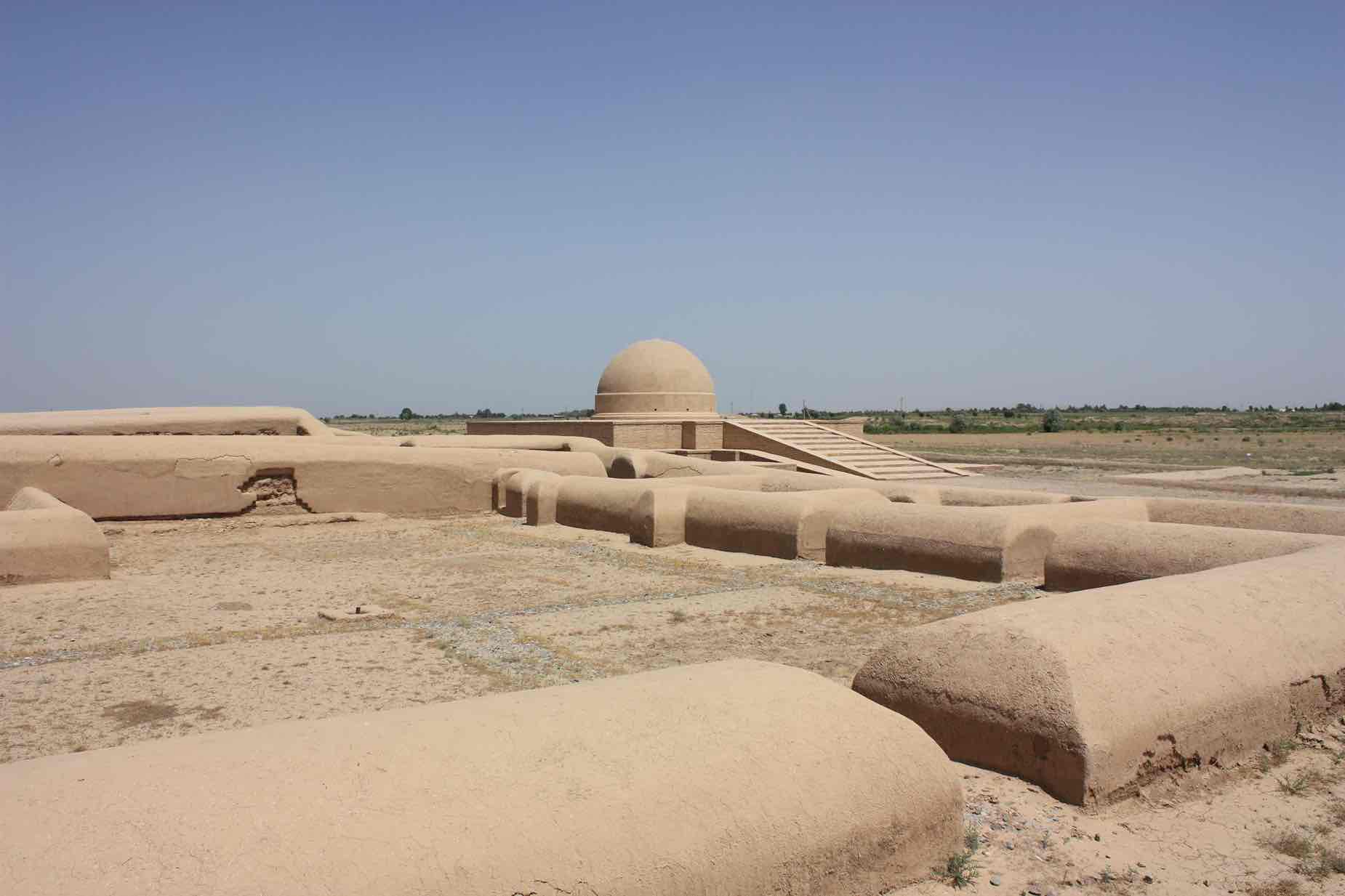
-Arun Anand The idea of reconnecting world’s largest democracy with Central Asia carries deep civilizational resonance. For centuries, merchants, monks, and monarchs traversed the mountain passes of the Hindu Kush and the plains of Bactria, linking the subcontinent to the great cities of Samarkand and Bukhara. Today, that geography survives only in memory. The modern state system — shaped by partition and rivalry — has severed those routes. Despite its significant economic size and cultural reach, India remains effectively walled off from a region with which it shares both history and strategic interests. Persistent hostility with Pakistan, compounded by instability in Afghanistan, has transformed what should be a natural corridor into a geopolitical cul-de-sac. At first glance, the logic of the partnership between India and the five Central Asian republics — Kazakhstan, Kyrgyzstan, Tajikistan, Turkmenistan, and Uzbekistan — appears natural. Central Asia is rich in hydrocarbons, uranium, and fertilisers; India needs all three. India, in turn, produces pharmaceuticals, machinery, textiles, and IT services that the Central Asian economies cannot supply in sufficient quantity. On paper, the relationship should be mutually reinforcing: resources for technology, raw materials for finished goods. In reality, the commercial relationship remains stubbornly modest. India’s total trade with the region barely exceeds $2 billion, representing less than half a per cent of New Delhi’s global trade. The promise exists, but geography and politics have denied it substance. A Geography of Constraint The principle obstacle is physical access. India shares no direct border with Central Asia, and its only practical land route passes through China or Pakistan and Afghanistan. Although India’s Himalayan frontier intersects the wider region leading toward Central Asia on the Chinese side, there is currently no usable or politically open land corridor that would allow India direct access through China. Beijing has developed Xinjiang as its own controlled gateway to Central Asia under the Belt and Road Initiative, and granting India transit would undermine China’s strategic advantage in the region. The Aksai Chin area, where old trade routes once connected Ladakh with Xinjiang, is not feasible today because India still claims the territory while China exercises firm control over it. This ongoing dispute, combined with tense political relations, effectively eliminates any prospect of a functional route through that region. Meanwhile, Pakistan does not permit Indian cargo to transit through its territory, effectively cutting India off from its northern neighbourhood. Shipments that could travel just over a thousand kilometres instead traverse over five thousand kilometres via Iran and the Caspian Sea. Freight costs through these alternative corridors are estimated to be thirty to forty per cent higher, and delivery times often double. Initiatives such as the development of Iran’s Chabahar Port, the International North–South Transport Corridor (INSTC), and India’s accession to the Ashgabat Agreement in 2018 are important diplomatic signals, but they cannot erase the structural disadvantage of distance. The economic consequences are measurable. Research by the Institute of Economic Growth suggests that if India had unimpeded access through Pakistan and Afghanistan, trade volumes with Central Asia could be five to ten times higher. The trade potential index — a model that estimates potential trade based on distance and GDP — ranks trade through a direct route from 10 to 15, but with detours through Iran or China, it collapses to just two or three. In concrete terms, the difference between potential and actual trade represents billions of dollars lost annually. India’s exports to Uzbekistan, for instance, are dominated by pharmaceuticals, worth approximately $167 million, as well as machinery and medical equipment. With a viable corridor, those numbers could multiply several times over. Similarly, trade with Turkmenistanstands at a mere $41 million, and with Tajikistan at around $42 million, figures that remain absurdly low for economies of this size and proximity. The unrealised potential is most visible in the energy sector. The Turkmenistan–Afghanistan–Pakistan–India (TAPI) gas pipeline, once hailed as a flagship of regional integration, was expected to transport 33 billion cubic metres of gas annually to India’s northern markets. Three decades since its conception, it remains unfinished — a monument to regional distrust. A volatile security situation in Afghanistan and the lack of political trust between India and Pakistan has frozen the route, causing Turkmenistan to turn east instead, supplying gas to China through operational and conflict-free pipelines. China’s ability to move swiftly within the same geography has reshaped regional alignments. Between 2018 and 2023, Chineses trade with Central Asia increased from $40 billion to almost $70 billion, while India’s trade remained stagnant at around $2 billion. The gap is not only one of resources or ambition, but of connectivity. Beijing built the infrastructure — via the Belt and Road Initiative and Central Asia–China gas pipelines —to become the region’s immediate investor and transporter. India remains a distant but friendly partner with limited physical reach. Diplomatic Pressure Without Strategic Depth This asymmetry also constrains India’s diplomatic posture. Within multilateral platforms like the Shanghai Cooperation Organisation, where both India and Pakistan sit alongside the five republics, New Delhi’s political bandwidth is often consumed by managing its rivalry with Islamabad rather than cultivating deeper partnerships. Central Asian states — cautious by necessity — avoid choosing sides. For countries like Kazakhstan or Uzbekistan, alienating China or Pakistan is riskier than neglecting India. The result is polite stagnation: strong communiqués but limited implementation. The gap between potential and reality is evident across sectors. India is among the world’s leading suppliers of affordable medicines; its generics already dominate parts of the Uzbek and Tajik markets. Demand for Indian pharmaceuticals, engineering goods, and educational services could expand tenfold with better logistics. Thousands of Central Asian students study in Indian universities, mostly in medicine and technology but the number could be much higher with cheaper travel. Meanwhile, Central Asia could supply India with oil, gas, uranium, and potash at competitive rates. Since 2015, Kazakhstan has supplied over 5,000 metric tons of uranium to India under a long-term contract, demonstrating that where connectivity exists, cooperation flourishes. Defense partnerships demonstrate a similar paradox. India has established defense agreements with Kazakhstan and Uzbekistan, and maintains working groups on security cooperation. Yet exercises and exchanges require circuitous routing through Iran or Russia, making sustained engagement slow and
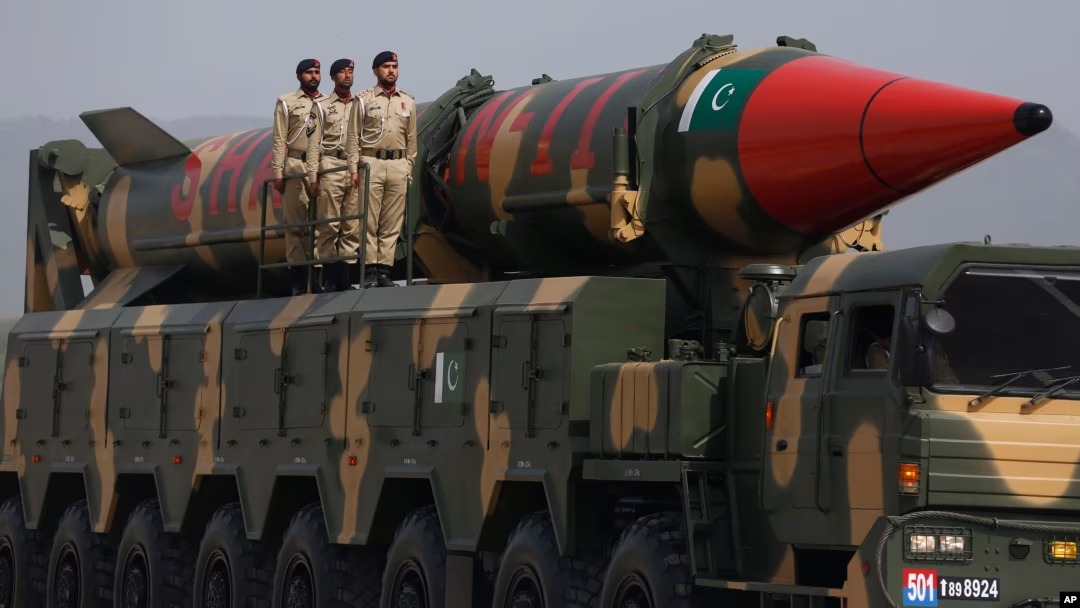
In a move that could recalibrate the fragile balance of power in South Asia, the United States has added Pakistan to its list of buyers for the AIM-120 Advanced Medium-Range Air-to-Air Missile (AMRAAM). This modification to an existing US arms contract with Raytheon represents more than just a defence transaction — it signals a potential rearmament of Pakistan’s air power at a time when the region’s security situation remains precarious. Pakistan’s inclusion in the programme, valued at over $2.5 billion, revives a defence partnership that had largely stagnated following years of strained relations with Washington. For Pakistan, whose air force still relies heavily on its fleet of American F-16 fighter jets, the acquisition of these advanced BVR (beyond-visual-range) missiles marks a major technological enhancement. For the region, however, it raises troubling questions about stability, deterrence, and the risk of escalation between nuclear-armed rivals. The AMRAAM, capable of engaging targets at distances beyond 150 kilometres, offers precision, speed, and a “fire-and-forget” capability that allows pilots to disengage immediately after launch. In purely technical terms, it’s a formidable addition to any air force. But in Pakistan’s context, such a system has far-reaching strategic implications. The country’s military establishment has long pursued parity with India, despite a stark economic gap and persistent domestic crisis. Its historical record of aggressive posturing, coupled with its military’s disproportionate influence over foreign policy, makes the AMRAAM deal far more than a routine upgrade. What appears to be an innocuous arms agreement could, in reality, alter the regional deterrence equation. South Asia’s air domain has always been sensitive — each technological advance on one side compels a countermeasure from the other. When India demonstrated its indigenous Astra BVR missile system, it underscored its growing self-reliance and capability to defend its airspace. Pakistan’s response, however, has been to seek external suppliers to maintain parity rather than pursue domestic innovation. The AMRAAM deal thus reflects a continuation of dependence — and a willingness by Washington to overlook the destabilising consequences of arming a military whose strategic ambitions have often undermined peace. This renewed US–Pakistan engagement also revives old anxieties about the nature of their security relationship. Historically, American arms transfers to Pakistan have been justified on counterterrorism or defence cooperation grounds, only for those weapons to later be used to posture against India. The F-16 fleet itself, originally supplied under similar premises, became a central tool of Pakistan’s conventional deterrent against its eastern neighbour. The reintroduction of the AMRAAM into this equation risks encouraging the same behaviour — a renewed confidence in coercive diplomacy backed by advanced weaponry. The timing of this deal is particularly concerning. Pakistan faces one of the most severe economic crisis in its history, coupled with a volatile political environment and a military establishment struggling to maintain control over internal security. Rather than focusing on domestic reform and stability, the country’s leadership appears intent on modernising its military arsenal. This suggests a misalignment of priorities — a pattern familiar to observers of Pakistan’s civil-military dynamics, where the pursuit of military parity often overrides social and economic needs. From a regional security perspective, this missile deal could reintroduce an element of uncertainty into South Asia’s deterrence environment. India and Pakistan have fought multiple wars, experienced countless border skirmishes, and nearly stumbled into escalation after the Balakot air strikes in 2019 — an episode where Pakistan’s F-16s, armed with earlier versions of the AMRAAM, were already involved. The introduction of more advanced missile variants, such as the C8 and D3, only increases the lethality of potential confrontations. Critics of the deal in policy circles argue that the US risks repeating historical mistakes. For decades, American support for Pakistan’s military has produced short-term tactical cooperation but long-term instability. Each wave of arms assistance has strengthened the military’s hand internally, often at the expense of democratic governance. It also emboldens the institution to act as an independent power centre — one that wields foreign policy and national security decisions without civilian oversight. By rearming Pakistan under the guise of modernization, Washington may inadvertently empower an institution that has repeatedly destabilized both its own society and the broader region. For India, the development underscores the enduring asymmetry of US policy in South Asia. While Washington describes New Delhi as a “strategic partner”, the continuation of military aid to Pakistan introduces contradictions into that narrative. It complicates India’s strategic calculus, forcing it to divert resources toward countering Pakistan’s enhanced air capabilities even as it focuses on its maritime and northern borders. The US, in attempting to maintain influence over both South Asian powers, risks playing both sides — a balancing act that history suggests is unsustainable. Beyond the India–Pakistan dynamic, the broader concern lies in the precedent this sets. If Pakistan’s procurement of advanced missiles is seen as a reward for engagement with Washington, it could encourage other regional actors to pursue similar deals to maintain balance. This could accelerate an arms race in one of the world’s most militarized regions. At a time when global powers are emphasizing restraint and dialogue in conflict-prone zones, the decision to expand missile sales in South Asia sends the opposite signal. There’s also the issue of technology security. Pakistan’s track record in protecting advanced military systems has been questioned repeatedly, with concerns about unauthorized access and proliferation. Given the country’s history of nuclear proliferation through networks linked to A Q Khan, Western analysts have often urged caution in transferring sensitive defence technologies. The AMRAAM deal, despite its conventional nature, revives those anxieties — particularly as Pakistan continues to cultivate military partnerships with China and Turkey. If history is any guide, such arms transfers rarely deliver stability. Instead, they create new dependencies and embolden military adventurism. Pakistan’s leadership has frequently leveraged its geostrategic location to secure Western military aid, only to later pursue policies contrary to US interests. Whether during the Cold War, the Afghan jihad, or the post-9/11 era, the pattern has been consistent: tactical alignment followed by strategic divergence. The AMRAAM deal risks
-Arun Anand On the intervening night of October 7-8, Pakistan Army suffered one of its deadliest blows in recent months when eleven of its soldiers, including two senior officers, were killed in an anti-militancy operation in Khyber Pakhtunkhwa’s Orakzai district. According to a statement from Inter-Services Public Relations (ISPR), Lt. Col. Junaid Tariq, 39, and his second-in-command, Major Tayyab Rahat, 33, were killed during an intelligence-based operation (IBO) against Tehreek-e-Taliban Pakistan (TTP) militants. Now, barely 24 hours later, in another statement, ISPR revealed that another young officer, 30-year-old Major Sibtain Haider, was killed in another firefight in Dera Ismail Khan. The loss of these many soldiers in mere two days highlights the resurgence of militancy across Pakistan’s restive northwest and Balochistan. It reveals an uncomfortable truth that while its soldiers bleed on the frontlines, Pakistan’s powerful military leadership remains increasingly busy in managing internal politics, governance and diplomacy instead of its delegated responsibility of national security. These recent deaths add to a steadily rising tally of military casualties in Pakistan’s long and exhausting counterinsurgency wars. What began two decades ago as an ambitious campaign to “cleanse” the tribal belt of militants has evolved into a grinding cycle of violence that Pakistan has never truly escaped. Since launching “Operation Azm-i-Istehkam” in June last year, which was supposed to be comprehensive campaign to reassert state authority in militancy-infested regions in the country’s hinterland, the military has claimed frequent “successes” in neutralizing insurgents. However, the numbers tell another story. According to a recently released report by the Pakistan Institute for Conflict and Security Studies (PICSS), Pakistan witnessed 212 militant attacks in August and September alone, which resulted in 135 deaths beside injuries to nearly two hundred. More significantly, among the dead were 61 security personnel, which is nearly triple the number of militants killed during anti-insurgency operations. The ratio exposes a deeply troubling imbalance that far from being on the defensive, militant outfits like the TTP and Islamic State’s Khorasan affiliate (IS-K) have grown more emboldened and well-equipped. Parallel data from the Centre for Research and Security Studies (CRSS) reinforces the bleak picture. “In just three quarters,” CRSS noted, “2025 has proven nearly as deadly as all of 2024, with 2,414 fatalities recorded compared to 2,546 for the entire year before. With a quarter still remaining, 2025 is on course to surpass last year’s toll.” If the trajectory holds, this could be Pakistan’s bloodiest year in a decade. The figures are symptomatic of a deeper institutional malaise. Pakistan’s Army, which is inarguably the most powerful institution in the country and has for decades served its de facto decision-maker, is increasingly distracted due to its non-military functions. Under Chief of Army Staff Field Marshal Asim Munir, who took command in November 2022, the military’s attention has been directed more toward managing Pakistan’s politics and external relations than securing its own soil. Instead of focusing on the country’s hinterland in KPK and Balochistan where militants and insurgents have reasserted their presence, the top brass in Rawalpindi has been preoccupied with stabilizing a floundering civilian government, brokering deals with foreign creditors, and navigating Islamabad’s fragile ties with Washington, Beijing, and Riyadh. Asim Munir himself has appeared as much a statesman as a soldier by not only negotiating financial lifelines, leading diplomatic engagements, and, in many ways, functioning as Pakistan’s parallel prime minister. But this expanding political role has come at a cost. While the Army’s leadership remains entangled in governance and foreign policy, its counterterrorism machinery has been stretched thin as well as demoralized. Such military causalities will only add to the worsening morale of soldiers. While the militant violence has resurged across Pakistan’s peripheries, with TTP re-establishing its shadow administrations in parts if KPK and a new generation of Baloch insurgents targeting military convoys, economic projects, and Chinese infrastructure linked to the China-Pakistan Economic Corridor (CPEC), the state’s response has been both predictable and ineffective. Rawalpindi and Islamabad has responded with more military operations, more checkpoints, more rhetoric about “national resolve.” For those living under the shadow of this militarised system in KPK and Balochistan, Pakistan Army’s presence has always been “less like protection” and more like suppression and occupation. Despite such a reality, the country’s security establishment has never shown any willingness to confront the political roots of this instability. They continue to overlook how the decades of militarized governance have alienated communities and deepened distrust between the centre and the periphery. While soldiers die on the frontlines, the Army’s headquarters in Rawalpindi remains entrenched in civilian affairs. Field Marshal Munir has been instrumental in shaping Pakistan’s political transition after the fall of Imran Khan’s government, ensuring a pliant civilian administration led by Prime Minister Shehbaz Sharif. The Army’s imprint, which was shadowy earlier, over the judiciary, media, and bureaucracy has grown heavier than ever. In economic policy, too, the military’s footprint is unmistakable. Army Chief has been instrumental in establishing the Special Investment Facilitation Council (SIFC), which aimed at attracting foreign investments into the country. Even foreign policy has become a military domain with Asim Munir regularly visiting abroad to countries like United States and China besides Gulf countries. He is not only eclipsing the role of a foreign minister but is growingly demonstrating himself to the world as the most important power centre of the country. This over-centralization of power has weakened civilian institutions, stifled accountability, and blurred the line between national defense and political engineering. Pakistan’s security doctrine has, for a long time, demonstrated external fixation on India and Afghanistan, whom it has blamed for its recurrent security failures. However, today Pakistan’s most serious threats lie within. The persistence of homegrown militancy in KPK, ethno-nationalist insurgency of Balochistan, and sectarian violence across the country indicates a failure of security doctrine. Though it conceived Operation Azm-i-Istehkam, like many of its predecessors, as a show of force, its failure to contain militancy demonstrates the reluctance of the Army to deal with its own policy contradictions. For decades, Rawalpindi tolerated “good” and “bad” militants, a legacy of decades of sponsorship of various proxies given
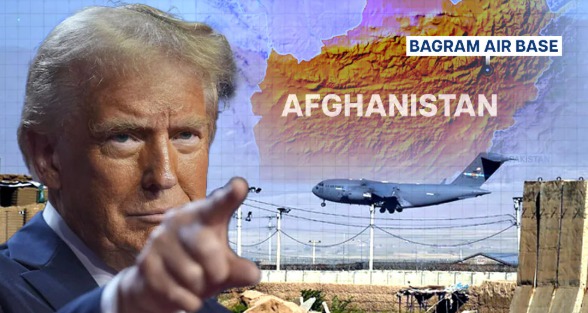
-Salah Uddin Shoaib Choudhury The United States looks poised to return to the very theatre it once abandoned: Bagram. What Washington calls a tactical correction could quickly become a strategic rupture for South Asia. A renewed US push – now reportedly coordinated with Pakistan’s security establishment – to retake Bagram Air Base and re-establish a foothold in Afghanistan risks detonating a broader regional conflagration, reigniting refugee flows, empowering jihadist networks and drawing Pakistan deeper into an unwinnable security quagmire. The question is not whether the dust will settle – it is how many countries, communities and lives will be buried beneath it. US President Donald Trump – in what he frames as a move to correct the “perceived mistakes” of the previous administration – has signalled renewed US interest in re-establishing a presence at Afghanistan’s strategic Bagram Air Base. Washington’s overtures have already put Islamabad on notice to expedite preparations for possible operations that could include seizing Bagram and pushing to unseat or reshape the current Taliban-led regime. Reports indicate that, if such a military offensive goes forward, US–Pakistani forces could also strike selected targets inside Afghanistan and press against militant networks that threaten Pakistan, including Tehreek-e-Taliban Pakistan (TTP). The Afghan Taliban reportedly reacted to these developments by ordering their Defence Ministry and the so-called Tath’heri (Purification) Commission to erase biometric records of Taliban officials and fighters – a move described in reporting based on Middle East Research Institute (MEMRI) sources. The directive, according to those reports, reflects deep concern among Taliban leaders that renewed US pressure or the collapse of talks in places such as Bagram could trigger unilateral strikes or renewed efforts to dismantle their command structures. Purging biometric data is both practical and symbolic. Practically, the obliteration of fingerprints, iris scans and other personal identifiers would complicate outside efforts to track commanders and rank-and-file fighters; it would make it easier for militants to slip across borders, adopt new identities, or seek refuge in other networks. Symbolically, the purge signals a loss of confidence in negotiations and a preparation for the worst-case scenario: a new round of kinetic pressure that could again turn Afghanistan into a launching pad for transnational militancy. Human-rights and humanitarian organisations have long warned about the risks posed by biometric systems in Afghanistan — both when those systems fall into insurgent hands and when their erasure removes accountability and traceability for vulnerable civilians. Intelligence reporting suggests militants are preparing multiple fallback options: some operatives may attempt to embed with groups such as Al Qaeda and the Islamic State Khorasan Province (ISKP); others may cross into Pakistan’s tribal districts and border provinces. These movements, if they occur en masse, would re-create the destabilising dynamics Islamabad confronted after 2001 – namely, the spillover of fighters, weapons and illicit finance into Pakistan’s frontier regions, with huge costs in lives, displacement and security. There are already signs of high-stakes diplomacy and renewed security contact between Washington and Islamabad. Recent high-level interactions between US and Pakistani military and political leaders suggest a rapid re-engagement that some analysts read as a strategic gamble by Pakistan’s military establishment to regain influence and secure economic or security concessions from Washington. Whether Islamabad will accept a subordinate role in a US-led operation in Afghanistan, however, is far from certain; domestic politics, sectarian fissures, and a host of ongoing internal insurgencies complicate any Pakistani commitment. Pakistan’s domestic situation makes any external adventure riskier. The Pakistani Army is already struggling to continue military operations in Balochistan and Khyber Pakhtunkhwa; at the same time, serious political unrest in Pakistan-occupied Kashmir (PoK) and rising opposition activity inside the country would make the reallocation of troops and resources to a new Afghan campaign politically costly and operationally difficult. Moreover, the persistent threat from TTP and other domestic militant groups means Islamabad cannot simply redeploy its security apparatus without leaving critical vulnerabilities at home. In short, the calculus that once made Pakistan a willing partner for extraterritorial operations has changed. The Pakistani state of the 2000s is not the Pakistani state of today. If Washington and Islamabad proceed with joint offensives to retake Bagram and press into Afghanistan, the immediate human cost will be severe. Large-scale operations — air strikes, special-forces raids and cross-border pursuit — will almost certainly result in significant civilian casualties, internal displacement, and the fracturing of fragile local governance structures. The re-introduction of sustained foreign military activity would also invite responses from regional powers. Iranian and Russian policymakers have repeatedly warned that aggressive US moves in Afghanistan could escalate into broader confrontations, while China has signaled unease about renewed American military footprints in Central and South Asia. A renewed campaign could also spur a scramble over Afghanistan’s illicit economies, particularly the opium trade. Historically, control over narcotics routes and processing has financed militias and threatened to entangle security services in corrupt economies. If Pakistan’s Inter-Service Intelligence (ISI) and other actors become further implicated in attempts to control smuggling routes or extract rents from the trade, that will accelerate domestic corruption and erode the legitimacy of state institutions. Finally, the political fallout inside Pakistan could be profound. Opposition parties and civil society could mobilise against what they characterize as another dangerous foreign entanglement, while disenfranchised groups in restive provinces might exploit the distraction to intensify insurgencies. The combination of military overstretch, economic strain, and a renewed influx of fighters into the tribal belt would make Pakistan considerably less stable — and therefore less capable of managing the very threats a joint operation claims to resolve. In short, the prospect of a US–Pakistan operation to retake Bagram is not simply a tactical matter of bases and battalions. It is a decision with wide-ranging geopolitical, humanitarian and domestic consequences: for Afghan civilians, for Pakistan’s fragile polity, and for the broader regional balance. Reoccupying Bagram would be a Pyrrhic victory. Even if US and Pakistani forces briefly seize terrain, the deeper strategic problems that have long plagued Afghanistan – fractured governance, opportunistic militancy, narcotics economies, and the absence
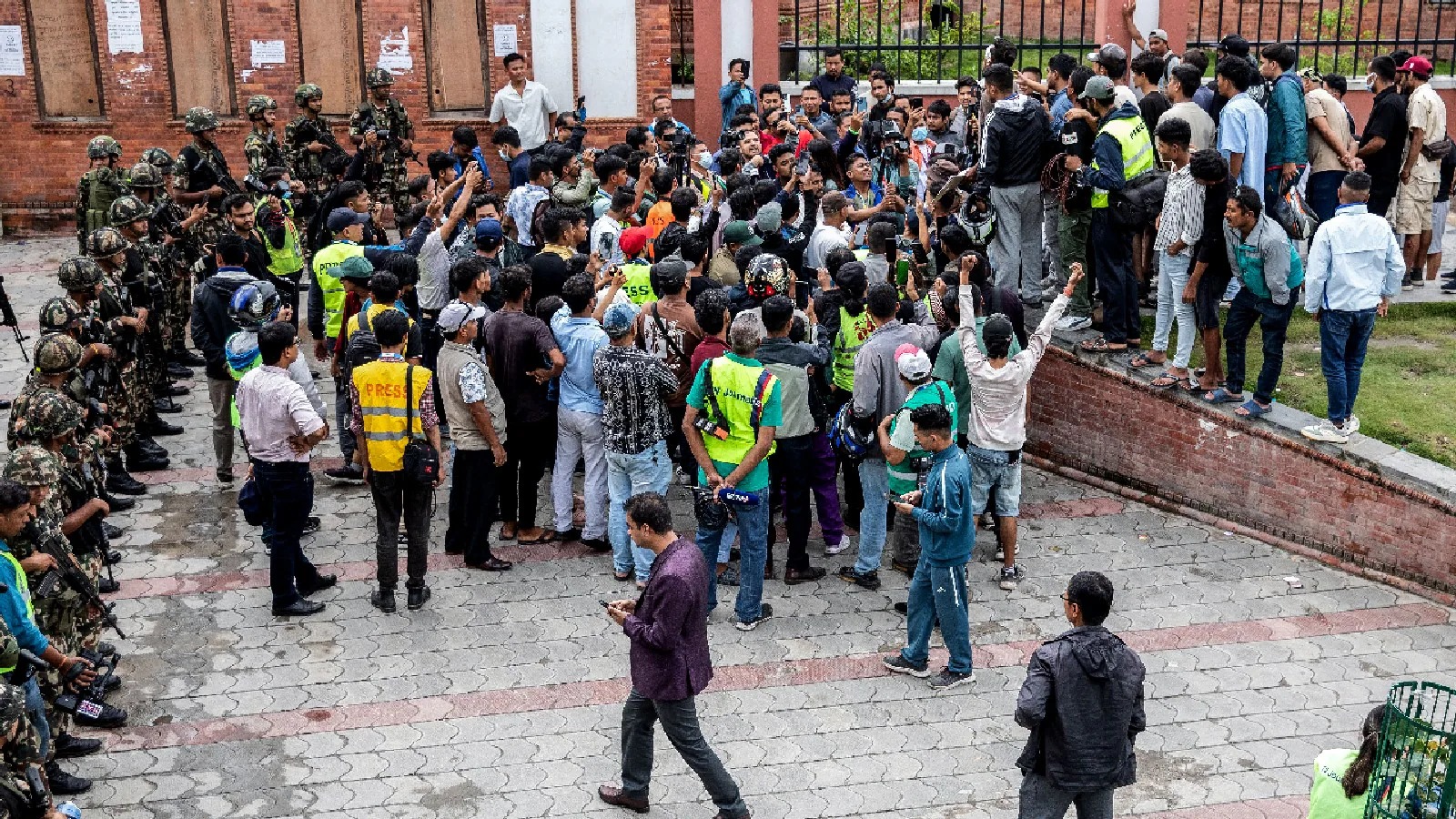
-Arun Anand After the recent protests in Nepal by Gen Z that toppled its government, the global commentaries are raising the question: why aren’t India’s youth taking to the streets? As Nepal’s Gen Z had managed to bring down a government within two days, observers in Western capitals rushed to draw comparisons with calm in India. Across all these Western media coverages, the undertone was unmistakably similar — India’s young citizens are either disenchanted or forcibly silenced as they are not coming out on streets. The question that has been repeatedly asked by the Western media is how could 370 million digitally connected, energetic young people stay quiet while their neighbours erupt in rebellion! This line of reasoning is not only too simplistic; it reflects a new colonial construct. The same Western lens that once portrayed the “East” as mysterious now depicts it as perpetually unstable. This new form of neo-orientalism associates political maturity with the violent protests on the streets; if there is no unrest, it implies stagnation and not a resilient democracy! The recent BBC piece questioning why India’s Gen Z is not taking to the streets is a manifestation of this tendency. It draws parallels between India and smaller countries like Nepal, Bangladesh, and Madagascar, suggesting that the absence of mass uprisings signals a lack of youthful energy or civic courage. The problem isn’t nastiness, it’s method. Comparing India to these states is to misunderstand how democracies operate at a larger scale. Nepal’s protests erupted after a sudden social media ban and amid a fragile coalition government that survives on thin legitimacy. India’s federal and electoral architecture, by contrast, disperses discontent across 1.4 billion people, 28 states, and thousands of local governments. The design of Indian democracy doesn’t suppress anger; it channels it. Protests in India rarely topple governments because institutions, courts, elections, bureaucracies, and welfare systems absorb the shock. To view the absence of unrest as evidence of apathy is to overlook how political participation actually functions in a robust and mature democracy. There is an unspoken discomfort in much of Western coverage about how India, despite all its contradictions, remains economically and politically more stable than its peers. It continues to grow faster than most large democracies, sustains multi-party elections with a healthy turnout, and manages one of the world’s most complex social fabrics without systemic collapse. This stability is rarely celebrated in Western media; it’s often treated with suspicion. The reflexive narrative is to ask what might be going wrong beneath the calm rather than what mechanisms have allowed a post-colonial state to sustain democratic continuity and growth at this scale. Part of this bias comes from habit. The Western media has always treated South Asia as a theatre of crisis. If the story isn’t of famine, coup, or riot, it barely registers. But another part stems from deeper discomfort; India no longer fits neatly into the developmental hierarchies that once defined the global imagination. It’s too chaotic to be treated as Western, too successful to be pitied as “developing”. So, its stability is read as a paradox, not as an achievement. In Western capitals, protest is considered a hallmark of civic virtue. The French strike, the British march, and the American sit-in—these are viewed as signs of healthy democracy. Yet when the same template emerges elsewhere, it’s often described in different terms: “unrest”, “mob violence”, or “youth instability”. This double standard also extends to its inverse. When Western societies experience protest fatigue or political disengagement, it is analysed as a sign of post-modern maturity, a democracy that no longer needs the street. When India’s youth turn to the ballot box instead of barricades, it is defined as evidence of apathy. The irony is glaring. India’s 2024 general election saw the participation of nearly a billion voters, more than the population of the entire West combined. If protest is one language of democracy, participation is another. Yet the latter rarely makes headlines. To describe India’s Gen Z as “silent” is to overlook the forms of politics that do not conform to Western standards. Indian youth are debating, campaigning, voting, volunteering, building businesses, and engaging digitally at an unprecedented scale. Their politics isn’t always radical; it’s often pragmatic, sometimes ideological, occasionally contradictory. But it is politics nonetheless. The idea that activism must take the form of confrontation reflects a narrow understanding of agency. The Indian model of civic participation relies less on disruption and more on negotiation, achieved through social media, student movements, local elections, or NGO networks. Protest here is not a lifestyle choice; it’s a last resort. This doesn’t make India less democratic. It makes it democratic in a more sustainable way. The Western gaze often operates on two assumptions: first, that Western democracies are the gold standard for political behaviour; and second, that political energy elsewhere must express itself through familiar Western forms to be valid. Both assumptions collapse under scrutiny. The protests in France over pension reform or Britain’s student marches are never compared to “big democratic neighbours.” They are treated as internal expressions of civic strength, not as part of a regional morality play. But when South or Southeast Asian youth mobilise, or don’t, the question becomes comparative and moralising: why don’t others follow? Why isn’t India emulating its neighbours? This reflects ‘projection’ and not ‘analysis’. Western media expects the template in their part of the world to be replicated everywhere. When it doesn’t, they treat it as a sign of deficiency of democratic values. If we step away from this template, India’s apparent calm begins to look less like resignation and more like resilience. Its youth are not revolutionaries by default because they have grown up inside an established, functioning democracy. They have witnessed for decades that power dynamics can be successfully changed through ballots, not barricades. This generation of young Indians is also smoothly navigating global economic competition, digital transformation, and an aspirational middle-class culture that prizes progress over protest. Their energies are directed toward mobility, not
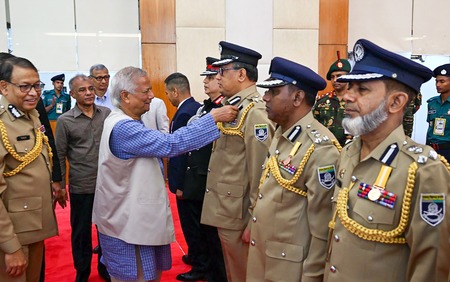
Bangladesh today stands on the brink of an unprecedented national catastrophe. Under the guise of reform and accountability, the pro-Islamist regime of Muhammad Yunus has begun dismantling the nation’s most vital institutions – the Armed Forces and the Directorate General of Forces Intelligence (DGFI). What appears to be a judicial process is, in reality, a political purge aimed at replacing the patriotic guardians of Bangladesh’s sovereignty with a militant, ideologically driven “Islamic Revolutionary Army”. In doing so, the Yunus regime risks transforming Bangladesh from a moderate Muslim democracy into a jihadist state – a South Asian version of Iran or Afghanistan. As anticipated, the regime in Dhaka, led by Muhammad Yunus has begun implementing its blueprint to create an Islamic Revolutionary Army (IRA) by disbanding the Bangladesh Armed Forces and the country’s primary intelligence agency, the Directorate General of Forces Intelligence (DGFI). According to credible media reports, investigators have submitted a chargesheet against 11 army officers, including eight Generals, accusing them of committing “crimes against humanity” – offences carrying the death penalty. The charge sheet also names former Prime Minister Sheikh Hasina as the principal accused. Simultaneously, the regime has launched legal measures to permanently outlaw the Awami League, Bangladesh’s oldest and largest political party, in a move clearly engineered to eliminate any chance of an inclusive national election, which Yunus intends to stage in February 2026 under his absolute control. The accused listed in the chargesheet include: former Prime Minister Sheikh Hasina, former National Security Advisor Tarique Ahmed Siddique, former DGFI Director General Lt. Gen. (retd) Mohammad Akbar Hossain, former DG Major General (retd) Saiful Abedin, Lt. Gen. (retd) Md Saiful Alam, former DG Lt. Gen. Tabrez Shams Chowdhury, former DG Major General (retd) Hamidul Haque, Major General Towhidul Islam, Major General Sarwar Hossain, Major General Kabir Ahmed, Brigadier General Mahbubur Rahman Siddique, Brigadier General Ahmed Tanvir Majhar Siddique, and Lt. Col. (retd) Makhsurul Haque. Among them, four are currently in active service. However, under the amended International Crimes Tribunal Act, serving officers accused in such cases are suspended from holding official positions, according to Chief Prosecutor Tajul Islam. The entire case behind this chargesheet accusing senior military officers originates from a dramatized “documentary film” funded by the National Endowment for Democracy (NED) – an organisation that has, for several years, played an active role in defaming the Bangladesh Army and DGFI. Unfortunately, during this massive propaganda campaign, both institutions failed to mount an effective counter-narrative. Even after Sheikh Hasina’s ouster, when Yunus and his allies intensified their attacks on DGFI — particularly through claims of detentions inside “Aynaghar”, an imaginary facility invented by a NED-funded, overseas-based media outlet – the disinformation continued unchecked. The so-called “documentary” presented fabricated testimonies from alleged victims, serving as the foundation for the current legal onslaught. Most importantly, the Bangladesh Armed Forces and DGFI had played a crucial role in the 2024 anti-Hasina protests, which ultimately enabled the US Deep State’s regime-change operation to succeed. More than 14 months after Sheikh Hasina’s removal and the installation of the Yunus regime – a transition initially supported by segments of the military – it has become evident that the ultimate goal of Yunus and his foreign backers is to completely dismantle Bangladesh’s Armed Forces and counterterrorism institutions to pave the way for transforming the country into an Islamist Caliphate. It was earlier reported that Pakistan’s Army Chief General Asim Munir has been orchestrating this plot to dismantle the Bangladesh Army and DGFI, working in concert with key figures of Jamaat-e-Islami, Ansar Al-Islam (the local franchise of Al-Qaeda), and several high-ranking members of the Yunus regime. Although the current chargesheet targets former DGFI chiefs and counterterrorism officials, credible intelligence sources suggest Islamabad’s ultimate goal is to implicate Army Chief General Waker Uz Zaman, accusing him of “enforced disappearances and unlawful detentions”. Muhammad Yunus and at least two of his close foreign-linked advisors are believed to be quietly assisting this effort, providing legal and diplomatic cover to neutralise Bangladesh’s last line of defence against Islamist expansionism. Commenting on this alarming development, noted military analyst M A Hossain stated, “This is possibly the first-ever case in any country where top officials of a national intelligence agency have been prosecuted for defending their nation from terrorism. It defies logic. How can a judiciary target its own security defenders in a case clearly masterminded by Pakistan’s military establishment and its local proxies? The next step, inevitably, will be implicating Army Chief General Waker Uz Zaman – the ultimate command authority – to decapitate the Armed Forces entirely”. Defence expert Damsana Ranadhiran, a special contributor to Bangladesh’s Blitz media outlet, warned: “This legal ambush targetting Bangladeshi Generals will have dire consequences. It will weaken the military’s command structure and open the door for Pakistan-backed officers to take charge. This is a textbook ISI strategy – a blend of legal warfare, psychological manipulation, and political subversion – identical to what Pakistan executed in Afghanistan and Kashmir”. Ranadhiran further cautioned that Bangladesh’s sovereignty and regional stability are now at stake. “Bangladesh did not endure the genocide of 1971 only to be subdued again by Pakistan’s puppeteers and Islamist collaborators. If Pakistan’s designs are not countered immediately through diplomatic, military, and legal means, South Asia may descend into chaos – a region overrun by proxy wars, terror networks, and narcotics-driven insurgencies”. These fabricated charges against senior military officers are designed to discredit and paralyse the Armed Forces, paving the way for Yunus to replace them with a new paramilitary militia modelled after Iran’s Islamic Revolutionary Guard Corps (IRGC). The envisioned Islamic Revolutionary Army (IRA) will be ideologically loyal to the regime rather than to the nation – a hallmark of theocratic authoritarianism. The motive behind Yunus’s hostility toward the military lies in its potential to resist his project of selling out Bangladesh’s sovereignty for personal and foreign gain. Much like his political idol Hamid Karzai, Yunus seeks to maintain power through foreign patronage rather than public legitimacy. Analysts estimate his genuine domestic support
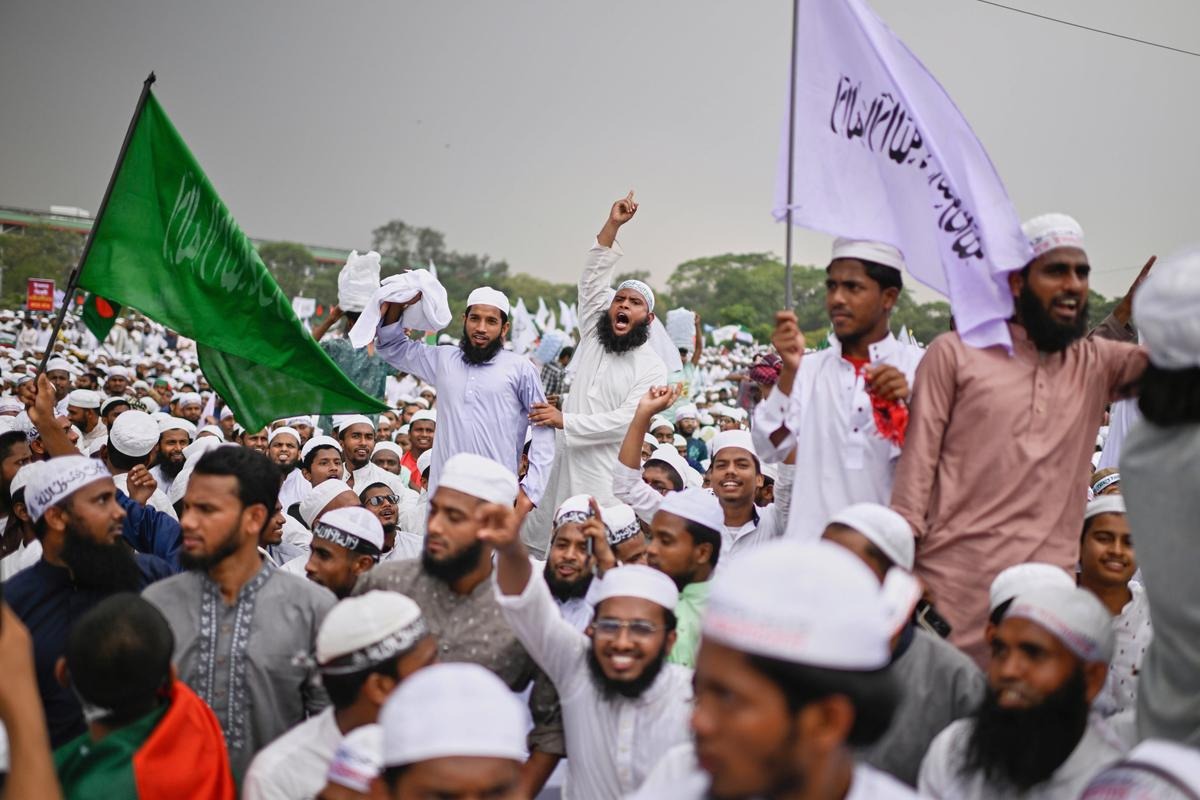
Amidst the developments in Bangladesh’s political trajectory, the resurgence of Islamists has been the one catching everyone’s attention. A country with about 90 per cent Muslim population, this surely is not supposed to be alarming. But Bangladesh is no Middle East or Central Asia — wherein religion profoundly shaped their political systems. Religion, albeit a strong influence, has more cultural and symbolic presence than a political one — whereby Bangladesh’s political establishment is influenced by principles of nationalism, socialism, secularism and democracy. Here, cultural and ethnolinguistic identity have historically taken precedence over religious one. Islamists in Bangladesh seek a complete overhaul of the socio-political-legal system rooted in Islamic values and principles, contrary to the present establishment in Bangladesh. However, Islamists do not comprise a homogenous group, as they take their ideological orientation from different Islamic schools of thought, namely, Hanafi, Deobandi, Barelvi, Salafi and Sufi. Among these, Hanafi and Deobandi exert the most socio-political influence. The Islamists, initially marginalised post Bangladesh’s independence, were rehabilitated under military rule. After restoration of democracy and civilian government in 1990, some created formal political alliances while maintaining grassroot mobilisation in religious institutions and madrasas and entered the electoral field. Others took the path of militancy, launched a series of terror attacks in Bangladesh and re-configured into newer factions after facing state crackdowns and bans, especially under the Awami League government. The recent unofficial visit of seven Islamic scholars to Afghanistan on Taliban’s invitation needs a careful assessment. The meeting was framed as seven Bangladeshi Islamic scholars observing human rights and women’s rights situation in Afghanistan in face of backlash from the West. However, one cannot overlook the heavy political intent as the meeting also prioritised strengthening ties between Islamic scholars of the two countries, to enhance diplomatic relations in future, beside cooperating on areas like trade, education and healthcare. Following the Taliban takeover of Afghanistan in 2021, Bangladesh government (now dismantled), maintained its distance and refused to give Taliban any diplomatic recognition. Rather, it exercised caution — monitoring and countering the celebratory reactions of Islamists on social media who hailed it as a ‘triumph of Islam’. Even before the takeover, many Bangladeshi Islamist radicals were arrested by security authorities who were caught attempting to join the Taliban in Afghanistan by crossing India. Why were Bangladesh’s Islamist influenced youth attracted to the Taliban? Because of Bangladesh’s own home-grown extremist groups that emerged in the 1980s-90s, notable being Harkat-ul Jihad Al Islami Bangladesh (HuJIB), and Jamaat-ul-Mujahedeen Bangladesh (JMB), established by fighters who joined the Taliban during Afghan jihad’s fight against Soviet invasion of Afghanistan. After these fighters returned to Bangladesh, they sought to bring the Taliban’s envision into reality—to establish an Islamic rule in Bangladesh, based on Shaira jurisprudence. These groups are also reported to have links with transnational terrorist organisations like al-Qaeda, al-Mujahideen and even Lashkar-e-Taiba (LeT). The early to mid 2000s was a period of rampant Islamic terror attacks by these groups, primary targets being NGOs and secular and cultural events that they deemed to be ‘un-Islamic’. However, most extremist organisations were checked via strict counterterrorism measures by 2007, although another wave of terrorist attacks surfaced between the period of 2013-2016. The seven Islamic scholars who attended the meeting with Taliban included Khelafat Majlis chief Mamunul Haque, Nayeb-e-Amir (Pir of Madhupur) of Hefazat-e-Islam Bangladesh Abdul Hamid, Abdul Awal, Abdul Haque, Habibullah Mahmud Qasemi, Monir Hossain Qasemi and Mahbubur Rahman. Both Hefazat and Khelafat belong to the same Deobandi tradition and predominantly trained in Qawmi madrasas, that emphasises in Islamic scholarship independent of state regulated Alia system. In terms of core ideological beliefs, both lay strict emphasis on scriptural orthodoxy, rejection of Barelvi tradition, Sufi practices and Ahmadiya’s inclusion as Muslims and opposition to Western influences, especially on culture and education. In effect, both champions complete Islamisation of socio-cultural life. Khelafat Majlis, founded in late 1989, emerged during the Bangladesh anti-Ershad movement. An Islamist political party, Khelafat, stated its goal of creating a national governance framework that is based on Qura, Sunnah and early Islamic Caliphates. Therefore, the party’s main target of mobilisation were Islamic scholars and aimed at creating a larger unity between these scholars and general Muslims against the secular system of governance who would push for Khelafat’s Political Islam. Its activities largely confined to anti-secular and blasphemy protests—be it organising a large mass demonstration from Dhaka to Ayodhya demanding for Babri Masjid restoration that was demolished in 1993, protest against installation of “Eternal Flame” at Suhrawardy Udyan, the anti-Taslima movement that led to her exile, the 2017 anti-Statue protest against the installation of the statue of Lady Justice from the Supreme Court premises in Dhaka. In electoral politics, it had a minimal presence, entering into coalition with both BNP (that it opted out in 2021). Although not involved in overt terror activities, Khelafat’s hardline stance coupled with ideological leniency towards the Taliban were deemed threatening to Bangladesh’s secular principles. Its leaders, including chief Mamunul Haque, were arrested under Digital Security Act and Anti-Terrorism Act under the Awami League government for their participation in protests in anti-secular, anti-blasphemy protests, in alliance with Hefazat-e-Islam. Unlike Khelafat Majlis, Hefazat-e-Islam is not a political party but an Islamist organisation, drawing on the same ideology and traditions like Khelafat. A coalition of more than 25,000 Qawmi madrasas across Bangladesh, Hefazat emerged in 2010 as a reaction to Awami League government’s Women Development Policy (2009) draft giving women equal inheritance rights. In 2013, Hefazat held a massive rally by blocking roads, commerce and regular activities. Known as the Shapla Chattar siege in Dhaka, Hefazat presented its 13-point demands that included introduction of blasphemy laws, gender segregation in public, declaring Ahmadiyyas as non-Muslims, and curbing every un-Islamic activity, to state a few. Following Jamaat’s decline in Bangladesh under Awami League’s government, Hefazat’s emergence was seen as the rise of a new radical Islam in Bangladesh and this 2013 siege, a pivotal moment of radical Islamists urban mobilizational efforts directly challenging the secular state authority. Other notable protests are
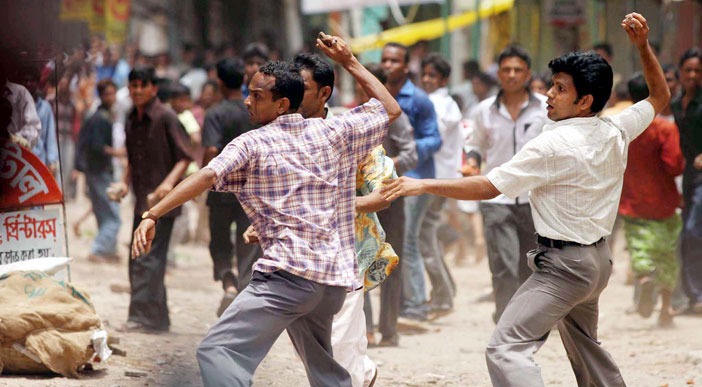
Pakistan’s geopolitics seem to have reached a full circle with the continuous terror of Tehrik-e-Taliban Pakistan (TTP).Founded in 2007, the TTP is a jihadist militant organisation whose prime target is the Pakistani military. The extremist group envisions creating an Islamic caliphate state based on the Deobandi tradition in Pakistan. Besides, the TTP supported the Taliban’s efforts in Afghanistan. Banned by Pakistan in 2008, TTP is believed to have strong ties with al-Qaeda and Taliban in Afghanistan, and its militant attacks are mostly concentrated in Pakistan’s Federally Administered Tribal Areas (FATA) and Khyber Pakhtunkhwa, bordering Afghanistan. Following the Taliban’s takeover of Afghanistan in 2021, TTP’s activities resumed, and attacks intensified, adding to Pakistan’s own internal terror attacks. At the same time, Pakistan’s state-sponsored terror groups continue their cross-border terrorism, especially in India. The recent military operation by Pakistan in Khyber Pakhtunkhwa that killed 17 TTP militants disclosed a shocking report: one of the militants killed has been identified as a Bangladeshi national. Bangladesh media reported that the slain militant’s family had no idea of his militant background, who claimed to have moved to Dubai to earn a living. However, as per police intelligence, the Bangladeshi militant moved to Afghanistan. Pakistani authorities reported to have hounded two or three Bangladeshi militants in their earlier operations, while these men allegedly went to Afghanistan on the pretext of religious work, where they later joined an extremist terrorist organisation. This is, however, not a lone case. In April, a 23-year-old Bangladeshi national, Ahmed Zubair, reported to be a member of Tehreek-e-Taliban, was among the 54 militants killed by Pakistan’s military forces. At least eight Bangladeshi nationals were also reported to have migrated to Afghanistan to join the TTP. The Bangladeshi digital platform also stated that Bangladesh’s own security intelligence remains oblivious to TTP’s outreach in Bangladesh, and if any camps are operating inside the country presently. Again, two individuals—33-year-old Ahmed Faisal and 49-year-old Shamin Mahfuz—were arrested in Bangladesh in July for their alleged TTP links. It should be noted that Mahfuz is a former leader of Jamaat-ul-Mujahedeen Bangladesh (JMB), and later founded Jama’atul Ansar Fil Hindal Sharqiya in 2019. Both individuals were also previously detained on multiple terrorism charges. From Faisal’s confession, it came to light that most of these Bangladeshi-national militants have moved to Afghanistan either via Saudi Arabia or via Pakistan to join the TTP. Mostly youth, these militants seek to establish an Islamic caliphate worldwide based on the Sharia. During this arrest, it was also learned that four Bangladeshi nationals who joined the TTP were killed on the Afghan-Pakistan border, while 25 more were preparing to leave Bangladesh to join jihad. The confession also shed light on one Imran Haider, a senior TTP figure, as being the central figure behind the online indoctrination of Bangladeshi youth to recruit them to the TTP. Around the same time, 36 Bangladeshi nationals were reportedly detained in Malaysia for their alleged involvement in a “radical militant movement”. However, Bangladesh’s home advisor downplayed this and denied their extremist links. Since last year, South Asian geopolitics has gone through an unpredictable arc with the fall of Sheikh Hasina in Bangladesh following the July Uprising. On one hand, the interim government in Bangladesh pivoted to Pakistan, boosting bilateral ties—including trade, education, defence and intelligence sharing, while maintaining a deliberate distance with India, Bangladesh’s oldest and long-standing regional partner. On the other hand, Bangladesh witnessed a rapid surge of Islamist groups, so long sidelined and suppressed via counterterrorism efforts of the Awami League government. Transnational extremist groups like Hizb-ut Tahrir (banned in 2009) made their presence felt in the country, notably for allegedly organising a procession by students in Dhaka under the banner of ‘Conscious Teachers and Students’, demanding the establishment of an Islamic Caliphate system in Bangladesh in October last year and the ‘March to Khilafat’ rally this March. Muhammad Yunus has also appointed individuals associated with Hizb-ut Tahrir in his interim government, sparking controversy in the political scenario. Moreover, leaders and associates of groups like Hefazat-e-Islam, Ansarulla Bangla Team and Khelafat Majlis—arrested for their extremist links were also released under the interim government, who have now resumed their hate propaganda, to push for the creation of an Islamic state in Bangladesh based on Sharia law. These developments raise concerns about the resurrection of Islamist extremism in Bangladesh, given its history. Those from Bangladesh joined the Taliban to fight against the Soviet Union in Afghanistan, returned to their homeland in the 1980s and 90s and established extremist organisations, such as Harkat-ul Jihad Al Islami Bangladesh (HuJIB), and Jamaat-ul-Mujahedeen Bangladesh (JMB). Needless to say, these groups not only had ideological links with the Taliban but also received logistical support and training from al-Qaeda and Pakistan-based Laskhar-e-Taiba (LeT), and their terror operations in Bangladesh were aimed at creating a Taliban-like establishment in the country. While their activities were crippled due to counterterrorism measures by 2007, Bangladesh remained under periodic terror attacks, witnessing a surge from 2013-2016. The political changes in Bangladesh following Hasina’s deposition further strengthen concerns of Islamist extremists’ comeback in the country, as evident from the above-stated reports. The recent visit of seven Islamic clerics, including the Khelafat Majlis chief and Nayeb-e-Amir (Pir of Madhupur) of Hefazat-e-Islam, to Afghanistan on the invitation of the Taliban should be viewed with the same caution as the rising trend of militancy in Bangladesh. These groups share the same ideological orientation—Deobandi school of Islam—as that of the Taliban and hailed the Taliban takeover of Afghanistan as a “triumph of Islam”. While not extremist groups themselves, these parties’ ideological inclination to the Taliban and their own hardline stance on socio-cultural-political life signal a possible convergence of interests between these organisations and foreign-linked militant ones. Nevertheless, Bangladesh’s Anti-Terrorism Unit’s additional inspector general claims that there is no militant activity in Bangladesh while simultaneously stating that future militant activity cannot be ruled out either. With the election around the corner and Bangladesh’s fragile state of democracy, this rise of militancy in Bangladesh now poses the
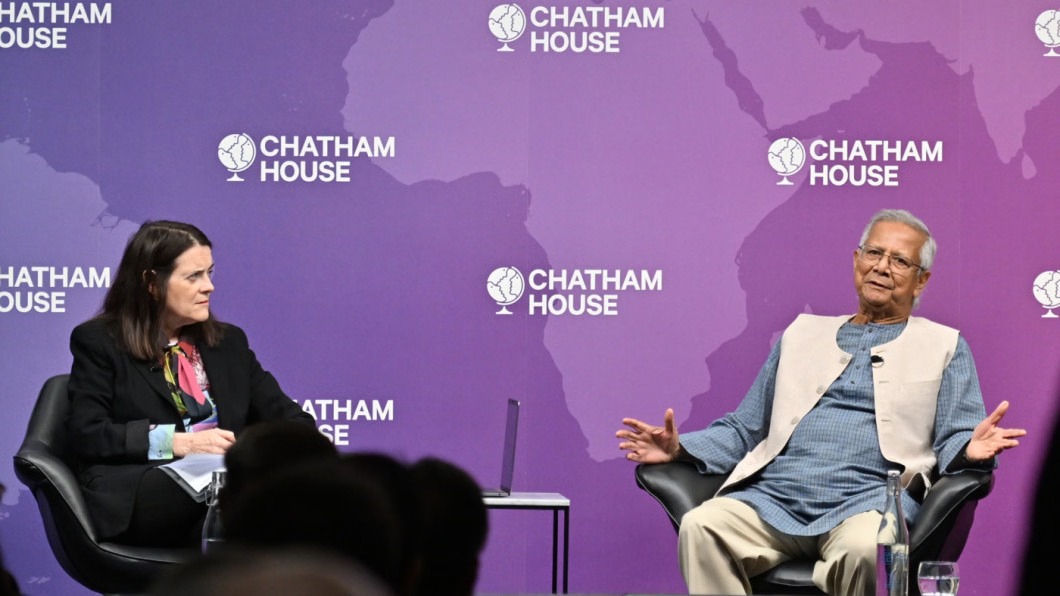
It has been more than a year since the interim government in Bangladesh came into being under the leadership of Muhammad Yunus, and the country has gone through a political reset, both internally as well as in its foreign policy. Internally, the largest political party — the Awami League — and its affiliates are banned, Islamists have revived, Sheikh Mujibur Rahman’s legacy downplayed and even attacked, and the history of the 1971 Liberation War is up for debate. Post-Sheikh Hasina Bangladesh, hailed as the “new” Bangladesh, has also been wrought with violence of all kinds — communal, ethnic, gender, mob, and political. Inevitably, the country’s law and order is in a constant state of compromise. However, the interim government, whose prime responsibility behind its establishment was to bring the country’s stability back on track, dodged all accountability via two ways — denial and labelling it a “conspiracy” of “outside influence”. The ostracisation of Awami League was predictable, considering Yunus’s personal animosity with Sheikh Hasina. This year, therefore, witnessed the interim government, using all means — political, judicial and administrative — to witch-hunt League loyalists and activists on one hand and create a political atmosphere where Bangladesh’s apparent newly-earned democracy is one without opposition. Human Rights Watch, in May, reported that the interim government has risked Bangladesh’s fundamental freedoms via a series of legislative measures. In a recent report, HRW also accused the interim government of abusing the recently amended Anti-Terrorism Act to target and imprison thousands of political opponents, especially the alleged supporters of the now ousted Awami League, on dubious charges to shut down dissent. Indeed, the report rightly pointed this is not the path to democratic transition. Bangladesh’s own rights groups, too, have been critical of the interim government’s highhandedness—following the script of its predecessor that it claims to be so against, as it observed a disturbing rise in violations of human rights and crimes across Bangladesh under the interim government. In its efforts to suppress the Awami League and positing itself opposite to everything it stood for, the interim government resorted to keeping a cold distance from its neighbour, India. Calling it a ‘balanced geopolitics’, the Yunus-led interim government and its supporters, including political leaders, manufactured a new narrative—that India is an ‘ally’ of Sheikh Hasina and the Awami League. Through shameless misconstruing of Indo-Bangladesh diplomatic relations, anti-Hasina forces are now competing against each other to appear as the guardians safeguarding Bangladesh’s democracy, one that the country’s so long lacked due to Hasina’s pro-India foreign policy tilt. While political parties, especially opponents of the Awami League, have always used anti-India rhetoric as their election campaign, the same by the interim government reflects its ultimate defence mechanism when faced with accountability. The Chief Advisor ventured to create a fearmongering attitude among Bangladeshis that India’s ‘hegemony’ is the reason behind its own present political crisis. Oftentimes, especially when the inefficiency of law enforcement forces has been questioned, as in the case of the February Bulldozer Procession of 32 Dhanmondi, the interim government put the blame on “external forces” for its internal crisis. His close associates, along with other advisors of the interim government, too, made provocative remarks targeting India’s border security. Communal attacks have witnessed a surge in Bangladesh since the fall of Hasina. When India raised concern about this worrying trend, the interim government quickly dismissed it as political attacks, and not communal, and even called the reports “exaggerated”. It echoed the same about reports of communal attacks by the Bangladesh Hindu Buddhist Christian Unity Council, calling it “misleading” and “false”. In a recent interview with a US journalist, Yunus took yet another anti-India jibe, calling anti-Hindu violence in Bangladesh “fake news”, one that is a “speciality of India”, whereby Bangladesh remains a “beacon of religious harmony”. This is notwithstanding the US Religious Freedom report that revealed the state of minorities in Bangladesh to be concerning. Given the collective failure in providing security to Hindus during the celebration of their biggest religious festival, Durga Puja, last year, the same concerns were raised when the media reported a few cases of idol vandalism days before the onset of Puja this year. This year, the home advisor warned to take tough action against those involved in 793 Durga Puja pavilions for allegedly “hurting religious sentiments” and blamed the “neighbouring country” for having a connection behind the falsehood surrounding Durga Puja. Such statements by an advisor were noted to encourage communal violence and persecution of minority populations, minority Hindus being always under the radar of proving their nationalism. This year, at least 49 untoward incidents have taken place at puja mandaps across Bangladesh has been reported during Durga Puja. The recent ethnic violence in Khagrachhari in Chittagong Hill Tracts, another pressing issue in Bangladesh, showed the systemic nature of violence in the hills, whereby miscreants continue to enjoy a culture of impunity under the interim government. Here too, the government was quick to put the blame on ‘fascist groups’ sheltered in the neighbouring country, who are being allowed to create conditions to destabilise Bangladesh. New Delhi’s response was calling a spade a spade—dismissing the allegation as bizarre and pointing to the interim government’s tendency to shift blame elsewhere to camouflage its own inefficiency in maintaining law and order. To cover up its failure, despite a year in power, the interim government has been shifting the blame game on India. This is not only an insult to the conscience of Bangladeshis but also to their very democratic aspiration. Through the manufactured narrative of “conspiracy of external force to destabilise Bangladesh”, the interim government is deliberately delaying the democratic transition that its people are desperately awaiting. Even though India has made it clear that it awaits a smooth, inclusive, just democratic transition in Bangladesh, where New Delhi is willing to work with any government that comes to power (as bilateral relations should be), the interim government is repeatedly resorting to arrogant statements to hold onto the chair. One can only hope for
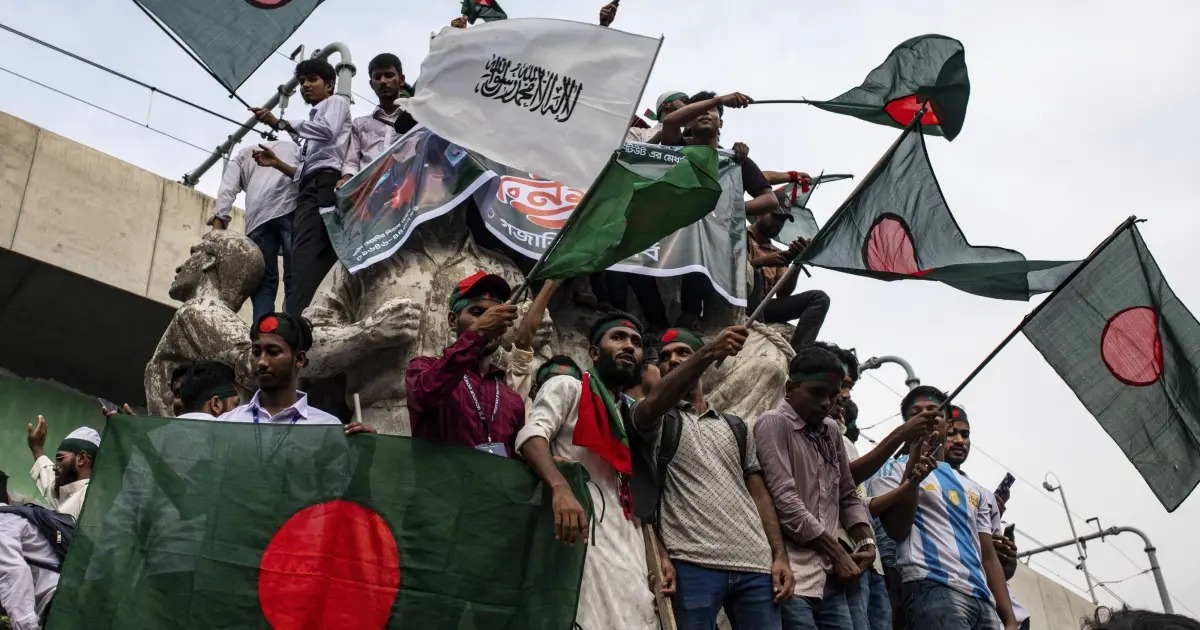
Bangladesh’s ultimate goal of forming an Islamic Revolutionary Army goes beyond internal consolidation and aims to position the country as a strategic outpost for transnational jihadist operations – serving Pakistan’s geopolitical interests and silencing secular voices, a report cited on Wednesday. It mentioned that by forging alliances with Islamist elements and portraying them as “grassroots defenders”, the regime led by Muhammad Yunus seeks to weaken the Bangladesh Army – the last standing national institution capable of resisting radical influence. “A grave and coordinated conspiracy is unfolding within Bangladesh. Behind the façade of political rhetoric and ‘anti-discrimination’ activism, the regime of Muhammad Yunus has embarked on a project that could ignite the most serious security crisis in South Asia since the rise of the Taliban,” a report in leading Bangladeshi outlet ‘Blitz’ has detailed. Citing multiple sources – including regime insiders, social media disclosures, and intelligence leaks- the report indicated that an Islamic Revolutionary Army (IRA) is being formed to supplant the Bangladesh Army with an ideologically driven militia loyal to Yunus and his Islamist allies. “This so-called ‘Islamic Revolutionary Army’ is not a mere political stunt or student enthusiasm. It represents a dangerous convergence of radical Islamism, foreign intelligence collusion, and calculated efforts to militarise civilian networks. The consequences, if unchecked, could transform Bangladesh from a moderate Muslim democracy into a launchpad for jihadist expansion across South Asia,” it stressed. According to the report, in a stunning revelation on his social media platform earlier this week, Asif Mahmud Shojib Bhuyain – “an influential as well as controversial” advisor to the Yunus regime – publicly announced the recruitment and training of 8,850 individuals across seven training centres in Bangladesh. He outlined the programme, stating that trainees would undergo martial arts, judo, taekwondo, and firearms instruction. Hours after the post, the screenshots went viral before disappearing. Citing sources within Dhaka, the report confirmed that this marked only the first phase of a larger plan with five successive batches of 8,850 recruits each set to complete training by January 2026. “The recruitment process reportedly includes written, viva, and physical tests — all overseen by retired Bangladeshi officers with strong pro-Pakistan leanings, alongside covert representatives of Pakistan’s Inter-Services Intelligence (ISI) and Turkey’s Milli İstihbarat Teskilati (MIT),” it highlighted. “Bangladesh’s civil society, its remaining independent journalists, and the patriotic factions within the military must act before it is too late. Once a revolutionary army rooted in ideology replaces a professional army bound by the constitution, Bangladesh will no longer be a sovereign republic – it will be a caliphate in disguise,” the report noted. –IANS
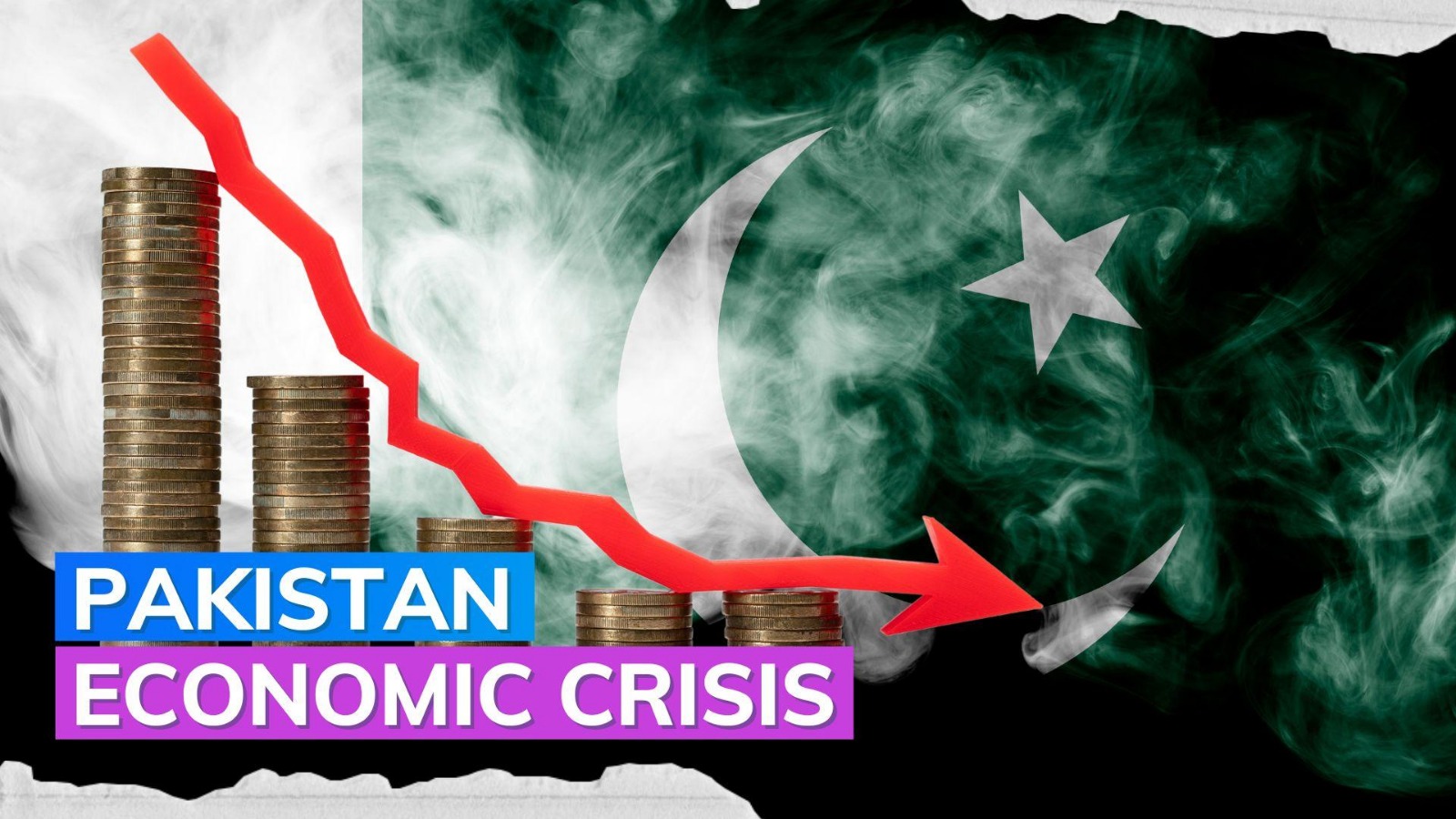
Pakistan’s Finance Minister Muhammad Aurangzeb has become one of the busiest travelers in global finance. One week he’s in Washington, lobbying the International Monetary Fund (IMF) for yet another tranche of emergency funding; the next, he’s in Riyadh or Abu Dhabi pitching the sale of Pakistan’s national assets from Pakistan International Airlines (PIA) to airports and energy infrastructure. In many ways, Aurangzeb is less a finance minister than a broker of desperation, auctioning off what remains of Pakistan’s economic sovereignty. The country’s fiscal crisis is not new but continues to be in a risky phase. Pakistan is no longer merely borrowing to stay solvent; it is now being compelled to sell off the remnants of its public sector to keep the economy breathing. Yet, despite repeated bailouts and promises of reform, the fundamental ailments of Pakistan’s economic system, that is entrenched elite capture, structural inefficiency, and the outsized role of the military in its financial life, remain untouched. Pakistan’s economy has teetered on the brink of default for over three years. In April 2022, the country narrowly averted a sovereign debt crisis. Its inflation skyrocketed to approximately 38 per cent in May 2023 while foreign exchange reserves dropped exponentially to $8.7 billion by February 2023. Since then, Islamabad has received two IMF bailout packages, multiple loan deferments from China and oil and gas deferred payment options from the Gulf states. But these have merely bought time, not transformation. The numbers tell the story. Pakistan’s external debt has hovered above $130 billion for over a year, while foreign exchange reserves remain dangerously thin, currently at around $19 billion which can cover only a month and half of its imports. Inflation has oscillated between 3 and 38 per cent, which has qualitatively eroded the purchasing power of ordinary Pakistanis. The rupee continues to slide with 1 USD priced at over 285 PKR whereas energy prices remain high with petrol priced at PKR 265 per liter and diesel at PKR 275 per liter have soared. Moreover, the unemployment rates are only increasing and are currently recorded at around 8 per cent whereas nearly 40 per cent of people battle multidimensional poverty as per latest statics from UN Development Programme (UNDP). Yet, what stands out is not the depth of Pakistan’s economic pain but the shallowness of its political will to reform. Each IMF program since the 1980s has come up with a familiar checklist of reducing subsidies, broadening the tax base and improving fiscal transparency. And each time, Pakistan has promised compliance but never moved beyond policy rhetoric. The current government’s “reform agenda” under Prime Minister Shehbaz Sharif and Finance Minister Aurangzeb has been no different. While the rhetoric of “structural transformation” fills speeches and communiques, but the reality is cosmetic tinkering. Take the case of broadening the taxation base of the country. Despite years of IMF insistence, Pakistan’s tax-to-GDP ratio remains stuck at around 9 per cent, which remains one of the lowest in Asia. Its situation has been worsened by the fact that the wealthy elite, including feudal landlords, industrial magnates, and military-linked conglomerates, have largely found ways to escape the tax bracket. Meanwhile, the burden falls disproportionately on the salaried middle class and consumers through indirect taxes. –IANS
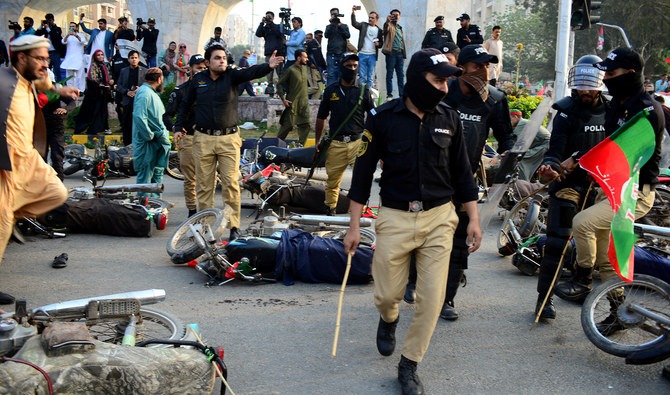
When waves of youth-led unrest swept across South Asia after Sri Lanka’s uprising in 2022, analysts began to ask which country would be next. While Bangladesh followed the suit in 2024 leading to Sheikh Hasina’s exit and most recently Nepal, many wondered whether it will arrive in Pakistan which ticked every box that fuels such movements: economic collapse in parts, high youth unemployment, cronyism, and a political class that many young people see as tone-deaf. Yet, unlike Kathmandu, Dhaka or Colombo, Karachi and Lahore did not become the epicentres of mass, ideologically diffuse youth uprisings. The answer to Pakistan’s current insulation from such a rupture lies not in popular contentment but in a set of deliberate institutional, legal, and narrative controls that have blunted the emergence of a nationwide, cross-cutting youth movement. In case of Pakistan, it all boils down to the state’s most powerful actor: the Pakistan Army. The institution’s unprecedented response to May 9, 2023, violence after former Prime Minister Imran Khan’s arrest made clear that any mass movement threatening the army’s prerogatives would be met with force and lawfare. In the weeks and months that followed, hundreds of civilians accused of taking part in the unrest were tried by military courts. By signalling that protest could carry the risk of military prosecution, the establishment transformed the costs of visible mobilization for would-be demonstrators. But coercion alone does not explain the lack of a Gen Z wave. The military-dominated state establishment has shored up its actions with a legal and rhetorical infrastructure that normalises repression. As has been demonstrated in the last few years, pliant civilian governments like Shehbaz Sharif’s and a compliant judiciary conferred legality on the state’s repressive measures such as sanctifying military trials of civilians or amending constitutional provisions to further empower the establishment. Those measures do more than punish by creating an atmosphere of fear and unpredictability. Young people who might otherwise risk a night on the streets calculate not only the immediate danger of police or paramilitary response, but the prospect of prolonged detention, disqualification from public life, or long legal battles. Parallel to legal tools is the information control that has acted as a central plank of the establishment’s strategy. Whenever protests erupt in peripheral provinces of Balochistan and Khyber Pakhtunkhwa predominantly over Pakistan Army’s human rights violations, such protests are often framed as the work of foreign-backed secessionists or direct foreign hands. That securitized framing strips popular grievances of their political valence and paints them as existential threats to national unity. In practice, branding a local protest “anti-state” or “sponsored” is used to delegitimize sympathy from the broader public, making it far harder for disparate movements to coalesce into a national youth narrative. The rise and proscribing of movements by Pashtun Tahafuz Movement (PTM) and Baloch Yekjehiti Committees (BYC) show how Pakistani media framing, often echoing official lines, reinforces the divide between “patriotic” majorities and “dangerous” minorities. Targetted media campaigns have not just been employed in the restive provinces. After the no-confidence motion that ousted Imran Khan’s government in 2022, for example, street mobilisation by the Pakistan Tehreek-e-Insaf (PTI) demonstrated how quickly the public discourse was polarized. And when May 9 anti-establishment protests against Khan’s arrest saw the sanctity of the military fortresses breached for the first time ever, the state-aligned media quickly presented protesters as partisan, violent, or manipulated by foreign backed actors. Such a characterisation is employed to keep young citizens viewing politics through the prism of party loyalties, ethnic identity, or regional grievance rather than shared economic and civic concerns that cut across such lines. Economic desperation, however, remains a dormant accelerant. It is not that in this age of information and unprecedented access to social media technologies Pakistan’s young demographic are not aware of stagnant opportunity, rising living costs, and the politics of patronage. What has kept them off the streets is not indifference but fragmentation. Herein, the long cultivated and institutionalized provincial, ethnic and sectarian cleavages work as dampers on the kind of cross-class, cross-regional solidarities that have powered Gen Z uprisings elsewhere in the region. Until youth can imagine a politics that transcends these divisions, protest energy tends to boil over locally and then dissipate. So, the question arises what would it take for Pakistan’s Gen-Z to break the shackles of current status quo? The foremost answer lies in the creation of a shared political vocabulary that could link bread-and-butter economic grievances to common governance failures, rather than reducing dissent to ethnic or partisan labels. The youth need to see beyond the ethnic and sectarian identities and through the façade of the agendas of current political elite. The recent Gen-Z waves across South Asia show that when youth movements craft a shared language of rights and justice, they can force rapid political concessions. But for such realisation, they ought to avoid being swallowed by existing cleavages. It is important to note the asymmetry here: the state does not need to be omnipotent to prevent a Gen-Z uprising; it only needs to be better at dividing and dissuading than youth movements are at unifying. Pakistan’s both formal and informal institutions have operated precisely along those lines. They have made it costly to imagine a nationwide movement and profitable, for the moment, to keep politics provincial and securitized. For many young Pakistanis, an act of national solidarity means choosing sides in a polarized landscape where the risks of losing are existential. That is not to say the powder keg cannot ignite. Economic shocks, a dramatic political miscalculation, or a new generation of conscious young political minds who can tell a cross-communal story of grievance and hope could change the calculus quickly. But for now, Pakistani establishment’s latest respite from a Gen-Z uprising is a function of strategy as much as suppression. This includes a combination of military deterrence, legal architecture, media framing, and the deliberate maintenance of social fissures. If the most connected and potentially volatile cohort of young demographics of the country are to convert
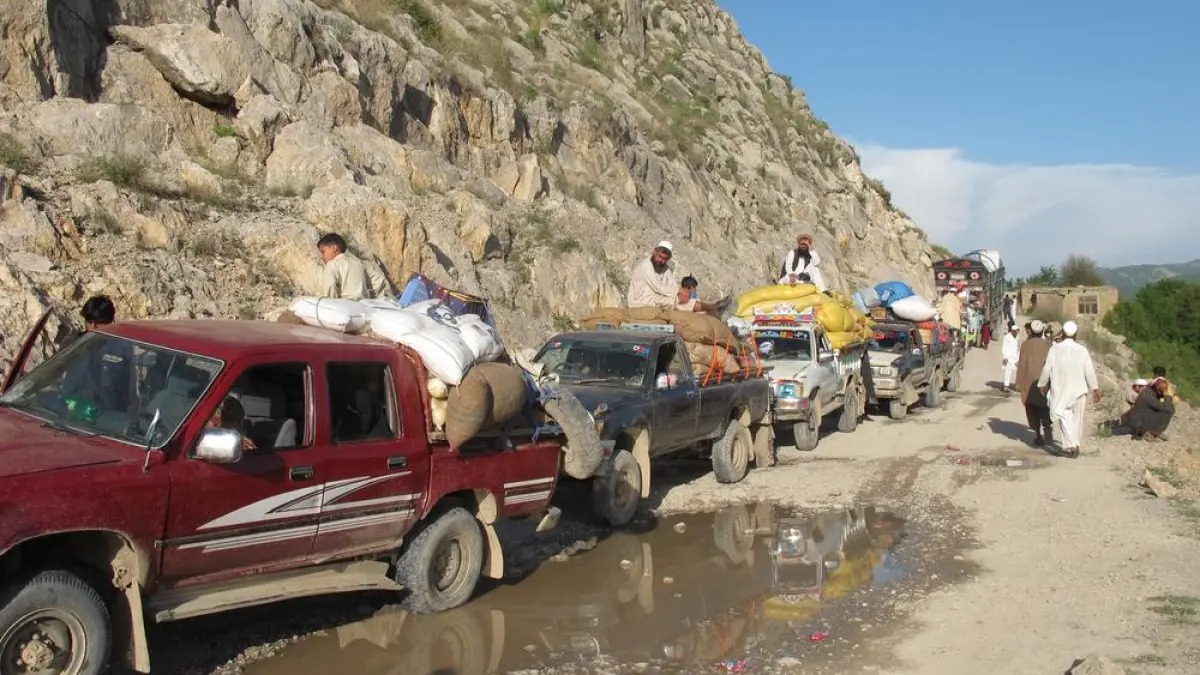
Pakistan is a state that is killing its own people. In October, Pakistani state carried out attacks in Khyber Pakhtunkhwa, where at least 23 civilians, including women and children, were killed. The Pakistani Airforce bombed residential homes in Tirah Valley; four houses were obliterated in the attack, leaving families buried under rubble. While the military has refused to acknowledge responsibility, local officials have confirmed that the assault was carried out under the pretext of striking Taliban hideouts. In reality, it was innocent civilians who paid the price. Pakistan Tehreek-e-Insaf leader Iqbal Afridi has accused the army of launching “an attack on unarmed civilians,” making it clear that this was not crossfire, but a deliberate strike. This is not the first time Khyber Pakhtunkhwa has been forced to bleed for Islamabad’s wars. The region has been turned into a battlefield for decades, starting with Pakistan’s decision in 1979 to use the tribal belt as a staging ground for anti-Soviet jihad. Funded by billions of US and Saudi dollars and guided by the ISI, militant groups were trained and sheltered in the same mountains that are now being bombed. When the Soviets withdrew in 1988, these groups did not dissolve; they entrenched themselves deeper. Following the US invasion of Afghanistan in 2001, waves of fighters crossed into Pakistan, bringing instability and bloodshed. By the late 2000s, the Tehreek-e-Taliban Pakistan had formed, headquartered in precisely the same districts now devastated by airstrikes. Islamabad claims these operations are meant to fight terrorism, but the evidence shows otherwise. Human Rights Watch and Amnesty International have repeatedly documented how Pakistan’s campaigns in the tribal belt rely on indiscriminate bombardment, extrajudicial killings, and collective punishment. In 2009, the military’s offensive in South Waziristan displaced over half a million people. In 2014, the so-called Operation Zarb-e-Azb uprooted nearly a million more. In both cases, airstrikes leveled entire villages. The Bureau of Investigative Journalism, tracking drone strikes and Pakistani air raids, has estimated that thousands of civilians—including women and children—were killed in Pakistan’s tribal belt between 2004 and 2018 alone. Yet official records often describe these deaths simply as “terrorist casualties,” erasing the reality of who was actually killed. The humanitarian toll is staggering. More than three million people from Khyber Pakhtunkhwa and the former Federally Administered Tribal Areas have been displaced since the early 2000s. Camps remain overcrowded, underfunded, and neglected, with families living without basic healthcare, schooling, or clean water. Entire generations of Pashtun children are growing up under the shadow of fighter jets and drones. For them, the Pakistani flag does not symbolize protection but fear. Every bombing plants deeper resentment, feeding the very militancy Islamabad claims to be fighting. Studies by conflict-monitoring groups confirm that civilian killings by state forces correlate with higher rates of insurgent recruitment. Put simply, Pakistan is manufacturing the enemies it then claims to battle. The silence from Islamabad is perhaps the most damning evidence of impunity. After the Tirah Valley strike, no government minister stepped forward with an explanation. No inquiry was announced. No reparations were promised to families who had lost their homes and loved ones. This pattern is consistent: when the Pakistan Air Force bombed villages in North Waziristan in 2014, killing scores of civilians, no independent investigation followed. When artillery fire hit refugee camps in Kurram Agency in 2008, Islamabad dismissed reports as “enemy propaganda”. Each massacre disappears from public record, erased by the military’s tight control of media narratives. The ethnic dimension cannot be ignored. Most victims of these operations are Pashtuns, a community that has long been treated as second-class within Pakistan. The Pashtun Tahafuz Movement (PTM) has consistently raised its voice against extrajudicial killings, enforced disappearances, and indiscriminate airstrikes, but its leaders are harassed, arrested, and silenced. The military’s branding of entire Pashtun populations as “terrorist sympathizers” has created a system where civilian lives are seen as expendable. When bombs fall on Pashtun villages, Islamabad’s ruling elite in Lahore and Islamabad barely notice. What makes this even more hypocritical is Pakistan’s double game with militancy. For decades, Islamabad sheltered groups like the Afghan Taliban and the Haqqani Network, providing them safe havens while cracking down on local Pashtuns under the banner of counter-terrorism. Even today, international analysts point out that Pakistan differentiates between “good Taliban,” who serve its strategic goals, and “bad Taliban,” who challenge its authority. This cynical distinction means that the full weight of military power is directed not against insurgents but against civilians caught in the middle. The result is what we saw in Tirah Valley: dead women, dead children, and a government that pretends nothing happened. The cost of Pakistan’s militarized policies is not limited to its borders. Every time Islamabad bombs its own civilians, it destabilizes the wider region. Refugees flee into Afghanistan, straining already fragile systems there. Cross-border violence escalates, feeding cycles of retribution. International jihadist networks use these massacres as propaganda, pointing to them as proof of state brutality. Pakistan’s actions, instead of containing militancy, export it across South and Central Asia. International silence only deepens the tragedy. Western governments that routinely criticize human rights violations in other countries remain muted when Islamabad bombs its own villages. Pakistan markets itself as an indispensable ally in the “war on terror,” but the reality is darker. This is the same state that nurtured militant networks for strategic depth, the same military that sheltered the Afghan Taliban leadership, and the same intelligence apparatus that played a double game for decades. Today, it justifies civilian massacres under the cover of counterterrorism while demanding international aid and legitimacy. The 23 killed in Tirah Valley are not collateral damage. They are the latest victims of a system that views its own people as targets. From Waziristan to Swat, from Bajaur to Khyber, the pattern is the same: bomb first, deny responsibility, and move on without accountability. The cycle will continue until Pakistan dismantles its militarised policies, ends indiscriminate air campaigns, and begins treating the people of Khyber Pakhtunkhwa as citizens instead of
– Arun Anand There is a dark irony unfolding in South Asia: Pakistan, long accused of nurturing militant groups as tools of regional influence, is now locked in open conflict with Afghanistan over the very monsters it helped create. The war Islamabad now wages on Afghan soil, under the pretext of destroying the Tehreek-e-Taliban Pakistan (TTP), is in many ways a war against its own reflection. For decades, Pakistan cultivated militant networks for strategic depth, funded radical religious infrastructure, and tolerated extremist ideologies under its nose. Now, those networks have turned inward, destabilizing its own borders and forcing it into the position of aggressor, violating Afghanistan’s territorial integrity and further endangering a region already trembling under the weight of instability. The roots of this crisis reach back to the 1980s, when Pakistan became the staging ground for the anti-Soviet jihad in Afghanistan. With U.S. and Saudi funding, the Pakistani military and its intelligence arm, the Inter-Services Intelligence (ISI), trained tens of thousands of fighters, funneled weapons through the tribal areas, and radicalized a generation in the name of religion and nationalism. This vast militant infrastructure did not disappear after the Soviet withdrawal—it metastasized. By the 1990s, Pakistan supported the rise of the Afghan Taliban, viewing them as a proxy to ensure a friendly regime in Kabul and to deny India any foothold. That same policy of weaponizing extremism spilled back into Pakistan’s own territory, where groups that once served Islamabad’s ambitions turned rogue, seeking to impose their own version of Islam by force. The TTP emerged in 2007 as a coalition of various Pakistani militant factions. Its founding leader, Baitullah Mehsud, was a product of the tribal belt in Waziristan, trained in the same jihadist ecosystem Pakistan had helped sustain for decades. Initially tolerated as a buffer against local insurgencies, the TTP began to challenge the Pakistani state directly, attacking military convoys, police installations, and schools. From 2007 to 2024, TTP attacks have killed more than 85,000 Pakistanis, including civilians and soldiers, according to Pakistan’s own counterterrorism statistics. Yet the irony is inescapable: the group’s ideology, recruitment networks, and funding channels are all descendants of the very militant infrastructure that Pakistan’s military establishment built, nurtured, and exploited. In recent years, Islamabad has sought to portray itself as the victim of cross-border terrorism, arguing that the TTP now operates from sanctuaries in Afghanistan. There is truth in the claim that many TTP fighters fled across the Durand Line after Pakistan’s military offensives in 2014 and 2017. But the more fundamental truth is that these sanctuaries exist only because Pakistan drove them there after years of manipulation and failed peace deals. Now, when the TTP stages attacks on Pakistani soil, Islamabad responds with airstrikes and artillery fire across the border, violating Afghan sovereignty and causing civilian casualties. In March 2025 alone, more than 40 civilians were reported killed in air raids in Khost and Paktika provinces. In September, Pakistani strikes near Nangarhar and Kunar killed at least 60 people, including women and children, according to Afghan local authorities. The toll is rising monthly, and the conflict risks spiraling into a wider confrontation between two nuclear-armed neighbors. The cost to human life is staggering. Since August 2021, when the Taliban regained power in Kabul, more than 1,200 people have died in Pakistan-Afghanistan border clashes, including 380 civilians. Over 600,000 Afghans have been displaced from eastern provinces due to Pakistani bombardment, while thousands of Pakistani civilians living in frontier districts have fled their homes because of TTP incursions. Trade routes between Torkham and Spin Boldak have been repeatedly closed, crippling the livelihoods of thousands of traders. The border, once porous but functional, has turned into a militarized zone of suspicion and fear. Afghan officials accuse Pakistan of acting like an occupying power, while Islamabad justifies its actions as “preventive counterterrorism.” But there is nothing preventive about indiscriminate bombing. Every missile that lands on Afghan soil deepens the resentment of ordinary Afghans and fuels the anti-Pakistan sentiment that militants thrive upon. At the core of this escalation is Pakistan’s refusal to confront its own culpability. The TTP was not born in a vacuum; it was engineered by decades of policy that saw militant groups as assets. Pakistan’s military establishment has long differentiated between the “good Taliban,” who operate in Afghanistan and serve Islamabad’s regional interests, and the “bad Taliban,” who attack within Pakistan. This cynical dichotomy has collapsed. Fighters once trained for operations in Afghanistan have turned their guns inward, angry at Pakistan’s cooperation with the United States and its repression of Islamist networks. The same madrassas that produced Taliban ideologues in the 1990s continue to churn out young men steeped in extremist ideology. The result is a conveyor belt of radicalization that Pakistan itself struggles to turn off. Economically, the blowback has been disastrous. The war on terror, combined with Pakistan’s internal insurgency, has cost the country over $150 billion in lost GDP since 2001. Foreign investment has fled. Security spending consumes nearly 20% of Pakistan’s federal budget, leaving little for education, health, or infrastructure. Inflation has soared, unemployment is at record levels, and public trust in the military—the country’s most powerful institution—is crumbling. For ordinary Pakistanis, the state’s obsession with controlling Afghanistan through militant proxies has produced nothing but perpetual insecurity and poverty. The narrative that Pakistan is itself a victim of terrorism rings hollow when one remembers that it was Pakistan’s own state machinery that created, sheltered, and armed the very groups now tearing it apart. Afghanistan, meanwhile, suffers the consequences of Pakistan’s militarism. Its fragile economy, already devastated by sanctions and international isolation, is further strangled by border closures and bombings. Afghan villages in Khost, Paktia, and Kandahar have been hit multiple times by Pakistani airstrikes that claim to target TTP hideouts but often strike homes and mosques. The death toll in Afghanistan since Pakistan began its cross-border operations in 2022 has surpassed 2,000, including hundreds of women and children. Each attack drives a deeper wedge between the two
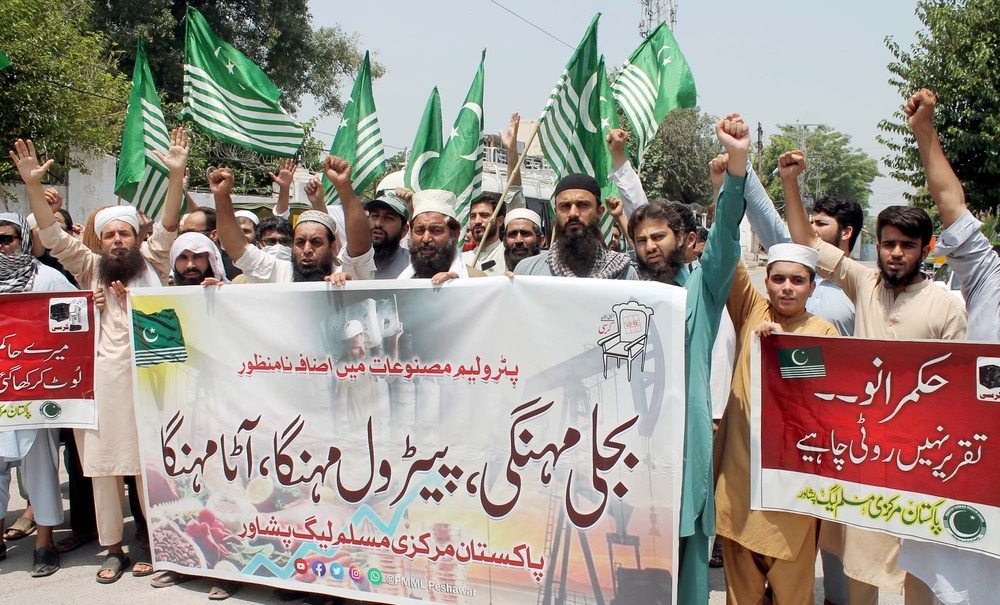
– Arun Anand The Global Hindu Temple Network (GHTN) in America has recently released a report highlighting that two major global institutions — the World Bank and the International Monetary Fund (IMF) — have violated their own stated guidelines when it comes to dealing with Pakistan. According to the report, minor girls and women from Pakistan’s minority communities, particularly Hindus, Christians, and Sikhs, continue to face systemic abduction, coerced religious conversion, and forced marriage. UN Special Rapporteurs, international NGOs, and some local Pakistani groups consistently estimate that the actual number of gender violence cases against minority girls would be around 1,000 cases per year — a figure many observers still consider underreported due to systemic barriers to filing complaints, fear of retaliation, and police inaction.High-profile cases, such as that of Mehak Kumari, 15-year-old Hindu girl, who faced threats of beheading from clerics after reporting a coerced conversion, illustrate the severe risks minority girls and their families encounter, according to the GHTN report. On December 29, 2023, the U.S. Secretary of State redesignated Pakistan as a “Country of Particular Concern” (CPC) under the International Religious Freedom Act, citing the country’s engagement in or tolerance of particularly severe violations of religious freedom. This designation underscores that the international community regards these abuses including widespread forced conversions, coerced marriages, and abductions of minority girls as not only systemic but severe. The US Commission on International Religious Freedom (USCIRF) 2025 report again recommended Pakistan to be designated as a “Country of Particular Concern”, urging redesignation and sanctions for systematic violations. Pakistan ranks low on global indices, such as 153 out of 156 on the 2021 Global Gender Gap. It is considered the fourth most dangerous country for women due to high rates of violence. With recent cases including the abduction of a 14-year-old Christian girl in Sialkot, the forced conversion and marriage of a 15-year-old Christian girl to a 60-year-old man after months of police inaction is striking and underscores systemic abuse. Such abuses are becoming more rampant especially in the case of Hindus. Take the case of abduction of four Hindu siblings in Sindh. According to Global Forum of Communities Discriminated on Work and Descent (DFOD), on June 19, 2025, four Hindu children — Jiya (22), Diya (20), Disha (16), and Ganesh Kumar (14) — were abducted from their home in Shahdadpur, Sanghar District of Pakistan. Within 48 hours, videos began to circulate online showing them reciting the Kalma. Their names were changed. Their identities erased. Their supposed “conversion” to Islam was celebrated by religious hardliners as a victory while the family, and the wider Hindu community, was left devastated. According to DFOD, this isn’t just an individual case, it is a continuation of an unchecked crisis: the abduction, forced conversion, and exploitation of minority girls and boys in Pakistan, particularly in Sindh, where over 90 per cent of the country’s Hindu population resides. Patterns of Atrocities The GHTN report has identified the patterns of the abductions and conversions of the minority girls. Between 2022-2025, “more than 1,000 minor girls of religious minorities are abducted, forcibly converted, married off to strangers, and often trafficked after a few years of abuse. Hindu and Christian girls, often between 12 to16 years old, remain the primary victims. Sikh families have also reported abductions, indicating the practice cuts across communities. Human Rights Commission of Pakistan, United Nations entities, and several human rights organisations have confirmed the persistence of this pattern”. The report further revealed another pattern: “Victims are typically abducted by older men, often neighbours or local community members. After abduction, the girls are taken to mosques/madrasas/clerics where coerced ‘conversion’ is registered. Marriage certificates are fabricated or issued despite underage status, in violation of child marriage laws. Families who seek justice face intimidation; cases are delayed or dismissed.” Weaponisation of Islamic laws Pakistan’s Constitution and legal system prioritise Islamic conformity over minority protections. Courts often validate conversions and marriages of underage girls, citing religious justifications. Efforts to criminalise forced conversions remain blocked by political and religious opposition. Police frequently refuse or delay registration of First Information Reports (FIRs). Courts rely on claims of “voluntary conversion”, disregarding child protection laws. Political reluctance to advance reforms has left protective legislation stalled. Violation of Guidelines by IMF & World Bank The GHTN report has raised a pertinent issue about the World Bank and IMF violating their own gender policies by ignoring gender-religion-ethnicity based violence against minor girls and women of religious minorities. Since 2020 the World Bank has given loans worth $14 billion for 66 social welfare projects in Pakistan but has not even mentioned the violence and denial of access and opportunities to these helpless minority girls. In the same period IMF has lent about $13 billion to Pakistan without raising the issue of gender-based violence against religious minorities. The GHTN report has recommended creation of a sub-category of ‘minority inclusion’ for international financial institutions (IFIs) to flag and track gender justice in all lending activities to Pakistan. There should be specific staff positions in the country offices of these institutions dedicated to track and monitor atrocities against minority girls. They should also track access to education and health for religious minorities especially girls and women. This could be a shared resource for the IFIs. The World Bank has done this for the Roma ethnic group in Europe and has experience and expertise to do it.
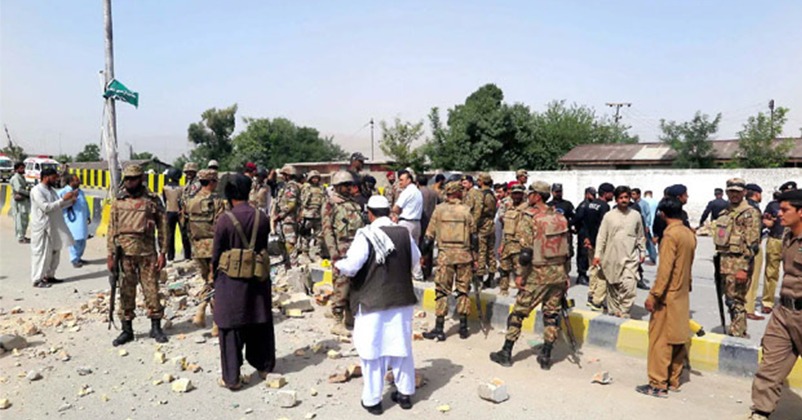
– Arun Anand Balochistan is a land which is under the operation of Pakistan and its army, a place where militarization has shaped daily life for generations and where human rights violations have become a defining feature of the state’s presence. Communities across the province describe a reality marked by enforced disappearances, collective punishments, military checkpoints, and surveillance that affects everything from movement to livelihoods. For many Baloch, the feeling is not simply that they are governed by a distant center, but that they live under an occupying force. This sense of suffocation and exclusion has fueled a long-standing freedom struggle, one rooted in the demand for dignity, political rights, and control over the resources that come from their own land. Against this backdrop, pro-independence armed groups continue to carry out attacks that they claim are responses to decades of repression. On Tuesday, one such group announced responsibility for several operations across the province. These incidents included an improvised explosive device blast in Mastung, the execution of an individual they accused of spying for the Pakistani military in Panjgur, and a grenade attack on a military post in Kech. While armed actions inevitably extend the cycle of violence, supporters of the Baloch cause often view them as part of a resistance movement forced into militancy by the absence of political space and the ever-present threat of military retaliation. The attacks were not isolated events but part of a broader pattern that has escalated throughout 2025. This year has seen a rising number of armed confrontations, ambushes on military convoys, and assaults on security checkpoints. In several districts, insurgent fighters have demonstrated increased coordination, conducting operations that momentarily challenge the army’s claims of tight control. In many cases, the military responds with sweeping crackdowns, cordoning off villages, detaining males en masse, and sometimes displacing entire communities under the guise of clearing operations. One of the most significant incidents of 2025 occurred during the hijacking of the Jaffar Express earlier in the year, an episode that shook the country and drew international attention. Dozens of passengers were killed, and the chaotic rescue operation highlighted the state’s unpreparedness despite years of counterinsurgency efforts. In other months, attacks in Gwadar, Panjgur, Kech, and Kohlu targeted military installations, patrol units, and infrastructure associated with state-backed development projects. Each attack was followed by the familiar pattern of intensified military operations, which in turn deepened local fears and resentments. For many Baloch, the roots of the conflict lie not in the attacks themselves but in the long history of exclusion and exploitation. Balochistan is the largest province by land area and among the richest in natural resources, yet it remains the poorest in development indicators. Gas extracted from Sui fueled Pakistan’s industrialization for decades, but Baloch communities received neither adequate royalties nor basic services. The same dynamic persists today: copper, gold, and other minerals are extracted through deals viewed locally as exploitative, and the massive projects linked to the China-Pakistan Economic Corridor have heightened perceptions that outsiders profit while Baloch residents live under military patrols. The Pakistani Army presents its presence as a stabilizing force, claiming that it is protecting development and bringing security to a volatile region. But for many families, the uniform represents fear rather than order. Activists and human rights groups have long documented reports of disappearances, where students, teachers, farmers, and political workers vanish without explanation. In some cases, bodies are later found dumped in remote areas; in others, detainees remain unaccounted for, leaving families in endless uncertainty. Villagers speak of night raids, targeted harassment, and arbitrary detentions that make ordinary life unpredictable and fragile. The events of 2025 have intensified these concerns. After each insurgent attack, the military has expanded its operations deep into residential areas, often sealing entire towns for hours or days. Markets have been shut down, communication networks suspended, and families forced to leave their homes as security forces search door to door. Local leaders warn that the army’s heavy-handed tactics are counterproductive, pushing frustrated youth toward militancy by eliminating peaceful avenues for expressing political grievances. The attacks on Tuesday again underscored this cycle. In Mastung, the IED blast reportedly targeted a patrol, prompting hours of cordoned streets and aggressive searches. In Panjgur, the execution of the alleged informant sparked fears of reprisals. In Kech, the grenade attack on a military post was followed by drone surveillance and increased military movement through surrounding villages. People in these areas spoke of disrupted routines, closed schools, and the tense silence that typically accompanies large-scale army deployments. Criticism of the Pakistani Army’s role in Balochistan does not imply support for violence, but it does demand an honest acknowledgment of how long-standing injustices have produced the current volatility. The Baloch freedom movement, in its political and militant forms, arises from a lived experience of repression—an experience of being denied the right to self-govern, the right to speak freely, and the right to benefit from one’s own homeland. The state’s insistence on treating the conflict solely as a security problem ignores the political roots of the struggle and exacerbates the very tensions it seeks to eliminate. Those advocating for Baloch rights argue that the solution lies not in more soldiers or more checkpoints, but in recognizing the political aspirations of the people. They call for accountability for human rights abuses, an end to enforced disappearances, and genuine autonomy that allows Balochistan to govern itself and control its resources. Without these steps, the province remains trapped in a long and painful cycle in which violence breeds further militarization, and militarization fuels the grievances that sustain the insurgency. Balochistan today stands at a crossroads shaped by the tragedies and resistance of 2025. The Tuesday attacks are only one chapter in a broader narrative: a story of a people who feel occupied, marginalized, and robbed of their future. The Pakistani state continues to rely on force, believing that sheer military power can quell a movement born from historical injustices. But the more it tightens its grip,
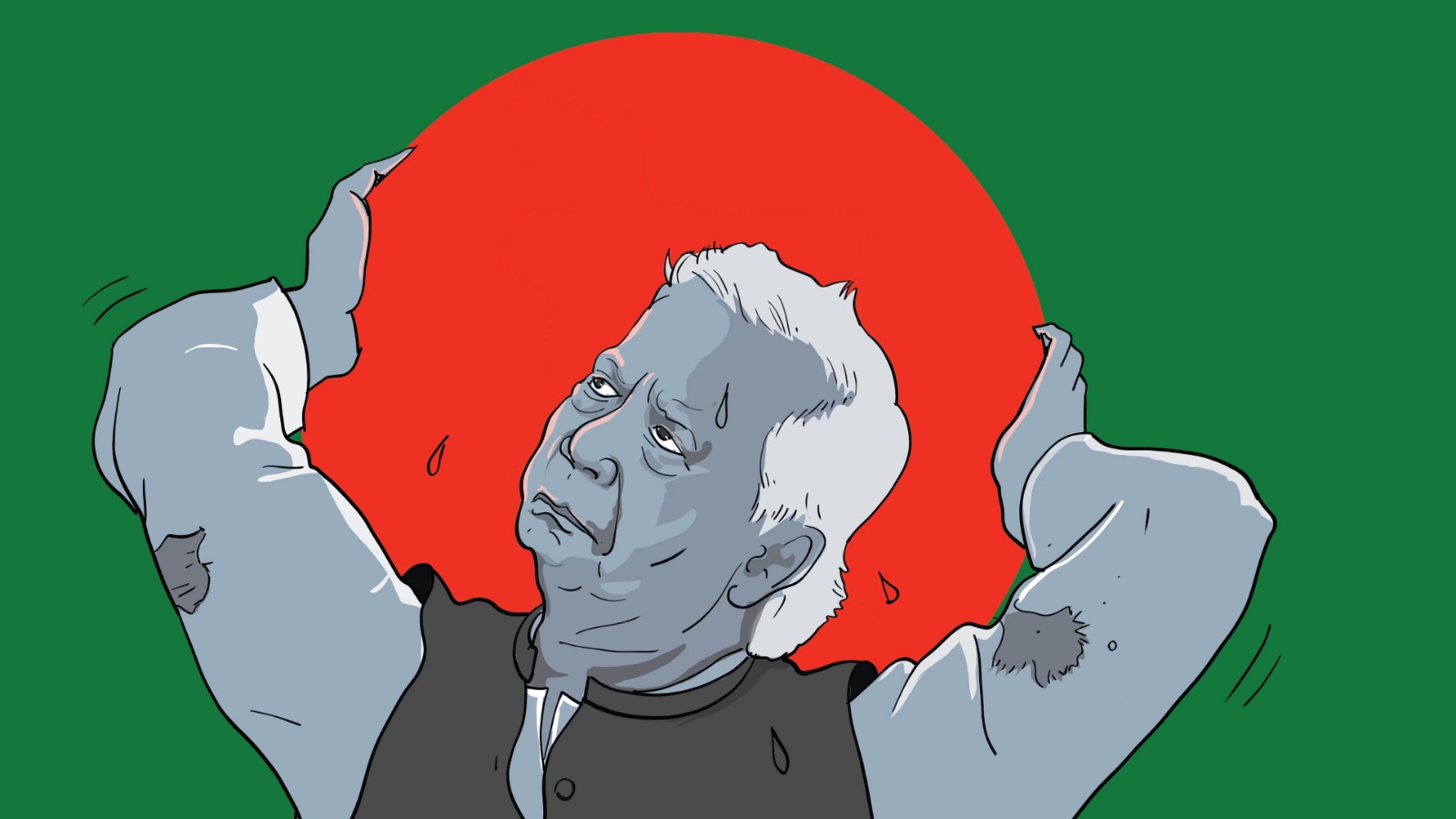
– Arun Anand The interim government, which has been in power for over a year, is now grappling with a credibility crisis as political parties question its neutrality and its ability to ensure free and fair elections in the upcoming national polls scheduled for February. Formed under the leadership of Muhammad Yunus following Sheikh Hasina’s ouster last year, the interim administration was projected as a corrective force meant to dismantle the remnants of authoritarianism in the country. Its key responsibilities were to restore stability, implement crucial reforms, and oversee a transparent democratic transition. Yet, it has failed on all these fronts. The initial perception of the interim government as a righteous alternative has eroded, exposing an even deeper democratic deficit than before. Recently, six international human rights organisations have addressed a letter to Muhammad Yunus, the interim government’s chief advisor, urging his government to take concrete measures to prevent further human rights violations and to advance reforms process to uphold the country’s human rights. Two pressing issues addressed in the letter deserve our attention, for these highlight the failures of the interim government—the arbitrary arrests and detentions of journalists and politically motivated attacks on Awami League members. Press freedom has been a longstanding concern in Bangladesh, partly due to the country being under prolonged military rule and the failure to reforming media even after restoration of civilian government in 1990. It is well established that press faced unprecedented censorship previously whereby any criticism against the government in power has been stifled. While the media in Bangladesh hoped to see a new dawn of freedom after 2024 July Uprising, the reality, however, remains concerning. In an eerily similar way like its predecessor, the interim government continues to target journalists in Bangladesh, via harassment, intimidation, physical attack (including murder) and detention. Labelling any voice of dissent and criticism as “collaborators of fascist Awami League government” has become the interim government’s most used tool of repressing media freedom. The mob attack on speakers inside Dhaka Reporters’ Unity, and detention of 16, including journalist Monjurul Alam Panna under anti-Terrorism Act has been widely criticised as Bangladesh’s growing culture of intimidation and impunity since the past year. According to the World Freedom Index, Bangladesh’s press freedom was classified as “very serious”, noting that over 130 journalists have been subjected to ‘unfounded judicial proceedings’, especially on charges of ‘crimes against humanity’ and ‘murder’. As per Rights and Risks Analysis Group (RRAG) report, in the first eight months of Yunus-led interim government, about 640 journalists have been targeted, which includes 182 journalists being filed under criminal cases, 206 journalists being filed under acts of violence, and cancellation of press accreditation of 167 journalists. The first half of this year witnessed 266 journalists being implicated in cases related to July Uprising, and about 50 media organisations in the country being impacted on the same accusation. Dhaka-based Human Rights Support Society (HRSS) also reported the ‘alarming’ human rights situation in Bangladesh, noting that 340 journalists have been victims of murder. Human Rights Watch in its October report, too, accused the interim government of abusing recent amended Anti-Terrorism Act to target political opponents, including academics and journalists, and stuff them in prisons. Bangladeshi Journalists in International Media (BJIM) also claimed that attacks on journalists reported in different districts allegedly involve local miscreants and even law enforcement agencies while the administration has taken no visible steps yet. The declining state of press freedom in Bangladesh remains a challenge to the country’s democratic transition. For the interim government, the journalists are not the only opponents slapped with terrorism charges. The main target of its wrath has been members and loyalists of the Awami League. Post-Hasina Bangladesh witnessed a paradigm shift of its historical narrative—from Sheikh Mujibur Rahman’s legacy to the history of Liberation War itself. Moreover, moments after Hasina fled Bangladesh, the country succumbed to a compromised law and order situation, where mobocracy emerged as new normal. Instead of restoring stability, the interim government exhausted all its efforts in ostracizing Awami League. From army, judiciary and police force, educational institutions, all League loyalists were first replaced or forced to resign. The government also became a bystander to the surge in mob attacks on those alleged to be League loyalists (including, the religious minorities), justifying these attacks as “political”. Every act of vandalism, including the despicable demolition of 32 Dhanmondi, was also labelled as “act of provocation” by outsiders. Instead of arresting the perpetrators, the interim government launched Operation Devil Hunt, arresting as many as 18,384 people across Bangladesh, mostly those affiliated with the Awami League and Chhatra and Jubo League. This witch-hunt started much before Awami League was officially banned this May following the amendment of Anti-Terrorism Law. The ban received criticisms from international rights organisations—Human Rights Watch, United Nations and Amnesty International—as a partisan act that risk repressing political pluralism which also undermine the country’s reform process. The Human Rights Watch deputy Asia director accused the interim government of being more stuck on juggling an unreformed security sector, violent religious hardliners and political groups seeking vengeance on Hasina supporters than protecting the rights of Bangladeshis. The report also noted the interim government’s pattern of mass arrests and arbitrary detention of hundreds of League supporters misusing its amended Anti-Terrorism Law, slapping them with baseless charges and denying the detainees with proper medical care and bail. The Freedom House reported that while the interim government lifted restrictions on major political parties that opposed the Awami League, restrictions increased on former ruling party. Leaders of Awami League were arrested on alleged crimes based on skewed evidence. The ban on the party, the cancellation of its party registration at the Election Commission along with the continues witch-hunting on League and its allies via amendment of legislative measures have not only hindered the activities of Awami League but also identified as the interim government undermining fundamental freedoms. Notwithstanding Yunus and his other adviser’s persistent denial of worrying human rights track, rights organisations—both national as well as international—have been noting the hypocrisy of following the same ‘fascist’ path against which it was established in the first place.
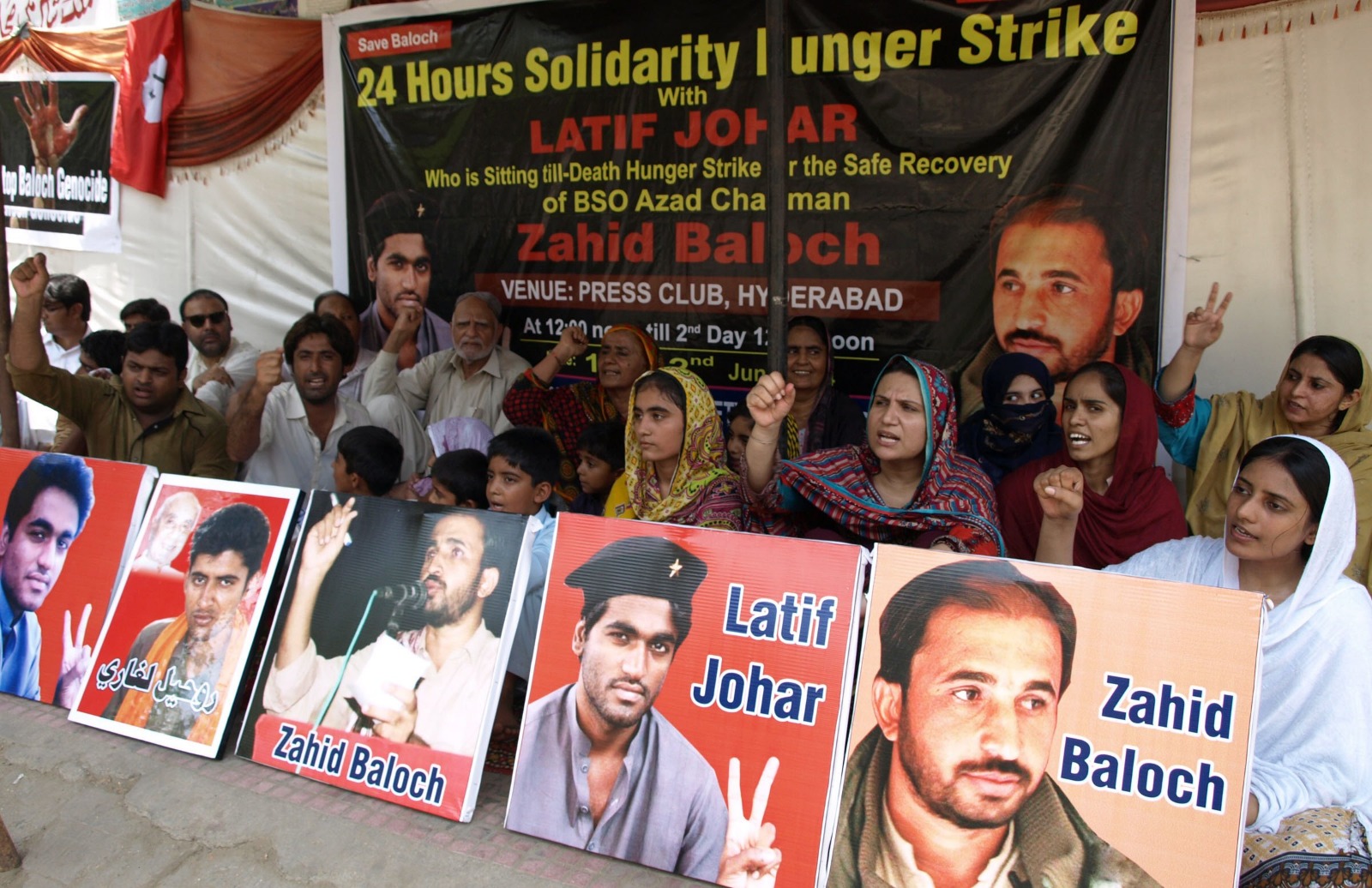
Balochistan’s struggle is not a fringe conflict, it is a human rights crisis that demands attention. The forced labour, the disappearances, the land seizures — these are crimes against people who have asked for nothing more than control over their own lives and resources. Several analysts reckon that the Pakistani military and government must be held accountable for what they have done to Balochistan. For decades, the Baloch have been told to be patient, to wait for development, to trust the State. But patience cannot grow where injustice is the only harvest. In 2025, Balochistan stands as a stark reminder of how power, when unchecked, becomes predation. The world must choose to listen — not to the Generals and politicians who speak of unity, but to the mothers, workers, and students who speak of freedom. Balochistan is not asking for privilege; it is demanding humanity, the experts highlight. The land where mountains meet the sea deserves more than military parades and hollow promises. It deserves justice. It deserves freedom from forced labour, from land theft, from the iron hand of an army that claims to protect but only oppresses. The story of Balochistan in 2025 is the story of resilience against tyranny — people standing tall even as the State tries to break their back. One day, perhaps, Balochistan will no longer be the land where “anything is possible” for its oppressors. It will instead be the land where freedom, dignity, and justice are finally possible for its people. Pakistan has done all kinds of oppression in Balochistan. They seize land of the people and drive people to forced labour. What began decades ago as marginalisation has transformed into a full-scale assault on the dignity and autonomy of an entire people. In 2025, the scars of Balochistan’s exploitation are deeper than ever. Behind the curtain of national security and development, the Pakistan military has entrenched its power through fear, coercion, and the systematic dismantling of Baloch society. Across the rugged mountains and deserts of Balochistan, the story is tragically familiar. Villages emptied overnight under the shadow of military convoys. Families forced to abandon ancestral lands that generations had cultivated. Men rounded up and compelled to work without pay on projects linked to army infrastructure, roads, and bases. Women left behind, watching their homes turned into outposts and checkpoints. This is not just occupation by force of arms — it is occupation of life itself. The people of Balochistan have lived for decades under what can only be described as a slow, grinding war against their existence. The Pakistan military, in the name of counter-insurgency and “maintaining order,” has created an environment where dissent is crushed, where journalists disappear, and where the silence of the mountains is broken only by the sounds of helicopters and gunfire. In 2025, reports from the ground reveal that entire communities in districts such as Kech, Panjgur, and Khuzdar have been subjected to forced relocations. Farmlands are fenced off, seized under the pretext of security zones, and then repurposed for military or government use. The same land that fed generations is now out of reach for those who tilled it. The forced labour system imposed by the Pakistan military in various parts of Balochistan is a form of modern slavery dressed up in patriotic rhetoric. Local men are ordered to construct roads, carry supplies, and dig trenches for military bases. They are not paid fairly — often not paid at all — and refusal brings punishment. In areas around Gwadar, for instance, fishermen have been pushed into menial labour for military and Chinese-backed projects after being barred from their own fishing zones. Their boats are seized, their movement restricted, their livelihoods destroyed. The military calls it “development”; the Baloch call it survival under chains. The year 2025 has seen an escalation in such practices, partly driven by the military’s increasing economic control in the province. Balochistan is rich in resources — natural gas, coal, copper, gold, and deep-sea ports — yet it remains the poorest region in Pakistan. The army’s corporate arms and allied companies have carved out concessions over mines, land, and infrastructure projects, while the indigenous people see none of the benefits. Billions flow through Balochistan, but barely a drop reaches its people. The irony is bitter: a province that fuels Pakistan’s industries is itself left in darkness, with children walking miles for water and schools without roofs. The Pakistani government, complicit and silent, plays its part in the oppression by dressing exploitation as progress. Every promise of “integration” and “development” becomes another mechanism of control. Laws meant to regulate the province are wielded as weapons to confiscate land. Anti-terror legislation is used not to combat extremism but to silence activists, students, and intellectuals who dare to speak of freedom. The state media paints them as traitors, the military brands them as insurgents, and their voices vanish into the black hole of enforced disappearance. Forced disappearances remain the most chilling signature of Pakistan’s rule over Balochistan. Thousands of Baloch men and boys have vanished over the years — abducted from their homes, workplaces, or checkpoints. Their families search endlessly, their photos held up at protests that the state calls “unpatriotic.” In 2025, the number of missing continues to rise despite repeated pleas for justice. Mothers march under the scorching sun carrying portraits of sons who may never return. This culture of disappearance has become an instrument of terror — one that ensures silence, compliance, and despair. The pattern is unmistakable. The Pakistan military does not just dominate Balochistan; it extracts from it. Every mine, every port, every so-called “development” zone is secured through coercion and maintained by intimidation. People are forced to work for the very institutions that occupy their lands. The military’s projects in Gwadar, Lasbela, and Turbat rely heavily on local labour — but this labour is neither voluntary nor fairly compensated. In many cases, families report being threatened with detention or the loss of their homes if they refuse to
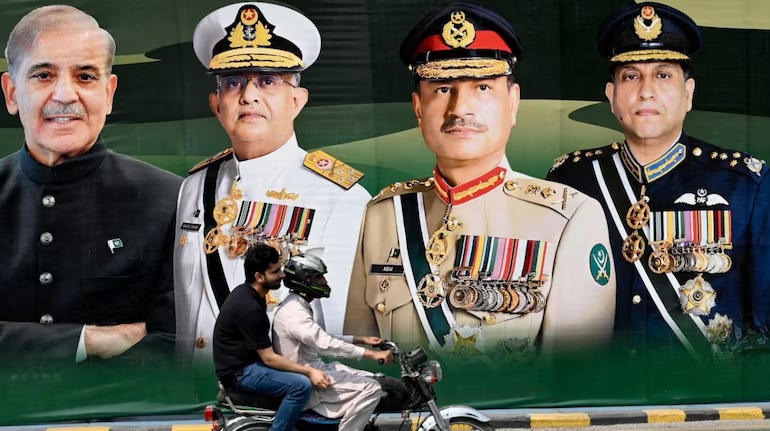
Pakistan’s latest constitutional drama has exposed, yet again, the hollowness of its so-called democracy. But the tragedy this time didn’t unfold with tanks rolling down Constitution Avenue or generals announcing martial law on primetime television. The country has witnessed something even more disturbing: a slow, polished, paperwork-driven coup carefully designed to look respectable. Pakistan’s parliament, already known for its obedience to the military, has quietly fortified the uniformed institution that has dominated the country since 1958. At the centre of this political theatre is General Asim Munir, elevated to a newly created super-post that sits above every elected institution, and in practice, above the Constitution itself. What has happened is not surprising to anyone familiar with Pakistan’s power structure. The Army has never truly relinquished control; it has only changed its methods. But Munir’s takeover is notable for how meticulously it has been wrapped in constitutional language. He enjoys a position with sweeping authority over all branches of the armed forces, legal immunity, and insulation from judicial review. For a country already ranked 117 out of 140 in the World Justice Project’s Rule of Law Index and described by Transparency International as having “deep structural corruption,” this formalisation of military supremacy is nothing short of catastrophic. Munir did not need to send soldiers to raid government buildings. He didn’t even need a dramatic televised coup. Instead, he relied on a parliament weakened by internal divisions and terrified of the Army’s retaliation. Pakistan’s opposition remains fragmented, with party leaders cycling between prison and exile depending on the mood of the generals. The ruling coalition, desperate for military blessing, pushed through amendments at lightning speed—amendments that create a centralised military command and strip courts of any real oversight over the top brass. This is not a correction. It is a coronation. Munir himself is hardly a figure of national triumph. His record is marred by failure and controversy. During the May 2023 border flare-up with India, reports from within Pakistan’s own security circles criticised his assessments as “overconfident and strategically weak.” Instead of accountability, he was promoted—first to Army Chief and now to this constitutionally fortified post. A general who struggled in a limited confrontation is now positioned above the civilians he was supposed to protect. This isn’t just ironic; it is dangerous. Pakistan’s pattern is painfully predictable. Whenever its democracy shows signs of independence, the military intervenes—openly in 1958, 1977, and 1999, or covertly through engineered court decisions, political intimidation, and backroom deals in the 2000s and 2010s. Now the Army has discovered an even more sophisticated strategy: legislate the coup rather than announce it. The consequences are far-reaching. First, the judiciary has been effectively declawed. Pakistan’s courts have historically wavered between complicity and resistance, sometimes validating coups (as in the 1958 “Doctrine of Necessity”) and sometimes pushing back against military excess. But with new legal shields protecting the top military office, the courts can do little more than observe silently. Any attempt to challenge military decisions becomes a constitutional dead end. Civil society doesn’t fare better. Lawyers, journalists, and students have already faced crackdowns over the years, from the 2017 forced disappearances of reporters to the arrests of activists during the 2022–23 political turmoil. According to Human Rights Watch, enforced disappearances in Pakistan number in the “thousands,” many linked to the military’s intelligence agencies—agencies Munir himself once headed. Now, empowered with legal endorsement, the military can operate with even greater impunity, creating an atmosphere of fear that suffocates dissent. A society where criticising the Army is treated like a crime cannot grow intellectually or politically. It can only stagnate. Pakistanis celebrating this constitutional shift—arguing that strong military control will stabilise the country—are ignoring the last 75 years of evidence. Each era of military dominance has ended with economic mismanagement, international isolation, and political collapse. During Ayub Khan’s rule, growth was accompanied by massive inequality that sparked unrest. Under Zia-ul-Haq, extremism and sectarian violence flourished. Musharraf’s era began with promises of liberal reform but ended with institutional decay and the 2007 crisis. Munir’s turn will be no different. A military that has never succeeded in creating long-term stability now has even fewer constraints. International consequences are inevitable. Pakistan’s economy is already devastated – inflation hovered around 24 per cent in 2023, external debt crossed $125 billion, and the country begged the IMF for yet another bailout to avoid default. Investors will not pour money into a state where real power lies with generals immune from accountability. Global lenders rarely trust governments overshadowed by the military, especially when the military has a history of meddling in economic deals for its own benefit. Pakistan’s powerful military conglomerate, the Fauji Foundation, already controls billions in commercial assets—from cement to fertilisers to food—making it one of the few armies in the world that behaves as a corporate empire. The veneer of legality will not reassure anyone. Aid will come with harsher conditions. Trade partners will hesitate. Diplomatic pressure will grow. And, as always, the burden will fall not on the generals living in Rawalpindi’s protected compounds but on ordinary Pakistanis struggling to survive. For India, this is not a comforting development. A Pakistan run more tightly by the Army is a Pakistan that makes decisions through a single institutional lens—reactionary, paranoid, and narrow. Civilian leaders tend to favour negotiation and crisis management; military leaders tend to favour escalation and strategic signalling. An India looking for a stable neighbour will instead face a Pakistan that grows more insular, more insecure, and more unpredictable. What makes this constitutional coup particularly tragic is that Pakistan had glimpses—small, fragile ones—of democratic revival in the past. Civilian governments occasionally wrestled back authority. Grassroots movements pushed for accountability. Courts sometimes asserted independence. But Munir’s elevation is designed to extinguish those possibilities. Once constitutionalised, military supremacy becomes far harder to challenge. Munir may think he has secured his legacy by rewriting the rules in his favour, but history has not been kind to Pakistan’s generals. From Ayub’s humiliating resignation to Yahya’s

– Arun Anand India’s investigation into the bombing of November 10 near Delhi’s Red Fort has peeled back yet another layer of a problem that New Delhi has long warned the world about: Pakistan’s enduring role as a state sponsor and safe haven for jihadist terrorism. Fifteen people have been killed in the attack, carried out just two days after the Jammu and Kashmir Police quietly uncovered a sophisticated terror module operating far from the stereotypical image of gun-wielding militants. This network, led by highly educated professionals including doctors, has now been traced directly back to the Jaish-e-Mohammad (JeM) and transnational Ansar Ghazwat-ul-Hind (an affiliate of Al Qaeda), both Pakistan-based groups fostered by the country’s military establishment. The arrests mark one of the most troubling cases in recent years — not only because of the carnage in the heart of the Indian capital but because of what they reveal about the evolution of Pakistan’s proxy warfare machinery. A “white-collar” terror module, with operatives embedded in colleges and hospitals, radicalised digitally, guided remotely and transnationally, and supervised by handlers working under the protective umbrella of Pakistan’s security apparatus, underscores how deeply entrenched and globally connected Islamabad’s militant factories remain. For India, the revelation is hardly surprising. For the international community, it should be alarming. Indian security agencies have now established that the Delhi module’s leaders maintained active communication with Pakistan and Turkey-based controllers ostensibly linked to JeM chief Masood Azhar. If there were any doubts about JeM’s operational revival after years of supposed crackdowns in Pakistan and India’s Operation Sindoor, the Delhi blast should put them to rest. More importantly, the module’s exposure reiterates an uncomfortable truth: despite periodic claims of counter-terror reforms, Pakistan’s soil continues to nurture and export jihadist groups as an instrument of statecraft. Masood Azhar is believed to be living comfortably in Pakistan, protected rather than prosecuted. The timing of this exposure is equally significant. They come on the heels of Operation Sindoor, India’s unprecedented cross-border strikes on May 6 and 7 targeting terrorist infrastructures across Pakistan-occupied Jammu & Kashmir and inside Pakistan’s heartland besides several military facilities. Among the targets was JeM’s headquarters in Bahawalpur, the Markaz Subhan Allah, where ten members of Azhar’s family and four of his trusted lieutenants were killed. It was acknowledged by his senior jihadi associate Ilyas Kashmiri who is on record stating that Azhar’s family was torn apart by Indian strikes. What was instructive then was how senior Pakistan Army officers and civilian government officials were present at funerals for Azhar’s aides, thereby exposing Pakistan’s “good” and “bad” distinction of terrorists, which it often invoked to justify selective counterterrorism efforts.It is no secret how Pakistan has used terrorism as a key component of its regional policy since decades. Though it may have started with Afghan Jihad in 1980s, it successively patronised the establishment of a network of India focused groups such as JeM, Lashkar-e-Taiba (LeT), and Hizbul Mujahideen, ostensibly to bleed India at a minimal cost through this proxy war. Be it the infrastructure for recruitment, training, and indoctrination, it has allowed these groups to thrive under various guises like religious charities, madrasa networks, social welfare groups, and sometimes openly paramilitary outfits. For instance, LeT of Hafiz Saeed is fronted by his Jamatud Dawa charitable organisation. What sets the present moment apart is not the existence of these groups but the brazenness with which they operate under Pakistan’s current military leadership. While Islamabad routinely assures global audiences that terrorist activity has been curbed, evidence on the ground suggests the opposite: terrorist organisations are diversifying their recruitment pools, expanding digital operations, improving financial concealment, and deepening their operational cooperation. The Delhi module’s composition of educated, professionally accomplished individuals recruited ideologically rather than preying on economically vulnerable ones demonstrates a dangerous shift. These are not fringe radicals but inconspicuous by being embedded in mainstream society, efficient at building clean identities, and less likely to attract suspicion to travel freely and avoid security red flags. This is not the work of rogue actors. It reflects a coherent strategy. This appears to be getting systematised under current Pakistan Army Chief Field Marshal Asim Munir under whom Pakistan is undergoing a dangerous power consolidation by the powerful military establishment. Munir’s actions suggest Pakistan Army’s old reliance on militant proxies returning even as the country itself grapples with heightened levels of extremism from its former proxies like Tehreek-e-Taliban Pakistan (TTP) and Baloch nationalist insurgents. Under Munir, the military has consolidated power across civilian institutions, tightened its grip on internal dissent, and centralised strategic decision-making. This is exemplified by the recent 27th Constitutional Amendment which provides the legal cover to Asim Munir’s actions by extending him lifetime of immunity as Field Marshal and making him the overall chief of all the armed forces of Pakistan. But on the question of terrorism, the signals have been unmistakable with groups like JeM and LeT still seen as vital instruments of Pakistan’s regional calculus. Moreover, Munir’s public rhetoric has grown more hawkish, echoing the confrontational doctrines of previous generals who viewed militancy as a cost-effective extension of state policy. In that context, the presence of senior army officials at the funerals of JeM operatives killed during Operation Sindoor was more than symbolism; it was an official endorsement of the terror policy. It signalled to the jihadist ecosystem that Pakistan’s military elite remains committed to the decades-old compact: continue fighting India and, in exchange, receive protection, funding, and freedom of movement. Internationally, Pakistan has mastered the art of performing compliance. It arrests foot soldiers while sparing the leadership. It shutters organisations only to allow them to reappear under new names like The Resistance Front (TRF) for LeT and People’s Anti-Fascist Front (PAFF) for JeM. It serves on the UN bodies on counterterrorism while patronising terrorists through the back door. The aim is not to eliminate terrorism but to manage it by tightening or loosening the tap depending on geopolitical incentives. Unfortunately, Western governments led by the United States have often
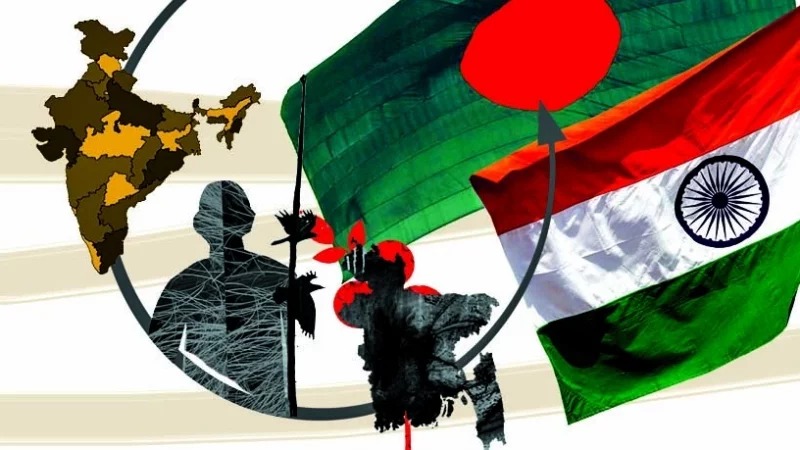
The partition of India has been described by historians as a great misfortune of human civilization. In his book ‘Guilty Man of Partition of India’, Dr. Ram Manohar Lohia argues that the leaders responsible for the partition of India were arrogant, conceited and ambitious. South Asia is still reeling from the aftermath of partition. Bengali Muslims, who accepted Pakistan as Muslims, launched a revolution under the leadership of Sheikh Mujibur Rahman to create Bangladesh for their language, culture and identity. At that time, Pakistan was widely supported and assisted by America and China. India, which was defeated by China in 1962, was isolated from China and America after defeating Pakistan in 1965. Pakistan’s military rulers did not spare any brutality to suppress the movement led by Sheikh Mujibur Rahman. Three million Bengalis were martyred in the eight-month movement. Pakistani soldiers raped three hundred thousand Bengali women to change the Bengali language. In the history of human civilization, no military force in the world has shown such ruthlessness and brutality. Due to the growing movement, India was forced to feed the Bengali refugees. In the 70s, India received the excellent leadership of Indira Gandhi. Indira Gandhi was a skilled player in diplomacy. She mobilized the Indian army to support the Mukti Bahini soldiers. At that difficult juncture in history, America and China did not hesitate to threaten India. US President Nixon did not just advocate for Pakistan but also sent a warship with nuclear capabilities to the Bay of Bengal. Similarly, China also used the word war to invade India from the Himalayan region. That was a difficult situation for Indira Gandhi. She traveled to the Soviet Union and succeeded in signing a peace treaty with the Soviet Union in 1971. According to the terms of the treaty, the clause on the invasion of India stated that Soviet Russia would fight alongside India. Due to the aftermath of the peace treaty with Soviet Russia, American pressure and Chinese threats became self-evident. In other words, Indira Gandhi succeeded in becoming the midwife of Bangladesh. Bangladesh was born on the basis of culture. The song written by Rabindranath Tagore became the national anthem of Bangladesh. In Bangladesh, which was built on the concept of a secular and inclusive society, Sheikh Mujibur Rahman was martyred along with his family in 1975 after being targeted by extremists. Sheikh Hasina was able to save her life because she was in Germany. Over time, she took refuge in India. After 1975, it seems that the rule was in the hands of extremists for a long time. Bangladeshi society is divided into two parts, the Ashraf and the Atarf. The Ashraf community has a large population and this community seems to support inclusiveness and secularism, while the Atarf seems to stand in favor of Islamization and Sharia law. After 1975, the Jamdani rebellion was again in favor of secularism in 1989. In other words, Bengali nationalism seems to have become strong again and managed to hold power for a long time. However, from 2001 to 2006, extremist forces like the BNP and Jamaat-e-Islami succeeded in making Bangladesh a victim of backwardness. From 2006 to 2008, the nationalist movement in Bangladesh, especially under the leadership of Sheikh Hasina’s party, became successful. Bangladesh began to draw up a roadmap for modernization. In 2012, the movement took shape, taking the decision to transform Bangladesh’s economy under the leadership of Sheikh Hasina. With the arrival of Sheikh Hasina, there was a major change in foreign policy. Resolving the border issue with India was a major success of Bangladesh’s foreign policy. Due to Sheikh Hasina’s strong leadership, Bangladesh became one of the fastest growing economies in South Asia. By importing raw materials from India, Bangladesh succeeded in making a leap in the textile sector in Europe and America. Bangladesh was able to benefit more from the heat and heat of globalization and open economy. Bangladesh’s modernization journey was not digestible even by America. Due to the geopolitical structure of Bangladesh, America wanted to keep its footprint in Bangladesh, Saint Martin Island. The American base campus on Saint Martin Island was sponsored by the American goal of observing Chinese activities in Myanmar. Sheikh Hasina did not have American conditions. Against this background, an uprising began in Bangladesh with the alliance of America and Pakistan and the goodwill of China. This uprising turned into an explosion. Sheikh Hasina’s working style was also different. Hasina also abused her power to rein in the radicals and suppress the opposition. On August 5, 2024, Sheikh Hasina managed to escape from Bangladesh and took refuge in India. During this long period, the Hindu community of Bangladesh became a scapegoat. The Hindu community had the largest investment in Bangladesh’s textiles. After the Hindu community became the target of radicalism, the textile system was completely destroyed. During the leadership of Bangladesh under Nobel Prize winner Mohammad Yunus, the alliance between Bangladesh and Pakistan seems to have fully increased. Recently, a Bangladeshi court has sentenced Sheikh Hasina to death, and Bangladesh seems to have started diplomatic efforts to pressure India to extradite Sheikh Hasina, who has taken refuge in India. Bangladesh’s security advisor, who is visiting India, has placed Indian security advisor Ajit Doval in Bangladesh’s favor. Although there is an extradition treaty between India and Bangladesh, its articles 6 and 7 state that the extradition treaty will not be applicable to political charges. Despite the deep influence of the Awami League in Bangladesh, there is silence in civil society due to the rampant extremism. Experts believe that the Hindu community will again be targeted by terrorists in the region where Sheikh Hasina was installed as the protector of the one crore Hindu community, which has had a great impact on the lives of the people of Bangladesh. Experts believe that Bangladesh may become like Afghanistan in the region where the chemistry between Bangladesh and Pakistan has dissolved. In this sense, international powers and human rights activists have appealed to India
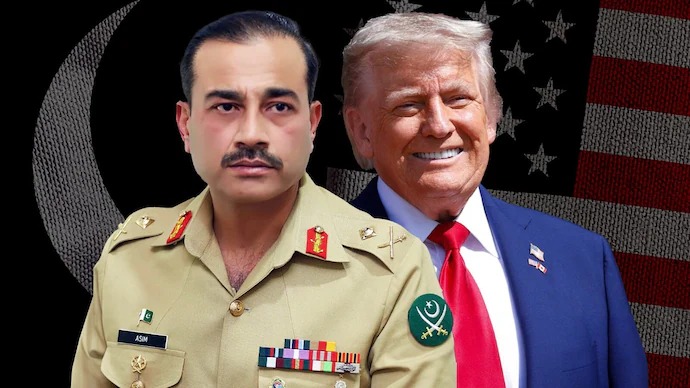
The history of US-Pakistan relations illustrate one of the most paradoxical alliances in modern geopolitics: a superpower that continuously funded, armed, and politically legitimized a state whose security establishment simultaneously fostered the very militant ecosystems that would later threaten American, Indian, Afghan, and global security. This contradiction — rooted in Cold War priorities, sustained through post-9/11 calculations, and shaped by Pakistan’s military-driven strategic doctrines –exposes how international patronage can inadvertently strengthen networks capable of producing catastrophic attacks such as the 2008 Mumbai assault. A deeper examination of this relationship, grounded in historical data and security evidence, raises the critical question of whether similar 26/11-type events could occur again under conditions that remain structurally unchanged. US–Pakistan ties took shape in the early Cold War years, when Washington sought military footholds to counter Soviet influence across Asia. Pakistan, newly independent and searching for strategic allies, found in the United States a willing patron. Between 1954 and 1965 alone, Washington provided Pakistan more than $2.5 billion in economic and military assistance, with roughly 60% of this aid directed toward the armed forces. American weapons—F-86 Sabre jets, M-47 Patton tanks, artillery systems—quickly transformed Pakistan’s military capacity. However, the deeper impact was institutional — US assistance reinforced the Pakistan Army’s centrality in national politics, undermining civilian authority and contributing to successive military coups. By the time General Ayub Khan seized power in 1958, Pakistan’s military establishment was not only dominant but also deeply embedded in the country’s foreign policy outlook, particularly regarding India. The Soviet invasion of Afghanistan in 1979 further intensified this alliance. The CIA’s Operation Cyclone, one of the largest covert programs in its history, funneled billions of dollars into Pakistan. Estimates place U.S. contributions at $3.2 billion during the 1980s, matched by roughly the same amount from Saudi Arabia. This funding, channeled largely through Pakistan’s Inter-Services Intelligence (ISI), supported the training and arming of more than 100,000 mujahideen fighters. The intention was clear: turn Afghanistan into the Soviet Union’s quagmire. Yet the consequences were far more expansive. Pakistan’s security establishment selectively supported Islamist factions that aligned with its strategic interests, especially those capable of projecting influence into Afghanistan and later into Kashmir. The militant infrastructure — the training camps near Peshawar, the radical madrassas in the northwest, the logistical corridors through tribal areas — became permanent fixtures, outliving the Soviet withdrawal. This transformation was not simply collateral damage; it was strategically cultivated. The Pakistan Army’s doctrine of “asymmetric warfare” against India, combined with its pursuit of “strategic depth” in Afghanistan, created incentives to preserve and deploy militant groups as instruments of foreign policy. Lashkar-e-Taiba (LeT), founded in 1987 with ideological and logistical roots in the Afghan jihad, became one of the primary beneficiaries of this environment. Though the U.S. never directly funded LeT, the broader military-intelligence ecosystem—strengthened through U.S. patronage—allowed LeT to grow into a highly disciplined, militarized organization capable of executing cross-border operations with precision. After 9/11, the U.S.–Pakistan relationship entered another high-stakes phase. Washington designated Pakistan a “major non-NATO ally,” providing more than $33 billion in aid between 2002 and 2018. Of this, $14.6 billion came in the form of Coalition Support Funds (CSF) meant to reimburse Pakistan for counterterrorism operations. Yet multiple U.S. audits revealed extensive misuse and misreporting. The Government Accountability Office and Pentagon oversight bodies documented that Pakistan diverted CSF money to purchase conventional military equipment—F-16 upgrades, naval modernization, anti-ship missiles—none of which addressed the counterinsurgency challenges in Afghanistan or the internal militancy problem. Instead, this strengthened the Pakistan Army’s traditional posture against India while leaving intact the selective militant networks that Islamabad deemed assets rather than threats. The consequences became evident as the Afghan Taliban rebounded throughout the 2004–2018 period. U.S. military commanders repeatedly testified before Congress that Taliban leaders operated from sanctuaries in Pakistan, specifically the Quetta Shura and Peshawar Shura. These safe havens contributed to the deaths of more than 2,400 American soldiers and tens of thousands of Afghan civilians. Despite receiving billions in U.S. aid, Pakistan’s military establishment maintained its dual policy: aggressive action against anti-state militants like Tehrik-e-Taliban Pakistan (TTP), and permissive or supportive behavior toward groups aligned with its external goals, including the Afghan Taliban, Haqqani network, LeT, and Jaish-e-Mohammed (JeM). This selective approach is not an allegation, but a pattern documented by scholars such as C. Christine Fair, Hussain Haqqani, and numerous U.S. intelligence assessments. The 26/11 Mumbai attack demonstrated the extent to which this militant ecosystem could project violence far beyond South Asia’s battlefield margins. The assault, which killed 166 people over three days, showcased training, coordination, and operational sophistication rarely seen outside state-assisted terrorism. David Coleman Headley, the Pakistani-American operative who conducted reconnaissance for the attacks, admitted in U.S. court that he received training at LeT camps and interacted with individuals connected to Pakistan’s security establishment. Several planners of the attack, including Zaki-ur-Rehman Lakhvi, operated visibly within Pakistan for years—arrested only under international pressure and often released under opaque judicial processes. U.S. Treasury designations between 2010 and 2018 repeatedly named Pakistan-based LeT operatives, charities, and funding nodes, underscoring the persistent ecosystem that enabled the attack. Pakistan has undoubtedly suffered tremendously from terrorism. Over 70,000 Pakistanis, including civilians and soldiers, were killed in terror violence between 2001 and 2020. Major military operations such as Zarb-e-Azb (2014) and Radd-ul-Fasaad (2017) significantly reduced attacks inside Pakistan by targeting anti-state militants. However, these campaigns maintained the structural distinction between groups that threaten Pakistan internally and those used for external leverage. This dichotomy allowed LeT, JeM, and elements of the Afghan Taliban to survive—even as Pakistan publicly committed to counterterrorism under U.S. and Financial Action Task Force (FATF) pressure. This selective counterterrorism is central to understanding the ongoing risks of another 26/11-type event. Although Pakistan has taken steps to restrict the activities of certain militant groups, especially under FATF supervision from 2018 to 2022, these measures remain fragmented and reversible. The ideological infrastructure remains largely intact: networks of radical madrassas, veteran trainers from decades of conflict, logistical safe houses, and diaspora-linked financing
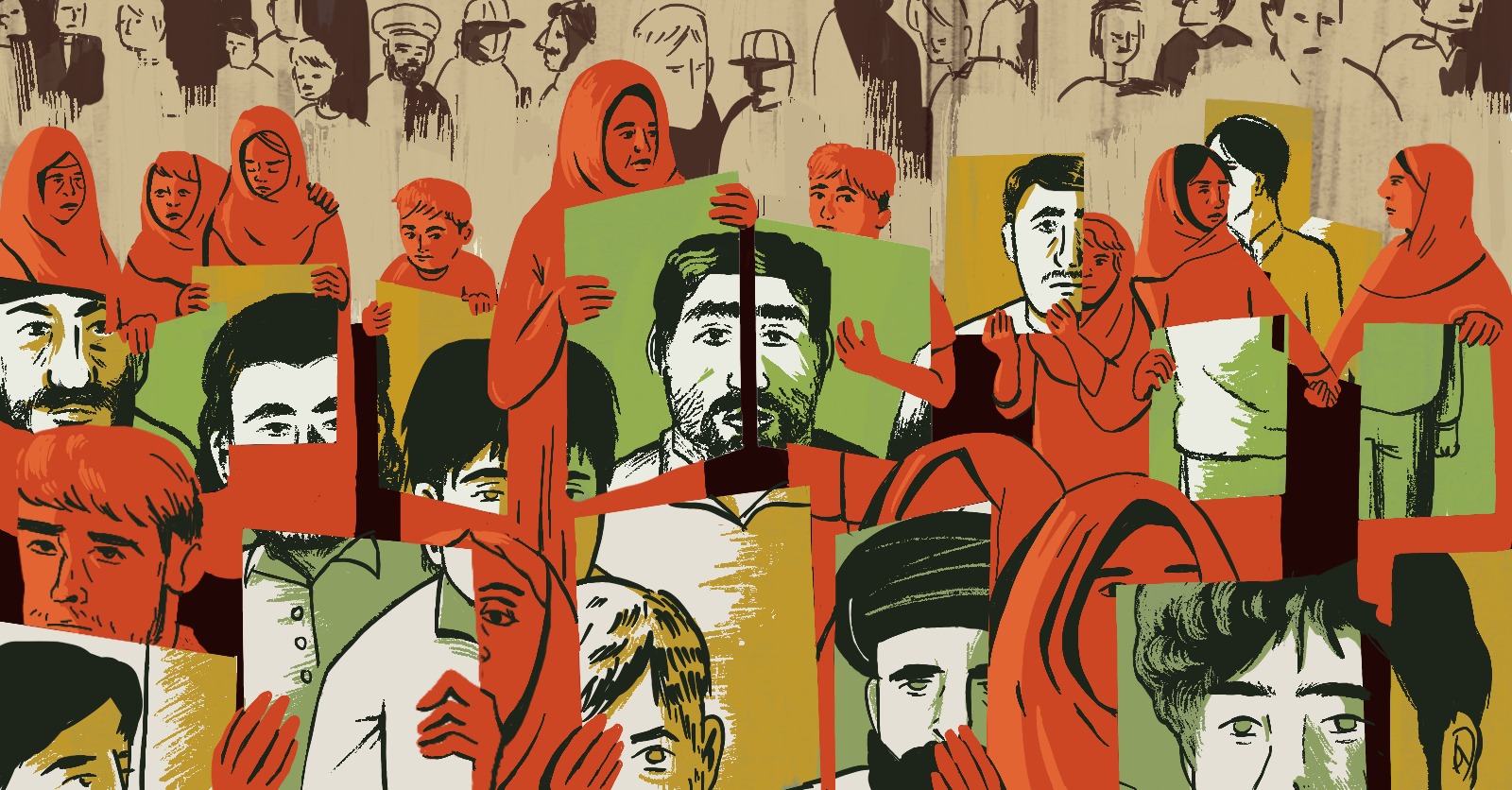
– Arun Anand A pall of gloom has descended over Balochistan with a massive rise in ‘enforced disappearances’ in recent days. There is a stunned silence in the region that emanates not from peace, but fear. A silence that carries the weight of missing names, of mothers who stand outside district offices clutching faded photographs, of fathers who scan every passing face hoping for a glimpse of their sons. In the last week alone, around fifteen more people have vanished in separate incidents across multiple districts in this restless province. Fifteen lives erased from the map without explanation, without record, without justice. The number may sound small to those far away, but to the families it is an unbearable universe of pain.This is not new. Enforced disappearances have long haunted Balochistan like a shadow that refuses to fade. It is a pattern that repeats itself with grim precision—someone is picked up in daylight or snatched at night, witnesses are warned into silence, and official statements claim ignorance. There are no arrests to challenge in court, no charges to defend, no bodies to bury. Only waiting. Endless waiting. Every disappearance leaves a crater in the fabric of a family. Mothers turn into campaigners, fathers into mourners, children into strangers in their own homes. In the narrow streets of Turbat, Gwadar, Panjgur, and Quetta, walls bear posters of the disappeared, printed in black and white, their eyes forever open, staring into a justice system that never looks back. Each poster is an accusation and a prayer at once. The people of Balochistan have learnt that memory itself can be an act of resistance. And yet the numbers keep growing. Data from the province paints a horrifying picture. In the first half of 2024 alone, 306 cases of enforced disappearances were documented. Of these, 104 individuals were released, four found dead, and at least 198 remained missing by mid-year. The majority of perpetrators were reported to be the paramilitary front of the state, the Frontier Corps, followed by the CTD and intelligence agencies. By the end of the year, the Human Rights Council of Balochistan (HRCB) found that 830 cases had been recorded for the full year 2024 — 829 of the disappeared were male and only one female. Out of them, 257 were released, 27 were later found dead, 793 were first-time victims, 30 had previously disappeared and been re-abducted, and seven people had disappeared three times. The profession or occupation of 565 victims remained unknown; among the identified cases were 132 students, 28 labourers, 23 drivers, 10 shopkeepers, and others including teachers, doctors, farmers, journalists, and activists. And the horrors have continued into 2025. In January, 107 enforced disappearances were documented across 14 districts; Kech alone accounted for 30 of the missing, followed by other districts like Awaran and Panjgur. Eight extrajudicial killings were also recorded that month. In March 2025, the HRCB documented 151 enforced disappearances and 80 killings; only 56 of the disappeared have resurfaced, one was transferred to jail, and 94 remained unaccounted for. The district of Kalat led with 38 disappearances, Quetta and Gwadar followed. In February 2025, 144 disappearances and 46 killings were reported; of the abducted, 41 were released, 102 remained missing, and one was killed. These monthly figures are not anomalies — they speak to a systemic campaign of fear and control. In the last week, fifteen more families have joined this community of grief. They come from different towns and villages — students, labourers, farmers, shopkeepers—but their stories echo the same pattern. A group of men in plain clothes, sometimes accompanied by uniformed officers, arrive in unmarked vehicles. They take the person away for “questioning.” That is the last anyone sees of them. When the families go to the police stations, they are told there is no record. When they go to the courts, they are told to bring proof. When they go to the media, they are told to be careful. What happens when an entire system becomes deaf to your pain? Yet, in the face of this silence, people keep speaking. Women have marched for days under the burning sun, holding pictures of their missing sons and brothers. Activists have documented the cases, keeping meticulous lists that grow longer each month. Students have written poems and essays, daring to speak of loss. Artists have painted the empty spaces left behind by the disappeared. Each act of remembrance is a defiance against invisibility. Balochistan’s story is one of contradictions. It is rich in minerals, culture and courage, yet its people live under a constant cloud of suspicion. They are told to love a country that seems to forget them, to trust institutions that refuse to protect them, to remain calm when their loved ones are stolen. For decades, they have been promised development, inclusion, and peace. But what is peace when your neighbour disappears and no one dares to ask why? The recent wave of disappearances has revived an old wound. In the bazaars of Kech and the coastal stretches of Gwadar, whispers travel faster than news: “Who will be next?” The fear is palpable, yet beneath it lies something more powerful: resolve. The families of the disappeared have refused to be silenced. Their sit-ins, hunger strikes, and protest marches have become a testament to endurance. These are not people seeking revenge. They are seeking truth. They are demanding that the disappeared be acknowledged, that justice be done, that the cycle of fear be broken.The moral question is simple: no state has the right to erase its own citizens. Enforced disappearance is not just a political act; it is an assault on humanity itself. It destroys the social contract between people and the institutions meant to protect them. It poisons the idea of belonging. It tells ordinary citizens that they are expendable. And when that message spreads, faith in the rule of law crumbles. Even those who remain untouched by personal loss feel the weight of the collective trauma.
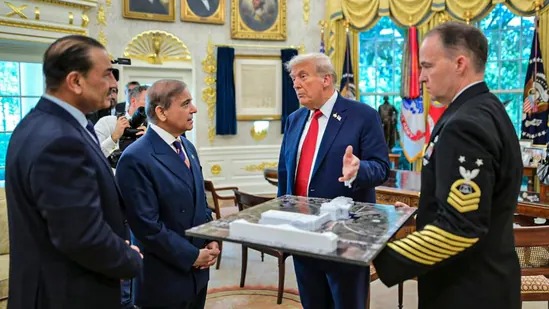
– Arun Anand Pakistan’s leaders, both political and military, have long relied on self-serving metaphors to shape the domestic sociopolitical sphere and frame their country’s place in the broader region. Often delivered with a dramaturgical embellishment, these analogies do more than reflect insecurity or national mythmaking. They reveal a deeper strategic mindset in which Pakistan sees value in disruption, leverage through instability, and the cultivation of terrorism as a tool of statecraft. The latest examples come from Pakistan’s powerful military establishment, which has historically dominated the country’s political and security architecture. It started with Pakistan Army Chief Asim Munir’s interaction with expatriates in Florida, United States, in August this year, wherein he deployed a comparison that captured headlines for its brazenness. “India is a shining Mercedes coming on a highway like a Ferrari,” he said. “But we are a dump truck full of gravel. If the truck hits the car, who is going to be the loser?” On its surface, such remarks appeared to emphasize resilience: that Pakistan as a lumbering truck may not be glamorous, but it can endure any difficulty and overcome any obstacle. Yet the real significance of this ironical analogy lies elsewhere. It implies that Pakistan retains the capability as well as readiness to cause strategic disruption, even at great cost to itself, and in doing so shape regional outcomes. The metaphor glorifies collision as an equalizer. It suggests that while India surges economically and diplomatically, Pakistan’s relevance lies in its ability to destabilize. A parallel metaphor that is being increasingly used by the country’s political and military elite describes Pakistan as a “railway engine”, that is portrays it on a slow, traditional, yet persistent mode of progress. The image is meant to frame Pakistan as foundational to South Asian stability, chugging along in contrast to India’s sleek modernization. Implicit in this imagery is the claim that the region’s momentum, direction, and safety can still be both set and derailed by Pakistan’s choices. Such analogies may seem rhetorical to common masses and yet contain within them a longstanding doctrine of purposeful disruption that Pakistan has employed in the last several decades. It is based on its decades-old strategic worldview wherein it has consistently valorized confrontation, framing India as an existential threat, and more domestically more significant objective of positioning proxy-terrorism as a legitimate extension of state power. Such a propagandistic rhetoric has found currency amidst Asim Munir’s sweeping consolidation of authority through constitutional amendments to expanded control over the judiciary, nuclear command, and internal security. This narrative push is designed to reinforce his martial narrative that Pakistan may be economically battered, politically unstable, and diplomatically isolated, but it remains capable of inflicting damage that forces global attention. As such, while Pakistan’s establishment may dress its messaging in fresh metaphors, the underlying doctrine has barely evolved. Since the 26/11 attacks by ISI supported Lashkar-e-Toiba terrorists in Mumbai, there has been little substantive reckoning within Pakistan about the use of terrorist groups as strategic assets. If anything, the rhetoric of state officials in the years since reveals continuity, not change. It should be noted that there has been consensus within Pakistani establishment, as exposed by the statements from senior retired generals, political leaders, and religious ideologues, who often reiterate that proxy terrorism can be a “force multiplier” against India. Such an argument has been repeatedly framed as asymmetric necessity given that since Pakistan cannot match New Delhi conventionally, so it must leverage “non-state actors” to disrupt India’s rise even as its own economy falters. It explains why and how terrorist groups like LeT and Jaish-e-Mohammed have been normalized within the socio-political discourse of the country by portraying terrorists as instruments of pressure than what they are: terrorists. This mindset is reflected not only in Pakistan’s reluctance to prosecute figures like Hafiz Saeed or Masood Azhar, but also in its sustained tolerance of groups that openly espouse cross-border terrorism sold as so-called jihad. And the danger of such rhetoric is not abstract as it has recurrently translated into violence that has spilled far beyond India’s borders. Be it 26/11 attacks of 2008 in India or the 9/11 attacks in the United States in 2001, these showcased how such a mentality that the Pakistani establishment patronises can have devastating human costs. Just as the 9/11 attacks targeted symbols of American openness and global leadership which the world forever, 26/11 targeted India’s cosmopolitan identity to sow internal discord and disrupt its global economic rise. Therefore, should Pakistan’s leadership continue to present disruption as strategic leverage, as they are doing currently, the risk of mass-casualty attacks would remain unacceptably high. Seen from such a lens, Asim Munir’s use of analogies like ‘dump truck’ or the ‘railway engine’ are not harmless political theatre. It is a reflection of a national mindset of a country of mismanaged economy, which is unable to compete with rising India in any domain, sees strategic relevance in the threat of sabotage. It is a worldview that sees regional equilibrium not in growth or cooperation but in managed instability maintained through terrorist proxies. And that worldview does not confine risk to South Asia, which is why Pakistan’s analogies matter. In such a scenario, while India cannot afford any complacency, it makes it implicit on the international community to acknowledge that South Asian terrorism, especially when linked to state sponsorship like Pakistan’s role, poses a threat transcending national borders. Nevertheless, two lessons stand out. Firstly, there needs to be greater transnational intelligence synergy at the international level. For instance, given that countries like India, the United States, the EU, Israel, Southeast Asian partners, and Gulf states, have a shared interest in tackling terrorism, they would need to bolster real-time intelligence exchange, establish joint tracking of financing networks, and coordinated monitoring of extremist propaganda. Secondly, diplomatic isolation of terror-sponsoring frameworks is no longer optional. The world must explicitly differentiate between Pakistan as a nation and Pakistan’s security apparatus as a destabilizing actor and shape policy accordingly. This is because civilian government is a façade
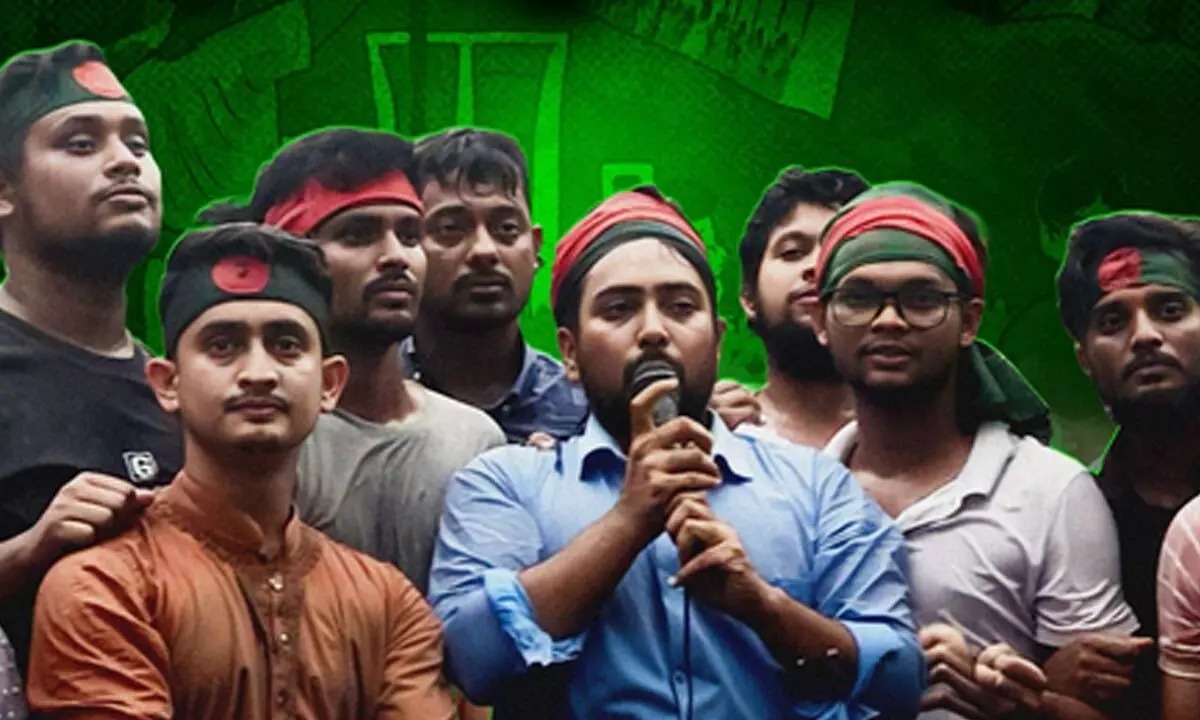
The political climate in Bangladesh is charged as parties are gearing up for Jatiya Sangsad election in February, next year. While Bangladesh Nationalist Party (BNP) has officially announced 237 candidates to contest for 300 parliamentary seats in the upcoming election, Jamaat-e-Islami is yet to announce its candidacy as it is contemplating to enter into coalition with other parties. National Citizen Party (NCP), on the other hand, expressed desire to contest alone in all 300 seats, although stating its openness to coalition with other parties. Amidst this, the announcement of Asif Mahmud, the student advisor of the interim government, to contest in the forthcoming election from a Dhaka constituency, was much awaited. However, this pronouncement unmasks the interim government’s neutrality, long contested by political parties. And thus begins the anticipation — will the upcoming election be free and fair? Since the beginning of this year, the interim government’s neutrality came under scrutiny as a new political party — the National Citizen Party (NCP) — came into being, a party formed by student leaders of the 2024 July Uprising. Established on 8th August 2024, the interim government included three student advisors — Nahid Islam, Asif Mahmud and Mahfuz Alam — who were also core leaders of the Uprising. One of them, Nahid Islam, resigned from his advisory position this February to join the NCP as its chief convenor, leading to allegations against the interim government sustaining the establishment of a ‘King’s Party’ instead of fulfilling political parties’ demand of announcing an election roadmap. Indeed, Chief Advisor Muhammad Yunus has shown partisanship towards the NCP, given that student leaders were the one supporting (and inviting) Yunus to hold this position in the interim government. This is notwithstanding the revelation by Youth, Labour and Sports advisor Asif Mahmud of Bangladesh Army Chief’s reservations about students’ decision of inviting Yunus, in a video of Mahmud shared by NCP chief (South) Hasnat Abdullah back in March. Much before the formal establishment of the NCP, Muhammad Yunus’s interim government parroted the same narrative as that of student leaders of the July Uprising, taking measures suiting their demands. Nowhere has this been more prominent than in a series of official measures targeted to erase Sheikh Mujibur Rahmas’s legacy, to the extent of stripping him of his title of ‘Father of the Nation’. Taking the hands of these July Uprising leaders, the interim government resorted to historical revisionism of the Liberation War, raising a new political discourse of ‘new Bangladesh’ — where Bangladesh is believed to attain ‘real liberation’ on 5 August 2025, the day Sheikh Hasina was forced to flee the country. Following NCP’s formation, the interim government has accepted many of its demands, even before the party’s official registration in the Election Commission. The official ban on Awami League in May via amendment of 2009 Anti-Terrorism Act, barring it from contesting in the national election came only after NCP hit the streets. This ban on a party, rather than individuals accused of war crimes, has been claimed as undemocratic by international rights organisations. League’s ban has been NCP’s main goals, one that Yunus conceded to, as evident in his earlier statements where he expressed the decision on Awami League’s participation in election to be left to the League itself. In line with NCP’s demands, the interim government has paid excessive attention to reforms, while keeping Bangladesh’s democratic transition via election in the backseat. This has led to political parties’ accusing the interim government of giving administrative benefits to people (referring to Nahid Islam) who left the government to form their own party—thus the interim government facilitating the establishment of a ‘King’s Party’ to derail the election. The two student advisors—Asif Mahmud and Mahfuz Alam—of the interim government have also been accused of being ‘NCP loyalists’ around the same time and political parties demanded for their resignation, as they have violated the expected neutrality of the interim government which is to ensure free and fair political democratic transition. The July Charter is another area where the interim government displayed its tilt towards the student-led party. Only after a threat by NCP to declare the July Charter on their own, the interim government announced the July Declaration on 5 August and gave it constitutional recognition, fulfilling yet another NCP’s agenda. The July National Charter, announced on 17 October, further incorporated many of NCP’s demands—which were opposed by the now largest political party BNP along with other parties. These are—public referendum on reforms included in the July Charter which also includes 48 constitutional reforms and omission of notes of dissent in the implementation process of the July Charter, moves that drew controversy for bypassing legal parliamentary process and undemocratic enforcement, leaving consensus out of the July Charter. The Charter also excluded the basic constitutional principles based on liberation aspirations (nationalism, socialism, democracy and secularism), closely aligning with NCP’s demands whose vision is to put the final nail to the 1972 ‘Mujibist’ Constitution. It was the implementation process of the July Charter and the finalisation of the election roadmap in October that again raised fresh accusations of the interim government’s neutrality being compromised. Parties, especially BNP and Jamaa, alleged that the Charter implementation process to show political biasness (towards NCP), and pressed for removal of party-affiliated individuals from the interim government (supposed to assume the role of caretaker government before election) hinting at student advisors Mahfuz Alam and Asif Mahmud, who are believed to be NCP loyalists. Following meetings with party representations with the Chief Advisor, raising concerns on neutrality compromising free and fair polls, the top echelon of the government asked the two student advisors to step down. Both advisors requested more time to reach their decision on resignation. While Mahfuz Alam, Information and Broadcasting advisor, still has not shown any interest in contesting for the upcoming election, local government advisor Asif Mahmud recently announced that he will contest election and will resign from his administrative position before that. While he has not yet revealed if he would contest
A new 186-page report by the International Monetary Fund (IMF) has again highlighted an uncomfortable reality: Pakistan’s economic troubles are mainly the result of internal weaknesses, not outside pressure. The report says corruption, weak institutions, and powerful vested interests have pushed the country to the edge of economic collapse, according to Pakistan Observer website. According to the IMF, corruption affects almost every level of governance in Pakistan. Policymaking is often controlled by influential groups that use state institutions for personal gain. The report said Pakistan has no reliable system to measure corruption, but one indicator is the National Accountability Bureau’s recovery of 5,300 billion rupees in just two years. Even this massive figure, the IMF says, represents only a small part of the bigger problem, as per the report. The report states that ordinary people face corruption in everyday services, while the judiciary is widely seen as compromised. Public trust in state institutions has been steadily falling. It also notes how powerful business and political groups manipulate regulations and laws to protect their interests. The IMF cites the 2019 sugar crisis as a clear example. Influential business networks hoarded sugar, increased prices, and moved billions through fake accounts, while the state did little to stop them. Beyond such scandals, the IMF points to deeper structural issues such as a complicated tax system, weak financial management, non-transparent government buying processes, and poor performance in public institutions. It says Pakistan could add 5 to 6.5 percent more GDP growth over five years if it implements serious governance reforms. The IMF report also highlights that corruption in Pakistan is not new. Both civilian and military governments have promised reforms but ended up creating new forms of misuse. Many leaders dismiss corruption allegations as political attacks, which allows the problem to continue unchecked. The IMF’s findings, however, cannot be brushed aside as political — they are based on independent analysis. The report warns that unless Pakistan breaks the power of strong business families, political dynasties, and elite groups, the country will remain in crisis. Citizens pay heavy taxes and high utility bills, yet public wealth benefits only a small group. The IMF says this imbalance harms not just the economy but also the moral foundation of the country. The report also points to global examples where strong action against corruption led to major reforms. Countries like China, Japan, South Korea, Singapore, Saudi Arabia, the UAE, Malaysia, Indonesia, and Rwanda have punished powerful officials, business leaders, and even former presidents. Their common principle is that no one is above the law.For Pakistan to follow the same path, the report suggests that accountability institutions must work independently, without political control. Judicial appointments need transparency. Political influence in state departments must end. Taxes should be simplified, government procurement must be transparent, and political financing must be regulated so that policymaking reflects public interest, not elite pressure. The IMF says its report is not meant to punish Pakistan, but to give it one last opportunity to fix its governance system. If Pakistan continues to borrow from the IMF, then it must also implement the governance reforms recommended in the report. Those responsible for the current crisis must show restraint and accept accountability. –IANS
Muhammad Yunus, widely recognised as the founder of Bangladesh’s conglomerate Grameen Bank is set to come under the cloud, over ‘revelations’ of decades-old documents by a former intelligence officer, which claims that the microcredit model was actually a university research program and it was subsequently hijacked by the Nobel Laureate and “projected as his own”. Ex-Bangladeshi intel officer Aminul Hoque Polash claims to have unearthed a series of archival documents from 1976-1983 that fundamentally challenge Muhammad Yunus’s credentials of being the founder of the Grameen Bank, the institution that was instrumental in winning him the Nobel Peace Prize in 2006. Aminul Hoque Polash served ten years in the National Security Intelligence (NSI) and later as a diplomat, and is currently living in exile. He claims that he was forced to leave the country because of was singled out and targeted for persecution by the Yunus regime. The documents, he claims, show that the microcredit model was actually a university research project created by junior researchers, and Yunus later hijacked it, and the papers also have his signature. Notably, the model of Grameen Bank, under which small loans (micro-credit) are disbursed to impoverished families without any collateral, became so popular that it was replicated the world over, including some cities in the US and Europe. The documents accessed by IANS show that the microcredit project originated at Chittagong University, where Muhammad Yunus served as a professor. “The Rural Economics Programme (REP) was launched in 1976 with a Ford Foundation grant, and the first micro-lending experiment in Jobra village was an action-research project run by research scholars named Shapan Adnan, Nasiruddin and H.I. Latifee. Yunus was only assigned the task of deep tubewell cooperative management,” it said. It further claims that the Bangladesh Bank adopted the microfinance model and planned a nationwide rollout before Yunus joined. Another letter dated June 6, 1983, shows the Ford Foundation writing to Chittagong University Vice-Chancellor, approving grants to the varsity for supporting its rural finance program. The microcredit model, which initially started as a University program in 1976, eventually turned into a national scheme after being authorised by government ordinance to work as an independent bank. Yunus became its Project Director and, after the 1983 Grameen Bank Ordinance, assumed the role of Managing Director. By the 1990s, he acquired full control over the institution, which was allegedly developed with public funds. The former intelligence officer, unrelenting in his attack on the Yunus regime, also goes on to claim that Bangladesh is witnessing a redux of what it saw during the 1970s. Polash claims that the man who hijacked the famed microfinance model is now trying to usurp the state machinery, after taking over power illegally in 2024, and using it to erase obstacles, reward loyalists, and enrich his network. “The same man who stole a rural research project now governs an entire country with the same appetite for capture,” he says with an alarming tone. Citing multiple incidents of impropriety and misconduct, he claimed that prison sentences of criminals are being overturned, corruption cases are being withdrawn, and undue financial benefits are being extended to Grameen companies. He also holds the Yunus regime accountable for aggressive nepotism in governance, disbursal of licences to his enterprises, tax exemption and other favours being extended to Grameen Bank. “The same man who stole a rural research project now governs an entire country with the same appetite for capture,” he says in an alarming tone. –IANS
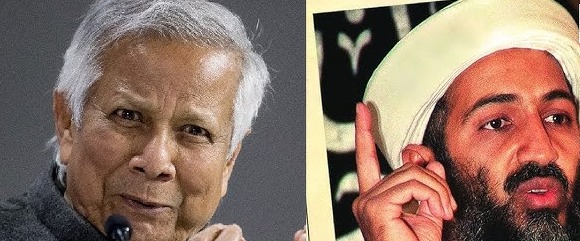
An investigative report published by Blitz, a leading Bangladesh weekly, has alleged that Nobel laureate Muhammad Yunus’s global ‘Grameen’ network has long-standing connections with individuals identified by Western intelligence agencies as financiers of Osama bin Laden and the Al Qaeda network. The report, authored by Blitz editor Salah Uddin Shoaib Choudhury, has called for an international inquiry into Yunus’s transnational financial partnerships. According to the report, “For years, Nobel laureate Muhammad Yunus has been celebrated across the world as a pioneer of microfinance and a champion of the poor. Yet behind this carefully polished global image lies a far darker reality — a web of connections linking Yunus’s sprawling ‘Grameen’ empire to individuals named by Western intelligence agencies as financiers of Osama bin Laden and Al Qaeda.” The report further adds, “In March 2003, The Wall Street Journal published a list of Al Qaeda donors based on CIA information, where the name of Mohammed Abdul Latif Jameel — a Saudi businessman and board member of Grameen-Jameel Microfinance — appeared prominently. The report noted that Jameel was one of the key funders of Osama bin Laden, the notorious mastermind behind the September 11 terrorist attacks.” Online corporate records describe ‘Grameen-Jameel’ as a social business established in 2007 as a joint venture between the Grameen Foundation and Grow Well Limited, a subsidiary of the Abdul Latif Jameel Group. According to these records, the company’s mission is to “alleviate poverty in the Arab world” through partnerships with microfinance institutions, providing technical and financial support.” It further adds, “On its LinkedIn page, Grameen-Jameel states that it was established in 2003 and incorporated in 2007 as a joint venture between Grameen Foundation and ALJ Foundation, a subsidiary of the Abdul Latif Jameel Group.” “The company claims to be the first social business in the Middle East, North Africa (MENA), and Turkey devoted to expanding microfinance. As of December 2013, it facilitated more than USD 65 million in financing, reaching over 2.2 million clients through partner institutions across 10 countries in the MENA region and Turkey.” According to the report, the company is incorporated in Cyprus and headquartered in Dubai’s International Humanitarian City. Its website is currently inactive, and its Facebook page has been suspiciously deactivated. “Further strengthening the Grameen-Jameel connection is Zaher Al Munajjed, the Chairman of Grameen-Jameel Microfinance Ltd. Al Munajjed also serves as a senior advisor to Mohammed Abdul Latif Jameel, President of the ALJ Group in Saudi Arabia. With more than 25 years of international business experience, he has played a key role in developing vocational training and microfinance programs. A Harvard Business School alumnus and holder of a Master’s degree in French International Law, Al Munajjed is widely regarded as a major architect of microfinance expansion in the MENA and Turkish regions,” says the Blitz report. The Jameel family’s controversial past According to the Blitz report, Yousef Jameel — another prominent figure from the Jameel dynasty — was once notorious in London’s casino circles in the 1980s. According to the Daily Mail, he was widely known as a playboy, later becoming entangled in an international child abduction case. Adding to the controversies, his name appears in Jeffrey Epstein’s notorious ‘Black Book’, which exposed networks tied to child exploitation and human trafficking. On July 21, 2004, Jameel and others filed an appeal with the British Court of Appeal following the publication of a Sunday Times report titled ‘Car tycoon ‘linked’ to Bin Laden’ on June 8, 2003. The report claimed that Jameel had been sued by the families of the victims of the 9/11 attacks. On February 3, 2005, Dow Jones & Co., the parent of The Wall Street Journal, filed its own appeal against Yousef Abdul Latif Jameel. In a landmark ruling on October 11, 2006, the highest court in Britain sided with The Wall Street Journal, affirming the importance of investigative journalism. The ruling highlighted that the article was published as part of a legitimate public-interest inquiry into terror financing. The court record stated: “Above the article and headline were photographs of the claimant, Mr Jameel, his company Hartwell PLC, and the Twin Towers burning on 11 September 2001, with the following words: ‘Accused: Yousef Jameel’s family firm bought the British car dealer Hartwell in 1990. Now he is alleged to have helped fund training for the terrorists who carried out the September 11 attacks’.” Despite these allegations, Jameel has long been regarded as a successful entrepreneur and “generous philanthropist”. He has contributed significant funding to programs at MIT aimed at reducing poverty and improving water and food security. For his philanthropic commitments and contributions to arts and culture in the United Kingdom, Mohammed Abdul Latif Jameel received an honorary knighthood from Queen Elizabeth II. The honour was announced by the British Embassy in Riyadh,” says the Blitz report. “However, The Guardian later reported that a group of wealthy Saudi businessmen — including individuals close to Jameel — were suing for libel in the High Court over allegations that they may have financed Osama bin Laden’s Al Qaeda network. They chose London because of its reputation as a claimant-friendly environment for defamation cases,” mentions the Blitz report. Suspicious connections of Grameen The Blitz report has also mentioned the allegations linking Grameen entities to the Muslim Brotherhood, raising further concerns about Yunus’s global partnerships. “Even more disturbing are reports indicating sinister links between Grameen Bank and illegal human organ traders. Individuals unable to repay their loans were allegedly coerced into selling their organs to settle debts,” says the Blitz report. –IANS
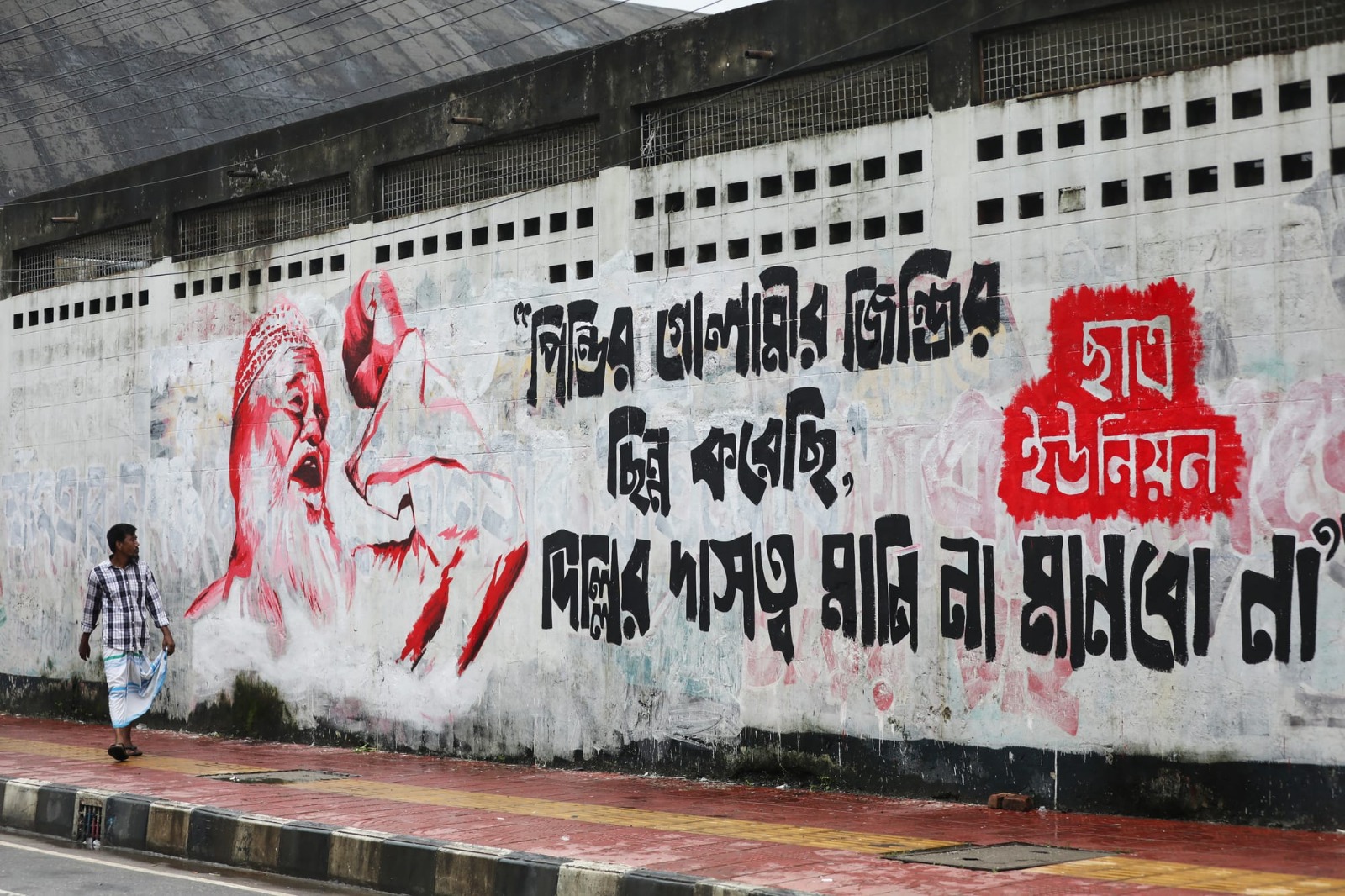
The 2024 July Uprising that ended Sheikh Hasina’s 15-year political tenure transformed Bangladesh’s political landscape. With anti-Hasina forces grabbing power, the political culture shifted and Bangladesh’s foreign policy took a spin as its old friend India came to be seen as an enemy overnight. Anti-India sentiment was present in Bangladesh even during Hasina’s tenure, especially nurtured by radical Islamists and Pakistan apologists. The reason was heightened bilateral ties reached between India and Bangladesh on multifaceted areas — from cultural diplomacy to reaching understanding on water and land sharing, to new connectivity projects – port, buses and railway – for economic cooperation to greater border security, thanks to joint counter-terrorism measures. It was also the time Bangladesh’s relations with Pakistan witnessed a thaw as under International Crimes Tribunal, war criminals mostly belonging to Jamaat-e-Islami who collaborated with Pakistan Army during 1971 Liberation War, were given death sentences and life imprisonment on charges of war crimes. In the domestic sphere, Hasina’s hard dealing of new terrorist offshoots, witnessed during 2013-17, aggravated radical Islamists who openly advocated against Bangladesh being a constitutionally secular state (an ideological stand of Awami League party). All these factors culminated in shaping a new narrative — Hasina “selling” Bangladesh’s democracy to New Delhi. Soon after the January 2024 election where Sheikh Hasina faced a decisive win, her political opponents doubled down on anti-India propaganda. First, they criticised New Delhi for congratulating Hasina at a time western countries raised concern over Bangladesh’s free and fair election. Then they blamed New Delhi for meddling in Dhaka’s internal affairs, alleging Narendra Modi government to have had a hand behind Hasina’s victory in 12th parliamentary election. All these because New Delhi maintained a non-interventionist approach to any country’s domestic politics, national election being one of them. Thus started the ‘India Out’ campaign in Bangladesh, mirroring Maldives’ drive earlier in 2023. Nevertheless, this did not affect bilateral ties in any way and the campaign soon died because of low popularity. After Hasina’s deposition, the interim government’s foreign policy recalibration underwent a paradigm shift — moving closer to erstwhile coloniser Pakistan while maintaining a cold distance with New Delhi. The Chief Advisor Muhammad Yunus himself drew attention on many occasions for his provocative speeches antagonising New Delhi — from calling Bangladesh as the only guardian of Bay of Bengal for India’s “landlocked” northeast states during his China visit in March to claiming that New Delhi “disliked” or “disapproved” of student protest in Bangladesh that ousted Hasina and insisting at the UNGA in September that SAARC is nearly defunct because of “politics of one country” (indirectly referring to India). In this blame game, Yunus conveniently avoided the core issue of SAARC being defunct — the Pakistan-sponsored terrorist attack in India’s Uri that undermined regional cooperation and led to cancellation of 19th SAARC Summit in Islamabad and boycott by neighbouring countries. India, during the July Uprising, maintained diplomatic communication with Dhaka where it “observed developments closely”. Moreover, New Delhi’s focus during the unrest was to ensure security of Indian nationals, especially students, in Bangladesh and taking measures to avoid any breaches of border security. It is common knowledge how post-Hasina, Bangladesh splurged into a deep law and order crisis, as violence of all kinds — gender, communal, ethnic, political — engulfed the country. The consistent security lapse has created deep public distrust towards Bangladesh’s law enforcement forces. The rise in mob violence and rampant acts of vandalism of Sheikh Mujibur Rahman’s murals went unchecked and unnoticed by the interim government. The demolition of Mujib’s private residence -32 Dhanmondi – in February, however, pulled widespread criticism from both within and outside Bangladesh. Instead of taking accountability for its lacklustre attitude towards restoring law and order, the interim government pointed the finger at New Delhi, for “giving platform” to Sheikh Hasina to give speeches. In fact, this has been the persistent narrative of the interim government, every time it was questioned of lawlessness within the country, from violence in Gopalganj to Chittagong Hill Tract. The justification was always the same — Sheikh Hasina attempting to destabilise Bangladesh “with foreign help”, hinting at New Delhi. Recently, Bangladesh registered a protest against India for Hasina’s interviews published in Indian and foreign news outlets, alleging India to allow Hasina to make “hate speeches” that risk destabilising Bangladesh. India has reiterated that Hasina’s speeches are not New Delhi’s diplomatic position but one made in her personal capacity. This is because India is a democracy where the press is not controlled, unlike Bangladesh that is going through a democracy deficit. Moreover, Dhaka foreign advisor recently called India Foreign Secretary’s remarks on hoping to see a “free, fair and inclusive election” in Bangladesh as “completely unwarranted”, claiming the national election as Dhaka’s “internal matter” and hence “not Delhi’s concern”. Bizarrely, Dhaka has been appreciative of Western countries who too expressed hope to see a free and fair election in Bangladesh. The political climate in Bangladesh has turned more volatile because it has banned Awami League from contesting elections, triggering counter protests by party activists and supporters in the nation. The usual jibe of “foreign force destabilising Bangladesh” continues. Bilateral ties between India and Bangladesh strained not because New Delhi turned its back but because Dhaka, under the interim government, has been weaponizing anti-India sentiment to hide its inefficiency. In a recent attack on Awami League office in Gulistan, the video of miscreants vandalising a sculpture depicting Pakistan’s surrender to India during 1971 Liberation War became viral. It showed a man saying that if the image remained intact, League’s allies “might return and claim their roles”. Much like Pakistan, the interim government’s attempt at historical revisionism, especially of India’s role in the 1971 Liberation War, through textbook revision is no secret now.
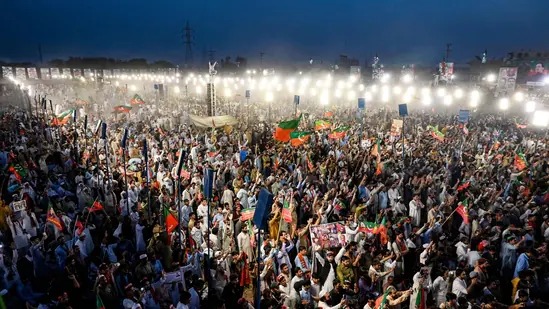
– Arun Anand When a state alters the rules that govern it, the transformation can arrive with force—or with formality. Pakistan’s 27th Amendment represents the latter: a political restructuring that wields the authority of a coup but cloaks it in legality. Rather than suspending the constitution or dissolving parliament, it reshapes the constitution from within, erasing previous checks on military power. That distinction is crucial—one disrupts the system; the other remakes it. At the heart of this recalibration stands Asim Munir. His promotion to Field Marshal and the proposed establishment of a Chief of Defence Forces position do more than elevate his career—they institutionalize what was long an informal dominance. Unlike Ayub, Zia, or Musharraf, who ruled by toppling constitutions, today’s strategy seeks to embed military supremacy within the constitutional framework itself—ensuring that, in the future, the army can govern without the need to overthrow. The change is deceptively small in language and vast in consequence. Replace one title with another; place all services under a single command; harden immunities around senior officers; tweak judicial mechanisms so the courts have less room to operate free of executive pressure. Each clause reads like technocratic housekeeping. Taken together, they create a new architecture: an army whose institutional primacy is not merely tolerated but constitutionally protected. That is legal militarism rather than extra-legal rule. This is not an academic quarrel over drafting. It is a political settlement about who counts as the ultimate arbiter of public affairs. Under the old ambiguity, civilian leaders could plausibly claim the last word, even while the military shaped the range of choices behind the scenes. The amendment seeks to collapse that ambiguity in one direction. Why would civilian parties, visibly weakened and electorally vulnerable at times, agree to such a reconfiguration? The motives are painfully direct. Pakistan’s political class operates in a narrow corridor: economic collapse, fragmented coalitions, a restive opposition, and a media space that oscillates between sensationalism and censorship. Under these pressures, cohabitation with the military promises immediate stability. It keeps riots at bay, opens channels to patronage, and provides a shield against judicial harassment or street mobilisation. Short-term survival, in other words, is a powerful incentive. Yet political survival bought by reliance on the barracks is a pyrrhic achievement. Civilian parties have historically gained legitimacy by standing up to military overreach. Opposition to the establishment, even when risky, has often been the most reliable source of political capital. When a leader defies the generals and survives, that defiance becomes a badge of authenticity. By contrast, parties that appear to defend or normalise the military’s dominance surrender the claim to be an alternative. They transform from contesting forces into managers within a narrower, military-shaped consensus. This is the arithmetic of erosion. Short-term gains for the party in power can lead to long-term erosion of its moral and political standing. Consent, in this context, is not neutrality; it is a transfer of legitimacy. A constitution stamped by the military’s imprimatur becomes less a shield of pluralism than a vehicle for managed politics. Democracies do not die in dramatic moments alone; they wither when the forms of democracy remain but their essence, the capacity of political actors to challenge and to be challenged on equal footing, is hollowed out. Those who enable this constitutional realignment may imagine that they will keep the benefits: stability, access to resources, and the ability to govern without constant confrontation. But history is unsparing about such bargains. Iskander Mirza appointed Ayub and found himself dispossessed within days. Zulfiqar Ali Bhutto, who navigated the generals’ world, was later tried and executed under military rule. Nawaz Sharif’s flirtation with the military ended in exile. Power that is lent by a stronger institution is rarely returned intact. The amendment also alters the foundation upon which other institutions stand. The judiciary, already a site of contestation, risks becoming a subsidiary player if a new constitutional forum strips the Supreme Court of powers or if transfer mechanisms for judges are altered to reduce their independence. Provinces that won space under the 18th Amendment see their gains threatened if federal competencies are recentralised or if finances are reconstituted in ways that favour central control. The fragmentation of federal bargains bolsters local grievances, and these grievances become fuel for instability, precisely the outcome the army claims to preempt. There is a particular irony to the present moment that is worth stressing. Civilian politicians once drew their energy from popular resistance to an overbearing establishment. That very act of resistance could convert electoral weakness into credible leadership. Today, however, many politicians choose acquiescence because the immediate costs of resistance, jail, economic disruption, and the threat of engineered crises look intolerable. They trade a precarious moral authority for a steady foothold in the office. The problem is that this lease rarely extends beyond the lifetime of a political cycle, and its renewal depends on the goodwill of the institution whose favour they bought. And yet the public mood complicates any neat diagnosis of decline. Ordinary Pakistanis are weary; years of economic pain and political turbulence have dulled their appetite for dramatic confrontation. Some will welcome the promise of order; others will shrug their shoulders. That fatigue provides the ideal conditions for legalised domination: the population tolerates constraint for the promise of relief. But tolerance is not acquiescence; it is the brittle glue that holds an unstable settlement together until it snaps. When Munir leaves the scene, and he will, as all men do, the institution he helped constitutionalise will remain. The following chief benefits from a script rewritten to favour the uniform, drawing authority from not just force but law. Undoing that script will require more than an election or a public outcry; it will demand a sustained political project that reconstructs constitutional checks, reenergises provincial autonomy, and restores judicial independence. That project is possible but arduous; it requires actors willing to risk more than a short-term office. History’s lesson is stark: military dominance dressed as legality is harder to
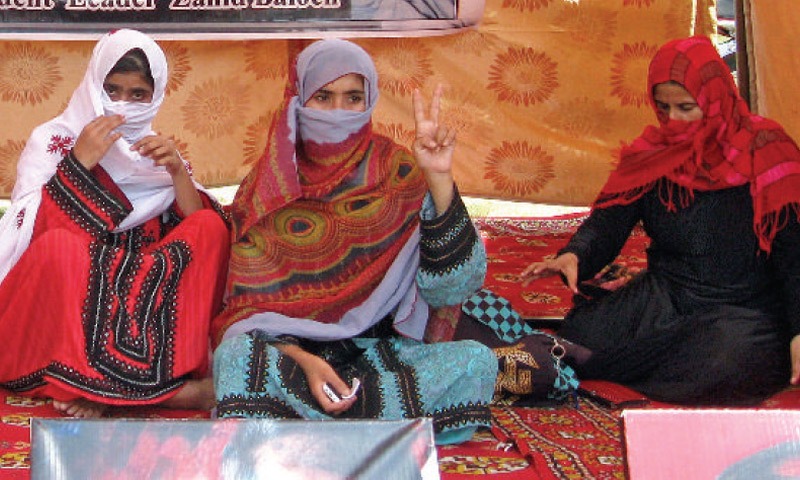
– By Arun Anand Across the rugged mountains of Balochistan, a quiet revolution has taken shape — not through the barrel of a gun, but through the voices of women who refuse to be silenced. For decades, the Pakistani state has sought to crush the Baloch struggle for rights, identity, and dignity through brute force, censorship, and fear. Yet, amidst the silence imposed by the establishment, Baloch women have risen as the conscience of their people, demanding answers about the disappeared, the tortured, and the dead. Their courage has unsettled Pakistan’s power structure more deeply than any insurgency ever could. And so, the state has turned its full machinery against them — branding them as traitors, blacklisting them, and attempting to erase them from the nation’s conscience. Pakistan’s fear of Baloch women activists is not born out of security concerns, as its propaganda machinery would have the world believe. It stems from a far more fragile truth: the fear of moral defeat. The establishment that has long ruled through the manipulation of narratives — portraying itself as a victim of terrorism and an upholder of law — cannot bear the voices that strip away this façade. Women like Dr. Sahiba Baloch, Dr. Shalini Baloch, and Samine Deen Baloch have become living examples of the state’s hypocrisy. Their activism exposes what Islamabad has spent decades denying — that the real terror in Balochistan does not come from the mountains but from the cantonments, checkpoints, and intelligence safe houses where young men vanish without a trace. These women have turned grief into resistance. They march with photographs of missing fathers, brothers, and sons — faces faded by time but made immortal by memory. Their placards demand not privilege but the most basic human right: to know where their loved ones are. For a state built on denial, this demand is dangerous. The Pakistani establishment thrives on invisibility — the invisibility of its crimes, of its political prisoners, of its secret wars. When Baloch women pierce that invisibility, they threaten the very foundation of control that the military has built over Balochistan. The government can bomb villages, censor media, and flood social platforms with propaganda, but it cannot suppress the raw moral clarity of a mother’s cry for her missing child. To silence them, Pakistan’s establishment resorts to the language it knows best — intimidation, smear campaigns, and the weaponization of counterterrorism laws. The inclusion of prominent Baloch women on so-called “watchlists” or “anti-terror registries” is not an act of national security; it is an act of fear. When unarmed women holding peaceful demonstrations are accused of terrorism, it reveals who truly feels threatened. The state that claims to protect its citizens is terrified of citizens who speak the truth. The irony is tragic and telling — that in a country overrun by extremist groups, the military sees danger not in those who kill in the name of ideology, but in those who demand justice in the name of humanity. The United Nations has expressed alarm over this systematic targeting of Baloch women human-rights defenders. Yet Pakistan continues its repression with impunity, shielded by the same institutions that it manipulates domestically — a judiciary that cowers before the establishment and a media landscape sterilized by fear. The disappearance of Baloch men is not a hidden secret anymore; it is an open wound. Thousands have been abducted by shadowy agencies, tortured in secret cells, and often found dumped in deserts and riverbeds. But when women take to the streets to seek accountability, they too are branded as enemies of the state. The military, unable to confront their truth, paints them as foreign agents, Western puppets, or anti-national propagandists — a tired script repeated whenever Pakistan’s moral bankruptcy is exposed. Behind this fear lies an even deeper insecurity within Pakistan’s power structure. The state was built on a fragile foundation of identity — an identity forged not through inclusion but through suppression. It cannot tolerate voices that challenge its narrative of unity, especially from those it considers peripheral and expendable. Baloch women embody a defiance that is both political and symbolic. They refuse to be confined to the role the state assigns to women — passive, silent, obedient. Their activism is not only a challenge to the military’s control but also a challenge to the patriarchal order that underpins it. When a Baloch woman speaks, she defies both the gun and the gendered silence imposed upon her. The Pakistan Army, bloated with privilege and arrogance, cannot comprehend this form of power. It is accustomed to silencing dissent with force, not reason. Its generals are comfortable dealing with insurgents, for insurgency justifies military budgets, operations, and the mythology of national security. But women armed only with truth unsettle them in ways bullets never could. They strip away the illusions of heroism and expose the moral rot of a state that kidnaps its own citizens and calls it patriotism. The establishment’s fear of Baloch women is, therefore, the fear of losing control over the narrative — the fear that the world might finally see Pakistan not as a victim of terrorism, but as a perpetrator of systemic violence against its own people. What makes this fear even more profound is the growing international attention to the plight of Baloch activists. For years, Pakistan managed to bury these stories under the rubble of geopolitics — using its strategic importance to silence criticism. But in recent times, the testimonies of Baloch women have begun to pierce through that global indifference. Their statements before human-rights organizations and media outlets have become the cracks through which truth leaks out. Each speech, each vigil, each name they utter chips away at the edifice of impunity the establishment has built. This is why the state is desperate to label them as extremists — because it cannot bear the possibility of being judged by the world through the lens of those it has long oppressed. The persecution of women like Dr. Sahiba Baloch,
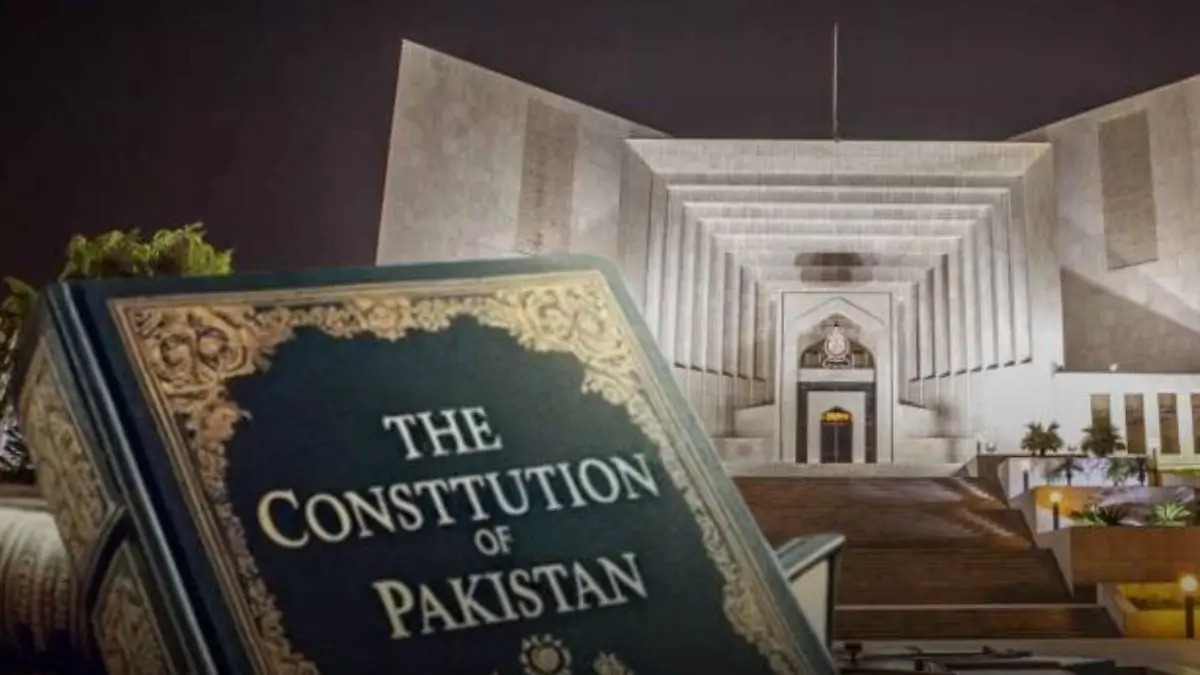
Since his appointment in November 2022, Field Marshal Asim Munir has proved a master practitioner of power consolidation, outpacing even Pakistan’s most notorious military strongmen such as Ayub Khan, Zia-ul-Haq, and Pervez Musharraf. His latest gambit, the proposed 27th Constitutional Amendment, cements that legacy and threatens to formalize Pakistan’s drift into an overt military state. At its core, the 27th Amendment rewrites Article 243 of Pakistan’s Constitution which details the governing framework of the command of the armed forces (Chapter 2). While, it may appear to be a technical legal change, however, it is, in fact, a crude structural reordering of the Pakistani state in favor of the military establishment that has anyway calling the shots for decades. Nevertheless, one of the most consequential provisions (clause 5) is the proposed creation of a new office of Chief of Defence Forces (CDF). Under this clause, the Army Chief will automatically assume the role of CDF role, which effectively merges the tri-service command of the army, navy, and air force into one uniformed post. The existing Joint Chiefs of Staff Committee (JCSC), a forum meant to balance inter-service authority, will be abolished. In practical terms, this means all branches of Pakistan’s armed forces will answer to one man, that is Asim Munir. It also conveniently sidelines General Sahir Shamshad Mirza, the current Chairman of the Joint Chiefs and the senior-most general whom the Shehbaz Sharif government bypassed when appointing Munir in 2022. This clause would mark the first time in Pakistan’s history that the entire military chain of command is legally and constitutionally subordinated to a single officer. Another major clause (6) under Article 243 transfers effective control of Pakistan’s nuclear arsenal to the Army Chief. The Prime Minister would nominally appoint the Commander of the National Strategic Command (the custodian of nuclear weapons), but only from among “members of the Pakistan Army” and solely on the “recommendation of the Chief of Army Staff concurrently serving as Chief of Defence Forces.” This wording is not incidental. It ensures that the nuclear command, which has traditionally been supervised by a civilian-led National Command Authority, will now operate entirely under military discretion. Pakistan’s already fragile notion of civilian oversight is being reduced to fiction. With this, Asim Munir not only commands Pakistan’s conventional military forces but also gains exclusive control of its nuclear deterrent. Perhaps the most extraordinary aspect of the 27th Amendment lies in its provisions for legal protection. Given that the amendment proposes lifetime immunity to the Field Marshal (clauses 7,8,9,10 &11), it practically equates his legal status with that of the President as the Head of the State of Pakistan. In effect, Asim Munir, who was conferred the title of Field Marshal earlier this year, cannot be prosecuted, investigated, or held accountable by any court or parliamentary body for decisions made during or after his tenure. This is a historic and most consequential departure from Pakistan’s constitutional tradition. Even military rulers like Zia and Musharraf, both of whom seized power through coups, lacked explicit lifetime impunity under constitutional law. However, Munir has, by securing this clause, effectively insulated himself against future civilian pushback or judicial scrutiny, ensuring that any transition of power will not endanger his position or legacy. Though Pakistan’s history has seen several military rulers institutionalizing their dominance through legal means like Ayub Khan’s rewriting of the 1962 Constitution or Zia-ul-Haq giving the military a permanent political veto by amending Article 58(2)(b), Asim Munir’s strategy is more sophisticated and inarguably more durable. Unlike his predecessors, who relied on overt coups, Munir is using constitutional procedure and parliamentary approval to codify military supremacy. As such, Munir seems to be outdoing the likes of Ayub, Zia, and Musharraf not through coups but by rewriting laws in his own favor. The Shehbaz Sharif government’s cooperation in pushing this amendment through parliament reveals how deeply Pakistan’s civilian leadership has become dependent on the military’s favor. The Asim Munir-led military establishment has leveraged this vulnerability and extended its control over domestic politics, the economy, and even foreign policy. By institutionalizing this control through the 27th Amendment, the military no longer needs to rely on backroom manipulation as it can now rule openly, with parliamentary consent. The conferment of the title “Field Marshal” on Munir earlier this year, following India’s “Operation Sindoor” was the clearest signal of his elevation to the highest power status in the country. It very well echoed self-promotion of Ayub Khan to Field Marshal in the 1960s, when he justified his authority was essential to the country’s national defense. Munir would do well to remember that Pakistan’s streets which are restless, politically volatile, and steeped in resentment against military domination, though it may dormant now, have a way of humbling even the most entrenched generals. Equally, it is interesting how the country’s political elite, particularly Pakistan Muslim League-Nawaz (PML-N) and Pakistan People’s Party who currently backs Munir seem to have forgotten how such curry favouring of generals have bitten them in the past. The 27th Amendment marks not just another chapter in Pakistan’s cycle of military dominance but a turning point of the transformation of military supremacy from an unwritten reality into a constitutional fact. Field Marshal Asim Munir may believe he has achieved what his predecessors could not: absolute power with absolute legitimacy. But Pakistan’s history suggests that even the thickest face and the blackest heart cannot shield a ruler from the reckoning that follows hubris. – Arun Anand
With Bangladesh’s national election scheduled for February 2026, the National Citizen Party (NCP) has displayed its unwillingness for polls without securing complete impunity for its political coup during last year’s July uprising. The actions and remarks of leaders in the NCP exposed the party’s growing insecurity in the political game. Its consistent demand for electoral reform — to have national elections based on proportional representation (also favoured by Islamist parties) — reflect its awareness of lack of popular support. The optimism of the July Uprising quickly faded as witnessed in the growing political chaos following the exit of former Bangladesh’s Prime Minister Sheikh Hasina which revealed the country’s democracy deficit. Now with the Bangladesh Election Commission (EC) denying the ‘shapla’ symbol to NCP, the party’s ego is shattered, as members are threatening to delay the election if they are denied its electoral symbol. NCP is now open to both the Bangladesh Nationalist Party (BNP) and the radical Islamist party Jamaat-e-Islami for political alliances, notwithstanding the war of words it has been engaging in with both and presenting itself before Bangladesh as the ‘new’ alternative. Truly, NCP’s ‘revolutionary’ emergence has been short-lived and is perhaps now reaching its endgame. Given the political vacuum as a result of Hasina’s ousting and political ostracisation of Awami League – that remains as Bangladesh’s largest political party – the country witnessed two political developments. This includes the resurgence of Islamists on the political stage and the growing fissures between former allies BNP and Jamaat. A new political platform was established in September last year known as the Jatiyo Nagorik Committee (National Student Committee), by prominent student leaders of the July Uprising. The intent behind the formation of this platform was to replace the ‘existing fascist political settlement’ with a ‘democratic one’ and become the ideological vanguard of the July Uprising. The committee felt that only through the establishment of a new political party, the political aspiration of the July Uprising can be achieved. This paved the way for the establishment of a student-led political party — Jatiyo Nagorik Party (National Citizen Party) — that announced its formation on February 28, 2025 with a centrist and pluralist ideological approach that aims to establish a “second republic” in Bangladesh. It also announced its expectation to contest for all 300 seats in the national (Jatiya Sangsad) election. Just six months within this year, a total of 32 NCP leaders resigned from the party citing internal conflict, misconduct and dissatisfaction with leadership. Moreover, its NCP’s student wing — Bangladesh Gonotantrik Chhatra Sangsad (BGCS) — faced heavy defeats and failed to secure central posts in recent student union elections of Dhaka, Jahangirnagar, Chattogram and Rajshahi University. The surveys on voter preference since early this year also denote the same trend. A nationwide survey by Innovision Consulting held this March reported that despite appeal among young voters, the voters’ preference for NCP stands at an overall five per cent. Another survey by the BRAC Institute of Governance and Development (BIGD) in July showed only a marginal 2.8 per cent increase from two. The latest People’s Election Pulse Survey in September, preference for NCP stands at 4.9 per cent. Surprisingly, NCP’s main rival, Awami League, despite the ban, continues to enjoy a higher voters’ preference percentage than the NCP as per these surveys. NCP drew controversies even before its launch. The selection of the initial 10 core members of the NCP was criticised for its lack of inclusivity and lacking a democratic process. Moreover, the inclusion of leaders from the Jatiyo Nagorik Committee having past ties with Jamaat’s student wing Islami Chhatra Shibir in the party created another round of uproar, leading to their voluntary withdrawal. Another controversy followed when a recognised activist of LGBTQ community was reported to secure a position in the party’s central committee, sparking debate and dissatisfaction even among NCP leaders, eventually leading to the member’s exclusion. Quite early on, the new party’s approach to present an alternative as the most inclusive party and its own internal contradictions reflected NCP’s own ideological challenges. Led by students under the banner of Students Against Discrimination (SAD), the 2024 July Uprising was popularised as Bangladesh’s ‘second liberation’. The movement — largely composed of anti-Hasina forces — championed for an inclusive, plural, just and democratic Bangladesh. Thus, Bangladesh’s political landscape not only changed after August 5 2024, but also initiated a new debate on which direction the country’s politics should head. The interim government was established on August 8, just days after Hasina fled the country. The main coordinators of the Students Against Discrimination (SAD) invited Muhammad Yunus to head the interim government as the Chief Advisor. Three prominent leaders of SAD — Nahid Islam, Mahfuj Alam and Asif Muhammad — also became advisors in the interim government representing students. Thus, SAD played a significant role in legitimising Yunus’ administration, installing it the responsibility of implementing reforms and conducting a free and fair election. Amidst anticipation of who will be part of the NCP’s central leadership, Nahid Islam resigned from its advisory position in the Ministry of Information and Broadcasting to become the chief convenor of the party. Islam’s joining the NCP was not viewed favourably by other political parties who accused the interim government of helping for the establishment of a ‘King’s Party’ under its schemes of endless reforms rather than announcing a clear election roadmap. NCP’s formation and the Chief Advisor Yunus’s soft spot for the student political party, also put its own neutrality in question. Political parties like Gono Odhikar Forum and the BNP strongly demanded for resignation of student advisors Mahfuj Alam and Asif Muhammad alleging them as NCP loyalists. Bangladesh’s political culture rooted violence, corruption and extortion soon caught up to the nation’s newest political alternative. In April, its joint member secretary, Gazi Salauddin Tanvir, was accused of involvement in corruption and misconduct over the appointment of Deputy Commissioners, leading to his removal from NCP. The party’s ‘March to build the country’ rally in July took
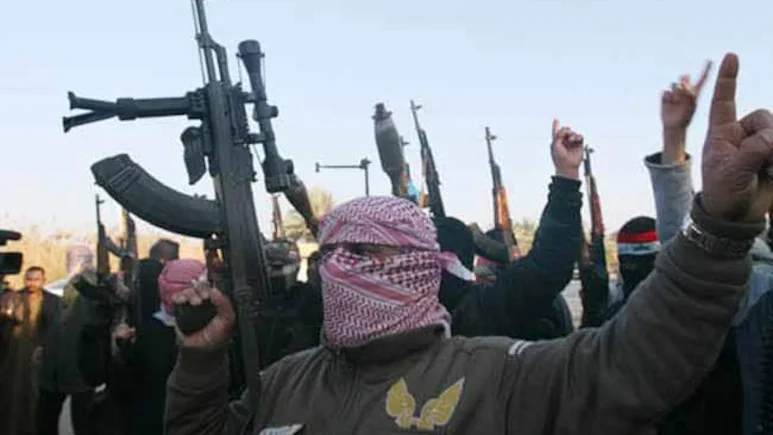
The fading aftermath of a lost battle continues to smoulder quietly, and for Pakistan’s armed forces—particularly its beleaguered army under its current Chief—these remnants represent not resilience, but a lingering, unhealed wound. This wound was inflicted by the overwhelming setback suffered during India’s precisely orchestrated Operation Sindoor. The mission effectively laid bare the vulnerabilities and superficial nature of Pakistan’s covert strategies along the Line of Control (LoC). In the wake of this defeat, the response from Pakistan was not one of reflection or strategic recalibration, but rather a recommitment to exhausted methods—chiefly, the long-standing practice of sponsoring terrorism. This shadow conflict, which Pakistan has cultivated for decades, has recently been reignited with intensified zeal and even more ominous intent. Operation Sindoor dismantled the myth that the Pakistan Army maintains superiority in asymmetric warfare across the LoC. Employing intelligence-led targeting, coordinated civilian-military operations within Kashmir, and precision strikes, India succeeded in destroying several of Pakistan’s key terrorist infrastructure points. Numerous high-ranking handlers, operating in proximity to frontline military positions, were also neutralised. Pakistan’s infamous Border Action Teams, unprepared for the scale and precision of the assault, suffered significant losses. Reinforcements dispatched under the assumption of surprise advantage were instead ambushed with lethal efficiency. Conservative estimates suggest that more than 70 Pakistani regular troops and special forces were either killed or incapacitated in the course of the operation. However, these figures remain unacknowledged by Pakistan’s military media wing, the Inter-Services Public Relations (ISPR), based in Rawalpindi. The consequences extended beyond a mere tactical defeat—it marked a profound symbolic breakdown. The veil was lifted, revealing to the international community the unmistakable nexus between the Pakistan Army and terrorist organisations falsely presented as ideological movements. As Pakistan’s military leadership staggered under the impact—wounded both physically and psychologically—it did not pursue introspection or institutional reform. Instead, its response was fuelled by vengeance. With its credibility in tatters and domestic cohesion eroded by mounting economic distress, the military hierarchy resorted to its familiar playbook: reinforcing the architecture of cross-border terrorism. Within the rugged landscapes of Pakistan-occupied Kashmir (PoK), a fresh wave of militant training camps began to emerge—spreading like malignant growths. The same geography that once served as refuge for insurgents in the early 2000s is being repurposed—not to defend, but to initiate offensive operations aimed at infiltration and sabotage. These installations are far more advanced than rudimentary jungle shelters; they are heavily fortified compounds, featuring structured obstacle courses, dedicated firing ranges, encrypted communication hubs, and efficient logistics chains—all operated with military-level discipline and overseen directly by Pakistani officers of field rank. In the interior regions of Pakistan-occupied Kashmir (PoK), satellite surveillance and signal intelligence have revealed a notable uptick in activity linked to operatives of Jaish-e-Mohammed and Lashkar-e-Taiba—groups ostensibly proscribed by Pakistan but, in reality, sustained and armed by its military-intelligence apparatus. Historic infiltration routes through Kupwara, Uri, and Poonch are being revitalised, now augmented with modern techniques involving drone-based supply drops, underground tunnel systems, and nocturnal incursions enhanced by GPS jamming technologies. The danger lies not in covert denial, but in a conscious intensification of hostile intent. The Chief of the Pakistan Army, acutely conscious of the country’s precarious diplomatic and economic condition, is engaging in a hazardous strategic gamble. With increasing scrutiny over his leadership both within military circles and among the broader public, he appears driven to recapture a faltering narrative through the use of “strategic proxies.” Terrorism remains the most potent instrument in Rawalpindi’s longstanding arsenal—an instrument now employed with alarming recklessness. His leadership, beleaguered by internal factionalism and an unparalleled erosion of legitimacy, seems fixated not on reform or peaceful coexistence, but on expanding clandestine conflict. Alarmingly, this ideological decay is no longer confined to PoK. The most disconcerting evolution is now taking root within Pakistan’s Punjab province. Once regarded as the cultural nucleus and a relatively secular space in the national context, Punjab is experiencing a covert revival of urban terror infrastructure. In cities such as Lahore, Bahawalpur, and Multan, dormant terrorist cells are being discreetly reactivated. These are not improvised militias of disenfranchised youth armed with outdated weapons; they are increasingly professionalised units under the instruction of retired ISI personnel, many of whom now operate under the guise of NGOs, charitable entities, or religious seminaries. These fronts offer both ideological justification and logistical support for what appears to be a quietly resurgent domestic terror ecosystem. Amidst an ongoing civil-military power struggle, one aspect of the Pakistani state’s machinery remains untouched: the consistent prioritisation of defence funding and so-called “strategic programmes.” Despite a population grappling with soaring prices of basic commodities such as wheat and petrol, billions of rupees continue to be funnelled into clandestine military activities. International aid, ostensibly allocated for flood recovery and infrastructure development, has seemingly vanished into unaccounted defence-related expenditures. The directives issued by the Army Chief appear concerned less with professional armed forces modernisation and more with psychological operations, refining doctrines of insurgency, and sustaining strategic equilibrium through non-state proxies rather than overt confrontation. Ironically, this intensified focus on exporting militancy coincides with the military’s own struggle against a growing insurgency within national borders. The tribal regions, once controlled through sheer force and temporary truces, are experiencing renewed unrest. Militant organisations such as the Tehrik-i-Taliban Pakistan (TTP), emboldened by regional instability and the decline of American presence in Afghanistan, have launched an aggressive internal campaign, particularly in Khyber Pakhtunkhwa and Balochistan. These insurgents have evolved beyond hit-and-run tactics; they now execute coordinated ambushes, capture military outposts, and even target mid-level officers for assassination. By conservative estimates, the Pakistani military has suffered more than 400 fatalities from militant assaults within its own borders over the past year. In North Waziristan alone, targeted attacks since January have claimed the lives of at least 80 soldiers. Yet, in the face of such heavy losses, the Army Chief’s priorities appear skewed—focused less on internal security and more on provoking tensions across the Line of Control. It seems the military establishment has acquiesced to a state of perpetual
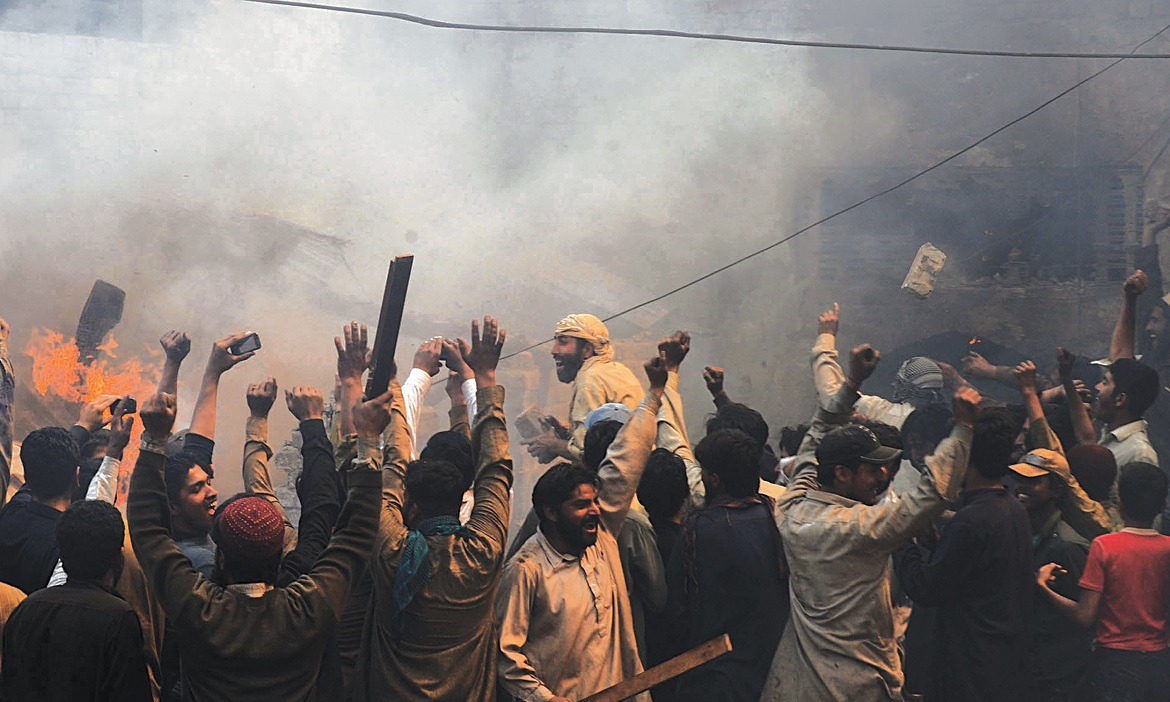
Every time one looks up Pakistan on the internet, one is bombarded with news of death, destruction, and discrimination. The country, which was carved out of India in 1948, with the vision of creating a safe territory for the minorities of the subcontinent, has devolved into a place where the majority of people endure some or the other form of oppression and threats, under a state that is always on the edge of collapse. Most recently, a disturbing video of a man and woman being shot to death by a bunch of men in the Balochistan province has emerged on social media. Investigation has revealed it to be a case of so-called ‘honor killing’ ordered by a local tribal leader and executed by the woman’s brother. Such killings based on archaic notions of ‘honor’, gender-based violence, persecution of religious and ethnic minorities, civilian killings by militants, and state-orchestrated killings in the name of counter-terrorism and counter-insurgency, and more, pervade the news cycle in the country where the elites who lead the security forces are immersed in amassing political and economic capital, more than providing security to the citizens. Although Pakistan has a long history of being both a promoter and victim of terrorism, the crisis has particularly aggravated since the August 2021 resurgence of the Taliban in neighbouring Afghanistan. As the US left the country after a 20-year-long protracted war, much of the sophisticated weaponry that it had provided for the Afghan army found itself in the hands of the Taliban and Pakistan-based militant insurgent groups, specifically the Tehreek-e-Taliban Pakistan (TTP) and Baloch Liberation Army (BLA). Overnight, these groups swelled in capacity, exacerbating the security crisis for Pakistani forces as well as civilians. The Global Terrorism Index report of 2025 placed Pakistan in the 2nd position, noting 1,081 terrorism-related fatalities and 1,099 terrorist attacks in 2024. In the past years, these groups have also scaled up their attacks on Pakistanis from other provinces as well as foreigners, particularly Chinese workers. In August last year, in a chilling incident, the BLA militants forced out 23 passengers from a civilian bus, checked their identity cards, and killed them after establishing that they were Punjabis. In March 2024, a suicide bombing killed 5 Chinese engineers working on a dam project in Khyber Pakhtunkhwa. The rise in attacks on Chinese workers has become a sore point between Pakistan and China, threatening to jeopardize the China-Pakistan Economic Corridor. Additionally, the Pakistani military’s response to these terrorist groups has also opened up another security threat for the people. In Balochistan, in the name of countering the long-standing insurgency, the state has routinized enforced disappearances, custodial killings, and torture, without any accountability. Although it is very difficult to ascertain the exact number of forcefully disappeared people, to get an idea of the scale of this tragedy, one can refer to the Human Rights Watch report which has recorded 8,463 cases of missing persons between 2011 and January 2024 or the Pakistan Commission of Inquiry on Enforced Disappearances (COIED) which registered 10,078 cases. A civil resistance movement led by women has also emerged in the past couple of years, demanding accountability from the state for its excesses in Balochistan. However, it has been violently quelled, with its leaders incarcerated. Since the founding of Pakistan on religious lines, there has been a concerted effort by the state to marginalize and erase its religious minorities, most prominently Hindus, Christians, and Sikhs. Besides systemic discrimination, cultural marginalization, and destruction of places of worship, religious minorities constantly face the threat of violence, ostracization, and forced conversions. Around 20-25 Hindu girls are estimated to be kidnapped and converted in Sindh every month. The police and judiciary often exempt the perpetrators who often enjoy social influence and support for ‘scoring’ a conversion to Islam. The draconian blasphemy law is another tool with which religious and sectarian minorities (Shias and Ahmadis) are persecuted. More disturbingly, when someone weaponizes the blasphemy accusation, often the cases do not even reach the courts as the enraged public murders the accused by themselves. At least 70 people have been reportedly murdered over blasphemy accusations since 1990. This figure includes the notorious killing of the Sri Lankan Christian worker Priyantha Kumara. The discourse around the law is so charged that anyone who dares to oppose it faces the same threat of being lynched. Prominent political figures such as the former governor of Punjab Salman Taseer and former Federal Minister for Minorites Shahbaz Bhatti have been assassinated for opposing the law, and judges who either convict vigilantes or acquit the falsely accused have to flee the country to save their lives. When it comes to women, regressive social attitudes and a decrepit administration have led to a scenario where crimes like harassment are only routine but normalized. According to a Women Safety Audit undertaken by UN Women in 2020, over 80% women reported facing harassment in public places. Women are also the overwhelming targets of so-called honour killings- the Human Rights Commission of the country registered 405 cases in 2024 alone, most of them against women. As per data by the Sustainable Social Development Organization, only one of the 32 cases reported in the Balochistan province this year has led to a conviction, pointing to the dire situation where state neglect has emboldened criminals and proliferated such a heinous crime. Despite the terrifying picture that the above instances and analyses paint about Pakistan, it is still only scratching the surface. In a country beset with administrative disrepair, state-supported religious extremism, ethnic violence, systemic impunity, suppression of dissent, and economic crisis, one can only imagine the daily struggle for survival that people are subjected to. Pakistan urgently requires a radical overhaul of state identity, civil-military relations, and state-society relations. However, given the status quo of absolute state complacency and elite capture, the future of the citizens of the country appears distressingly grim.
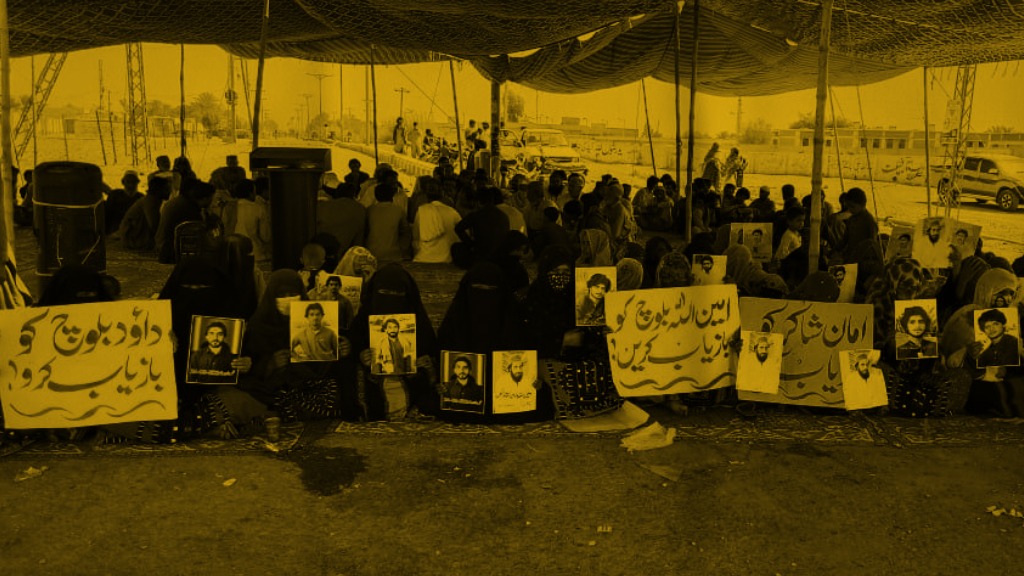
The Balochistan province of Pakistan represents a long-standing festering wound- one that the state, instead of healing, is bent on continually aggravating. The largest, resource-abundant, yet poorest province of the country, Balochistan has been reeling in the crossfire of a chronic armed insurgency and a disproportionate state response, in addition to systemic political and economic marginalization. Even as Pakistan was recently engaged in military confrontations with India- the most severe since the Kargil conflict of 1999, the Baloch insurgents kept intensifying their operations. Now, in the name of more effective counter-terrorism, the government has passed another legislation that threatens to worsen the situation by legitimizing state excesses in the province. Amid vehement opposition by legal experts, human rights groups, and civil society, the Balochistan Assembly passed the Counter-terrorism (Balochistan Amendment) Act 2025 on June 4. The legislation, which makes new inclusions into the 1997 Anti-terrorism Act, authorizes armed forces, civil armed forces, and intelligence agencies to preventively detain a person for up to three months without any charges or trial. Eliminating judicial oversight, joint investigation teams can now issue detention orders, seize property or other possessions, and conduct ideological or psychological profiling of the detainees, all on their own accord. The Act has been put in place for 6 years, after which it can be extended for a period of 2 years if the provincial government thus notifies. Collective suppression under the garb of combating insurgency and terrorism is far from new in Balochistan. Particularly since the mid-2000s, the Pakistani state has notoriously enacted a ‘kill and dump’ policy and forged an atmosphere where the threat as well as execution of enforced disappearances, custodial torture and killings, fake encounters, and arbitrary detention is part of daily life. This month itself, Pakistan based human rights organisation, the Baloch Yakjehti Committee (BYC), in its bi-annual human rights report, revealed that 752 people were forcibly disappeared from January to June 2025, out of which 181 were later released and 25 died in custody. The report also registered 117 extrajudicial killings in the same period, with most of the victims reportedly being students and young political activists. Even when the Act was a proposed bill in the provincial assembly, human rights groups, including Amnesty International and the Human Rights Commission of Pakistan (HRCP), had staunchly opposed its passage over concerns that it would legalize state instrumentalization of enforced disappearances and arbitrary detention. After it was adopted, the HRCP condemned the “sweeping powers of preventive detention” outlined by the Act, which undermine civilian law enforcement domain by involving military personnel in the oversight boards, and contravene the country’s constitutional obligations under Article 10 (legal safeguards for those arrested or detained) as well as its commitments under the International Covenant on Civil and Political Rights. The BYC, too, released a strongly-worded statement, decrying the Act’s “grave violation of fundamental rights, including personal liberty, due process, and protection from arbitrary detention.” Meanwhile, Pakistani government is projecting the Act as a decisive framework against terrorist forces and something that will help end the issue of missing persons. Balochistan Chief Minister Sarfaraz Bugti described it as a milestone which, according to him, will counter the “organised conspiracy” and “false allegations against state institutions” regarding enforced disappearances. Bugti also claimed that the insurgency in the province is a “foreign intelligence agency driven war” against Pakistan, a narrative that has been parroted for a long time by the Pakistani establishment. This absolute denial and deflection by the authorities point to their utter unwillingness to acknowledge, address, and resolve the plight of the Baloch people, further alienating them and fueling the militancy. The Baloch people are already subjected to an extremely stifled environment, wherein demands of accountability from the state are constantly misconstrued as separatism, justifying excessive crackdown and harassment. The BYC-led peaceful Baloch civil resistance movement, which has emerged as a resilient force in the past couple of years, has had to face constant vilification, disruptions, harassment, and violent crackdown by the state, with its leaders, including Mahrang Baloch, incarcerated. Rather than taking advantage of a peaceful civilian platform that works towards state accountability and political reconciliation within the federal framework, the heavy-handed response of the Pakistani state creates conditions where peaceful political activism loses relevance and the people, particularly the youth, increasingly view armed insurgency as the only alternative. Within the context of an ever-ascending insurgency, progressively alienated people, rising attacks on CPEC workers and projects as well as Punjabi migrants, the newly passed amendment act will certainly estrange the Baloch people further. The ensuing state excesses, which will now take on a robe of legal legitimacy, will exacerbate the security crisis in the province. At a point when the Pakistani state must proactively prioritize meaningful political engagement with Baloch grievances, demonstrate accountability and willingness towards politico-economic inclusion and justice for Balochistan, it is almost a suicide run to introduce a blatantly exploitative and tyrannical legislation. By legalizing repression in a province which already represents an existential landmine, Pakistan has truly set in motion its own unravelling.
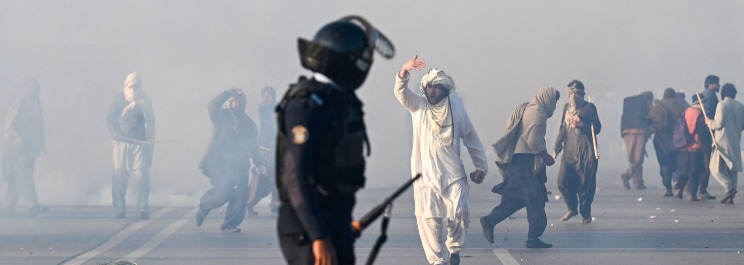
In Pakistan’s fraught political landscape, where military dominance has often operated behind a veil of civilian rule if not outrightly seizing power, a new chapter is being written. Analysts and experts describe the country’s current governance framework as a ‘hybrid system’ wherein military exerts control over the civilian executive. But, instead of resisting such entrenchment in the executive affairs of Pakistan, the country’s political class is openly celebrating the system and its own active complicitly. Its latest manifestation was witnessed in the aftermath of Pakistan Army Chief General Asim Munir’s June 2025 Washington luncheon with the US President Donald Trump where he was accorded an honour typically reserved for heads of state. Defence Minister Khawaja Asif in a recent social media post on X (formerly Twitter) hailed the so-called “hybrid model” of governance as the secret to Pakistan’s recent successes. Asif’s post was unambiguous, stating, “The revival of the economy, the defeat of India, the glorious and highly successful improvement in relations with the US” were all, according to him, made possible not by democratic governance or parliamentary mandate, but by “excellent relations between Islamabad and Rawalpindi.” This was the highest form of from the current political elite referring to not only the civilian government’s alignment with the military high command but its subservience to it. Far from being a gaffe or one-off comment, Asif’s post was emblematic of a broader trend, which is the normalization, and even celebration, of military dominance in Pakistan’s political system under the tenure of current Chief of Army Staff. Field Marshal Asim Munir, who assumed command of Pakistan’s powerful military in November 2022, has swiftly moved to expand the influence of military establishment far beyond traditional defence and security matters. During these years, Pakistani Army has reasserted itself as the ultimate arbiter of political legitimacy, economic policy, foreign affairs, and even media narratives, something that is not lost in the currently in Pakistani information space. Munir’s model of control is less about martial law and more about managed democracy, which is a façade of civilian rule where real power resides in the barracks of Rawalpindi. In contrast to some of his predecessors like General Qamar Javed Bajwa and Raheel Sharif who preferred to operate in the shadows, Munir’s approach is increasingly overt. Whether through the military’s economic arm, the ever-growing surveillance state, or the selective engineering of elections and political alliances, his footprint has growingly become unmistakable. This has been demonstrated by the much controversial 2024 general elections through brazen manipulation of the system to ensure the current government under Shehbaz Sharif takes shape. It included the use of all arms of the state, be it the election commission or judiciary, the military establishment ensured that the Pakistan Tehreek-e-Insaaf (PTI) party was restrained from partaking in elections and denying its nominees a unified platform to contest besides scores others imprisoned, disqualified on technicalities, or marginalized through media blackouts. Nevertheless, what makes this moment particularly alarming is not just the military’s overreach and dominance over civilian executive, but the political class’s enthusiastic submission to it. Instead of resisting authoritarian drift, Pakistan’s major political parties, led by ruling Pakistan Muslim League-Nawaz (PML-N), along with Pakistan People’s Party (PPP), have largely embraced it for seeking favour with the military brass in the hopes of electoral blessings or protection from legal troubles. As such, once symbols of democratic resistance, the silence of these political parties on issues of censorship, enforced disappearances, political victimization, and military trials of civilians speaks volumes. They are increasingly toeing the establishment’s line and facilitating its power grab by enabling legislative amendments. Under this arrangement, Pakistan Military (Army, Air Force and Navy) Acts have been amended to increase powers of the armed forces along with increasing the tenures of service chiefs, besides 26th constitutional amendment to undermine the country’s judiciary by tweaking the judicial appointments procedure and weaking the powers of Chief Justice of Pakistan. The most revealing indicator of this alliance is the mainstreaming of “hybrid regime”, once a derided term used by analysts and civil society to describe the country’s militarized democracy. It is now worn as a badge of honour by ruling politicians, as Khwaja Asif’s adoration highlights. That a sitting defence minister could proudly glorify military dominance over civilian executive, without fear of political backlash, signals how far democratic norms have eroded. It also glosses over the fact that Pakistan all kinds of ills, ranging from economic woes, security unravelling, and political instability, are all because of the very military establishment’s Machiavellian overreach beyond their constitutional mandate. Under Asim Munir’s command, the military has expanded its grip on key civilian institutions, including the judiciary, the Election Commission, the media, and even elements of the economic policy machinery. It can be safely argued that this so-called “hybrid model” is little more than a euphemism for authoritarianism in civilian clothes as Pakistani judiciary is being either co-opted or cowed into silence, while journalists face harassment, detention, or worse for merely questioning the prevailing order. In such a system, the military does not need to seize power as it already exercises it, via the institutions it controls. For decades, Pakistan has oscillated between overt military dictatorships and fragile democratic transitions. Each time democracy has been restored, there was hope, however faint, that the balance of power might tilt in favour of civilian supremacy. Under Field Marshal Munir, that hope appears to be vanishing fast. What distinguishes the present era is not just the military’s ambition, but the political elite’s abdication of responsibility. By cheerleading military dominance, political leaders are not just compromising democratic norms, they are legitimizing authoritarianism. And in doing so, they are narrowing the space for dissent, weakening civilian institutions, and undermining public trust in electoral processes, which are all basic indicators of a democracy. The consequences are profound. Pakistan’s economy, already struggling under the weight of inflation, debt, and a collapsing rupee, cannot recover without institutional accountability. Foreign policy, especially relations with neighbours like India and Afghanistan, requires democratic consensus, not militarized doctrine. And internal security,
The relationship between the United States and Pakistan has long been defined by convenience rather than conviction, punctuated by moments of intense cooperation followed by spells of deep mistrust. As recent developments begin to raise eyebrows, it is becoming increasingly evident that a new chapter may be unfolding—one marked not by a sincere partnership but by calculated strategic necessity. US President Donald Trump’s reported upcoming visit to Pakistan and the high-profile visit of Pakistan’s Army Chief Field Marshal Asim Munir to Washington have sent clear signals that both sides are once again exploring a tighter embrace. But what lies beneath these gestures? Is this an authentic shift or merely a transactional dance, choreographed by geopolitical compulsions? History casts a long shadow on the US-Pakistan relationship. For decades, their engagement has followed a familiar script: Washington courts Islamabad in times of need, showering it with aid and promises, only to withdraw affection when priorities shift or Pakistan’s duplicity becomes too glaring to ignore. From the Cold War to the post-9/11 era, the partnership has rarely transcended its opportunistic core. Every time the United States found itself in a regional quandary—whether it was countering Soviet expansion or hunting terrorists in Afghanistan—Pakistan presented itself as an indispensable ally. But once the urgency faded, so did the illusion of camaraderie. The present moment bears the unmistakable scent of déjà vu. The United States, preoccupied with China’s growing footprint and an increasingly complex Indo-Pacific matrix, sees value in reactivating its lines to Islamabad. Pakistan, battered economically and diplomatically isolated, is desperate to regain relevance and secure strategic patronage. It is a classic case of mutual convenience masquerading as renewed friendship. The question is not whether both countries need each other—clearly, they do—but whether this need is rooted in sustainable goals or another fleeting convergence of interests. Pakistan’s military establishment, the true power center of the country, has always been adept at selling its strategic geography. Wedged between Iran, Afghanistan, India, and China, Pakistan offers prime real estate on the geopolitical chessboard. But that geography comes with a price—one that Washington has paid before. Decades of American military and economic assistance have yielded little in terms of lasting reform or ideological alignment. Instead, the US often found itself underwriting a security apparatus that played both sides—hunting terrorists with one hand while harboring them with the other. Consider the bitter legacy of Afghanistan. While publicly siding with the US in its war on terror, Pakistan simultaneously gave sanctuary to the Taliban and other extremist elements. Osama bin Laden was discovered not in a remote cave but in Abbottabad, a stone’s throw from a Pakistani military academy. Billions in aid could not buy loyalty; it merely sustained a regime skilled in hedging its bets. The withdrawal from Afghanistan in 2021, with its chaotic final days, was a stark reminder of the cost of trusting Islamabad too easily. Now, as the Biden administration recalibrates its foreign policy priorities, and with Donald Trump potentially re-entering the global stage, the temptation to revive a working relationship with Pakistan is palpable. Trump’s anticipated visit may be billed as a diplomatic outreach, but it is likely a signal to Beijing, Delhi, and even Riyadh that Washington still sees value in Islamabad. In return, Pakistan hopes to leverage this attention to escape its pariah status and secure economic lifelines. But such maneuvering is dangerous. It rewards ambiguity and penalizes clarity. While India—America’s primary partner in the region—remains firmly in the camp of democratic values and open markets, Pakistan continues to operate in murky waters. The same military establishment now reaching out to Washington is also clamping down on democratic dissent at home. Political opponents are jailed, press freedom is strangled, and civil society remains under siege. How does the United States reconcile these facts with its professed commitment to liberal values? Furthermore, the strategic rationale is itself questionable. If the idea is to counterbalance China’s growing influence in South Asia, relying on Pakistan is a paradox. Islamabad is deeply enmeshed in Beijing’s orbit through the China-Pakistan Economic Corridor (CPEC), a flagship component of the Belt and Road Initiative. Chinese investments have tied Pakistan’s infrastructure, telecom, and energy sectors to its northern neighbor. Any US hope of peeling Pakistan away from China is not just naïve—it borders on delusional. This is not to say that engagement with Pakistan is futile. Dialogue is necessary, especially with a nuclear-armed state teetering on the edge of political and economic collapse. But engagement must be disciplined, not desperate. The US cannot afford to repeat the mistakes of the past, offering carrots without demands for real change. If Pakistan seeks legitimacy, it must earn it—not merely by allowing high-level visits or agreeing to intelligence sharing, but by taking concrete steps to dismantle extremist networks, uphold human rights, and shift its foreign policy posture from duplicity to transparency. Field Marshal Asim Munir’s visit to Washington may be seen as an opening salvo, a signal of Pakistan’s willingness to reset. But it is vital to remember that such resets have occurred before—with limited results. From Musharraf to Kayani, from Raheel Sharif to Bajwa, every military leader has spoken the language of reform and cooperation, only to revert to old habits once the checks cleared. There is no evidence yet that Munir represents a meaningful break from this tradition. His public statements may emphasize development and diplomacy, but Pakistan’s internal dynamics suggest otherwise. Ultimately, what makes this moment perilous is the global context. The United States is no longer operating in a unipolar world. Russia is resurgent, China is emboldened, and the Middle East is in flux. In such an environment, the margin for error is razor-thin. A misstep in Pakistan could alienate India, embolden militants, or simply waste resources in a dead-end alliance. Realism demands cold calculations—not nostalgia for a partnership that never truly was. The US must resist the lure of tactical engagement without strategic depth. It must demand accountability, not mere access. And it must remember that short-term alliances built

In a blow to Pakistan’s policy of employing terror as a tool of its regional policy for decades, the United States State Department on 18 July officially designated The Resistance Front (TRF) as a Foreign Terrorist Organization (FTO) and Specially Designated Global Terrorist (SDGT). This decision validates what India has long claimed that TRF is not an indigenous militant group, but a proxy for the Pakistan-based jihadi organization Lashkar-e-Toiba (LeT), which was established to cover up Pakistan’s continued patronisation of terrorism in Jammu and Kashmir. The US designation follows the ghastly April 22, 2025, Pahalgam attack in which 26 Hindu pilgrims were massacred following religio-based segregation by the terrorists. It was the worst attack on Indian civilians since the 2008 Mumbai attacks, incidentally also mounted by LeT under the broader tutelage of Pakistan’s Inter-Services Intelligence (ISI), as growing body of evidence has substantiated since. When the TRF claimed responsibility for the Pahalgam massacre, it was a grim reminder of Islamabad’s unaltered terror playbook of decades that has seen it patronise groups to mount asymmetric proxy war in Kashmir. India welcomed the U.S. move, calling it “a timely and important step reflecting the deep cooperation between India and the United States on counter-terrorism.” In a statement, the Ministry of External Affairs emphasized that “India remains committed to a policy of zero tolerance towards terrorism and will continue to work closely with its international partners to ensure that terrorist organizations and their proxies are held accountable.” A Proxy by Design The Resistance Front is not a spontaneous insurgent movement. It is a repackaged extension of LeT, launched in 2019 as global scrutiny tightened around Pakistan’s state-sponsored terror ecosystem. The Financial Action Task Force (FATF) had grey-listed Islamabad in 2018, citing its failure to clamp down on financing for groups like LeT and Jaish-e-Mohammad. Under international pressure, Pakistan sought to cloak its support to jihadist organizations in a local garb. Thus, TRF was born as the latest attempt to give LeT’s radical Islamist violence a territorial and “indigenous” facelift. Likewise, JeM also rechristened itself and created its own proxy called People’s Anti-Fascist Front (PAAF), which has also engaged in dozens of terrorist acts across Jammu and Kashmir. TRF’s rhetoric attempted to depart from the overtly Islamist discourse of LeT, presenting instead a façade of Kashmiri nationalism. But this branding exercise was superficial. Intelligence reports have consistently revealed that TRF receives logistical, operational, and financial backing from LeT leadership operating freely in Pakistan, under the tacit protection of the Pakistani state. From coordinated attacks on Indian security personnel to targeted killings of civilians, including the June 9, 2024, assault on a bus carrying Hindu pilgrims in Reasi district, TRF has steadily built a grisly record of violence across the Union Territory of J&K. Each of its violent acts have borne the unmistakable imprint of LeT’s operational style, which have been coordinated, brutal, and designed to provoke communal polarization and unrest in the region. A Victory for Indian Diplomacy That TRF’s designation as a global terrorist group has occurred even as Islamabad has been actively lobbying Washington for renewed military and financial cooperation is no coincidence. It is the result of sustained Indian diplomacy of years, particularly after the Pahalgam massacre. In its the immediate aftermath, India has undertaken a full-spectrum offensive against terrorism originating from Pakistan which includes both diplomatic, and military. On the military front, Operation Sindoor was launched on May 6/7 targeting and destroying terror launchpads and logistical hubs across the Line of Control (LoC) in Pakistan Occupied Jammu and Kashmir (POJK) and mainland Pakistan through calibrated cross-border strikes. Simultaneously, India mobilized its diplomatic repertoire to expose the role of Pakistan’s deep state in grooming and guiding terror outfits, not just in Kashmir but across the broader South Asian region. Under this, over half a dozen delegations of Members of Parliament and diplomats visited 33 countries providing irrefutable evidence of Islamabad’s culpability, including communications intercepts and intelligence dossiers, that linked TRF attacks directly to handlers based in Pakistan. The campaign specifically also targeted the members of United Nations Security Council members, both permanent and non-permanent, excluding China, which has emerged as a major shield for Pakistan at global forums over the last decade. With this decision from Washington, New Delhi has succeeded in reframing discourse on how Pakistan’s state-backed terrorist infrastructure threatens regional and global peace. Pakistan’s Duplicity Exposed Pakistan’s strategy of using jihadist groups as “strategic assets” while maintaining a veneer of plausible deniability is no longer tenable. By operating through proxy outfits like TRF and PAFF, Islamabad hoped to evade global scrutiny while continuing its decades-long covert war in Kashmir. But the U.S. designation cuts through that obfuscation. “The TRF is a Lashkar-e-Toiba front and proxy,” Secretary Rubio’s statement declared unequivocally, removing any diplomatic ambiguity. The move also comes at a time when Pakistan’s military establishment has been aggressively attempting to reset ties with Washington, offering its resources and positioning its strategic geography as a potential gateway for U.S. re-engagement in Afghanistan and Central Asia, as well as contain Iran. But the TRF designation puts Pakistan on the backfoot, reaffirming that no strategic calculus can be allowed to eclipse the imperative of countering terrorism. A Message to the Global South The U.S. move also carries implications beyond South Asia. For years, New Delhi has struggled to persuade many Global South countries, who see Pakistan as a fellow victim of terrorism, of the duplicity of its neighbour’s approach. The designation of TRF by the United States, after painstaking efforts by Indian diplomats, should mark an end to this duplicity, as this decision lends credence to New Delhi’s repeated assertions that terrorism must be addressed uniformly, not selectively. The strong condemnation of the Pahalgam massacre by BRICS a few weeks ago, where even traditionally Pakistan-friendly nations refrained from shielding it, reflects this slow but steady shift in sentiment. India has long advocated for a “no distinction” policy when it comes to terrorism, which is a stance undermined by the geopolitical calculations of major powers. But the TRF episode proves that, with
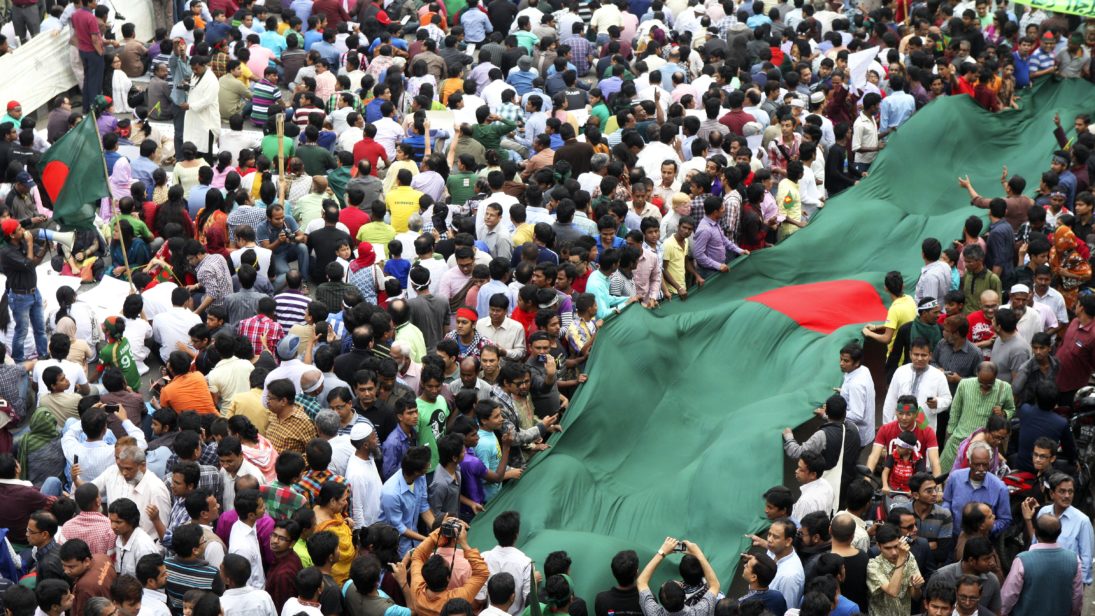
The July 2024 Uprising constituted a watershed moment in the political history of Bangladesh, precipitating significant transformations in both leadership and governance structures. In the aftermath, established political parties, along with newly emergent entities, have asserted themselves actively as opposition forces, predominantly targeting the Awami League. This development has underscored the emergence of a “new Bangladesh,” characterised by its explicit recognition and promotion of individuals and groups that have vigorously opposed the previous ruling party and its associated legacy. A salient illustration of this shift is observable in the interim government’s concerted efforts to reconfigure collective historical memory regarding the 1971 Liberation War. These initiatives have sought to reconstruct historical narratives in a manner that tends to marginalise or omit the contributions of the Awami League—most notably those of Sheikh Mujibur Rahman, who is widely recognised as Bangladesh’s founding father and principal architect of its independence. With respect to Sheikh Hasina, whose tenure concluded with her removal from office in August 2024, opposition rhetoric has advanced the prevailing assertion that her sustained electoral success was attributable to her close association with India. Immediately following the 2024 electoral outcome, a movement akin to the Maldives’ “India Out” campaign emerged within Bangladesh, advocating for a boycott of Indian commodities and alleging that India had exerted undue influence on Bangladesh’s domestic political processes to sustain Hasina’s prolonged incumbency. Her subsequent exile in New Delhi has further substantiated this discourse, lending greater credence to these claims among her critics. In the run-up to the forthcoming 13th national election, Bangladesh’s political milieu appears increasingly permeated by anti-India sentiment. Notably, this disposition is manifest not only within opposition parties but is also discernible in the interim government’s policy orientations and public actions. Following the collapse of Hasina’s administration, the dynamics of India-Bangladesh relations have undergone notable changes. The newly installed interim leadership has adopted a divergent foreign policy trajectory, deliberately creating distance from India. This realignment is exemplified by the imposition of trade restrictions on imports from India. Conversely, the interim administration has deepened its engagement with Pakistan, a state from which Bangladesh achieved independence through the violent conflict of 1971. While some Bangladeshi commentators characterise this rapprochement as a calculated diplomatic manoeuvre, they frequently overlook the fact that substantive shifts in foreign policy have largely been confined to relations with India. Domestic foreign policy experts have critiqued India’s previous strategy, contending that it disproportionately prioritised relations with the Awami League, thereby “placing all its eggs in one basket.” However, this argument tends to neglect the profound historical and cultural ties between the two nations. India was the second country after Bhutan, to recognise Bangladesh’s sovereignty in 1971, and both states retain strong affinities rooted in common histories, languages, and cultures as former territories of British India. Although it is accurate that India maintained closer relations with the Awami League-led government relative to the BNP coalition—which adopted a more adversarial stance towards India—this does not imply that bilateral relations are determined solely by partisan considerations. The two countries also share an extensive and porous frontier, which has historically given rise to challenges such as unauthorised migration, cross-border smuggling, and sporadic border disputes—issues that persist in the contemporary context. Following Sheikh Hasina’s departure from Dhaka, Bangladesh experienced significant upheaval, marked by violence against minority populations and a deterioration of law and order. Coverage of these events provoked concern in India, which recalled the influx of millions of refugees during the 1971 conflict. Nevertheless, attempts by Indian authorities to voice their apprehensions were routinely dismissed by the interim government as “fabrications” or “politically motivated narratives.” Rather than accepting responsibility for shortcomings in maintaining law and order, the interim administration has persistently sought to attribute blame to India. For instance, when the historic Dhanmondi 32 residence of Sheikh Mujibur Rahman was subjected to vandalism in February, the authorities, instead of acknowledging deficiencies in their security apparatus, alleged that India was enabling Sheikh Hasina to disseminate her messages from exile. India issued a strong diplomatic protest in response to these assertions, yet the interim leadership in Dhaka continued to evade accountability. The chief advisor to the interim government has frequently alluded to “external actors” fomenting instability in Bangladesh—implicitly referring to India—while refraining from acknowledging his own administration’s role in the prevailing disorder. This narrative strategy serves to deflect scrutiny from the government’s administrative failures and simultaneously consolidates its anti-India credentials among certain domestic constituencies. Simultaneously, various political parties, including Islamist factions, have adopted similar anti-India rhetoric in an effort to harness popular support. Islamist groups, some of which were previously marginalised or proscribed, are now openly advocating for the establishment of a Sharia-based constitution and mounting attacks on the country’s secular foundations. The interim government’s persistent silence regarding these developments has allowed such groups to consolidate their influence and propagate their ideological agenda largely unimpeded. Among the most prominent actors in this landscape is Jamaat-e-Islami, which is currently attempting to present itself as a progressive entity. Nevertheless, it continues to evade responsibility for its contentious role during the 1971 war. This organisation, along with emerging groups such as the National Citizenry Party (NCP), is actively seeking to reinterpret the narrative of the Liberation War. They propagate the erroneous claim that India’s involvement constituted interference in what was an internal Pakistani matter, and suggest that Indian intervention was the primary catalyst for the partition in 1971. Such assertions are not only historically inaccurate but also deeply disrespectful to those who sacrificed their lives for Bangladesh’s independence. Recently, the NCP attributed responsibility for the Gopalganj unrest to so-called “pro-India” factions with links to the Awami League. This incident exemplifies how anti-India rhetoric is being employed for political advantage. However, such narratives provoke a fundamental question: What incentive would India have to promote instability or disorder in Bangladesh? Given the significant security challenges India already confronts emanating from its western neighbour, Pakistan, it has little desire to see turmoil on its eastern frontier. Rather than assigning culpability to India, Bangladeshi political leaders ought to address the internal issues
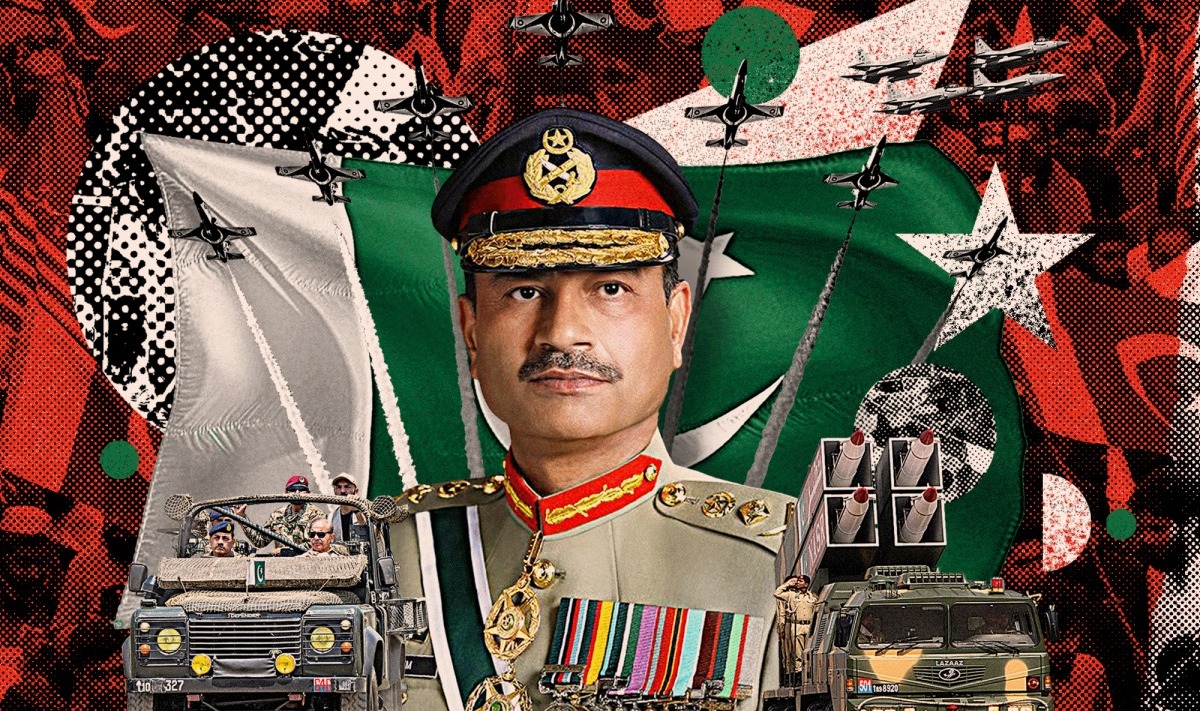
As Field Marshal Asim Munir wrapped up yet another high-profile visit to China this time, Pakistan’s indispensable “iron brother”, it carries an explicit message for both domestic and external audiences that Pakistan’s top general is not just the chief of army staff. He is the country’s de facto head of state, foreign minister, and economic strategist rolled into one uniformed figure. From Beijing to Washington, Asim Munir has emerged as Pakistan’s most visible face on the international stage. In a telling departure from past norms, where foreign policy and diplomacy were handled by civilian leaders, Munir now routinely engages heads of state and top ministers of the world’s major powers. In June, he was received in Washington with a protocol typically reserved for presidents, wherein he was hosted for a formal luncheon by President Donald Trump. His July 25 visit to Beijing was similarly instructive. He met with China’s Vice President Han Zheng, Foreign Minister Wang Yi, and the top brass of the People’s Liberation Army, covering everything from regional security to the future of the China-Pakistan Economic Corridor (CPEC), as per the statement issued by Pakistan Army’s Inter-Services Public Relations (ISPR). This outreach to Washington and Beijing, Pakistan’s most significant external “allies”, seems to have effectively supplanted the civilian government of Shehbaz Sharif in both style and substance. In both capitals, Munir is treated as the true interlocutor, highlighting how far Pakistan’s military has overreached into domains traditionally managed by elected representatives. Asim Munir’s aggressive diplomacy abroad is only one facet of a broader power consolidation at home that has pushed Pakistan into what can only be described as a military-led “hybrid authoritarianism”. Behind the civilian façade, the military establishment has pulled all institutional levers to dominate the judiciary, the economy, and the legislative process. A glaring example is the military’s grabbing of vast tracts of agricultural land in Punjab and Sindh under the guise of “national development” in 2023. Under Munir’s watch, thousands of acres of government land have been allotted to serving and retired officers for agricultural purposes, all in the name of so-called food security of the country. This wholesale land grab, facilitated by pliant bureaucracies and rubber-stamp judicial processes, is in addition to over 12 million acres of land already in the possession of armed forces. Meanwhile, the economic crisis that grips Pakistan has not spared the foreign exchange reserves, yet the military’s own financial apparatus remains untouched. The military-run business conglomerates, run under Fauji Foundation, Shaheen Foundation, Bahria Foundation and Army Welfare Trust (AWT), continue to thrive tax-free and without government oversight. At the same time, there has been a steep rise in the government defence budgetary allocations, with a 20 per cent hike in 2025, as announced in June. This has come even as social sectors like health and education face severe cuts in their annual allocations, all in the name of austerity. All of this is made possible by legal tweaks and constitutional manipulation. Laws such as Pakistan Army Act and the Official Secrets Act have been weaponized through amendments to stifle dissent. This has allowed the government to try hundreds of civilians, including opposition activists and journalists, by military courts in the aftermath of May 9, 2023, violent anti-government protests. Moreover, Asim Munir has furthered the strategic parachuting of military officers in the civilian institutions like Water and Power Development Authority (WAPDA) and National Database and Registration Agency (NADRA), among dozens of others. Such encroachment in civilian affairs ensures that the military establishment influences every lever of the country’s governance structure. This increasing opacity and unchecked power have real-world consequences. Perhaps the most damning indictment of Asim Munir’s tenure is not just the scope of his ambition, it is the cost at which it has come. Munir may go down in history as the army chief who has lost hundreds of soldiers to insurgent attacks in merely two years of his tenure. From Balochistan to the tribal hinterland of Khyber Pakhtunkhwa (KPK), Pakistani troops have come under relentless assault from a rejuvenated insurgency, especially by groups like Balochistan Liberation Army (BLA) and Tehreek-e-Taliban Pakistan (TTP). In June, over a dozen soldiers were killed in a single attack in North Waziristan, with TTP claiming responsibility. The environment in Pakistan has been made such that no one dares to raise the questions over why the army was caught so off guard as the answer lies in the misplaced priorities of its leadership. As such, intelligence failures and overstretched resources diverted toward political engineering have left the national security more and more vulnerable. Munir’s focus has clearly shifted from commanding the army to controlling the country. His preoccupation with political micromanagement, from managing elections, orchestrating defections, and installing compliant judges, has allowed militant groups to regroup and strike with impunity. The consequences of this military overreach are not abstract. Pakistan today finds itself mired in economic stagnation, political instability, and social repression. The elected government of Shehbaz Sharif of Pakistan Muslim League-Nawaz (PML-N) serves little purpose beyond legitimizing decisions made in Rawalpindi. Even the civilian cabinet has admitted, as evidenced by Defence Minister Khwaja Asif’s recent statements, that policy decisions are taken in consultation with the military establishment. This is not new in Pakistan, where the military has always been a shadow power. But under Asim Munir, the shadow has become the spotlight. Unlike his predecessors like General Qamar Bajwa, who preferred to rule from behind the scenes, Field Marshal Munir appears unashamed of his centrality. He has no qualms about attending investment conferences, briefing envoys, or commenting on fiscal policy, which are all duties that fall well outside the remit of a military officer. This overt control is compounded by an ecosystem of surveillance, censorship, and intimidation. Herein media channels have been taken off air for airing dissenting views, with scores of journalists arrested or forced into exile in the last two years. Asim Munir’s Pakistan is one where the constitution is interpreted through camouflage, where democracy is performed but not practiced, and where the price of questioning the army is,
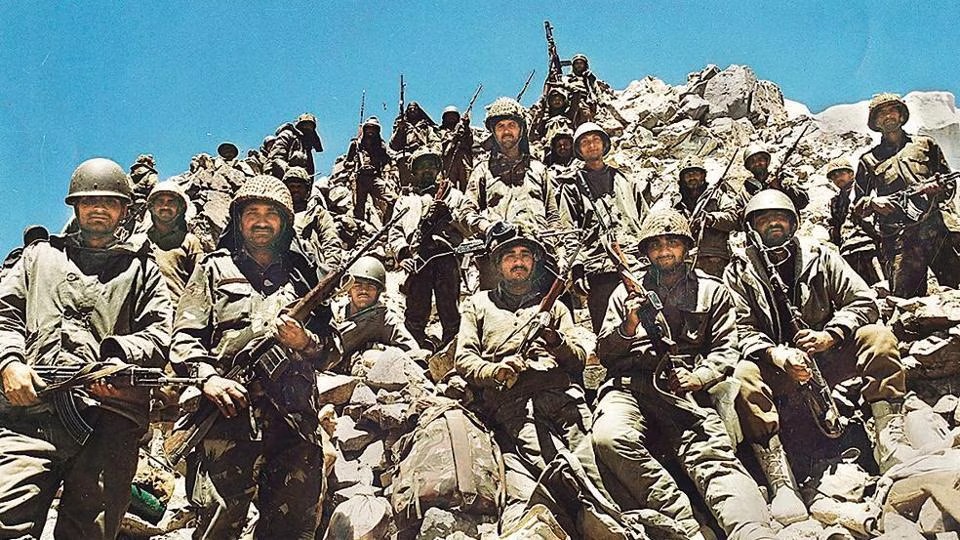
Twenty-six years ago, a bold infiltration in the Kargil region jolted the nation, as armed intruders crossed the border and occupied key high-altitude positions on India’s side of the Line of Control (LoC) in Jammu and Kashmir. Initially believed to be militants, the infiltrators were later confirmed to be part of a carefully planned covert military offensive—Operation Badr—conducted by the Pakistan Army. The objective was to secure a strategic advantage in the Kashmir region, sever India’s vital link to Siachen by cutting off Indian troops, compel their withdrawal, and ultimately facilitate the occupation of all of Kashmir. This incursion came just months after India and Pakistan had signed the historic Lahore Declaration, a bilateral agreement aimed at reducing tensions and resolving disputes through peaceful means and mutual respect for territorial sovereignty. The summer of 1999 thus marked Pakistan’s breach of this landmark accord and India’s decisive countermeasure through the launch of Operation Vijay. The Kargil War of 1999 marked the first conventional conflict between two nuclear-armed states. What distinguishes this war is its conduct at extreme altitudes, spanning a 170-kilometre stretch of the Himalayan frontier, where Indian troops contended not only with hostile forces but also with harsh environmental conditions. Operating in low-oxygen environments, Indian soldiers ascended steep, icy cliffs—ranging between 8,000 and 18,000 feet—under relentless enemy fire to dislodge opposing forces and reclaim Indian territory. This conflict was, therefore, not merely a battle against a hostile adversary, well-entrenched in fortified bunkers with weapons poised, but also a confrontation with the unforgiving forces of nature. Despite the tactical advantage held by the enemy, Indian soldiers exhibited extraordinary perseverance, selflessness, and determination, rendering this military triumph one of the most revered in the nation’s history. Victory in war is not solely determined by advanced weaponry, and the Kargil conflict serves as a definitive example. Indian troops, in fact, were not equipped with adequate mountaineering gear necessary for scaling the steep, frozen inclines. Despite these material shortcomings, they demonstrated the capacity to improvise, adapt, and overcome the obstacles before them, owing to their rigorous training in high-altitude warfare. Yet, the decisive factor in securing this victory was the spirit of camaraderie, which uplifted morale and inspired Indian soldiers to confront the entrenched enemy positions. This hard-won triumph still resonates through the words “Yeh Dil Maange More,” radioed by Captain Vikram Batra of the 13 J&K Rifles following the re-capture of Point 5140, the highest peak of Tololing. Captain Batra and his men then advanced to reclaim Point 4875 in the Mushkoh Valley, significantly shifting the momentum in India’s favour. It was here that the young officer laid down his life while attempting to save a fellow soldier from enemy fire. Beyond strategic prowess, Captain Batra embodied exceptional courage and leadership at merely 24 years of age, for which he was posthumously awarded the Param Vir Chakra, the nation’s highest military honour. Grenadier Yogendra Singh Yadav of the Ghatak platoon was merely 19 years old when he sustained at least 15 gunshot wounds from enemy fire while ascending the cliff face during the assault on Tiger Hill. Despite his severe injuries, Yadav continued to advance as the unit’s sole survivor, ultimately destroying enemy bunkers with grenades and engaging in close-quarter combat to eliminate opposing soldiers, thereby clearing the path for his platoon to reclaim the strategic heights. As the youngest recipient of the Param Vir Chakra, Yogendra Singh Yadav recounts his extraordinary feat of courage with profound humility. Others, such as Major Rajesh Singh Adhikari (18 Grenadiers), Major Vivek Gupta (2 Rajputana Rifles), and Naik Digendra Kumar (2 Rajputana Rifles), led their men along the Tololing Ridge, targeting enemy bunkers, eliminating adversaries, and facilitating troop advancement—often at the cost of their own lives. These narratives, among many others, depict valiant soldiers shielding comrades from constant enemy assault, neutralising enemy positions before succumbing to fatal injuries, and enabling the Indian Army to reclaim national territory. Their collective sacrifice and indomitable spirit define the unmatched heroism of Operation Vijay. The morale of the Indian Army received widespread public acclaim alongside robust institutional backing, standing in marked contrast to the approach adopted by its adversary. Pakistan’s Operation Badr was reportedly conceived in secrecy by a select group of senior military generals, excluding the Nawaz Sharif-led civilian government from the planning process. This not only compromised Pakistan’s democratic framework but also laid bare the entrenched influence of the country’s deep state. The covert nature of the operation and subsequent diplomatic isolation led to severe embarrassment for Pakistan’s civilian leadership, which initially denied the involvement of regular Pakistani troops in Kargil, portraying the infiltrators as ‘mujahideen’. Even after confirmation of identities of deceased Pakistani soldiers, the government refused to claim their bodies, keeping their families uninformed. It was Indian soldiers who performed the burials of many Pakistani troops with full military honours, accompanied by Muslim clerics conducting rites in accordance with Islamic customs. Notably, the body of Pakistani Captain Karnal Sher Khan was returned with a letter from Indian Brigadier M.P.S. Bajwa, commending Sher Khan’s courage and urging Pakistan to bestow military recognition. Although belated, Captain Sher Khan was posthumously awarded Pakistan’s highest military decoration—the Nishan-e-Haider. Twenty-five years later, the Pakistan Army formally acknowledged its involvement in the Kargil conflict, with former Prime Minister Nawaz Sharif publicly conceding the strategic misjudgement. The Indian Army’s hoisting of the tricolour atop Tiger Hill on 4 July 1999—overlooking National Highway 1D, the vital lifeline of Ladakh—following its recapture from Pakistani forces, endures as a powerful emblem of national sovereignty, safeguarded by the unwavering dedication of Indian soldiers. It continues to stand as a profound symbol of territorial integrity, preserved through the courage and sacrifice of Indian troops. As the nation commemorates Kargil Vijay Diwas on 26 July, it is a moment to honour those who laid down their lives in defence of every inch of our homeland, as well as those who continue to uphold the national flag with unwavering pride.
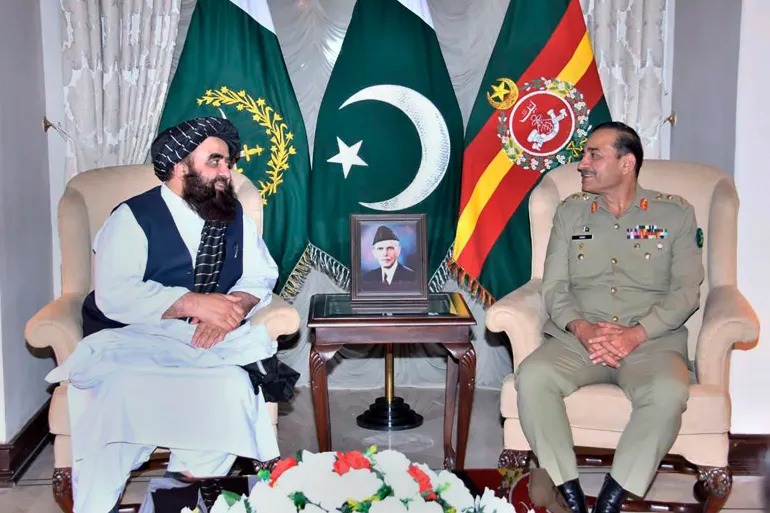
The Tehrik-i-Taliban Pakistan (TTP) today epitomises the unintended consequences of Pakistan’s own strategic miscalculations — a Frankenstein’s monster birthed by the very establishment that once nurtured it as a supposed asset. For years, the Pakistani military establishment has engaged in the perilous tactic of fostering militant proxies, under the mistaken belief that such forces could be wielded with precision and control. The TTP is a direct outcome of this approach — conceived within the shadows of domestic power plays and geopolitical strategies, only to evolve into a force that now torments its originators. This is not a narrative shaped by external actors or foreign agendas, but one firmly grounded in Pakistan’s internal policies, particularly the militarisation of the Khyber Pakhtunkhwa (KPK) province and the consistent marginalisation of the Pashtun community. At the core of this destructive trajectory lies the military’s entrenched reliance on coercion over governance in managing the tribal regions. In the wake of 9/11 and Pakistan’s alignment with the United States in the war on terror, the tribal belt — especially South and North Waziristan — became a battleground of competing interests. The Pakistani military, balancing international expectations with domestic imperatives, initiated a series of operations across the tribal zones. What started as a mission to eliminate foreign militants rapidly expanded to include local tribes, most notably the Mehsud — the very community from which the TTP would ultimately arise. The military’s strategy was blunt and indiscriminate. Entire villages were displaced, with little distinction made between suspected militants and civilians, as the region underwent intense militarisation. Daily life for the Pashtun population became dominated by curfews, checkpoints, and constant surveillance. The Mehsud tribe, in particular, bore the brunt of these operations, enduring severe hardship and loss. The military’s incursion into their lands, homes, and way of life sowed deep-seated resentment. Within this climate of humiliation and forced displacement, the TTP found both a steady stream of recruits and a rationale for its existence. It presented itself as a guardian of Pashtun honour, even as it perpetrated horrific acts of violence against both civilians and the state. A significant parallel in this pattern of radicalisation was the 2007 Lal Masjid incident in Islamabad. What began as a confrontation between the state and a radical Islamist faction escalated into a full-scale military operation, resulting in the deaths of numerous students, including young girls. The operation’s brutality, widely broadcast and sensationalised, had a profound impact across conservative and tribal areas of Pakistan, intensifying anti-state feelings. For many, especially among the Pashtun population, it exemplified the duplicity of a state that had long enabled religious extremism when advantageous, only to crush it with force once it posed a threat to the capital’s stability. This contradictory stance further entrenched the perception that the Pakistani state regarded its peripheral regions — particularly Pashtun communities — as disposable. Complex Calculations Shape Pakistan-TTP Negotiations The treatment of the large-scale displacement of Pashtuns during and after military operations starkly illustrates the state’s profound indifference towards the community. Millions were uprooted from the Federally Administered Tribal Areas (FATA) and surrounding regions, only to encounter neglect and suspicion in urban centres such as Peshawar and Karachi. Refugee camps were overcrowded, underfunded, and lacked even basic provisions. The displaced were frequently regarded as second-class citizens. Rather than support and reintegration, they were met with poverty, constant surveillance, and routine profiling by police and intelligence agencies. For many young Pashtuns — already suffering from trauma and anger — the TTP offered not just vengeance, but a sense of identity and belonging. This systemic exclusion was not merely a bureaucratic failure, but a manifestation of deeper cultural and political biases. For decades, dominant national narratives — largely shaped by Punjab-centric perspectives — have stereotyped Pashtuns as primitive, uncivilised, and innately violent. Such dehumanisation served dual aims: it legitimised the aggressive militarisation of Pashtun regions and deflected attention from their political demands. In textbooks, mainstream media, and public discourse, Pashtuns were seldom depicted as integral contributors to the nation — instead, they were constructed as ‘others’, romanticised as valiant fighters when useful, and vilified as security threats when expedient. This cultural mischaracterisation has carried significant political ramifications. It fostered a deep distrust between the Pashtun population and the state — a void the TTP was quick to exploit. By presenting itself as the champion of the oppressed and the avenger of injustices, it garnered sympathy and support from a community that felt consistently marginalised and mistreated. The state’s unwillingness to engage with genuine Pashtun concerns — including demands for political inclusion, equitable resource distribution, and fundamental rights — only widened the divide. The rise of movements such as the Pashtun Tahafuz Movement (PTM) is a clear manifestation of this estrangement, as is the state’s heavy-handed repression of it. Ironically, despite PTM’s emphasis on nonviolence and democratic reform, the state has often regarded it with greater suspicion than the TTP — revealing its confused and contradictory approach to Pashtun dissent. The TTP, in many respects, represents the consequence of the establishment’s flawed policy of distinguishing between “good Taliban” and “bad Taliban” — a dichotomy more relevant in strategic deliberations than in real-world outcomes. During the early phases of Pakistan’s involvement in the Afghan jihad, military and intelligence agencies provided support to militant actors, including those from the tribal belt, in efforts to project influence into Afghanistan and counter India. This patronage persisted beyond 9/11, with certain factions shielded or permitted to operate in anticipation that they could still serve strategic objectives. However, these entities — particularly the TTP — soon evolved independent agendas, shaped by radical ideology, tribal traditions, and a desire for retribution. The creation had developed a mind of its own. Today, the TTP has redirected its violence inward, targeting the very military convoys that may once have harboured its founders. It assaults outposts, police stations, and civilian targets across Khyber Pakhtunkhwa and beyond. Despite repeated declarations of its defeat, the group has consistently demonstrated a disturbing ability to regroup —
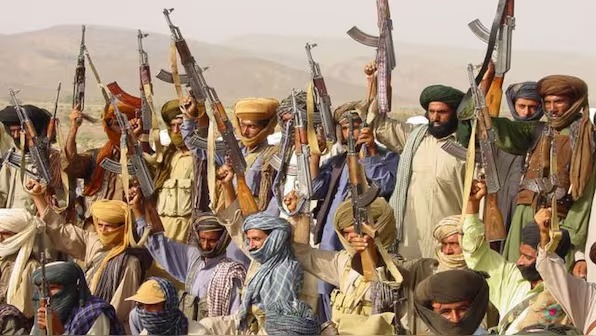
In Balochistan, Pakistan’s largest yet most marginalized province, a grim pattern has become all too familiar wherein buses are stopped, passengers segregated, and innocent civilians. The victims are often chosen based on ethnicity or government association before being executed in cold blood. On July 10, 2025, nine such passengers were killed by suspected Baloch insurgents in the Zhob and Loralai districts of Balochistan. It was initially claimed by Baloch Liberation Front (BLF), one of the oldest insurgent groups in Balochistan. It may be noted that several Baloch separatist outfits have escalated their insurgent campaign against the Pakistani state in recent years. This attack is just one in a series of chilling episodes that have rocked the country’s fragile internal security landscape. It is merely three months from the hijacking of the Jaffar Express train by Baloch insurgents, which was seen as a blow to the military-led security establishment. It not only as an operational embarrassment for the Pakistani military but also as a stark reminder the state is not in control, at least not here. Because, here the Baloch insurgents struck not just at state infrastructure, but also at the very mythology of control cultivated by Pakistan’s powerful military over decades, signally Pakistan slipping back into a state of internal chaos. These incidents point to an uncomfortable truth that the security in Pakistan is unravelling with the country’s periphery, particularly Balochistan, bearing its brunt. According to a July 12 report by the Pakistan Institute for Conflict and Security Studies (PICSS), between July 4 and 10 alone, there were at least 27 instances of insurgent or militant violence, which led to 24 fatalities and more than three dozen injuries. It further highlighted that although the violence was widespread across the country, a disproportionately high number of violent incidents took place in Balochistan and Khyber Pakhtunkhwa (KPK), two areas that have long been neglected by the federal government and have endured Pakistan’s militarized governance for decades. These two provinces have emerged as significant security challenges for the military establishment. Take the case of Balochistan. This resource-rich but with historical experience of continued political disenfranchisement has been simmering with resentment for decades. That resentment, once localized and fragmented, has in recent years transformed into a more coordinated and high-profile insurgency. Armed Baloch groups led by Baloch Liberation Army (BLA) have increasingly targeted not just state security installations and personnel and civilians presumed to be working for the state (collaborators)but also Chinese nationals working on infrastructure projects. For much of its post-colonial existence, Pakistan has treated Balochistan with a mixture of indifference and coercion. Although the province constitutes nearly 44% of the country’s landmass and holds vast reserves of natural gas, coal, and minerals, it remains the least developed and most underrepresented region in national politics. Protest in Balochistan as people demand justice amid rising terror This neglect is not accidental but a structural. It is rooted in how Islamabad’s successive military dominated governments have viewed Balochistan through a narrow security lens. Instead of investing on integrating the local population into national political or economic frameworks, this militarized governance structure has a history of building garrisons and intelligence networks to rule the province with an Iron fist. As such, social sectors like education remain abysmal and infrastructure underdeveloped with scare avenues of employment for the locals. Such an approach has result in a deepening alienation, especially among the Baloch youth, many of whom now see insurgency not as extremism but as resistance. For many of them, the Pakistani state behaves in an imperialistic manner, interested in extracting provincial resources, while silencing local dissent. While Balochistan remains the epicentre of anti-state violence, Khyber Pakhtunkhwa, especially its tribal hinterland, continues to be affected by heightened Islamist militancy. The reconstitution of Tehrik-i-Taliban Pakistan (TTP) and the regrouping of splinter jihadist factions have brought fresh violence to the region, including blowback militancy from groups once patronised by the military establishment. For instance, on June 28, at least 13 Pakistan army soldiers killed and a dozen others injured in a car bombing attack by TTP in North Waziristan district. While Islamabad has attempted to engage Pakistan Taliban, in what many described as mainstreaming process, it has failed to reign in the group which has upped its ante. Pakistan’s worsening internal security is rooted in a doctrinal failure of Pakistan’s most powerful institution: the military. For decades, the Pakistan Army has acted as the ultimate arbiter of national stability. It has been the kingmaker in Islamabad, directed foreign policy, and controlled internal security operations. But its strategic approach has often leaned heavily on tactical repression and short-term deals with militant proxies, many of whom have eventually turned rogue. Rather than pursuing an inclusive governance regime in the peripheries, the military often resorts to “shock and awe” operations, arbitrary detentions, and enforced disappearances, a feature of its (mis)conduct in Balochistan. This may have bought the military some time through temporary lulls in violence, it really has not shifted the root causes of unrest, which are political disenfranchisement, ethnic exclusion, and socioeconomic neglect. Moreover, the Army has gotten dirtier with time and politics, and in so doing has reduced its legitimacy at least in part. Its role in propping up so-called hybrid regimes in Islamabad is one example. It is no longer seen as an independent force for good; it is considered a player on the bad side. It is not merely a security failure that Pakistan is suffering today, rather it is a breakdown of the very social contract, if at all there existed one for the peripheries. When sections of the population feel excluded from political processes, denied economic opportunity, and in fact singled out by the very state that should protect them, insurgency begins to seem not merely possible, but inevitable. Pakistani rulers would do better for the country by acknowledging what is happening across Balochistan and KPK cannot be vanquished through military operations. Nor can it be whitewashed by official narratives of “external sabotage” or “foreign conspiracies,” something that has become a too convenient
When 26 civilians were massacred in Pahalgam tourist spot of Kashmir on April 22, 2025, it sent immediate shockwaves across India. But what has followed since may mark a turning point in how the world, particularly the Global South, responds to terrorism, particularly when it comes to state-sponsored acts of it. For decades, India has sounded the alarm about Pakistan’s use of terrorism as an instrument of state policy, especially in Jammu and Kashmir. And quite often, its warnings were met with scepticism, diluted in diplomatic language, or lost in the geopolitical noise of the broader South Asian region. But the brutality of the Pahalgam attack, and the growing body of evidence linking the perpetrators to Pakistan-based groups, along with shifting geopolitical dynamics seems to have brought a considerable change in that conversation. More significantly, India’s response this time was also swift and multipronged. Under Operation Sindoor on May 6-7, it launched a precise and calibrated military retaliation targeting terror infrastructure across the Line of Control (LoC) in Pakistan Occupied Jammu and Kashmir (POJK) and mainland Pakistan. The military operation was accompanied by its diplomatic offensive, which has been very methodical and effective as the changing discourse about terrorism reflects. The culmination of these efforts was on full display at the 2025 BRICS+ Summit in Rio de Janeiro, Brazil, where the Global South bloc issued an unambiguous condemnation of a terror attack in Jammu and Kashmir, naming both the incident and its nature, which is remarkable. The BRICS+ declaration stated it “condemned in the strongest terms the terrorist attack in Jammu and Kashmir on April 22, 2025, during which 26 people were killed and many more injured,” and reaffirmed a collective commitment to fighting terrorism “in all its forms and manifestations, including the cross-border movement of terrorists, terrorism financing and safe havens.” This was not just diplomatic cliché and marks a quiet but significant pivot in the emerging world order where the Global South bloc is finally calling out double standards on terrorism, and doing so with rare unanimity. A Shift in Global Norms The Global South has long been a theatre of conflicting narratives when it comes to terrorism. While Western powers often dominate the discourse around extremism, violence in the Global South, whether in South Asia, West Asia, Southeast Asia, or African continent, has received a more selective treatment. However, that seems to be now changing. India’s diplomatic campaign, strengthened by real-time evidence and growing solidarity among peer economies, is spotlighting how selective empathy and geopolitical hedging allow state-backed terror proxies to thrive. The BRICS+ statement, endorsed even by countries like China, which shares close strategic partnership with Pakistan, signals that this silence may no longer be tenable in the long run. Indeed, the real headline from Rio wasn’t just that the Pahalgam attack was condemned. It was that China did not block the language of the declaration. This is significant given the depth of China-Pakistan strategic cooperation, especially under the China-Pakistan Economic Corridor (CPEC) framework, and Beijing’s long-standing practice of shielding Pakistani entities and terrorists like Masood Azhar from censure in global forums such as the UN Security Council (UNSC). Moreover, as per multiple independent assessments, Pakistan is heavily dependent on Chinese-origin military equipment whose share has grown over 80 percent of its conventional arsenal. Therefore, for China to allow a declaration that highlights cross-border terrorism, which may be a veiled but yet has an unmistakable reference to Pakistan, is nothing short of a diplomatic milestone for India. The Growing Evidence of Pakistan’s Terror sponsorship India’s case against Pakistan is no longer just about moral outrage. It is now substantiated by tangible, corroborated evidence that paints a picture of systemic complicity. According to Indian intelligence reports shared with international partners, including with the UNSC’s 1267 Sanctions Committee, in the aftermath of the Pahalgam massacre, the attackers belonged to a faction of The Resistance Front (TRF), which is a proxy outfit widely recognized as a rebranded arm of Pakistan sponsored terrorist group Lashkar-e-Taiba (LeT). Both LeT and its affiliate networks have long enjoyed safe havens in Pakistan, with little meaningful action taken against their leadership despite international pressure and FATF conditions. For years, Pakistan has relied on plausible deniability, labelling these groups as “non-state actors” beyond its control. But that narrative is wearing thin, particularly when attacks like Pahalgam are followed by the same tell-tale signs: trained cadres, sophisticated arms, and ideological alignment with Pakistan’s strategic calculus on Kashmir. The BRICS+ Moment The BRICS+ platform, which originally established by Brazil, Russia, India, China, and then South Africa and has now expanded to include key economies such as Egypt, Ethiopia, Iran, and the UAE, is increasingly seen as the voice of the Global South. It provides a forum for new powers to voice their concerns free from the historical constraints of Cold War dichotomies or Western alliances. The Rio summit’s declaration on terrorism suggests that member states are no longer willing to overlook threats that destabilize their regions in favour of transactional diplomacy. For countries like Brazil and South Africa, which have dealt with their own home-grown security challenges, there is growing realization that impunity for terrorism anywhere poses risks everywhere. India’s persistent framing of Pakistan’s terror infrastructure not as a bilateral grievance but as a global security issue seems to be gaining traction. New Delhi’s argument is simple: if terrorism financed, trained, and directed from across borders is tolerated in Kashmir, it sets a precedent that could embolden similar actors in Africa, Latin America, and Southeast Asia. Reframing the Global South The BRICS+ condemnation also highlights a deeper shift in Global South’s readiness to define its own red lines rather than outsourcing them to the geopolitical West. For decades, countries like India have been expected to toe the line of major powers when it came to defining security threats, be it in the West Asia, Central Asia, or elsewhere. But now, the Global South is building a consensus that its security interests are not derivative, rather they are primary. This is especially

In a region long afflicted by insurgency and instability, Pakistan’s military establishment has emerged not merely as a participant, but as a principal architect in the deliberate orchestration and international projection of terrorism. Far from being a collateral consequence of geopolitical upheaval, Pakistan’s facilitation of terrorism is a calculated, institutionalised component of its strategic doctrine—an enduring pillar of statecraft. From sheltering global jihadist organisations to now allegedly utilising ISIS to target both the Afghan Taliban and Baloch rebels, Pakistan’s military-intelligence complex has evolved proxy warfare into a systemic geopolitical instrument. Recent intelligence assessments from Afghan and Western security officials highlight a deeply unsettling trend: factions within Pakistan’s Inter-Services Intelligence (ISI) are reportedly enabling elements of the Islamic State-Khorasan Province (ISIS-K) to undermine the Taliban regime. Since the Taliban’s reassertion of power in 2021, relations with Islamabad have deteriorated—primarily over disputes concerning the Durand Line and the Taliban’s sheltering of Tehrik-i-Taliban Pakistan (TTP) operatives. In response, Pakistan appears to be recalibrating its approach—weaponising ISIS-K to destabilise Taliban rule and re-establish influence in Kabul. This is not a product of conjecture. A series of ISIS-K attacks against Taliban figures and Afghanistan’s Shia minorities have reportedly been linked to training centres and safe zones within Pakistan’s Khyber Pakhtunkhwa and Balochistan provinces. Afghan intelligence authorities have consistently accused the ISI of facilitating the logistical operations of ISIS-K, enabling cross-border movements, and covertly supporting actors opposed to Taliban authority. The Taliban government itself has issued public statements alleging that ISIS operatives infiltrating their territory do so with the backing of foreign intelligence agencies—an implicit reference to Pakistan. Simultaneously, Balochistan remains engulfed in a protracted and brutal conflict. The Baloch rebellion, driven by long-standing economic marginalisation and violent repression, has intensified in recent years. Yet, rather than addressing these deep-rooted grievances, the Pakistani military has responded with increased militarisation and a particularly disturbing tactic: deploying jihadist groups, including Lashkar-e-Jhangvi and militants linked to ISIS, against secular Baloch nationalist leaders. In numerous instances, Baloch activists and combatants have been assassinated or abducted by groups publicly aligned with ISIS, only for subsequent intelligence to expose their connections to ISI operatives through intercepted communications and insider testimonies. The manipulation is systematic. By deploying jihadist proxies, the Pakistani military achieves plausible deniability, evades international censure, and delegitimises the Baloch movement by associating it with religious extremism. This strategy is not novel—it is an extension of a doctrine that has been honed for over forty years. During the 1980s, Pakistan’s military and the ISI constructed a vast proxy network of extremist groups to project influence, acquire strategic depth, and suppress domestic dissent. The U.S.-backed jihad against the Soviet Union in Afghanistan served as the prototype. Billions in American and Saudi funds were channelled through the ISI to support mujahideen fighters—many of whom later evolved into the Taliban and al-Qaeda. This infrastructure did not dissipate with the end of the Cold War; it was repurposed. In Indian-administered Kashmir, the ISI actively cultivated groups such as Lashkar-e-Taiba (LeT) and Jaish-e-Mohammed (JeM), responsible for some of the most egregious terrorist incidents in India, including the 2001 Indian Parliament attack and the 2008 Mumbai massacre. Hafiz Saeed, founder of LeT and designated a global terrorist by the UN and the U.S., has operated openly within Pakistan for years, organising mass rallies and running charitable fronts that double as recruitment hubs. The scale of this state-terrorism nexus is staggering. A 2023 Financial Action Task Force (FATF) report observed that Pakistan still harbours more than 40 UN-designated terrorist entities, many of which continue to enjoy unimpeded movement, fundraising capacity, and operational latitude. Islamabad has made surface-level arrests and account freezes to avoid sanctions, yet its deeper strategic sponsorship remains untouched. This duality—supporting terrorism while simultaneously portraying itself as a victim—has become Pakistan’s geopolitical hallmark. Domestically, Islamist groups are weaponised to suppress dissenting journalists, intellectuals, and minority communities. On the international stage, terrorism is wielded as a tool of state influence. Whether confronting the Taliban in Kabul, fomenting unrest in Kashmir, or directing ISIS-linked operations in Balochistan, the ISI’s unseen influence is a constant. Global counterterrorism efforts have failed to dismantle this duplicity. Osama bin Laden’s presence mere kilometres from Pakistan’s premier military academy in Abbottabad starkly revealed Islamabad’s lack of sincerity in combating terrorism. This pattern persists, evident in the state’s bifurcation between “bad terrorists” (who attack Pakistan) and “good terrorists” (who serve strategic interests). What renders this strategy especially perilous in 2025 is the shifting geopolitical landscape. With China deepening its regional engagement via the China-Pakistan Economic Corridor (CPEC), Beijing is increasingly alarmed by the instability in Balochistan. Yet, rather than curtail militant violence, Pakistan’s military has escalated its reliance on extremist proxies to suppress opposition and secure Chinese investments—transforming CPEC into a corridor shadowed by systemic violence. The global community must cease its indulgence of Pakistan’s duplicitous stance on terrorism. The military’s entrenchment of terror as a tool of foreign and domestic policy has rendered South Asia a continual theatre of conflict, with reverberations reaching as far as Europe and North America. Continued Western support—whether in the form of aid, weaponry, or diplomatic concessions—only serves to embolden Pakistan’s militarised deep state. Pakistan is not a casualty of terrorism—it is among its principal architects. Unless the international community acknowledges this reality and responds with decisive measures—targeted sanctions, terror designations, and a withdrawal of support—the region will remain hostage to a military that thrives in ambiguity, playing a lethal double game at immense human cost.
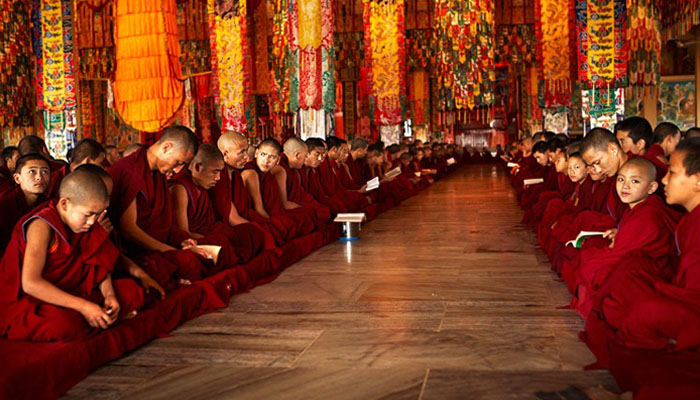
The town of Dharamshala in India’s Himachal Pradesh is bustling with celebration and anticipation as the 14th Dalai Lama is set to turn 90 on July 6. Although as the spiritual and political head of Tibetan Buddhism, the Dalai Lama’s birthday is in itself a hugely significant event, this time, it holds far-reaching importance as His Holiness is expected to share details of his successor. This is not just going to be a spiritually or religiously loaded revelation, but something that the future of the Tibetan people, who have been resisting Chinese control for decades, depends on. Since the Dalai Lama’s exile into India in 1959, along with thousands of others, in the wake of the Chinese occupation of the Tibetan plateau, he has emerged as a globally recognized and revered embodiment of Tibetan resistance, cultural distinction, and humanitarian values. A Nobel laureate, the Dalai Lama or Tenzin Gyatso was born as Lhamo Dhondup in 1935 in northeastern Tibet, and in two years, he was identified by sacred religious search parties as the incarnation of the 13th Dalai Lama. This is a centuries-old practice within Tibetan Buddhism wherein the reincarnation of top spiritual leaders is decided after their death based on visions and signs interpreted by senior Lamas. This process could take years, resulting in a spiritual and political vacuum of leadership during that time. However, the current Dalai Lama has made a few critical departures in this tradition- firstly, he has suggested that he might give indications regarding his successor while he is alive, a method known as ‘emanation’, and secondly, in his March 2025 book Voice for the Voiceless, he has stated, “Since the purpose of a reincarnation is to carry on the work of the predecessor, the new Dalai Lama will be born in the free world.” By ‘free world’, he is suggesting that his successor will be found outside China, which again, is a divergence from convention. The reasons behind these deviations have to do with the relentless and overwhelming Chinese interference and suppression of Tibetan cultural traditions. The Chinese state, which officially identifies as atheist, has repeatedly declared that it reserves the right to decide on the Dalai Lama’s reincarnation, a practice that it claims to trace to imperial China under the Qing dynasty. To that end, the CCP wants to determine the next Tibetan Buddhist leader through the ‘golden urn’ process (wherein the names of all possible reincarnations are drawn from a golden urn) and to preside over it, it has convened a committee comprising government-selected Tibetan monks and CCP officials. This is, in no way, the first time that the CCP has attempted to directly intervene in Tibetan Buddhist affairs. In Tibetan Buddhism, the second highest spiritual seat is accorded to the Panchen Lama, who also plays a crucial role in identifying the Dalai Lama’s reincarnation. In 1995, the current Dalai Lama named the 6-year-old Gedhun Choekyi Nyima as the reincarnated Panchen Lama. Within days of the announcement, the boy and his family were abducted, never to be seen again, while the Chinese state propped up their own Panchen Lama, who parrots the party line and endorses Beijing’s sovereignty over Tibet. Therefore, the vital significance of the Panchen Lama in deciding the succession of the Dalai Lama was a chief motivation for the CCP to intercept this seat, which raises anxieties about the future of the figure of the Dalai Lama itself. As the Dalai Lama gets older, the apprehension that there might be two Dalai Lamas, one based on suggestions by the current Dalai Lama and another, projected by the CCP, becomes more and more severe. Despite the Dalai Lama’s repeated assertion of fighting for Tibetan autonomy through peaceful means, as opposed to separatism, the CCP has always painted him as a violent secessionist and a threat to Chinese nationhood. As early as 1996, China formally prohibited the display and possession of the Dalai Lama’s images in Tibet, construing it as solidarity with Tibetan secessionism. Over the years, China has intensified its efforts at reshaping Tibetan society, severing the next generation from their language, culture, ways of life, and most importantly, aspiration for autonomy. From uprooting thousands of Tibetans by forcefully relocating their villages, to separating around one million Tibetan children from their families and coercing them into mandatory residential schools designed for their assimilation into the majority Han culture, the CCP has been bent on the cultural and demographic restructuring of Tibet. In fact, since 2023, China has begun referring to Tibet as the ‘Xizang Autonomous Region’ in all official communications, demonstrating its fixation on the cultural erasure of the Tibetan identity. From this perspective, the Dalai Lama’s 90th birthday, around which he is expected to reveal details on his spiritual inheritance, goes far beyond being an event of spiritual/religious significance, but a critical determinant of regional geopolitics and the direction of the Tibetan movement. As thousands of Tibetans, representatives of several other faiths, celebrated figures such as Richard Gere, and big political names congregate in Dharamshala, all eyes will be on the Dalai Lama or “the protector of the Land of Snows”, as he is hailed by his followers. The world will listen carefully as his words will shape one of the most resilient, enduring, and inspiring struggles of our times.
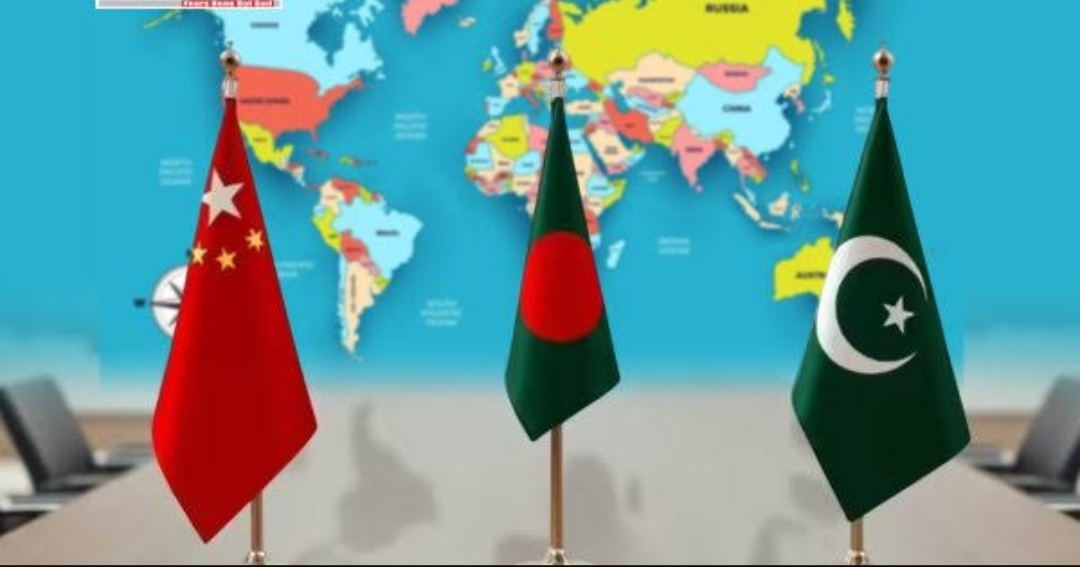
Since the displacement of Bangladesh’s long-standing Prime Minister Sheikh Hasina in August 2024, the geopolitical landscape of South Asia has undergone significant transformation. Hasina, who previously served as a strategic ally to India while simultaneously managing diplomatic engagement with China, departed from office leaving a nation grappling with economic adversity and political fragmentation. This context appears to have instigated a reassessment of core tenets of her foreign policy legacy. The trilateral summit held on 19 June in Kunming, China—involving representatives from Pakistan, Bangladesh, and China—has precipitated renewed scrutiny of shifting regional alliances and their ramifications for both regional stability and security, as well as for India’s strategic position. Nevertheless, amid optimistic assessments foregrounding the consolidation of cooperation among these three actors, several pivotal concerns remain under-examined. Notably, these include China’s ostensibly benign yet strategically motivated economic diplomacy and the persistence of proxy terrorism sustained through the China-Pakistan nexus, both of which warrant critical scholarly attention. The Kunming trilateral discussions, convened in conjunction with the 9th China–South Asia Exposition and the 6th China–South Asia Cooperation Forum, saw the participation of Chinese Vice Minister of Foreign Affairs Sun Weidong, Pakistani Additional Secretary (Asia-Pacific) Imran Ahmed Siddiqui—with Foreign Secretary Amna Baloch attending virtually—and Bangladeshi Foreign Secretary Md. Ruhul Alam Siddique. The meeting resulted in a joint commitment to advance cooperation in several critical sectors, including industrial and commercial development, maritime affairs, water resource management and climate adaptation, agricultural innovation, and youth engagement. The Chinese delegation’s official statement underscored the guiding principles of “good-neighbourliness, reciprocal trust, equality, openness, inclusivity, and shared progress” as central to the evolving partnership. Both Pakistan and Bangladesh have increasingly embraced China’s Belt and Road Initiative (BRI), widely interpreted as a strategy by Beijing to establish a strategic perimeter around India. Over the past decade, China has become a leading development partner for Bangladesh, channelling substantial investments into a diverse portfolio of infrastructure projects, encompassing port facilities, power generation, and connectivity enhancements such as highways, bridges, and tunnels. Notable examples include the Padma Bridge Rail Link, the Karnaphuli River Tunnel, the Payra Port Development, and the Dhaka Elevated Expressway. To date, Bangladesh has maintained a cautious stance, avoiding excessive dependence on the People’s Republic of China and thereby sidestepping the so-called ‘debt-trap diplomacy’ that has ensnared countries like Sri Lanka. Nevertheless, under the new leadership, there are indications of a shift away from the previous prioritisation of India in strategic matters, as historically advocated by Hasina and the Awami League, and towards a more receptive posture regarding Chinese involvement. In March of this year, Muhammad Yunus, Chief Adviser to the Interim Government, signalled openness to Chinese participation in the Teesta River Comprehensive Management and Restoration Project. Additionally, both nations are reportedly negotiating collaboration on the Lalmonirhat Airbase, situated less than 150 kilometres from the Siliguri Corridor. Such developments not only heighten India’s security concerns but also, given the new administration’s strategic miscalculations, risk compromising Bangladesh’s sovereignty—a pattern consistent with established Chinese foreign policy tactics. Pakistan’s persistent instrumentalisation of proxy militant networks for strategic objectives is well-documented. Prior to Bangladeshi independence in 1971, Pakistan facilitated the sheltering, training, and arming of insurgent factions operating in India’s northeast from East Pakistani (now Bangladeshi) territory. Under Sheikh Hasina’s leadership, Bangladesh implemented decisive counter-terrorism measures, dismantling such groups operating within its borders and extraditing numerous militant leaders to India. Presently, China—as the primary supplier of military equipment to both Pakistan and Bangladesh, while also providing critical economic support to Pakistan—has emerged as an essential enabler for Pakistan’s sustained proxy-terror infrastructure. Documented instances exist where Chinese telecommunications equipment, ostensibly designated for Pakistani military use, has been confiscated from terrorists in Jammu and Kashmir. This empirical evidence underscores a concerning China-Pakistan nexus actively contributing to regional destabilisation through asymmetric warfare tactics. India’s cautious monitoring of Bangladesh’s diplomatic realignment is contextually justified, given their shared 4,000-kilometre border—the world’s fifth-longest terrestrial boundary—and critical bilateral economic and security interdependencies. This vigilance intensifies as Bangladesh cultivates warmer relations with India’s strategic adversaries, Pakistan and China, particularly following India’s recent experience of another significant terrorist attack in Kashmir with established Pakistani linkages. Bangladesh’s deepening alignment with actors demonstrably associated with economic entrapment strategies or the facilitation of proxy terrorism for geopolitical objectives presents legitimate concerns. Such developments jeopardise not only India’s security calculus but also the broader regional stability and security architecture. While the evolving regional dynamics warrant close observation, Bangladesh continues to acknowledge the significance of India for its economic, political, and strategic interests. Notably, when China and Pakistan suggested the formation of a trilateral working group, Bangladesh opted to reject the proposal. Moreover, the country’s foreign affairs adviser clarified, a week after the Kunming meeting, that the gathering did not signify an alliance and was not directed against any third party—a statement made in response to queries concerning India. This underscores that, despite the cooling of relations with India since Sheikh Hasina’s removal, Bangladesh remains acutely aware of its profound reliance on its neighbour. In this context, although the trilateral engagement with China and Pakistan marks a shift in diplomatic posture, Bangladesh’s restrained approach indicates that it is not prepared to relinquish its foundational relationship with India. The coming months will prove crucial in determining whether such balancing endures or gives way to a realignment that could potentially alter South Asia’s strategic landscape.
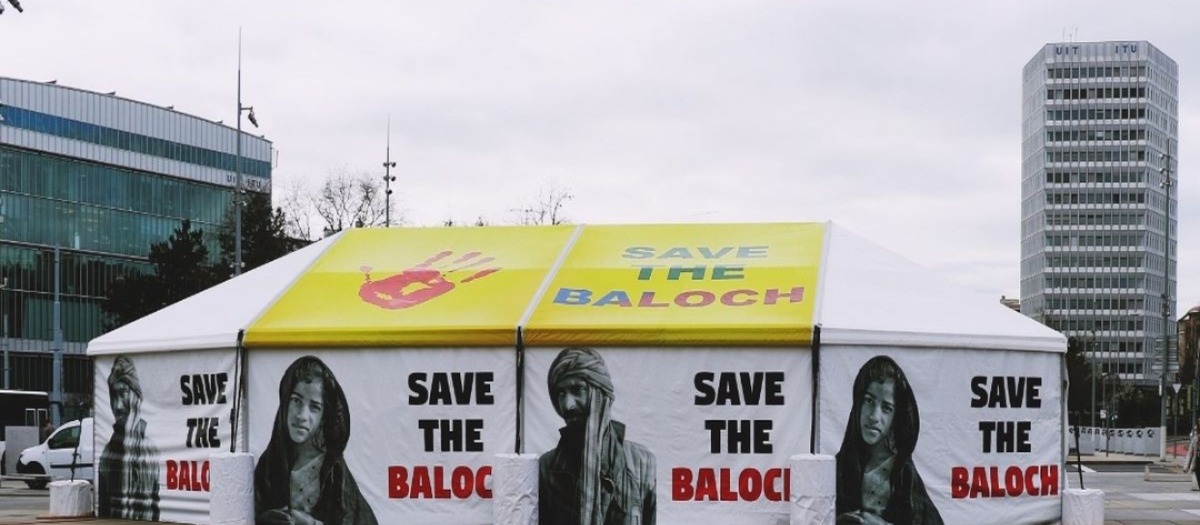
Balochistan, the largest and most resource-abundant province of Pakistan, continues to face persistent unrest—an occupied territory enduring a systematic campaign of military dominance, economic exploitation, and cultural suppression. Since its forcible annexation by Pakistan in March 1948, Balochistan has experienced repeated uprisings, each met with severe state-led repression. Despite enduring decades of marginalisation, the Baloch people’s call for self-determination remains undiminished. The origins of this enduring conflict lie in the coerced incorporation of the Baloch princely state of Kalat into Pakistan. On 15 August 1947, Kalat proclaimed its independence, and its elected parliament subsequently voted against joining Pakistan. Nevertheless, under military duress, the Khan of Kalat was compelled to sign an instrument of accession in March 1948. This act, widely viewed as illegitimate, sparked the first of five major Baloch rebellions—occurring in 1948, 1958, 1962, 1973, and the most protracted uprising, which began in 2004 and persists to this day. Balochistan constitutes 44% of Pakistan’s total land area, yet it remains the most underdeveloped region in the country. Although the province accounts for 36% of Pakistan’s natural gas production, a mere 10% of its residents have access to piped gas. Sui, where natural gas was first discovered in 1952, ironically still lacks basic amenities such as electricity and clean drinking water. According to the Pakistan Economic Survey 2024–25, Balochistan’s literacy rate is a mere 42.01%, markedly lower than Punjab’s 66.25%. Despite its wealth in minerals, fossil fuels, and a strategically vital coastline, its inhabitants remain among the most impoverished in the nation. These disparities are not coincidental—they are structurally imposed. The China-Pakistan Economic Corridor (CPEC), a $62 billion infrastructure initiative, has exacerbated the economic subjugation of Balochistan. Gwadar Port, the flagship project of CPEC, has effectively become a Chinese-dominated zone from which the indigenous Baloch have been displaced. Traditional fishing communities have been denied access to ancestral coastal areas, while development zones enclosed by fencing, constant paramilitary presence, and checkpoints have proliferated—vastly outnumbering educational and healthcare facilities. Rather than fostering development, Gwadar has transformed into a heavily securitised zone. Although Pakistan presents CPEC as a transformative initiative, it has instead become a focal point of resistance. Widespread protests erupted in 2024 and continued into early 2025, driven by grievances related to displacement, joblessness, and denial of fundamental rights. The state’s response was marked by repression. In July 2024, peaceful protestors in Gwadar were subjected to violence and arbitrary detention, while internet services were suspended. Human Rights Watch and Amnesty International denounced the use of excessive force and unlawful detentions. The situation further deteriorated in 2024–2025 with a sharp rise in enforced disappearances. Pakistan’s own Commission of Inquiry on Enforced Disappearances (COIED) has acknowledged that more than 10,000 individuals have disappeared since 2011—2,752 of whom are from Balochistan. Amnesty International’s January 2024 report documented an additional 379 cases in that year alone. Abductions carried out by intelligence agencies and paramilitary forces have become a systematic means of stifling dissent. One of the most harrowing incidents occurred in July 2024, when Hayat Sabzal Baloch was abducted in Turbat; his mutilated body was discovered in February 2025, discarded without dignity. In January 2025, a 15-year-old student, Anas Ahmed, was forcibly disappeared in Karachi. These instances reflect a broader systemic pattern in which the state metes out collective punishment by targeting children, youth, and activists. The abductions of Baloch women have also escalated. On 27 May 2025, 24-year-old Mahjabeen Baloch was taken from Quetta Civil Hospital by plainclothes security personnel. Her only offence was the organisation of peaceful student demonstrations. She now joins a growing list of women subjected to enforced disappearance—signalling a disturbing evolution in Pakistan’s counterinsurgency tactics. Protests have persisted despite widespread repression. In March 2025, nationwide demonstrations erupted following a BLA-orchestrated hijacking of the Jaffar Express in the Bolan Pass, resulting in 64 fatalities, including 18 soldiers and 33 militants. In response, Pakistani forces launched “Operation Green Bolan.” Although the state proclaimed success, numerous civilians were either killed or forcibly disappeared. The victims’ families organised sit-ins in Quetta, demanding the return of their missing relatives. Their peaceful appeals were met with rubber bullets and mass detentions. Central to this nonviolent resistance is Mahrang Baloch, a young physician and human rights advocate. As the founder of the Baloch Yakjehti Committee (BYC), she has emerged as the voice of thousands of families of the disappeared. In March 2025, she was arrested and imprisoned in Hudda Jail—the same prison where her father was once held before his disappearance. Despite being denied a fair trial or presentation of evidence; she continues to draw international attention. TIME magazine named her among its TIME100 Next list in 2025. PEN Norway, UN Working Groups, and Malala Yousafzai have all called for her release. Her words, “To demand justice is not terrorism,” have become a defining slogan. Nevertheless, the state continues to criminalise dissent. Peaceful demonstrators are branded as terrorists; journalists reporting on enforced disappearances face harassment; and human rights advocates are accused of advancing foreign agendas. Pakistan’s official discourse dismisses all Baloch grievances as “Indian-backed separatism,” overlooking decades of systemic violence and legitimate political aspirations. Violence in the region is not solely perpetuated by the state—militancy has also escalated. In August 2024, the Baloch Liberation Army’s Operation Herof resulted in the deaths of 14 security personnel and over 60 civilians in a coordinated assault. In November 2024, a suicide bombing at Quetta Railway Station killed 32 people. The BLA claimed responsibility, citing the attack as retaliation for state atrocities. These recurring cycles of violence and reprisal have increasingly radicalised the socio-political environment, severely narrowing the space for peaceful resolution. Compounding the anguish, prominent figures such as national racer Tariq Baloch were assassinated in May 2025. Activists have described it as a “kill-and-dump” operation—where individuals are executed by state agents and their bodies discarded to serve as a deterrent. Domestic media frequently fall silent under state pressure, while international journalists are denied access. This sustained information blackout has rendered Balochistan one of the most poorly reported conflict zones
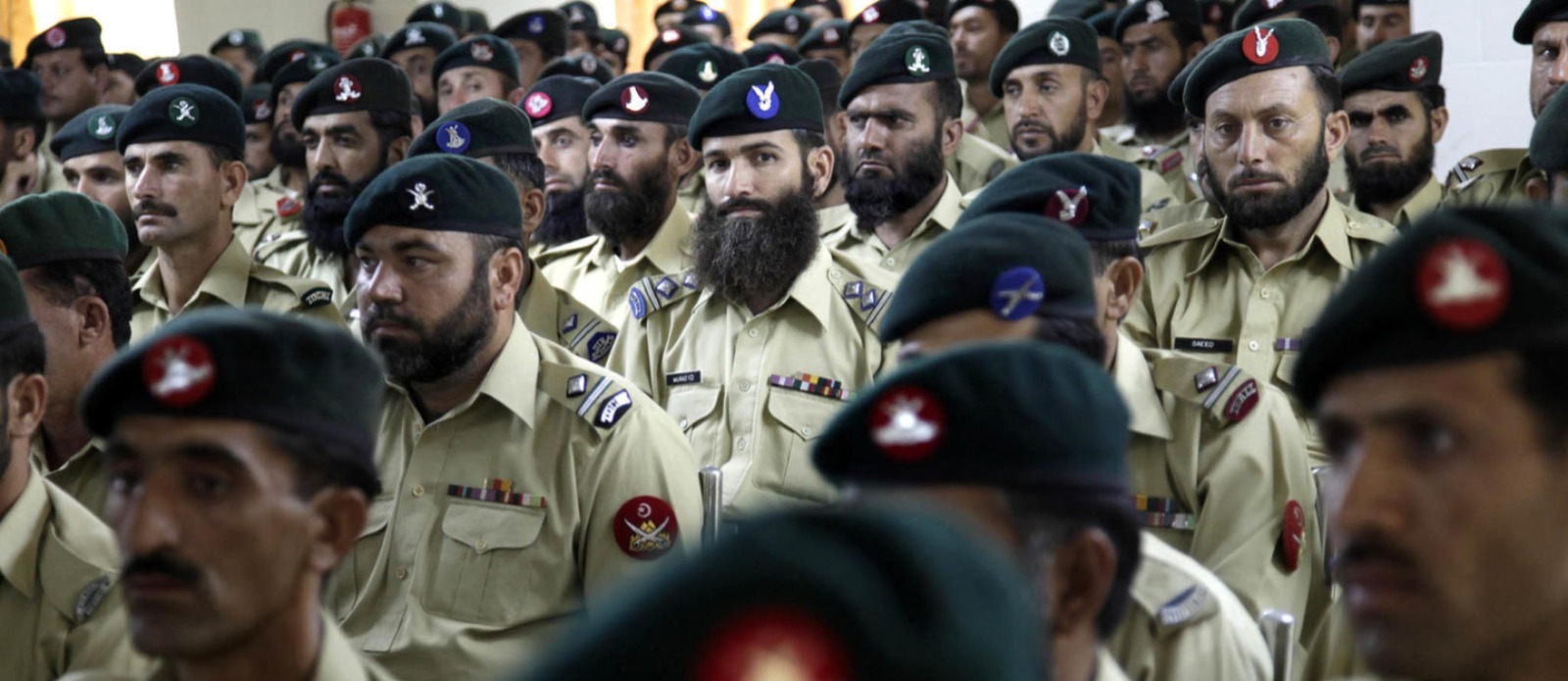
Pakistan’s political landscape has long been orchestrated not by its elected representatives but by the opaque influence of its military elite, whose grip on the nation’s trajectory grows ever more evident with each successive episode. The recent visit of Pakistan’s Army Chief, General Asim Munir, to the United States—noticeably unaccompanied by the Prime Minister—serves as a striking indication of how far civilian authority has been marginalised. If this were not a sufficiently telling sign, Pakistan’s peculiar nomination of Donald Trump for the Nobel Peace Prize further underscores the surreal and unaccountable hybrid regime now presiding over this nuclear-armed state. In this unfolding drama, it is not the democratic will but the triad of Allah, America, and the Army that dictates Pakistan’s fate—a trinity that has empowered its generals with unrestrained influence while exacting profound costs from the very nation they claim to defend. It is widely acknowledged that Pakistan’s military has long exercised disproportionate influence over foreign affairs, national security, and internal governance. Yet General Munir’s solo diplomatic foray in Washington, absent the country’s elected leader, signifies something even more disquieting: the total institutional marginalisation of civilian leadership. In a functioning democracy, the Prime Minister serves as head of government, the principal figure in bilateral diplomacy, and the voice of the citizenry on the global stage. Munir’s lone presence was not simply symbolic—it conveyed an unequivocal message to both the international community and Pakistan’s own populace: the Army is the central agent of the state; the Prime Minister is merely ceremonial. The distorted rationale was further exposed through the bewildering act of nominating Donald Trump—a figure whose presidency was marked by disorder and polarisation—for the Nobel Peace Prize. Even by Pakistan’s frequently opaque and labyrinthine political norms, this gesture was confounding. Yet, when interpreted through the prism of military realpolitik, a grim logic emerges. Trump symbolises a yearning for transactional diplomacy, authoritarian leadership, and covert negotiations that bypass democratic structures. Pakistan’s military, which has long prospered through bilateral engagements that marginalise civilian leadership, perceives in Trump an ideal counterpart—someone who engages directly with generals rather than governments. The nomination has little to do with peace or diplomacy. It is, rather, a calculated overture—a political courtship extended from Rawalpindi to Mar-a-Lago. More telling, however, is how these developments reflect the underlying architecture of Pakistan’s political framework. The Defence Minister, Khawaja Asif, recently extolled the so-called “hybrid system”—a euphemism for the military-civilian power dynamic that is far from equitable. In his own remarks, he commended this Frankenstein construct as a viable model, laying bare the tragic paradox wherein elected representatives not only accept their diminishing relevance but actively endorse it. One might expect such a structure to be imposed upon reluctant politicians. Yet, as a pointed tweet observed: “It’s not that the civilians have ceded space… it’s that they have cheered on their own marginalisation.” The betrayal extends beyond institutional decay—it is a moral failure, a surrender of democratic integrity. The tweet strikes at the heart of Pakistan’s political malaise. In any healthy democracy, military overreach is met with civilian resistance, protest, and defiance. In Pakistan, however, civilians have often extended the ladder. The PML-N, PPP, and even the once-principled PTI have each, at different junctures, prioritised immediate political advantage by siding with the military rather than upholding long-term democratic norms. This complicity has eroded civilian authority, normalised coups without the need for tanks, and fostered a political class more concerned with navigating the corridors of power than exercising meaningful governance. A more recent tweet—“Allah, America and Army have always been the dominant forces in Pakistani politics. While the generals have amassed power and wealth as a ‘front-line state’, the nation has borne grievous losses. The Trump-Asim Munir meeting marks the death knell of civilian rule.”—resembles a final elegy for Pakistan’s democratic ambitions. It reveals the core paradox within the country’s strategic posture. Since the Cold War, Pakistan’s military has exploited its geopolitical location and strategic value to amass significant political power and attract foreign assistance. The United States, in search of a dependable South Asian partner, repeatedly chose generals over institutions. This enduring gamble, played across decades, has enriched the military while leaving the nation depleted—economically, politically, and morally. The so-called front-line state designation evolved into a euphemism for enduring dependency. Pakistan’s military exchanged national sovereignty for security-related funding, yet these financial inflows rarely benefited the wider population. Infrastructure deteriorated, education was marginalised, and healthcare systems collapsed. Meanwhile, the General Headquarters in Rawalpindi thrived—expanding housing schemes, corporate ventures, and even political entities. The consequences of this Faustian pact were not borne by the generals, but by civilians—deprived of agency, stifled in dissent, and reduced to passive observers of their own governance. Within this context, General Asim Munir’s meeting with Donald Trump transcends a mere diplomatic engagement; it starkly underscores the fact that Pakistan’s military is now independently conducting foreign relations, free from parliamentary scrutiny or public accountability. This is evocative of a state within a state—except the inner state no longer feels compelled to operate in the shadows. It strides openly into the White House, delivers public statements, nominates foreign leaders for peace prizes, and orchestrates the installation, management, and removal of civilian administrations at will. And all of this occurs with the silent consent—at times, the enthusiastic endorsement—of those it has systematically rendered powerless. Perhaps most damning is the near-total absence of public indignation. Pakistanis have become so habituated to military dominance that even the most overt manifestations of authoritarianism provoke little more than indifference. A quiet fatalism pervades the national psyche—a collective resignation to the belief that the Army will govern, irrespective of constitutional order. Consequently, when a Defence Minister extols a hybrid regime, or an Army Chief assumes the diplomatic stage in Washington without the Prime Minister, it scarcely raises eyebrows. The boundary between the abnormal and the accepted has long since dissolved. Yet this trajectory is ultimately untenable. The military’s growing consolidation of authority is not merely politically corrosive—it is strategically perilous. No nation can endure indefinitely
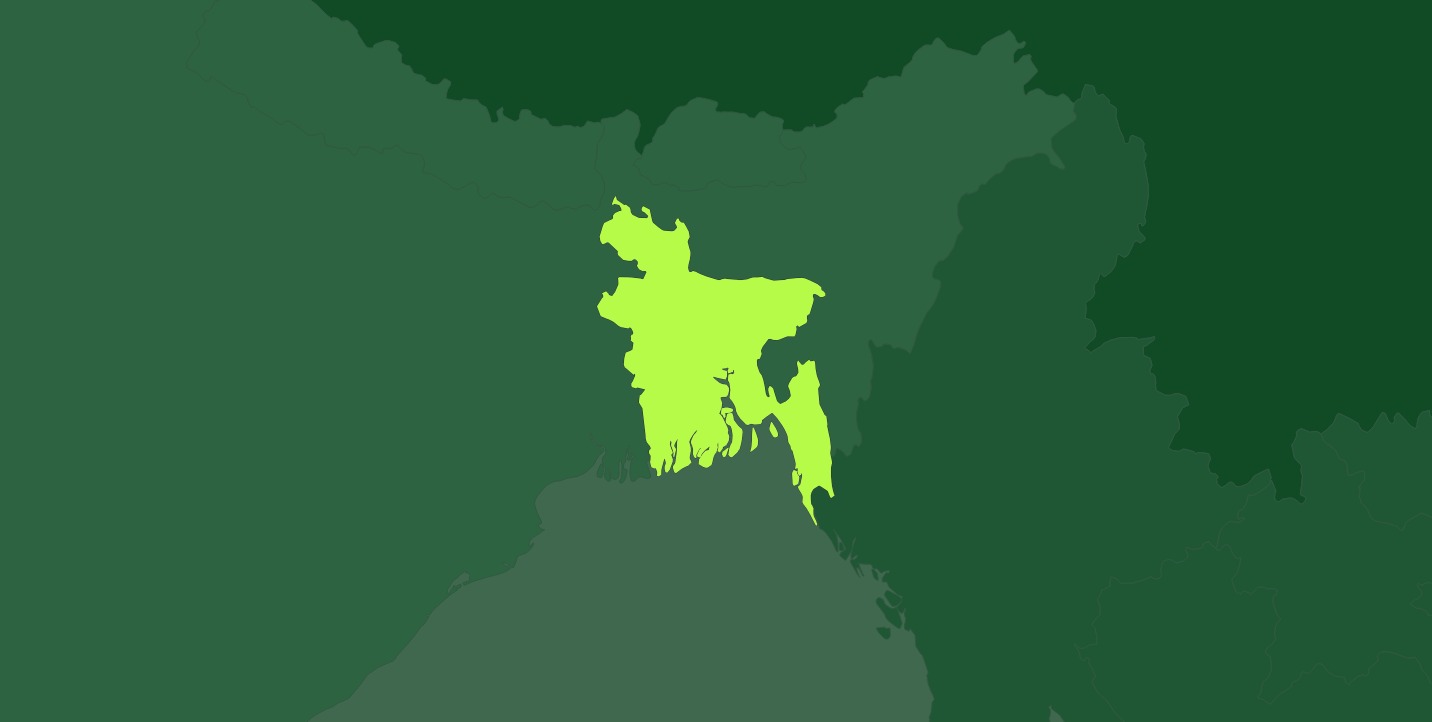
As the international community marked World Refugee Day on 20 June, the spotlight once again turned to the festering Rohingya crisis—a painful reminder of Bangladesh’s humanitarian generosity now burdened by geopolitical consequences. Since Myanmar’s brutal military crackdown in 2017, nearly 600,000 Rohingyas escaped the carnage in Rakhine and found refuge across the border in Bangladesh. Fast forward seven years, and over 1.2 million Rohingya refugees are crammed into makeshift shelters in Cox’s Bazar, still yearning to return to their homeland with dignity and security—an aspiration that remains elusive. What began as a noble act of compassion by the former government has morphed into a strategic nightmare. Bangladesh, already stretched thin economically, took the Rohingyas in under humanitarian grounds, building the world’s largest refugee settlement in Cox’s Bazar. But the generosity came with a price. Dhaka’s persistent call for repatriation was meant to be a long-term fix to a short-term crisis. Yet, repatriation remains a diplomatic mirage, complicated further by Myanmar’s internal chaos and the lack of sustained international pressure on Naypyidaw. The cost of hosting over a million displaced people has proved to be far more than just financial. Bangladesh’s social fabric, national security, and local economies are all feeling the heat. The unceasing flow of refugees has strained border security, while the camps themselves have become breeding grounds for illicit activity. Radical networks have infiltrated the refugee settlements, luring disenfranchised Rohingya youth into drug trafficking, human smuggling, and armed violence. In the past two years alone, nearly 150 violent incidents have been reported within these camps—grim testimony to a growing lawlessness that local authorities are ill-equipped to contain. The security lapse extends beyond the refugee camps. Bangladesh’s border dynamics have undergone a worrying transformation. The Arakan Army—a powerful ethnic rebel group fighting Myanmar’s junta—has made significant inroads in Rakhine. With the civil war now reaching the doorstep of Bangladesh, the implications are severe. The renewed fighting in Rakhine has triggered a fresh wave of displacement, with over 120,000 more Rohingyas reportedly crossing into Bangladesh in the last 18 months alone. This comes at a time when donor fatigue has set in. International aid for Rohingya refugees is dwindling, putting immense pressure on Bangladesh’s limited resources. Moreover, the Arakan Army’s aggressive posturing has not spared Bangladesh either. Incidents of Bangladeshi fishermen being abducted near Cox’s Bazar by the Arakan Army have sparked serious concerns about the integrity of Bangladesh’s already porous borders. In the face of this multifaceted crisis, the current interim administration led by Dr. Muhammad Yunus has taken centre stage. Since assuming office, Yunus has prioritised the Rohingya issue, intensifying diplomatic overtures to garner international backing for repatriation. In February, Yunus addressed a letter to UN Secretary-General Antonio Guterres, detailing the worsening humanitarian situation and Myanmar’s deteriorating internal order. The UN chief responded with diplomatic optimism, promising support to secure unimpeded humanitarian access in Rakhine and beyond. The high point of this engagement came in March, when Guterres visited the refugee camps in Cox’s Bazar. During the visit, Yunus and the UN Secretary-General jointly pledged to begin repatriation by the next Eid (this June). It was at this juncture that the idea of a “humanitarian corridor” was floated—allegedly a UN-brokered channel linking Cox’s Bazar to Rakhine to facilitate aid delivery and eventual refugee return.
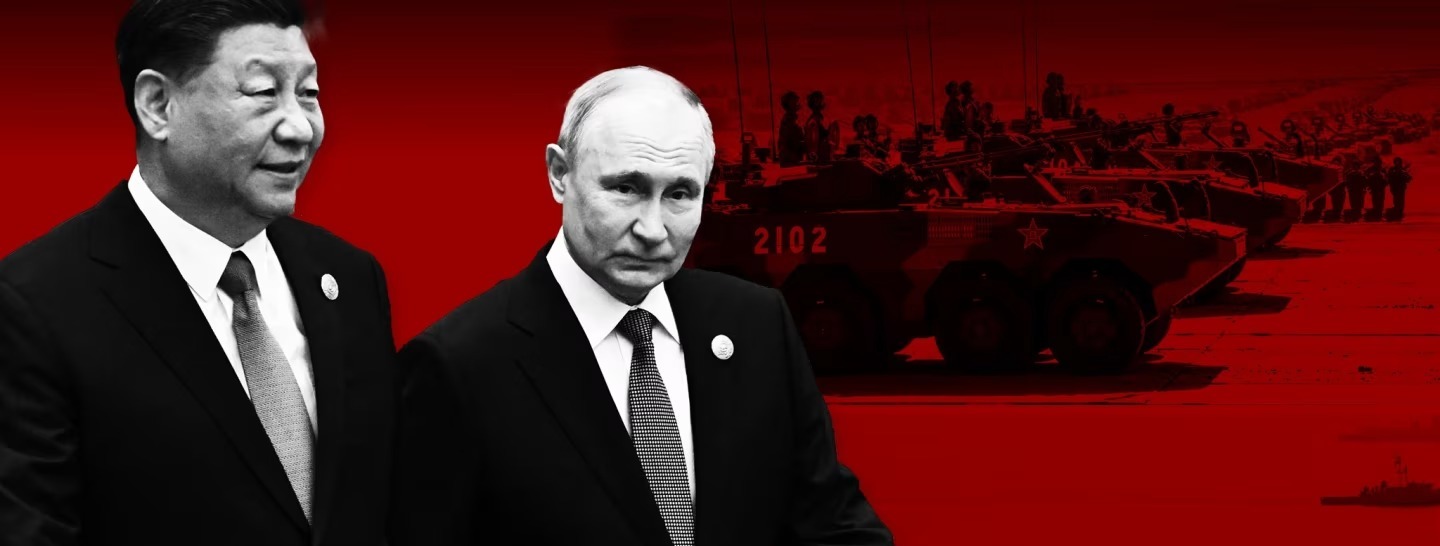
It is increasingly evident that the anti-Western alliance, which has gained prominence in recent years, is not as cohesive or stable as it might outwardly appear. Following Russia’s invasion of Ukraine in February 2022, and the subsequent Western support for Ukraine—including sanctions against and withdrawal from Russia—the Russian Federation has found itself ever more reliant upon China, a rising global power. Despite official rhetoric describing this partnership as “limitless,” underlying tensions have begun to surface. Earlier this month, a report from The New York Times, based upon leaked internal documents from Russia’s Federal Security Service (FSB), revealed significant distrust within Russia’s military and intelligence apparatus regarding China. These concerns relate not only to espionage and the unauthorised acquisition of technology, but also to potential territorial encroachment. Composed purportedly between late 2023 and early 2024, the document highlights a notable intensification in Chinese intelligence recruitment activities targeting key Russian actors—including current and former officials, military experts, and prominent business figures—since the onset of the war in Ukraine. The document outlines several possible motivations behind Beijing’s covert efforts. Firstly, despite China’s substantial military modernization, its lack of participation in a direct armed conflict since the 1979 Sino-Vietnamese War leaves it strategically under-tested. This operational inexperience presents a vulnerability in light of China’s revisionist geopolitical ambitions. As such, intelligence on Russian military operations against Western-backed Ukrainian forces offers Beijing valuable insights into NATO tactics, Western technologies, and logistical strategies—information deemed vital in preparing for potential future confrontations, particularly in Taiwan or the South China Sea. Secondly, the document identifies a targeted Chinese interest in Russian military pilots, retired aerospace engineers, and aviation specialists. The goal appears to be the acquisition of advanced technical knowledge necessary to emulate or surpass Russian capabilities in aerial warfare. Thirdly, China has reportedly expanded its intelligence presence within Russia’s strategically sensitive Arctic regions—areas of growing geo-economic and military significance, especially under climate change-induced shifts. This activity aligns with broader Chinese ambitions to secure influence over Arctic maritime routes and natural resources. Moreover, the report highlights mounting Russian concerns over possible Chinese territorial assertiveness in the Far East, where the redeployment of Russian military assets to Ukraine has created perceived vulnerabilities. These anxieties are compounded by China’s historical revisionism and precedent of asserting territorial claims, often invoking 19th-century treaties under which Russia annexed Qing territories. A particularly provocative gesture cited in the document is the release of a 2023 Chinese state map that used historical toponyms for several settlements near the Russo-Chinese border, including Vladivostok and Khabarovsk. In response, the document urges the Russian Federal Security Service (FSB) to intensify counterintelligence efforts and prevent the leakage of strategically sensitive information to Chinese operatives, framing these actions as essential to safeguarding national sovereignty and long-term security interests. China’s covert exploitation of its close partnership with Russia is historically established. The nation has long engaged in reverse-engineering Russian weaponry for indigenous military modernisation—exemplified by converting 1990s-era Su-27 fighters into J-11 aircraft and S-300 missiles into HQ-9 systems. This technological appropriation prompted Russian efforts to impose contractual safeguards, though unsuccessfully. Consequently, Russian arms exports to China plummeted from 60% of total military exports in 2005 to 8.7% by 2012. This decline reversed after the 2014 Ukraine crisis, which strengthened bilateral ties amid Western alienation of Russia. Nevertheless, Chinese replication of Russian military technology persists, as confirmed in December 2019 by Rostec’s intellectual property director. He documented Chinese copying of “aircraft engines, Sukhoi aircraft, deck-based jets, air defence systems, portable air defence missiles, and analogues of the Pantsir medium-range surface-to-air systems.” There is little doubt that the conflict in Ukraine has rendered Russia increasingly reliant upon China for both political and economic support. As the West has provided military assistance to Ukraine, imposed sanctions, and withdrawn from Russian markets, China has emerged as a pivotal ally, offering geopolitical alignment, diplomatic influence, robust economic and industrial capacity, and a vast consumer base. Russia’s extensive energy resources have found a logical counterpart in China, the world’s foremost energy consumer. Nevertheless, fissures within the partnership are becoming increasingly difficult to obscure. China’s hegemonic aspirations and subtle strategic manoeuvres are unlikely to be passively accepted by Russia, which continues to assert itself as a major geopolitical power. Beyond these points of tension, Central Asia has become a crucial zone of competition between the two nations. Through heightened investment and the Belt and Road Initiative, China has secured significant strategic influence in a region traditionally viewed by Moscow as its own sphere of influence, prompting analysts to refer to this dynamic as the ‘new great game’. Consequently, while grounded in geostrategic exigency and economic symbiosis, the partnership is demonstrably compromised by China’s unreliability as a transparent and trustworthy ally. The vigilance observed within Russian military and intelligence echelons signifies Moscow’s recognition of Beijing’s endeavours to exploit Russian vulnerability. Prudent strategy dictates that Russia enhance its safeguards and exercise strategic acumen whilst relying on China for geopolitical necessities, for in a fluid international landscape, even allies united against common adversaries may evolve into competitors with divergent ambitions.
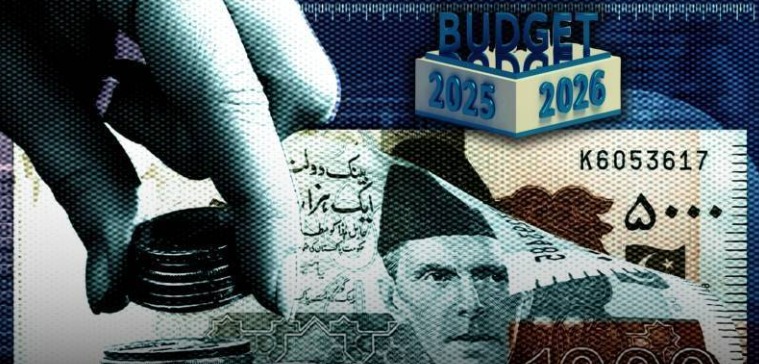
The presentation of Pakistan’s Federal Budget for the fiscal year 2025–26 on 10 June serves not only as a financial outline for the nation but also as a telling indicator of the entrenched power dynamics within its political economy. With total federal spending amounting to Rs 17.57 trillion, the budget is framed in official discourse as a pathway to economic recovery and national security. Yet, a more critical and nuanced examination exposes these narratives as concealing a heavily militarised fiscal framework, wherein the Pakistan Army emerges as the primary beneficiary—frequently to the detriment of democratic institutions, inter-provincial fairness, and the country’s long-term developmental prospects. A particularly striking illustration of this military-oriented strategy is evident in the federal government’s distribution of resources through the National Finance Commission (NFC) Award. Of the Rs 8.21 trillion allocated for provincial transfers, Punjab—widely regarded as the military establishment’s political bastion—receives Rs 4.25 trillion, constituting 51.74% of the total. Sindh is granted 24.55% (Rs 2.01 trillion), Khyber Pakhtunkhwa 14.62% (Rs 1.20 trillion), while Balochistan—the nation’s most underdeveloped and marginalised province—receives a scant 9.09% (Rs 0.75 trillion). This distribution highlights not merely economic partiality, but also the military’s entrenched involvement in shaping inter-provincial fiscal allocations to favour compliant constituencies while marginalising dissenting regions. The reality that Punjab receives more than double the funds allocated to Sindh and almost six times that of Balochistan—without any remedial provisions to address the latter’s enduring underdevelopment—raises significant concerns regarding the military’s opaque yet enduring influence over federal policy formulation. The situation in Balochistan is especially grave. Despite its abundant natural resources, the province has endured persistent economic neglect, political exclusion, and military repression. In the 2025–26 budget, Balochistan has once again been overlooked in terms of significant federal development projects. This fiscal marginalisation is no coincidence—it exemplifies a wider securitisation agenda, wherein the state, under military dominance, views Balochistan more as a geostrategic asset than as a population entitled to governance and service. Military cantonments continue to proliferate across the region, yet essential infrastructure such as schools, hospitals, and roads remain scarce. The Army’s approach to calls for enhanced resource autonomy and local governance remains rooted in coercion rather than dialogue. In Sindh, and particularly in Karachi—the nation’s economic hub—the disparity in budgetary allocation is equally evident. Although the province is a significant net contributor to Pakistan’s overall revenue, its share of federal resources remains disproportionately low. The limited federal expenditure on Sindh’s urban infrastructure and rural healthcare or education reflects Islamabad’s wider policy orientation: maintain centralised authority and channel resources towards regions aligned with military interests, while penalising areas that challenge the establishment’s dominance. Sindh’s increasing political divergence from military-sanctioned narratives likely accounts for its persistent fiscal sidelining. Khyber Pakhtunkhwa (KP), despite serving as a frontline region in Pakistan’s so-called war on terror and enduring the harshest impacts of military operations and their humanitarian fallout, is allocated a mere 14.62% of the federal divisible pool. The irony is stark—the province has borne immense human cost in service of the Army’s security objectives, yet receives scant developmental assistance in return. This inconsistency highlights the military’s instrumentalist approach toward peripheral regions: exploit them for strategic leverage while withholding the benefits of federal investment and post-conflict reconstruction. Nowhere is the military’s hold over the national budget more visible than in defence expenditure. The 2025–26 budget earmarks Rs 2.55 trillion solely for military operations and equipment—a 20% rise from the previous fiscal year. When defence pensions are factored in, this figure increases to Rs 3.29 trillion. By comparison, the Public Sector Development Programme (PSDP)—the central mechanism for promoting public welfare and infrastructure development—has been limited to just Rs 1 trillion, accounting for only 6% of total federal spending. This fiscal imbalance reveals a troubling truth: Pakistan is not simply a state possessing a powerful military—it is a military possessing a state. Defence is allocated over three times the funding designated for all federal development initiatives combined. In a country burdened by IMF-driven austerity measures, escalating poverty, a failing education system, and a deteriorating healthcare sector, such budgetary priorities are not merely imprudent—they are fundamentally undemocratic. The military’s economic dominion extends well beyond formal budgetary provisions. Through an extensive network of foundations, real estate enterprises, and corporate entities such as the Fauji Foundation and Army Welfare Trust, the Pakistan Army maintains a commanding presence across the national economy. Nevertheless, it persistently demands an increasing proportion of federal tax revenues under the pretext of “national security.” The most recent rise in defence spending has been rationalised by invoking perceived threats stemming from India’s Operation Sindoor—a cross-border strike purportedly revealing Pakistan’s defence vulnerabilities. Yet, leveraging such incidents to justify inflated military budgets further illustrates the Army’s adeptness at securitising each fiscal cycle to its advantage, frequently at the expense of economic prudence and democratic accountability. Public reaction to the budget has been largely unfavourable, particularly across digital platforms where a limited degree of free expression persists. On Twitter/X, Facebook, and YouTube, trending hashtags such as #Budget2025, #PakistanDefenceBudget, and #CivilianNeglect reflect mounting discontent over the military’s dominance in determining national priorities. Sentiment analysis of user posts and comments reveals a citizenry increasingly aggrieved by rising inflation, unemployment, and deteriorating public services, all while observing the Army amass greater wealth, influence, and impunity. From Baloch activists decrying the absence of schools and access to clean water, to Sindhi commentators criticising the inequities of the budget, and citizens in KP questioning the marginalisation of a region scarred by conflict and extremism, provincial discontent is no longer latent—it is erupting. Even prominent political leaders have begun to cautiously voice concerns over the budget’s military bias, although many continue to remain silent, constrained by the fear of institutional retaliation. Exacerbating this growing public dissatisfaction is the stark contrast drawn between the current budget and those enacted during former Prime Minister Imran Khan’s tenure. Although his administration faced criticism for economic mismanagement, it was nonetheless seen as making some effort to invest in health, education, and social welfare. In the present context,
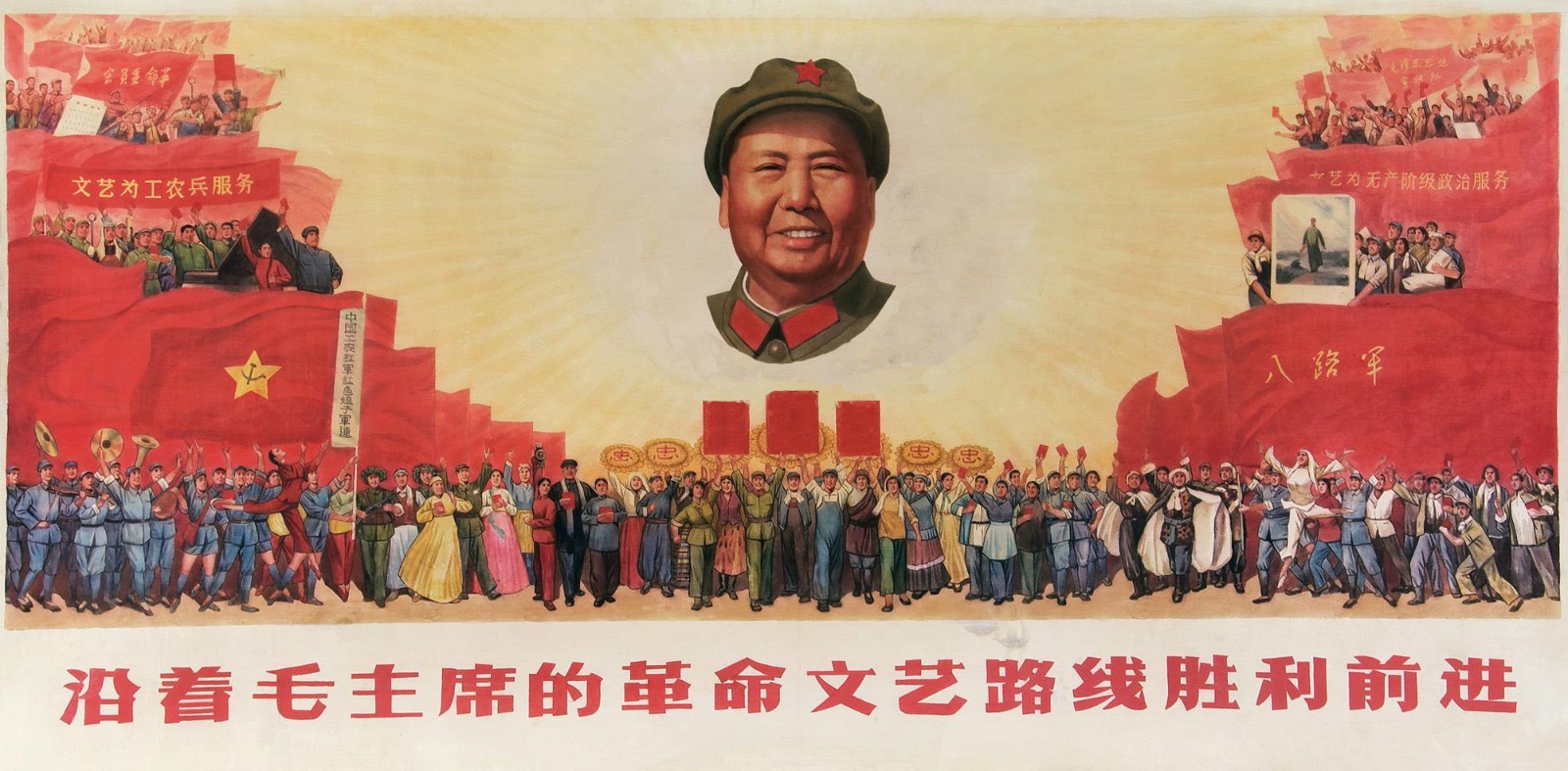
In 2016, Chinese President Xi Jinping delivered a notable speech advocating for the ‘Sinicisation’ of religions in China, essentially demanding that religious leaders and institutions strictly conform to state or party ideology—namely, socialism. Since then, the Chinese Communist Party (CCP) has implemented a wide array of legislative, bureaucratic, ideological, and technological measures to ensure that all forms of religious expression fall under its political control. Those failing to comply have faced persecution and prosecution. Most recently, the CCP introduced regulations, effective from 1 May, which bar foreign missionaries from preaching or establishing religious organisations without explicit party approval. This development is part of a broader trend in Chinese governance, wherein any foreign involvement in religious matters—or domestic religious activities not aligned with party ideology—is framed as a national security threat, thereby leveraging nationalism to justify religious repression. According to an official white paper published in 2019, China had approximately 200 million religious adherents. The majority were Tibetan Buddhists, with 20 million Muslims, 38 million Protestant Christians, and 6 million Catholic Christians. The CCP’s repressive policies towards Tibetan Buddhists and Uyghur Muslims in Xinjiang are extensively documented, with some United Nations member states describing the latter as ‘crimes against humanity’. The People’s Republic of China’s pervasive surveillance, the imposition of forced labour camps and ideological indoctrination centres disguised as ‘vocational training schools’, widespread imprisonment and torture, demographic manipulation, destruction of religious sites, and systematic cultural erasure have all attracted significant international criticism. Nevertheless, what is often overlooked by global human rights organisations is the more subtle deployment of legal mechanisms by the state to undermine and criminalise independent religious practices, all under the pretext of nationalist rhetoric. Article 36 of China’s constitution guarantees citizens the right to freedom of religious belief, yet it tempers this by specifying that the state will safeguard only ‘normal religious activities’ and will not permit ‘foreign forces’ to exert influence over religious affairs. In 2015, the government enacted the National Security Law (NSL), similarly ambiguous in its language, which covered a broad spectrum of areas and required officials, corporations, organisations, and private individuals to collaborate with the CCP on ‘national security’ issues. The suite of legislation under this framework redefined national security to encompass not just military concerns but also economic, social, and cultural dimensions. The law’s sweeping suspicion of foreign connections, especially regarding religious and cultural activities, legitimises state-led repression of religious groups considered untrustworthy by the party. This securitised approach, which interprets genuine spiritual beliefs and associations as acts of political subversion, poses a significant threat to communities such as Christian churches—often dependent on international networks for guidance and support—and the Uyghurs, whose spiritual and cultural links to Central Asia span centuries. A series of directives issued since the NSL’s adoption in 2015 and Xi Jinping’s advocacy for the ‘Sinicisation of religion’ have institutionalised rigorous and closely monitored adherence of religious practices to CCP doctrine. Significantly, in 2018, the National People’s Congress and the Chinese People’s Political Consultative Conference (CPPCC) consolidated the oversight of several agencies responsible for religious affairs into more centralised entities. For example, the Three-Self Patriotic Movement, the China Christian Council, and the State Administration for Religious Affairs—which had previously somewhat mitigated the state’s absolute control over Christian activities—were placed under the authority of the United Front Work Department. In 2020, the National Security Law was extended to Hong Kong, a region previously insulated from the CCP’s ‘Sinicisation’ policies due to the protections afforded by the Basic Law and the ‘one country, two systems’ framework. Over the subsequent five years, Hong Kong has experienced a concerted suppression of independent religious activities, including the raiding of churches, harassment of clergy, and the seizure of religious materials. The year the legislation was imposed on Hong Kong, authorities targeted the Good Neighbour North District Church for its support of pro-democracy demonstrators, conducting a raid and freezing the bank accounts of the church’s charitable arm, its pastor, and his spouse. Likewise, in 2022, Catholic Bishop Emeritus Cardinal Joseph Zen was detained under the National Security Law, accused of ‘collusion with foreign forces’ due to his role as trustee of the 612 Humanitarian Relief Fund. This Fund provided financial assistance for the legal and medical needs of individuals involved in the widespread 2019 pro-democracy protests in Hong Kong. Cardinal Zen had also openly criticised a 2018 agreement between the Vatican and China, which purportedly allows the Pope to select bishops for China’s Roman Catholic churches from a list proposed by Chinese authorities. Additionally, as a result of the pressure exerted by the National Security Law, many churches in Hong Kong discontinued the annual memorial mass for those killed during the post-Tiananmen Square crackdown in 1989. The Chinese Communist Party’s anxiety regarding autonomous religious activities is closely linked to the emergence of a politically reformist segment within society, which has gradually expanded since Deng Xiaoping initiated economic liberalisation. As China embraced foreign investment and market-driven principles, a growing number of Chinese workers, entrepreneurs, academics, and students who studied overseas began to adopt alternative perspectives and challenge the CCP’s ideological dominance. Religion, serving both as a vehicle for mass mobilisation and as a symbol of the party’s pervasive control over Chinese society, inevitably mirrored these shifts. Consequently, the CCP came to perceive religion as a fundamental threat requiring immediate containment. As a result, the party’s campaign to ‘Sinicise religion’—enforced through a combination of legal-administrative mechanisms and rhetoric equating faith with subversion and external interference—has transformed religious practice into a demonstration of allegiance to the state rather than a matter of personal conviction. Under the pretext of national security, any activity the CCP deems to challenge its unassailable authority is deliberately misrepresented and harshly repressed. In doing so, the state not only criminalises individual expression and dissent but also systematically undermines the rich histories, cultures, and spiritual traditions that religious communities nurture. As China intensifies its suppression of both the spiritual and moral autonomy of its citizens, the international community cannot afford to remain indifferent or silent. Global action is
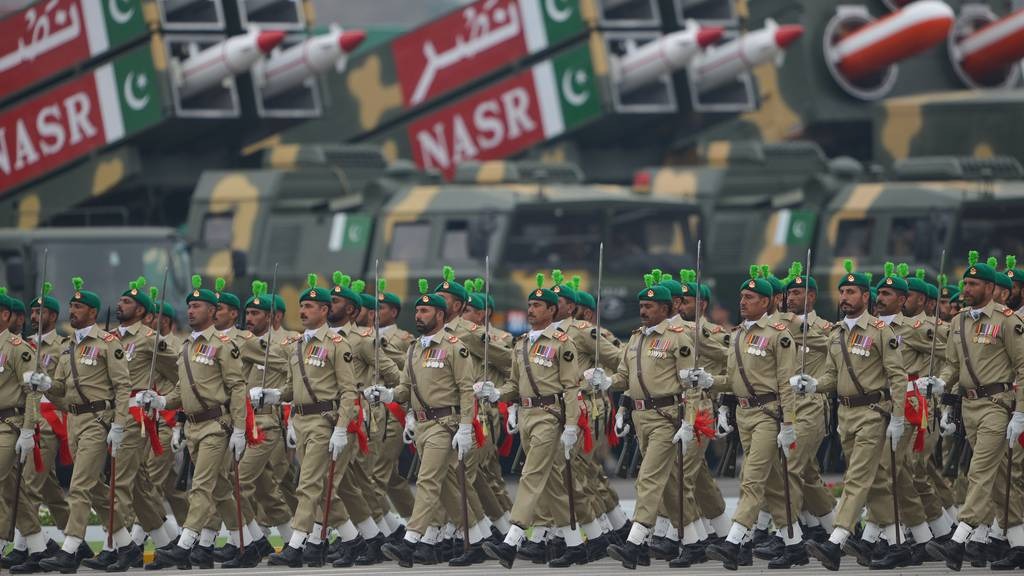
Amidst deteriorating economic conditions, the Pakistan Army is embarking on an assertive and ambitious course of military modernisation, channelling significant resources into advanced weaponry despite pervasive poverty, escalating inflation, and crumbling public infrastructure. This determined enhancement of military capability—highlighted by the prospective acquisition of China’s HQ-19 air defence system, the untested and unproven Shenyang J-35s (derived from the Shenyang FC-31 “Gyrfalcon”), and KJ-2000 aircraft—aims to counter India’s conventional military superiority, but has sparked serious apprehensions both domestically and internationally. While this build-up is officially framed as a strategic necessity in response to regional threats, critics increasingly interpret it as a disquieting sign of the military establishment’s growing dominance over Pakistan’s political and economic landscape. With civilian institutions collapsing under the strain of chronic underfunding and disregard, a critical question arises: is this arms buildup genuinely about safeguarding national security, or is it fundamentally about consolidating power? The HQ-19, an advanced anti-ballistic missile system, represents more than just a military upgrade—it reflects Pakistan’s increasing prioritisation of militarisation, a trajectory that appears increasingly misaligned with its economic circumstances. Pakistan’s external debt has exceeded $130 billion, and its foreign exchange reserves remain critically low. The nation has been compelled to depend on financial support from the International Monetary Fund (IMF), Gulf nations, and China, often subject to stringent austerity measures. These economic pressures have resulted in substantial reductions in public services, leading to a pronounced deterioration in the quality of education, healthcare, and essential infrastructure. The disparity is striking: while children in rural Sindh attend schools without furniture or textbooks and hospitals in Balochistan lack vital medicines, the government continues to allocate billions towards radar systems, drones, and missile defence technology. According to the World Bank’s latest estimate, nearly 45 per cent of Pakistan’s population lives in poverty, with an additional 16.5 per cent enduring extreme poverty. In sharp contrast, India—the regional rival Pakistan seeks to match—has lifted a record number of people out of poverty. Within the past year alone, 1.9 million more individuals in Pakistan have slipped below the poverty line. This trend towards militarisation has not escaped scrutiny. Public discourse—particularly among independent journalists and policy analysts—is increasingly centred on the imbalance between military expenditure and investment in social development. Critics contend that these acquisitions are less about safeguarding national borders and more about preserving the military’s institutional dominance. Historically, the Pakistan Army has wielded considerable autonomy and influence, frequently operating outside the bounds of civilian control. Its presence extends into major economic sectors—including construction, agriculture, and real estate—largely via military-operated conglomerates such as the Fauji Foundation and the Army Welfare Trust. This deep-rooted economic involvement has fostered a system in which the distinction between national interest and military interest is progressively obscured. Pakistan has, in effect, become a garrison state—one in which military imperatives dominate the allocation of economic resources. The repercussions of this imbalance are acutely experienced by ordinary Pakistanis. Inflation—fuelled by currency depreciation and rising global costs—has rendered basic goods unaffordable for millions. Unemployment continues to climb, particularly among the youth, while the informal labour sector—already fragile—has expanded further due to the decline in formal employment opportunities. Simultaneously, power outages remain commonplace, water scarcity persists across numerous regions, and urban infrastructure—from roadways to drainage systems—is deteriorating under increasing strain. Within this setting, announcements of fresh military procurements are frequently met with a mix of disbelief, resentment, and growing public discontent. The government’s rationale centres on national security and maintaining regional equilibrium. With India continually advancing its military capabilities and longstanding tensions over Kashmir persisting, Pakistani defence officials maintain that remaining technologically competitive is imperative. The HQ-19 system, designed to intercept ballistic missiles at high altitudes, is portrayed as a strategic counter to India’s expanding missile defence infrastructure. However, this narrative avoids addressing a deeper concern: at what cost? While achieving regional parity is a legitimate objective, is it more urgent than feeding children, providing medical care, and educating future generations? Similar doubts emerge regarding the anticipated acquisition of J-35 fighter jets by the Pakistan Air Force. The ongoing maintenance costs of such advanced aircraft could significantly strain Pakistan’s annual budget. Critics argue that this fixation on military rivalry ignores the fundamental pillars of national security—economic resilience, social welfare, and human capital development. Furthermore, the secrecy and lack of transparency surrounding these procurements have heightened anxieties over accountability. In contrast to defence budgets in many democratic states—where military expenditure undergoes parliamentary oversight and public discussion—Pakistan’s defence spending remains predominantly exempt from such scrutiny. Civilian administrations frequently possess minimal influence over these decisions, resulting in a democratic shortfall that weakens institutional checks and balances. The military’s disproportionately large claim on national resources is not merely a fiscal concern—it signifies a more profound structural issue regarding the distribution of power within Pakistan. The strategic alliance with China introduces an added layer of complexity. China has emerged as Pakistan’s principal supplier of military hardware, and while the China-Pakistan Economic Corridor (CPEC) holds theoretical promise, it has yet to deliver widespread economic transformation. Instead, there is growing apprehension over rising debt dependency and the minimal involvement of local stakeholders in these large-scale initiatives. The provision of the HQ-19 system, therefore, may extend beyond defence purposes—it could serve as a tool for strengthening geopolitical alignment and advancing debt diplomacy. While the military leadership may perceive this as a strategic gain, the long-term consequences for national sovereignty and economic autonomy are considerably less encouraging. Simultaneously, the J-35’s elevated costs and demanding maintenance requirements risk further burdening Pakistan’s already fragile financial position, especially as it endeavours to modernise its air force. Moreover, China’s decision to export the J-35 before its integration into the People’s Liberation Army Air Force introduces considerable strategic uncertainty. Another deeply concerning aspect is the impact of militarisation on democratic governance. When the military assumes control over key areas of national policy, civilian authorities are frequently reduced to symbolic roles. This dynamic undermines democratic institutions, erodes policymaking competence, and cultivates a culture of impunity. The pattern becomes self-perpetuating: as military dominance increases, civilian
With the ouster of Sheikh Hasina, Bangladesh has witnessed a disquieting transformation that has sent ripples of concern across its socio-political and cultural landscape. Images and videos of the student-led July uprising—once hailed as a breath of fresh air—now stand juxtaposed against the vandalism of murals and statues of Sheikh Mujibur Rahman, the Father of the Nation. Religious sites and properties belonging to minorities have come under attack, raising an alarming question: Is Bangladesh facing a Taliban-like takeover, akin to what Afghanistan endured? Initially, such concerns were dismissed—often mocked—as exaggerated alarmism by optimistic observers who celebrated the so-called ‘second liberation’. Yet, nearly ten months into this ‘new Bangladesh’, the unfolding reality on the ground increasingly vindicates those early apprehensions. The promise of the July uprising, which inspired a youthful generation eager for a free, democratic, just, and pluralistic nation, now seems betrayed by a rapid and disconcerting political and cultural regression. How did Bangladesh veer so sharply from those aspirations after 5 August? The answer lies in the silent complicity of the interim government, which has chosen the path of the Quiet Game. The Quiet Game: Enabling a Rise of Fundamentalism Two recent incidents illustrate the creeping fundamentalism taking root. In Tangail, the screening of a movie was cancelled following protests from local Islamic groups. In Sylhet and Tangail, tourists celebrating Eid faced disruptions by similar groups. The charges leveled? Alleged promotion of obscenity and vulgarity during the sacred Eid week. These examples, seemingly minor, hint at a larger, more troubling pattern—where Islamic fundamentalist forces are increasingly policing public morality and curtailing freedoms. This resurgence of religious fundamentalism is not spontaneous; it has been growing steadily since the formation of the interim government tasked with reforms after the removal of Sheikh Hasina’s government. The period has opened up spaces for extremist ideologies, endangering the secular and pluralistic fabric painstakingly woven into Bangladesh’s national identity. Historical Context: The Roots of Bangladesh’s Secular Identity Bangladesh’s pluralism and secularism are neither accidental nor superficial constructs. They are deeply rooted in history—particularly the 1971 Liberation War, which was fought to safeguard the Bengali language, culture, and identity against the repressive West Pakistan regime. The war was also a battle against religious fanaticism, symbolized by groups like Jamaat-e-Islami and their armed auxiliaries, who violently opposed Bengali nationalism and targeted the cultural ethos perceived as ‘un-Islamic’. For Bangladeshis, pride in their unique identity remains paramount—a nation born out of sacrifice to protect its linguistic and cultural heritage. This historic legacy makes the current surge of Islamic fundamentalism not only a political threat but a direct challenge to the very essence of Bangladesh’s founding ethos. Exploiting the Power Vacuum: Fundamentalists on the March The political upheaval created by Sheikh Hasina’s ouster has emboldened Islamic fundamentalist groups, most notably Hizb-ut-Tahrir—a banned organisation during the previous government’s tenure. Seizing the opportunity, Hizb-ut-Tahrir has reemerged, publicly demanding the establishment of an Islamic Caliphate in Bangladesh. Islamic political parties are actively negotiating with the interim government to replace the secular 1972 Constitution with Islamic sharia law, effectively turning Bangladesh into an Islamic state. This agenda is no secret. The hardline groups have taken to the streets with alarming zeal, targeting cultural and social events under the guise of eradicating ‘un-Islamic’ activities. The name “Towhidi Janata” has become synonymous with this wave of moral vigilantism—ubiquitous at festivals, cultural celebrations, and public gatherings, their mission is clear: to suppress cultural expressions that do not conform to their stringent interpretation of Islam. The Assault on Culture: A War on Pluralism One cannot overlook the symbolic significance of the cancellations and disruptions. The Lalon Mela—an annual festival honouring Lalon Fakir, a mystic poet who represents the core values of tolerance and cultural diversity—was forcibly cancelled in Narayanganj after threats from Islamic groups. Similarly, festivals celebrating tolerance and pluralism have been obstructed by Hefazat-e-Islam and other hardliners, who denounce the festival’s philosophies as ‘contradictory to Islam.’ The famed Basanta Utsav (Spring Festival) too suffered a similar fate, canceled amid threats. These cancellations are unprecedented in Bangladesh’s history and serve as a stark warning sign for the nation’s cultural health. The Amar Ekushey book fair, an iconic annual literary event commemorating the Language Movement martyrs, faced protests led by Towhidi Janata when a stall displayed books by Taslima Nasrin—a writer demonized by Islamist hardliners for her outspoken secularism and criticism of religious orthodoxy. The ensuing altercation and forced closure of the stall revealed how freedom of expression, especially dissenting voices, might be strangled under an increasingly Islamist regime. Even Pohela Baishakh, the Bengali New Year and Bangladesh’s largest cultural festival, came under attack. Hardliners branded it as an ‘India-imposed Hindu festival’ and pressured organizers to rename the event from Mangal Shobhajatra to Barshabaran Ananda Shobhajatra, diluting its cultural resonance. Attacks on the Dhaka Eid procession, accusing it of featuring ‘idol-like’ symbols, illustrate an unwillingness to embrace the syncretic nature of Bengali Islamic culture—a culture shared and celebrated by both Muslims and non-Muslims alike. The hardliners’ ideological narrowness was further exposed during Ramzan, when Jamaat-e-Islami led protests enforcing a daytime shutdown of eateries, disregarding Islamic allowances for exemptions to fasting. Such actions betray an agenda more political than religious, seeking to control social life and suppress diversity. Gender and Moral Policing: A Targeted Attack on Women The rise of Islamist fundamentalism is also marked by an intensification of anti-women ideologies. Women’s football tournaments have been vandalized, canceled under threats citing Islamic values. Towhidi Janata has opposed women’s public presence in social venues, harassed women for dress codes, and openly engaged in moral policing. Physical assaults on women for perceived ‘immodesty’ have become disturbingly commonplace, often with implicit or explicit backing from Islamist factions. Even women’s rights institutions have come under fire, with Islamic parties vocally opposing reports highlighting gender inequalities. This reflects the deep-seated misogyny embedded in the Islamist vision for Bangladesh, which stands in stark contrast to the country’s progressive strides in women’s empowerment over past decades. The Role of the Interim Government: Silent Enabler What is most troubling is the interim government’s near-complete silence in the face of these

In the last few decades, China’s subtle but incredibly increasing multi-dimensional influence in countries across the globe has been the single most trailblazing phenomenon in the international order. From investments in infrastructure in economically and developmentally lacking countries to instalment of its media and digital surveillance architecture overseas, this ambitious attempt of building global hegemony ‘with Chinese characteristics’ has garnered all kinds of debates and definitions. However, as talked about as this development is, sometimes with fascination, sometimes with paranoia, systematic, evidence-based tools to map and quantify it remain wanting. This is precisely where the actions of the Taiwan-based think tank Doublethink Lab are directed, particularly, through their China Index project. Under the China Index initiative, the research group evaluates the Communist Party of China’s (CCP) activities and publishes comparative data analysis using observable inputs from regional partners and local experts, across nine different domains of influence. These are academia, domestic politics, economy, foreign policy, law enforcement, media, military, society, and technology. The current version of the index compiles data collected between January 2022 to October 2024 from 101 countries spanning 9 regions. The index, in addition to cumulative assessments, maintains country-specific ‘influence profiles’ that detail the extent of the PRC’s penetration into a given country, corroborated by supporting evidence in the form of links to news and other research reports. Unsurprisingly, the country that leads the overall ranking as well as the regional ranking in South Asia is Pakistan, preserving its streak since the 2022 China Index report. Bonding over their shared rivalry with India, Pakistan’s existential dependence on China for economic support and supply of military equipment, the Belt and Road Initiative (BRI), as well as their joint attempts to safeguard each other against global efforts to enforce counterterrorism and human rights measures, the two have forged a deep strategic partnership. Following Pakistan in the region is Nepal with its overall ranking at 11. Again, Chinese interests in Nepal are primarily motivated by the strategy of counteracting the Indian influence in the country which is a result of centuries-old religious, cultural, geographical, and linguistic ties. Over the past decade, China has been quietly expanding its reach into the small Himalayan nation’s economy, domestic politics, society, education, and military assistance. However, it has also attracted some criticism for its interference in local municipal elections and worsening Nepal’s debt perils, as in the case of the Pokhara International Airport. In addition, it is believed to be using its research centres in Nepal to spy on India. After Pakistan, the 2nd, 3rd and 5th overall rankings are all occupied by countries in the East and Southeast Asia- namely, Cambodia, Singapore, and Thailand, respectively. As per the index, China is currently focused on penetrating further into Cambodian sectors of media, academia, and science/technology as the other sectors, including economy (China being Cambodia’s largest trading partner in goods), society (both countries have signed MoU Chinese language curricula in Cambodian schools), law enforcement (both maintain an extradition treaty), and military assistance have already been sufficiently fortified. Similarly, Singapore demonstrates heavy PRC presence in all sectors, but military due to its traditional reliance on US and NATO military gear. The index highlights Singapore’s susceptibility to disinformation from the PRC on account of the overwhelming permeation of PRC-related media, casting doubts on the integrity of even Singapore state-owned media. So is the story of Thailand where many fear their country being reduced to a satellite state of China. When it comes to the African continent, the skyrocketing Chinese economic penetration is quite well-known and well-feared. For 16 years now, China has held on to the status of Africa’s largest bilateral trading partner. At the same time, it is also the continent’s biggest bilateral creditor and among the leading foreign investors. This pivot to Africa has been driven by a multitude of factors- tapping into the continent’s abundant natural resources, accessing a lucrative market for Chinese manufactured goods, and the BRI. Expectedly, over these years, China has also received much scrutiny and censure for economically entrapping the vulnerable African nations through its ill-famed debt-trap diplomacy, in addition to entrenching its media and surveillance machinery so as to both bolster its narrative and export its authoritarian technologies. In the China Index’s assessment too, Nigeria bags the 4th overall ranking on the back of its critical economic relationship with the PRC (which also controls critical infrastructure in the country like the Lekki Deep Sea port), Chinese media presence (with Chinese state media also being broadcast in Nigerian languages), and import of defence arsenal and surveillance technologies. Interestingly, China also owns up to 86% of Nigerian bilateral debt. As mentioned above, this is a prevalent pattern in China’s engagement with Africa, for instance, Uganda, which ranks 25 in the index, owes 75% of its bilateral sovereign debt to the PRC, and the corresponding number for Kenya, at rank 14, is 73%. Even the countries that are not economically beholden to China through massive debt appear to open themselves to its influence due to elite interests (like in the case of Zimbabwe, rank 6) or geopolitical considerations (like South Africa, rank 10). In the north African region too, China demonstrates profound ties with countries like Algeria, rank 9 (spanning sectors like military, manufacturing, knowledge economy, and agriculture) and Egypt, rank 19 (specifically in the domains of military cooperation and cultural and educational exchanges). In recent years, particularly under Mohammed Bin Salman, China has made great strides in its engagement with Saudi Arabia, ranked at the 28th spot in the index. This relationship entails economic cooperation, academic and cultural association (for instance, the Saudis imparting he Chinese language in schools), and technological exchange, such as the Huawei’s entrenchment in the Saudi market for 5G or the ongoing proposals for smart-city cooperation and AI. As is seen with countries that become too friendly with China, Saudi Arabia also supports Chinese positions on Xinjiang and Taiwan. Furthermore, as far across as Latin America too, China has managed to establish deep dependencies. Notably, in the case of countries leading the region as per
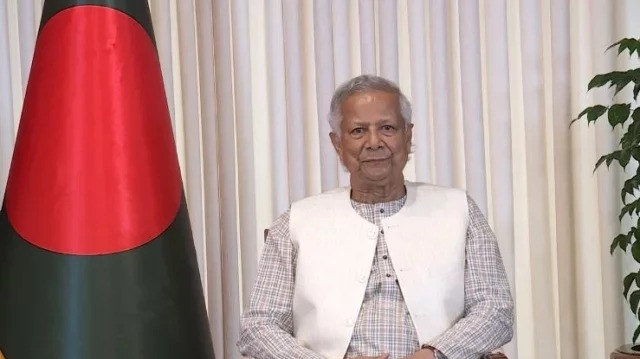
Muhammad Yunus’s popularity is waning as the interim government faces a series of crises, with Bangladesh’s political landscape becoming increasingly complex. This month marks the tenth month since Yunus assumed leadership of the country’s state machinery as the chief advisor of the interim government—formed through the consensus of political parties, civil society, and the military following the ousting of Sheikh Hasina. It was widely expected that the interim government would serve a brief term, similar to previous caretaker administrations, with its primary responsibilities being a) the efficient management of state affairs and b) the facilitation of free and fair elections. In practice, however, the Yunus administration has failed to achieve either objective and has instead undertaken the broader task of state reform through the creation of various reform commissions. Meanwhile, Yunus’s policies and decisions have only exacerbated the challenges faced by the interim government amidst the chaotic conditions that have gripped the nation since 5 August last year. Despite this, Yunus appears to be navigating against the current of the country’s political will. This raises a pertinent question—why is Muhammad Yunus still holding onto office? Several key developments support this assertion. One such example is the enactment of unconstitutional amendments through the passing of ordinances such as the Cyber Protection Ordinance, amendments to the International Crimes (Tribunals) Act, the Anti-Terrorism Act, and the Enforced Law Ordinance. These ordinances were criticised for being passed unilaterally without any public consultation. More critically, these legislative moves reflect Yunus’s apparent political vendetta—namely, the marginalisation of the Awami League. Two significant developments further reinforce this view: firstly, the deteriorating state of press freedom in Bangladesh, and secondly, the imposed ban on the Awami League. The Cyber Protection Ordinance, which replaced the stringent Cyber Security Act, was introduced by the interim government with the stated aim of strengthening cyber security. This move followed a period during which press freedom in Bangladesh had been severely eroded under the previous deposed administration. However, the new ordinance has demonstrated a similar tendency to suppress press freedom, as evidenced by the condemnation from rights groups over the revocation of press accreditation for journalists. The retaliatory targeting of journalists critical of Muhammad Yunus and the interim government, documented by the Rights and Risk Analysis Group (RRAG), presents an alarming picture—approximately 640 journalists have been targeted over the past eight months, with 91 reportedly harassed or assaulted in May alone. The charging of journalists with terrorism and other criminal offences—mainly in connection with the July uprising and their alleged ties to the former regime—has been widely criticised as a deliberate effort by the interim government to stifle press freedom. Contrary to the expectations of restored free speech following the July uprising, press freedom remains a critical concern, as highlighted by the latest global ranking from international human rights group Article 19, which categorised Bangladesh as a ‘crisis’ country for freedom of expression. The amendment to the Anti-Terrorism Act, approved on 11 May, introduced a provision enabling the prohibition of terrorism-related activities by individuals and ‘entities’. Concerns had already emerged that this ordinance would empower the interim government with unchecked authority to suppress political activity, especially given its move to ban the ‘activities’ of the Awami League under pressure from certain political parties. Merely a day after the ordinance’s enactment, the Awami League was officially dissolved—another unilateral measure implemented without public consultation. Though welcomed by parties that had mobilised on the streets demanding this outcome, Yunus’s decision provoked strong international criticism and deepened domestic political divisions, with many viewing it as a violation of democratic norms carried out without due process. The politically driven violence targeting League supporters since Hasina’s departure is well documented, and the ban is seen as a further escalation of such acts under a veil of impunity. These unconstitutional legal interventions have been justifiably identified as the interim government’s erosion of the country’s core human rights and freedoms. Muhammad Yunus’s proposal in April to establish a humanitarian corridor connecting to Myanmar’s Rakhine region marks the latest instance of his administration’s misjudgement. What distinguishes this issue from previous ones is the rare, unified protest and criticism it drew from all political parties—both established and emerging—arguably the first instance of such consensus since Hasina’s removal. On one hand, concerns were raised about the geopolitical risks this corridor posed to Bangladesh’s territorial integrity; on the other, questions were directed at the interim government’s unilateral move to propose such an initiative—despite lacking the mandate—without consulting political parties. The proposal also fuelled suspicions that Yunus was favouring the interests of foreign powers at the expense of national sovereignty. Not only political parties, but even the Bangladesh Army expressed disapproval, further highlighting widening tensions with the interim government. The Army Chief firmly rejected the idea of any such “bloody corridor” and instructed Yunus to hold elections by December, prompting the interim government to ultimately withdraw the proposal. The issue of elections has emerged as the most prominent point of contention against the Yunus administration. The intentional postponement of the national election has not only fuelled divisions among political parties but also hindered meaningful progress in the statebuilding process. Although the interim government initially announced national polls could be held by December 2025, the subsequent extension of the timeline to June 2026 has sparked suspicions and fears that Yunus is deliberately attempting to cling to power. The absence of a clear electoral roadmap—despite repeated requests from political parties—has intensified concerns that the interim government may further delay elections until the following winter. The political impartiality of the interim administration is increasingly under scrutiny, with many viewing Yunus as favouring the newly formed National Citizen’s Party (NCP), and suspecting that the postponement of the elections is a calculated strategy to give the NCP a strategic advantage in the forthcoming vote. However, the broad consensus among political parties on the urgency of holding early elections—despite their ideological differences—signals a notable shift in the political landscape: time appears to be running out for Muhammad Yunus. The current political climate stands in stark contrast
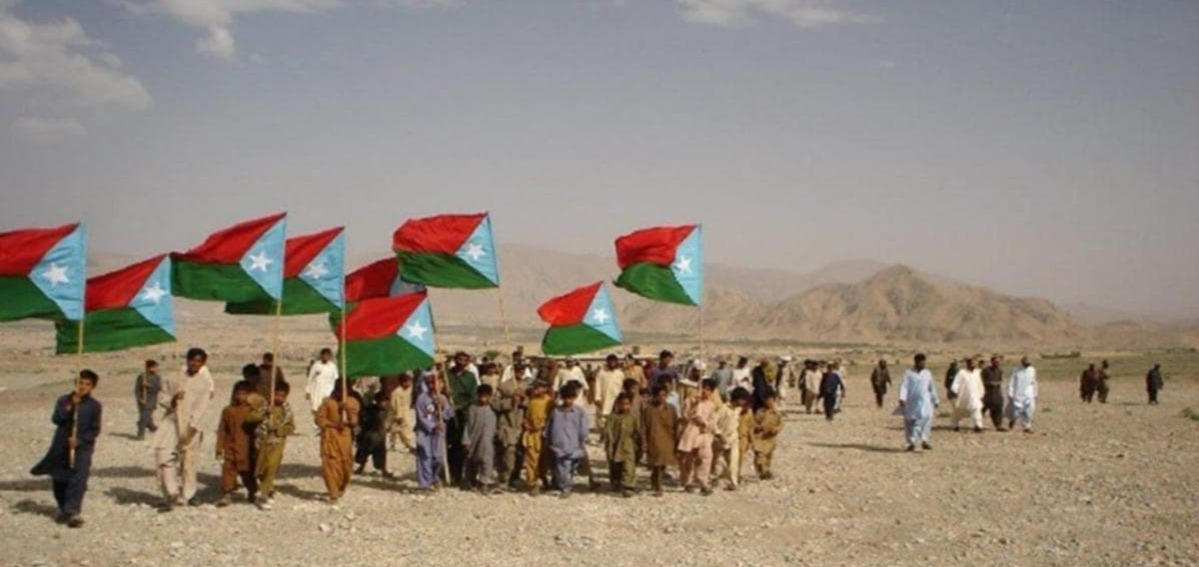
Over recent years, Pakistan has experienced numerous overlapping and escalating crises, beginning with the regime change in Afghanistan. In August 2021, Pakistan’s hybrid regime initially welcomed the developments that led to the rise of its longstanding ally—the Taliban. However, the situation rapidly deteriorated. The Taliban’s shift in allegiance inflicted not only a geopolitical setback but also spurred a surge in insurgent activity within Pakistan. Beyond the purported Taliban backing of militant organisations—particularly the Tehreek-e-Taliban Pakistan or TTP (a claim the Taliban refutes)—there are various other factors contributing to the groups’ structural and operational transformations. The Baloch Liberation Army (BLA), regarded as the most formidable and ambitious insurgent faction in Pakistan alongside the TTP, clearly exhibits signs of tactical and ideological evolution, necessitating that the Pakistani state recognise these changes in order to formulate appropriate countermeasures. The Baloch Liberation Army (BLA) emerged during the late 1990s and early 2000s as an armed resistance against what the Baloch population perceives as systemic marginalisation and exploitation by the Pakistani state. Balochistan—the largest yet poorest province in the country—possesses significant reserves of natural resources, including coal, natural gas, gold, and copper. The demand for provincial autonomy has persisted for decades, further intensified by the prevalent belief that the region was historically incorporated into Pakistan through coercive means. The BLA initially emerged with aims centred on greater provincial authority over governance and resource management, but it soon evolved into a movement advocating full independence. Originally led by tribal figures such as Balach Marri during its early phase, the organisation has since experienced a leadership transition, now predominantly composed of educated middle-class individuals, including women. Notable figures include Aslam Baloch—linked to the suicide attack targeting Chinese engineers in Dalbandin—along with Bashir Zaib Baloch, Hammal Rehan, Rehman Gul Baloch, among others. This leadership has overseen a significant transformation in the BLA’s tactical approaches and strategic orientation. Once primarily associated with hit-and-run attacks in mountainous regions—typically targeting gas pipelines, mobile towers, railway lines, and similar infrastructure—the group has shifted towards more coordinated and advanced urban guerrilla assaults against state security personnel. A notable recent example occurred on 11 March, when BLA militants hijacked the Quetta-Peshawar Jaffar Express, demanding the release of Baloch political prisoners and victims of enforced disappearances. In retaliation, the Pakistani military undertook a rescue mission lasting over 24 hours, underscoring the BLA’s capacity to engage in prolonged confrontations with state forces. Furthermore, the escalation of suicide attacks—especially since the reactivation of the Majeed Brigade (the BLA’s suicide unit) in 2018—has added a new layer of lethality and strategic depth to its operations. These attacks have also included female combatants such as Shari Baloch, who killed three Chinese lecturers at the Confucius Institute at Karachi University in 2022. Such incidents, along with assaults on Chinese personnel and projects as well as Punjabi migrant workers, serve as deliberate strategic messaging by the BLA. They underscore the group’s territorial claims and its willingness to indiscriminately target civilians it perceives as symbols of colonial domination and state-led exploitation. The notable expansion in the BLA’s numerical strength, operational reach, and strategic standing must be understood within a broader, multi-faceted context. Crucially, recognising the debilitating effects of factionalism, several Baloch insurgent groups opted to unite in 2018 under the collective banner of the Baloch Raji Aajoi Sangar (BRAS). This alliance even announced the formation of a joint military command—the Baloch National Army—tasked with implementing a coordinated strategy across the province. Additionally, similar to the TTP, the BLA has significantly profited from the sophisticated weaponry abandoned by US forces following their withdrawal from Afghanistan. Following the March train hijacking, Pakistani authorities disclosed the serial numbers of three American rifles used by the attackers, which were originally supplied to Afghan troops during the conflict. Furthermore, the Taliban’s return to power has created new sanctuaries for Baloch militants to regroup within Afghanistan, in addition to those already existing in Iran’s Sistan-Baluchistan province. Beyond the aforementioned developments, the BLA has adapted to contemporary dynamics by enhancing its propaganda capabilities through strategic use of social media. Its evolution from rural hit-and-run tactics to an urban guerrilla force engaged in narrative construction is also a response to exclusionary urban development, significant rural-to-urban migration, and increasing internet accessibility. A further aspect of this rhetorical strategy was evident following the deadly terror attack in Pahalgam, India. In a statement issued on 11 May, the BLA claimed responsibility for executing 71 coordinated attacks across 51 locations in the province as part of preparations for Operation Herof 2.0, shedding light on the group’s broader strategic calculus. The BLA appealed to India and other international actors to recognise and support it as a legitimate, indigenous national liberation movement, drawing parallels with the Bangladeshi independence struggle from Pakistan. Through this, the BLA sought to assert its position as a relevant actor in South Asian geopolitics, aiming to weaken what it describes as “the terrorist state” of Pakistan. Nevertheless, above all other factors, the primary driver behind the BLA’s expanding capabilities is the sustained repression of the Baloch population by the Pakistani state. Decades of harsh policies characterised by systemic marginalisation and collective punishment have so profoundly alienated the Baloch people that, in the absence of viable alternatives, even those opposed to violent methods often find themselves sympathetic to the BLA. It has been reiterated to the point of becoming axiomatic in political science that political challenges cannot be resolved solely through military means. The longstanding political grievances of the Baloch population have consistently been dismissed, silenced, and met with severe, indiscriminate force by the state. Unless Pakistan initiates a process grounded in accountability and sensitivity, and begins to provide the Baloch with genuine political representation and rights, the region will remain ensnared in an unending cycle of violence and repression.
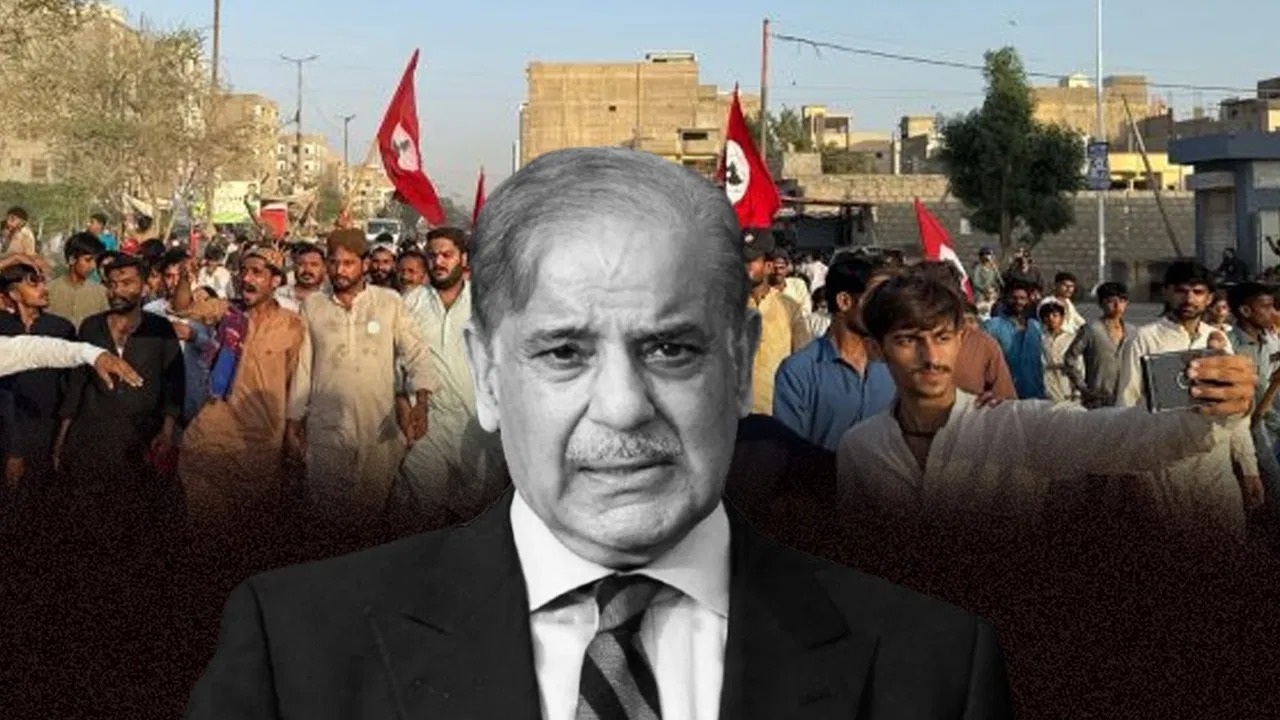
Despite Pakistan achieving a tenuous peace with India following military escalations along the border after the deadly Pahalgam massacre, the regime simultaneously faced multiple internal challenges. The escalation of activities by insurgent groups such as Tehreek-e-Taliban Pakistan (TTP) and Baloch Liberation Army (BLA) in the provinces of Khyber Pakhtunkhwa and Balochistan has already undermined the military establishment’s popularity, legitimacy, and morale. Meanwhile, popular protests in Sindh, ongoing for several months in opposition to the federal government’s proposed Indus canals project, have escalated into violence. Rather than addressing the grievances politically, the regime opted for a harsh crackdown, resulting in the deaths of two activists, which further incited protestors to set fire to the residence of Sindh’s Interior Minister, Ziaul Hassan Lanjar. The province of Sindh has long been a simmering cauldron of discontent, spanning several decades. It has consistently voiced grievances over federal discrimination and political marginalisation, which have benefited the politically and economically dominant Punjab. Central to the inter-provincial conflict between Sindh and Punjab is the issue of water, particularly the Indus River. On this occasion, the province mobilised in protests against the federal government’s decree to construct “six strategic canals” intended to address agricultural underdevelopment and food insecurity nationwide. Although the regime agreed to suspend the project in April amid persistent protests until a consensus among provinces was achieved, the demonstrations persisted, accusing the government of secretly proceeding with canal construction and engaging in deception. Public frustration escalated, prompting the regime to launch a harsh crackdown that resulted in the shooting of Zahid Laghari, a prominent activist of the Sindhi nationalist group Jeay Sindh Muttahida Mahaz (JSMM). This triggered a volatile situation in which protestors blocked a vital national highway, set oil tankers on fire, and roamed the area armed with AK-47 rifles. The canal project forms part of the broader Green Pakistan Initiative (GPI), launched in July 2023 with the aim of modernising the country’s agricultural sector. Agriculture is a vital component of Pakistan’s economy, contributing 25% to GDP and providing employment to 37% of the population. The initiative seeks to promote modern farming techniques, including the introduction of high-yield seeds and fertilisers, attract investment, and convert barren land into fertile, cultivable areas. In June 2024, President Asif Ali Zardari, as part of the GPI’s progression, approved the construction of six canals, with two planned for each of the provinces Punjab, Sindh, and Balochistan. Among these, the Cholistan canal has provoked significant opposition in Sindh, as residents believe it will substantially divert water from the Indus, reducing the province’s equitable share. Although the government assured that the canal would be constructed along the Sutlej River—governed by India under the 1960 Indus Water Treaty—and would utilise surplus monsoon flows along with river water from Punjab, Sindhi leaders disputed this claim, highlighting the critically low flow levels of the Sutlej. Despite hosting the country’s financial centre, Karachi, and making a substantial contribution to the national economy, Sindh remains marginalised by federal policies that systematically neglect its interests, leading to its gradual decline. Agriculture accounts for 17% of Sindh’s provincial economy, with 77% of its agricultural land reliant on irrigation from the Indus River. The Indus is vital to the province, serving not only as a crucial water source for agriculture and daily consumption but also preventing the intrusion of Arabian Sea water inland, sustaining the mangrove forests in the Indus delta, and preserving these ancient ecosystems and cultural lifeways. Unsurprisingly, the Indus has been a continual source of dispute for lower riparian Sindh, which bears the impact of federal water management policies, such as dam and canal construction, that divert water to upper riparian Punjab. A notable example is the Kalabagh dam, proposed by General Zia ul-Haq in the 1980s, which was halted following strong opposition from Sindh and other stakeholders. In this context, the Water Apportionment Accord of 1991 was established to resolve inter-provincial water disputes and ensure a fair distribution of water resources. However, the authority responsible for implementing the accord, the Indus River System Authority (IRSA), has faced widespread criticism for operating through a non-transparent and complex process, which has exacerbated disputes among provinces regarding the interpretation of its provisions. Additionally, the accord did not address the issue of sharing water shortages. Given the severe infrastructural deficiencies, frequent flooding, and impacts of climate change contributing to water scarcity, the lack of a mechanism for equitable sharing places the greatest burden on lower-riparian Sindh. IRSA is also known for disregarding concerns raised by provincial representatives while prioritising the establishment’s agenda. This was evident when IRSA issued the ‘Water Availability Certificate’ for the Cholistan canal in February 2025, asserting adequate water availability for the project despite objections from the Sindhi representative. For decades, Sindh has persistently alleged that it receives significantly less water than allocated under the 1991 Accord. The diminishing flow of the Indus has had devastating effects on the province, including the encroachment of seawater inland, which has led to salinisation and erosion of extensive agricultural lands, reduction of mangrove forests, mass displacement of populations, destruction of livelihoods, and severe impoverishment. The frequent flooding experienced in the province is another outcome of these mismanaged water policies. Sindh is still struggling to recover from the catastrophic 2022 floods, which devastated approximately 4.4 million acres of agricultural land and resulted in nearly 800 fatalities. Consequently, it is understandable that the population has vehemently opposed efforts to further deprive them not only of their rightful share but also of their fundamental source of sustenance. Nabi Bux Sathio, Vice President of the Sindh Chamber of Agriculture, stated that the Cholistan canal would “ruin 12 million acres of agricultural land in Sindh to irrigate just 1.2 million acres of desert in Punjab.” Therefore, the Pakistani government should address the grievances of the Sindhi population with sensitivity and accountability, rather than resorting to violent repression. Instead of treating the issue as merely a provincial concern, the regime must adopt a holistic perspective and recognise its reliance on its diverse constituents. With demands for provincial autonomy and
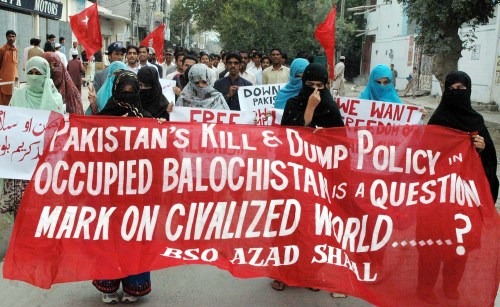
In today’s interconnected world, where the internet is vital for communication, commerce, and education, a government-imposed digital blackout represents more than a policy—it conveys a powerful message. This message continues to resonate in its third year within one of the central districts of Pakistan’s Balochistan province. Panjgur, renowned for its date palm cultivation and situated between Quetta, the provincial capital, and the strategic port city of Gwadar, has remained digitally incapacitated for several years. On 26 May, Pakistan’s Ministry of Interior prolonged the internet suspension in the area for a further six months, citing the “prevailing law and order situation” as justification. This decision might appear to be a localized matter of governance or security. However, it symbolises a far more profound dysfunction within the Pakistani state and is closely tied to the government’s militarised policy towards Balochistan. More significantly, this neo-imperialist and securitised strategy, which has kept Balochistan in turmoil and unresolved for decades, carries serious consequences not only for Pakistan’s internal cohesion but also for its foreign policy and its persistently strained relations within the region, particularly with India. The Baloch insurgency is not a recent phenomenon. Since Pakistan’s formation in 1947, the Baloch have launched multiple uprisings in response to what they perceive as systemic political marginalisation, economic deprivation, and cultural suppression by the Pakistani state. The fifth and ongoing phase of this armed resistance, which commenced in the early 2000s, has demonstrated notable resilience, with groups such as the Balochistan Liberation Army (BLA) posing an escalating challenge to the state. As The Economist notes, the distinct feature of this current insurgency lies in its broader support base, extending beyond a few feudal elites to include an increasingly mobilised Baloch middle class. What started as a regional demand for autonomy has, under the weight of state repression, evolved into increasingly vocal calls for full independence from Pakistan. Rather than pursuing genuine dialogue or instituting reforms, the Pakistani state has consistently resorted to militarised governance in the region, characterised by grave human rights violations, including thousands of enforced disappearances, extrajudicial executions, sexual violence against Baloch women, and widespread information blackouts. The internet suspension in Panjgur—along with similar disruptions in districts such as Kech and Gwadar, notably during the Baloch Yakjehti Committee-led protests of February–March 2025—is not merely a case of administrative excess. It forms part of a broader strategic approach that views Balochistan not as an equal federating unit, but as a rebellious frontier to be subdued for its resources. This perception is further entrenched by the military’s manipulation of local politics, whereby it installs loyalists into provincial governance structures, sidelining indigenous political actors deemed unreliable. But what does this mean for Pakistan’s foreign policy? At its foundation, foreign policy represents an extension of a state’s internal stability and should ideally embody political maturity. In Pakistan’s case, the persistent Baloch insurgency acts as both a distraction and a strategic liability. It consumes financial and military resources that might otherwise be allocated to constructive diplomatic engagement or economic development. More pointedly, the situation in Balochistan significantly affects Pakistan’s regional dynamics. For example, having consistently failed to address the underlying Baloch grievances, the Pakistani establishment frequently resorts to deflecting criticism of its shortcomings by accusing India of covertly supporting Baloch insurgent groups. Although there is little publicly available evidence to substantiate Pakistan’s claims of Indian involvement in Balochistan, the reality is that the protracted conflict has become not only a critical weakness and challenge within its domestic security architecture but also a growing diplomatic liability. As human rights discourse increasingly influences multilateral institutions and resonates among Western allies, the Pakistani Army’s ongoing military repression is likely to attract heightened international condemnation. Furthermore, ongoing state repression and the resulting militancy hinder prospects for regional cooperation. The China-Pakistan Economic Corridor (CPEC), heralded as the flagship project of China’s Belt and Road Initiative (BRI) and a cornerstone of Pakistan’s economic diplomacy, has its most extensive infrastructural presence in Balochistan. Although Islamabad promotes CPEC as transformative—promising advancements in roads, energy, and infrastructure—these promises have yet to materialise meaningfully on the ground, even after a decade. Many Baloch nationalists view the project as a neo-colonial venture that marginalises local communities while enriching external stakeholders. Measures such as internet shutdowns, arbitrary arrests, and militarised checkpoints in Gwadar and surrounding areas have only deepened these concerns. Despite China’s growing alarm over Balochistan’s deteriorating security—underscored by multiple attacks on Chinese personnel and assets last year—Pakistan’s response remains firmly rooted in a security-focused paradigm. This brings the focus back to Panjgur. In a region where students, the business community, and other segments of society are deprived of access to the digital realm, the state is effectively severing the area from the modern world. This digital disconnection does not restore stability; rather, it is intended to conceal the abuses committed by the Pakistan Army and to silence the grievances of the Baloch people. The Pakistani establishment fails to recognise that, over time, such measures generate greater alienation, radicalisation, and instability. Accordingly, Islamabad must recognise that Balochistan represents not merely a security challenge but a failure of governance. While internet restrictions may temporarily quell dissent, they will not resolve the insurgency and instead deepen feelings of alienation among the Baloch population. As long as Panjgur and vast areas of Balochistan remain isolated—both literally and metaphorically—Pakistan’s pursuit of internal stability and regional peace, particularly with India, will remain unattainable. A state that cannot deliver justice and connectivity to its own citizens lacks the credibility to demand justice or trust from its neighbours or the wider international community. The route to peace in Pakistan does not lie solely through Islamabad and Rawalpindi; instead, it winds through Panjgur and traverses Balochistan.
The interim government has now been in power for nine months, yet Bangladesh remains trapped in a cycle of political turmoil and uncertainty. On one side, political parties are more fragmented than ever before, while on the other, the interim administration continues to struggle with addressing the country’s persistent socio-economic and political challenges. Although interim government was established with broad consensus among civil society, political leaders, and the military following the mass uprising of 2024, the interim government under Dr Yunus has faced considerable difficulties since its formation. Indeed, much of the disorder that has engulfed the nation since last August can be attributed to the Yunus administration. While there was initial enthusiasm for a reformed Bangladesh, free from its authoritarian legacy, the interim government has largely proven to be a passive administration, repeatedly mired in controversy. It could be argued that the criticisms directed at the Yunus administration originate from remnants of the deposed Hasina regime. Dr Yunus has secured considerable support from global leaders, thereby legitimising the interim government and receiving strong endorsement primarily from Western countries in its pursuit of reforms and conduct of elections. Nonetheless, domestically, the legislative initiatives intended to implement reforms have encountered opposition not only from some of the very factions that contributed to the establishment of the interim government but also from international human rights organisations. Key legislative measures include the Cyber Protection Ordinance, amendments to the International Crimes (Tribunals) Act, and the Anti-Terrorism Act. The state of media freedom in Bangladesh remains deeply concerning, with numerous reports of violence, harassment, censorship, and prosecution of journalists and media outlets. Often these outlets are being accused by the interim government as collaborators with the Awami League—contradicting its commitment to uphold press freedom. The introduction of the Cyber Protection Ordinance, which replaced the contentious Cyber Security Act (CSA), quickly sparked apprehension regarding the government’s surveillance practices under the guise of enhancing cyber security. Organisations such as Transparency International Bangladesh (TIB) criticised the ordinance for being approved without adequate public consultation and for retaining CSA’s surveillance provisions, thereby posing a potential threat to media freedom in the future. This development coincided with the interim government’s cancellation of press accreditation for 167 journalists and the filing of charges of “crimes against humanity” against 25 journalists due to their alleged links with the Awami League government, provoking condemnation from human rights groups. Media freedom remains a critical concern, exhibiting patterns reminiscent of the previous administration. The most recent report by the Rights and Risk Analysis Group (RRAG), published on World Press Freedom Day 2025—when Bangladesh ranked 149th out of 180 countries—revealed that in the eight months under Dr Yunus’s interim government, 640 journalists were targeted. The administration’s efforts to suppress media critical of Yunus have involved not only branding them as pro-Awami League but also revoking press accreditations, resorting to violence, and levying criminal charges including money laundering, criminal offences, and terrorism. Consequently, urgent media reforms demand serious and immediate attention. The amendment of the International Crimes (Tribunals) Act through an ordinance extended the powers of investigative offices to conduct searches and seize evidence without prior approval from the tribunal. Additionally, the new ordinance authorised the tribunal to freeze and confiscate the assets of the accused. More recently, a second amendment introduced provisions allowing the trial and punishment of ‘organisations’ for crimes within the tribunal’s jurisdiction. In essence, these amendments enhanced the tribunal’s authority to ban organisations, confiscate their properties, and suspend their registration if found guilty of crimes against humanity. Initially, political parties were included in the ordinance, but this was subsequently removed to avoid political controversy. Nonetheless, these amendments—particularly the second—have attracted significant criticism from human rights organisations such as Human Rights Watch (HRW), which argue that they undermine fundamental human rights. Concerns have been raised that these changes could be exploited as tools for political repression of opposition groups, lacking adequate accountability, thus posing a threat to democratic principles. The ban on the Awami League has only reinforced this scepticism. On the 11th of this month, the interim government approved the draft ordinance of the Anti-Terrorism (Amendment) Act, introducing a new provision to prohibit activities of individuals or ‘entities’ involved in terrorism, thereby granting the government extensive powers to regulate political activities. Just one day earlier, the interim government imposed a ban on the “activities” of the Awami League amid increasing pressure from the Nationalist Communist Party (NCP) and Islamic parties. The ordinance, approved overnight, revised the existing Anti-Terrorism Act of 2009 and was subsequently used on 12 May to officially disband the Awami League, providing a clear indication of arbitrary targeting and suppression without accountability. This action provoked widespread condemnation from foreign governments, international human rights organisations, as well as domestic political leaders and analysts. The systematic targeting of Awami League leaders, activists, and supporters—who have faced mob violence over the past nine months—has sparked concern and criticism over the interim government’s failure to prevent the country’s descent into lawlessness. Instead, through the launch of Operation Devil Hunt aimed at curbing mob attacks, the interim government appeared to be settling political scores by arresting a disproportionate number of League sympathisers. The banning of a political party mirrored the authoritarian tactics of the deposed government, now widely labelled ‘fascist’, fuelling fears of a further erosion of democratic space. Moreover, the interim government’s ordinance on enforced disappearance has also faced criticism for lacking public consultation, accountability measures, and failing to address past abuses. The interim government’s recent legislative initiatives, presented as reforms, amount to little more than old wine in new bottles. While political parties in Bangladesh remain divided on the issue, international human rights organisations have been unequivocal in their criticism—these measures pose a significant threat to fundamental human freedoms. The interim government’s political vendetta has become increasingly apparent, as has the growing shadow of disapproval cast over the Yunus administration.
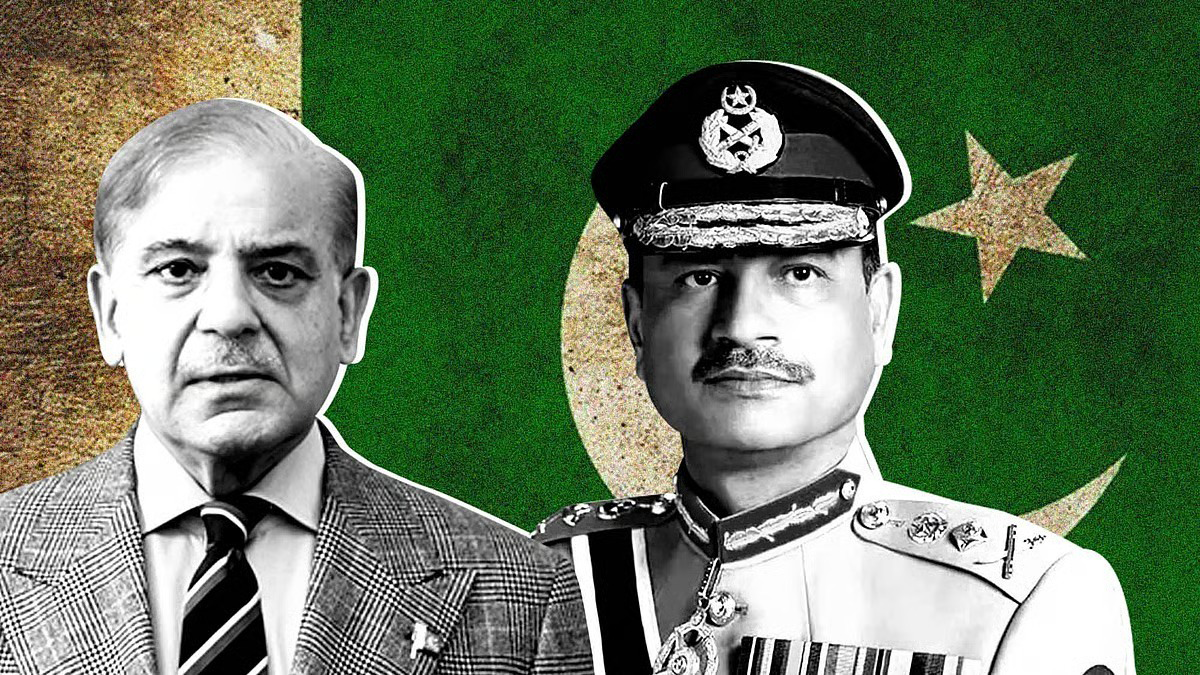
In a development that has sparked concern across Pakistan’s social landscape, the federal government under Shahbaz Sharif has recently bestowed the rank of Field Marshal—the nation’s highest military title—upon General Asim Munir, the Chief of Army Staff. Officially justified on the grounds of his “exemplary leadership” during the latest military confrontation with India, the move has prompted significant debate regarding the future direction of civil-military relations in Pakistan, as well as the military’s increasingly entrenched influence over democratic institutions, which have historically operated under the shadow of the armed forces. This marks only the second occasion in Pakistan’s nearly eight-decade history that such a distinction has been granted to a military general. The first instance was in 1959, when General Ayub Khan received the title and subsequently governed Pakistan as a military autocrat for more than ten years. Though the comparison remains unspoken, it is both striking and revealing. General Munir’s promotion to Field Marshal follows a recent military escalation between India and Pakistan, triggered by Operation Sindoor (6–7 May) launched by the Indian Armed Forces in retaliation for the killing of 26 tourists in Pahalgam, Jammu and Kashmir, on 22 April by Pakistan-based Lashkar-e-Toiba-affiliated terrorists. While official statements from Islamabad praised the operation as a strategic triumph that repelled Indian “aggression,” emerging reports suggest a far more nuanced reality. This is despite Indian forces not only striking terrorist infrastructure in initial precision attacks between 7–9 May, but also widening the operation’s scope to target at least nine Pakistan Air Force (PAF) bases, in addition to other military assets including air defence systems in urban centres such as Lahore. No fewer than three airbases, including Rafiqui, sustained substantial damage and were rendered non-operational. The official account presented by the Pakistan military underscores themes of restraint, readiness, and strategic deterrence. In doing so, the narrative seeks to transform a moment of vulnerability into one of fortitude. The conferment of the Field Marshal rank on General Munir is being promoted as a key element of this narrative reconstruction by the military leadership. This symbolic gesture aims to unify Pakistan behind its armed forces and convey an image of institutional robustness at a time when internal dissent was mounting, and the legitimacy of both the military and civilian governments has been increasingly questioned in recent years, particularly following electoral manipulation. The significance of General Munir’s elevation extends well beyond ceremonial recognition. In Pakistan, where the military has historically served as the primary arbiter of political authority, such appointments are seldom purely symbolic. They frequently carry prescriptive implications. This promotion should be understood as a formal acknowledgement of the ongoing consolidation of military supremacy over key state institutions. For example, the military establishment has appointed numerous retired and active officers to head various civilian agencies such as NADRA (National Database and Registration Authority), WAPDA (Water and Power Development Authority), and organisations like SUPARCO (Pakistan Space & Upper Atmosphere Research Commission), among others. The increasingly indistinct boundary between civilian and military spheres has become a defining feature of Pakistan’s governance framework. Consequently, General Munir’s advancement is not merely a commendation of his “wartime” leadership but a clear indication that the military intends to maintain, if not extend, its control over the country’s political arena in the foreseeable future. The Army’s impetus for this symbolic consolidation of authority arises in part from its declining public reputation in recent years. Previously regarded as the exclusive guardian of order and stability within a volatile political environment, the Army’s overt involvement in political manoeuvring has faced growing criticism. The pivotal moment occurred with the removal—and eventual incarceration—of former Pakistani Prime Minister Imran Khan. Initially perceived as the military’s preferred candidate, Khan’s time in office deteriorated relations with the generals, culminating in his ousting via a no-confidence motion in 2022, widely considered to have been orchestrated by the military leadership. His subsequent arrest and the suppression of his supporters attracted widespread condemnation both within Pakistan and internationally, undermining the Army’s carefully maintained reputation as an impartial protector of the national interest. Within this context, the conferment of the Field Marshal rank serves as an effort to regain diminished legitimacy. General Munir is portrayed not merely as a military tactician but as a unifying national leader who re-established Pakistan’s strategic equilibrium amid Indian hostility and maintained national cohesion during periods of internal turmoil. However, such symbolism carries significant consequences. The present civilian government, largely perceived as a product of the military-backed elections of 2024, has exhibited minimal opposition to this concentration of power. Consequently, Pakistan is edging alarmingly close to overt authoritarianism. What sets this period apart from previous episodes of military rule is the façade of civilian governance that confers democratic legitimacy on what is fundamentally a military-controlled state apparatus. Within this context, the Field Marshal designation is not merely a ceremonial embellishment but rather a symbol crowning an increasingly centralised power structure, which allows scant space for institutional independence or democratic accountability in Pakistan. Furthermore, this display of confidence should also be interpreted as concealing underlying vulnerabilities amid the ongoing and severe economic crisis and security challenges confronting Pakistan. For example, the rupee continues to depreciate, inflation remains elevated, and the country remains heavily dependent on IMF bailouts alongside financial assistance from allied nations such as China and Saudi Arabia. In Pakistan, the legacy of Field Marshal Ayub Khan continues to exert a significant influence. His period in power was characterised by centralisation, suppression of dissent, and a disastrous conflict with India in 1965. The Pakistani establishment may be invoking the memory of strong leadership once more, even if it comes at the expense of institutional stagnation. More importantly, this development diverts attention from a crucial question: Who holds the military accountable in Pakistan? In democratic systems, even generals during wartime are subject to scrutiny by elected officials. However, in Pakistan, where the Army has long functioned as a state within a state, such oversight remains largely unattainable. Pakistan is at a pivotal crossroads, and the promotion of General Asim
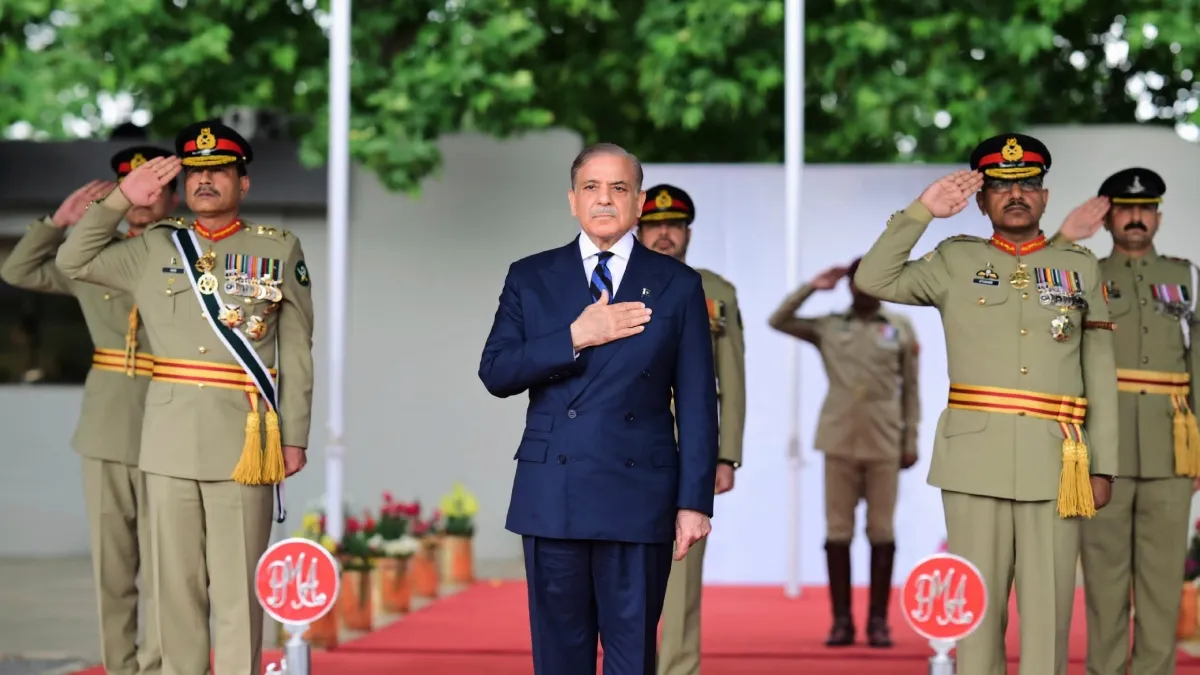
Pakistan has long been characterised by contradictions, and its leadership has once again veered into the realm of performative patriotism. On this occasion, however, they have gone beyond their usual reliance on rhetoric or censorship, choosing instead to officially commemorate what is widely regarded as a strategic failure in the recent military standoff with India, following the latter’s Operation Sindoor, which struck militant infrastructure and military targets without reprisal. On 13 May, the Shehbaz Sharif administration announced a new national holiday, Youm-e-Markaz-e-Haq (Day of the Battle for Truth), to be observed annually on 10 May — not to mark a victory, but what officials framed as a moral success over India, despite experiencing significant military losses during the week-long conflict. The circumstances surrounding this newly instituted national “day of valour” are far from obscure. Between 6/7 and 10 May, South Asia experienced a perilous escalation between India and Pakistan. In response to the Pahalgam massacre, in which 26 Indian civilians were killed by Pakistan-backed Lashkar-e-Toiba militants on 22 April, India undertook Operation Sindoor during the night of 6–7 May, aiming to demonstrate deterrence and punitive intent. The operation targeted no fewer than nine locations housing militant infrastructure and training camps across the Line of Control and within Pakistani territory. Independent analysts and satellite imagery have substantiated India’s precision strikes on terror-related logistics. In retaliation, Pakistan’s military launched its own Operation Bunyan Marsoos on 10 May, which included drone swarm offensives; however, all were effectively neutralised by India’s Air Defence Systems, which intercepted and destroyed dozens of Turkish-made drones in large numbers. In a significant escalation, Indian armed forces targeted no fewer than nine Pakistan Air Force (PAF) bases, extending across the country from the Nur Khan airbase near Islamabad/Rawalpindi to Rahim Yar Khan, Sukkur, Chunian, Pasrur, and Sialkot, among others. With several airbases rendered largely inoperative, Islamabad was compelled to pursue de-escalation through Director General of Military Operations (DGMO)-level dialogue by the evening of 10 May. However, the DG-ISPR, the media arm of Pakistan’s Armed Forces, reverted to its well-established narrative strategy by asserting that a “befitting reply” had been delivered to India’s precision strikes, despite clear evidence to the contrary. Such rhetoric has become a defining feature of the military’s public relations discourse. Despite professing a commitment to transparency, the Pakistani establishment—along with its civilian front—has once again avoided offering genuine openness or accountability. Instead, Prime Minister Shehbaz Sharif capitulated to the military establishment’s every exaggerated demand, aligning himself with its mythmaking apparatus. As part of these symbolic gestures, on 13 May, PM Sharif proclaimed that 10 May would henceforth be observed annually as Youm-e-Marka-e-Haq (Day of the Battle for Truth), in a show of support for the Pakistani armed forces. Furthermore, the government extended this orchestrated display by designating 16 May as Youm-e-Tashakur (Day of Gratitude), ostensibly to express thanks to divine forces for safeguarding the nation. Even more notably, General Asim Munir, the current Army Chief, was conferred the rare military rank of Field Marshal, becoming only the second Pakistan Army General to receive this title since General Ayub Khan in 1959. This elevation is symbolic rather than operational, reflecting more the military’s intent to project strength than any substantive achievement on the battlefield. However, these recent developments provide insight into the broader pattern whereby the Pakistani state—especially its military establishment—routinely transforms setbacks into celebrations to uphold its legitimacy. In the process, it not only actively reshapes historical narratives in real time but also employs national holidays as instruments of diversion and morale control. The strategy itself dates back several decades. In 1965, Pakistan launched Operation Gibraltar, aiming to provoke an uprising in Jammu and Kashmir by infiltrating regular army troops. The operation, however, ended in failure, triggering the full-scale Indo-Pak War of 1965. Ultimately, Pakistan ceded more territory than it gained and was compelled to agree to a ceasefire through the Tashkent Agreement of 1966. Nevertheless, each year on 6 September, the country observes Defence Day—a solemn patriotic occasion featuring military parades and speeches glorifying Pakistan’s alleged martial superiority. In 1999, Pakistani forces unlawfully crossed the Line of Control and seized strategic mountain positions in the Kargil region. The operation, carried out without civilian government approval, led to the deaths of hundreds of Pakistani soldiers as India launched a counteroffensive to retake the area. Nevertheless, General Pervez Musharraf—the architect of the Kargil debacle, appointed Army Chief by Nawaz Sharif after bypassing two senior officers only months earlier—soon assumed control through a military coup. Even today, Kargil is remembered in segments of Pakistan’s national narrative not as a failure, but as a bold display of military ingenuity. What remains consistent across these episodes is the deliberate reconfiguration of national memory. Military defeats are recast as stories of resistance, while tactical blunders are reframed as moral triumphs. This extends beyond mere propaganda; it represents a sustained strategy of narrative management that shields the military from accountability and ensures the civilian government remains subordinate to the armed forces’ entrenched authority. By designating 10 May as Youm-e-Markaz-e-Haq, the state is not merely revising the narrative of a military confrontation but is also proactively undermining dissent, stifling debate, and conditioning future generations to prioritise myth over reality. Educational institutions will present it as a moment of national victory, much like the portrayal of Operation Gibraltar. Any critiques highlighting strategic failures or the true economic, diplomatic, and military costs are likely to be marginalised or suppressed. The utility of these contrived holidays is multifaceted. Firstly, they offer a cathartic release for a population grappling with economic hardship, political turmoil, and international isolation. In a nation beset by soaring inflation, a depreciating rupee, and frequent IMF bailouts, mythologised nationalism provides an inexpensive form of escapism that discourages critical inquiry. Secondly, such observances function as tests of loyalty. By requiring public participation in the commemoration of fabricated victories, the state fosters an environment where patriotism becomes performative and dissent is deemed perilous. Thirdly, and arguably most cynically, these holidays reinforce the military’s hold over national identity. While in most democracies national holidays
Since the partition of the Indian subcontinent in 1947, which led to the creation of independent India and Pakistan, the latter has endured multiple military defeats at the hands of the former. Characterised by military adventurism and political revisionism, Pakistan’s national and security policies have consistently revolved around India. Merely months after independence, Pakistan revealed its questionable strategic inclinations by deploying tribal militias into Kashmir, sparking the first conflict between the two states. Almost twenty years later, the 1965 war erupted, again provoked by Pakistan’s incursion across the ceasefire line. These encounters proved humiliating for Pakistan, yet they pale in comparison to the profound setback of losing East Pakistan. Despite forfeiting around 15% of its land and more than half of its population, Pakistan exhibited a striking form of resilience—not through strength, but through denial. This enduring tendency to operationalise denial, combined with its consistent strategy of employing proxy warfare, has forced India to reassess its security doctrine concerning its volatile neighbour—from one of deterrence to a strategy aimed at raising the costs of Pakistan’s provocations. Despite enduring immense international condemnation for its egregious human rights violations and persecution in East Pakistan—actions that intensified the secessionist uprising—Pakistan maintained a policy of constructing narratives for domestic audiences. Even today, many within the country remain unaware of the extent of the atrocities committed by their state against their former compatriots. In stark contrast, Pakistan glorified the sinking of the INS Khukri by the PNS Hangor as a defining victory, enshrining it within national and military legend. The loss of the Khukri was indeed historically significant, marking the first occasion since the Second World War that a submarine sank a warship in combat, and it inflicted a considerable blow to India, which lost 18 officers and 176 sailors in the incident. Despite the Pakistani establishment’s deliberate distortion of events, the reality remains that Pakistan suffered losses in blood, territory, and prestige due to the Indian Army’s ferocious 13-day campaign on both its western and eastern fronts—most notably, the Indian Air Force’s powerful operation which included bombing Dhaka’s Governor House during an active meeting. This strike dealt a decisive blow to Pakistani morale, prompting Lt. Gen. A.A.K. Niazi, commander of the Eastern Command (in what is now Bangladesh), to request a ceasefire from Indian Army Chief General Sam Manekshaw. On 16 December 1971, Pakistan formally signed the instrument of surrender and was compelled to hand over approximately 93,000 soldiers to Indian forces. A similar pattern of narrative manipulation and denial resurfaced during the 1999 Kargil conflict—shortly after both nations had become nuclear powers—when the Indian Army successfully retook all positions initially captured by Pakistani infiltrators. Predictably, rather than conceding strategic defeat, Pakistan portrayed the episode as a display of bold resistance. Commencing in the 1980s, Pakistan’s acute deficiency in strategic depth and its lack of conventional parity with India compelled it to revise its security doctrine and adopt the strategic utilisation of radical groups. Its active participation in the Afghan Jihad during this period—under the broader US-led initiative against the Soviet occupation of Afghanistan—provided the essential framework for implementing this proxy warfare strategy. Subsequently, Pakistan’s military-intelligence establishment fuelled a violent insurgency in Kashmir, orchestrating numerous terrorist attacks across the valley and other parts of India over the following decades. For an extended period, India adhered to a policy of conventional military superiority, strategic restraint, and diplomatic engagement to enforce deterrence—driven by factors such as Pakistan’s use of plausible deniability, the nuclear status of both nations, and global pressure for caution. Over time, two clear patterns became evident. The first was that efforts towards diplomatic reconciliation and peace talks were repeatedly undermined by cross-border terrorism. The Kargil conflict occurred shortly after the landmark Lahore Declaration signed by Prime Minister Atal Bihari Vajpayee and his Pakistani counterpart Nawaz Sharif; the 2001 Agra Summit between President Pervez Musharraf and PM Vajpayee was swiftly followed by the horrific attack on the Indian Parliament; and the comprehensive peace initiative led by PM Manmohan Singh and President Musharraf—commonly referred to as the ‘Manmohan-Musharraf formula’—was derailed by the devastating 2008 Mumbai terror attacks, among other instances. Secondly, India’s response—marked by diplomatic disengagement, presentation of incriminating evidence against the Pakistani establishment at global multilateral platforms, and advocacy for coordinated international action—was met with bureaucratic inertia, geopolitical contestations, procedural delays, and widespread international indifference. Even a seemingly straightforward matter, such as the United Nations listing of Masood Azhar—leader of Jaish-e-Mohammad, responsible for the 2001 Parliament attack, 2016 Pathankot attack, and 2019 Pulwama attack—was obstructed for over a decade due to Chinese vetoes. India even agreed to Pakistan’s proposal for a joint investigation into the 2016 Pathankot attack, only for the Pakistani findings to label it ‘another false flag operation fully facilitated by the Indian army solely to blame Pakistan’. Owing to Pakistan’s continued deception and denial, coupled with international inaction, a discernible shift has occurred in India’s strategic approach in recent years. Rather than focusing on deterrence—which would necessitate fundamental changes within Pakistan’s political and security structures—India appears to have moved towards a strategy centred on punitive cost-imposition. This shift began to surface following the 2016 surgical strikes in response to the Uri attack, gained further momentum with the Balakot air strikes after the Pulwama incident, and has now culminated in full force with the recent Operation Sindoor. Collectively, this trajectory signifies a doctrinal and operational transformation across several dimensions. In the immediate aftermath of the horrific terrorist attack in Kashmir’s Baisaran Valley on 22 April, which claimed the lives of 25 Indian civilians and one Nepali national, India demonstrated its intent to retaliate by suspending the historic 1960 Indus Waters Treaty—long regarded as a symbol of cross-border cooperation and remarkably resilient through past conflicts. Within two weeks, this diplomatic rupture was followed by a series of precision strikes targeting nine terrorist infrastructure bases across Pakistan and Pakistan-occupied Kashmir. India described these strikes as ‘measured, non-escalatory, proportionate, and responsible,’ asserting both its necessity to act after decades of provocation by the Pakistani establishment and its desire

Pakistan’s enduring economic difficulties are well recognised globally. In recent years, the nation has experienced alarming inflation, an ongoing crisis in foreign exchange reserves, and an overwhelming debt burden. These issues have led to widespread unemployment, increased poverty, and daily hardships for a population already caught in the crossfire of recurring terrorist violence and military operations ostensibly aimed at countering it. Nevertheless, despite this worsening scenario and the harsh effects of austerity measures imposed by the IMF on the populace, Pakistan’s disproportionately large military appears unaffected and is, in fact, gradually expanding its share of the national economy. The expansive role of the military in Pakistan’s domestic affairs extends beyond politics and foreign policy, significantly permeating the economic sphere. To begin with, the military absorbs a substantial portion of the GDP—Pakistan’s defence expenditure for FY2025 stood at 2.3% of GDP, exceeding equivalent figures for India, China, and the European Union. According to a study by Moneycontrol, Pakistan’s defence budget experienced an annual growth rate of 12.6% between FY17 and FY25, compared to India’s 8%. In contrast, education and healthcare were allocated merely 2% and 1.3% of the GDP, respectively. In addition, the military has developed an extensive private conglomerate, commonly referred to as the ‘milbus’ (military business)—a term introduced by prominent scholar Ayesha Siddiqa in her seminal work Military Inc.: Inside Pakistan’s Military Economy. Through a network of commercial enterprises, including the Fauji Foundation, Army Welfare Trust, Shaheen Foundation, Bahria Foundation, and the highly contentious Defence Housing Authority (DHA), the military has embedded itself across numerous sectors such as real estate, banking, manufacturing, agriculture, shipping, education, and media. Some estimates suggest that the military controls approximately 12% of the nation’s land. Although the military and its proponents contend that the professionalism, stability, and efficiency it represents are reflected in its economic endeavours, many critics challenge the monopolistic, expansive, and opaque nature of this military dominance. Defence-operated industries suppress local competition and private enterprise, while benefiting from tax concessions and minimal regulatory oversight. By blurring the boundary between protector and profiteer, the military prioritises strategic positioning and its own commercial gain over public welfare and principles of market equity. These concerns are amplified when certain ventures become entangled in corruption scandals, such as the DHA Valley Islamabad fraud, or disregard public interests, as seen in the Indus canals initiative. The DHA—initially established to offer affordable housing for retired military personnel but now catering to elite residential projects—has faced widespread criticism over questionable land acquisitions and community displacements to benefit the privileged. Moreover, the inclusion of senior military officials in the 2021 Pandora Papers exposed the extent to which they funnel vital national assets through offshore financial channels. The ‘milbus’ in Pakistan has not only exacerbated the persistent and severe underinvestment in human development, but the military’s substantial economic influence also reinforces its political dominance within the country. It is well established that the military remains the most powerful institution in Pakistan, having governed directly for nearly three decades and exerting significant influence behind the scenes during periods of civilian administration. Given the military’s pervasive control over the economy, civilian governments are largely stripped of the ability to make independent decisions based on the needs and interests of the populace. Thus, the expansive economic domain of the military in Pakistan has a direct impact on the nation’s socio-economic stability. On one hand, defence-operated enterprises—shielded from public audits and regulatory scrutiny—create monopolies that undermine local businesses, deplete public resources, and significantly intensify inequality. On the other hand, the ‘milbus’ entrenches authoritarianism, rendering civilian governments largely symbolic. At a time when the country’s economic crisis continues to spiral, inflicting severe hardship on ordinary citizens, it is essential to critically reassess the allocation of national resources, particularly those directed towards the military. The military’s vast commercial ventures must be brought under the same regulatory framework as civilian enterprises, and its market dominance restricted. Achieving this requires a fundamental recalibration of civil-military relations, along with a reflective discourse on the appropriate role of the military within a democratic framework.
Pakistan’s National Security Strategy Is Broken. Reform Must Begin at Home In 2021, the Pakistani government introduced its inaugural National Security Policy, asserting that “the safety, security, dignity, and prosperity of citizens in all their manifestations will remain the ultimate purpose of Pakistan’s national security (p. 6).” To many, this appeared to mark a shift—at least rhetorically—towards a more citizen-focused and comprehensive understanding of security, moving away from the historically military-centric framework. Yet, four years on, such declarations appear increasingly unfulfilled. From Balochistan to Khyber Pakhtunkhwa, Pakistan remains challenged by escalating internal insurgencies. The Baloch nationalist movement, in particular, has withstood decades of state repression and, in recent years, has expanded both in territorial scope and tactical capability. Concurrently, Pakistan’s regional stance—especially its policy alignment with the Afghan Taliban and its enduring engagement with extremist proxies—has resulted in diplomatic isolation and increased domestic exposure to militant reprisals. If Pakistan aspires to become a secure state, it must first confront a difficult truth: national security cannot be sustained on the basis of repression, strategic ambiguity, and denial. Instead, it must be re-envisioned to include justice, political reconciliation, and an honest reckoning with historical missteps. This transformation must commence with Balochistan. For decades, the Pakistani state has approached Baloch nationalism not as a legitimate political grievance requiring resolution, but as a security challenge to be forcefully suppressed. This approach has involved enforced disappearances, extrajudicial killings, and aggressive military interventions. Consequently, a profound sense of alienation has taken root among Baloch communities, many of whom, having suffered state violence, now view the state more as a colonising force than a protective authority. It is therefore unsurprising that leading non-violent advocates for justice in the province, such as Mahrang Baloch, have personally experienced repression, with numerous family members subjected to enforced disappearances or extrajudicial killings. Despite ongoing state abuses, the insurgency has persisted—and indeed, it has adapted. Organisations such as the Baloch Liberation Army (BLA) have extended their activities beyond traditional rural strongholds, increasingly targeting economic infrastructure and security personnel across the province, and occasionally in major urban centres such as Karachi. In recent years, Baloch insurgents have repeatedly attacked Pakistani military facilities and China-backed development projects, resulting in the deaths of several Chinese nationals. This trajectory does not reflect a weakening movement; rather, it underscores the failure of the Pakistani state’s militarised strategy. The government continues to portray the insurgency as externally orchestrated, particularly by India. This narrative serves to conveniently sidestep the deeper, legitimate grievances of Baloch citizens, including political exclusion, resource extraction without local benefit, and a lack of essential public services. Notably, Balochistan—despite its substantial mineral wealth—remains among the most impoverished and underdeveloped regions in the country. It is this stark disjunction between the state’s strategic priorities and the lived experiences of its people that lies at the core of Pakistan’s faltering national security framework. Pakistan’s prevailing security architecture has been predominantly shaped and directed by the military establishment. Its conventional orientation has remained India-centric, interpreting national security primarily through the limited perspective of perceived external threats. This strategic outlook has fostered three deeply detrimental tendencies within the country’s policymaking. Firstly, it has resulted in the systematic securitisation of internal dissent. Movements advocating for ethnic rights, such as the Pashtun Tahafuz Movement, calls for democratic reform, and even critical journalism are frequently perceived as threats to “national unity.” The state’s response has often been coercive, ranging from censorship to outright violence—as recently witnessed during the Baloch Yakjehti Committee’s protest march against extrajudicial killings and ongoing state-enforced disappearances in Balochistan. This approach has only exacerbated public distrust and further eroded the cohesion of the social fabric. Secondly, it has normalised the deployment of non-state actors as tools of regional influence. From Kashmir to Afghanistan, Pakistan has supported extremist groups that serve its strategic objectives. While this proxy strategy may have yielded short-term gains, it has come at a significant cost, as several of these groups have turned against the state itself—most notably the Tehrik-i-Taliban Pakistan (TTP), which has resurged in strength in recent years. Thirdly, this strategy has contributed to Pakistan’s diplomatic isolation. Its ongoing support for, or at least tolerance of, the Afghan Taliban has estranged key allies, including the United States and the wider international community. Repeated statements by US officials accusing Pakistan of exploiting its partnership with Washington for counterterrorism purposes while simultaneously shielding such groups underscore this duplicity. Moreover, Pakistan’s failure to present a coherent counter-extremism policy has rendered it an unreliable actor in global counterterrorism initiatives. Arguably, Pakistan’s national security doctrine has, paradoxically, undermined its own security. For Pakistan to break free from this cyclical pattern, it requires more than a mere superficial adjustment to its national security policy. A profound transformation is necessary, starting with a shift in focus from safeguarding the interests of the military establishment to prioritising the welfare of its citizens. This entails prioritising political dialogue over military repression in Balochistan and other turbulent regions. Additionally, it must recognise that dissent is not an act of treason, that ethnic grievances do not constitute national threats, and that lasting peace is achieved through negotiation, not eradication. This also requires rejecting the militarised approach in favour of empowering civilian institutions to lead on internal security. The intelligence and military apparatus must not serve as both judge and executioner in matters of internal dissent. Pakistan’s democracy, despite its fragility, cannot thrive under the strain of a constant state of emergency and dominant military control. Moreover, it is crucial to abandon the “good Taliban, bad Taliban” policy, which has always been driven more by strategic considerations than by moral principles. The Taliban’s resurgence in Afghanistan represents a model that Pakistan should avoid, as it has strengthened jihadist networks across the region. Pakistan must end its strategic ambivalence and decisively distance itself from all extremist groups. No state can achieve stability while harbouring forces fundamentally opposed to the very concept of the modern nation-state. Pakistan has options, but lacks the political will. The path to reform
In the aftermath of India’s Operation Sindoor on May 7, which targeted militant infrastructure in Pakistan and Pakistan-occupied Kashmir, a familiar cycle of accusations and denials has resumed. Pakistani officials immediately labelled the operation a strike on civilians insisting that places of worship, and religious schools, were among the many targets. Particular attention has been drawn to Markaz Subhan Allah in Bahawalpur, a facility long known as the headquarters of the Deobandi militant group Jaish-e-Mohammed (JeM). It was here, notably, that Masood Azhar, the proscribed group’s founder, reappeared in December 2024 after years of purported house arrest, a stark reminder of how Pakistan’s most dangerous extremists often operate with impunity, even when officially designated as threats by the international community. This narrative may resonate in some quarters of the international community, but it masks a deeper, long-running reality which is that many of Pakistan’s religious seminaries, or madrassas, have long played a central role in incubating violent extremism. While not all madrasas are complicit, thousands have served as ideological and operational feeders for some of the region’s most dangerous militant groups. The connection between Pakistan’s madrassa network and its decades-old strategy of cultivating proxy groups is well documented. And yet, it remains largely absent from current discourses on terrorism globally. To understand the roots of regional instability and why efforts to counter terrorism often flounder, the international community needs come to terms with this institutional reality. An Infrastructure of Indoctrination Since the 1980s, after President General Ziaul Haq thrust Pakistan into the frontline of global jihad against Soviet Communists in Afghanistan with the support of United States and Saudi Arabia, the country’s intelligence services, particularly the Inter-Services Intelligence (ISI), have cultivated relationships with a range of militant groups. As the anti-Soviet jihad in Afghanistan folded in the late 1980s, Pakistani Army, having adopted the doctrine of “strategic depth,” the notion that non-state actors could serve as force multipliers in conflicts with neighboring states, redirected these Afghan Jihad returnees to Kashmir. Moreover, an umbrella of Kashmir-centric anti-India groups, such as Hizbul Mujahideen (HM), Lashkar-e-Toiba (LeT), and Jaish-e-Muhammad (JeM), were created to sustain the insurgency in Kashmir. It is instructive when Former President General Pervez Musharraf acknowledged as much in 2010 admitting how Pakistan had supported militant groups to “pressure India.” But the more pressing question is how Pakistan’s military and its Inter-Services Intelligence (ISI) continue to sustain such a vast militant ecosystem. The answer lies in the decades-old nexus between militant outfits like Lashkar-e-Taiba and Jaish-e-Mohammed, and a wide network of religious seminaries (madrassas) that serve as sources of both ideological indoctrination and recruitment. While madrassa system of education is not new to Pakistan, but their explosive growth over the last few decades has altered the country’s educational and religious landscape. From just a few hundred at independence in 1947, their numbers have ballooned to more than 30,000 today, a conservative estimate, with nearly half of these operating without state oversight. While some offer basic religious instruction, many propagate an austere, puritanical version of Islam, often influenced by Saudi Wahhabism and Deobandi orthodoxy — that fosters sectarian intolerance and glorifies armed struggle. For instance, many of these madrassas, as highlighted by M. W. Malla (2020), have relied on curriculum which emotively glorifies “jihad – Islamic holy war – through vivid imagery for whom alif (A) was meant Allah, be (B) meant Bundook (Gun), jim (J) meant jihad, and ha (Ha) meant hathiyar (arms) and likewise.” A Pipeline to Militancy In theory, madrassas are meant to provide education and social support to the underprivileged. However, in case of Pakistan, a significant proportion of these Islamic schools serve as gateways to radicalization. The situation is compounded by lack of governmental oversight. For instance, while the officially registered madrasas, numbering nearly 17500 as per governmental statistics, cater over 2.2 million students, millions more are enrolled in the unregistered ones. Consequently, orphaned and impoverished children, often with no other schooling options, are drawn into a closed system where anti-Western and anti-Hindu narratives are presented as divine truth. Recruitment for jihadist groups often begins in these classrooms. Incidentally, some of the most prominent Islamic religious seminaries of Pakistan such as Jamia Ashrafia in Lahore, Dar-ul-Uloom Banori Town in Karachi, and Jamia Haqqania Akora Khattak have been repeatedly linked to known extremist organizations. Take the case of Jamia Haqqania, which has been referred to as the “University of Jihad” and its former Vice Chancellor Maulana Samiul Haq as the “Father of Taliban.” Much of the Haqqania network leadership and cadre, which is part of Afghan Taliban, has received their religious training from these institutions with a number of them currently surving in the transitional government of Taliban in Afghanistan. Even as international pressure has mounted, reform efforts have faltered. It is instructive how Pakistan’s current government quietly abandoned the 2019 requirement for madrassas to register with the Ministry of Education, a modest reform that aimed at bringing religious seminaries under state oversight. The reversal came in December 2024, as part of a political bargain with Jamiat-e-Ulema-e-Islam (Fazl), Deobandi religious party led by Maulana Fazlur Rehman, to secure the party’s support for a constitutional amendment that expanded the powers of the military establishment while curbing the judiciary’s independence. Pakistan’s leaders have often found it easier to co-opt these groups than to challenge them — a compromise that comes at significant cost. Beyond the Madrassa The culture of radicalization in Pakistan does not stop at religious schools. State-run public schools often include textbooks that promote intolerance, framing India and the West as existential threats. Clerics like Maulana Abdul Aziz, once the head of Islamabad’s infamous Lal Masjid, openly issue calls to violence. He has faced little accountability despite repeated clashes with the state. This radical ecosystem is self-reinforcing. With 39 percent of Pakistan’s population living below the poverty line, many families have little choice but to send their children to madrassas that offer free food and shelter. But the pattern is not limited to the poor. In recent

Over the past couple of decades, Pakistan has steadily lost favours it once enjoyed with key allies, including the US, for its incessant instrumentalization of terrorism as state policy. As the post 9/11 world increasingly adopted global norms on no tolerance for terrorism, Pakistan remained stuck in its tactics of viewing militant networks as strategic assets, particularly deployed against India. Embarrassingly exposed time and again, the country currently finds itself amid multiple crises at once, from a precarious economic state to existentially threatening insurgencies, all exacerbated by a severely weakened global standing. This was laid bare during its recent hostilities with India, following the blood-curdling Pahalgam attack of April 22, as countries that have traditionally aligned with Pakistan refused to come to its aid. Pakistan’s role in the proliferation of global terrorism began with its alliance with the CIA in arming the Afghan Mujahideen against the USSR in the 1980s. However, this policy of using militant proxies for geopolitical ends was soon institutionalized by the Pakistani establishment which then deployed the same tactics to undermine India, and specifically stir up Islamist militancy in Kashmir. Even as it projected itself as a US ally in the global war on terror, it continued to shelter and support radical elements, reflected in its infamous distinction between ‘good Taliban’ and ‘bad Taliban’. The primary reason why it covertly backed the Afghan Taliban was again as to secure an allied Islamist regime in Afghanistan as a counter to India. This could not be concealed for long and the US, frustrated by Pakistan’s duplicitous designs, significantly cut down on its economic and military aid to the country, in addition to distancing itself diplomatically. On the other hand, the continuous terrorist attacks in India, evidentially linked to Pakistan, such as the 2001 Parliament attack, 2008 Mumbai attacks, 2019 Pulwama attack, among others, tarnished the latter’s global reputation as the epicentre of terrorism. In recent years, even Muslim majority nations such as the Persian Gulf countries, particularly Saudi Arabia and UAE, have shifted their foreign policy rationale from religion and ideology-based alignment with Pakistan to a more forward-looking cooperation based on the imperatives of economic pragmatism, regional stability and security, and the emerging new world order, with India. Similarly, the Organization of Islamic Countries (OIC) has, in the past few years, demonstrated its respect and willingness to engage with India, much to the distaste of Pakistan. The first and quite heavy blow came when the forum invited India’s then Foreign Minister Sushma Swaraj as a ‘guest of honour’ in its 2019 meeting in Abu Dhabi, despite Pakistan’s objections. The next year, in a departure from its usual stance, the OIC declined to have Kashmir on its agenda, reflecting Pakistan’s deteriorating standing in the forum and India’s increasing global clout. Although amid the recent military escalations between the two neighbours in the wake of the Pahalgam terror attack, the OIC appears to have favoured Pakistan’s narrative on Kashmir, inciting censure from India, it remains questionable how long it is going to last, given Pakistan’s free-falling economic, security and diplomatic situation as well as the organisation’s history of snubbing the country’s requests more often than not. Destabilizing Pakistan’s strategic calculus and exacerbating its internal crisis is its once intimate ally- the Afghan Taliban. Since returning to power in August 2021, an event that was looked at with much optimism and triumph in Islamabad, the Afghan Taliban have turned sour with their neighbour that accuses them of supporting the Tehreek-e-Taliban Pakistan (TTP) or the Pakistani Taliban. The TTP has recently emerged as the most potent insurgent group within the country, in addition to the Baloch Liberation Army (BLA), launching relentless attacks on security forces and civilians, and increasingly establishing proto-state pockets in Pakistani territory. The loss of the Afghan Taliban as a reliable ally against India despite years of covert and risk-laden backing certainly constitutes an existential setback for Pakistan, made worse by the growing engagement between the Afghan Taliban and India. The decades of Pakistan’s instrumentalization of terror have left it in a position that it itself finds difficult to get out of. Not only has the sponsorship of terrorism backfired on its own people as it ranks 2nd in the Global Terrorism Index 2025, but the years of neglect of its internal issues has bred insurgencies that have attacked even Chinese workers and projects, jeopardizing its most strategic partnership. As Pakistan suffers from alarming inflation, dropping currency and foreign exchange reserves, and dependence on IMF bailouts and bilateral loans, its internal security crises have not only weakened it politically but also economically by staving off any potential investment. Therefore, in order to prevent its own unravelling, Pakistan must take stock of the shifting geopolitical landscape wherein nations prioritize stability, economic cooperation, and counter-terrorism over religious or ideological affiliations. Its continued backing of terror has already cost it irreparably, both internally and externally. Unless it radically recalibrates its geopolitical strategy, one that has no space for militant proxies, the future seems grim for the country.
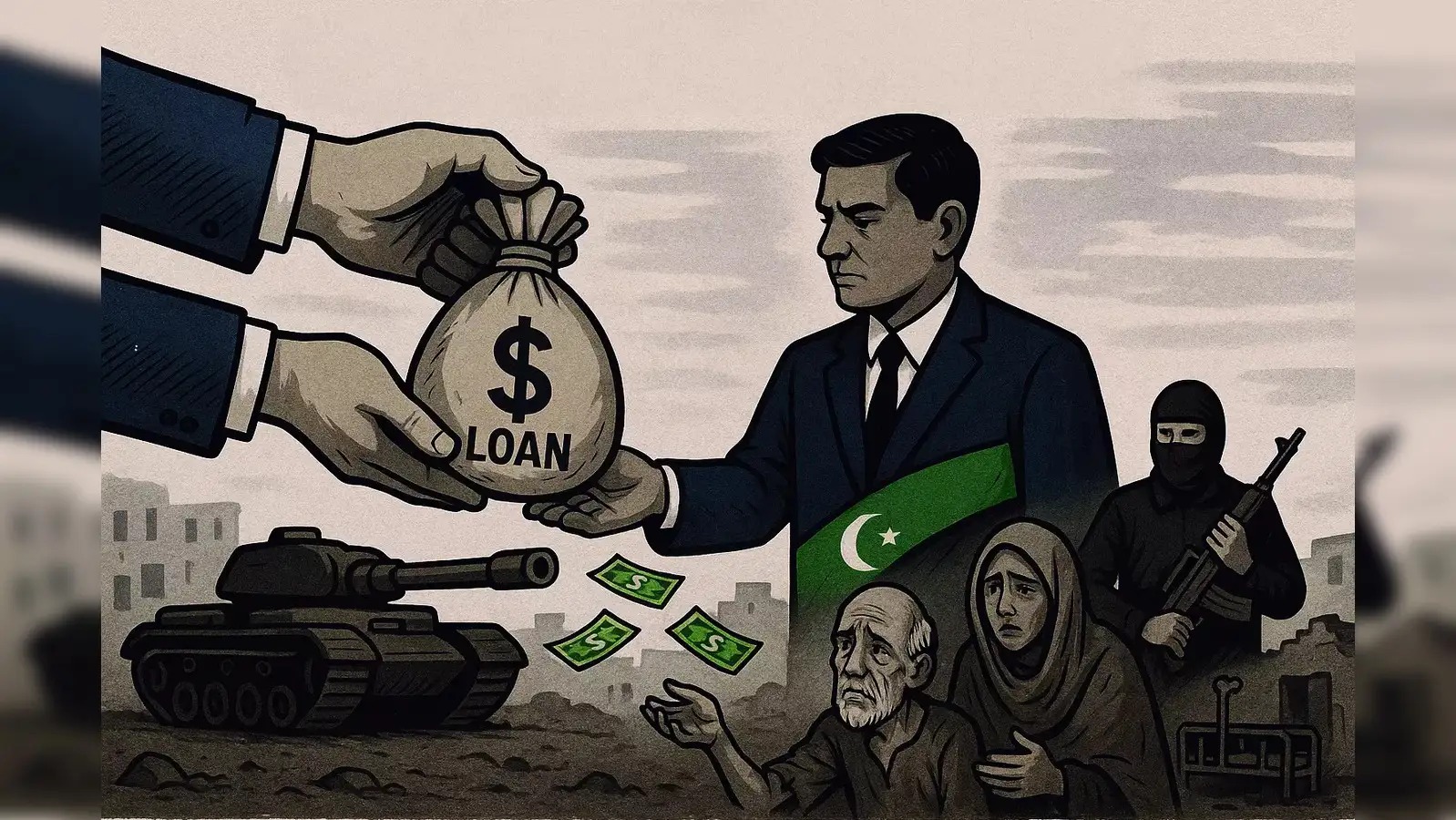
In the aftermath of the Pahalgam massacre, the fingerprints of Pakistan’s proxy militant infrastructure were all but unmistakable. For decades, the military establishment in Rawalpindi has relied on asymmetric warfare through its proxy militant networks to provoke India while shielding itself behind the veneer of plausible deniability. The latest attack in Jammu and Kashmir’s Pahalgam on April 22, killing 26 civilians, followed a familiar script—designed not only to stir unrest in the region but also to bait an Indian response that could be leveraged for domestic political consolidation. But this time, the playbook seems to be unravelling. The Pakistan Army, under the leadership of General Asim Munir, seemed to have calculated an anticipated Indian retaliation with such a provocation that could be choreographed into a nationalistic rallying cry in its aftermath. Such manufactured moments of crisis have historically served the military’s purpose of reasserting its primacy in the country’s political and national security discourse. However, the sociopolitical terrain of Pakistan today is no longer the same as it was during previous confrontations. India did respond to the Pahalgam attack with a calibrated military operation. On the night of May 7, under Operation SINDOOR, Indian armed forces targeted the infrastructure of long-operating terrorist groups, including Lashkar-e-Taiba (LeT), Jaish-e-Mohammed (JeM), and Hizbul Mujahideen (HM), across nine places in Punjab and Pakistan-occupied Jammu and Kashmir (PoJK). It was precise, strategic, and aimed at sending a clear signal: India will not tolerate cross-border terrorism and retains the right to act pre-emptively against threats originating from Pakistani soil. Far from uniting Pakistan behind its army, the attack and subsequent Indian response have only magnified the deep fractures that lie within the country. While the government attempted to stage a performative show of national unity, the absence of solidarity from Pakistan’s historically marginalized ethnic groups has been glaring. Neither the Baloch nor the Pashtun communities—both of whom have long endured the brunt of the military’s repression and counterinsurgency operations—showed any overt inclination to stand with the state or the generals now appealing for unity. Instead, a suicide blast killed seven Pakistan Army soldiers in Balochistan on the very day of Op Sindoor. At a time when Pakistan has effectively become a ‘Punjabistan’, given the dominant control that Punjab exerts over key state institutions, including the military, as well as disproportionate hold over to national resources, this raises a stark question: in the event of an escalated military confrontation with India, who will fight for Pakistan? The Limits of the “External Enemy” Narrative The Pakistan Army has always thrived on the construction of an “external enemy,” most prominently India, to maintain its unrivalled influence over national affairs. Whether in times of political upheaval or economic crises, the spectre of Indian aggression has been cynically deployed to suppress dissent, justify military budgets, and delegitimize civilian political actors. But the effectiveness of this narrative is fading, especially when the legitimacy of the military itself is in question. The ongoing human rights violations, extrajudicial killings and state-enforced disappearances in Khyber Pakhtunkhwa and Balochistan have damaging the trust people had towards the army. The Baloch insurgency continues to simmer, with growing calls for outright independence, something that was earlier limited to internal autonomy. The Pashtun Tahafuz Movement (PTM) has exposed the military’s brutal tactics in tribal regions, and although the movement is often silenced through intimidation and arrests, its underlying grievances remain potent. Alongside this, the Tehreek-e-Taliban Pakistan (TTP) has also increased the intensity of their armed insurgency, with hundreds of attacks in the last few years. In such a climate, the attempt to whip up nationalist fervour around an India-Pakistan confrontation appears hollow and self-defeating. The ethnic periphery, long disenfranchised and suppressed, sees little reason to rally behind a state apparatus that has never treated them as equal stakeholders in the Pakistani project. A Calculated Indian Doctrine India, for its part, has signalled a significant shift in its approach to cross-border terrorism. “While earlier responses were largely diplomatic or defensive, India’s actions following the 2016 Uri attack, culminating in the 2019 Balakot airstrikes, marked a shift toward a more proactive and pre-emptive counterterrorism strategy. Now the post-Pahalgam strike under Op SINDOOR is different in both scale and message. New Delhi’s intent is now unambiguous: there will be no tolerance for Pakistani state-sponsored terrorism, and any provocation will invite proportionate, and possibly pre-emptive, military action. By targeting terror infrastructure and avoiding civilian casualties, India walked a fine line, reflective of its doctrine of minimising collateral damage, to ensure on its part that this response does not spiral into a full-blown war. This strategic restraint while establishing its deterrence arc is designed as a demonstration of maturity and not as a sign of weakness. What complicates matters for Pakistan is that this shift in Indian posture arrives at a moment of acute internal fragility. Its economy is in tatters, inflation is high, and the IMF continues to hover over its fiscal policy decisions. Politically, the country remains in turmoil following a deeply controversial general election, widely seen as manipulated by the military establishment to sideline populist leader Imran Khan, who remains jailed since 2023. Protests, arrests, and media censorship have become routine. Interestingly when on a day India undertook its cross-border strikes on terror assets, Pakistan Army secured a Supreme Court adjudication that allows it to try the civilians in military courts. In this context, a military misadventure with India risks not only a humiliating defeat but also a domestic backlash that could irreparably damage the army’s authority. Escalation Without Strategy The temptation for Rawalpindi to escalate, either through additional proxy attacks or border skirmishes, remains high. While it has increased its cross-border shelling targeting civilians, which has killed over a dozen border residents of Jammu and Kashmir, a move of direction escalation would be nothing but deeply unwise. “By now, it should be clear to Pakistan just how vulnerable it remains, especially after India followed up with a coordinated drone strike across nearly nine cities, including the neutralization of an

The Deadly Terrorist attack in Pahalgam on 22nd April claimed the lives of 26 tourists, leaving India as a nation seething with anger at the visuals of the dastardly attack. In the aftermath of the attack, India conducted Operation SINDOOR on the morning of May 6, followed by heavy shelling and killing of civilians by Pakistan in the Poonch area of Jammu and Kashmir. The threat of an all-out war looms large if Pakistan indulges in any bravado. Just a day after the abhorrent attack, a slew of retributive measures was announced after a meeting of the Cabinet Committee on Security (CCS), led by PM Narendra Modi. It was decided to keep the crucial Indus Water Treaty in abeyance, the Attari-Wagah border was shut with immediate effect, Pakistani Nationals were asked to leave India, the Defence advisors of Pakistan in India were declared Persona Non-Grata, and the overall strength of the Pakistani High Commission in India was to be downsized to 30 from the present 55 officials. Pakistan, in response, closed its airspace for Indian airlines and suspended all trade ties with India. Complimenting Pakistan’s retaliatory measures, there was the usual nuclear sabre-rattling as well. Issuing an open threat to India, Pakistan’s Railway Minister Hanif Abbasi said that its 130 nuclear warheads are not only for display and have been kept for India, and if India tries to stop Pakistan’s share of water from the Indus, then the former should prepare for a full-scale war. While on the surface, it may seem like a routine bilateral escalation between India and Pakistan, it wouldn’t be unreasonable to think that there may be some deeper strategic motives at play. Recently, US President Donald Trump slapped massive up to 245 percent tariffs on all Chinese imports, reacting to which the Chinese took up similar measures and raised the tariffs to 125 percent on American goods from the current 84 percent. The Trade war between the two biggest economies of the world sent ripples across the world, and India too was concerned as its manufacturing, mainly steel, auto, electronics, and pharmaceutical industries are heavily reliant on China for raw materials, and any disruptions in the supply chain could prove detrimental to the Indian economy and its consumers. But just as every cloud has a silver lining, so too does this trade war. In a recently published report in the Indian Express, Richard Baldwin, a professor of Economics at IMD Business School, said that Middle power countries like India could secure a substantial foothold in global supply chains because of the US-China Trade War. He emphasized that if US tariffs persist on China, it could be beneficial to emerging markets as businesses would look to diversify and relocate, and India presents itself as a preferred destination for the same. It wasn’t just a speculation; this resonated on the ground as well, as Apple laid out its ambitious plan to shift all US-bound iPhone production from China to India by 2026. According to the Financial Times Report, Apple aims to produce more than 60 million iPhones annually in India to meet its demand back home in the US. India was also actively involved in identifying and attracting several companies that were looking to shift their operations away from China. It tried to position itself as a natural alternative for companies moving away from China by portraying itself as a safe, secure, and stable democracy that offers a conducive environment for businesses. But the recent Pahalgam attack and the escalation that followed between India and Pakistan gave China exactly what it needed. It was a chance for China to showcase the risk factors involved for businesses that were looking to relocate to India. The conflict served as an alarming reminder to the world, especially businesses, that the situation between the two South Asian arch-rivals is still volatile and could explode at any moment. The Chinese social media, in the recent past, has been flooded with the narrative of how this trade war between them and the US has given an undeserving opportunity for India to attract businesses and investments. Though Beijing openly urged both India and Pakistan to act with restraint, behind the curtains, it was actively pulling the strings to encourage Pakistan to escalate and stretch the confrontation with India. China also extended support to Pakistan’s demand for an impartial probe into the Pahalgam Terror attack. Currently, Beijing is dealing with an economic slowdown, and the situation has only gotten worse after the trade war with the US. It wouldn’t be imprudent to guess that an active Chinese role is at play behind the scenes, as it would be in China’s interest to portray India as an unstable, unfavourable, and unsafe alternative to thwart the relocation efforts of various businesses. Using Pakistan as a proxy to further its objective by offering diplomatic and even military support, China has tried to spoil India’s image as a safe investment hub. Additionally, the terrorist attack in Pahalgam’s Picturesque Baisaran Valley has allowed India’s adversaries to cast doubt on the claims of the Modi government that the situation has drastically improved in Jammu and Kashmir post the abrogation of Article 370. India has been trying hard to build the narrative that the abrogation has ushered in an era of peace and progress for Jammu and Kashmir, and the recent attack challenges this claim of the Indian government. The attack directly hits the core of Jammu and Kashmir’s economic recovery, especially its tourism sector. (The writer is a political strategist with expertise in media relations and geopolitical developments)
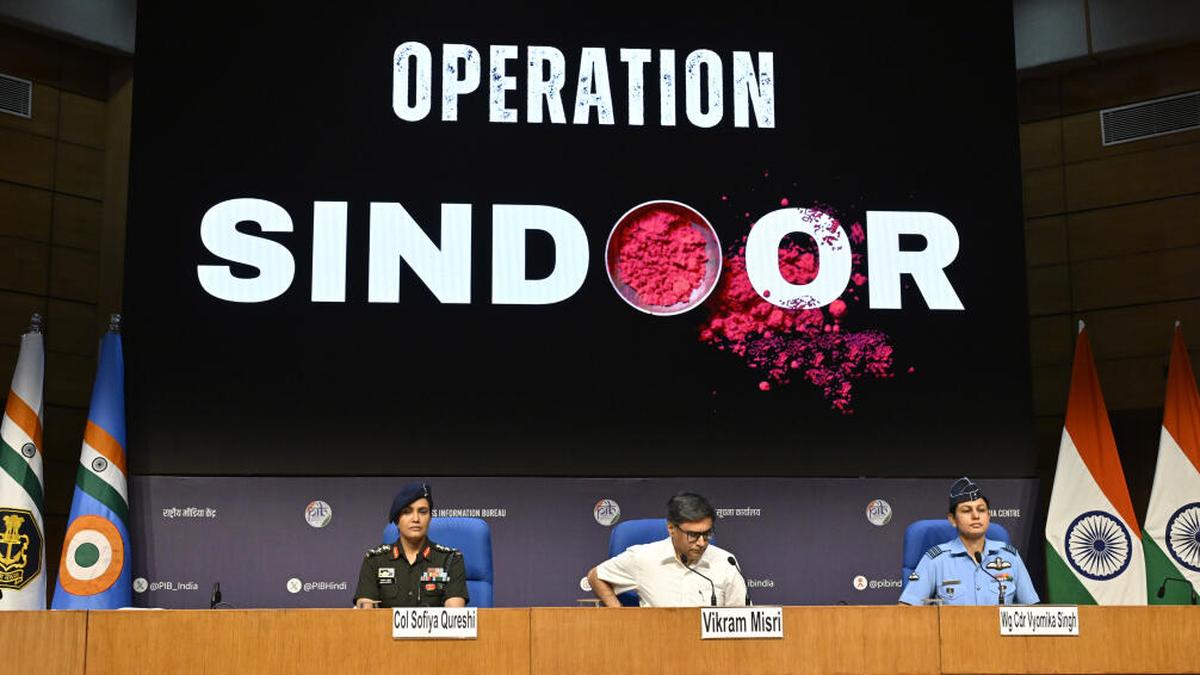
Pakistan has dozens of terrorist organisations which operate from its soil and export terrorism to rest of the world. These organisations have a financial ecosystem that has survived the international scrutiny and multiple operations from international agencies to stop terror financing. Pakistan has five broad categories of terrorist organisations: (1) Globally oriented; (2) Afghanistan-oriented; (3) India-oriented; (4) Domestically oriented; and (5) Sectarian (anti-Shia). The India-oriented terrorist organisations include: Lashkar-e-Taiba (LET) formed in the late 1980s; Jaish-e-Mohammed (JEM) founded in 2000; Harakat-ul Jihad Islami (HUJI) formed in 1980; Harakat ul-Mujahidin (HUM) was established in 1998; Hizbul Mujahideen (HM) was formed in 1989. According to a study paper “Pakistan Army and Terrorism; an unholy alliance” done by Amsterdam based, European Foundation for South Asian Studies (EFSAS), Amsterdam, “Pakistan… plays a key role in funding these terrorist organizations. As per reports, the yearly expenditure of ISI(Pakistan’s intelligence agency) towards the terrorist organizations runs between 125-250 million USD, covering salaries, cash incentives for high-risk operations and retainers for guides, porters and informers.” An internal report of Pakistan governments Financial Monitoring Unit(FMU) , titled “National Risk Assessment on Money Laundering and Terrorism Financing 2017” has details of how terror groups are generating funds in Pakistan. This report was never made public but excerpts of these reports were quoted by Noor Zahid and Madeeha Anwar in a Voice of America report published in 2017. The duo exposed the funding of Pak terror groups in a report titled ‘Pakistan Terror Groups Get Rich From Crime, Money Laundering’ According to Zahid and Anwar, “Waves of crime in Pakistan — including extortion, smuggling and kidnapping for ransom — are major sources of terrorist financing for extremist groups in the country. “Main sources of income of terrorists in Pakistan include foreign funding, drug trafficking, kidnapping for ransom, extortion from business, vehicle snatching,” according to the 45-page confidential report by FMU, which is an intelligence service department within Pakistan’s Ministry of Finance. “The report, which had not been released publicly, says over 200 local and international terrorist organizations generate billions of Pakistani rupees to fund their activities. Annual operational budget of terrorist organizations is from 5 million rupees [about $48,000] to 25 million rupees [about $240,000],” the report said, according to The News website, which published these excerpts. ‘Terrorism Monitor’ of Jamestown Foundation revealed in December 2024 another important facet of terror funding in Pakistan. It said, “Terrorist groups in Pakistan frequently use high-denomination currency to finance their operations. Permitting a large number of high-value notes to be in circulation makes it easy for bad actors to transfer considerable amounts of money without a digital footprint, making illicit activities easier to conduct.” The relatively high availability of such bills in circulation in Pakistan is due to the country’s underutilization of electronic payment systems, it added. According to this report, Tunda, a notorious bomb expert for Lashkar-e-Taiba (LeT) who reportedly masterminded more than 40 bombings in India had told the Indian law enforcement agencies after his arrest with huge amount of Pakistan currency that large denomination bills were “kings who could do anything for them.” “Pakistani denominations currently in circulation include 10-, 20-, 50-, 100-, 500-, 1,000-, and 5,000-rupee notes. It is noteworthy that Pakistan, which makes up 3 percent of the world’s population, accounts for 7.1 percent of the world’s unbanked adults,” says this report. According to a research brief prepared by US Congressional Research Service in 2023, “Although Pakistan’s 2014 National Action Plan to counter terrorism seeks to ensure that no armed militias are allowed to function in the country, several United Nations- and U.S.-designated terrorist groups continue to operate from Pakistani soil.” Islamic Charities Almost all the terrorist organisations have set up Islamic charities as their fronts in Pakistan. These charities operate globally. In fact, USAID had funded many of these charities, revealed a recent report by the Middle East Forum, a US based think tank revealed. In addition the ‘Zakat’ collected from common people during the month of Ramadan by these charities are also funnelled to fund these terrorist organisations. Since the 1980s, Pakistan has had a system of compulsory collection of zakat, relying on a state-administered zakat fund and zakat councils at federal, provincial and district levels. In 2024, the average zakat giver paid about 15,000 Pakistani rupees with over 50 million Pakistanis contributing. The total funds generated in Pakistan through Zakat was over 600 billion Pakistani rupees in 2024. A large chunk of this money goes for oiling the terror infrastructure established by Pakistani state and their proxy terrorist groups.
In a turn of events that lays bare the enduring proclivity of Pakistan’s military-intelligence apparatus for perfidious adventurism, the subcontinent has once again been plunged into the vortex of tragedy and retribution. On 22 April, the scenic tranquillity of Pahalgam in Jammu and Kashmir was shattered by a heinous act of terror—an attack carried out by assailants of Pakistani provenance, leaving in its wake a trail of innocent blood, most of it that of unsuspecting tourists. This egregious violation of human sanctity provoked an unequivocal and resolute response from New Delhi. In a swift Cabinet Sub-Committee review chaired by Prime Minister Narendra Modi on 23 April, the Indian government charted a bold course of action, announced by India’s Foreign Secretary Vikram Misri. Among the arsenal of retaliatory instruments under consideration, it was the suspension of India’s obligations under the Indus Waters Treaty (IWT) that emerged as the most telling—and symbolic—rebuke to Islamabad. This abrupt departure from what has long been a pillar of regional diplomacy signals a watershed moment—both literally and metaphorically—in South Asia’s geopolitical tapestry. For more than six decades, the IWT has served as an improbable exemplar of bilateral cooperation, a rare artefact of amity amidst a chronically discordant relationship. That India should now suspend this treaty reflects a fundamental recalibration of its strategic posture, particularly vis-à-vis Pakistan’s sustained dalliance with proxy terrorism. But before one delves into the ramifications of this audacious move, one must first examine the edifice of the Indus Waters Treaty—its origins, its operational architecture, and the significance it has come to assume in both geopolitical and existential terms. A Riverine Pact Forged in Discord Conceived in the crucible of Cold War anxieties and brokered under the watchful eyes of the World Bank, the IWT was inked in 1960 after an arduous nine-year negotiation. At the heart of the agreement lay the equitable distribution of the six rivers of the Indus basin—the Indus, Jhelum, and Chenab in the west; and the Ravi, Beas, and Sutlej in the east. In what can only be described as an act of magnanimous restraint, India ceded exclusive control over the three Western rivers—comprising nearly 70% of the total water volume—to Pakistan, while retaining dominion over the three Eastern ones. This asymmetry, while glaring, was accepted in the spirit of regional stability and the hope that water, the most elemental of life’s resources, might also irrigate the parched soil of subcontinental peace. But alas, that noble aspiration has withered. Successive regimes in Islamabad have weaponised non-state actors, cultivating a cottage industry of jihadist terror that has repeatedly spilled across the Line of Control and stained Indian soil with blood. And yet, even amidst war and vitriol, India abided by the treaty, honouring its commitments with a stoic discipline that belied the provocations it endured. This forbearance, however, is not inexhaustible. The Cost of Generosity To understand the magnitude of India’s concession, consider the numbers. The Eastern rivers—Ravi, Beas, and Sutlej—over which India has unfettered rights, collectively yield about 41 billion cubic metres of water annually. The Western rivers, gifted to Pakistan, deliver nearly 99 billion cubic metres—more than double the volume under Indian control. This hydrological largesse has become the very artery of Pakistan’s survival. In a nation where agriculture constitutes over 25% of GDP and sustains approximately 70% of the populace, water is not a mere resource—it is an existential imperative. The Indus basin fuels its farms, powers its turbines, and feeds its people. To perturb this flow is to imperil the nation’s economic equilibrium and societal cohesion. And yet, Pakistan’s security establishment has long treated this precious accommodation as a given—immutable, untouchable, and immune to the vagaries of geopolitical conduct. This misplaced confidence has emboldened it to pursue a duplicitous doctrine—of nurturing militant proxies even as it benefited from the benevolence of Indian water diplomacy. The Straw That Broke the Canal By suspending the IWT, India is sending a message steeped in symbolism but not lacking in substance. This is not merely an outburst of indignation—it is a calibrated policy shift. The message is unequivocal: India shall no longer subsidise its adversary’s antagonism with strategic concessions. If Pakistan insists on fomenting unrest through insidious means, it must also be prepared to forfeit the privileges accorded to it under treaties predicated on good faith. One may argue, with some justification, that India’s current water infrastructure lacks the immediate capacity to divert or fully harness the Western rivers. The requisite reservoirs, barrages, and canal systems for such a hydrological overhaul are still under development. But in geopolitics, perception often precedes practice. The very act of invoking the treaty’s suspension has rattled the strategic calculus in Islamabad and laid bare the fragility of its assumptions. For decades, Pakistan has operated on the belief that India’s strategic restraint—especially in the hydrological domain—was sacrosanct. It misread India’s civility as weakness. That illusion has now been spectacularly shattered. A Faustian Bargain That Failed What, then, has Pakistan gained from its Faustian pact with terror? Has its strategy of bleeding India through a thousand cuts yielded dividends? On the contrary, the costs have been profound and self-defeating. Far from “liberating” Kashmir or coercing India into negotiations on its own terms, Pakistan finds itself internationally isolated, diplomatically suspect, and economically anaemic. Worse still, the terror groups it once mentored have now metastasised, turning their guns inward and threatening the cohesion of the Pakistani state itself. The logic of proxy warfare—premised on the deniability of violence and the expendability of cannon fodder—has unravelled. In its place stands a polity riddled with extremism, plagued by economic fragility, and mired in geopolitical ignominy. The international community, once indulgent of Pakistan’s strategic anxieties, now views its double game with growing exasperation. The Geopolitical Ripple Effect India’s suspension of the IWT, while unilateral in action, has multilateral implications. It signals to the world that New Delhi is prepared to reframe the contours of South Asian diplomacy. Water—long considered sacrosanct—can no longer be divorced To paraphrase the ancient wisdom of
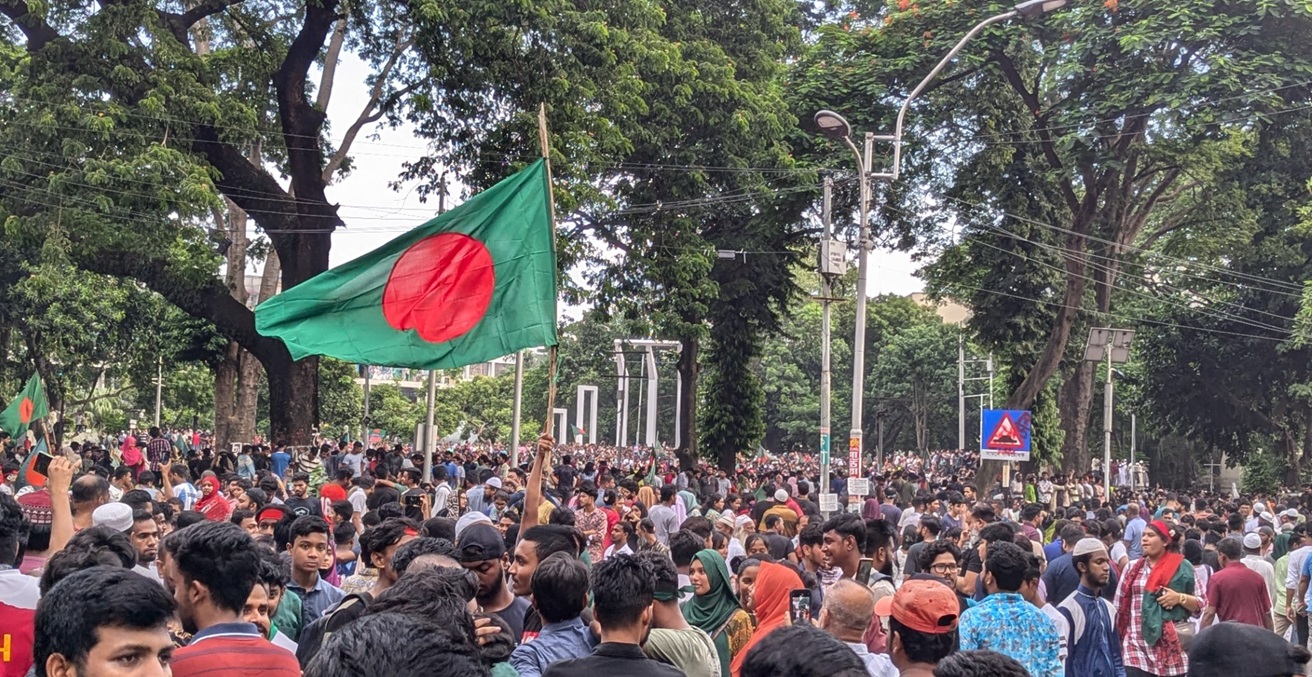
Eight months have elapsed since the resounding crescendo of civic unrest reverberated through the streets of Dhaka and beyond—a movement now etched into contemporary Bangladeshi history as the transformative July Uprising of 2024. The student-led revolt, galvanised by a weary citizenry exhausted by fifteen uninterrupted years of Sheikh Hasina’s increasingly authoritarian reign, precipitated the fall of a regime many had come to regard as synonymous with unbridled majoritarianism and the erosion of democratic norms. To fill the ensuing political vacuum, and ostensibly to shepherd the country through an equitable and peaceful democratic transition—something many Bangladeshis believe has been perennially elusive—a provisional apparatus of governance was constituted. Thus, on the 8th of August 2024, the Interim Government was born, led by none other than the venerable Dr Muhammad Yunus, Nobel Laureate and paragon of ethical capitalism. He assumed the mantle of Chief Advisor, entrusted with the Herculean task of stabilising a beleaguered state, instituting crucial reforms, and, most crucially, preparing the ground for a free and fair general election that would usher Bangladesh from the throes of perceived fascism into the luminous embrace of democratic revival. Commencing with a retinue of sixteen advisors—a council subsequently expanded to twenty-one to reflect the national appetite for reform and rejuvenation—the interim regime drew cautious optimism both domestically and abroad. Dr Yunus was even featured in Time magazine’s list of the 100 most influential people for his pivotal role in “steering Bangladesh toward democracy following last year’s student-led uprising.” And yet, beneath this veneer of progress, the state of the nation has grown only more labyrinthine, with multiple fault lines deepening. As we stand at the octagonal milestone of this transitional government, it is both timely and imperative to evaluate its performance through several key prisms. Of Persecution and Prejudice: Minorities under Siege One of the most tragic ironies of this so-called democratic rebirth has been the abrupt surge in attacks on religious minorities. Far from heralding a new era of inclusivity, the post-Hasina epoch has witnessed a disturbing uptick in communal hostilities—many of which are allegedly orchestrated by groups vehemently opposed to the former regime. Between the 5th and 25th of August alone, over a thousand communal incidents were recorded, including acts of arson, looting, desecration of places of worship, and targeted violence against individuals from religious minorities. While communal violence is regrettably not a novel phenomenon in Bangladesh’s socio-political landscape, the interim government’s response—or lack thereof—has been particularly dispiriting. Rather than acknowledging the sectarian undertones of these attacks, the authorities have consistently downplayed them as “politically motivated incidents,” even going so far as to label the media’s coverage as “exaggerated”. This obfuscation culminated in October during the sacred Durga Puja celebrations, when a spate of violent attacks against Hindus drew national and international opprobrium. The interim government’s rather sheepish declaration of “collective failure” offered scant solace to the victims. To compound the travesty, when Hindu communities rallied in protest, several of their spiritual leaders were unceremoniously detained on charges of sedition. This chilling sequence of events exposes the interim authority’s alarming refusal to confront what appears to be a systemic pattern of persecution—raising profound concerns about the fate of minorities in the so-called “New Bangladesh.” Unrest in the Hills: The Forgotten Frontiers Parallel to the plight of religious minorities is the deteriorating condition of Bangladesh’s ethnic communities, particularly those inhabiting the restive Chittagong Hill Tracts (CHT). Since September of last year, the CHT has become a crucible of ethnic tension and conflict, with over 200 documented instances of human rights violations. The alleged complicity of the Bangladesh Army, which is believed to be tacitly supporting the interim regime, adds a sinister dimension to this unfolding crisis. These violations include unlawful land grabs, destruction of indigenous properties, and systemic harassment by Bengali settlers and law enforcement agencies. Despite repeated calls for action, the interim government has remained conspicuously inert, preferring instead to label the crisis as an “internal administrative matter”—a semantic sleight of hand that serves only to trivialise the gravity of the situation. While the 1997 Peace Accord promised autonomy and protection to the indigenous populations, its implementation remains elusive. The government’s reluctance to engage indigenous leaders or uphold their cultural and political rights betrays a troubling inclination to placate fundamentalist factions at the expense of pluralism. Recent incidents, such as the abduction of five university students and the rape of an ethnic minority girl, have further inflamed tensions. Yet, Home Advisor Lt Gen (Retd) Md Jahangir Alam Chowdhury blithely claimed that “the hills are more peaceful than ever”—a statement that borders on Orwellian absurdity. A Mobocracy in the Making The culture of lawlessness has not restricted itself to minority communities. Indeed, the entire country seems to be held hostage to a rapidly metastasising mob culture. Vigilante groups—emboldened by a palpable sense of impunity—have been marauding through cities and towns, targeting anyone perceived to be an affiliate or sympathiser of the erstwhile Awami League regime. Acts of vandalism and public lynching have become grotesquely normalised, and the interim government has responded with a silence that is deafening. Perhaps the most symbolic manifestation of this new anarchy was the “Bulldozer Procession” that desecrated 32 Dhanmondi—the erstwhile residence of Bangabandhu Sheikh Mujibur Rahman. Rather than issuing a robust denunciation, the interim regime deflected blame onto the fallen Prime Minister herself, accusing her of provoking the unrest. When voices from civil society rose in protest, the government responded not with contrition but with coercion, launching the ominously titled “Operation Devil Hunt.” This sweeping initiative purported to neutralise disruptive elements. In reality, it served as a mechanism to incarcerate scores of Awami League loyalists under flimsy pretexts. Far from curbing mob violence, the operation revealed a thinly veiled vendetta masquerading as law enforcement. The Home Advisor’s assertion that “law and order remains satisfactory” is not only disingenuous but dangerously delusional. Theocratic Tendencies: A Secular State in Peril Perhaps the most alarming transformation under the interim dispensation has been the creeping ascendancy of religious fundamentalism. Groups like
Pakistan today finds itself in the throes of a deep and multifaceted crisis. A collapsing economy, political volatility, and a fraying internal security order have combined to expose the limits of the state’s resilience. Armed ethnonationalist movements in Balochistan and Khyber Pakhtunkhwa, along with a resurgence of transnational jihadist violence, now pose grave challenges to internal cohesion. Compounding this crisis of the state’s systemic dysfunction is the unprecedented erosion of public trust in the military — historically the most powerful and stable institution in the country. In any functioning democracy, such systemic dysfunction might prompt serious institutional introspection. But Pakistan is not a conventional democracy. Its generals continue to dominate the national security and foreign policy apparatus, leaving little room for recalibration — particularly on matters where the military has long maintained primacy, such as its regional policy. On April 15, General Asim Munir, Pakistan’s current Army Chief and undoubtedly its most powerful figure, delivered a politically charged speech aimed at salvaging the military’s diminished public standing. Instead of reflecting on the domestic failures under his tenure, Munir fell back on a familiar script by invoking Kashmir as the nation’s unfinished cause, a “jugular vein”, which will be supported till the very last end. But this time, he cast Pakistan’s long-standing support for insurgency in Jammu and Kashmir through a more overtly communal lens, framing it within a polarizing Hindu-Muslim binary. Far from an offhand remark, this rhetoric not only distracts from Pakistan’s internal problems but also serves to reaffirm Islamabad’s continued reliance on militant proxies as instruments of foreign policy. Disturbing, though not surprising, the consequences of General Munir’s provocative speech seemed to unfold just days later, with militants carrying out a deadly attack in Pahalgam, a popular tourist destination in Jammu and Kashmir’s Anantnag district. Early reports indicate the armed assailants, mostly non-locals of Pakistani origins, having singled out victims based on their religious identity before launching a brutal massacre that killed at least 26 civilians and injured many more. The synchronicity between the timing of the speech and nature of the attack are difficult to dismiss as mere coincidence. Instead, they raise serious concerns about the ongoing connection between Pakistan’s powerful military establishment and the extremist groups it has long been accused of supporting behind the scenes. The group claiming responsibility, The Resistance Front (TRF), is widely recognized as a rebranded version of Lashkar-e-Taiba — a U.N.-designated terrorist organization with deep ties to Pakistan’s security establishment. TRF’s reinvention is widely viewed as a strategic manoeuvre to shield Islamabad from international censure, including scrutiny by the Financial Action Task Force (FATF). The timing of the attack, so closely following General Munir’s speech, raises troubling questions. For decades, militant violence in Kashmir has often followed inflammatory statements from Pakistani leaders or shifts in the geopolitical landscape. The latest attack appears to follow this pattern, and its motive fits a familiar logic: force India back to the negotiating table by stoking instability. There are three interconnected factors that may underscore how Pakistan’s fingerprints appear evident. First, the Pakistan Army’s public legitimacy is at its lowest point since the country’s founding in 1947, largely due to its deep and controversial involvement in domestic politics. Second, the Shehbaz Sharif-led government has repeatedly reached out to New Delhi to revive bilateral talks—an initiative that India has, quite justifiably, conditioned on Islamabad halting its support for terrorist networks targeting Indian interests. Third, since India’s 2019 constitutional reorganization of Jammu and Kashmir, the region has steadily transitioned from a “terrorism” flashpoint to a “tourism” revival story, leaving Pakistan’s decades-old Kashmir narrative and its attempts to internationalise the so-called dispute adrift. The timing of the attack coinciding with U.S. Vice President J.D. Vance’s visit to India adds a provocative layer. It recalls a grim precedent: in March 2000, during President Bill Clinton’s visit to India, Pakistani-backed militants massacred Sikh villagers in Kashmir — Chittisinghpura massacre —an act widely seen as an attempt to draw global attention to Islamabad’s agenda. The parallels are hard to ignore. But the most damning aspect of Pakistan’s strategy is that while it is increasingly self-defeating, it refuses to abandon this strategy despite its violent backfire. Militant blowback has rendered vast stretches of its own territory—particularly in Khyber Pakhtunkhwa and Balochistan—effectively beyond the reach of the central government, now largely controlled by Islamist extremists and Baloch nationalist insurgents, respectively. Extremist networks once deployed for strategic depth have turned inward, contributing to Pakistan’s domestic instability. According to the 2025 Global Terrorism Index, Pakistan now ranks as the world’s second most terrorism-affected country, surpassed only by Burkina Faso. Terrorism-related fatalities in Pakistan rose by 45 percent in 2024 alone. Yet, despite these devastating costs, both in lives lost and in national stability, Pakistan’s military and political leadership remains either unwilling or unable to break with its long-standing policy of using militant proxies as instruments of regional strategy. This stubborn adherence to an outdated and corrosive doctrine has hollowed the state from within. The massacre in Pahalgam is not merely a cross-border atrocity; it is a symptom of a state trapped in its own delusions — one that continues to use extremist violence as a tool of policy even as it undermines its own survival. While global powers have rightly condemned this latest act of terrorism at Pahalgam, expressions of outrage are no longer sufficient. The international community must adopt a firmer stance—one that combines diplomatic pressure, targeted sanctions, and enhanced monitoring of Pakistan’s financial and security networks. Islamabad must be made to understand that impunity is no longer an option as cost of inaction is steep. For too long, Pakistan’s proxy war playbook has been tolerated as a regional irritant, which it is not. If this pattern continues unchecked, the risk of broader destabilization in South Asia — and the possibility of an escalation — will become all too real. The world must act before this proxy war metastasizes into something far more dangerous.
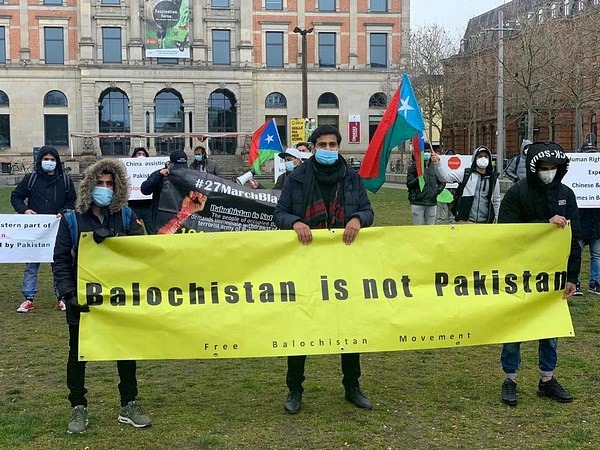
In the shadowed corridors of the Pakistani state, where power is wielded not by the parliament but by barracks and clandestine agencies, the soul of Balochistan bleeds. The month of January 2025 alone saw 107 enforced disappearances across the province, according to a chilling report by Paank, the human rights wing of the Baloch National Movement. These are not just numbers—they are human lives swallowed by a brutal machine that operates beyond accountability, with the military establishment acting as judge, jury, and often, executioner. Dr. Abdul Malik Baloch, President of the National Party and former Chief Minister of Balochistan, has emerged as one of the few political voices courageous enough to confront the state’s ongoing repression. In a recent public address, he condemned the federal government and military’s intrusion into Balochistan’s affairs—especially through the controversial Mines and Minerals Act, which he decried as a constitutional betrayal. Resource Colonialism in a Federal Guise The plunder of Balochistan’s natural wealth—Saindak, Reko Diq, Gwadar—is conducted not with development in mind, but domination. The people of Balochistan are treated not as stakeholders, but as subjects of a 21st-century colonial project. Contracts with companies like Pakistan Petroleum Limited and Saindak Metals are renewed without the consultation of legitimate public representatives, further entrenching the military’s grip over the region’s resources. John Locke, the Enlightenment philosopher who laid the foundation for liberal constitutionalism, argued that a government loses legitimacy the moment it no longer operates with the consent of the governed. The Pakistani state’s actions in Balochistan represent a grotesque inversion of this principle. Where the social contract demands mutual obligation, the state offers extraction and suppression. In Locke’s words, such a regime ceases to be civil and becomes a “state of war.” Disappearances: The Anatomy of a State Crime The figures from the Paank report are harrowing: enforced disappearances have become the norm rather than the exception. These are not rogue acts but systematic state policy—an organized terror campaign carried out by military and intelligence agencies to quash dissent and eradicate political opposition. The mutilated bodies of Muhammad Ismail (20) and Muhammad Abbas (17), found after being abducted from their Kalat home, represent the fate of thousands. Their youth, their innocence, their right to live—all discarded in the name of national security. Hekmatullah Baloch, another victim, was shot during a peaceful protest and succumbed to his injuries in a Karachi hospital. His crime? Demanding accountability. Michel Foucault, in his seminal work Discipline and Punish, observed that modern states have replaced the public spectacle of punishment with hidden forms of control—surveillance, incarceration, and disappearance. Pakistan, in Balochistan, has regressed to a grotesque hybrid, mixing the medieval cruelty of mutilation with the modern state’s bureaucratic efficiency. The Fourth Schedule and Maintenance of Public Order (3MPO) are not laws—they are instruments of tyranny. The Illusion of Democracy and the Reality of Martial Law While Islamabad claims to be a constitutional democracy, Balochistan is ruled like an occupied territory. Dr. Abdul Malik denounced the frequent use of colonial-era laws to detain political activists, many of them women. He rightly equated this crackdown to civil martial law—a regime where uniforms dictate politics and silence becomes the only guarantee of safety. The philosopher Hannah Arendt warned that the collapse of the line between the legal and the illegal is the precursor to totalitarianism. In Balochistan, this line has not only been blurred; it has been erased. The people no longer know when they cross a boundary, because the boundary moves with the will of the soldier. This system does not merely suppress dissent—it criminalizes existence itself. Border trade, once a lifeline for over three million people, has been strangled by new regulations and taxes. What remains is not law and order but extortion by officials, where survival is a privilege granted to the obedient and denied to the defiant. The Politics of Extraction and Exclusion The resource curse is not a theory in Balochistan—it is lived reality. The province is rich in gas, gold, copper, and port infrastructure, yet its people suffer from abject poverty, rampant illiteracy, and systemic unemployment. This paradox is no accident; it is by design. Antonio Gramsci’s idea of passive revolution is illuminating here. Gramsci noted how dominant classes use state apparatuses to integrate resistance into the system without altering its exploitative foundations. In Balochistan, token development projects and cosmetic representation serve as cover for a deeper colonization. What the state offers is not empowerment but pacification. Even the façade of electoral politics is undermined. Dr. Malik lamented that extensions to mineral contracts were being signed without legitimate public oversight, deepening the alienation of the Baloch people. This political exclusion is a deliberate strategy to delegitimize regional autonomy and enforce submission to centralized authority. Dispossession Disguised as Security The Talaar check post, which Dr. Malik demanded be dismantled, is not merely a security installation—it is a symbol of domination. It represents the architecture of occupation: a structure that surveils, intimidates, and fragments the community it purports to protect. Similar outposts dot the Baloch landscape like scars, each a reminder that the state sees its own citizens as insurgents in need of subjugation. Frantz Fanon, in The Wretched of the Earth, described colonial regimes that deploy violence not just to suppress rebellion but to imprint inferiority onto the colonized psyche. The Pakistan Army’s presence in Balochistan functions the same way. It tells the Baloch they do not own their land, their bodies, or their future. Dr. Malik’s demands are not radical—they are constitutional. He asks for the release of political workers, simplification of trade rules, and the withdrawal of draconian laws. Yet in the eyes of the establishment, such calls are tantamount to sedition. This reaction reveals the state’s true nature: one that cannot accommodate dissent because its foundations are built on domination, not dialogue. It views Baloch identity not as a part of the national mosaic, but as a threat to its imposed uniformity. The German philosopher Jürgen Habermas emphasized the importance of “communicative rationality”—the idea that
On 18 April 2025, a 47-year-old car workshop owner was brutally killed with sticks and bricks as a mob of hundreds stormed his place of worship, while numerous others had to be rescued by police in the city of Karachi, Pakistan. This horrific incident, which should provoke national outrage and deep sorrow, failed to elicit a strong response from civil society or a decisive intervention from the state. The reason lies in the fact that both the victim and the worship site belonged to the Ahmadi Muslim minority— a community that routinely faces violent persecution, systemic political and bureaucratic discrimination, and institutionalised oppression within Pakistan. Each year, reports by governmental bodies, international human rights organisations, and community advocates document the persistent assaults on Ahmadi Muslims in Pakistan by Islamist factions or radicalised mobs, with no meaningful intervention by the state. In some instances, the state appears overtly complicit in such actions—for example, in March of this year, a 120-year-old Ahmadi place of worship was demolished by police following pressure and complaints from Islamist groups claiming the structure resembled a mosque. To offer a glimpse into the societal persecution faced by this community: Ahmadi Muslim graves are frequently defiled and vandalised, while individuals endure constant harassment, targeted assassinations, mob violence, unofficial commercial boycotts, employment discrimination, and abuse on digital platforms. This is compounded by the alarming frequency of blasphemy accusations levelled against Ahmadi Muslims, for reasons such as possessing the Quran, inscribing Prophet Muhammad’s name on a wedding invitation, or engaging in prayer using language or gestures considered distinctly Islamic. While opposition to the Ahmadiyya community has existed since its inception in the late 19th century by Mirza Ghulam Ahmad of Qadian in Punjab, the most critical blow to Ahmadi Muslims in Pakistan was delivered through the 1974 constitutional amendment, which officially declared them non-Muslims. Despite sharing the majority of beliefs and practices with mainstream Muslims, Ahmadis diverge in their recognition of Mirza Ahmad as the Mahdi or Messiah, a belief that conflicts with the Islamic doctrine of Khatam-e-Nubuwwat (the finality of Prophet Muhammad). Subsequently, in 1984, General Zia-ul-Haq issued an ordinance prohibiting Ahmadi Muslims from performing Islamic rites or displaying religious symbols associated with Islam, such as erecting domes or minarets on their places of worship. In 1985, he also introduced segregated voter lists based on religious identity, effectively requiring Ahmadi Muslims to renounce their beliefs in order to vote. This marked the onset of a formalised system of legal disenfranchisement and persecution, which continues today. Although the practice of separate electoral rolls was ended in 2002, Ahmadi Muslims were excluded from this reform. The requirement to repudiate their faith has since permeated various aspects of governance, barring them from essential state services such as obtaining a passport. Notably, in October 2022, Punjab’s provincial government mandated the inclusion of a declaration affirming the finality of Prophet Muhammad within the marriage registration form. The emergence of the far-right Tehreek-e-Labbaik Pakistan (TLP), the group whose supporters were involved in the recent attack and killing of an Ahmadi Muslim man in Karachi, has significantly deepened the climate of fear and marginalisation experienced by the community. The TLP rose to national attention in 2017 when it staged a three-week blockade of a major highway in Islamabad to protest a minor amendment to the electoral oath, which the group perceived as a dilution of the state’s stance against Ahmadi Muslims. The government ultimately conceded to their demand by reinstating the original wording, resulting in the resignation of Law Minister Zahid Hamid. Such is the influence of far-right sentiment that, in 2018, the Imran Khan-led PTI government succumbed to pressure from extremist groups and requested that Princeton professor Atif Mian resign from his role as Economic Adviser solely on account of his Ahmadi Muslim identity. While the systemic exclusion of Ahmadi Muslims in Pakistan was initiated and continues to be upheld by the state, the deep-seated societal animosity it has fostered has now grown beyond the state’s control. Decades of intentional state policy targeting the community for political gain have inflicted lasting damage on the nation, fostering a society deeply afflicted by radicalism, self-destructive impulses, and toxic intolerance. According to data compiled by the Ahmadiyya community, at least 264 Ahmadi Muslims were killed in targeted attacks, mob violence, and bombings between 1984 and 2018. It is important to note that even Pakistan’s first and only Nobel Laureate, Abdus Salam, was not spared from the effects of this pervasive hostility—his gravestone was defaced to erase the word ‘Muslim’ due to his Ahmadi Muslim identity.
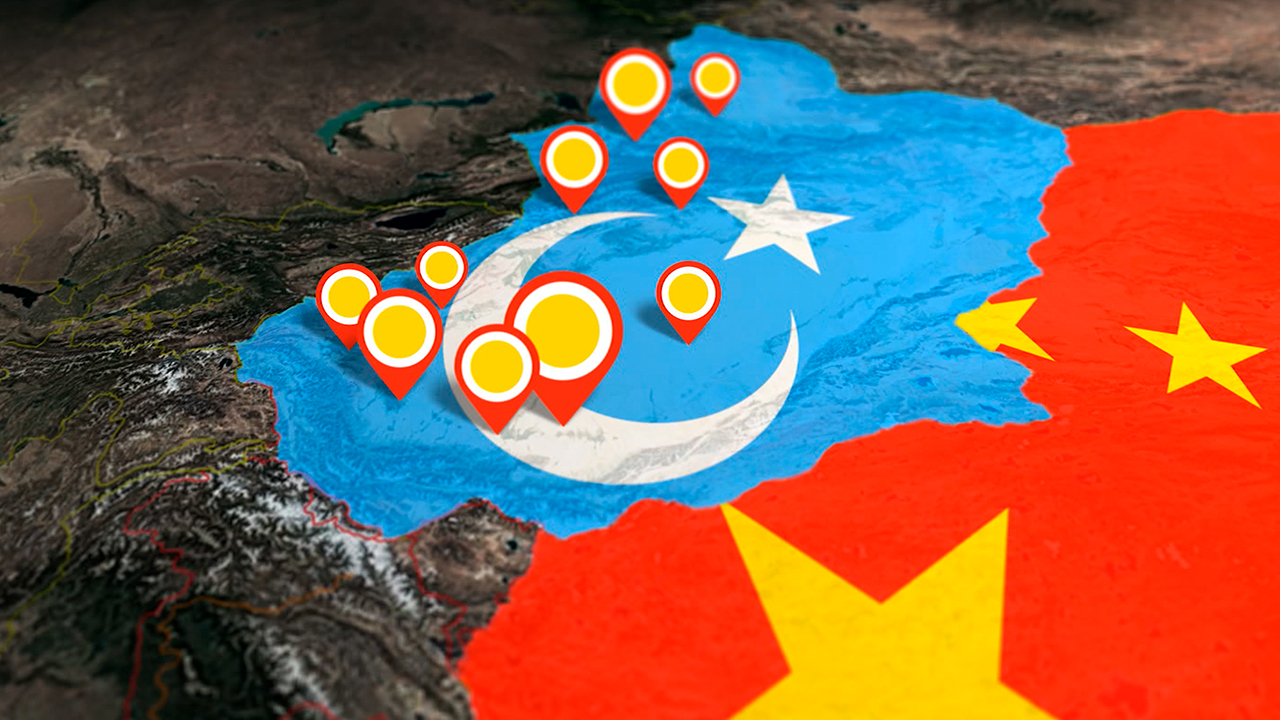
The Uyghurs, a predominantly Muslim ethnic minority concentrated in China’s Xinjiang region, have drawn global attention due to reports of severe human rights abuses. In 2017, Beijing initiated a campaign under President Xi Jinping aimed at eradicating separatism and terrorism in Xinjiang. However, this effort has been widely condemned internationally, with the United Nations identifying it as constituting “crimes against humanity.” Allegations suggest that China has used the pretext of combating extremism to justify a systematic crackdown on Uyghurs, which some nations and organisations have labelled as genocide. Chinese authorities have linked Uyghur activism to groups like the East Turkestan Islamic Movement (ETIM), portraying them as extremists. This has led to widespread violations of human rights, including mass detentions, forced labour, and cultural suppression, further tarnishing China’s global reputation. The East Turkestan Movement (ETM) emerged in the late 1990s as a response to decades of systemic oppression faced by the Uyghurs in the Xinjiang Uyghur Autonomous Region (XUAR), which was annexed by China following its occupation in 1949. Despite being officially recognised as one of China’s ethnic minorities, the Uyghurs were subjected to aggressive assimilation policies that sought to undermine their cultural distinctiveness through violent suppression. The ETM, founded by Turkic-speaking Uyghur separatists, represents a nationalist aspiration to establish an independent state of East Turkestan. This envisioned state would encompass regions spanning Kazakhstan, Kyrgyzstan, Uzbekistan, Turkey, Pakistan, Afghanistan, and Xinjiang, providing Uyghurs with a sovereign territory where they could freely preserve their cultural identity without interference from Communist China. The ETM combines religious and ethnic nationalism as its ideological foundation, reflecting resistance against China’s long-standing practices of cultural erasure, territorial control, and systemic marginalisation. The movement has involved not only mobilisation efforts but also armed resistance within Xinjiang as part of its broader struggle for self-determination. China has responded forcefully to the East Turkestan Movement (ETM), branding it a “terrorist organisation” with alleged connections to transnational groups such as al-Qaeda and the Taliban, which Beijing claims aim to undermine China’s territorial integrity. This characterisation is rooted in Islamophobia and mirrors the post-9/11 environment in the West, where suspicion of Muslims intensified following the attacks. To delegitimise ETM’s separatist ambitions, China labelled it as the “most direct and realistic security threat” to its national stability. In a 2002 government report, Beijing asserted that ETM had received financial and military support from al-Qaeda to carry out militant operations within China. Leveraging the United States’ heightened security concerns after 9/11, China successfully persuaded Washington to designate ETM as a terrorist organisation. This decision, made by the U.S. Treasury Department, was based largely on Chinese claims and overlooked the possibility that Beijing was exploiting global counterterrorism efforts to discredit what many view as a legitimate liberation movement. In addition to the East Turkestan Movement’s (ETM) armed resistance, Uyghur exiles and activists who fled Xinjiang established the East Turkistan Government-in-Exile (ETGE). Founded in 2004 and structured as a democratic parliamentary body, the ETGE shares the ETM’s goal of achieving self-determination for Uyghurs through the creation of an independent East Turkistan. Operating as a political entity, the ETGE has become a prominent global advocate for Uyghur rights, documenting human rights abuses in Xinjiang and raising international awareness of China’s systemic oppression. It has sought to hold China accountable on international platforms, aiming to end atrocities such as forced labour and mass detentions. However, like the ETM, the Chinese government has labelled the ETGE a terrorist organisation and exerted diplomatic pressure on countries that support it or criticise China’s treatment of Uyghurs. Despite these challenges, the ETGE continues to play a critical role in exposing human rights violations, including the use of Uyghur forced labour in global supply chains, which implicates products from major international industries. The East Turkestan Movement’s (ETM) resistance extends beyond Xinjiang, encompassing Central Asian states that host Uyghur exiles fleeing Chinese persecution, where their cause has gained substantial regional sympathy. Since launching the Belt and Road Initiative (BRI) a decade ago to advance its global hegemony, China has prioritised Central Asia as strategically vital. Through coercive diplomacy and economic incentives, Beijing has sought to consolidate influence over Central Asian governments, suppress Uyghur separatist networks, and dismantle nationalist aspirations among diaspora communities. The East Turkistan Government-in-Exile (ETGE) has consistently condemned regional states perceived as aligning with Chinese policies, framing such cooperation as enabling Beijing’s expansionism. In December 2024, the ETGE denounced the China-Central Asia Summit, arguing it exemplified China’s long-term strategy to erode Central Asian sovereignty through incremental geopolitical dominance. Central Asia has emerged as a focal point in global mineral competition following Kazakhstan’s discovery of the world’s largest rare earth deposits. Recent Sino-Kazakh agreements on critical mineral extraction have raised concerns regarding Astana’s deepening economic dependency and diminishing autonomy over strategic resource management. This development underscores broader anxieties about China leveraging resource partnerships to entrench influence under BRI frameworks, potentially marginalising local agency in Central Asia. China’s expanding presence in Central Asia poses a significant risk to the sovereignty of regional states while potentially depleting their economic resources. Under the guise of economic incentives, Beijing employs coercive tactics to influence Central Asian governments, aiming to suppress Uyghur exiles and dismantle separatist movements that have found refuge in the region. This growing influence is closely tied to China’s geopolitical ambitions, particularly through initiatives like the Belt and Road Initiative (BRI), which strategically integrate Central Asia into Beijing’s broader plans for global dominance. For the East Turkestan Movement (ETM), countering China’s manoeuvres in Central Asia is crucial to sustaining its resistance and advancing its goal of Uyghur liberation. The movement faces significant challenges as China leverages its economic power and political influence to undermine Uyghur nationalist aspirations and silence dissent. Combating these tactics becomes essential for preserving the Uyghur cause and ensuring that their aspirations for self-determination remain alive amidst China’s increasing geopolitical encroachments in the region.
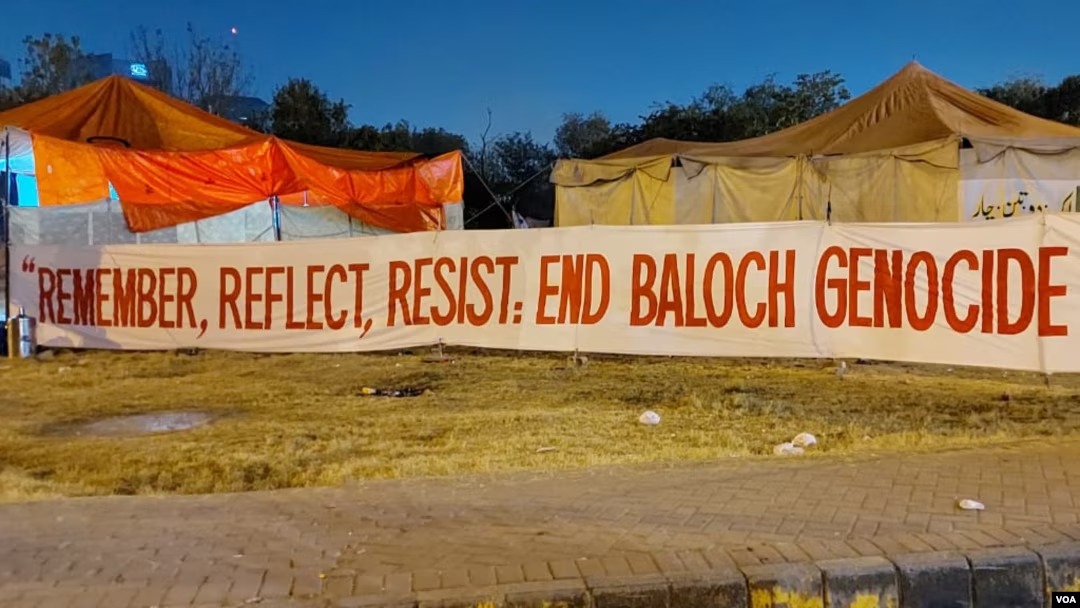
When Pakistan experienced the hijacking of the Jaffar Express by Baloch insurgents last month, it triggered a renewed wave of public concern regarding the likely methods of state retaliation. These fears were neither new nor unjustified; instead, they were firmly grounded in decades of securitised repression in the region, where the Pakistani state has historically operated as a regime of punitive authoritarianism, characterised by systemic violence, extrajudicial reprisals, and the delegitimisation of ethno-nationalist opposition. What proved particularly troubling, however, was the state’s broadening punitive reach beyond alleged insurgent actors, extending into civil society and non-combatant political opposition. The arrest of Dr. Mahrang Baloch, along with several members of the Baloch Yakjehti Committee (BYC), marked a decisive shift towards the criminalisation of rights advocacy and calls for institutional accountability. These actions have refocused attention on the ongoing decline of human rights protections in Balochistan, highlighting the persistent impunity with which the Pakistan Army operates, subjecting the region’s marginalised communities to systemic dispossession and militarised governance. In the aftermath of the Jaffar Express incident, which highlighted a significant intelligence failure within the Pakistan Army-led security apparatus, the state, adhering to its entrenched model of militarised governance in Balochistan, launched a series of ostensibly “counter-insurgency operations” across the province. In keeping with its historical approach to coercive statecraft, these operations were accompanied by widespread reports of staged “encounters,” a term now widely understood as a euphemism for extrajudicial executions, during which dozens of Baloch men were summarily killed. The region has long been a site of thousands of cases of enforced disappearances, where Baloch men have been abducted by security forces, many of whom have either been extrajudicially executed or remain missing to this day. For example, the Voice for Missing Baloch Persons (VMBP) has documented over 7,000 cases of enforced disappearances in the province since 2004. Even reports from the Pakistani government, such as the Commission of Inquiry on Enforced Disappearances (COIED), have recorded over 2,700 such cases in the region. Pakistani forces have been accused of executing many of these individuals, with the recovery of mutilated bodies across the province being a recurring phenomenon. For instance, local news reports indicate that between April 5th and 6th alone—within a span of just 48 hours—twelve bodies of recently disappeared Baloch individuals were recovered from various areas of the province, including Barkhan, Khuzdar, Mashkay, and Buleda. These findings have been unequivocally condemned as extrajudicial killings, further solidifying long-standing allegations about the secretive and violent methods employed by Pakistan’s security establishment in its control of Balochistan. Alongside these lethal operations, the state intensified its crackdown on civil society actors, particularly human rights organisations, which it has controversially sought to equate with insurgent networks. This strategic obfuscation and conflation serve a dual purpose: they delegitimise grassroots human rights efforts while simultaneously justifying state-sanctioned violence as a necessary counter-insurgency measure to the wider Pakistani public, especially in other provinces. Organisations such as the Baloch Yakjehti Committee (BYC), led by Dr. Mahrang Baloch, have consistently challenged the state’s fabricated narratives, exposed the performative nature of alleged “encounters,” and highlighted the ongoing continuity of repression that has characterised Pakistan’s approach to the region for decades. It is within this broader context of securitised silencing and pervasive violence that the recent arrests of rights defenders must be critically understood—not as isolated instances of executive overreach, but as integral components of a deeply entrenched regime of disciplinary statecraft aimed at eradicating dissent and reinforcing an exclusionary national identity. It is important to note that Dr. Mahrang Baloch was arrested by the Pakistani state on March 22 while she was leading a peaceful sit-in protest against the extrajudicial killing of three Baloch men by state police forces the day before. The alleged crime of these three young men was their mere participation in anti-government protests condemning the unlawful detention of several Baloch Yakjehti Committee (BYC) members, including prominent activists Bebarg Zehri and Saeeda Baloch, who had been arrested by Pakistani forces on March 20 and March 21, respectively. Nonetheless, the broader implications of these punitive actions seem to be not only significant but also structurally unsettling. They expose the Pakistani state’s entrenched tendency to use coercive violence as part of its colonial approach to Balochistan, where any demands for justice and democratic participation are not simply suppressed but actively framed as existential threats to state sovereignty. This is accomplished by labelling political dissent as “sedition” and systematically eroding any counter-narrative that challenges the state’s militarised orthodoxy. Consequently, the current situation in Balochistan can no longer be simplified as a case of developmental neglect or peripheral instability. It must instead be understood as a manifestation of a deliberate and ongoing dismantling of civic space, the judicial denial of ethnic rights, and the institutionalisation of structural violence under the ideological guise of counterterrorism. What is unfolding in Balochistan seems to be a clear example of necropolitical governance, where the very existence of Baloch bodies—whether mobilised, defiant, or passively situated—becomes a source of intense anxiety for the state and, consequently, a target for its systemic violence. Thus, these actions represent a deliberate attempt to delegitimise, criminalise, and ultimately eliminate dissenting discourse, particularly those expressions that challenge the entrenched impunity of military operations or call for the institutionalisation of structural accountability within the federal framework. By employing such repressive measures, the Pakistani state appears determined to systematically close off what remains of civil and political space that could otherwise enable critique, deliberation, or resistance to its militarised governance in Balochistan. This strategic repression goes beyond mere authoritarian excess; it embodies a malicious form of statecraft aimed at provoking the radicalisation of the last remaining peaceful political dissent, thereby making armed insurgency the only viable form of opposition. This trajectory is neither incidental nor accidental but is instead intentionally cultivated to squeeze non-violent political channels, thereby creating a self-fulfilling narrative of insurgency that could serve to legitimise the state’s repressive apparatus. In effect, this strategy is perceived as a means to absolve the state from
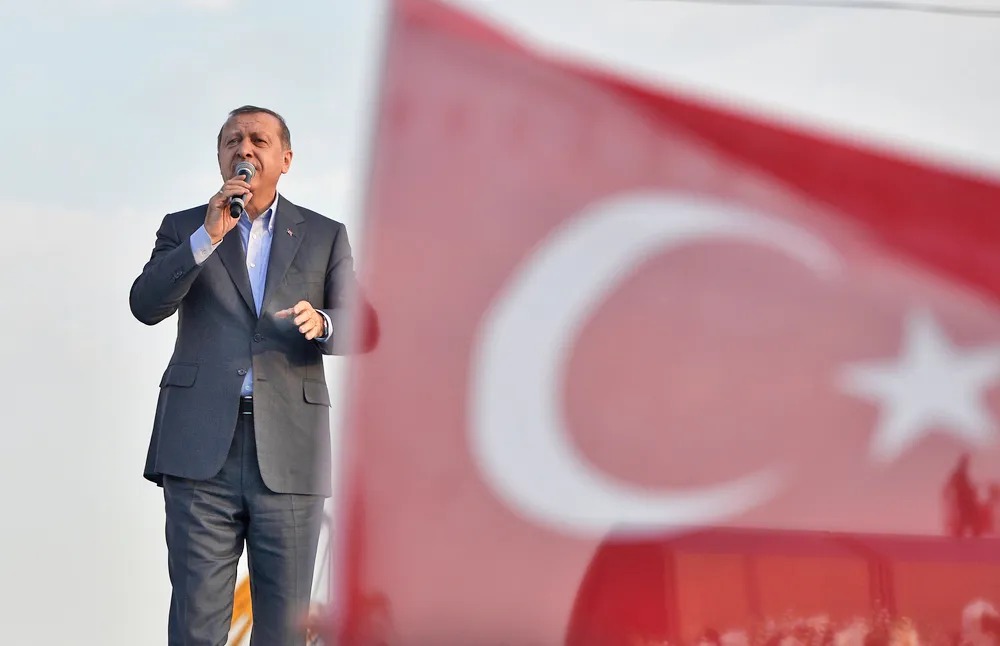
Following a series of international successes, including the downfall of Bashar al-Assad in Syria and a three-nation tour of Malaysia, Indonesia, and Pakistan in February, Turkish President Recep Tayyip Erdogan now faces the most significant political crisis of his career, as thousands of Turks have taken to the streets in opposition to his authoritarian regime. The protests, which initially began in Istanbul, have rapidly spread to more than 55 of the country’s 81 provinces and show no signs of waning, representing the most substantial challenge to Erdogan and his AKP (Justice and Development Party) since the Gezi Park protests of 2013. While the catalyst for this movement was the arrest and ousting of Istanbul’s mayor, Ekrem Imamoglu, the event has merely unleashed the long-standing frustration among Turks with Erdogan’s policies of democratic erosion and economic mismanagement. Ekrem Imamoglu assumed the position of Mayor of Istanbul in 2019 and has since been re-elected twice, a testament to his exceptional popularity. He is the prominent figure of the centre-left, pro-secularist CHP (Republican People’s Party), Turkey’s leading opposition party, which has gradually strengthened its influence in the country’s political landscape in recent years. Most notably, the CHP dealt a blow to the AKP by securing victories in 35 out of 81 provinces in the March 2024 municipal elections, including Turkey’s largest metropolitan economic centres, Istanbul and Ankara. The catalyst for the current wave of protests occurred on March 19, when Imamoglu was arrested on charges of corruption in municipal affairs and alleged connections to the banned Kurdish militant group PKK, accusing him of aiding terrorism. However, the latter accusation was dismissed by the court during initial hearings. On March 23, he was subsequently removed from his mayoral position, sparking public outrage over the perceived political nature of the move. It is also significant that a day before his arrest, Istanbul University annulled Imamoglu’s degree, citing irregularities. This decision was widely seen as politically motivated, given that a university degree is a requirement to run for the presidency in Turkey, and Imamoglu was poised to be Erdogan’s main challenger in the 2028 elections. Even as he expressed his intention to contest the annulment in court, Imamoglu remarked, “I have no faith that fair decisions will come out,” highlighting the judiciary’s compromised state under Erdogan’s rule. Since Recep Tayyip Erdogan assumed leadership of Turkey in 2003 as Prime Minister, and more forcefully after becoming President in 2013, he has pursued a relentless agenda of power consolidation, deeply infiltrating institutions and eroding the checks and balances inherent in a democratic political system. Attempting to reshape Turkey along the lines of ‘neo-Ottomanism,’ Erdogan’s rule has been marked by conservative, populist policies and an increasing centralisation of authority. This was most notably evident during the 2017 constitutional referendum, which Erdogan narrowly won, fundamentally replacing the parliamentary democracy system with an executive presidency. Over the years, Turkey has experienced a rapid slide into authoritarianism, acquiring a notorious reputation for imprisoning an alarming number of political prisoners, human rights activists, journalists, and other dissenters. The 2023 report by the Committee to Protect Journalists (CPJ) ranks Turkey as the 10th worst jailer of journalists globally. In addition to the dire state of political freedoms, Erdogan’s recent years in power have been marked by an ongoing economic crisis, characterised by hyperinflation, a decline in foreign investment, and growing fiscal deficits. These factors have led to a significant deterioration in living standards across the country, accompanied by a sharp rise in poverty and unemployment. The ongoing anti-regime protests have, unfortunately but predictably, been met with a severe state crackdown, which has involved the use of water cannons, tear gas, plastic pellets, and pepper spray. Over 2,000 individuals have been detained since the demonstrations began, including those who posted on social media condemning the arrest of Istanbul’s mayor, as well as journalists simply covering the protests, with one BBC correspondent even being deported from the country. On April 6, the leader of the CHP, Ozgur Ozel, pledged to continue the protests, demanding the release of Imamoglu, who has been nominated as the party’s presidential candidate, and calling for early elections by November of this year. While the CHP is providing political direction to the protests, it is primarily the youth of Turkey who have been at the forefront of challenging Erdogan’s autocratic rule and advocating for democratic and secular reforms. Furthermore, the protests have seen a convergence of diverse social and political groups, including students, leftists, pro-Kurdish factions, and even nationalists traditionally aligned with the AKP, such as the ultranationalist ‘Grey Wolves’. Given Erdogan’s firm control over the state apparatus, both repressive and ideological, in Althusserian terms, it will be exceedingly difficult for the protesters to force him to relinquish any ground. Nonetheless, this moment represents a significant setback for Erdogan’s regime and has galvanised the Turkish populace to fight for their long-suppressed freedoms and economic welfare.
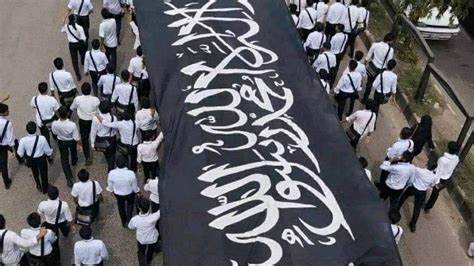
As Bangladesh stood poised on the cusp of Eid festivities, an ominous pronouncement by Army Chief Waqar Uz-Zaman cast a shadow over the jubilations. With the gravitas befitting his station, he forewarned the nation of an imminent terrorist strike, alluding to intelligence reports that hinted at an insidious conspiracy brewing in the nation’s underbelly. This revelation, however, was neither unheralded nor unprecedented; it merely underscored the prescience of his earlier exhortations, wherein he had urged the polity to desist from internecine strife, cautioning that such acrimonious discord not only debilitates national unity but also imperils the very sovereignty of Bangladesh. His trepidations, as it now transpires, were not misplaced. The eminent New York Times, in a recent exposé, corroborated his forebodings, asserting that Islamist hardliners were emboldened by the nation’s prevailing political lacuna and were making audacious forays into the public domain, unabashedly seeking to resurrect their ideological dominion. Indeed, this resurgence is but a macabre reprise of Bangladesh’s long and troubled entanglement with Islamic extremism, which first took root in the twilight years of the twentieth century. The radical outfits operating within Bangladesh have, over the decades, drawn sustenance from transnational terrorist syndicates, most notably the Taliban, al-Qaeda, and, more contemporaneously, the Islamic State of Iraq and Syria (ISIS). Their nefarious machinations, invariably, orbit around a singular and unrelenting objective—the imposition of Islamic rule in Bangladesh, a nation whose constitutional secularism stands in stark opposition to their theocratic aspirations. In pursuit of this ignoble end, their targets have been carefully calibrated: secularists, religious minorities, and any entity or individual whose existence or expression is perceived as inimical to their rigid dogma. The annals of Bangladesh’s contemporary history bear grim testament to their ruthlessness. From the turn of the millennium, the nation has been buffeted by a series of sanguinary terror attacks, each meticulously orchestrated to instill fear and assert dominion. The apogee of their savagery, perhaps, was the ghastly carnage perpetrated at the Holey Artisan Café in 2016. The grisly hostage crisis that unfurled therein claimed twenty-two lives, the majority of them foreign nationals, and indelibly etched itself into the collective consciousness of the nation. What rendered this atrocity particularly disquieting was its modus operandi, which bore an uncanny resemblance to the tactics deployed by ISIS. This harrowing episode marked the first incontrovertible indication that ISIS’s baleful influence had penetrated Bangladesh’s borders, dispelling any lingering skepticism regarding its reach. The digital realm has, unsurprisingly, proven to be a fecund battleground for the dissemination of extremist propaganda. With an astuteness that belies their medievalist ideological underpinnings, ISIS operatives have harnessed the far-reaching tentacles of cyberspace, employing indigenous linguistic mediums to indoctrinate and recruit. The dissemination of their pernicious rhetoric in Bangla—a language spoken by nearly 99 percent of Bangladesh’s populace—has served to extend their tentacular grip into the remotest corners of the nation. This calculated exploitation of cyber radicalism has precipitated a perceptible ideological shift among Bangladesh’s homegrown extremist factions, who now increasingly subscribe to the doctrinaire vision of an Islamic Caliphate—a vision assiduously cultivated and propagated by ISIS. A glaring exemplar of this ideological metamorphosis is the trajectory of the Ansarullah Bangla Team (ABT), a militant conglomerate that initially operated under the aegis of al-Qaeda. Formed in 2007, this nefarious syndicate orchestrated a series of targeted assassinations against secular bloggers, writers, and activists between 2013 and 2015. However, in the aftermath of ISIS’s ascension to prominence on the global jihadist stage, ABT unequivocally pledged allegiance to its cause, a testament to the latter’s magnetic pull in radicalizing impressionable minds. While the erstwhile government had, to a considerable extent, managed to curb the proliferation of violent extremism, the political upheaval engendered by the ouster of Sheikh Hasina in August last year has catalyzed an alarming re-emergence of these insidious forces. In the wake of her departure, a disquieting lawlessness has permeated the polity, affording these extremist factions an unprecedented opportunity to reassert themselves. Of particular concern is the resurgence of Hizb ut-Tahrir Bangladesh, an organization that has long been proscribed in the country due to its seditious proclivities. Notorious for its abortive coup attempt in 2011, this transnational jihadist outfit has ideological congruence with ISIS and has now re-emerged with newfound fervor. The immediacy of its resurgence—mere days after Hasina’s deposition—raises perturbing questions about the efficacy of state mechanisms in preempting such resuscitations. In recent months, its adherents have mounted vociferous demonstrations, brazenly demanding the rescission of the ban imposed upon them and clamoring for the establishment of an Islamic Caliphate in Bangladesh. The most conspicuous manifestation of this effrontery was the ‘March for Khilafat’ protest in Dhaka, an event that saw a congregation of ‘Conscious Teachers and Students’ bearing flags uncannily reminiscent of ISIS’s insignia and chanting incendiary slogans. That such a spectacle transpired within the nation’s capital—drawing participation from sections of the educated elite—ought to serve as a dire warning of the extent to which cyber radicalism has permeated urban echelons. This resurgence of Islamist militancy is not merely an ephemeral phenomenon; it constitutes a structural threat to Bangladesh’s democratic fabric. The re-emergence of Hizb ut-Tahrir, which remains proscribed in thirteen nations, should serve as a cautionary tale. The situation is further exacerbated by the unsettling decision of the interim government, helmed by Nobel laureate Muhammad Yunus, to release several individuals previously convicted of terrorism-related offenses. Such a move, particularly against the backdrop of a deteriorating law and order situation, rampant mob violence, and escalating cases of sexual aggression, augments the prevailing atmosphere of apprehension. The interim government’s apparent apathy towards this burgeoning menace has not gone unnoticed, least of all by the military establishment. Army Chief Waqar Uz-Zaman’s palpable discontent is emblematic of the growing dissonance between the state apparatus and the armed forces, particularly as Pakistan’s Inter-Services Intelligence (ISI) purportedly amplifies its covert operations on Bangladeshi soil. Should this inertia persist, the Army Chief’s cautionary pronouncement may well transmute into a catastrophic reality—one that Bangladesh may find itself ill-equipped to surmount.
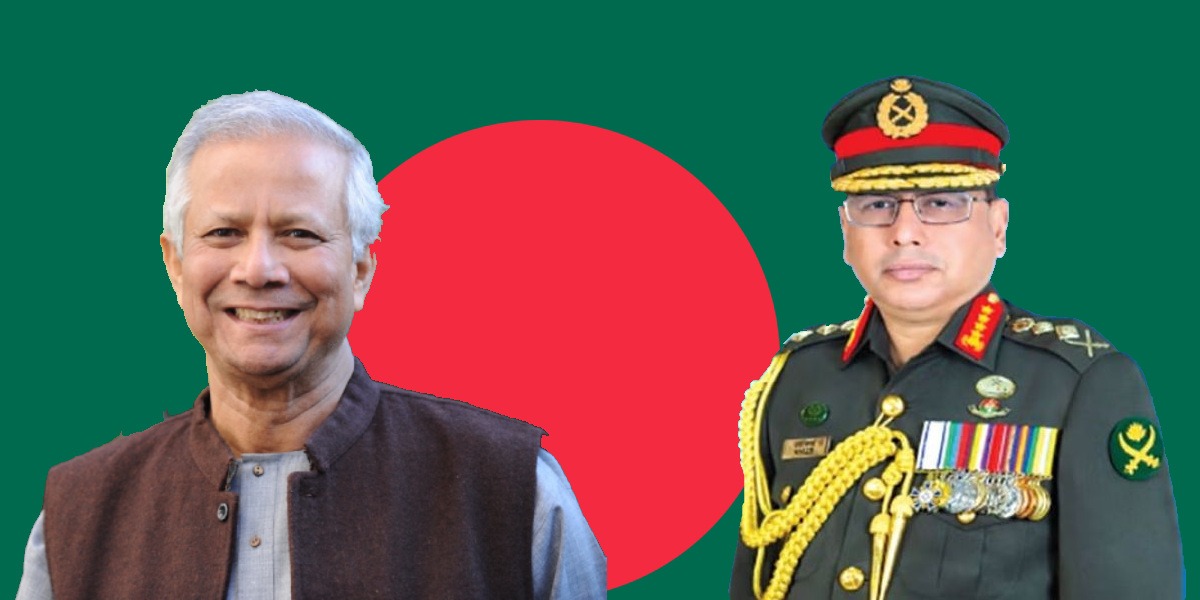
Bangladesh remains in a state of perpetual uncertainty, as reports surface of an escalating rift between the Muhammad Yunus-led Interim Government and the country’s military establishment. Amidst allegations of coup attempts aimed at dislodging Army Chief General Waker-Uz-Zaman from his leadership, the chasm between the two factions has become increasingly conspicuous. Contentious disputes have emerged over critical matters, including the nation’s deteriorating law and order situation and the timeline for forthcoming elections. The Yunus administration, however, exhibits a palpable reluctance to facilitate timely electoral proceedings, thereby fuelling concerns that it might be seeking to prolong its unconstitutional grip on power. Deepening discord has emerged between the military establishment and the Interim Government, precipitated by the country’s deteriorating security environment and the pervasive political instability aggravated by internecine strife among rival factions. On the law-and-order front, the country has witnessed a sustained wave of arson attacks over the past several months, targeting Awami League leadership and cadre besides minority Hindus. The arsonist mobs, predominantly led by groups aligned with the Students Against Discrimination (SAD) movement and Islamists, have been brazenly targeting even sites of national significance. Among the most egregious incidents was the desecration of Dhanmondi 32, the family residence of the nation’s founding father, Sheikh Mujibur Rahman, which serves as Bangabandhu Memorial Museum. It may be recalled that SAD played a critical role in the anti-government agitation that culminated in the ousting of Sheikh Hasina from power in August 2024, and has ever since maintained strong influence over the governance affairs of the country through the interim administration of Muhammad Yunus, with a number of its members serving as the advisors, that is de facto ministers of the government. Additionally, as the SAD movement transitioned into formal politics through the establishment of its own political entity, the Jatiya Nagorik Party (JNP), it has been at loggerheads with other political parties such as the Bangladesh Nationalist Party (BNP) over the timeline of the elections and implementation of constitutional reforms in the country. Given its considerable influence within the Interim Government, SAD has persistently advocated for the implementation of constitutional reforms as a precondition for any electoral process. However, the BNP and its allied factions demand the immediate conduct of elections, contending that any institutional reforms should rightfully be the prerogative of a legitimately elected government. In addition, SAD affiliates have violently tackled BNP’s student wing, Jatiotabadi Chatradal, injuring over 150 students in one of the incidents at a Khulna University last month. Amidst these increasing uncertainties, on his part, the Army Chief has persistently criticized the Interim Government’s incompetence in maintaining law and order and also voiced grave concerns over the surge of Islamist radicalism, cautioning that such developments pose an existential threat to the nation’s stability and territorial integrity. General Zaman issued a grave reprimand to political factions on February 27, warning that their relentless hostilities and factional rivalries could imperil Bangladesh’s hard-won sovereignty. Expressing his frustration with the lingering turmoil of the preceding “seven to eight months,” Zaman cautioned, “If you cannot forget your differences and work together, if you engage in mudslinging and fighting, the independence and sovereignty of this country and nation will be at stake.” Subsequently, the SAD leadership has increasingly targeted the Army Chief, accusing him of political interference, even threatening anti-military protests across the country. For instance, on March 22, Hasnat Abdullah, SAD convener, claimed that General Zaman was attempting to reintroduce and reinstate Awami League by pushing for the participation of what he called “Refined Awami League,” which would include mostly the second rung leadership of Sheikh Hasina’s party. Hasnat warned that the students’ groups were ready to launch a movement against the military establishment over this kind of “political interference”. Another student leader and an advisor in Yunus administration, Asif Mahmud Bhuiyan, in a video message on March 21, also accused General Zaman of harbouring resentment against Muhammad Yunus by claiming that the Army chief “had reluctantly agreed to appoint” him as the chief adviser of the interim government following the removal of Sheikh Hasina on August 5, 2024. These provocations assume criticality in light of March 12 revelations that General Zaman thwarted a Pakistan-sponsored and Interim Administration-endorsed intra-Army coup against the military establishment. As per reports, Bangladesh Army’s Quartermaster General (QMG), Lt. Gen. Muhammad Faizur Rahman, a staunch Islamist who is known for his pro-Pakistan Army and Jamat-e-Islami (JeI) proclivities, led the failed coup attempt alongside Principal Staff Officer (PSO) of the Armed Forces Division (AFD), Lt. Gen. S M Kamrul Hassan. Interestingly, both officers have been instrumental in facilitating increased military engagements between the Pakistan Army and their Bangladeshi counterparts, with Lt. Gen. Rahman having recently hosted an Inter-Services Intelligence (ISI) delegation in Dhaka, while Lt. Gen. Hassan led a military delegation to Pakistan merely a month prior. Reports further alleged that Chief Advisor Muhammad Yunus and the SAD leadership acquiesced to the plot to remove General Waker, who has resisted overt Islamisation of the state institutions and has maintained pressure on the transitional government against delaying elections. Following these provocations, General Zaman, as reports indicate, convened a series of high-level meetings with the Army leadership on March 22 to deliberate on the country’s precarious political and security landscape. Though Army dismissed such conjectures describing these meetings as routine for assessing country’s security situation, these developments raised speculations across Bangladesh’s social media sphere, with widespread conjecture that the military establishment might imminently resort to the imposition of emergency measures to quell the prevailing uncertainty. Some reports even claimed that concurrent to these deliberations, Bangladesh Army even mobilised its Savar-based 9th Division, ostensibly towards Dhaka. Such speculations of Army’s potential resort to extraordinary measures to prevent further destabilization underscores the pervasive fear that these developments could spiral into a broader conflict. As such, these unfolding events serve as a starkly demonstrate the deepening chasm of mistrust between Gen. Waker-Uz-Zaman-led military establishment and the SAD-dominated Interim Government of Muhammad Yunus. General Zaman’s recent warnings regarding the nation’s deteriorating security environment and
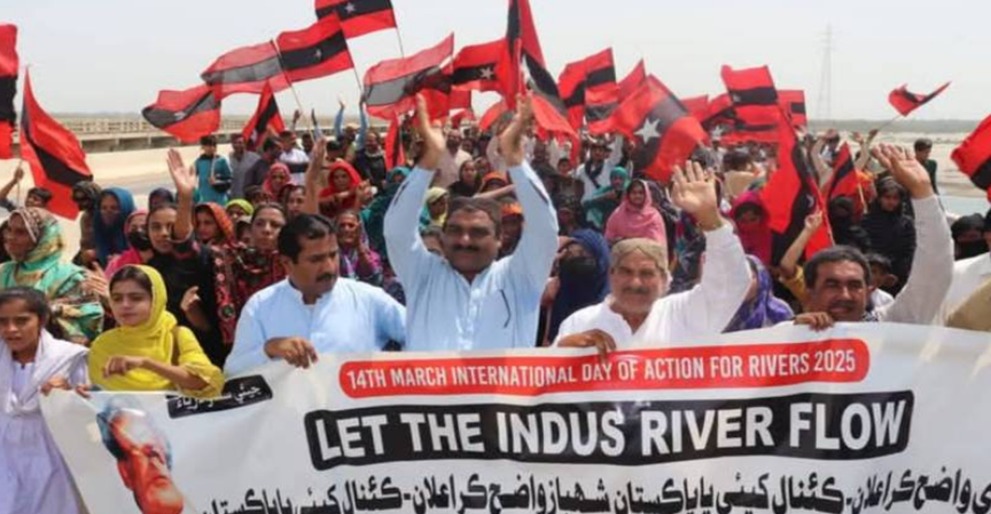
The province of Sindh in Pakistan has been embroiled in ongoing protests for several months, involving a wide spectrum of society, from political parties and civil society organizations across the spectrum to ordinary citizens, including women and children. Although the protests were sparked by and are focused on a contentious canal project proposed by the federal government along the Indus River, the root of the crisis lies in the long-standing systemic discrimination and neglect faced by Sindhis at the hands of the Pakistani state. The people of Sindh have consistently raised concerns that their resources, particularly water, are being exploited in a manner that disproportionately benefits Punjab, the country’s most populous and agriculturally prosperous province. The federal government’s recent proposal to construct a canal to irrigate the arid lands of Cholistan in southern Punjab has heightened fears of further diversion of Indus water, thereby exacerbating the already severe water crisis in lower-riparian Sindh. Among the protesting groups is the Pakistan People’s Party (PPP), which governs Sindh but is also a part of Prime Minister Shehbaz Sharif’s ruling coalition at the federal level, raising concerns about the potential fracture of the alliance. The canal project is part of the broader Green Pakistan Initiative (GPI), which was launched in July 2023 with the aim of modernizing the country’s agricultural sector. Agriculture is vital to Pakistan’s economy, contributing approximately 25% to its GDP and providing employment to around 37% of the population. However, outdated practices and infrastructural shortcomings have led to declining productivity, which is where the GPI seeks to intervene. The initiative aims to introduce modern technologies and equipment into farming, provide farmers with fertilizers and high-yielding seeds, transform barren lands into arable fields, and attract both domestic and foreign investment. The project seemed promising until President Asif Ali Zardari, who hails from Sindh and is also the co-chairman of the PPP, approved the construction of “six strategic canals” deemed essential for agricultural development and food security in July 2024. Of these six canals, two are proposed for Sindh, two for Balochistan, and two for Punjab. While five of these canals are planned to be constructed over the Indus River, the Cholistan Canal, the largest of the six, will be built along the Sutlej River. The Pakistani government asserts that the water for the Cholistan canal will not impact Sindh’s allocated share, as it will draw on surplus floodwaters from the Sutlej during the monsoon, in addition to river water from Punjab. It is important to note that under the 1960 Indus Water Treaty between India and Pakistan, the waters of the eastern rivers—Sutlej, Beas, and Ravi—are controlled by India, while Pakistan has control over the Indus, Jhelum, and Chenab rivers. Over the years, India’s extensive water extraction and dam construction, particularly on the Sutlej River, combined with the impacts of climate change, have led to a significant decline in the average water flow from these rivers into Pakistan. As an example, environmental expert Naseer Memon, based in Islamabad, informed Al Jazeera that “…between 1976 and 1998, the average flow [of the eastern rivers of the Indus Basin] was 9.35 million acre-feet (MAF). From 1999 to 2022, it has dropped to just 2.96 MAF.” In light of this, critics of the canal project challenge the logic behind Islamabad’s proposal, arguing that it is unrealistic to expect the Cholistan canal to meet its water requirements solely from the monsoon flows of the Sutlej. They contend that the canal will inevitably divert water from the Indus Basin, thereby threatening the water security of downstream Sindh. This is not the first instance of Sindh raising objections to federal policies concerning water management in the country. The proposed hydroelectric Kalabagh Dam, initially suggested in the 1970s, has yet to be realized due to strong opposition from Sindh and other parties. In an attempt to address ongoing intra-provincial water disputes and ensure fair water distribution, the Water Apportionment Accord of 1991 was introduced. However, the Indus River System Authority (IRSA), established to implement the accord, has developed a complex and ambiguous framework, resulting in ongoing conflicts between provinces over the interpretation of its provisions. The lack of transparency and perceived impartiality within IRSA was evident in February 2025, when it issued a ‘Water Availability Certificate’ for the Cholistan canal, affirming that sufficient water was available for the project, despite objections raised by Sindh’s representative on the authority. Furthermore, Sindhi members of the IRSA had previously protested against the opening of the Chashma Jhelum Link Canal and Taunsa Panjnad Link Canal in Punjab, fearing they would further reduce water availability for Sindh. However, a 2022 report revealed that the authority had granted permission for Punjab to utilize water from these canals. On March 13, the Sindh Assembly passed a unanimous resolution, tabled by Chief Minister Syed Murad Ali Shah, opposing the canal project until an agreement had been reached with all provincial governments and the concerns of all stakeholders had been addressed. The Cholistan canal, which, according to Nabi Bux Sathio, vice president of the Sindh Chamber of Agriculture, would “destroy 12 million acres of agricultural land in Sindh to irrigate just 1.2 million acres of desert in Punjab,” is being perceived by the people of Sindh as an existential threat to their lives and livelihoods. The province is still grappling with the aftermath of the catastrophic 2022 floods, which devastated around 4.4 million acres of agricultural land and claimed nearly 800 lives. Additionally, Sindh is among the most severely affected by climate change, with large areas of coastal land becoming infertile and gradually being engulfed by the Arabian Sea. On April 1, the PPP announced the second phase of the protests, urging the public to maintain continuous pressure. However, given the historical pattern of the Pakistani establishment overtly and covertly favoring the politically and economically dominant Punjab at the expense of other provinces, coupled with the authoritarian nature of the state, the likelihood of the federal government abandoning the canal project and addressing Sindh’s concerns seems
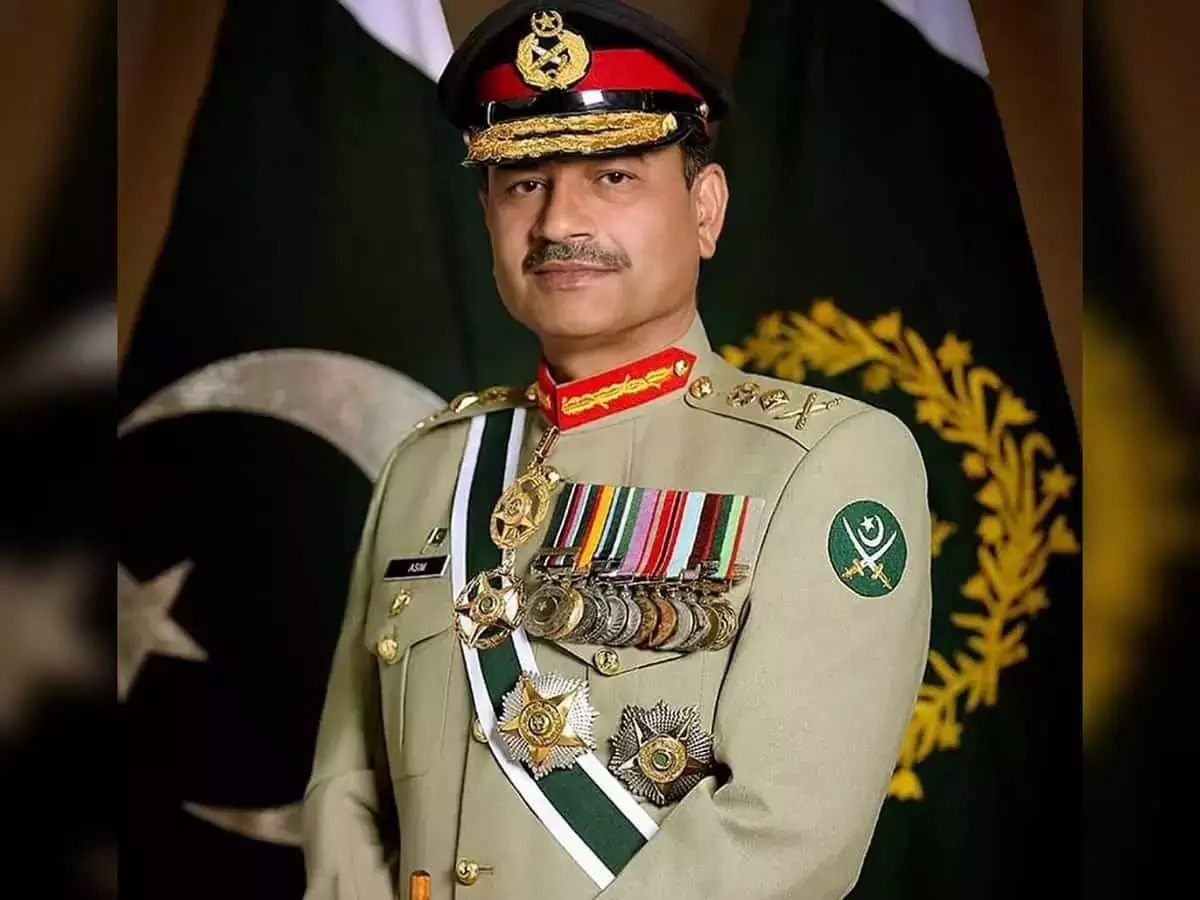
The Pakistan Army, once a formidable force that determined the nation’s destiny with authority, is now deteriorating under the burden of corruption, incompetence, and internal conflict. General Asim Munir, who currently leads the institution, has steered it towards a state of disgrace, turning what was once Pakistan’s most powerful entity into a divided, despised, and faltering power structure. The divisions are deepening, the foundations are weakening, and Munir’s leadership appears to be on the brink of collapse. In an unprecedented display of defiance, junior officers have turned against their own commander, presenting a letter that reads more like an ultimatum than a request. Colonels, majors, captains, and soldiers have come together in their outrage, demanding that Munir resign immediately or face repercussions that could destabilize the military. Their language is harsh and resolute. “This is your 1971, General,” the letter states, referencing the humiliating defeat that led to the creation of Bangladesh. The officers accuse Munir of tarnishing the army’s legacy, using its power against the very citizens it was meant to protect, and employing the military as a blunt tool to suppress political adversaries and undermine democracy. What was once the ultimate arbiter of Pakistan’s future has now become an institution mired in disgrace. Munir has transformed GHQ into a personal fiefdom, where military power is used not against external threats but against journalists, students, activists, and political opponents. The ousting of Imran Khan and the blatant manipulation of the February 8, 2024, elections have only reinforced what the world had already anticipated: the Pakistan Army is no longer a defender of national security; it has become an instrument of repression, a junta posing as a military, and a remnant of dictatorship desperately clinging to power. Public anger has reached a critical level. The military, once held in high esteem, is now the subject of overt resistance. Soldiers, once respected, are now pelted with stones by children in the streets. Military convoys, once feared, are now greeted with mockery and abuse. Munir’s leadership has tarnished the army’s credibility, transforming it from the nation’s protector into its most reviled oppressor. The bitterness is profound, and the resentment simmers like an unhealed wound. As the country descends further into economic turmoil, Munir and his generals continue to prosper. The army’s unchecked dominance over business empires, land acquisitions, and financial institutions has enabled them to accumulate vast wealth while the average Pakistani faces starvation. Palatial homes rise behind fortified barriers while entire families beg for food on the streets. The letter from the rebellious officers is filled with disdain, accusing Munir of being little more than a petty tyrant who has extended his tenure to 2027 not out of obligation but driven by insatiable greed. “The economy is a decaying corpse, and yet you parade in GHQ like a pathetic dictator while we starve,” the letter asserts. The anger now extends beyond the streets—it is rising within the ranks, signaling the onset of a revolt unlike anything the military has ever experienced. Munir’s failures extend beyond politics and economics. His incompetence has rendered the army ineffective on the battlefield, where insurgents now openly mock its weakness. The hijacking of the Jaffar Express by the Balochistan Liberation Army (BLA) was a moment of profound humiliation—a flagrant demonstration of how Pakistan’s adversaries no longer fear its military. Armed militants took control of an entire train, held hostages, and departed unscathed. The army’s response? Empty rhetoric and futile threats. The officers’ letter is laden with disdain: “The BLA’s taunts resonate more strongly than your hollow ISPR press releases, and the soldiers who once stood tall now hang their heads in shame.” This is not merely a crisis of leadership; it is a moment of existential reckoning. The officers who have spoken out are not issuing idle threats—they are signaling the presence of a force ready to act. Should Munir refuse to resign, the army itself may soon turn against him. A coup from within is no longer an unimaginable scenario. The chain of command is weakening, discipline is deteriorating, and the storm is on the horizon. Whispers are circulating in the barracks, unrest is brewing among the ranks, and a spirit of defiance is spreading among those who once unquestioningly obeyed orders. Pakistan stands on the brink of turmoil. The army’s long-unquestioned dominance, once tolerated by the populace, is now encountering resistance from within its own ranks. Munir’s grip on power is loosening, his credibility is in ruins, and his prospects are grim. Will he heed the warnings and step down, or will his obstinate arrogance drag both the army and Pakistan into a profound internal crisis? The world is closely watching. Both Pakistan’s allies and adversaries are observing the gradual disintegration of a military once regarded as untouchable. The United States, China, and Saudi Arabia—countries that once viewed Pakistan’s army as a vital stabilizing force—are now cautious of its instability. A divided and rebellious military spells disaster for the region, where existing instability has already provided fertile ground for extremism and disorder. Should the army persist along its current trajectory, Pakistan risks becoming a failed state, a theater for proxy wars, and a nation devoid of sovereignty, its future shaped by foreign powers. One fact is undeniable: the era of the Pakistan Army’s unquestioned dominance is coming to an end. The wave of rebellion is growing, and Munir’s name is destined to be recorded not in triumph, but among Pakistan’s greatest failures. The only path forward for Pakistan is to restore power to its rightful source—the people. For far too long, the army has usurped the nation’s future, subverting democracy and ruling through force and intimidation. The time has come to break this military stranglehold. Pakistan must rise, reclaim its sovereignty, and bring an end to the army’s tyranny once and for all.
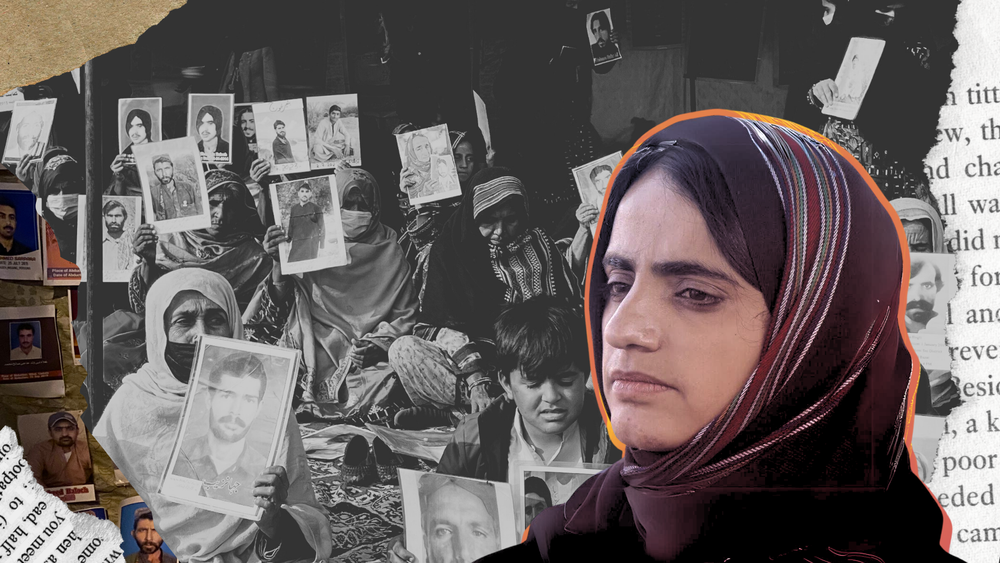
Dr. Mahrang Baloch, the charismatic and fearless leader of the peaceful Baloch civil resistance, has been detained by Pakistani authorities alongside 16 other activists for protesting against the ongoing enforced disappearances in the province. As a key organiser of the Baloch Yakjehti Committee, an organisation that has played a significant role in galvanising grassroots mobilisations demanding state accountability, Baloch faces charges including directing terrorist activities, sedition, and rioting. Despite triggering widespread domestic and international condemnation, the Pakistani authorities remain largely unperturbed in their authoritarian suppression of peaceful Baloch demonstrations. In light of the recent escalation in insurgent attacks within the province, the latest wave of arrests and violent repression of protests can be seen as a deliberate attempt to divert attention from the state’s own failures and shortcomings. Although the Pakistani state has escalated its efforts to silence Baloch this time, she has been under scrutiny for some time. A surgeon by profession, she has played a pivotal role in fostering the peaceful Baloch movement within a highly perilous environment. At just 32 years old, she has witnessed firsthand the severe abuses that the Pakistani state inflicts upon the Baloch people. In 2009, at the age of 16, her father, Abdul Ghaffar Lango, a labourer and political activist with the Balochistan National Party (BNP), was forcibly disappeared. Two years later, his mutilated body was discovered, showing signs of torture and gunshot wounds. In 2017, Baloch’s brother was also forcibly disappeared. Although he was released three months later following Baloch’s vocal opposition to the authorities, her anger and activism endured, and she has since become the voice of many others who continue to suffer similar fates. Mahrang Baloch gained widespread recognition during the Baloch Yakjehti Committee’s (BYC) ‘March against Baloch Genocide’ from Turbat to Quetta (the provincial capital) and ultimately to Islamabad, held between December 2023 and January 2024. The catalyst for this long march was the November 2023 killing of 24-year-old tailor Balach Mola Baksh by the Counter Terrorism Department, which falsely characterised the incident as an encounter. His family, claiming he was in state custody at the time of his death, protested at Fida Ahmed Chowk in Turbat with his body for a week, but their efforts yielded no results. The BYC had originally emerged from the Bramsh Yakjehti Committee, formed in solidarity with and to seek justice for Bramsh, the 4-year-old daughter of Malik Naz, who was allegedly killed by state-backed death squads in May 2020. In response to the ongoing state abuses, including enforced disappearances, fabricated encounters, extrajudicial killings, and torture, the leadership of the Bramsh Yakjehti Committee chose to broaden its scope to address the broader plight of the Baloch people, renaming the organisation as the Baloch Yakjehti Committee. The movement is spearheaded by the mothers, sisters, daughters, and half-widows of those who have fallen victim to these brutal state actions, without any accountability. The BYC has since organised a number of significant demonstrations, mobilising people on an unprecedented scale in the history of the province, including the ‘Baloch Raaji Muchi’ in Gwadar in July 2024 and the ‘Baloch Genocide Remembrance Day’ in Dalbandin in January 2025. In response to the rise of peaceful civil resistance by the Baloch people, the Pakistani establishment, rather than addressing the long-standing grievances of the populace, has resorted to its usual tactics of obstructing, discrediting, and silencing the movement. The protests have continued despite state-enforced internet and network blackouts, arbitrary detentions, the use of water cannons, tear gas, and even live ammunition. Additionally, the state has launched an extensive disinformation campaign against the movement. The mainstream media, traditionally aligned with state narratives, has been complicit in linking the activists to insurgents, alleging that they are supported or manipulated by foreign entities. Dr Mahrang Baloch herself has been targeted by malicious digital propaganda, with false claims that her father and brother were associated with insurgents. Furthermore, an image of her with a Norwegian journalist who interviewed her was circulated, suggesting foreign involvement in the movement. A fabricated audio recording was also spread, falsely claiming that Baloch was attempting to secure foreign funds for the Gwadar protest. A recurring element of the disinformation campaign involves misrepresenting the missing persons, whom the movement advocates for, as separatist militants. In one instance, a photograph of Baloch at a protest was altered to distort an image of a missing person on a poster behind her, replacing the image of Rafique Oman with that of Rafiq Bizenjo, a suicide bomber allegedly claimed by the Balochistan Liberation Army (BLA). The province of Balochistan has endured immense deprivation and suffering due to the ongoing conflict between the Pakistani state and the long-standing armed insurgency. In addition to the systemic discrimination and exploitation imposed by the federal government, the Baloch people have faced relentless human rights violations by the state under the guise of counter-insurgency measures. The recent train hijacking and Noshki attack on security personnel by the Balochistan Liberation Army (BLA) highlight the complete failure of Pakistan’s policies to address the insurgency and safeguard the Baloch population. Rather than confronting the fundamental issues surrounding its approach, the establishment has reverted to its familiar and convenient tactic of suppressing peaceful dissent to avoid addressing difficult questions. Dr Mahrang Baloch is currently being held in Quetta District Jail without any legal proceedings, denied access to her lawyer and family. Her cousin, Asma Baloch, has reported that the authorities are even preventing her family from delivering food and other necessary items to her. International human rights organisations, including Amnesty International and Front Line Defenders, have raised concerns about this situation and called for her immediate release. It is evident that the state’s attempt to silence a prominent figure of the peaceful Baloch resistance has backfired, drawing greater attention to the plight of the Baloch people. It is crucial that the establishment reassesses its approach and puts an end to the egregious practices that have fuelled the insurgency and caused immense suffering to the Baloch population.
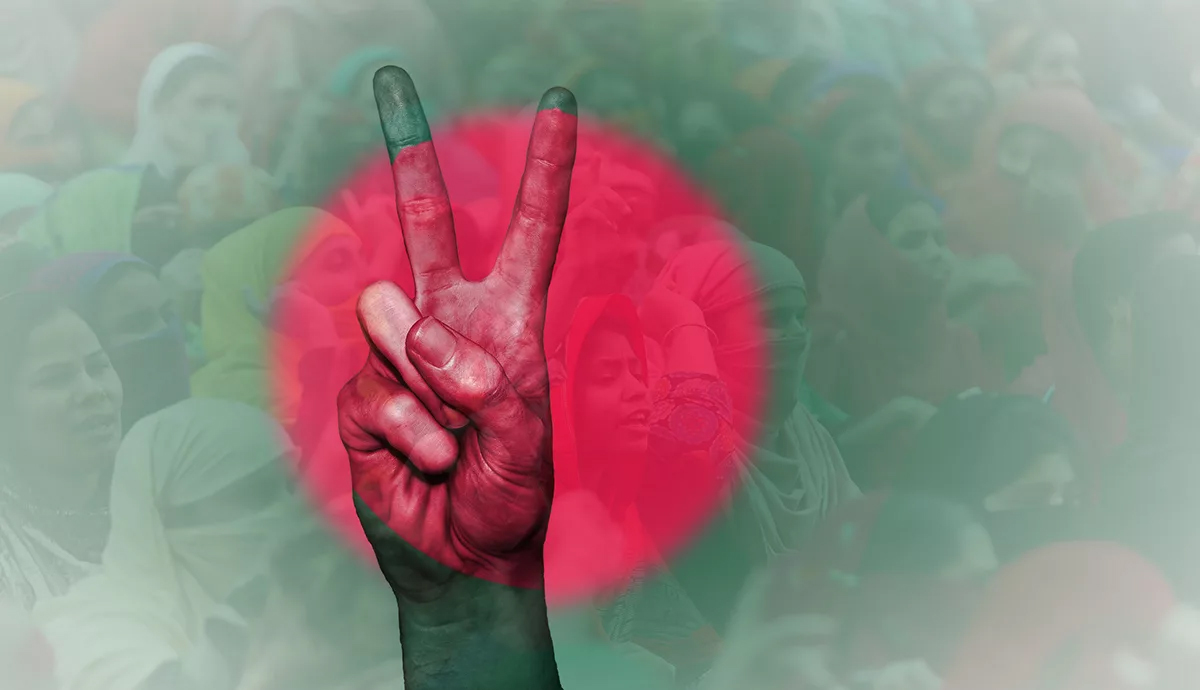
In December 1970, Pakistan held its first democratic National Assembly elections, in which the Awami League, a political party rooted in East Pakistan, secured a resounding victory. However, rather than accepting the will of the people, the political and military elite of West Pakistan—fuelled by an ingrained prejudice against the Bengali population, whom they viewed as socially and culturally ‘inferior’—chose to suppress their aspirations through brute military force. Their response culminated in Operation Searchlight on 25 March 1971, an unspeakable campaign of terror designed to crush Awami League activists and their supporters. Yet, what began as a targeted crackdown soon escalated into an indiscriminate genocide against the Bengali population, whose only ‘crime’ was their demand to be treated as equal citizens rather than colonial subjects. The horrors unleashed by the Pakistan Army swept through the streets of Dacca (now Dhaka) and into the remotest villages, leaving in their wake devastation beyond measure. Among the most harrowing atrocities was the systematic sexual violence perpetrated against Bengali women, a tragedy that has been shamefully overlooked in historical discourse. These biranganas—‘war heroines’—bear the deepest scars of Bangladesh’s struggle for independence, their suffering a cruel testament to the price of liberation. Even after 54 years, the wounds of 1971 remain unhealed, exacerbated by Pakistan’s obstinate refusal to acknowledge its army’s genocidal crimes, let alone offer an apology. This shameful denial stands as an enduring stain on history, a stark reminder of justice long denied. The horrors of war are not confined to the battlefield; they seep insidiously into the very fabric of society, leaving scars far beyond the domain of military conflict. Among the most egregious manifestations of this brutality is sexual violence, a weapon wielded with calculated cruelty to devastate both individuals and communities. In the cataclysmic events of the 1971 Liberation War, the Pakistani military orchestrated a campaign of systematic rape and torture, deploying it as an instrument of both physical subjugation and psychological annihilation. Women’s bodies, long perceived as the repositories of familial and societal honour, became the battleground upon which this barbarity was unleashed. As Operation Searchlight unfurled its dark shadow over Dhaka, innumerable Bengali women were forcibly taken from their homes and university campuses, their destinies cruelly altered as they were transported to military barracks and confined to what can only be described as ‘rape camps.’ Subjected to relentless violation, many perished at the hands of their tormentors, their suffering rendered invisible in the tide of genocide. A sinister agenda underpinned this depravity—the calculated objective of impregnating Bengali women to dilute ethnic identity, an insidious attempt at demographic engineering. The so-called ‘war babies,’ estimated at around 20,000, were intended as a grotesque means of tethering East Pakistan’s future to the bloodlines of the West. This brutal strategy, steeped in both violence and a grotesque perversion of power, epitomized the depths to which oppression can descend in its ruthless pursuit of domination. The horrors of the Liberation War of Bangladesh were not confined to the battlefield alone; they seeped into the very fabric of human dignity, as the Pakistan Army weaponised rape to inflict psychological trauma upon the Bengali populace. In a calculated effort to break the spirit of resistance and force submission, women were subjected to unspeakable brutality, often in the presence of their own families. With the complicity of collaborators—the notorious razakars—who abducted and delivered women, particularly from the Hindu community, the army orchestrated sexual violence on an unimaginable scale. The aftermath was as macabre as the crime itself: bodies of slain victims hung from trees, discarded in mass graves, or strewn beneath bridges—chilling symbols of the cost of nationalist aspiration. In this grotesque theatre of terror, rape was not just an instrument of war; it was a calculated strategy to annihilate the will of a people. The systemic and brutal use of sexual violence as a weapon of war during Bangladesh’s Liberation War remains one of the darkest stains on human conscience. The atrocities committed against an estimated 200,000-400,00 women were not incidental but deliberate—a vile strategy of war designed to terrorise and subjugate a people. However, to reduce Bengali women’s role in 1971 merely to that of victims would be an egregious oversight. Women were not just passive sufferers but active participants in the resistance, standing shoulder to shoulder with the Mukti Bahini. They smuggled arms and intelligence, tended to the wounded, and even bore arms themselves—undaunted warriors in their own right. Their contributions were no less significant than their male counterparts, their sacrifices no less valiant. It was Bangabandhu Sheikh Mujibur Rahman who sought to dignify these women by calling them ‘Birangana’—a title meant to honour their courage. Yet, in the post-war years, the term became tragically synonymous with shame, society reducing these war heroines to mere victims of rape, as if their suffering was theirs alone to bear. Instead of receiving the gratitude of a free nation, they were met with ostracism, rejection, and silence. Many families refused to accept them back, further condemning them to a life of isolation. The establishment of the War Crimes Tribunal in 2010 was a long-overdue step toward justice, yet the scars of betrayal remain. Pakistan has yet to acknowledge its army’s heinous crimes, and Bangladesh’s collective memory has yet to fully embrace these women as the warriors they were. On the 54th anniversary of Operation Searchlight, let us not only remember Pakistan’s war on women but also recognise the Birangana for their undying fortitude in forging a free Bangladesh.