A growing debate over Balochistan’s natural resource wealth and its role in Pakistan’s national economy has attracted renewed attention from analysts and commentators, with critics arguing that the province’s rich mineral reserves and strategic location have long been exploited to the detriment of its people.
In a recent opinion piece by a regional security commentator, questions were raised about how resource‑rich areas like Reko Diq — famed for its vast copper and gold deposits — became contested ground in both historical and contemporary contexts. The argument holds that longstanding grievances over control of these resources stem from colonial‑era legacies and have continued to influence internal politics and centre‑periphery relations in Pakistan.
Reko Diq, in southwestern Balochistan, has been at the centre of investment ambitions for years due to its significant copper and gold potential. Its development has involved both domestic stakeholders and international mining interests. Critics argue that decisions over mining rights, revenue sharing, and local participation have often left Baloch communities feeling marginalised — fuelling perceptions that resource wealth benefits outsiders more than local populations.
The debate taps into wider historical grievances: critics contend that Balochistan’s incorporation into Pakistan in 1947 and subsequent administrative decisions have not fully respected the aspirations of its indigenous communities. They assert that political and military dominance by central authorities has shaped how economic opportunities are structured — often without adequate consent, representation or direct benefit to local populations.
Analysts point out that the province’s wealth of minerals, including copper, gold, natural gas, and other strategic resources, has made it both an asset and a flashpoint in relations with Islamabad. While government officials describe mining development as key to national economic growth and job creation, local activists and commentators argue that profiting from these assets should be more equitable and include stronger guarantees for local rights and environmental protections.
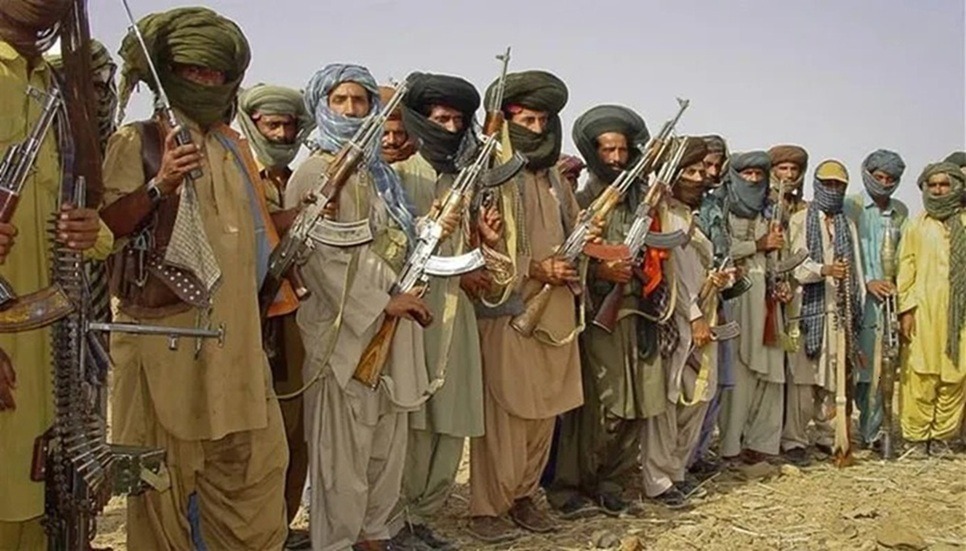
The opinion commentary also revisited broader historical narratives, suggesting that geopolitical manoeuvres and internal security priorities have shaped national policy toward the region. Some critics argue that long‑standing insurgencies and security crackdowns in Balochistan have further complicated efforts to build trust and inclusive governance.
Observers stress that debates about Reko Diq and Balochistan are indicative of deeper challenges in Pakistan’s internal cohesion. The province’s strategic location — bordered by Iran and Afghanistan, with a coastline on the Arabian Sea — gives it both geopolitical importance and heightened strategic sensitivity. Meanwhile, tensions persist between local demands for resource control and the federal government’s vision of integrating the region into larger economic corridors and national development plans.
Political commentators note that many voices in Balochistan are calling for greater local involvement in decision‑making, transparent revenue‑sharing mechanisms, and stronger legal protections for community rights. Supporters of reform argue that sustainable development can only succeed if it builds trust, ensures fair economic returns for local residents, and addresses historical grievances that have fueled periodic unrest.
Government representatives, for their part, often highlight development initiatives and infrastructure investments aimed at boosting economic growth and connectivity in the province. They contend that broader economic inclusion and job creation will help reduce instability and support long‑term prosperity.
The ongoing discussion over Balochistan’s resources underscores the complexity of balancing regional autonomy, equitable economic policy, and national unity in a diverse federation. As debates continue, analysts say the challenge for policymakers will be to craft solutions that respect provincial aspirations while contributing to overall stability and development — a task that will require political will, economic foresight, and inclusive governance.