
-Arun Anand
On 31 January 2026, the recent coordinated attacks claimed by the Baloch Liberation Army (BLA) marked a significant escalation in the long-running insurgency in Pakistan’s Balochistan province. For the first time, coordinated operations were carried out simultaneously across twelve cities, including Quetta, Gwadar, Mastung, Noshki, Dalbandin, Kalat, Kharan, Panjgur, Pasni, Turbat, Buleda, and Kech. Both men and women actively participated—not merely as suicide bombers, but as combatants—reflecting the depth of desperation and grievances among Baloch communities. The BLA announced the launch of “Operation Herof Phase II” at the outset of the attacks, framing the coordinated assaults as part of a planned campaign targeting Pakistani security posts and Chinese infrastructure. In its statement, the group said:
“We carried out coordinated attacks across multiple cities in Balochistan, striking military, police, intelligence, and administrative installations. We neutralised over 80 enemy personnel, took 18 hostages, and destroyed more than 30 government properties. Our fighters, including members of the Majeed Brigade, advanced across various areas with mutual coordination, temporarily restricting the movement of Pakistani forces.”
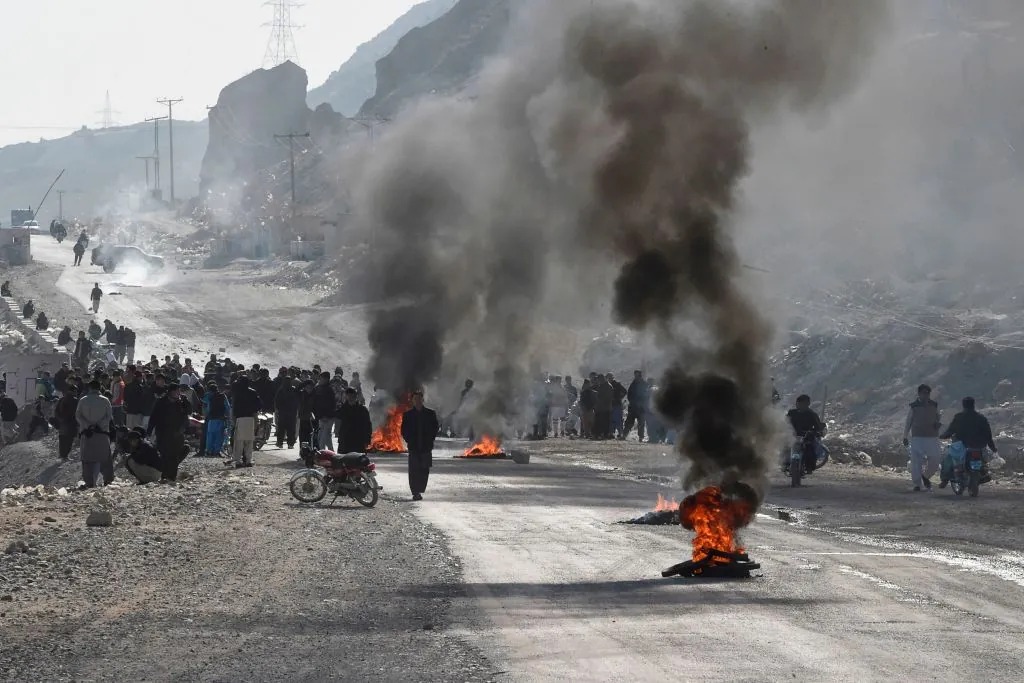
Independent reports suggest total fatalities, including militants, security personnel, and civilians, may exceed 125, highlighting the intensity of the operations. The attacks caused disruptions to roads, transport, and internet and mobile services in affected areas.
Balochistan’s long struggle and Pakistan’s narrative
Almost immediately after the attacks, Pakistan once again blamed India, claiming that the violence was orchestrated and supported by foreign actors. Officials, including the military and Interior Minister Mohsin Naqvi, alleged that the attackers were guided, funded, and strategically directed from outside Pakistan, framing the operations as part of a broader plan by India to destabilise Balochistan. Pakistan strategically even refers to the militants as “Fitna‑al‑Hindustan” in state narratives, presenting the attacks as externally driven.
India, however, categorically rejected Pakistan’s claims, calling them “baseless” and “frivolous.” A spokesperson from the Indian Ministry of External Affairs, Randhir Jaiswal, stated:
“Instead of parroting frivolous claims, Pakistan should focus on its own internal failings and address the longstanding local issues in Balochistan. Allegations against India are baseless and lack any credible evidence. The insurgency in Balochistan is rooted in Pakistan’s internal governance and human rights issues, not external involvement.”
This response underlines that Pakistan’s habitual blame-shifting does not address the real grievances at the heart of the insurgency, and merely masks the structural and historical issues within the province. Balochistan derives its name from the Baloch tribe—the largest ethnic group in the region. The Baloch insurgency has a long history, dating back to the very creation of Pakistan in 1948, and has seen successive cycles of resistance over decades. Resistance against the Pakistani state began soon after the incorporation of the princely state of Kalat, and successive cycles of insurgency have occurred in 1948, 1958–59, 1962–63, 1973–77, and from the early 2000s to the present.
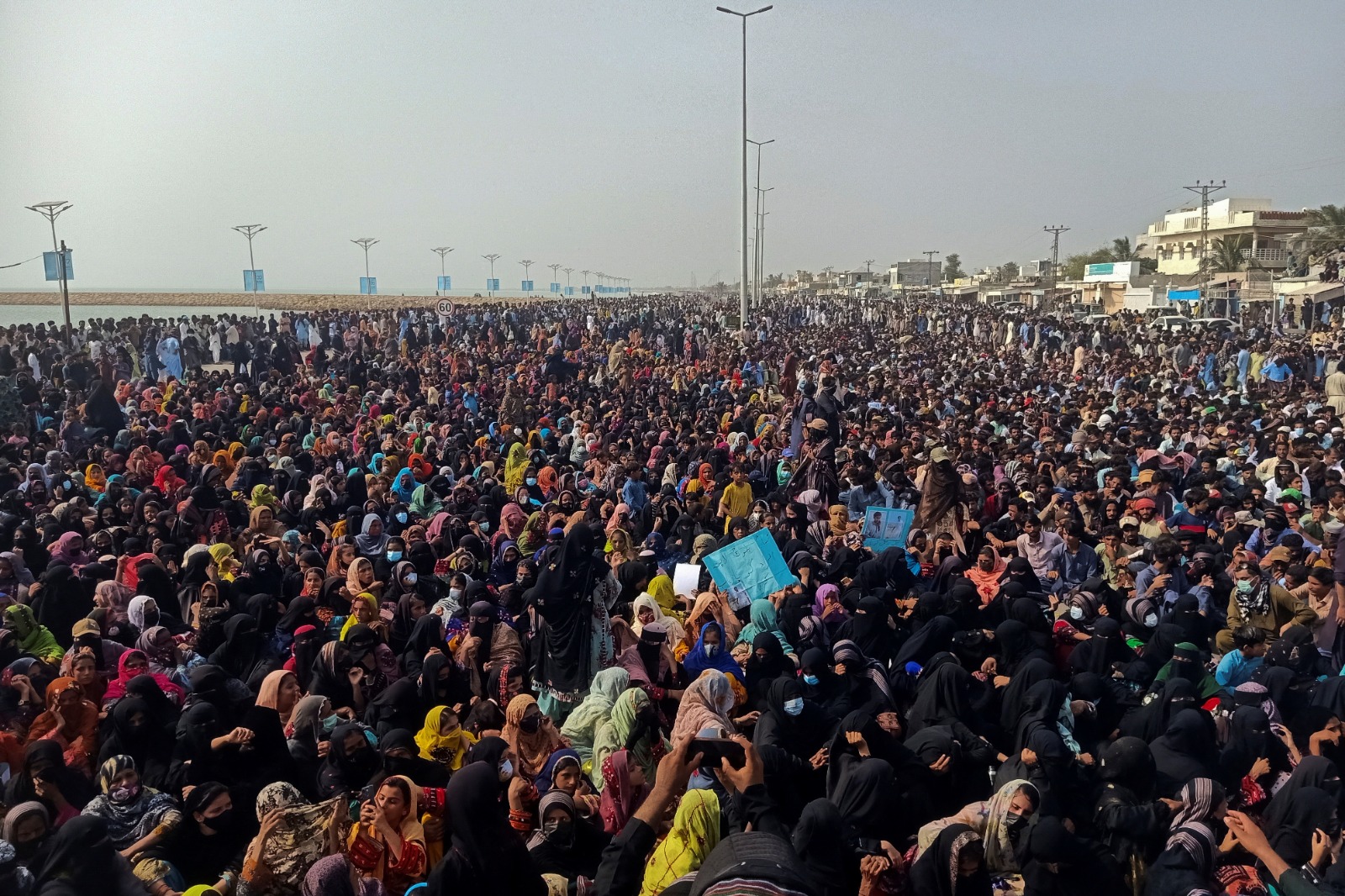
To attribute a struggle with such continuity solely to external actors is to overlook the deeply local and historically entrenched grievances. The conflict has been sustained by systemic issues: political marginalisation, economic exploitation, demographic anxieties, and widespread human rights violations. Reports document enforced disappearances, extrajudicial killings, arbitrary detentions, and military operations by security forces.
Numerous human rights organisations have documented these abuses over decades, highlighting the systemic nature of oppression in Balochistan. Local and regional bodies such as the Human Rights Council of Balochistan (HRCB), Voice for Baloch Missing Persons (VBMP), the Baloch Yakjehti Committee (BYC), and activists like Gulzar Dost have recorded enforced disappearances, extrajudicial killings, and violations of basic civil liberties. National bodies like the Human Rights Commission of Pakistan (HRCP) and international organisations such as Human Rights Watch (HRW) have also reported widespread violations, drawing attention to patterns of abuse, militarisation, and lack of accountability. Additionally, UN human rights mechanisms have expressed concern over disappearances, repression, and human rights infringements, calling on Pakistan to address these longstanding issues. These abuses, combined with limited access to education, healthcare, and basic infrastructure, have fueled resentment and radicalisation.
The growing involvement of women in the insurgency is particularly telling. Traditionally, women in conflict zones rarely take up arms unless social collapse and state oppression reach extreme levels. Many Baloch women have joined militant movements not out of ideology, but in response to personal loss, including the disappearance or killing of family members. This underscores the severity of state brutality and the absence of peaceful avenues for redress.
Economic exclusion and unrest
Balochistan occupies nearly 44 per cent of Pakistan’s territory and is rich in minerals, natural gas, coal, copper, gold, and strategic ports such as Gwadar. Despite this wealth, the province remains Pakistan’s poorest, with insufficient roads, hospitals, schools, electricity, and employment opportunities. Most benefits from the region’s resources flow to Punjab and the federal centre, leaving Balochistan politically and economically marginalised. This structural imbalance lies at the heart of the insurgency. The BLA’s focus on Chinese infrastructure, particularly Gwadar port under the China–Pakistan Economic Corridor (CPEC), highlights local resentment against projects seen as extractive and non-inclusive.
For many Baloch communities, CPEC and Gwadar are symbols of dispossession rather than development. While these projects bring heavy investment and modern infrastructure, locals report that basic needs like clean water, healthcare, education, and jobs remain largely unmet, and skilled roles are frequently given to outsiders. Coastal communities, particularly fishermen in Gwadar, feel their livelihoods have been disrupted by large-scale projects, Chinese trawlers, and strict regulations, deepening the sense of exclusion. The region has also seen increased militarisation, with checkpoints, surveillance, and restrictions on movement, creating an atmosphere of control rather than empowerment. In the eyes of many Baloch, CPEC benefits outsiders and central authorities while ignoring the real needs of the local population, fueling political grievances and, in some cases, militant resistance.
Pakistan’s habitual blaming of India for every major incident is counterproductive. Even if external actors were hypothetically involved, no foreign power could sustain an insurgency for over seven decades without internal grievances. The term “Fitna-ul-Hindustan” may serve short-term political narratives, but it obscures structural and historical realities, allowing problems to fester rather than be resolved.
Balochistan does not require more troops or scapegoating. What it urgently needs is political accommodation, through meaningful autonomy and inclusive dialogue, along with economic inclusion that ensures local communities benefit from their resources. Human rights accountability, particularly regarding enforced disappearances, is critical, as is development carried out with consent rather than imposed megaprojects. Genuine dialogue and regional diplomacy prioritising stability over blame-shifting are essential. Addressing these grievances honestly is not only crucial for Pakistan’s internal cohesion, but also for regional stability. Women fighting in the insurgency, decades-long unrest, and persistent deprivation are signals of a structural crisis, not foreign subversion. Pakistan must set its house in order, because justice, inclusion, and reform are the only sustainable solutions.