
Bangladesh is facing a deepening democratic crisis as violence, persecution and mob rule increasingly become part of everyday life, raising serious concerns about the credibility of the country’s political transition ahead of national elections scheduled for early 2026. Observers note that the current political environment represents a sharp deterioration in law and order, marked by rising communal tensions, ethnic and religious attacks, suppression of dissent and the growing influence of extremist elements. What was initially presented as a corrective transition toward democratic renewal has instead exposed profound institutional and societal weaknesses.
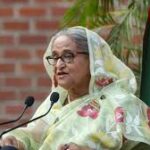
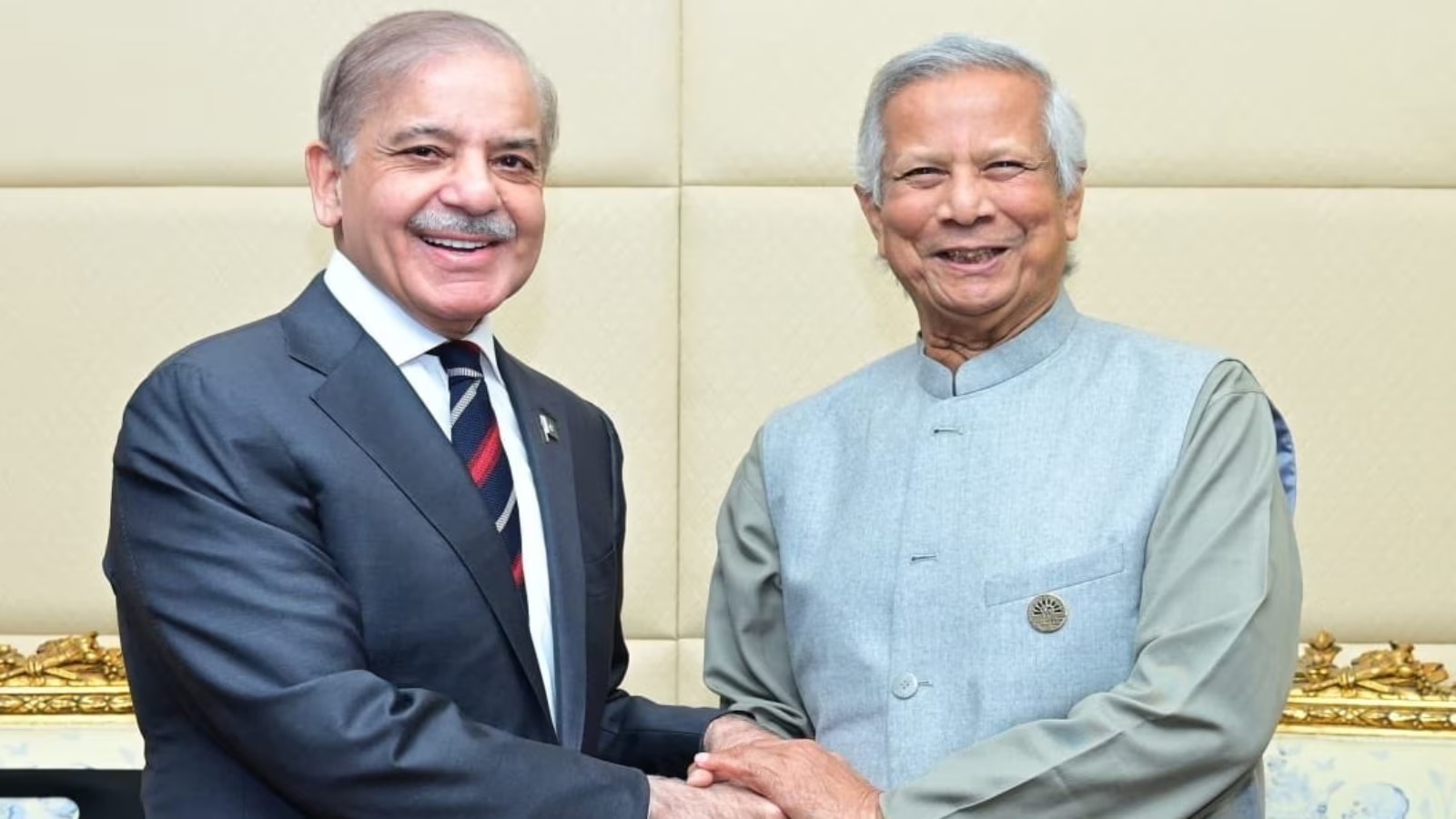
The crisis traces back to mid-2024, when mass protests and unrest led to the removal of former Prime Minister Sheikh Hasina and the installation of an interim administration led by Chief Advisor Muhammad Yunus. Since then, the political landscape has become increasingly polarised, with bans and restrictions placed on major political parties and their affiliated organisations, significantly narrowing democratic space. Although the interim government has described the forthcoming election as an opportunity to restore democratic legitimacy, critics argue that the necessary conditions for a free and fair vote remain absent. Continued violence, political exclusion and the absence of broad-based participation have cast doubt on whether the electoral process can command public trust.
Human rights groups and civil society organisations report a surge in mob violence, attacks on minority communities, intimidation of journalists and harassment of political opponents. These developments have contributed to an atmosphere of fear and insecurity, undermining citizens’ ability to freely express political views or participate in civic life. Analysts point out that Bangladesh’s democratic institutions have long been fragile, shaped by a history of military rule and authoritarian governance. The current crisis, they warn, risks entrenching a culture of impunity if accountability mechanisms are not restored and the rule of law reinforced.
The unrest has also drawn attention beyond Bangladesh’s borders, with regional observers expressing concern about the implications for stability in South Asia. Calls have grown for stronger protections for minorities, independent media and political activists, as well as for inclusive dialogue among all stakeholders. Critics argue that the interim administration has struggled to curb extremist violence or reassure vulnerable communities, while the absence of transparent decision-making has further weakened confidence in governance. Without urgent reforms, they warn, the normalisation of violence could become a permanent feature of Bangladesh’s political landscape.
As the country moves closer to elections, pressure is mounting on authorities to ensure an inclusive, secure and credible democratic process. For many Bangladeshis, the coming months will determine whether the nation can reverse its current trajectory and restore public faith in democratic institutions.