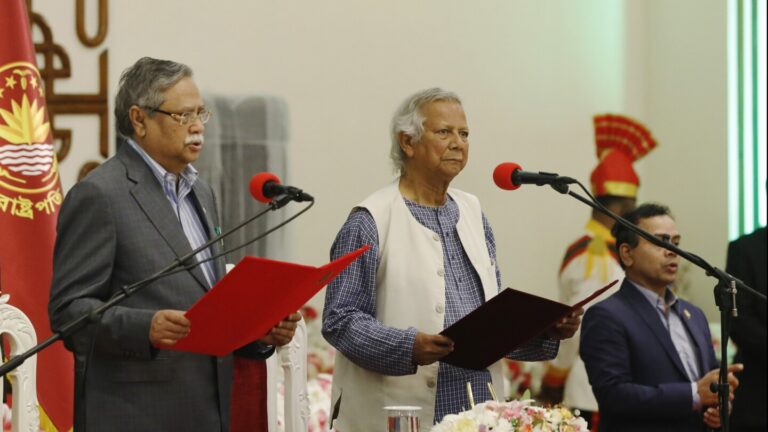

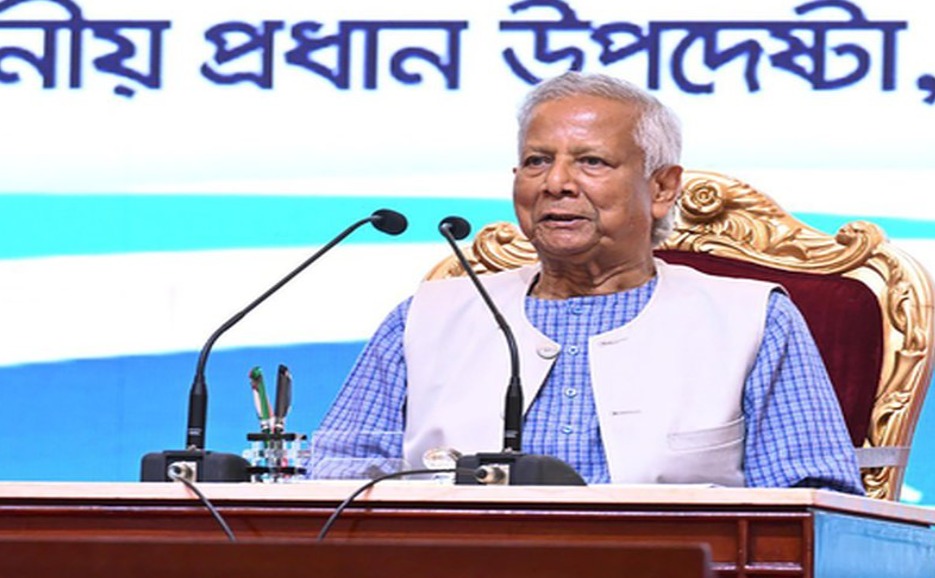
What began as a hopeful chapter for free expression in Bangladesh has turned into a growing crisis for journalists and independent media, according to analysts, human rights groups, and press organisations. When Nobel Laureate Dr. Muhammad Yunus assumed leadership of Bangladesh’s interim government in August 2024 following the fall of the Sheikh Hasina administration, many inside and outside the country saw it as a potential reset for democratic freedoms—particularly for a media landscape long constrained by legal and political pressures.
However, in the 16 months since, journalists report that those early expectations have largely given way to disillusionment. Rather than broadening space for dissenting voices, critics say the government has presided over increasing intimidation, legal harassment, and violent actions against the press.
Escalating Risks for Journalists
A report released on World Press Freedom Day 2025 painted a stark picture of deteriorating conditions: within eight months of Yunus taking office, at least 640 journalists were targeted, including assaults, fabricated criminal charges, and financial scrutiny—particularly through state agencies.
Independent press organisations say the situation continues to worsen as Bangladesh approaches its February 2026 national elections. Journalists in Dhaka and beyond now describe death threats, online surveillance, and stalking as the “new normal” for reporters covering politics and governance.
Compounding these concerns, a U.S. press freedom group formally urged Yunus’s government to release journalists imprisoned on questionable murder charges, noting that some detained reporters are held in harsh conditions without credible evidence of wrongdoing.
Attacks on Media Outlets and Impunity
Beyond individual threats, media institutions themselves have faced violence and destruction. In December, offices of major newspapers—including Prothom Alo and The Daily Star—were vandalised and set alight in mob attacks. Leaders of the Bangladesh Editors’ Council said some elements within the interim government appeared to have allowed or failed to prevent these attacks.
These incidents have sown fear among journalists and civil society activists, many of whom say state forces have been slow or unwilling to protect media workers during outbreaks of mob violence.
Legal Tools and Structural Pressures
Analysts note that draconian legal instruments, including laws framed around “digital safety,” remain in force and are used to muzzle critical reporting—a stark contrast with earlier promises by Yunus to reform such measures.
Observers point to a broader pattern in which courts and administrative bodies have become avenues for silencing dissent, with journalists facing lengthy investigations, travel bans, frozen bank accounts, and professional blacklisting.
Prospects for Reform
Despite these troubling trends, civil society groups continue to push for meaningful media reform and stronger protections for journalists. Advocates say that safeguarding free expression will be essential not just for press freedom, but for the credibility of Bangladesh’s democratic process as the country heads toward a pivotal election.