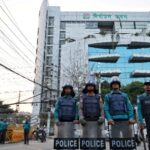

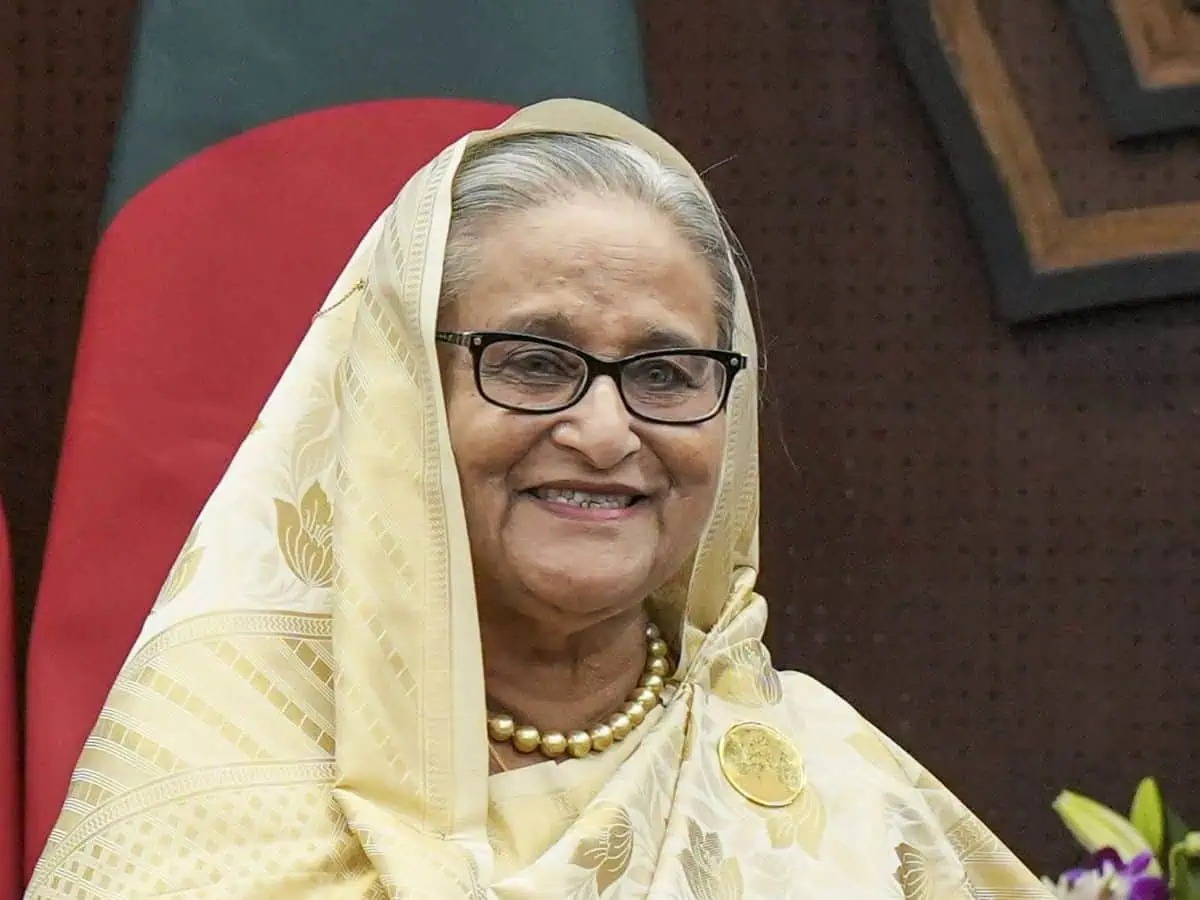
Former Bangladeshi Prime Minister Sheikh Hasina has issued a stark critique of the country’s current political trajectory in a wide‑ranging interview, saying violence, rising extremism and the sidelining of democratic norms under the interim government pose grave risks to Bangladesh’s future. Hasina’s comments come as the nation prepares for parliamentary elections scheduled for February 2026, a moment analysts say will be pivotal for the country’s stability and democratic legitimacy. Now living in exile, Hasina described the protests in 2024 that led to her ouster not as entirely peaceful demonstrations but as movements exploited by extremists who allegedly transformed civic unrest into violent uprisings. She said that attacks on police stations and destruction of infrastructure signified a breakdown in law and order, lamenting that what began as a protest deteriorated into chaos that she felt forced to leave the country to prevent further bloodshed.
Democracy, Extremism and Governance Concerns
Hasina sharply criticised the interim administration led by Nobel laureate Muhammad Yunus, arguing it lacks democratic legitimacy because it governs without a popular mandate. She alleged that the interim government has weakened constitutional structures, undermined the judiciary and failed to curb the influence of extremist factions, including the release of convicted militants she says are now emboldened in public life. According to her, this pattern undermines religious harmony and threatens the secular foundations of the state. She emphasized that free, fair and inclusive elections, including the legal participation of her party — the Awami League — are essential for restoring democratic governance. Hasina argued that elections held without major political parties cannot be considered legitimate and called for the release of political prisoners and lifting of bans on key political organisations.
Reflections on Past Leadership and Future Priorities
Reflecting on her long tenure in office, Hasina highlighted what she described as her government’s achievements — including rapid economic growth, poverty reduction and strengthened infrastructure — while defending her record on minority rights and secular governance. She said that healthy political opposition had been encouraged under her leadership and that participatory democracy was central to her vision for Bangladesh. Turning to future prospects, Hasina said she would prioritise the restoration of constitutional rule, accountability for violence, protections for civil liberties and economic renewal if given another opportunity to lead. She reiterated her confidence in the resilience of the Bangladeshi people and their aspiration for participatory democracy.
Political Landscape and Upcoming Elections
Bangladesh’s political scene remains deeply fractured. Opposing parties, emerging movements and Islamist factions are all vying for influence ahead of elections that could reshape governance in the country. Analysts note that questions over the interim government’s handling of security, political freedoms and economic challenges are likely to dominate public debate in the coming weeks. Hasina’s critique adds to broader concerns about the credibility of the electoral process and the role of extremist groups in shaping political discourse — concerns that both domestic observers and foreign diplomats say will be crucial to address if Bangladesh is to navigate a peaceful democratic transition.