
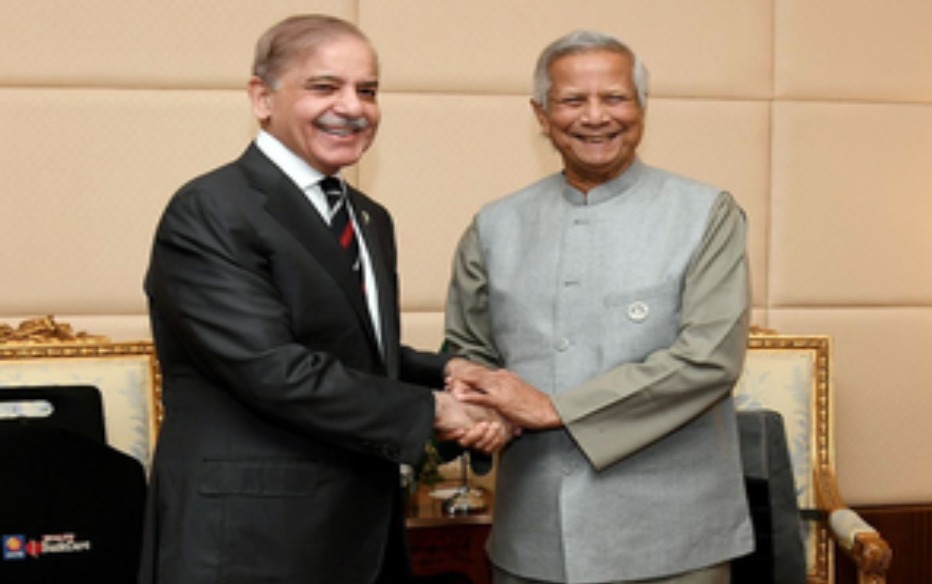
With national elections scheduled for February 2026, Bangladesh’s political climate is increasingly marked by widespread violence, communal tension and attacks on dissenting voices — raising concerns among analysts, civil society and international observers about a deepening democratic crisis. Critics say that since the interim government under Chief Advisor Muhammad Yunus took power in August 2024, the landscape has shifted dramatically. Incidents of mob violence, ethnic attacks and threats to free expression have surged, and political polarization has intensified. These developments are overshadowing hopes for a peaceful, credible electoral transition in the country.
Sharp Rise in Violence and Public Disorder
Observers highlight a troubling pattern of violence including attacks on cultural institutions, media outlets, and prominent activists. In mid‑December 2025, mobs targeted major newspapers and cultural organisations in Dhaka, jeopardising both press freedom and artistic expression, according to rights groups. One of the most shocking incidents shaping public perception was the lynching of Dipu Chandra Das, a young Hindu man accused of blasphemy. Das was beaten and killed by a mob, an event that not only shocked civil society but also drew international attention to the fragility of law and order in Bangladesh.
Communal Tensions and Minority Vulnerability
Reports from rights organisations underscore a sharp uptick in blasphemy‑related violence and attacks against religious minorities throughout 2025. More than 70 separate incidents were documented from mid‑year through December, including mob beatings, vandalism of homes and communal unrest in multiple districts. These events point to a climate where accusations can quickly escalate into mass violence, particularly in areas with limited law‑enforcement response.
Political Polarization and Democratic Institutions
Political opponents of the interim government argue that state institutions — from law enforcement to the judiciary — have been strained by political divides and have failed to protect vulnerable groups or uphold democratic norms. Former political leaders have publicly blamed the current administration for increasing lawlessness and loss of control, asserting that the breakdown in public order reflects deeper governance challenges. At the same time, some social and political analysts point out that longstanding political rivalries have magnified tensions, and that voices across the spectrum are calling for greater transparency and safeguards ahead of the upcoming elections.
Public Protests and International Concern
Cross‑border repercussions have also emerged. Protests by diaspora communities and activist groups in neighbouring countries underscore how events in Bangladesh are reverberating beyond its borders. Some international rights organisations have emphasised the need to protect freedom of expression and ensure meaningful civic participation, particularly at a moment when the nation is preparing to elect a new parliament.
Looking Ahead: Elections and Stability
With the February 2026 election approaching, stakeholders in Bangladesh face the complex challenge of balancing security, social cohesion and democratic participation. Analysts stress that meaningful reform — including strengthening protections for minorities, safeguarding press freedom, and ensuring accountability for violent acts — will be essential to restoring confidence in the country’s democratic future. For many citizens and observers, the coming months will be a critical test of Bangladesh’s resilience and its ability to uphold democratic principles amid deep political and social tensions.