
A gathering aimed at promoting dialogue and peace in Khyber Pakhtunkhwa ended in controversy this month after two student activists attending the event went missing, fueling renewed criticism of Pakistan’s handling of political dissent and human rights.
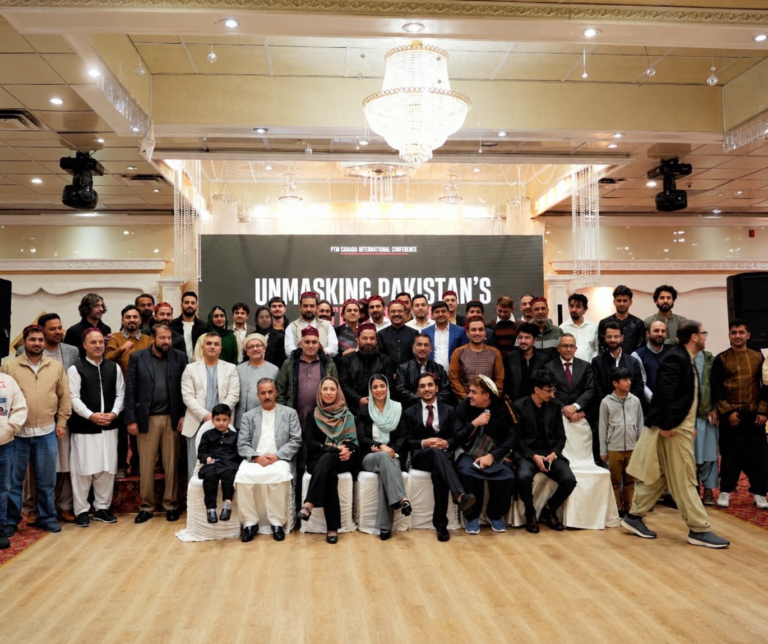
On November 12, 2025, a “peace jirga” brought together tribal elders, clerics, civil society figures, and students in Peshawar to discuss rising security concerns amid tensions along the Afghan border. According to eyewitness accounts, Khubaib Wazir and Adnan Wazir, both members of the Waziristan Students’ Society, left the event but never returned to their hostel. Local reports indicate the two were intercepted by men in plain clothes believed to be linked to state security forces and have not been seen since. Neither their families nor authorities have provided any official information on their whereabouts.
Pattern of Enforced Disappearances Raises Alarm
Human rights organisations have long documented enforced disappearances in Pakistan — a practice in which individuals are taken into custody without legal process or acknowledgment by state agencies. Families of missing persons and rights groups argue that this tactic is used not only against armed militants but increasingly against activists, students, and critics of military and security policies.
Official data from Pakistan’s Commission of Inquiry on Enforced Disappearances shows more than 10,000 cases recorded between 2011 and 2025, including thousands in Khyber Pakhtunkhwa and Balochistan. Independent estimates suggest that hundreds more cases go unreported due to fear or lack of legal recourse. Activists and civil society organisations note that enforced disappearances have been especially prevalent in regions with long‑standing tensions, where security operations and counter‑insurgency measures historically intersect with political grievances and ethnic identity struggles.
Broader Protests and Civil Society Action
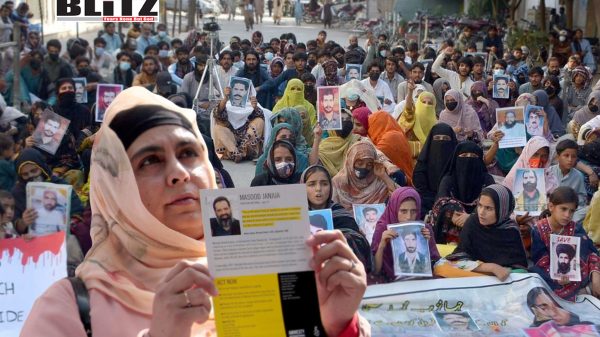
Recent months have also seen a surge in activism around the issue, particularly in Balochistan, where campaigns against enforced disappearances have been organised to highlight the plight of missing persons. Civil society groups have documented cases involving both men and women, calling for accountability and transparency from state institutions. Protests have included efforts to spotlight the disappearance of entire families and symbolic actions to challenge state indifference. In some instances, demonstrations have even impacted major transportation routes. Local communities in Balochistan blocked portions of the China‑Pakistan Economic Corridor (CPEC) to protest the rise in disappearances, underscoring the depth of frustration over unresolved cases and the lack of official responses.
Pushback and Rights Advocacy
Human rights organisations both inside and outside Pakistan have repeatedly called for an end to enforced disappearances and for meaningful investigations into reported cases. Critics argue that conflating peaceful activism with security threats undermines civil liberties and fuels mistrust between communities and the state. Rights advocates say that families of missing persons are often left in limbo, forced to navigate lengthy legal processes while facing silence from authorities and little recourse through the courts. They call for stronger institutional safeguards, accountability for security personnel, and legal reforms to prevent future abuses.
State Position and Public Debate
Pakistani officials have generally maintained that security operations are necessary for maintaining order amid complex regional conflicts, but they deny systemic abuses. Government representatives often assert that any cases of disappearance are matters of national security and subject to legal review. However, persistent reports from rights groups and families suggest a gap between official rhetoric and public experience. The incident involving the two student activists has reinvigorated debate about the limits of civic engagement in Pakistan. Critics of enforced disappearances argue that silencing dissent through abductions not only violates fundamental rights but also stifles legitimate dialogue on peace and accountability — ironically targeting those who seek those very outcomes.