
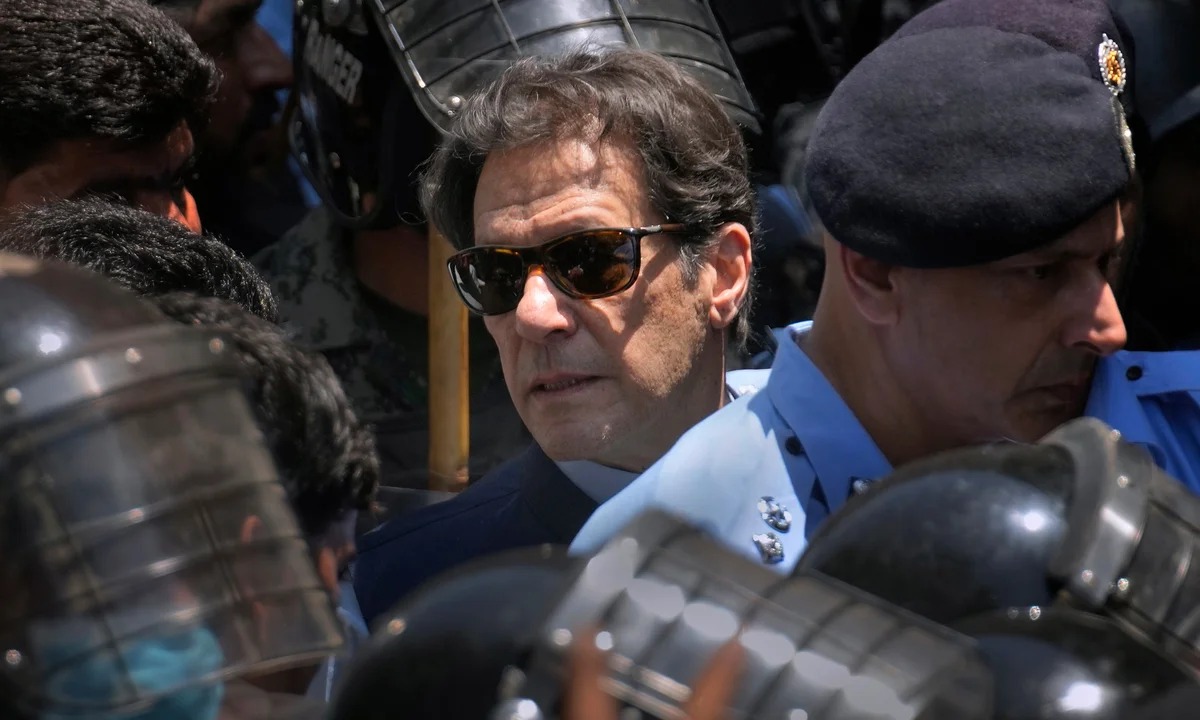
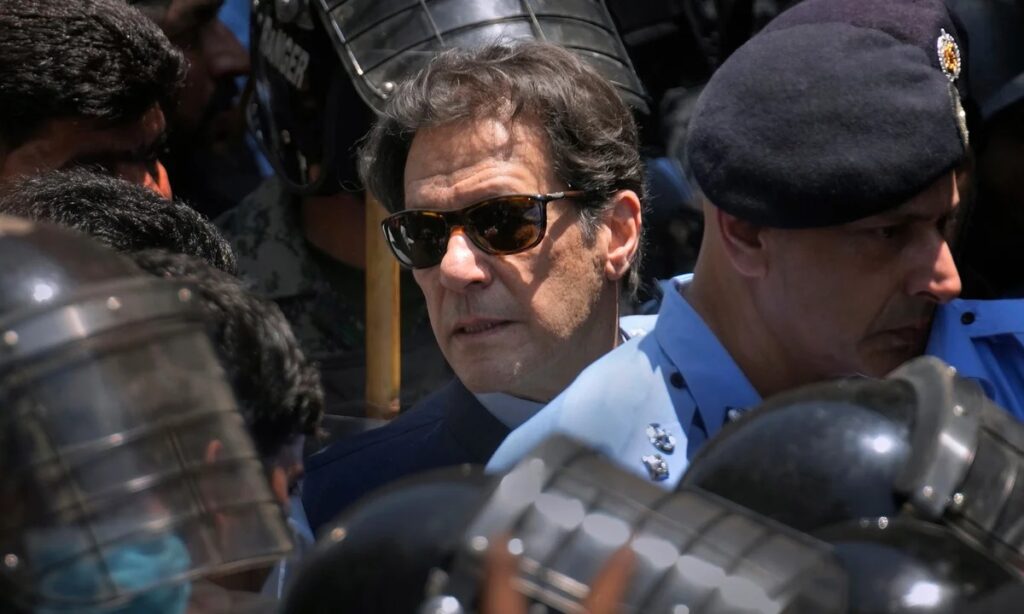
 Concerns are growing within Pakistan and among international observers following a sharp escalation in rhetoric from the country’s military establishment regarding former Prime Minister Imran Khan, who has remained in custody since 2023 amid multiple legal cases. Recent public statements by military officials have framed Khan as a serious threat to national stability, marking a notable shift from earlier messaging that portrayed him primarily as a political adversary. Analysts say this change in tone has heightened fears about the direction of Pakistan’s civil-military relations and the broader political environment.
Escalating Language Raises Alarm
Observers note that the military’s recent characterisation of Khan goes beyond political criticism, instead invoking national security concerns and allegations of destabilisation. Such language, critics argue, risks further polarising the country at a time when political tensions are already high. Human rights advocates and political analysts caution that portraying a detained political leader as an existential threat to the state can undermine legal safeguards and due process, particularly in a system where the military wields significant influence.
Background to the Crisis
Imran Khan, a former international cricket star turned politician, served as Pakistan’s prime minister from 2018 until his removal through a parliamentary vote in 2022. Since then, he has faced multiple convictions and legal proceedings, which he and his supporters describe as politically motivated. Despite being imprisoned, Khan continues to command substantial public support, especially among younger voters. His party, Pakistan Tehreek-e-Insaf (PTI), has faced arrests, restrictions and political pressure, further intensifying the confrontation between civilian political forces and the establishment.
Political and Public Reaction
Supporters of Khan view the military’s statements as an attempt to justify harsher measures against him and his party. They warn that escalating rhetoric could deepen instability and erode democratic norms. Political commentators have urged restraint, stressing the importance of constitutional processes and judicial independence. Several analysts have also warned that excessive use of security narratives against political opponents risks long-term damage to Pakistan’s democratic framework.
International Attention
The situation has drawn attention from international observers, who have repeatedly called for respect for human rights, rule of law and fair legal processes. Pakistan’s political trajectory remains under close scrutiny as it balances internal political challenges with regional and economic pressures.
Looking Ahead
As Pakistan navigates an increasingly tense political climate, the fate of Imran Khan remains a central issue. How state institutions handle the situation is likely to have lasting implications for civil liberties, political stability and democratic governance in the country. For now, analysts say, de-escalation, transparency and adherence to legal norms will be critical to preventing further deterioration of trust between the state and the public.