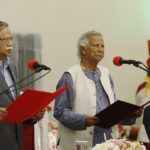

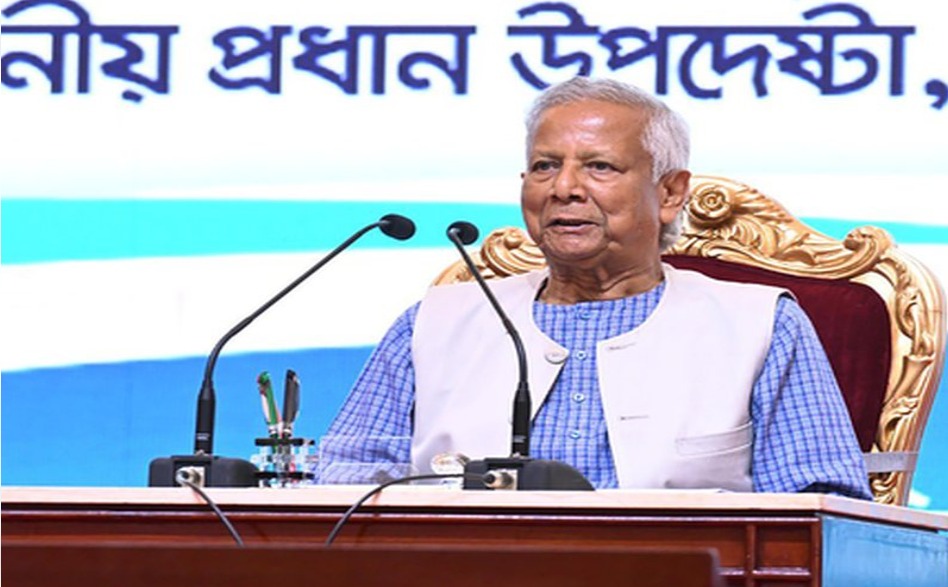
Questions over press freedom in Bangladesh have resurfaced amid allegations that the interim government led by Nobel laureate Muhammad Yunus has failed to ensure an independent and secure environment for journalists, despite pledges of democratic reform.
According to critics and media observers, journalists in Bangladesh continue to face intimidation, legal pressure and harassment, raising concerns that freedom of expression remains constrained under the current administration. The claims suggest that the media environment has not seen the expected improvement following the political transition of 2024.
Claims of Harassment and Self-Censorship
Journalists and press freedom advocates allege that reporters critical of the government have been subjected to arrests, questioning and legal cases, creating a climate of fear within newsrooms. Several journalists have reported receiving threats, while others say they are increasingly resorting to self-censorship to avoid retaliation. Media organisations argue that the use of legal provisions against journalists has continued under the interim government, undermining assurances that press freedom would be protected during the transition period.
Concerns Over Safety of Journalists
Local journalist bodies have expressed alarm over attacks on media offices and individuals, claiming that insufficient action has been taken against those responsible. They warn that the lack of accountability has emboldened hostile elements and weakened trust in the state’s commitment to protecting journalists. Editors and reporters say the environment for independent journalism has become increasingly hostile, with many fearing for their personal safety while carrying out their professional duties.
Political Context and Criticism
The debate over media freedom is unfolding against a backdrop of wider political tension in Bangladesh. Critics of the interim government accuse it of suppressing dissenting voices and narrowing democratic space, particularly as the country prepares for national elections expected in early 2026. Opposition figures and civil society groups argue that restricting media freedom risks undermining the credibility of the electoral process and weakening public confidence in democratic institutions.
Government’s Position
The Yunus-led interim government has rejected allegations of press repression, maintaining that it respects freedom of speech and that any legal action against journalists is based on due process rather than political motives. Officials have stated that maintaining law and order and preventing misinformation are key priorities during the transition.
International Attention
International press freedom and human rights groups have urged Bangladesh’s leadership to strengthen safeguards for journalists, review laws that may be misused to silence criticism, and ensure that media professionals can work without fear or interference. As Bangladesh moves closer to a crucial election year, the state of media freedom is likely to remain under close domestic and international scrutiny, serving as a key measure of the country’s democratic health.